Artwork
Le brodeur
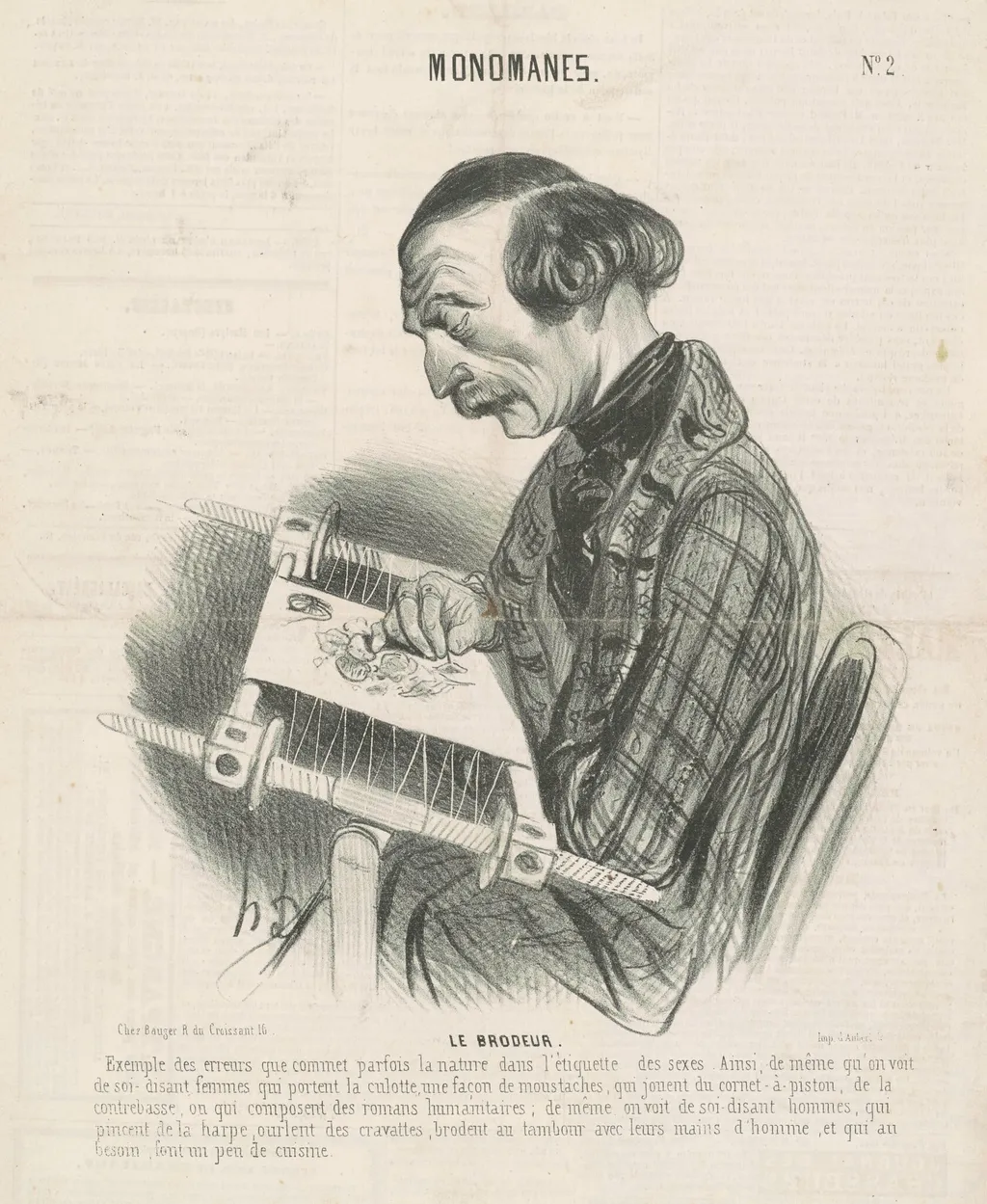
Le brodeur is an ink print by the Romanticist artist Honoré Daumier. It dates from 1840 and is held in the collection of the National Gallery of Art.
About this work
Overview
Le brodeur, a lithograph by Honoré Daumier from 1840, portrays a man deeply engaged in embroidery, blending an intimate moment with social commentary on craftsmanship.
Subject & Meaning
The subject, a man in profile, is fully absorbed in his meticulous work, symbolizing the value of craftsmanship. The scene subtly critiques the period's societal views on such occupations.
Technique & Style
Daumier employed lithography to capture the scene, with a lightly sketched background that not only sets the quiet, focused atmosphere but also hints at its potential origin as an illustration for a publication.
Context
Created in 1840, the work reflects the era's growing interest in depicting everyday life and the dignity of labor, as well as the role of lithography in disseminating such images to a broader audience.
History & Provenance
While specific ownership history is not detailed here, 'Le brodeur' is characteristic of Daumier's lithographic output during this period, known for its social commentary.
Legacy
'Le brodeur' contributes to Daumier's legacy of highlighting ordinary life and labor through lithography, influencing subsequent artists in capturing the mundane with depth and social relevance.
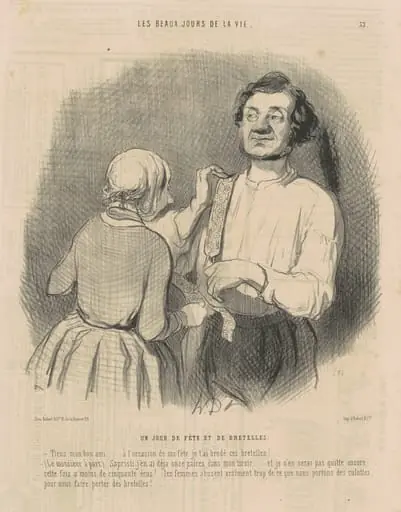
Own this work as a print
Artist & collection
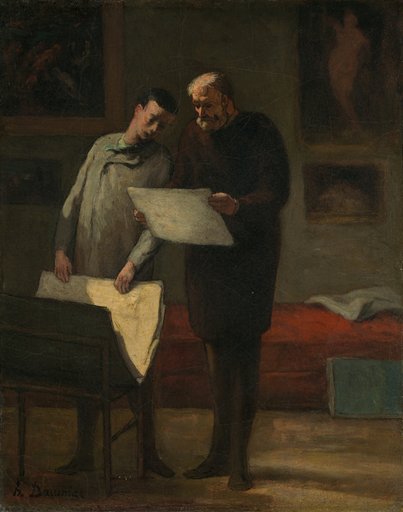
Artist
Honoré-Victorin Daumier (French: ; 26 February 1808 – 10 or 11 February 1879) was a French painter, sculptor, and printmaker, whose many works offer commentary on the social and political life in France, from the…









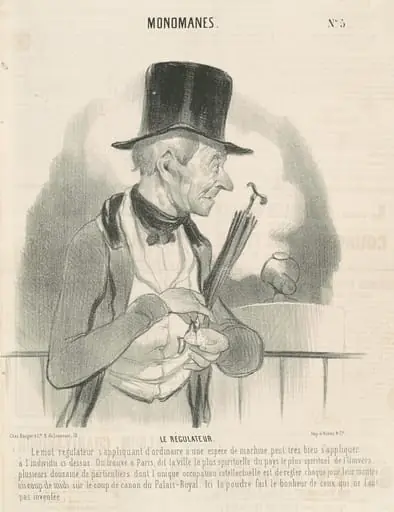 Le regulateur
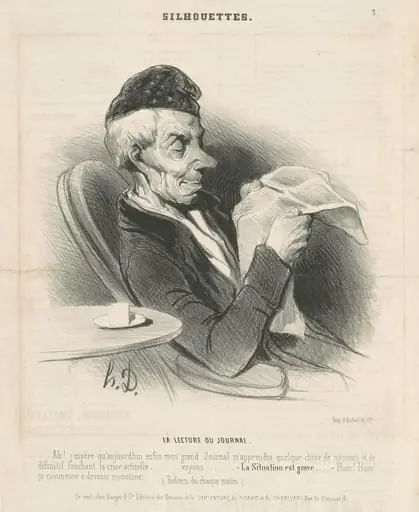 Le lecture du journal
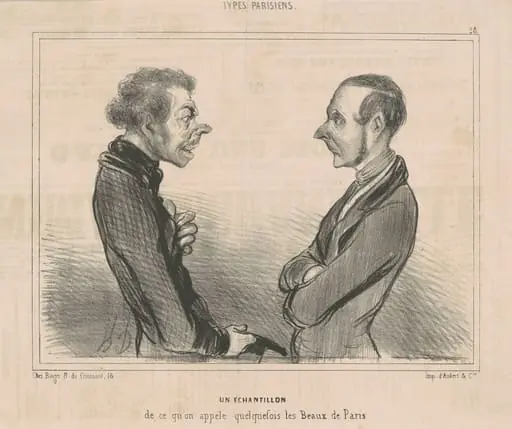 Un échantillon de ce qu'on appèll...les beaux de paris
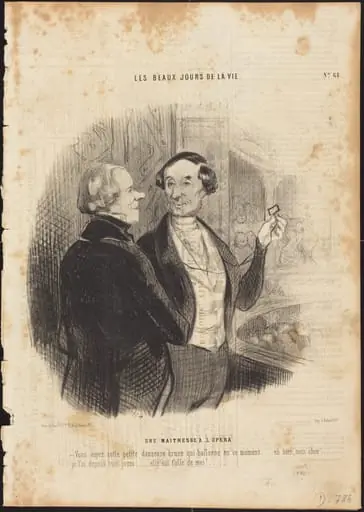 Une Maitresse a l'Opéra
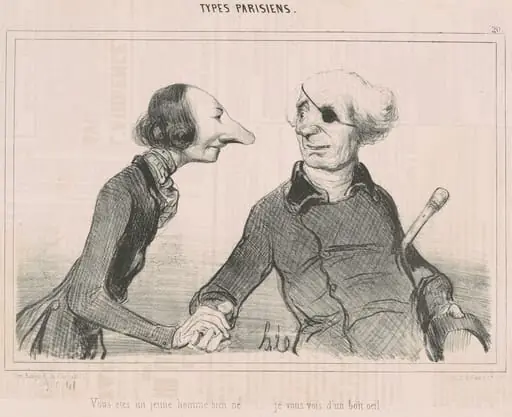 Vous êtes un jeune homme bien né!...
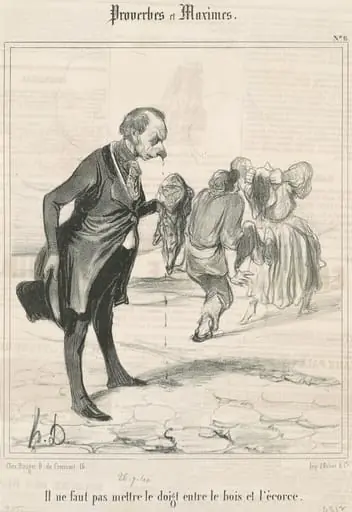 Il ne faut pas mettre le doigt ...
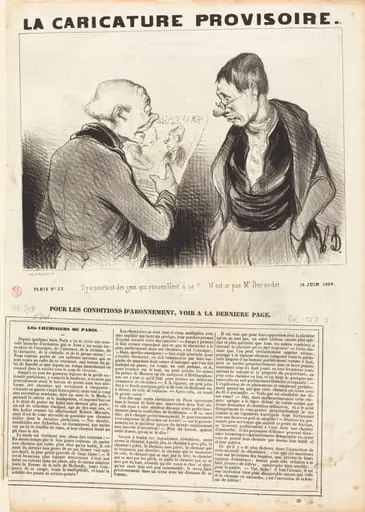 Il y a pourtant des gens qui ressemblent a ça!
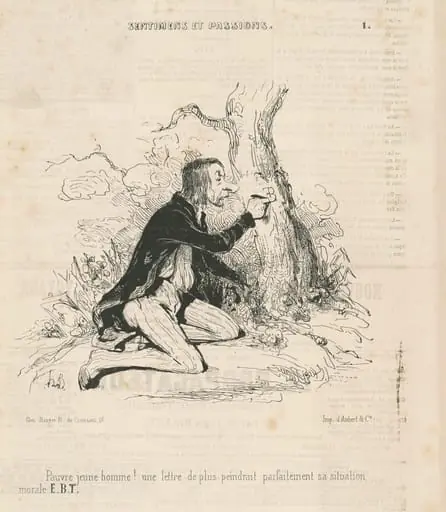 Pauvre jeune homme!
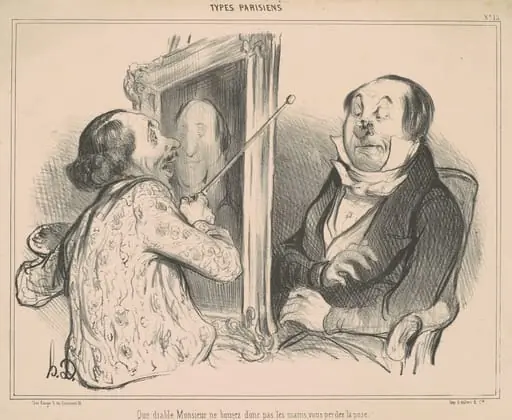 Que Diable Monsieur Ne Bougez donc pas...
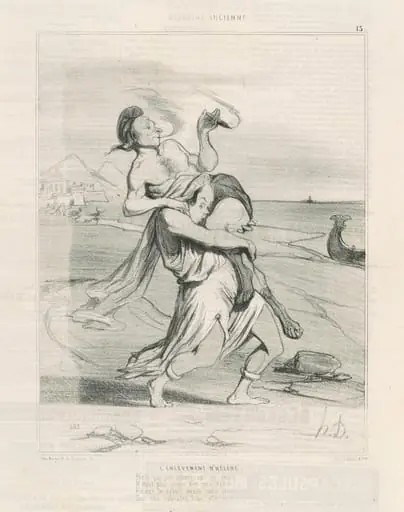 L'enlevement d'Hélène