Artwork
A Blacksmith (Un Forgeron)
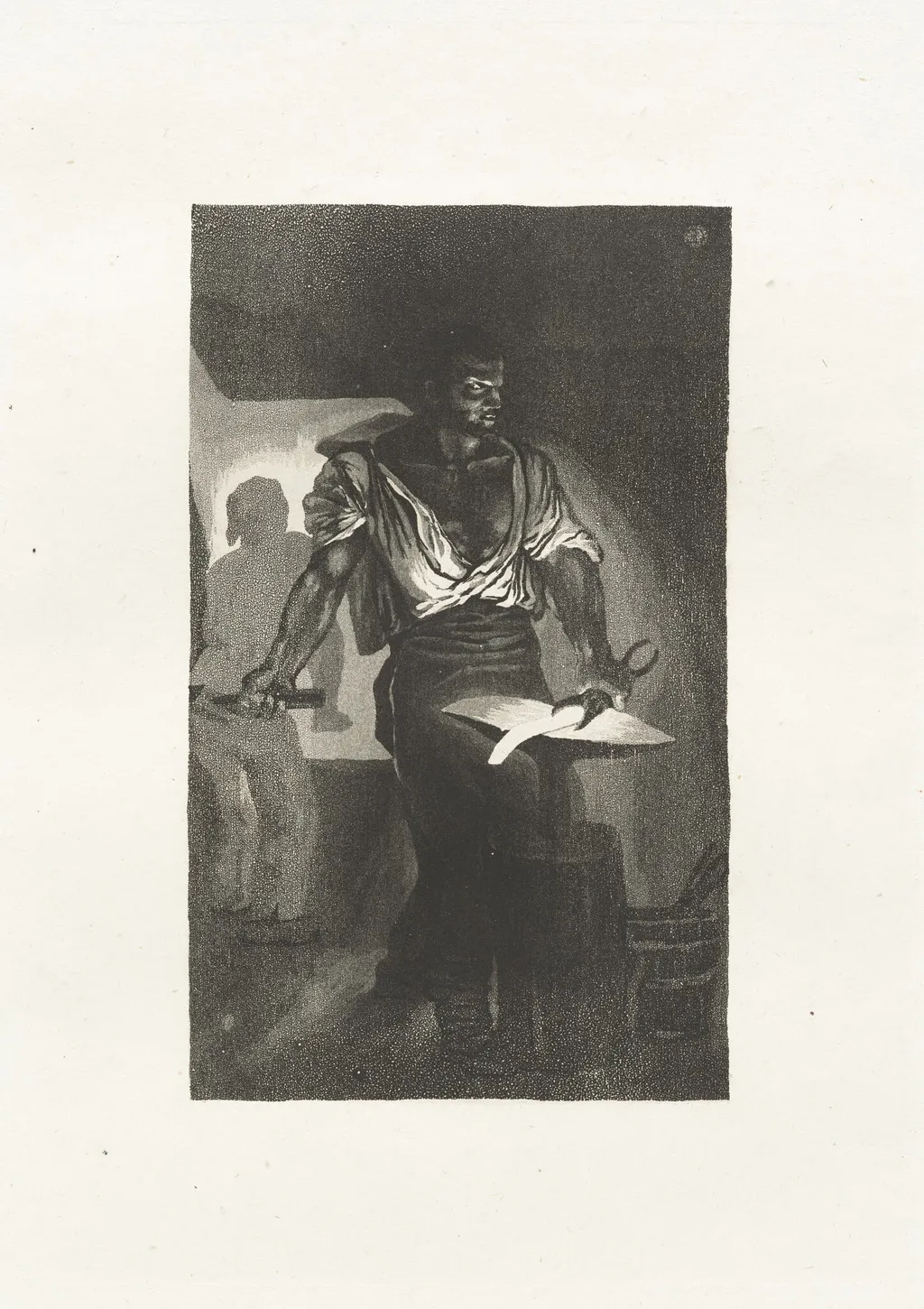
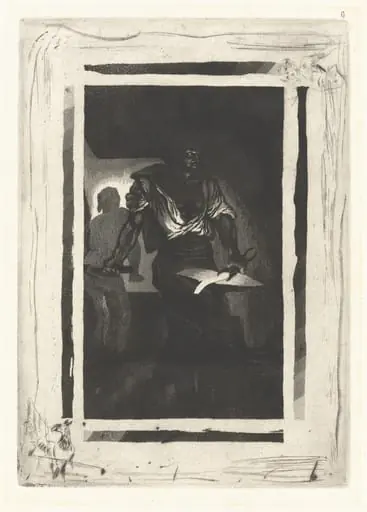
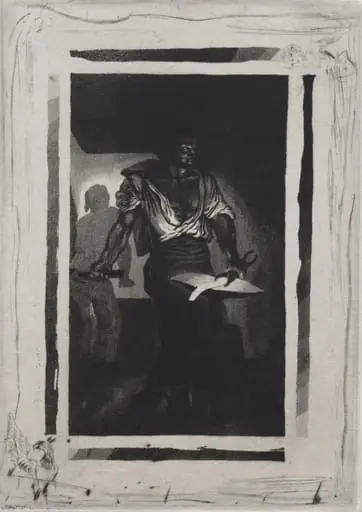
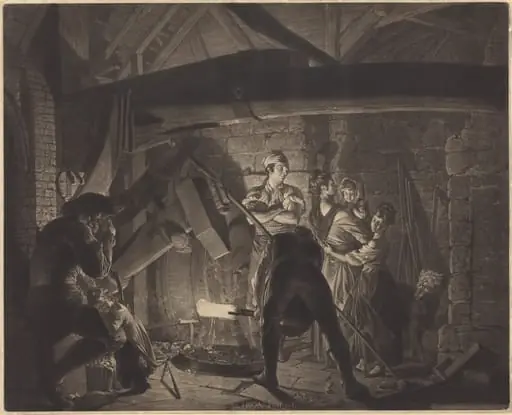
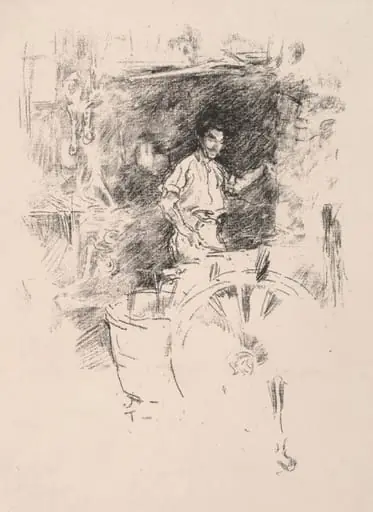
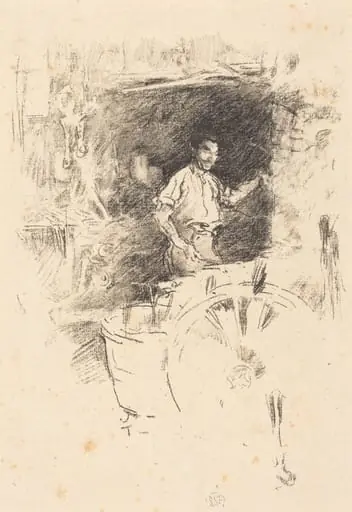
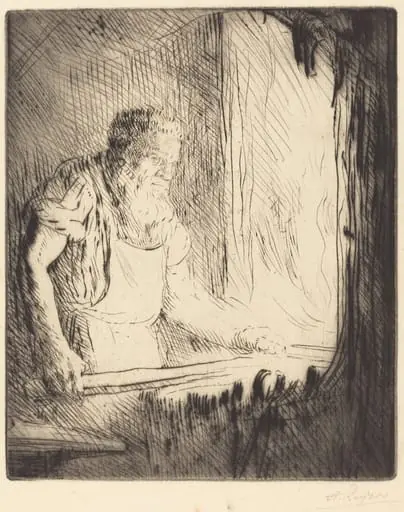
A Blacksmith (Un Forgeron) is an ink print by the Romanticist artist Eugène Delacroix. It dates from 1833 and is held in the collection of the National Gallery of Art.
- Inscription
- Inscribed:in plate, in image, at upper right: ED [in circle]; in plate, above image, at right: 4
- Markings
- Marked:none
About this work
Overview
A Blacksmith (Un Forgeron), created by Eugène Delacroix in 1833, is an aquatint print on laid paper exemplifying the French Romantic style.
Subject & Meaning
The print depicts a blacksmith in intense labor, emphasizing physical exertion and dramatic tension, characteristic of Delacroix's focus on romantic and dramatic themes.
Technique & Style
Delacroix employed aquatint to achieve deep, expressive tones and chiaroscuro, drawing inspiration from Rubens and Venetian Renaissance painters to convey dynamic energy and intensity.
History & Provenance
Created in 1833 during Delacroix's mature period, the work reflects his departure from Neoclassical precision in favor of emotional and movement-driven art.
Context
Within the broader context of 19th-century French art, A Blacksmith situates Delacroix as a leading Romantic figure, contrasting with the prevailing Neoclassical movement of the time.
Legacy
This piece contributes to Delacroix's legacy as a pioneer of Romanticism, influencing subsequent artists with its emphasis on expressive technique and dramatic subject matter.
Own this work as a print
Artist & collection
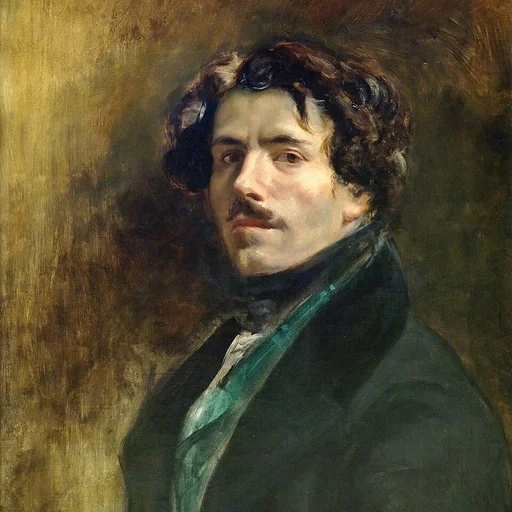
Artist
Ferdinand Victor Eugène Delacroix ( DEL-ə-krwah, -KRWAH; French:; 26 April 1798 – 13 August 1863) was a French Romantic artist who was regarded as the leader of the French Romantic school.