Artwork
Portrait of the Count-Duke of Olivares
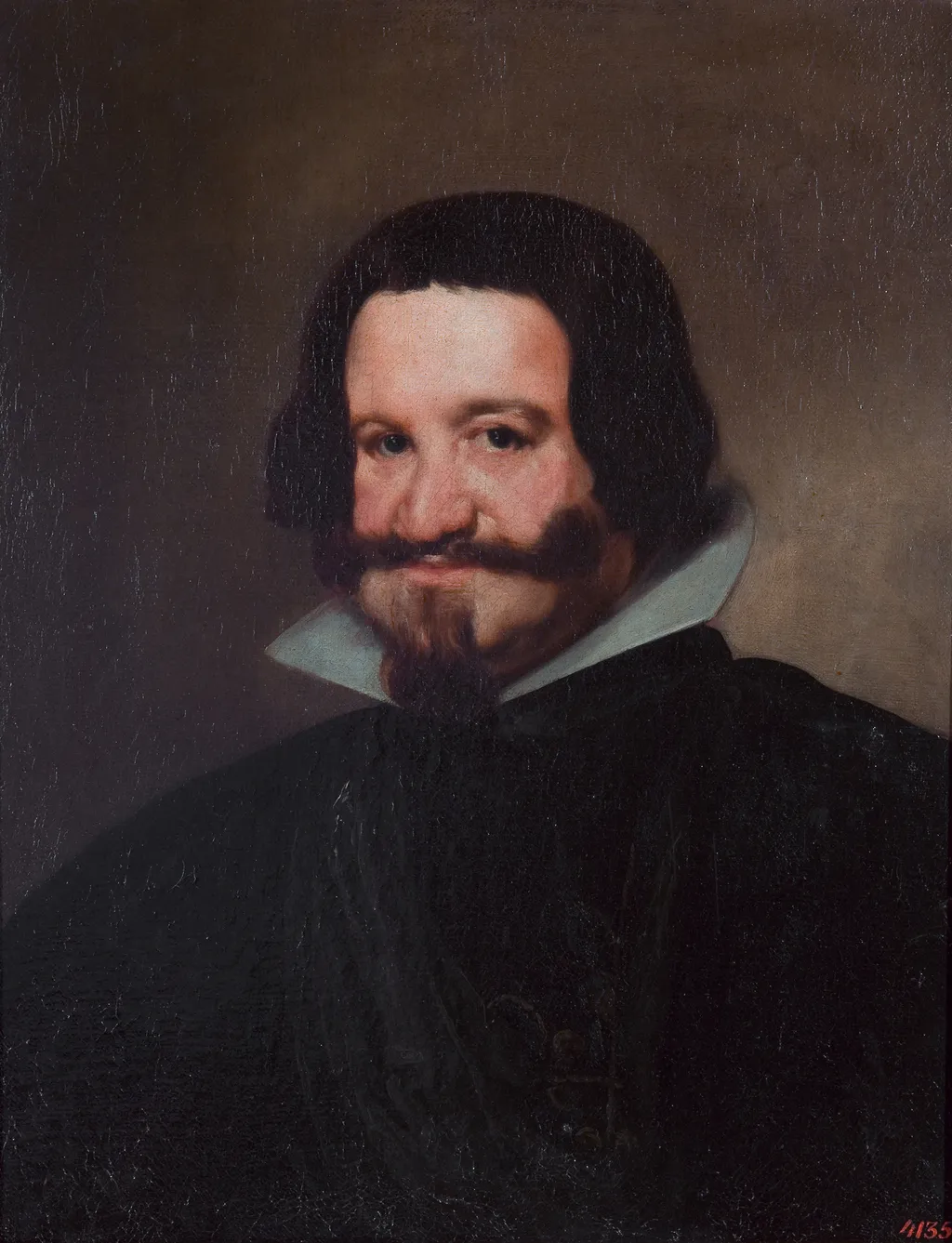
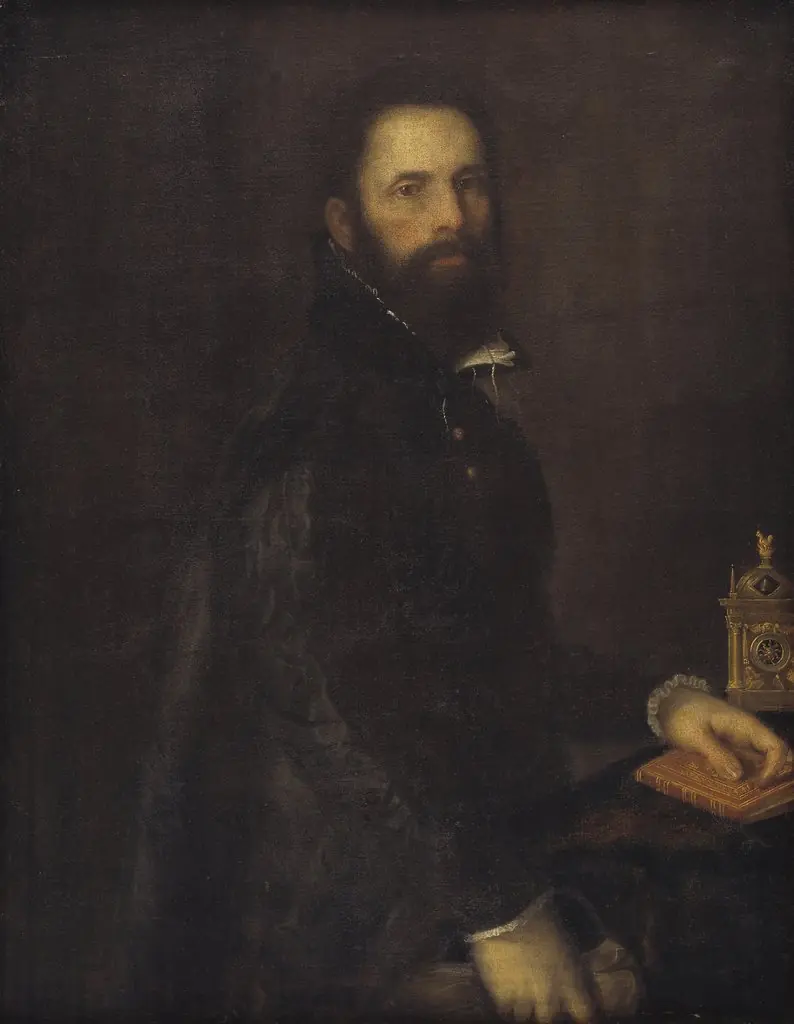
Portrait of the Count-Duke of Olivares is an oil painting by the Spanish Baroque Tenebrist artist Diego Velázquez. It dates from 1638 and is held in the collection of the Hermitage Museum.
About this work
This is a formal portrait of Gaspar de Guzmán, Count-Duke of Olivares. Painted by Diego Velázquez between 1635 and 1638, it’s an oil on canvas. The artist was also the court painter for Spain’s King Philip IV.
Velázquez kept this work in his studio for years. He made small changes as he worked. The painting traveled from Spain to Russia in the 18th century.
Look up Diego Velázquez next.
Overview
The work was created in 1638 and is currently held in the Hermitage Museum in Saint Petersburg.
Portrait of the Count-Duke of Olivares is an oil on canvas painting by the Spanish artist Diego Velázquez, depicting the powerful prime minister of Spain, Gaspar de Guzmán. The work was created in 1638 and is currently held in the Hermitage Museum in Saint Petersburg. Measuring 67 by 54.5 centimeters, the bust-length portrait is a frank depiction of the aging statesman, notable for its restrained palette and psychological depth, distinguishing it from the more flamboyant equestrian portraits of the same sitter.
Subject & Meaning
The painting portrays Gaspar de Guzmán, the prime minister and favorite of Philip IV, who was instrumental in Velázquez's own appointment as court painter. Velázquez executed the portrait as an expression of gratitude toward his patron. Unlike earlier, more idealized depictions of the minister, this bust-length work conveys a markedly aged and tired visage, reflecting the physical toll of his demanding political career. Despite the signs of exhaustion, the sitter's gentle, quiet demeanor transmits his energetic character and formidable intelligence. He is dressed in a simple black garment with a prominent white ruff, an unadorned presentation that emphasizes his psychological presence over heraldic display.
Technique & Style
Velázquez employed a highly restrained palette dominated by blacks, browns, and the stark white of the collar, set against a muted, warm brown background that darkens toward the edges. Light enters from the left, illuminating the left side of the face and collar while allowing the right side to recede into shadow. The brushwork is smooth and blended in the rendering of the flesh, capturing the swollen and aged features with uncompromising realism, while broader, more fluid handling defines the clothing and background. The canvas surface exhibits extensive craquelure, and a small red inscription is visible in the lower right corner.
History & Provenance
The portrait was painted in 1638 within Velázquez's studio in the Royal Palace of Madrid. As a court painter intimately involved with the ruling class, Velázquez produced multiple portraits of the Count-Duke throughout his career, including a well-known equestrian portrait. This specific bust-length work eventually entered the collection of the Hermitage Museum in Saint Petersburg, Russia, where it remains today.
Context
The portrait occupies a specific place within Velázquez's extensive output as a court painter, who was regularly tasked with documenting the members of Philip IV's administration. It serves as a visual counterpoint to the earlier equestrian portrait of the Count-Duke, which celebrated the minister's military command and tactical victories, such as the 1638 siege of Fuenterrabia. While the equestrian work projects sculptural volume and martial triumph, this later bust portrait strips away such props, relying instead on the sitter's bodily presence and the eloquence of black fabric to convey authority. It reflects Velázquez's mature approach to portraiture, where rank is transmitted through psychological tact and restrained atmosphere rather than intricate textures or busy settings.
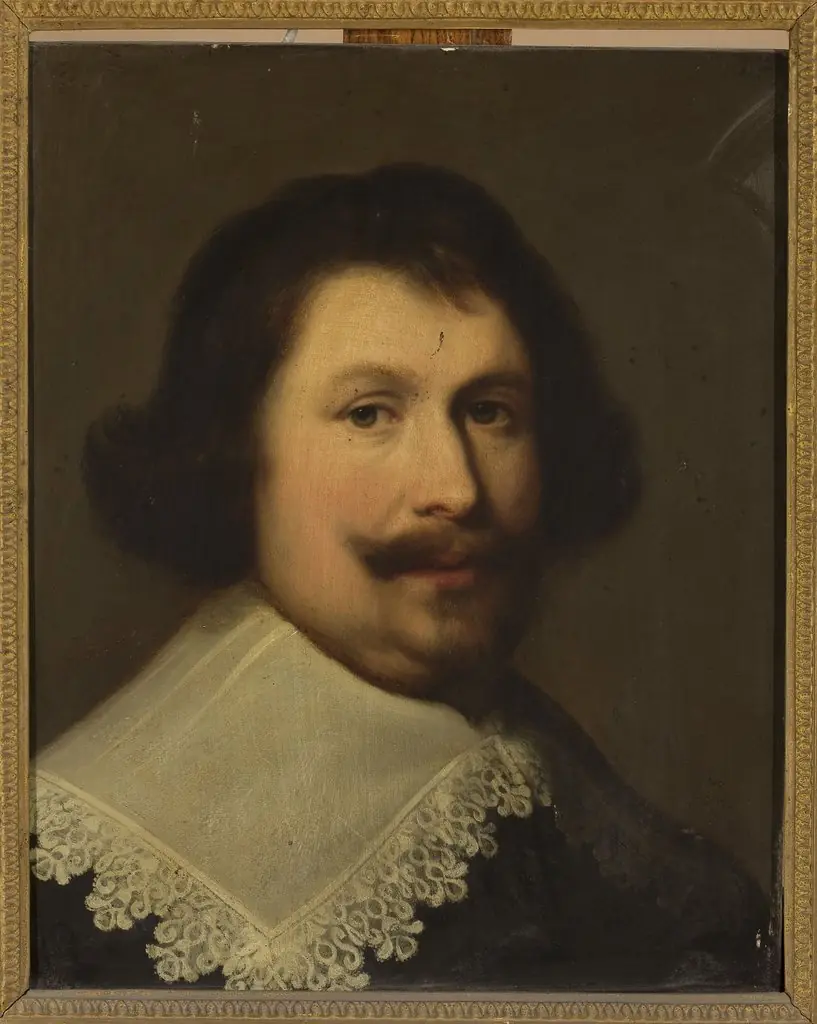
Own this work as a print
Artist & collection
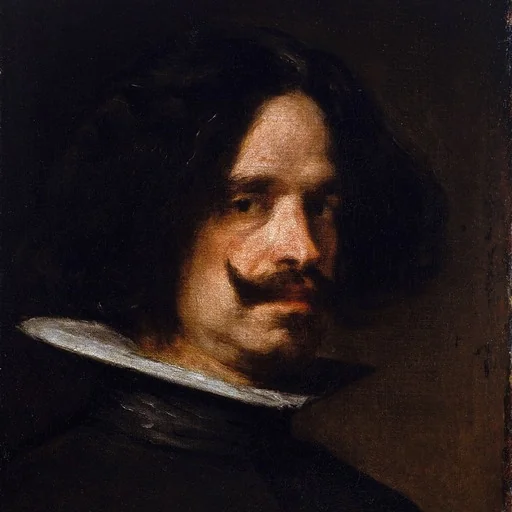
Artist
Diego Rodríguez de Silva y Velázquez was a Spanish Baroque painter, the leading artist in the court of King Philip IV of Spain and Portugal, and of the Spanish Golden Age.

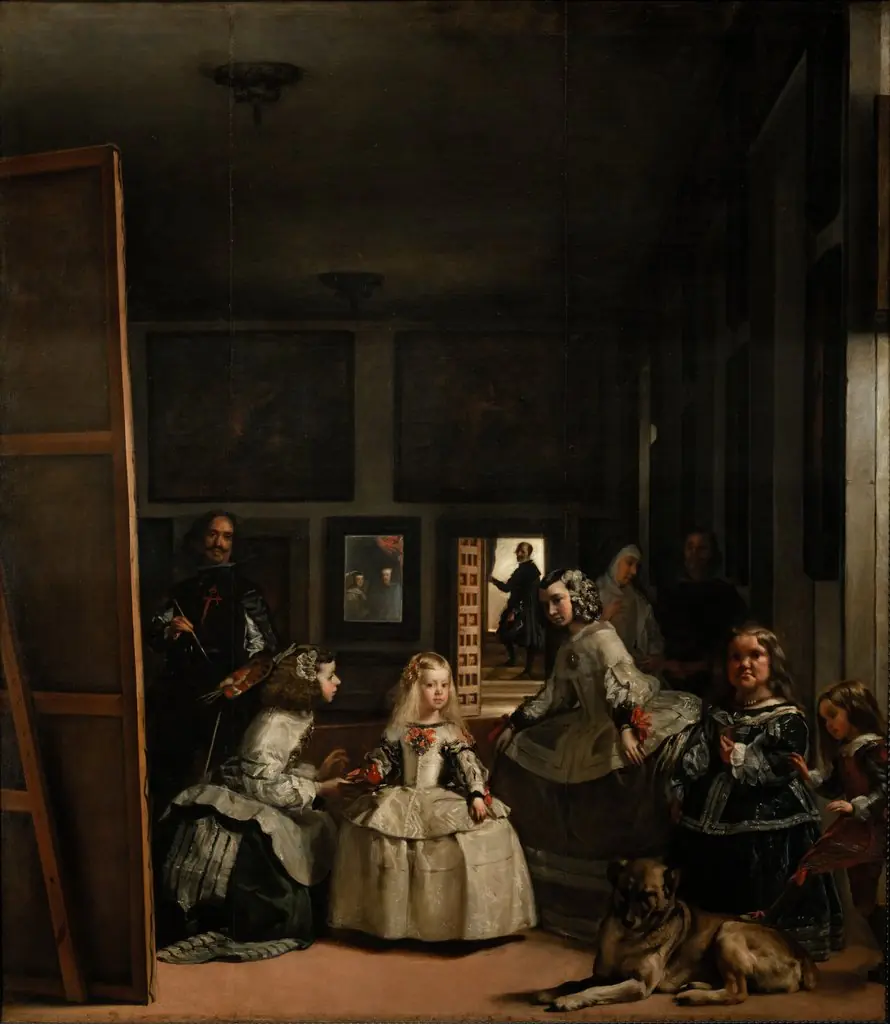
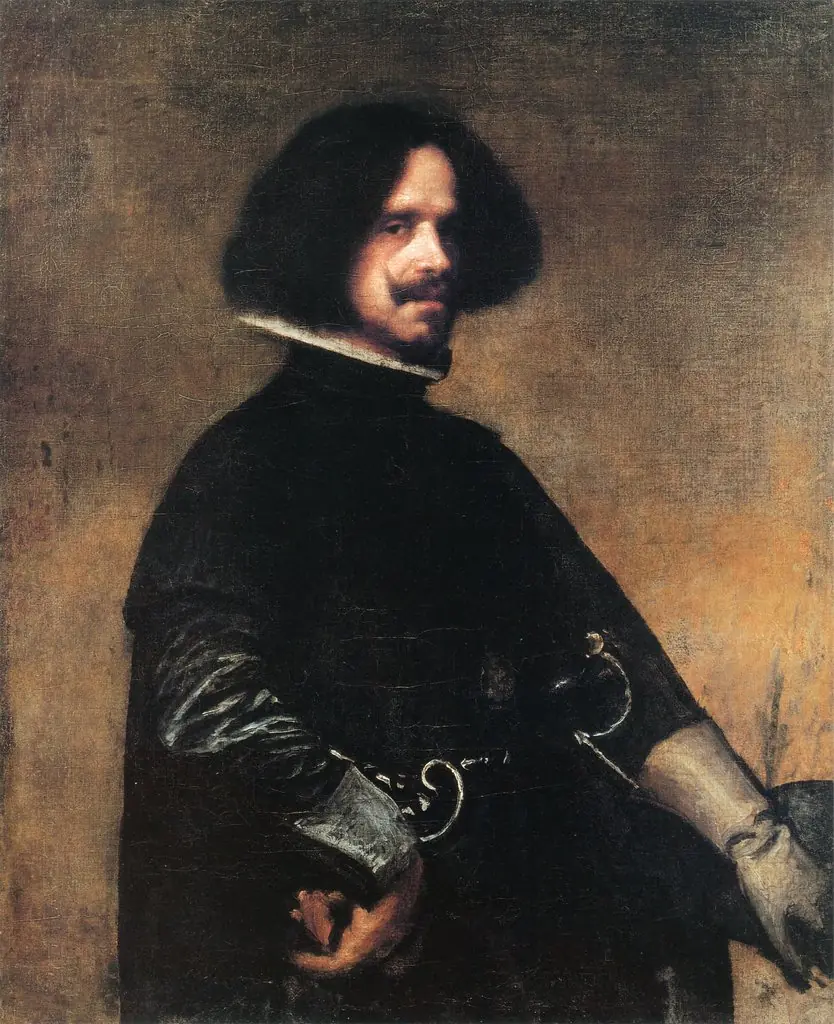 Self-portrait
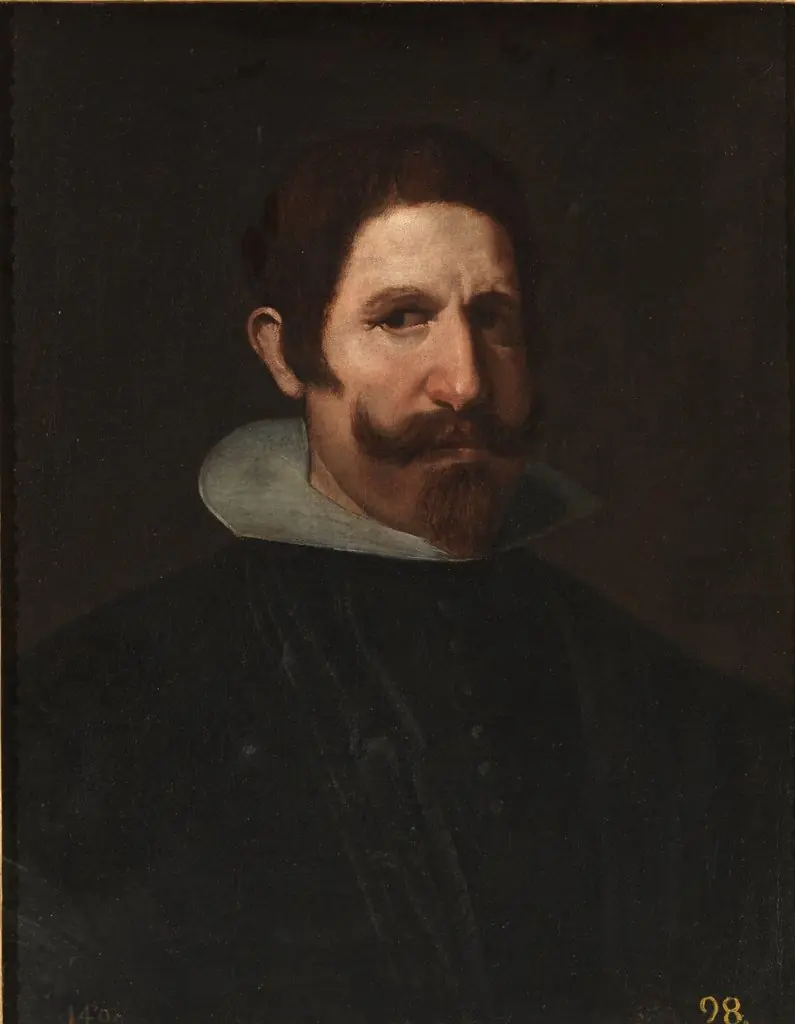 Alonso Martínez de Espinar (¿?)
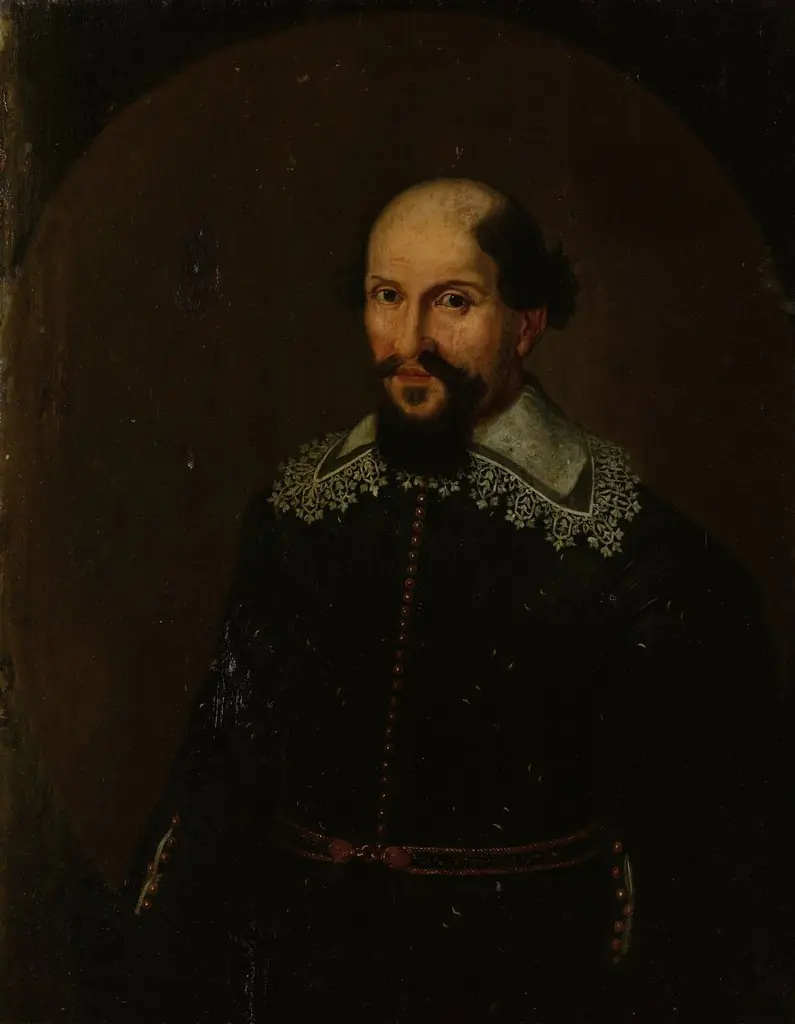 Portrait of Jacques Specx, Governor-General of the Dutch East Indies
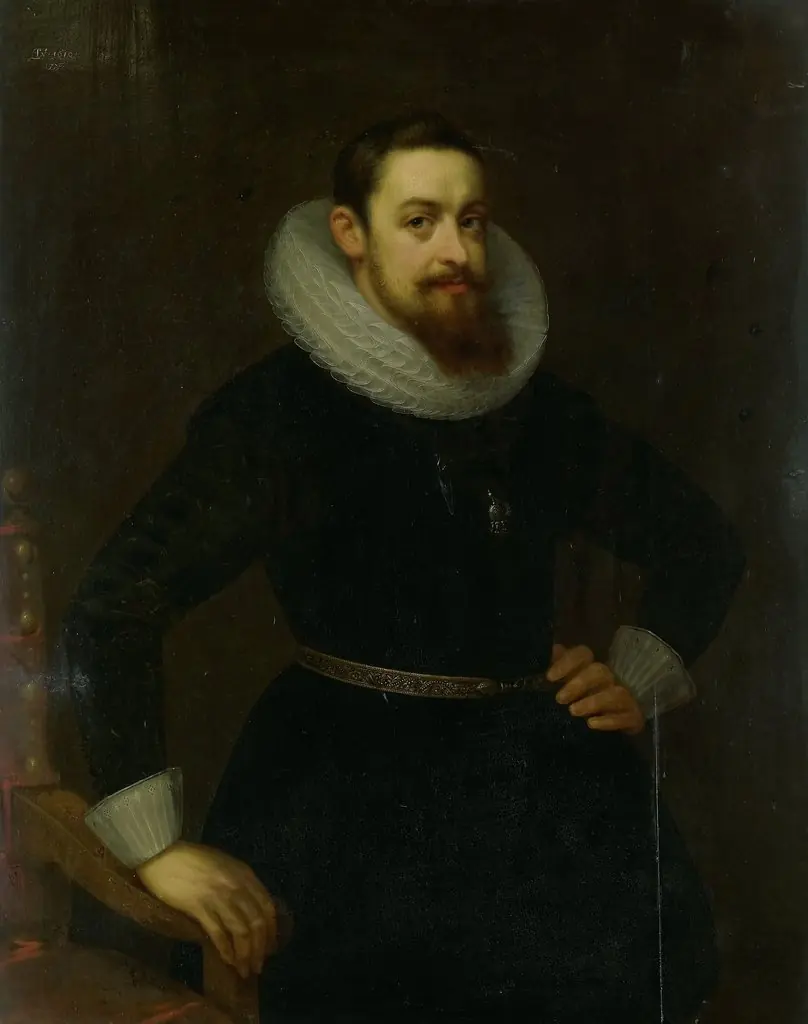 Portrait of Jeremias Boudinois
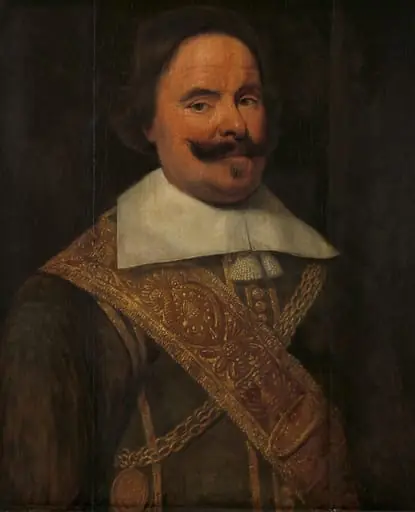 Untitled
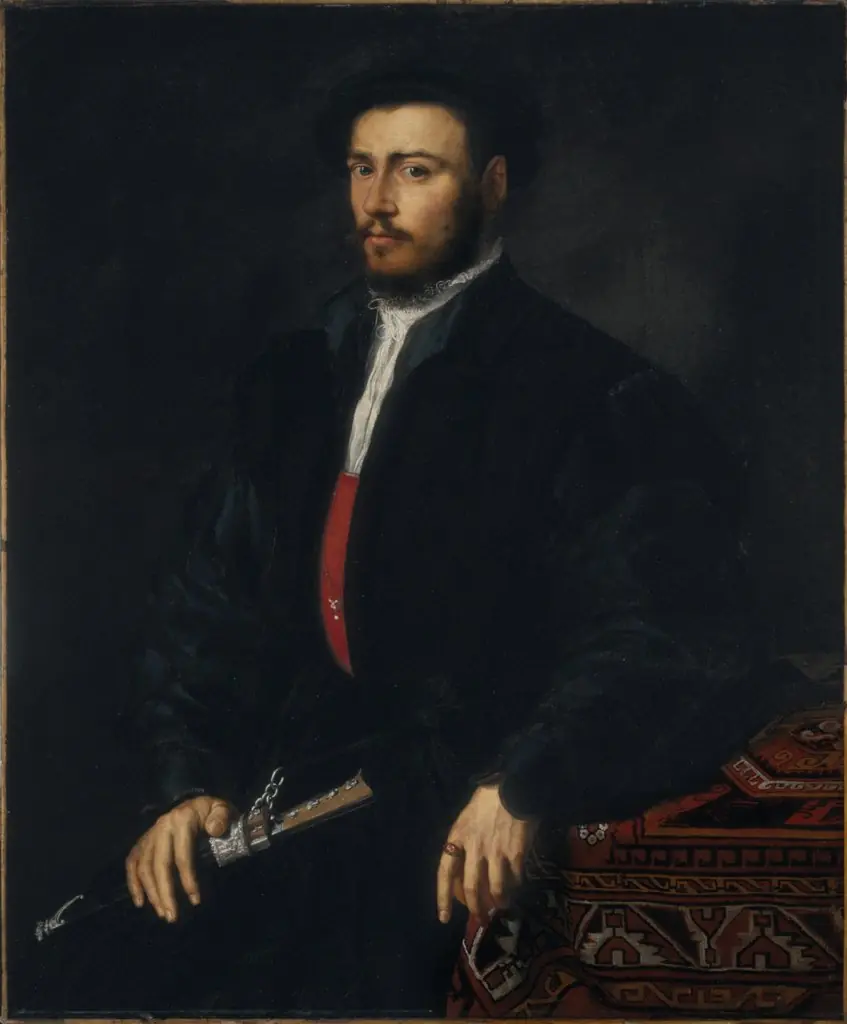 Portrait of a Young Nobleman
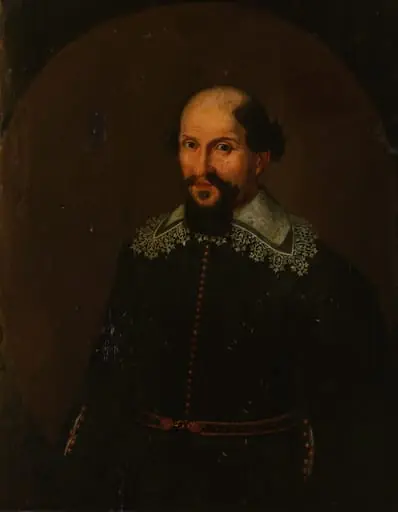 Portrait of Jacques Specx, Governor-General of the Dutch East Indies
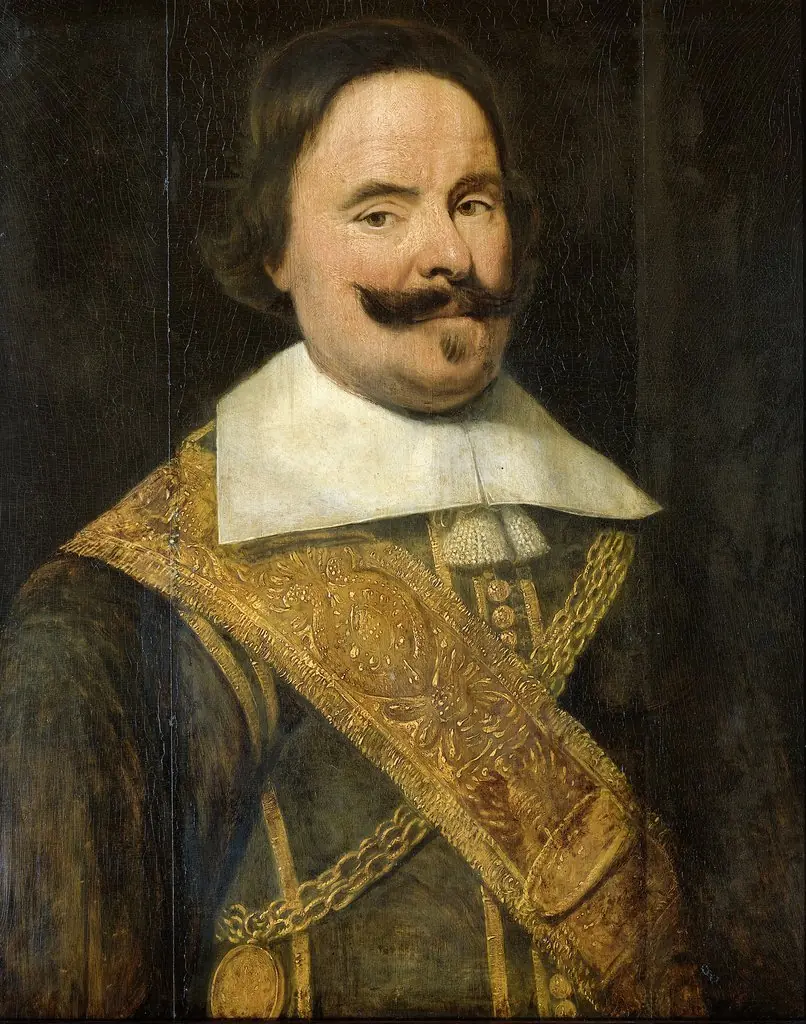 Michiel Adriaensz de Ruyter (1607-1676). Vice Admiral
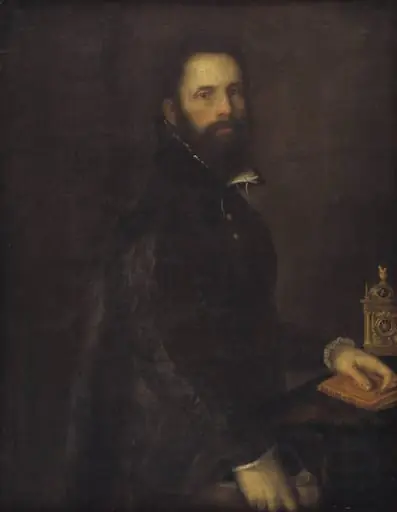 Portrait of Antonio Galli
 Portrait of Antonio Galli