Artwork
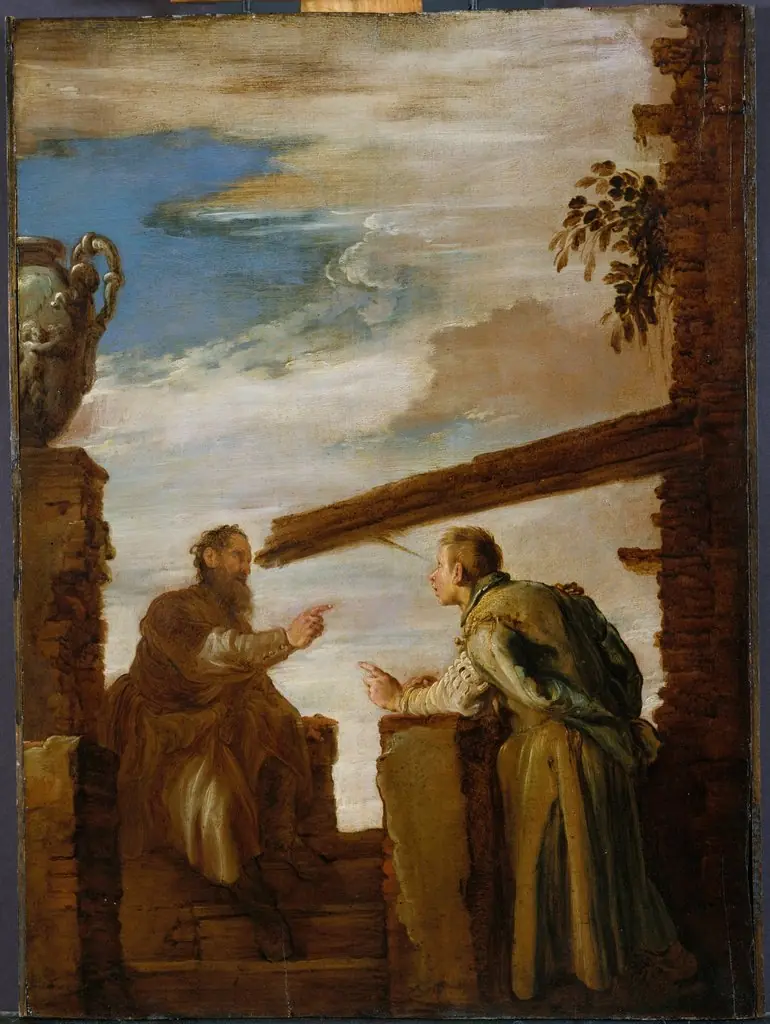
Parable of the Good Samaritan
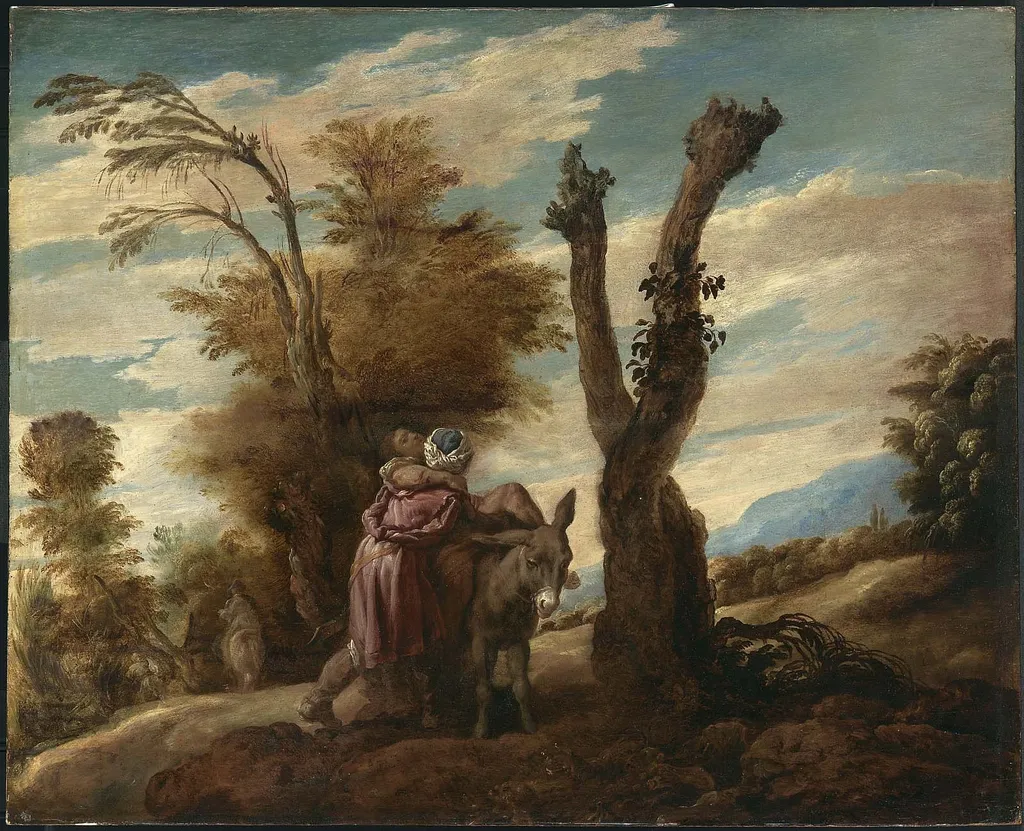
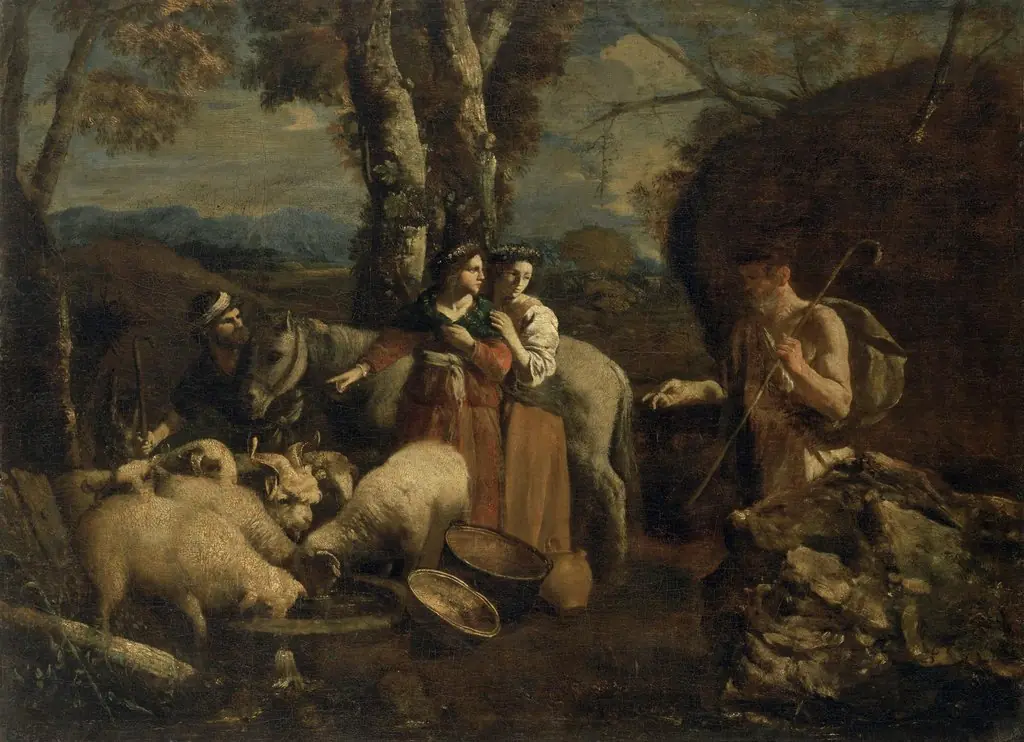
Parable of the Good Samaritan is an unspecified painting by the Early Baroque Italian artist Domenico Fetti. It dates from 1622 and is held in the collection of the Museum of Fine Arts Boston.
About this work
Overview
Domenico Fetti’s Parable of the Good Samaritan (1622) is an early Baroque oil painting that presents a biblical episode with dramatic clarity. Executed during the artist’s Roman period, the work now belongs to the Museum of Fine Arts in Boston, where it is displayed as part of the institution’s Italian Baroque holdings.
Subject & Meaning
The canvas illustrates the moment when the compassionate Samaritan tends to an injured wayfarer, a scene drawn from the Gospel of Luke. The Samaritan, cloaked in a vivid red garment, leans over the fallen traveler, whose pale head covering and modest brown attire emphasize his vulnerability. The composition underscores themes of mercy and social responsibility inherent in the parable.
Technique & Style
Fetti employs a restrained palette of reds, browns, and blues, creating a clear spatial hierarchy that guides the eye toward the central figures. Subtle chiaroscuro models the bodies, while a luminous sky dotted with clouds recedes behind a line of trees, generating depth. The brushwork balances detailed rendering of clothing with broader atmospheric touches, typical of early Baroque naturalism.
History & Provenance
Painted in 1622 while Fetti was active in Rome, the work later entered private collections before being acquired by the Museum of Fine Arts, Boston. Its provenance reflects the 19th‑century interest in Italian Baroque art among American collectors, and the painting has remained in the museum’s holdings since its donation, contributing to the public’s access to Fetti’s religious narratives.
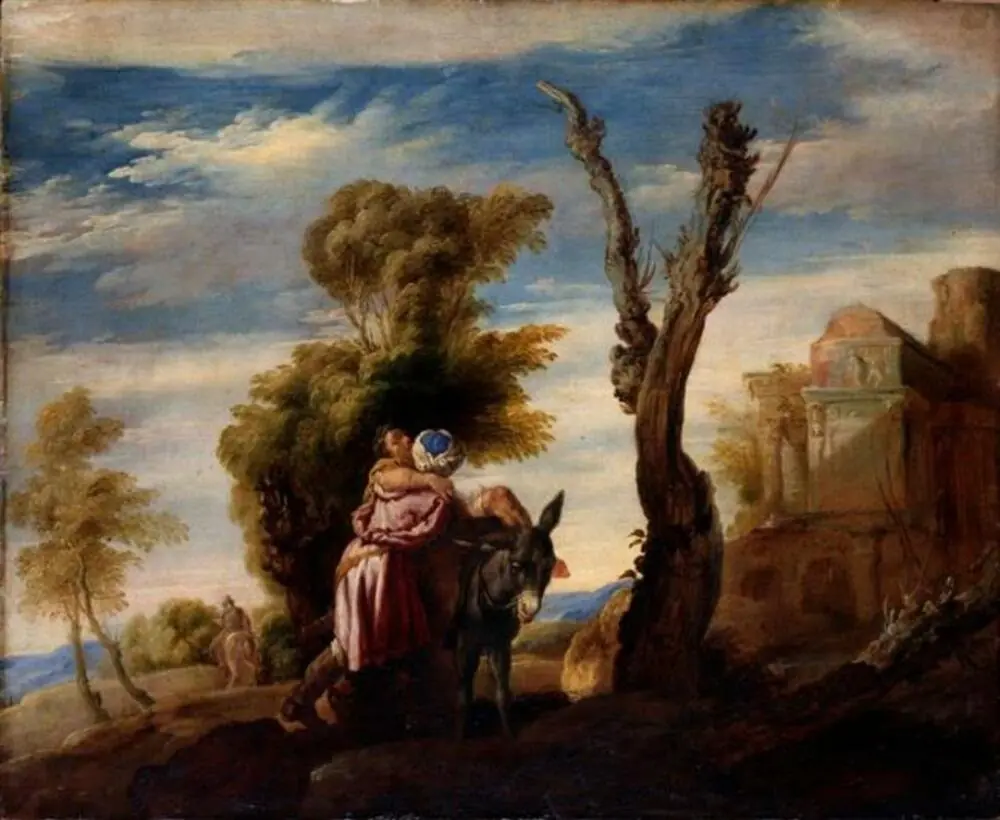
Own this work as a print
Artist & collection
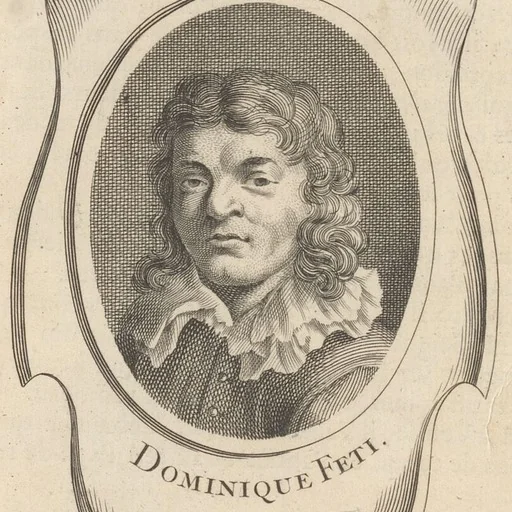
Artist
Domenico Fetti (also spelled Feti) (c. 1589 – 16 April 1623) was an Italian Baroque painter who was active mainly in Rome, Mantua and Venice.

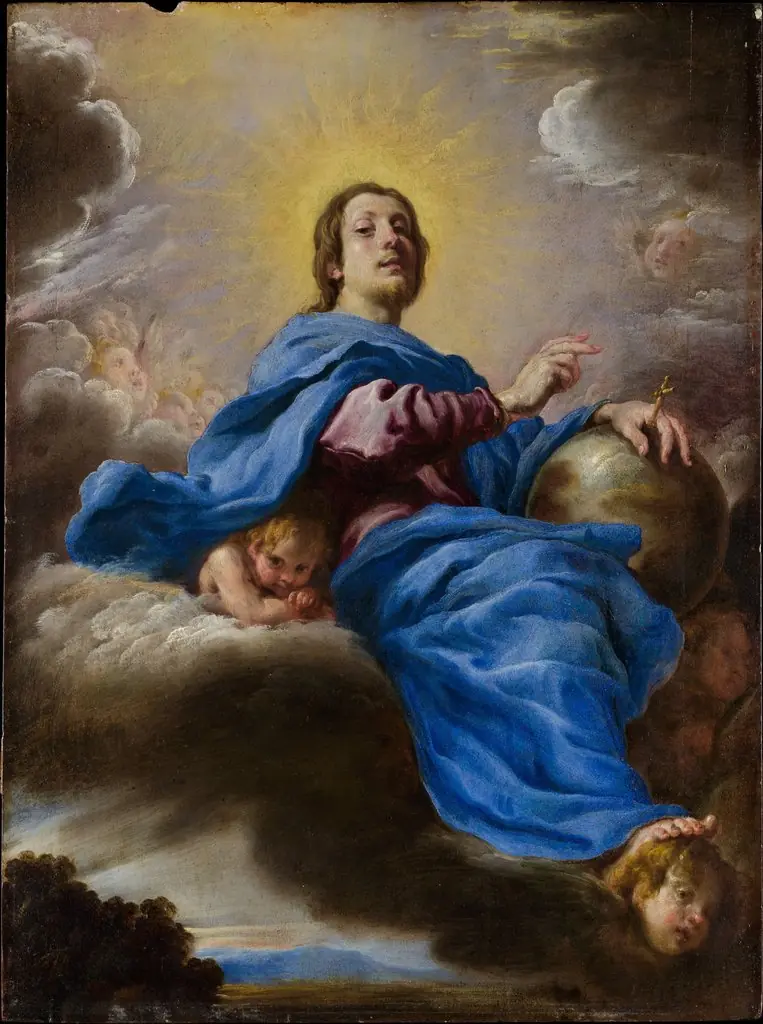
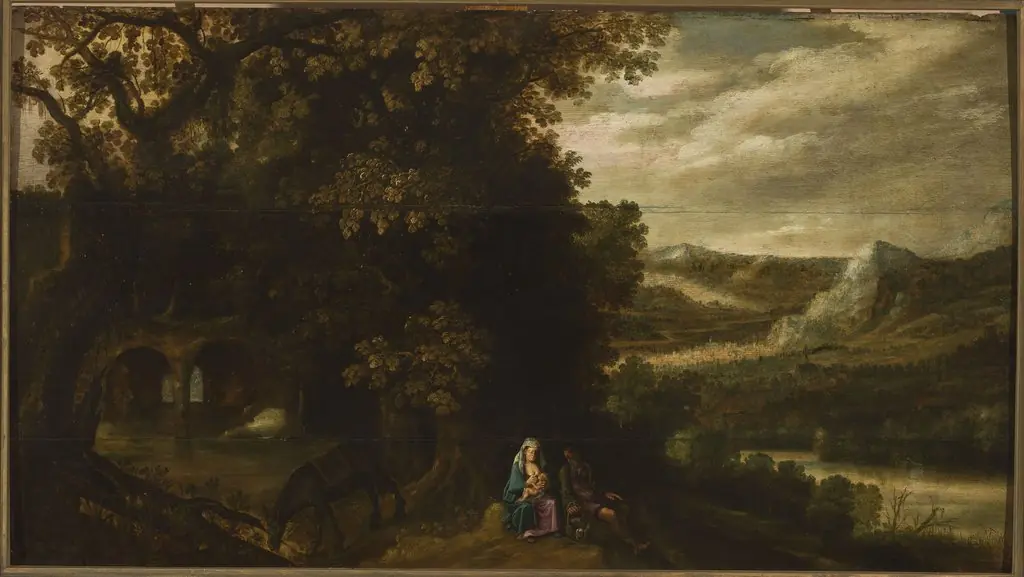 Rest during the flight to Egypt
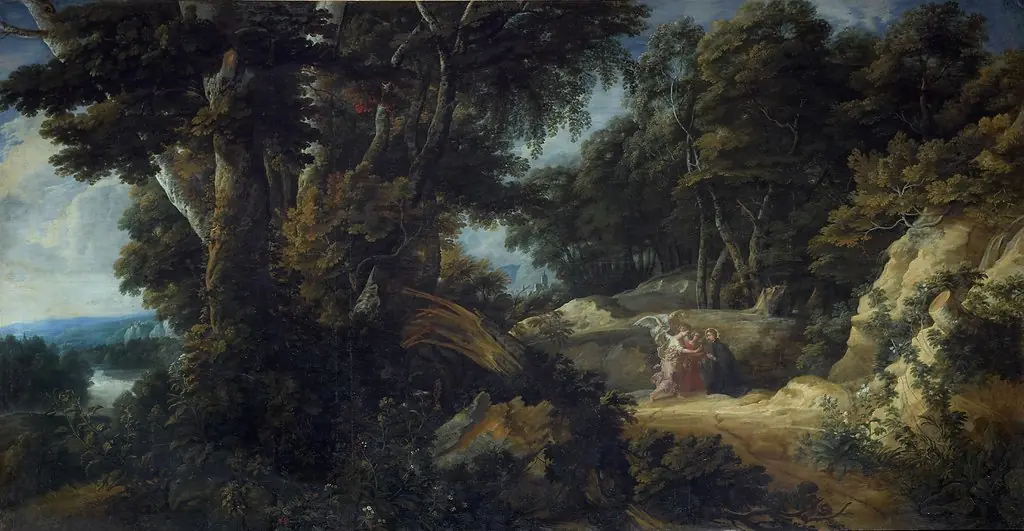 Extensive forest landscape with St. Stanisław Kostka
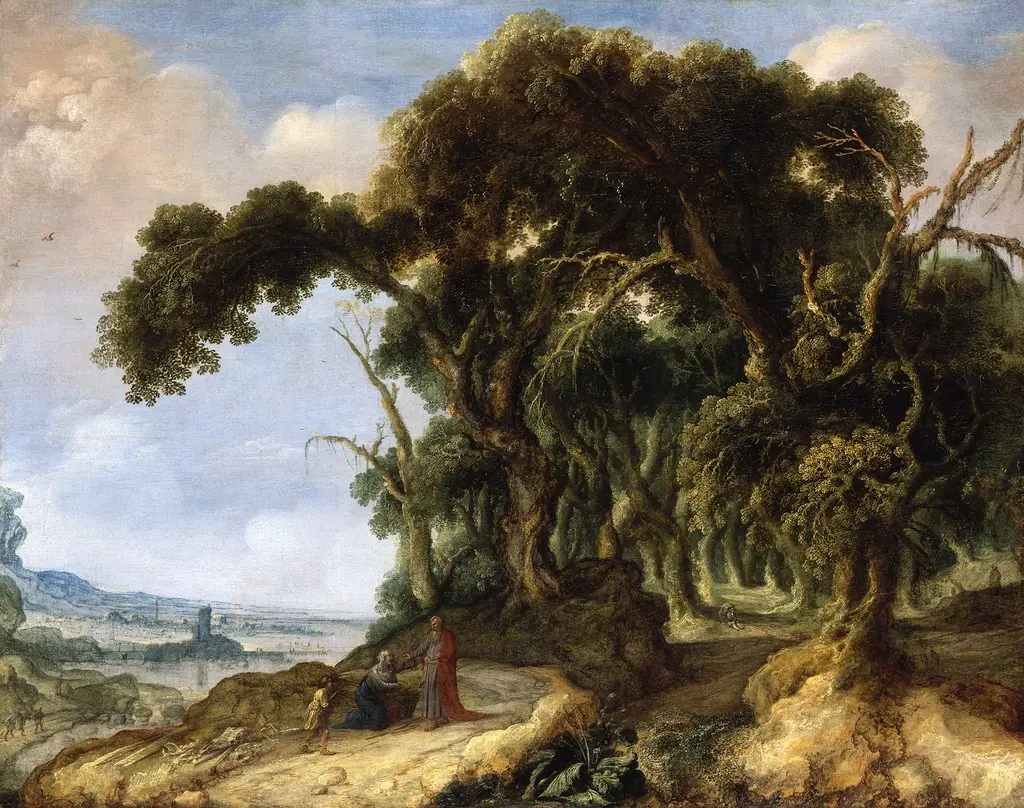 Forest Landscape with Elias and Zapath's Widow
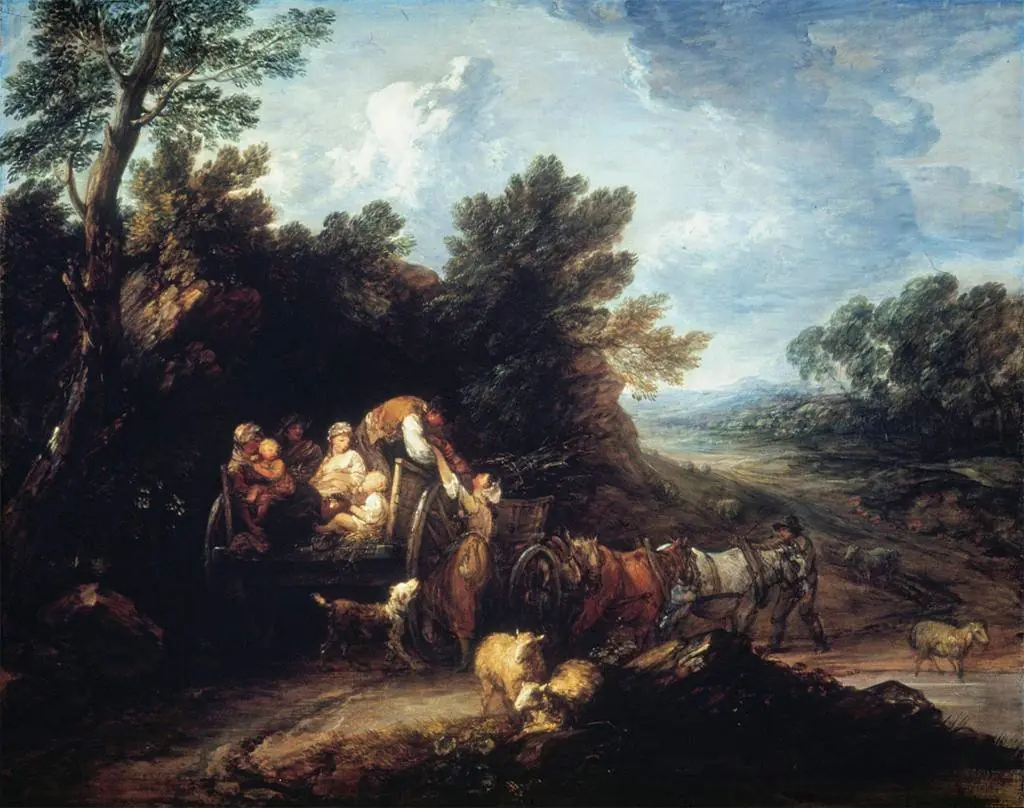 The Harvest Wagon, 1784
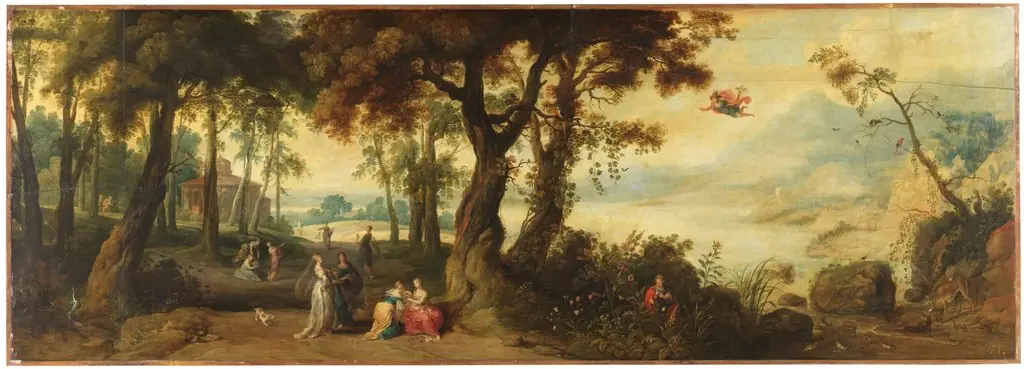 Landscape with Mercury and Herse
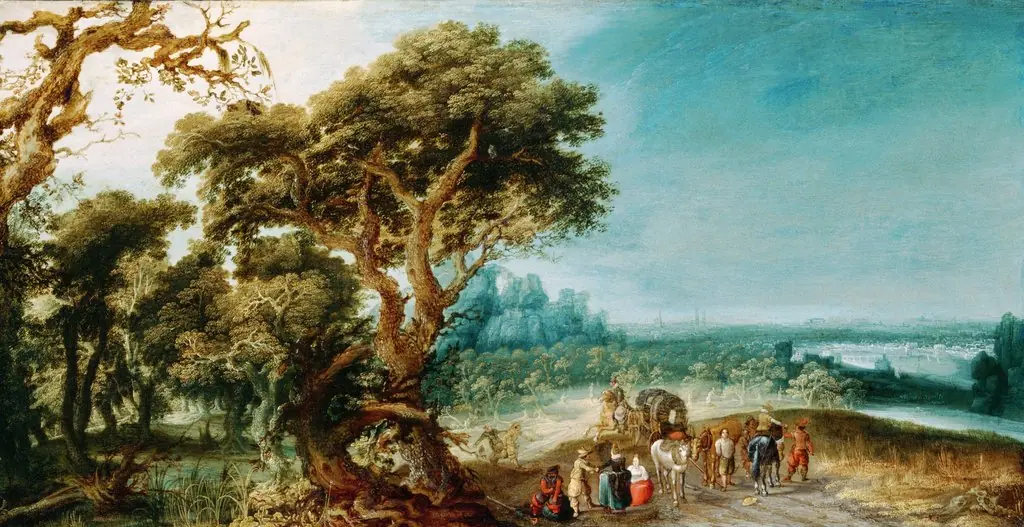 Landscape with a Carriage Hold-Up
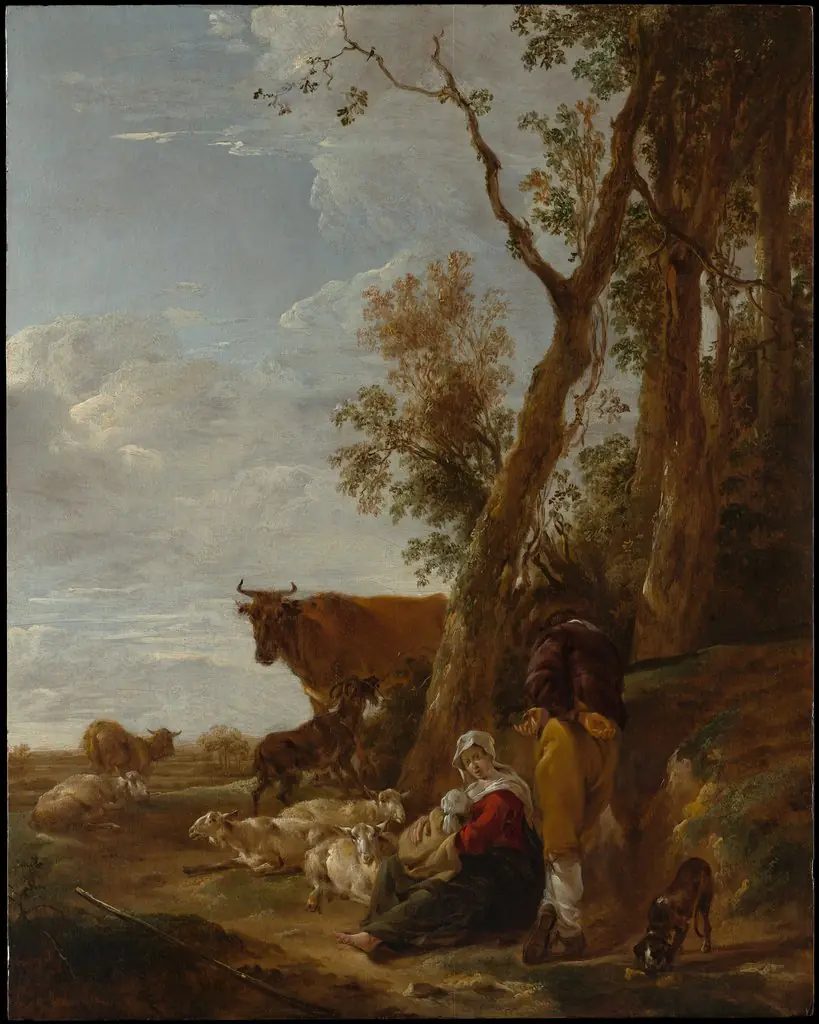 Rest
Rest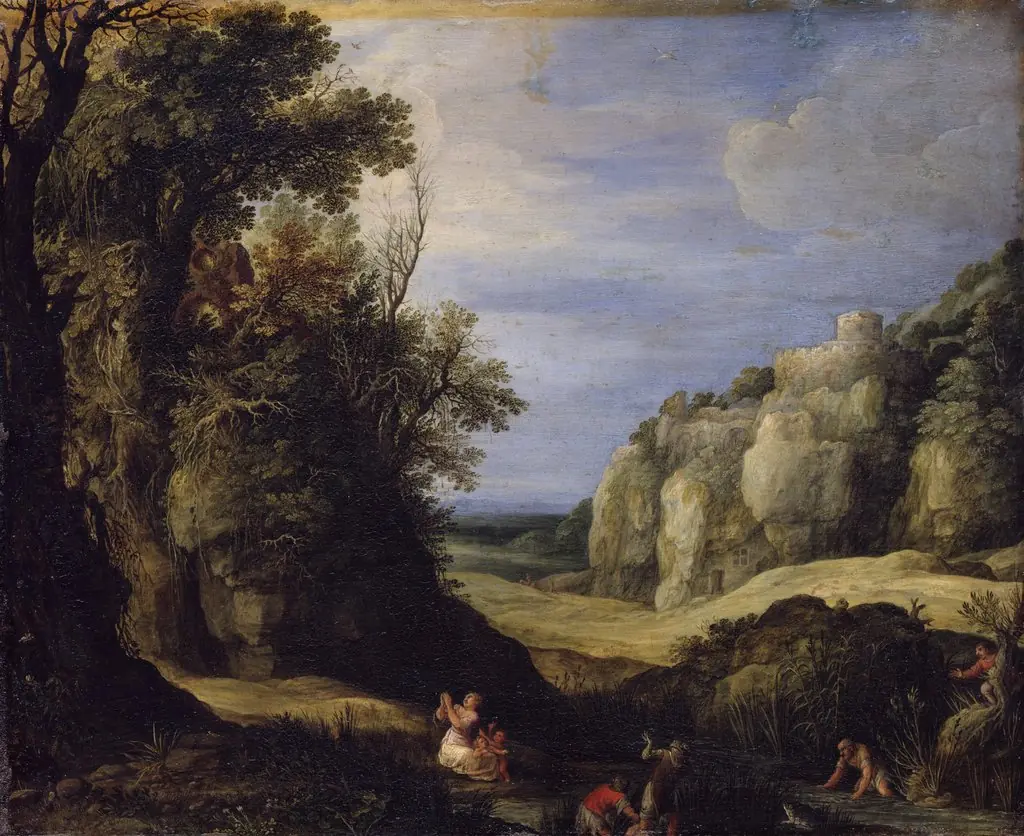 Landscape with Latona and the Lycian Peasants
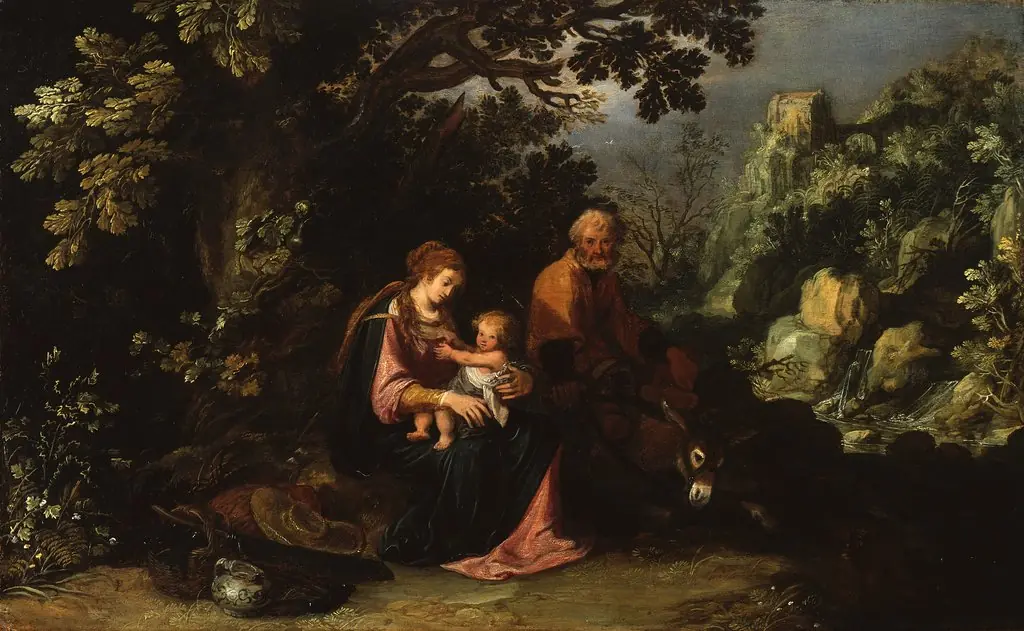 The Rest on the Flight to Egypt
 Jacob Meeting Rachel