Artwork
Bust-Length Profile of an Old Woman (verso)
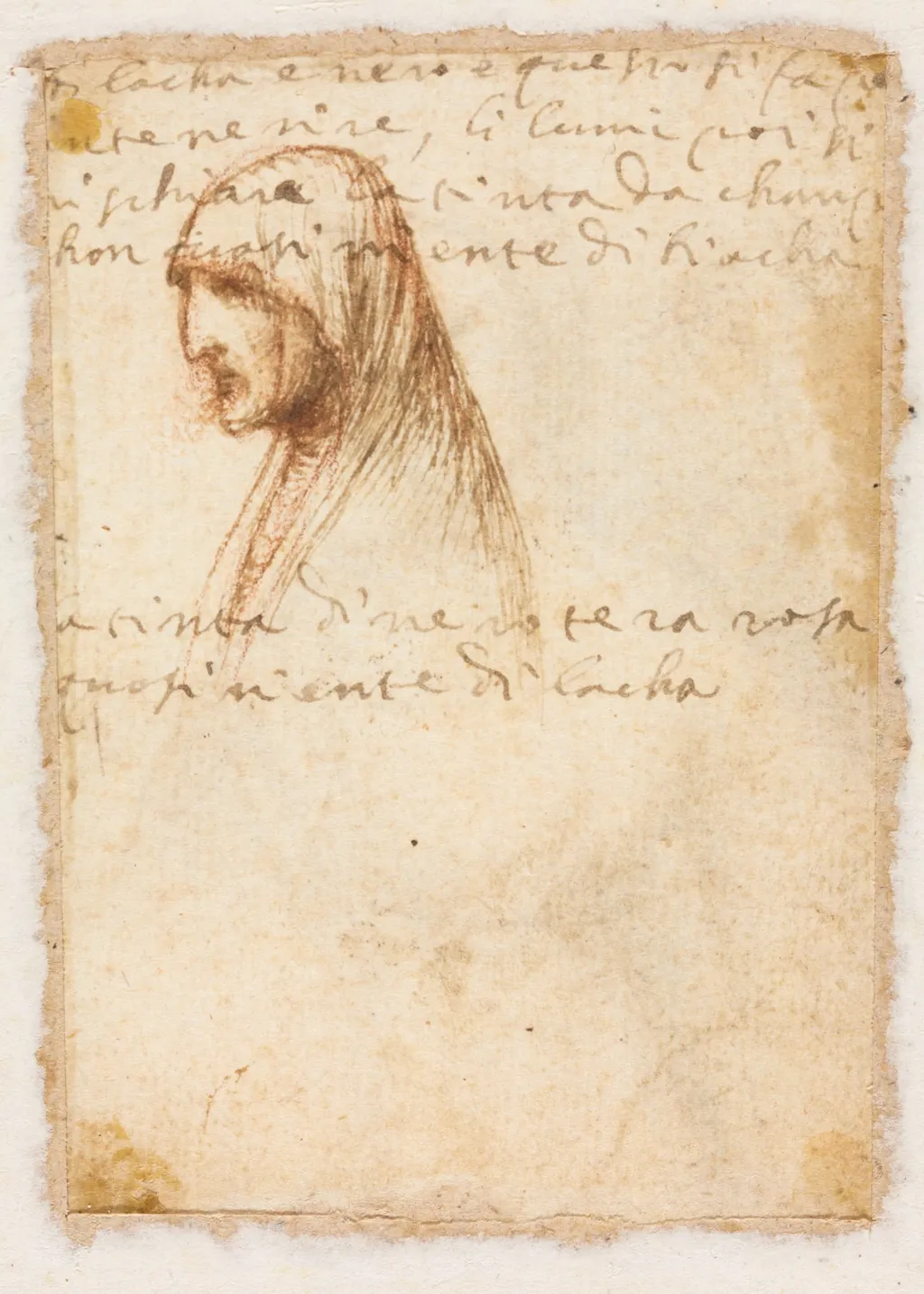
Bust-Length Profile of an Old Woman (verso) is a drawing by the Renaissance artist Dosso Dossi. It dates from 1521 and is held in the collection of the Cleveland Museum of Art.
- Accession no.
- 1980.195.b
- Credit line
- Purchase from the J. H. Wade Fund
About this work
Overview
The paper, irregularly torn, bears faint discolorations and surface marks, suggesting its use as a working sketch rather than a finished piece.
This drawing, dated around 1521, is the verso of a sheet by Dosso Dossi, an artist active in the Este court of Ferrara. Executed in a dry medium such as charcoal or graphite, it depicts a solitary elderly woman in profile, her head wrapped in fabric. The paper, irregularly torn, bears faint discolorations and surface marks, suggesting its use as a working sketch rather than a finished piece. Its modest scale and materiality reflect the private, experimental nature of Renaissance draftsmanship.
Subject & Meaning
The figure is an unidealized portrait of an older woman, her identity unknown. Her covered head and quiet demeanor suggest modesty or social station, possibly a servant or local resident. Unlike Dossi’s mythological subjects, this study focuses on human presence without narrative or symbolism.
The absence of ornament or context emphasizes the dignity of ordinary life, aligning with a growing Renaissance interest in individual character over allegory.
Technique & Style
Dossi employed subtle tonal gradations to model the woman’s face and the folds of her head covering, using a dry medium to build texture through layered strokes. The chiaroscuro is restrained but effective, defining volume without heavy contrast. The rough paper surface interacts with the medium, enhancing the tactile quality of the rendering. The loose, economical lines convey immediacy, characteristic of preparatory studies made for larger compositions or personal observation.
History & Provenance
The drawing entered the Cleveland Museum of Art’s collection as part of a broader acquisition of Italian Renaissance drawings. Its origin within Dossi’s studio is inferred from stylistic parallels to his known works and the presence of similar studies in other collections. No documentary evidence links it to a specific commission, but its execution aligns with the artist’s practice of sketching from life during his tenure at the Este court.
Context
In early 16th-century Ferrara, artists like Dossi balanced courtly allegory with intimate observation. While his public works drew on myth and poetry, private drawings often captured real individuals, reflecting a broader trend in Northern Italian art toward naturalism. Dossi’s exposure to Venetian color and soft modeling, possibly through prints or visits, informed his handling of light and texture here, even in monochrome.
Legacy
This drawing exemplifies the quiet, observational side of Renaissance draftsmanship often overshadowed by grander painted works. It contributes to understanding how artists like Dossi developed form and expression through direct study. Its preservation underscores the value placed on preparatory work in Renaissance studios, offering insight into the transition from sketch to finished art.
Own this work as a print
Artist & collection
Artist
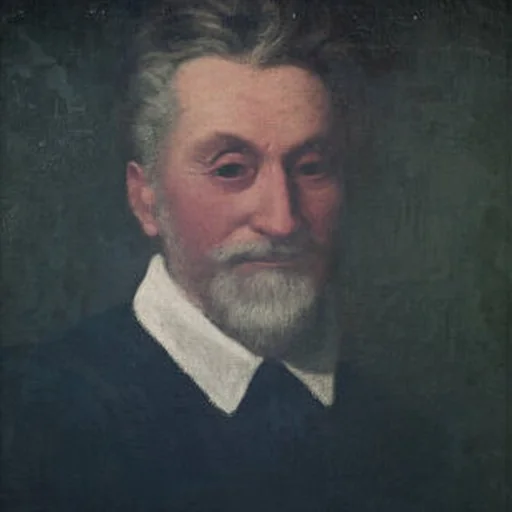
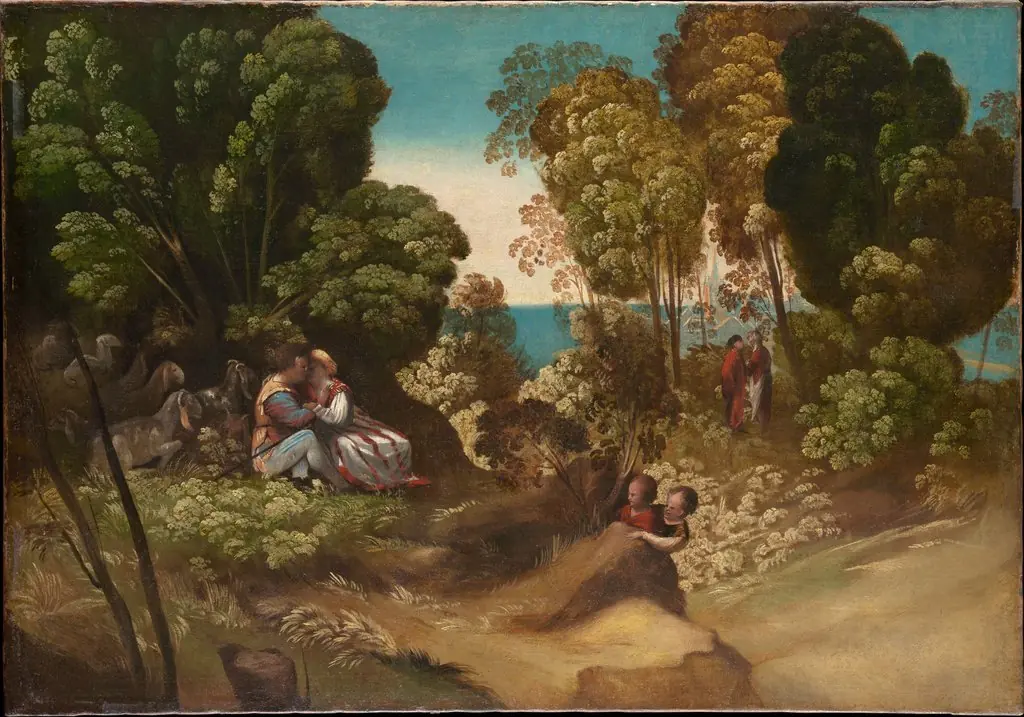
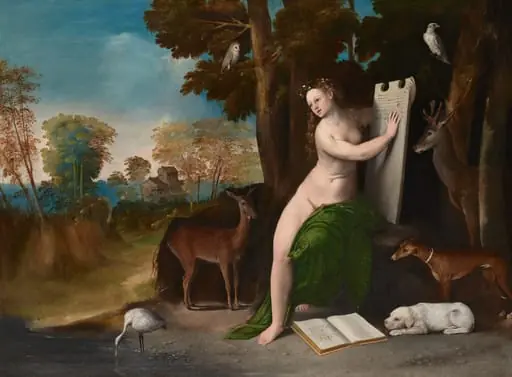
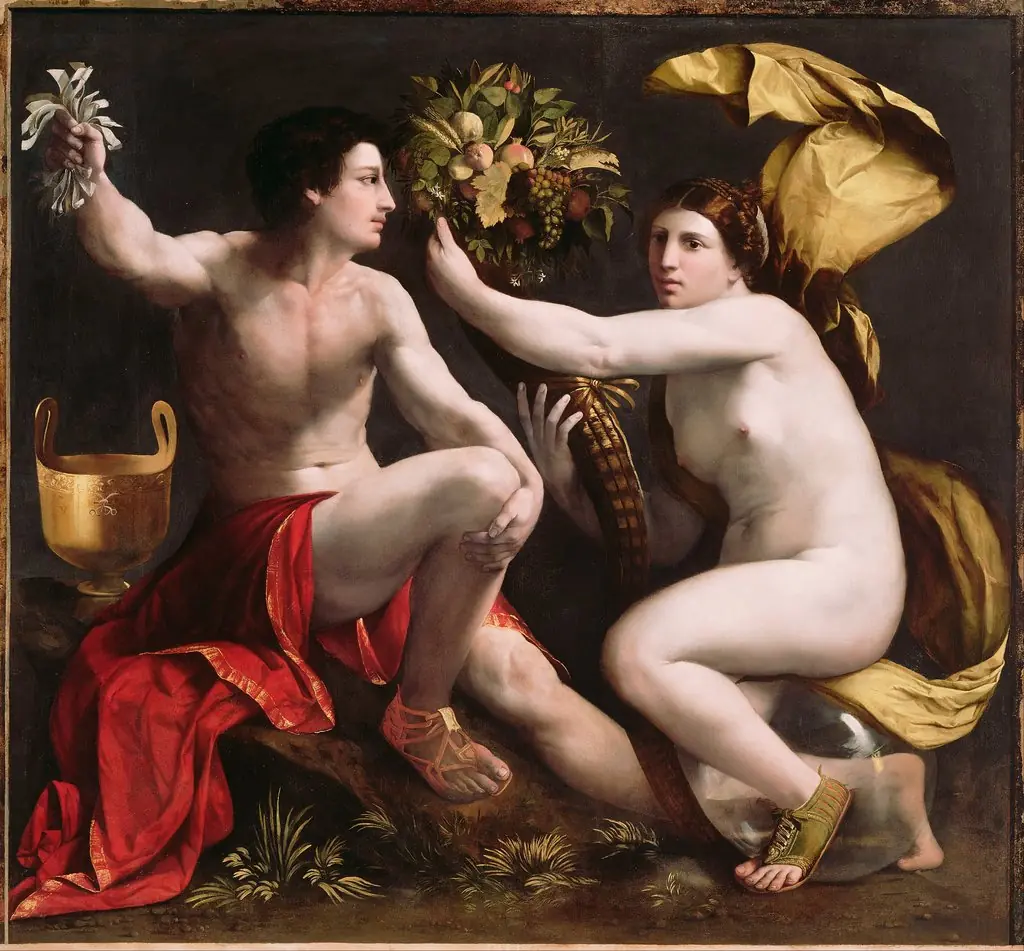
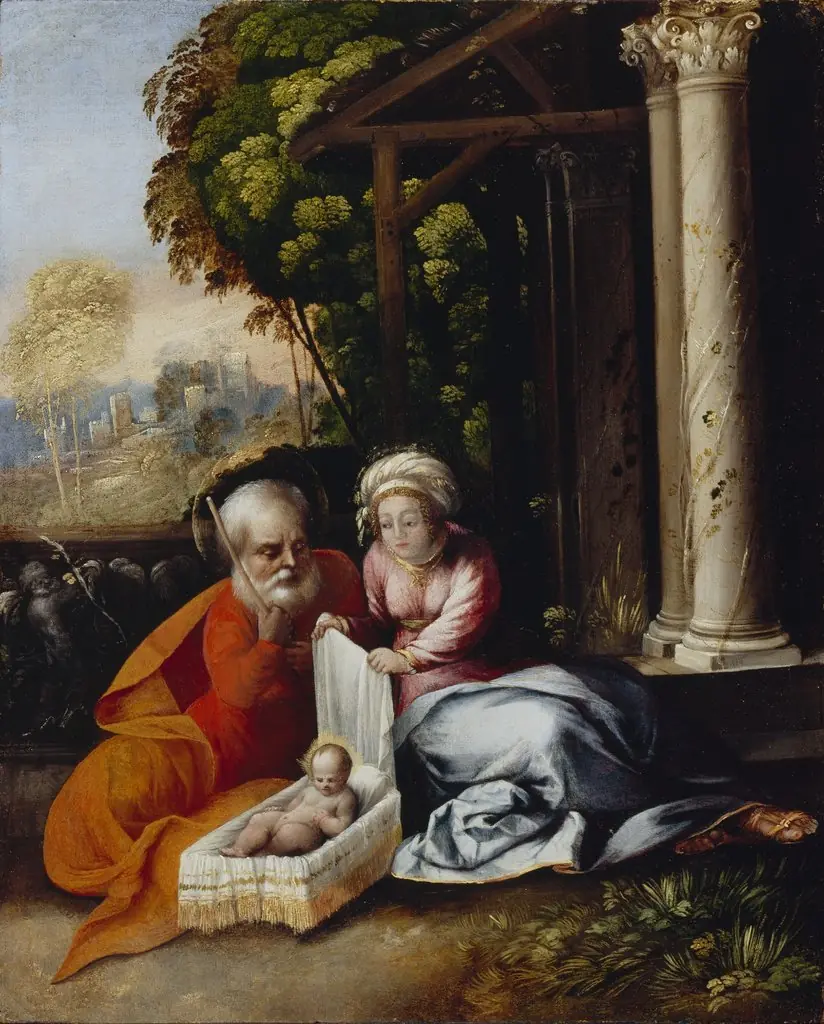
Giovanni di Niccolò de Luteri, better known as Dosso Dossi (c. 1489–1542) was an Italian Renaissance painter who belonged to the School of Ferrara, painting in a style mainly influenced by Venetian painting, in…




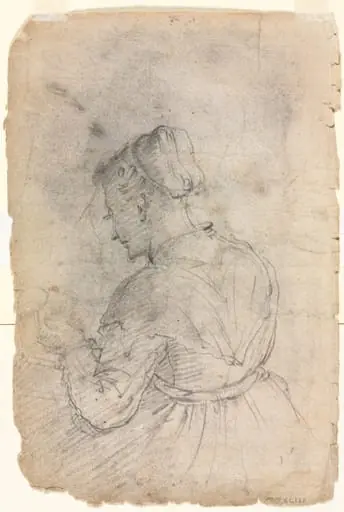 A Kitchen Maid (verso)
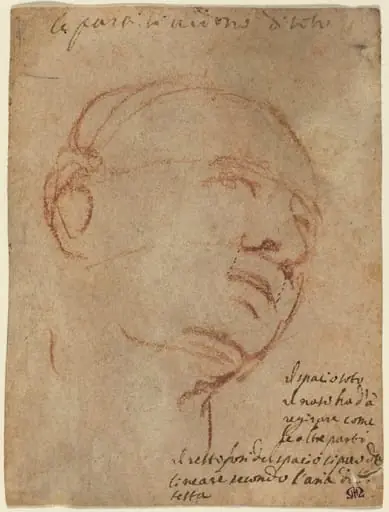 Head of a Man
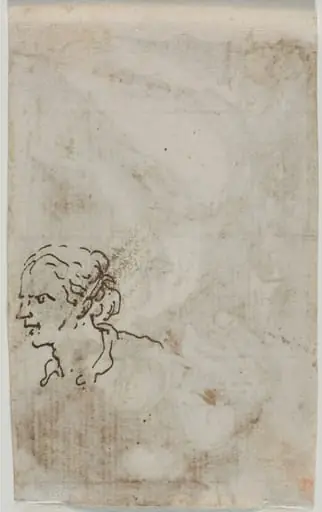 Figure Studies (verso)
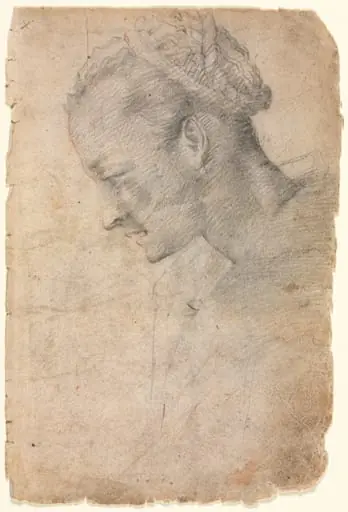 Profile of a Woman's Head (recto)
 Head of a Man in a Cap
 Standing Youth
 Saint Louis of Toulouse Holding a Book
 Lady in a Landscape (recto)
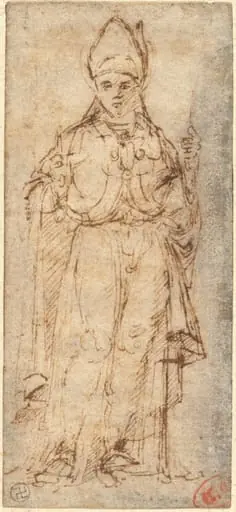 Saint Louis of Toulouse Holding a Staff
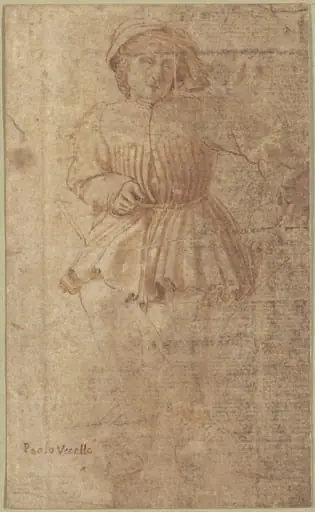 Young Man
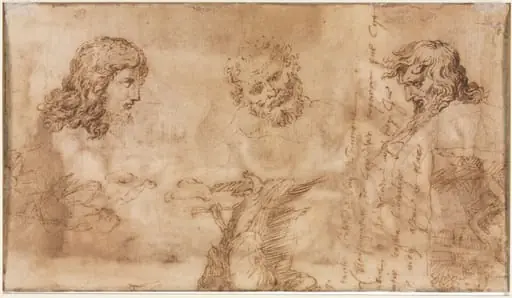 Three Heads and Other Sketches (verso)
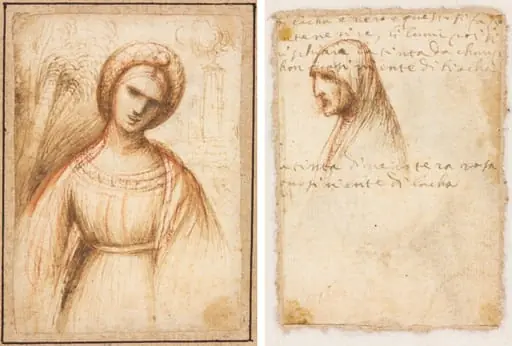
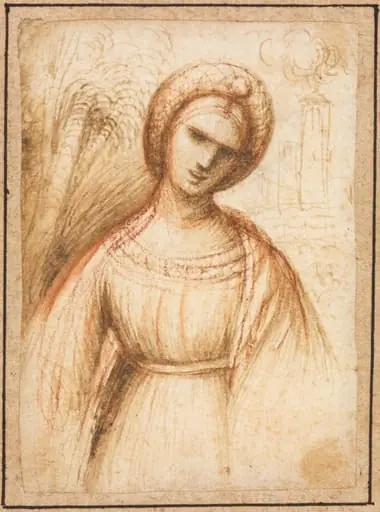
- Lady in a Landscape (recto); Bust-Length Profile of an Old Woman (verso)