Artwork
Boy Carrying a Sword
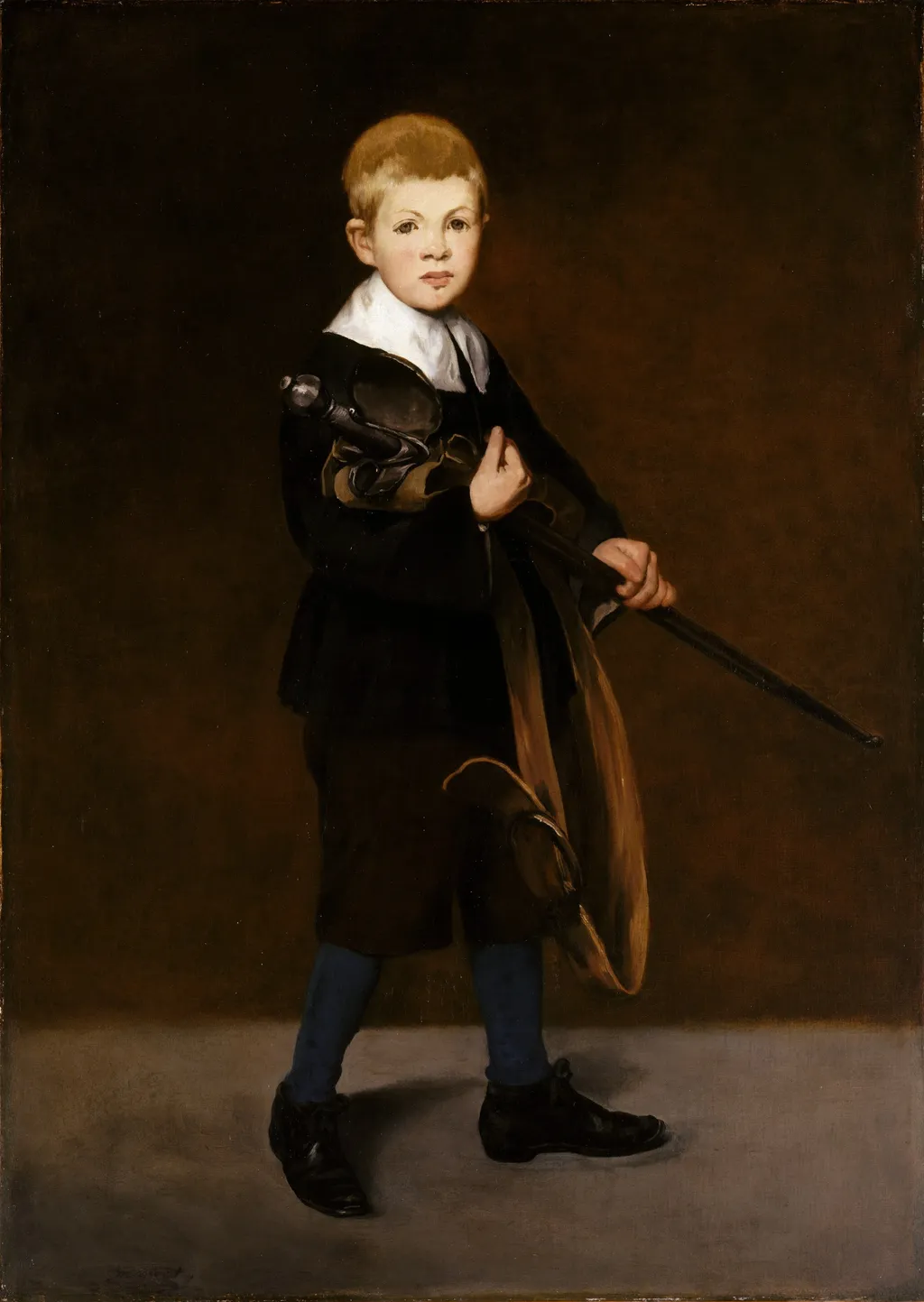
Boy Carrying a Sword is an oil painting by the Realist artist Édouard Manet. It dates from 1861 and is held in the collection of the Metropolitan Museum of Art.
About this work
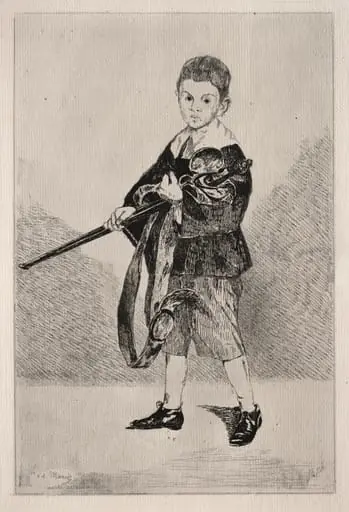
Manet's Boy Carrying a Sword, an oil from 1861, shows a young boy dressed as a page from Spain's old royal court. He holds a sword nearly as tall as he is. Alphonse Legros later made an etching of the painting.
Subject & Meaning
The boy holds a full-sized sword and belt, props from the artist's studio that appear disproportionately large for the child.
Completed in 1861, this portrait depicts Leon Leenhoff, Manet's stepson and probable illegitimate child, costumed as a seventeenth-century page of the Spanish court. The boy holds a full-sized sword and belt, props from the artist's studio that appear disproportionately large for the child. Art historians interpret these elements symbolically: the oversized weapon may represent the burden of a family secret regarding Leon's paternity or signify an absent father.
While the work displays a finished, traditional style influenced by Diego Velázquez and Frans Hals, particularly in its dark, monochromatic background, the subject's dynamic pose suggests movement. Some scholars view the painting as an ecce filius, a public presentation of the boy by the artist. The costume and weapon explicitly reference Spanish nobility, aligning with Manet's hispanophile period, yet the heavy sword simultaneously implies a weighty responsibility beyond the child's years.
Technique & Style
The work is an oil painting on canvas, measuring about 131 × 93 cm, created in 1861 in Manet's studio on rue Guyot (now rue Médéric). Executed in oil paint, it was later reproduced as an etching under Alphonse Legros. The composition shows a boy in seventeenth-century Spanish court dress holding a large sword and belt, rendered with a dark, monochrome background that reflects the influence of Velázquez and Frans Hals.
A pentimento is visible in the left foot, where the artist reduced its size. The handling of brushwork and the dramatic, dynamic pose convey a traditional yet expressive style typical of Manet's Spanish-inspired period.
History & Provenance
Manet painted Boy Carrying a Sword in 1861, an oil on canvas portrait of his stepson Léon Leenhoff posed as a seventeenth-century Spanish page holding a large sword. The work was created in Manet's studio on rue Guyot (now rue Médéric) and reflects the artist's Spanish period, influenced by Velázquez and Frans Hals. After the artist's death, the painting passed through several dealers: it was sold in January 1872 to Alexis-Joseph Febvre, then to Paul Durand-Ruel, later to Jules Feder, and finally to J. Alden Weir before being gifted to the Metropolitan Museum of Art in 1889 after an unsold auction. The Met has held the piece continuously since, and it is cataloged under accession number 89.21.2.
Context
Boy Carrying a Sword (1861) is critically recognized as a hallmark of Manet's Hispanic period, demonstrating the profound influence of Spanish masters Diego Velázquez and Dutch painter Frans Hals through its monochrome background and costuming. Scholars such as Émile Zola noted these stylistic debts, while modern critics interpret the work symbolically, viewing the oversized sword as a metaphor for the absent father figure and the burden of Léon Leenhoff's illegitimate status. The painting holds distinct art-historical significance as one of the first two Manet works to enter a museum collection, joining the Metropolitan Museum of Art in 1889.
Unlike Manet's later impressionist experiments, this portrait is often described as finished and traditional, reflecting the artist's desire for academic acceptance before his reputation shifted.
Legacy
Boy Carrying a Sword holds a distinguished place in art history as one of the first two works by Édouard Manet to enter a museum collection, arriving at the Metropolitan Museum of Art in 1889. Critics such as Émile Zola identified the painting as a definitive example of Manet's early Hispanist period, highlighting the profound impact of Diego Velázquez and Frans Hals on his technique. The work's legacy is further cemented by its reproduction as an etching under the direction of Alphonse Legros.
Modern scholarship has expanded the painting's reputation beyond stylistic study, interpreting the oversized sword and the subject's identity as complex symbols of paternal secrecy and the artist's personal life.
Overview
This 1861 oil painting by French artist Édouard Manet, titled Boy Carrying a Sword, is part of the collection at the Metropolitan Museum of Art in New York. The canvas portrays a young boy dressed in the attire of a 17th-century Spanish court page. He is depicted holding a large sword and its accompanying belt, elements that emphasize his role despite his youthful appearance.
Own this work as a print
Artist & collection
Artist
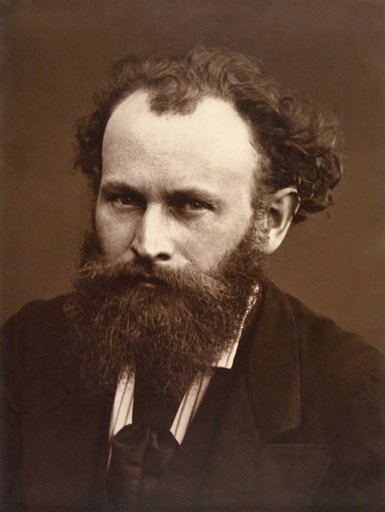
Édouard Manet was a French modernist painter. He was one of the first 19th-century artists to paint modern life, as well as a pivotal figure in the transition from Realism to Impressionism.

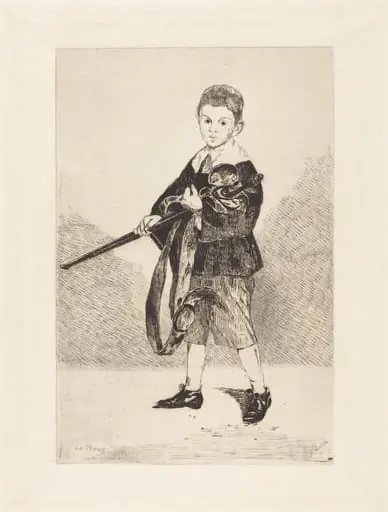 Child with Sword, Turned to the Left (L'Enfant à l'épée, tourné à gauche)
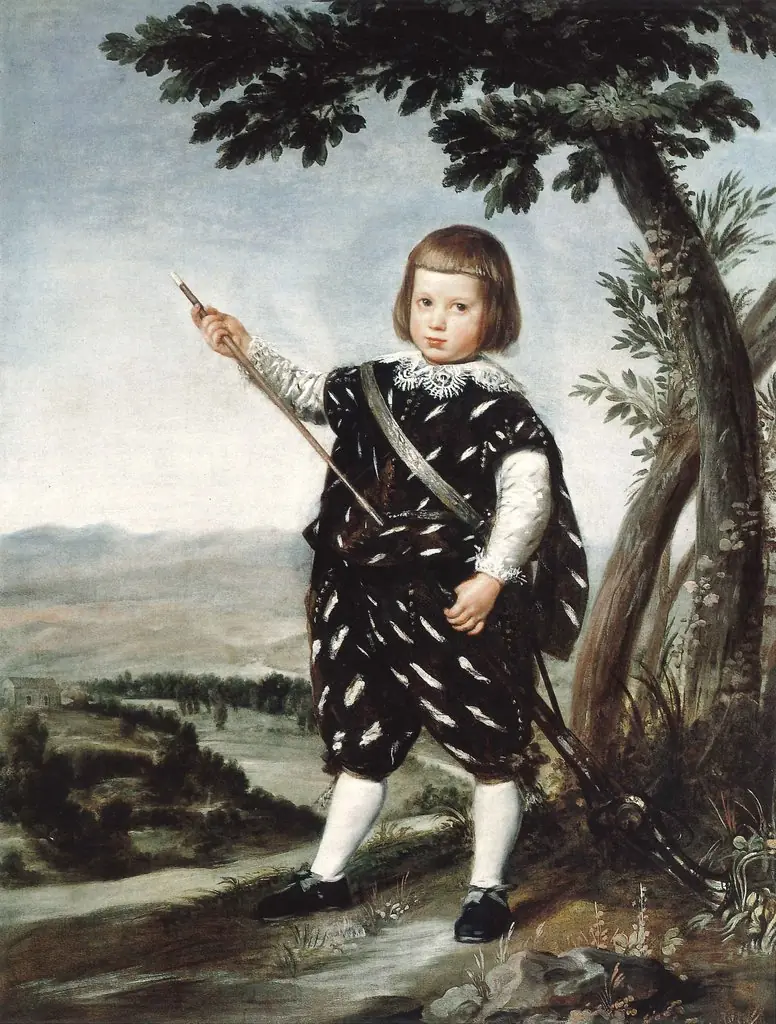 The Infante Don Baltasar Carlos
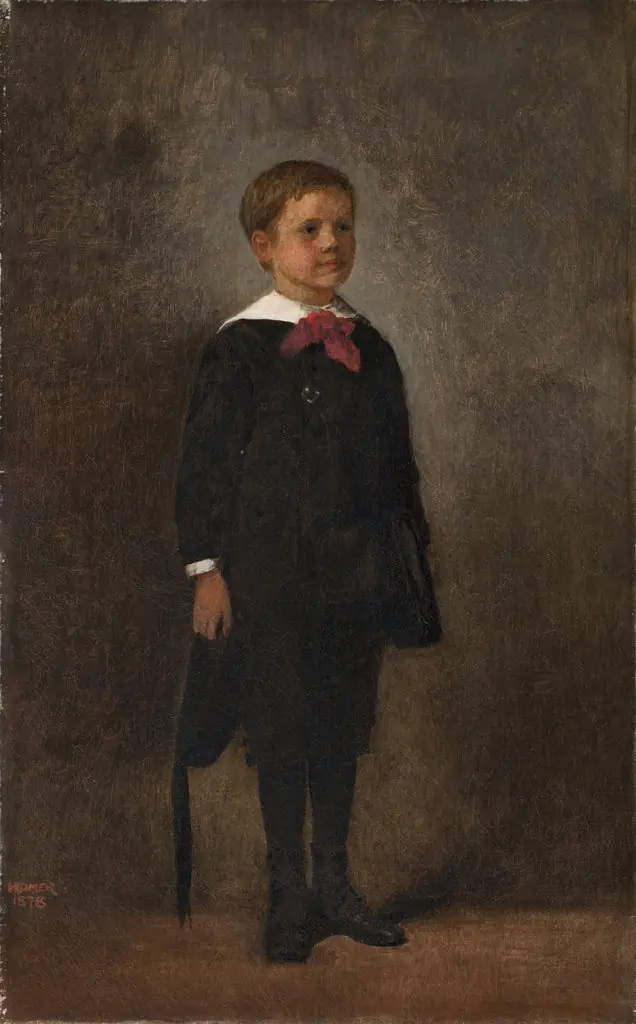 Charles Prentice Howland
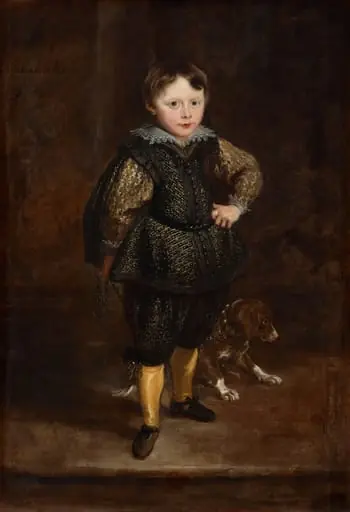 Filippo Cattaneo
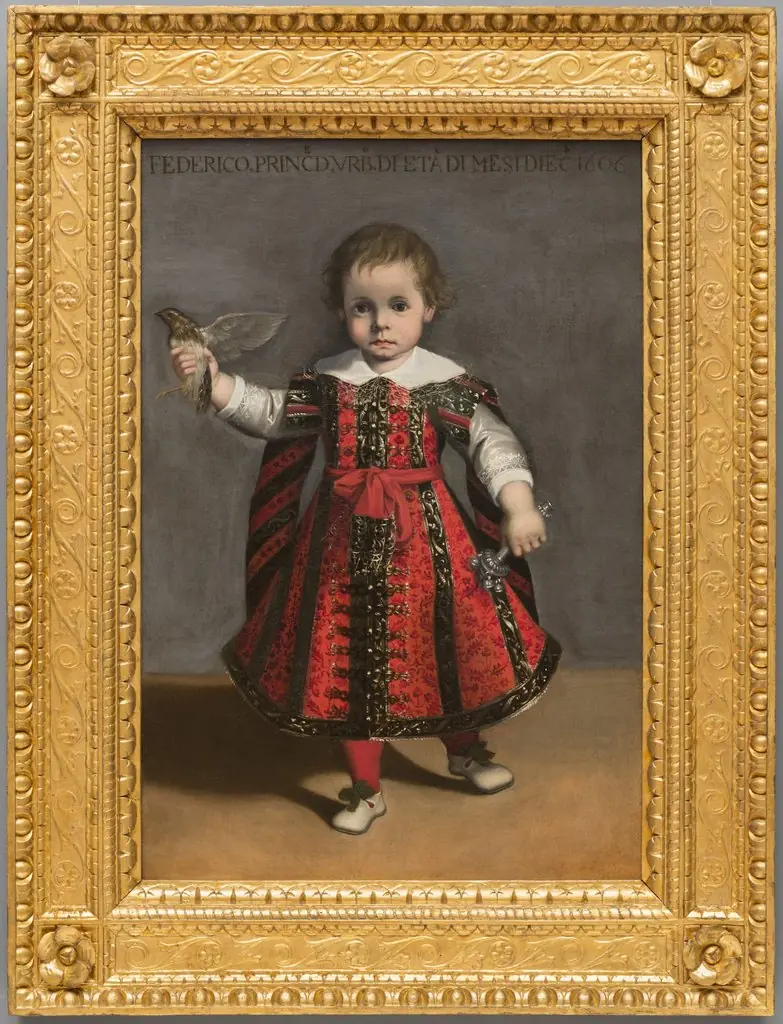 Federico, Prince of Urbino, at the Age of Eighteen Months
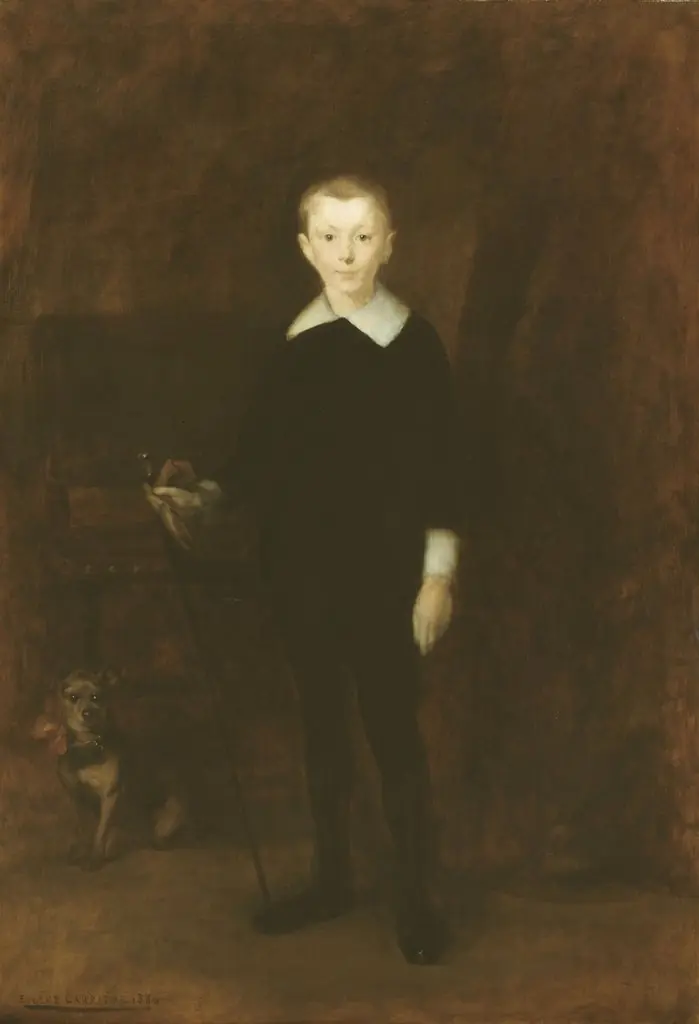 Portrait of a Boy
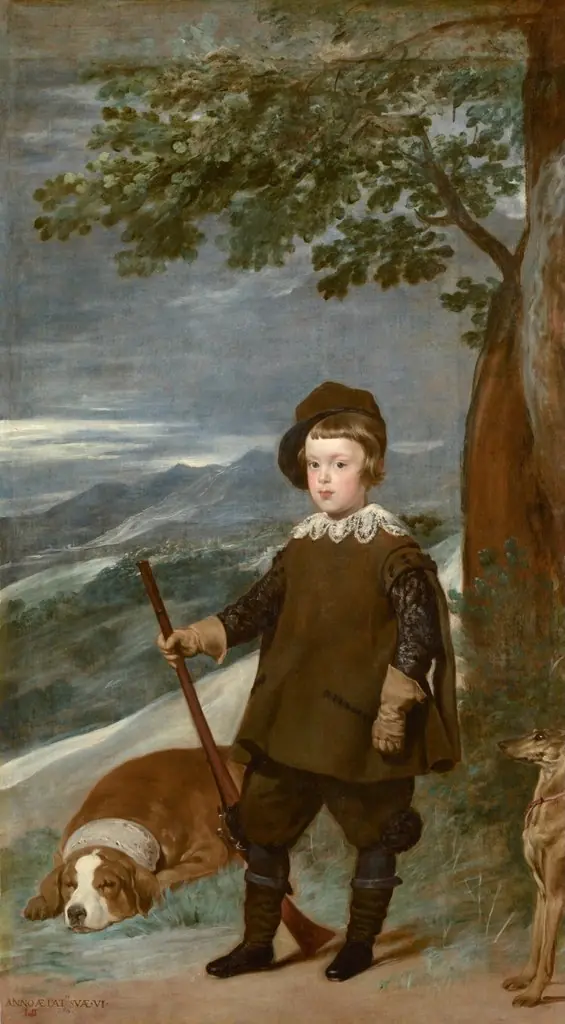 Prince Balthasar Charles as a Hunter
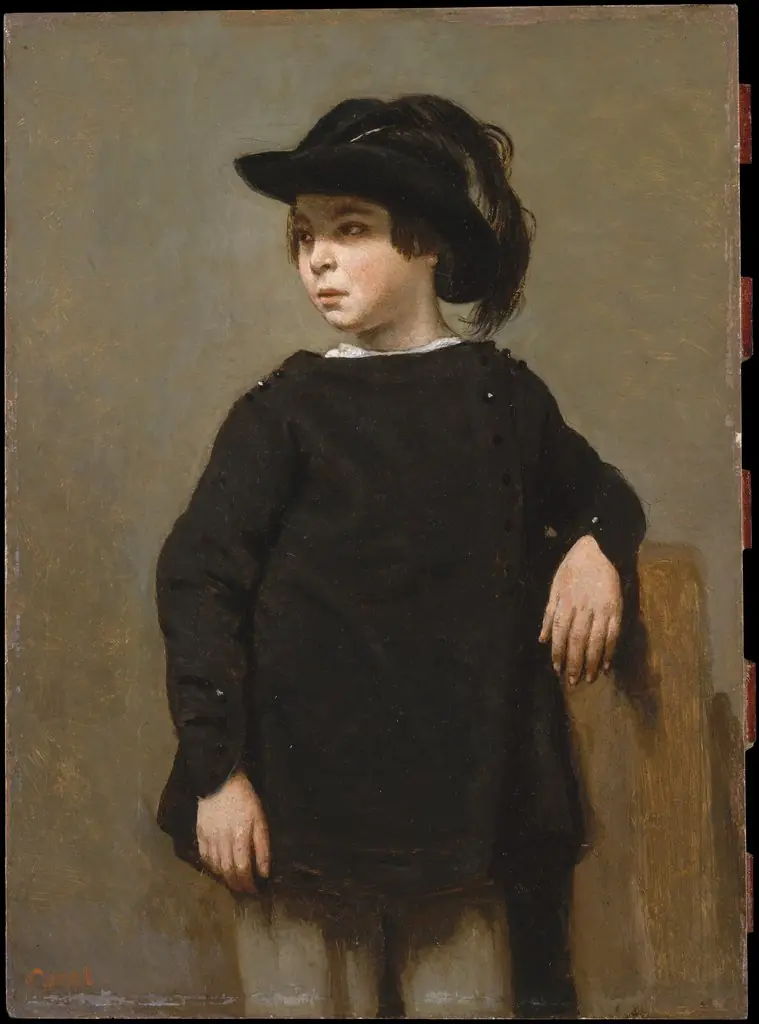 Portrait of a Child
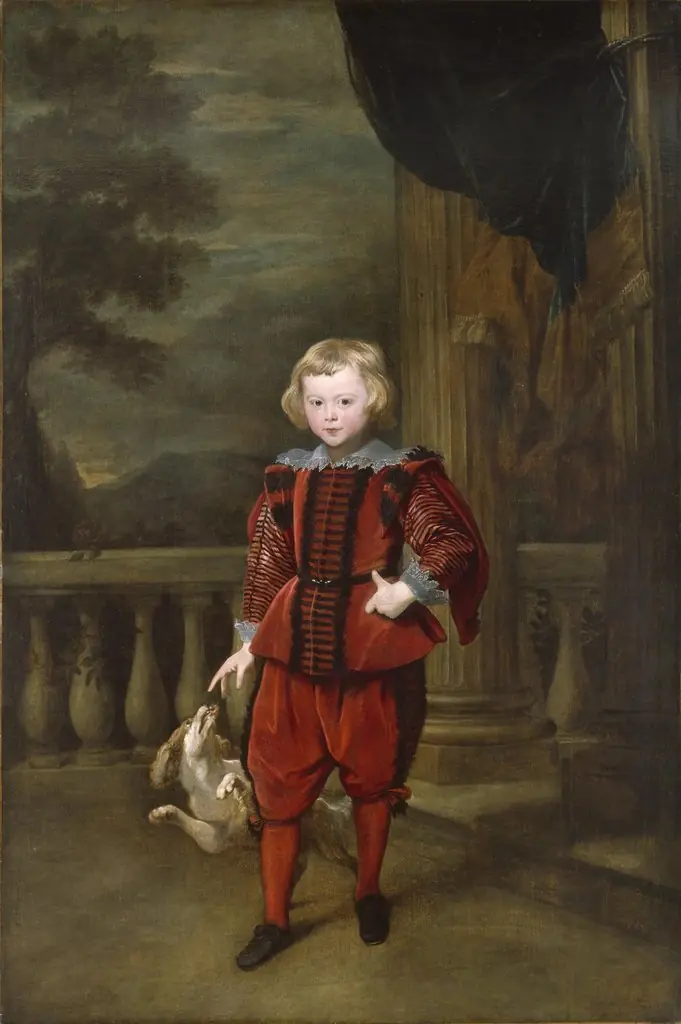 A Boy Standing on a Terrace
 George Taylor II