Artwork
Filippo Cattaneo
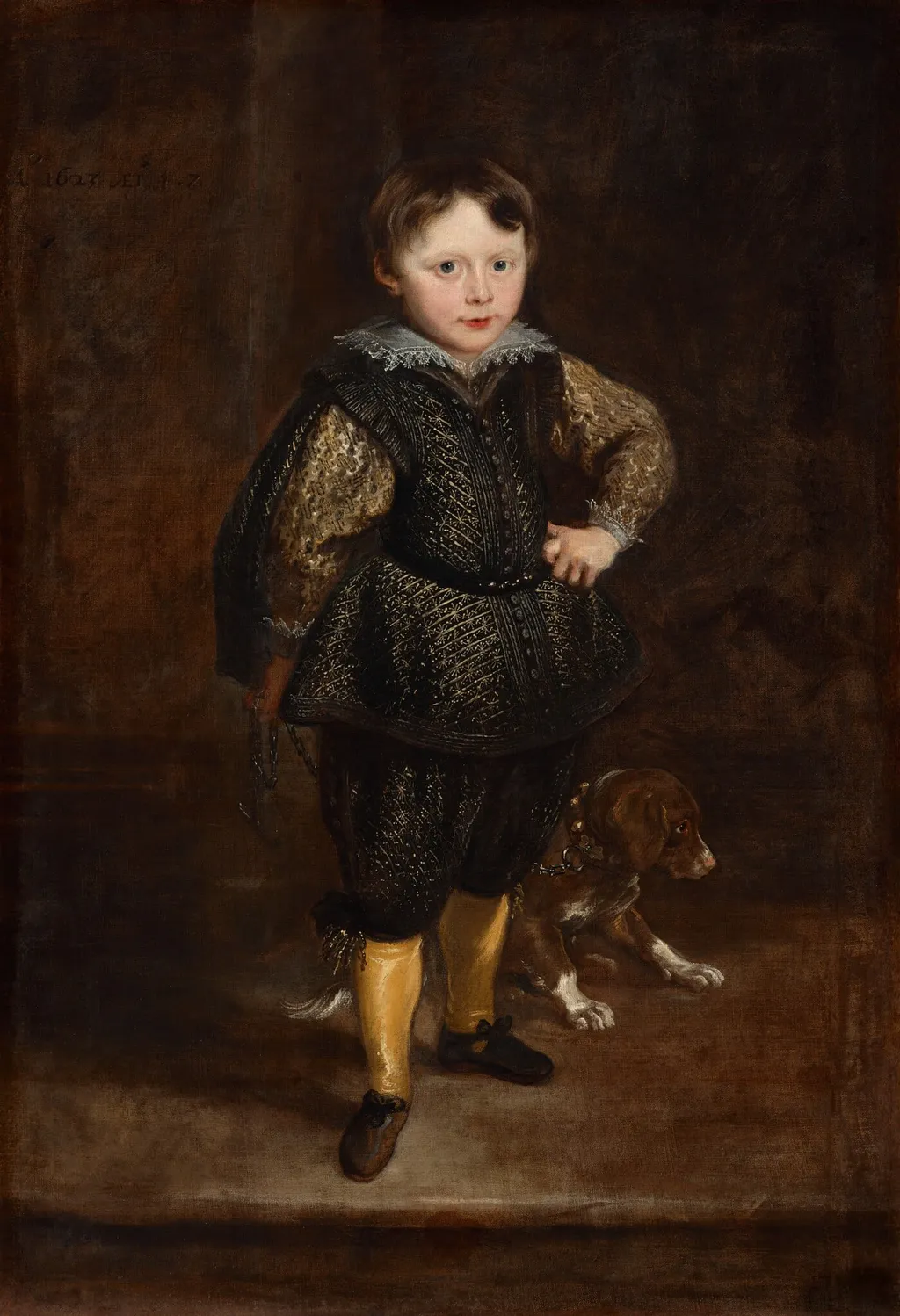
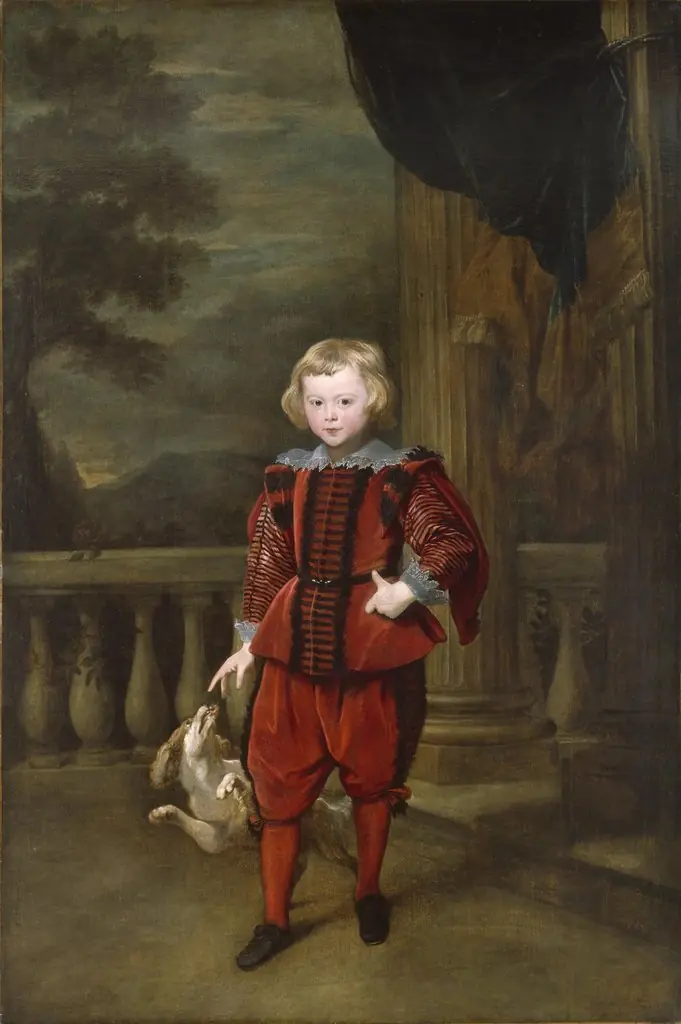
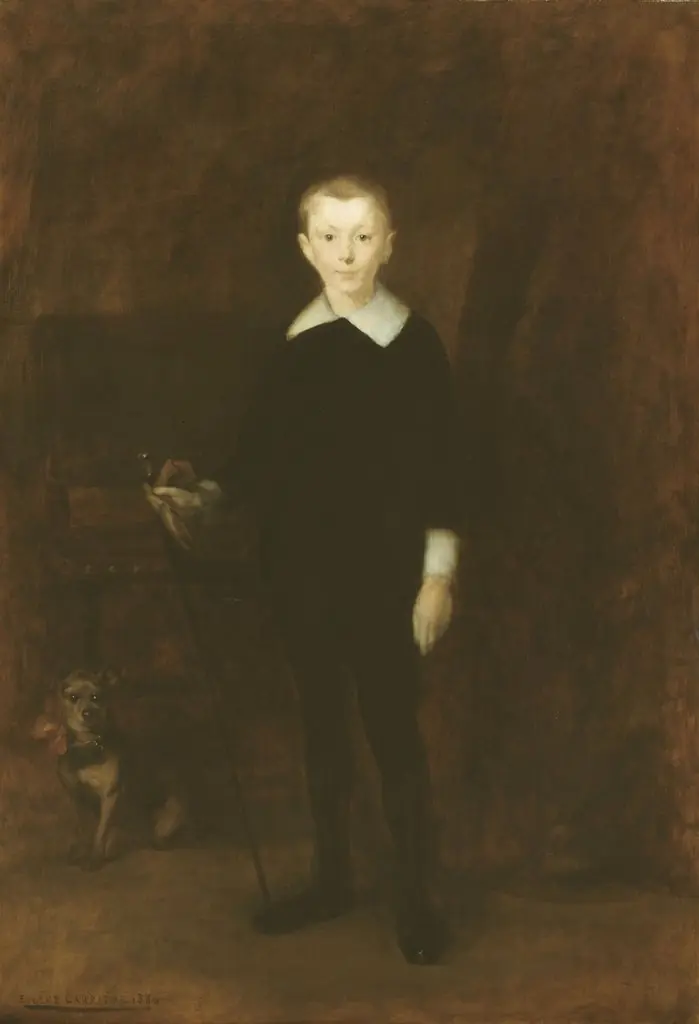
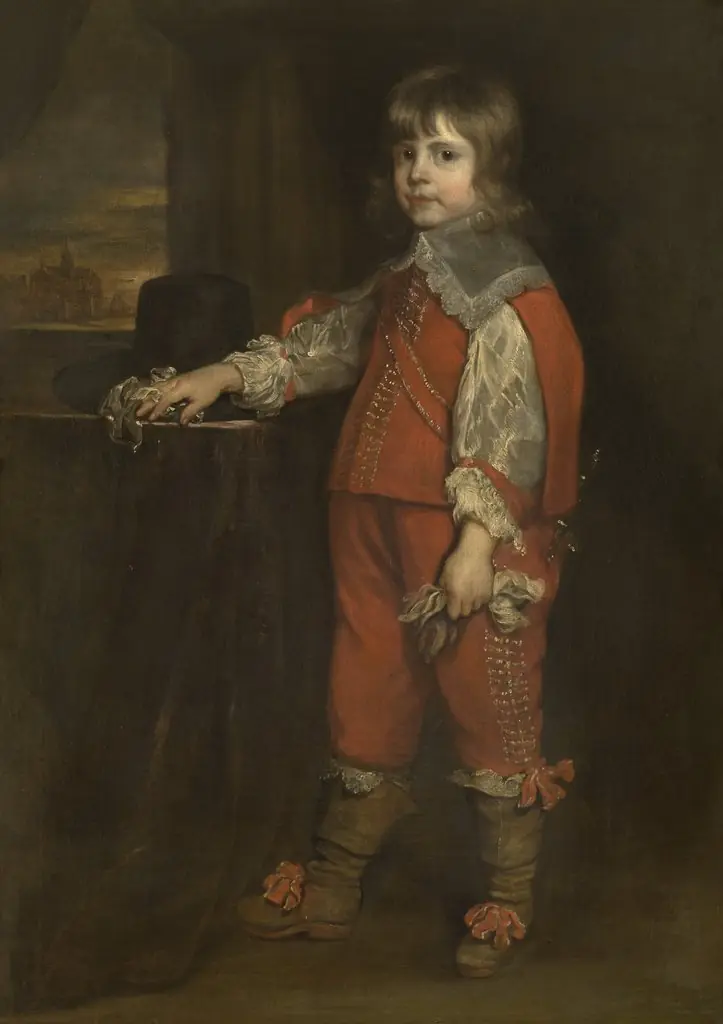
Filippo Cattaneo is an oil painting by the Baroque artist Anthony van Dyck. It dates from 1623 and is held in the collection of the National Gallery of Art.
- Inscription
- Inscribed:upper left: Ao 1623 AET. 4 : 7
About this work
Technique & Style
The surface is painted with thin, layered oil pigments that model the sitter’s features in a naturalistic yet elegant manner typical of van Dyck’s style.
The painting is an oil on canvas portrait executed by Sir Anthony van Dyck in 1623. It portrays a young boy and is classified as a Baroque portrait. The canvas measures approximately 122.5 cm in height by 84.1 cm in width, as recorded in the National Gallery of Art catalogue.
The surface is painted with thin, layered oil pigments that model the sitter’s features in a naturalistic yet elegant manner typical of van Dyck’s style. The work has been transferred through several private owners before entering the National Gallery of Art collection in 1942.
History & Provenance
Painted in 1623 by Anthony van Dyck, this portrait of Filippo Cattaneo was originally commissioned by the sitter's father, Giacomo Cattaneo, in Genoa. Upon Giacomo's death, the work passed by inheritance to his sons, Filippo and Gio. Giacomo Cattaneo.
Following Gio. Giacomo's death in 1712, ownership transferred to their great-nephew, Nicolò Cattaneo. The painting remained within the Cattaneo family lineage, passing to Giambatista Cattaneo by 1780 and Nicola Cattaneo by 1827, before entering the Cattaneo della Volta Collection, where it stayed until 1906.
That year, it was sold to Antonio Monti of Ferrara, likely acting for the Paris firm Trotti et Cie. The work subsequently moved through joint accounts involving P. & D. Colnaghi in London and M. Knoedler and Co. in New York between 1906 and 1907. In 1908, Peter A.B. Widener acquired the portrait for Lynnewood Hall in Elkins Park, Pennsylvania.
It later passed via inheritance to Joseph E. Widener, who gifted it to the National Gallery of Art in 1942.
Filippo Cattaneo has been held by the National Gallery of Art in Washington, D.C., since 1942, when it entered the collection as a gift from Joseph E. Widener of Elkins Park, through the power of appointment from the Estate of Peter A.B. Widener. The painting had been acquired by Peter A.B. Widener in 1908 and kept at Lynnewood Hall, Elkins Park, Pennsylvania. Before that, the work passed through commercial hands in 1906–1907, involving Antonio Monti of Ferrara and the firms Trotti et Cie.
(Paris), P. & D. Colnaghi (London), and M. Knoedler and Co. (New York). Earlier, it belonged to the Cattaneo della Volta Collection until 1906, descending from Filippo Cattaneo and his brother Gio.
Giacomo Cattaneo through their great-nephew Nicolò Cattaneo (1676–1746) and subsequent family heirs. Provenance research is documented in the 1997 exhibition catalogue Van Dyck a Genova.
Overview
Filippo Cattaneo is an oil on canvas portrait created by Sir Anthony van Dyck in 1623. This painting captures the likeness of a young boy, whose identity is suggested by the title. Executed when Van Dyck was 24, it represents an early stage in his career, demonstrating his developing approach to formal portraiture.
Subject & Meaning
The portrait presents a young boy positioned against a plain, dark backdrop. He is dressed in a brown jacket complemented by a simple white collar. His hands are gently placed at his sides, fingers subtly curled, suggesting a calm and direct presence. The focus remains squarely on the sitter's features and demeanor.
Context
Created in 1623, this portrait was painted when Sir Anthony van Dyck was just 24 years old. It belongs to an earlier phase of his career, preceding the period when he achieved widespread recognition and established himself as a prominent court painter in England. The work offers insight into his evolving style during these formative years.
Own this work as a print
Artist & collection
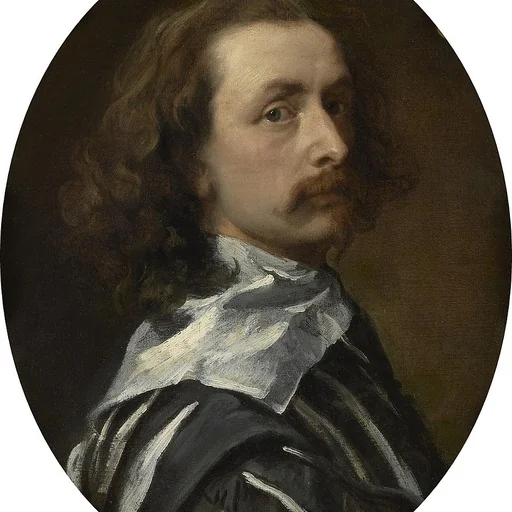
Artist
Sir Anthony van Dyck (; Dutch: Antoon van Dijck; 22 March 1599 – 9 December 1641) was a Flemish Baroque artist, who became the leading court painter in England after success in the Spanish Netherlands and Italy.