Artwork
Prince Balthasar Charles as a Hunter
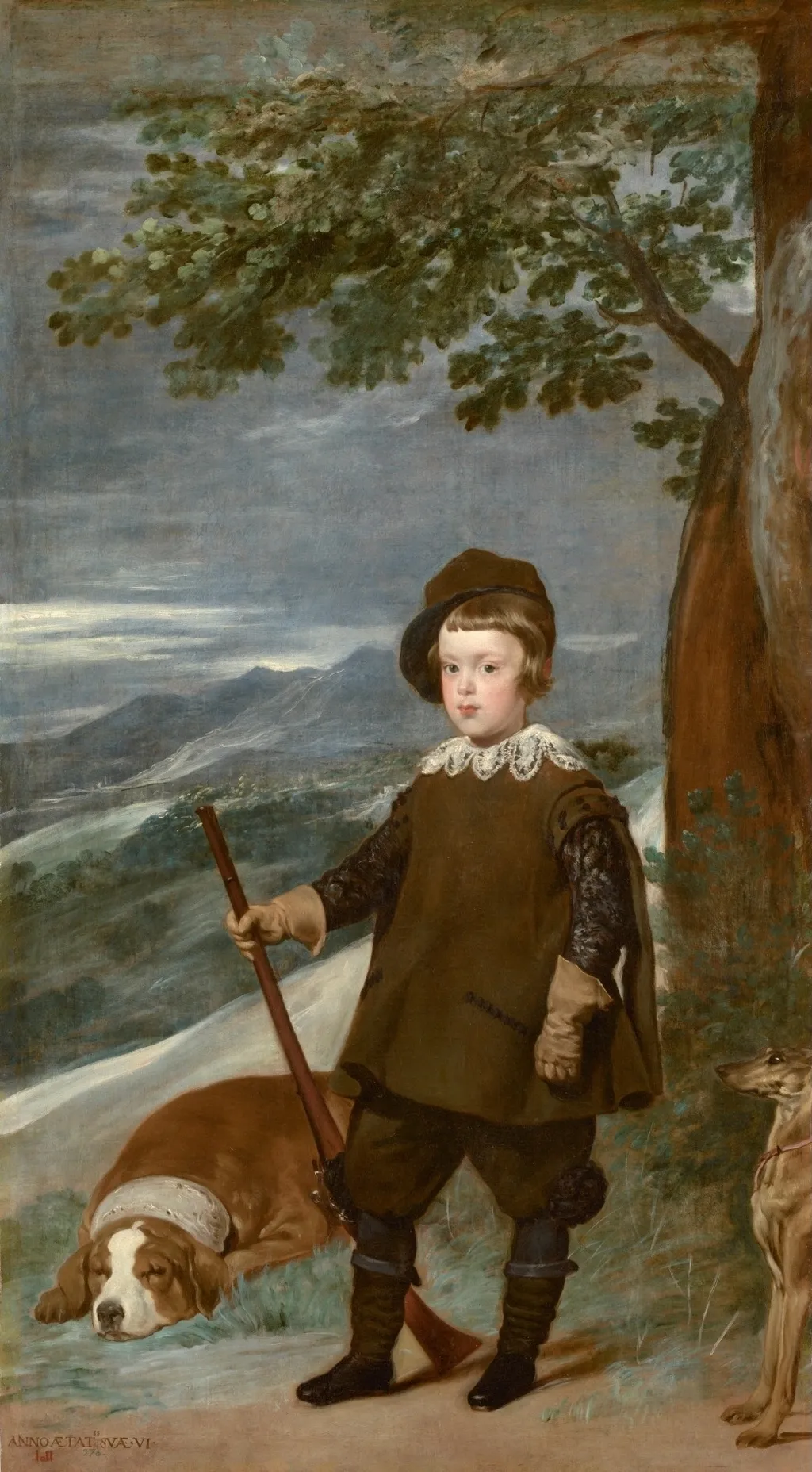
Prince Balthasar Charles as a Hunter is an oil painting by the Early Baroque Italian artist Diego Velázquez. It dates from 1636 and is held in the collection of the Museo del Prado.
About this work
Subject & Meaning
The portrait depicts Balthasar Charles, heir to the Spanish throne, as a young hunter, emphasizing his dynastic role and martial virtues.
The portrait depicts Balthasar Charles, heir to the Spanish throne, as a young hunter, emphasizing his dynastic role and martial virtues. Commissioned by Philip IV for the hunting lodge Torre de la Parada, the image aligns with a series of courtly hunt scenes that celebrated aristocratic leisure and power.
Velázquez’s iconography foregrounds the prince’s diminutive rifle and tailored hunting attire, dark cloak, wide breeches, embroidered doublet, lace collar, and boots, signaling both his noble status and readiness for future rule. Two dogs, one large and recumbent to preserve the prince’s stature and another small greyhound departing the frame, underscore the ritual of the chase while anchoring the composition in aristocratic sport. A solitary oak and the distant blue sierra of Madrid locate the scene in the royal hunting grounds of El Pardo, linking the prince to the landscape of Habsburg power.
Technique & Style
Executed in 1635, the work is an oil painting on canvas, measuring 191 cm in height and 103 cm in width. Velázquez employed a narrow, vertical format typical of his hunting series, presenting the subject in a three-quarter view. The composition features the prince in three-quarter length, holding a rifle scaled to his size, accompanied by a large sleeping dog and a smaller cinnamon-colored greyhound.
The background depicts the Pardo forest with an oak tree and distant blue mountains under a cloudy, grey sky. Critics have specifically highlighted the rendering of the prince's head as a demonstration of the artist's technical mastery. The painting originally included a wider composition with an additional greyhound, a fact evidenced by surviving copies, though the current canvas presents the final, adjusted arrangement.
History & Provenance
King Philip IV commissioned Diego Velázquez to create a series of hunting-themed portraits intended for the Torre de la Parada hunting lodge near Madrid. This specific work, depicting Balthasar Charles, was painted in 1635 as part of that project, which also included portraits of the Cardinal-Infante and the King himself. Although some sources cite a date of 1636, the creation is firmly associated with the 1635 commission for the exclusive court pavilion.
The painting remained within the Spanish royal collection, eventually passing to Ferdinand VII of Spain before entering the holdings of the Museo del Prado. The work originally featured a wider composition that included a second greyhound, a detail preserved in contemporary copies but later removed from the current canvas. It is now displayed in Hall 012 of the Prado.
Prince Balthasar Charles as a Hunter is held by the Museo del Prado in Madrid, inventory number P00968. The work entered the royal collection through Ferdinand VII of Spain and has been on continuous display at the Prado since the 19th century. It was first exhibited publicly in the 1850s as part of the royal gallery at the Palacio del Buen Retiro, later featured in the Prado's 1910 retrospective of Velázquez, and included in the 1935–1936 exhibition "Velázquez y la corte" that toured major Spanish cities.
The painting has also appeared in international exhibitions, including the 1955–1956 Velázquez retrospective at the Museo Nacional Centro de Arte Reina Sofía and the 2005–2006 "Velázquez: The King's Painter" exhibition at the Kunsthistorisches Museum in Vienna.
Context
The portrait was commissioned by Philip IV as part of a series on the theme of the hunt intended for the Torre de la Parada, a hunting pavilion on the Pardo mountain near Madrid that was reserved exclusively for the Court and later housed Rubens's long series of Ovid's Metamorphoses, becoming one of the most important collections on mythological subjects and nudes in Spain. The work belongs to a group of three hunting portraits by Velázquez sharing a narrow format, a three-quarter figure, a hunting weapon, and hunting attire: Prince Balthasar Charles as a Hunter, Cardinal-Infante Ferdinand of Austria as a Hunter, and Philip IV as a Hunter. Although the painter is known to have executed many more works on this subject, none of the others remain in Spain.
Scholars have treated the painting within broader studies of Spanish Baroque art, including José Camón Aznar's Historia general del arte (1977), José Luis Morales y Marín's La pintura en el Barroco (1998), and Enrique Lafuente Ferrari's Museo del Prado. Pintura española de los siglos XVI y XVII (1964). Critics concur that the rendering of the prince's head exemplifies the painter's mastery, and the work is catalogued among Velázquez's portraits of the Spanish royal family, later passing into the collection of Ferdinand VII before entering the Museo del Prado.
Overview
Diego Velázquez painted this portrait in 1635, depicting the young Prince Balthazar Charles, heir to the Spanish throne, in a hunting setting. The canvas, executed in oil, presents the boy standing on a rural path, flanked by two dogs, against a landscape that includes a tree trunk, a hill and distant mountains under a clear sky.
Artist & collection
Artist
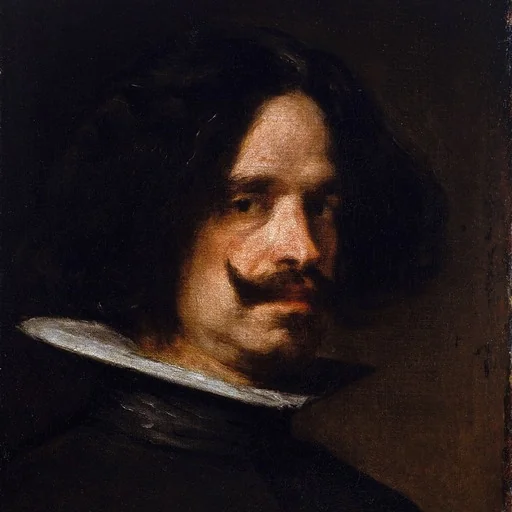
Diego Rodríguez de Silva y Velázquez was a Spanish Baroque painter, the leading artist in the court of King Philip IV of Spain and Portugal, and of the Spanish Golden Age.

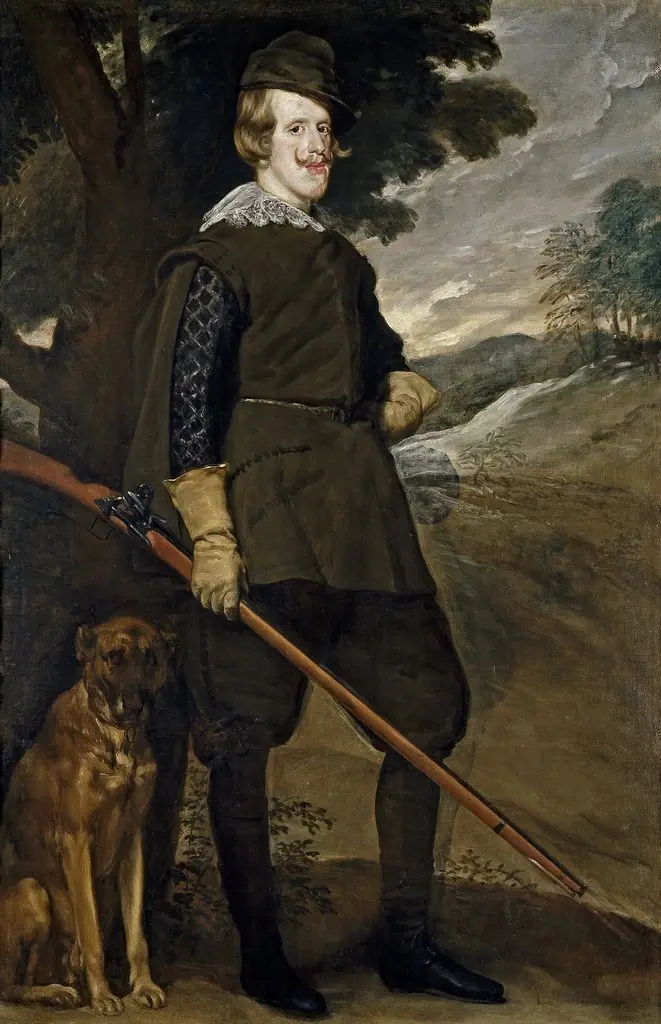 Philip IV as a Huntsman
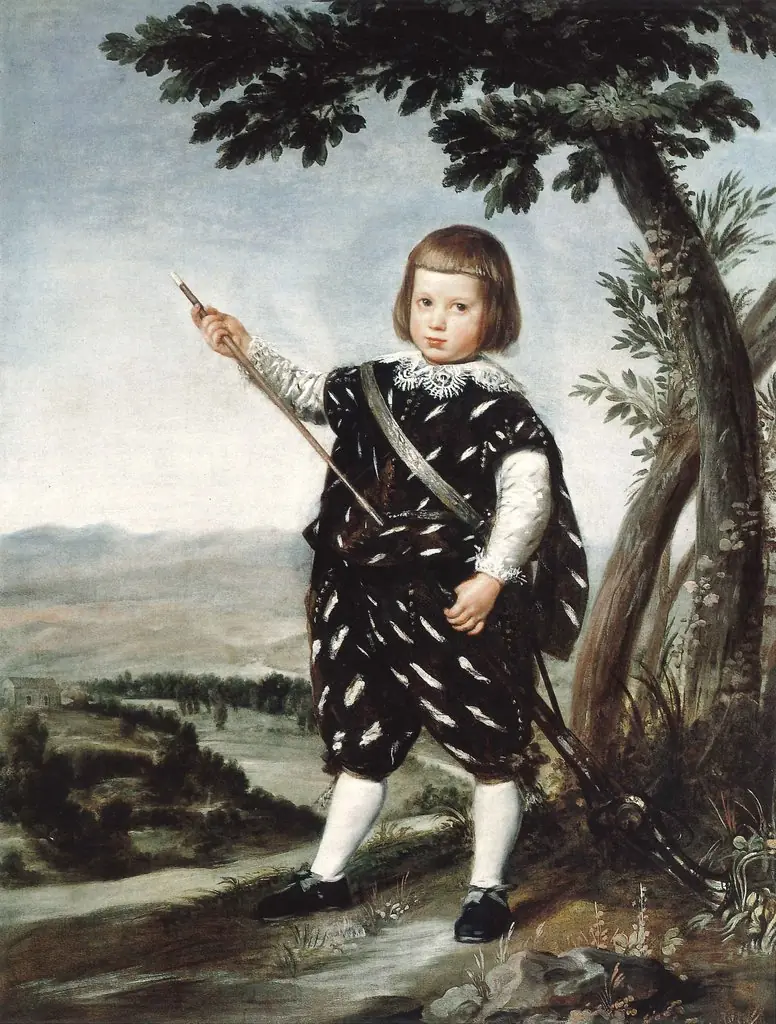 The Infante Don Baltasar Carlos
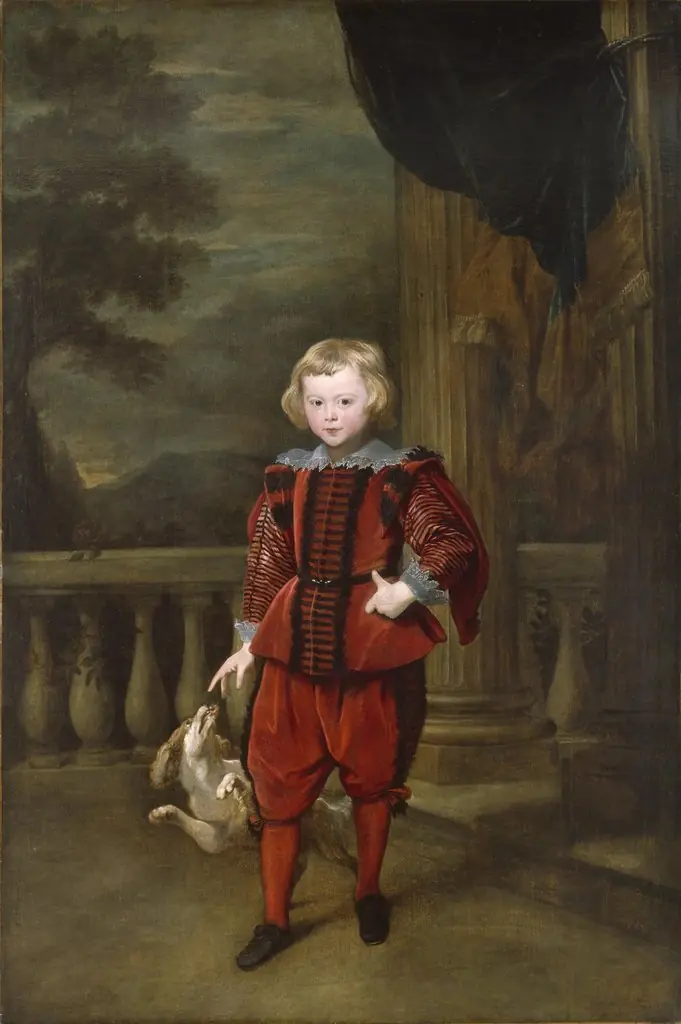 A Boy Standing on a Terrace
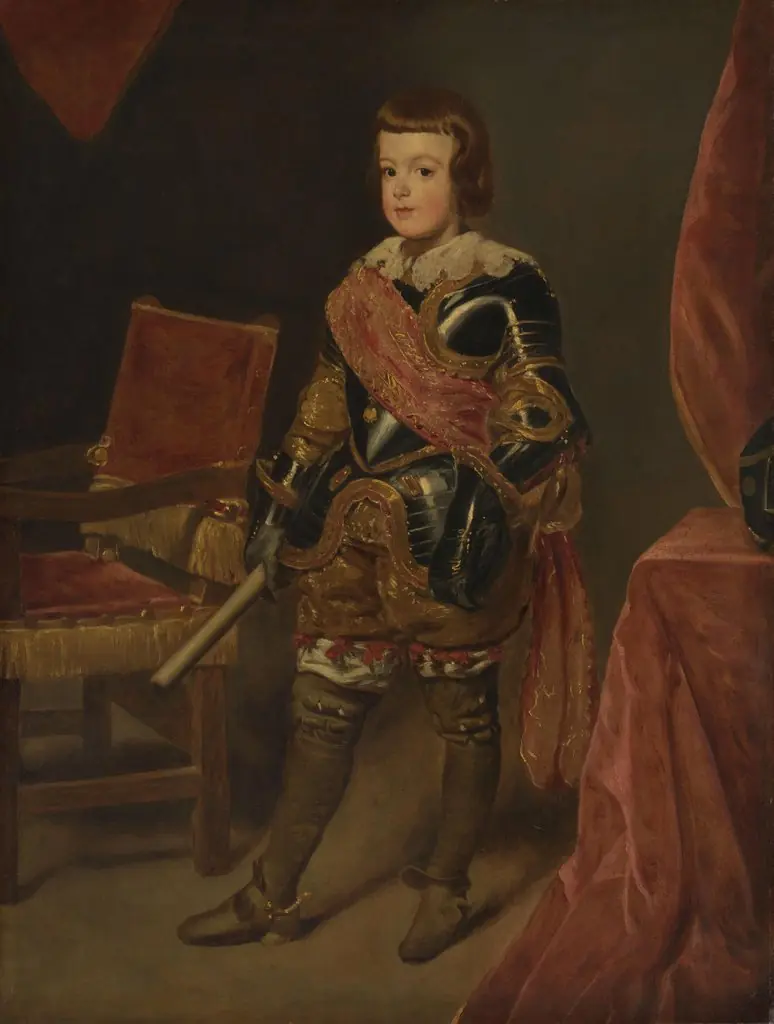 Portrait of Infante Balthasar Carlos
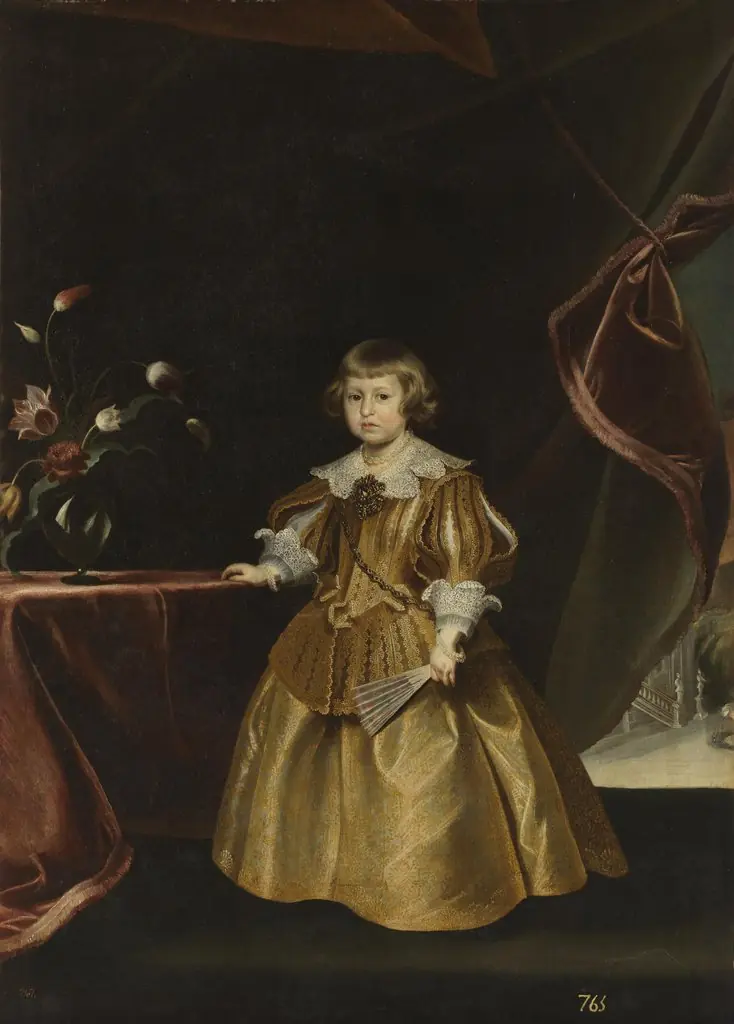 Portrait of an infanta
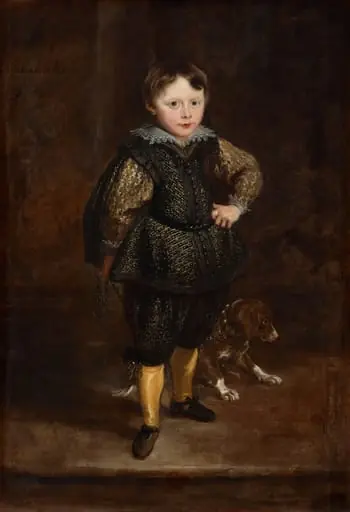 Filippo Cattaneo
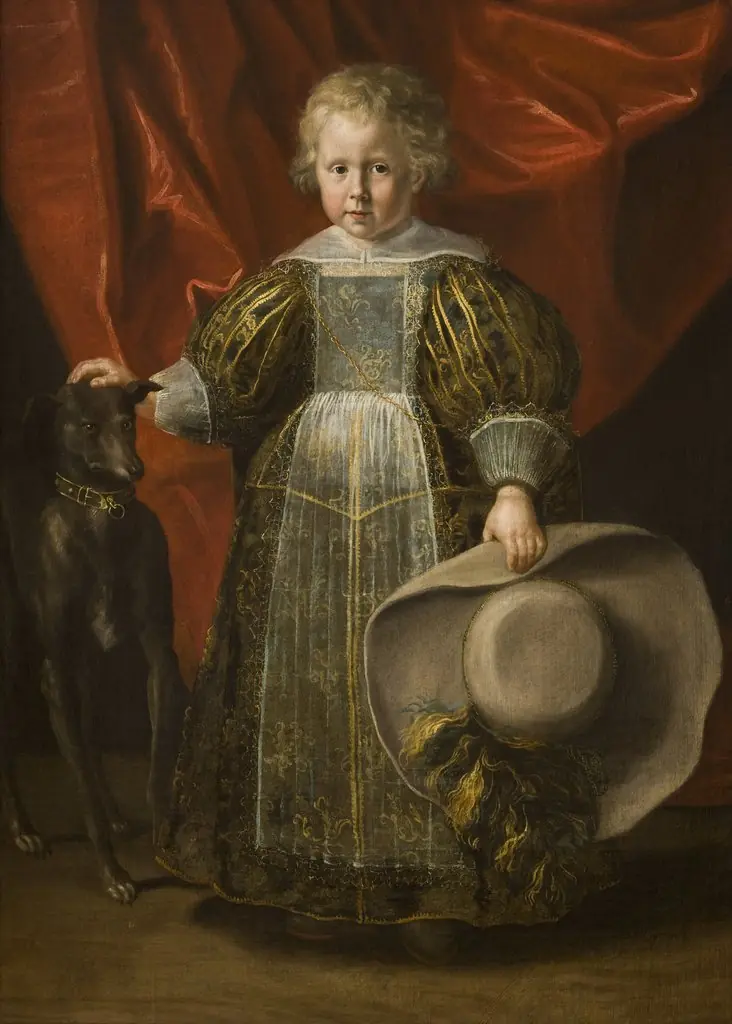 Portrait of a Boy
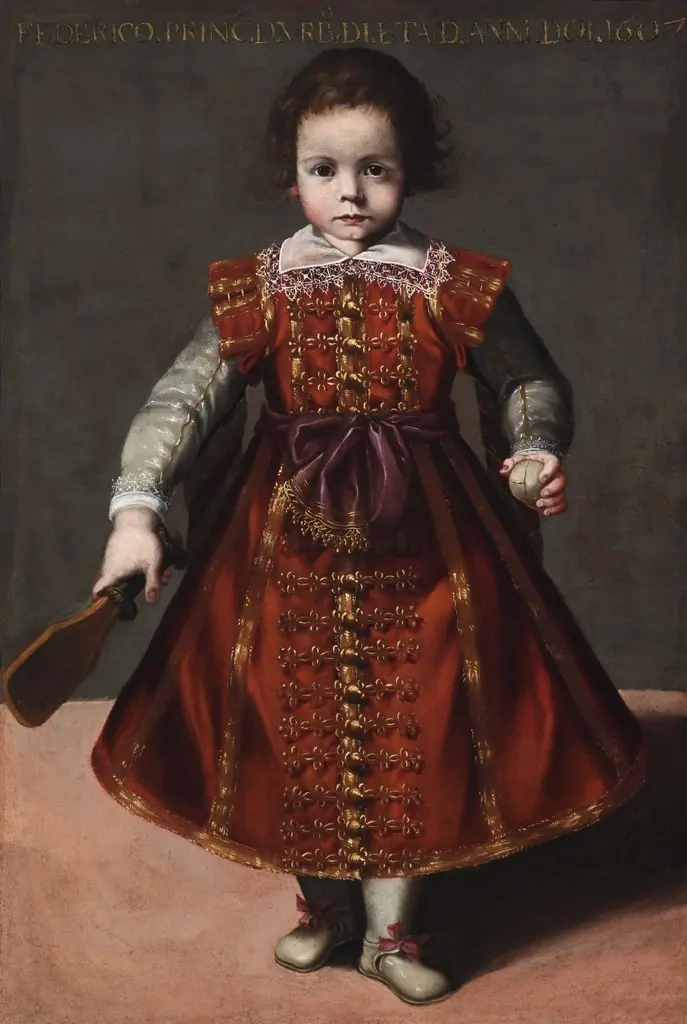 Federico, Prince of Urbino, at the Age of Two Years
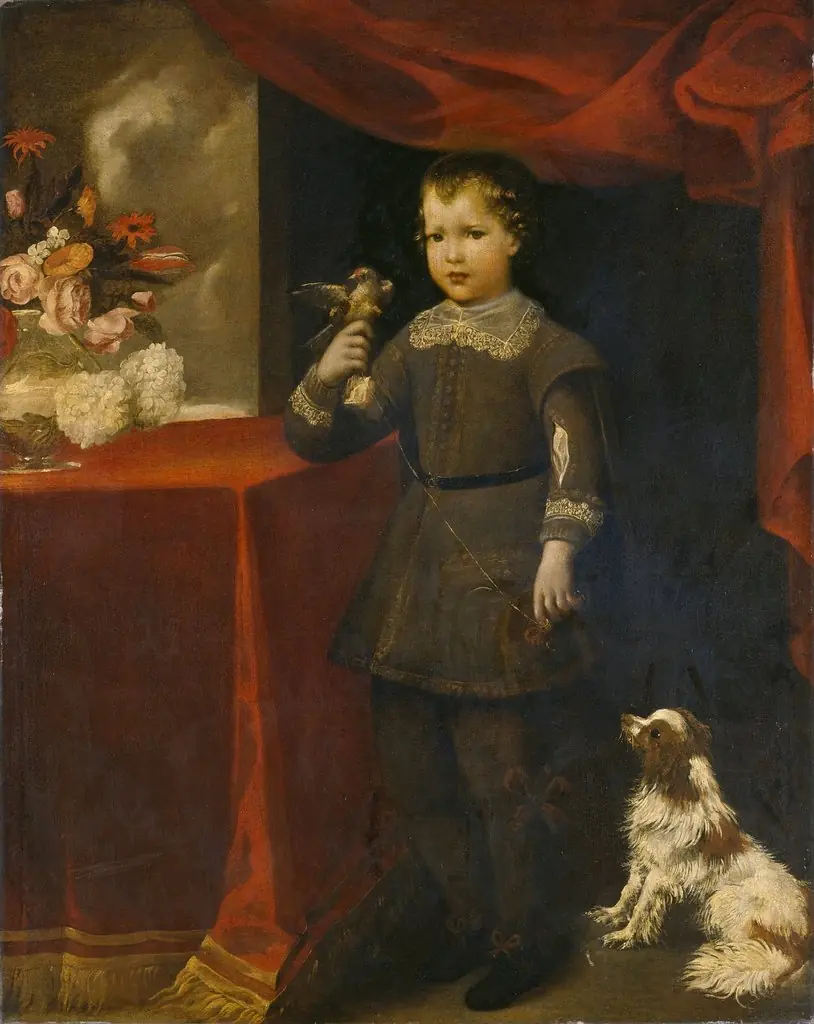 El príncipe Baltasar Carlos
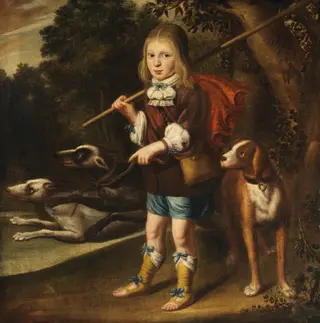 Boy with Dogs
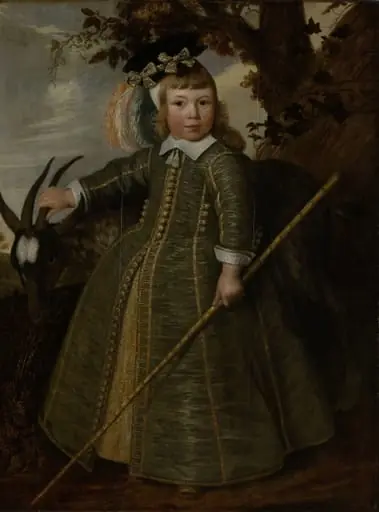 Portrait of a boy with a billygoat
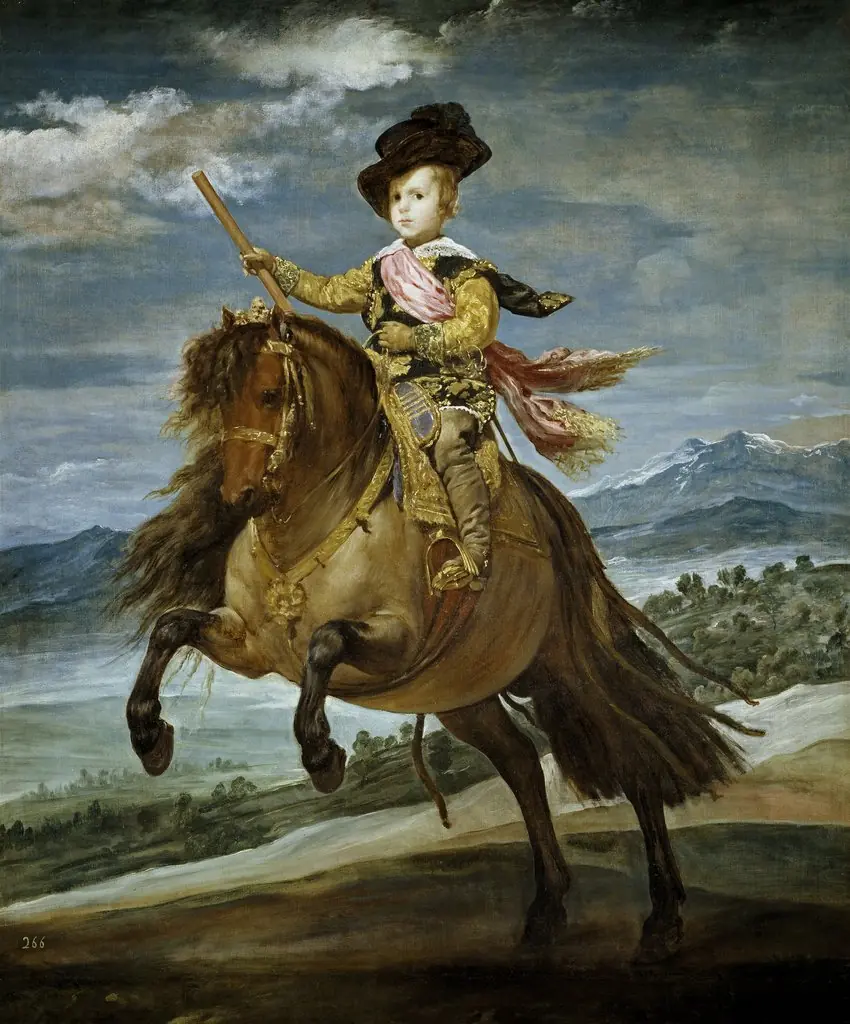
- Equestrian Portrait of Prince Balthasar Charles