Artwork
Christ Taking Leave of His Mother
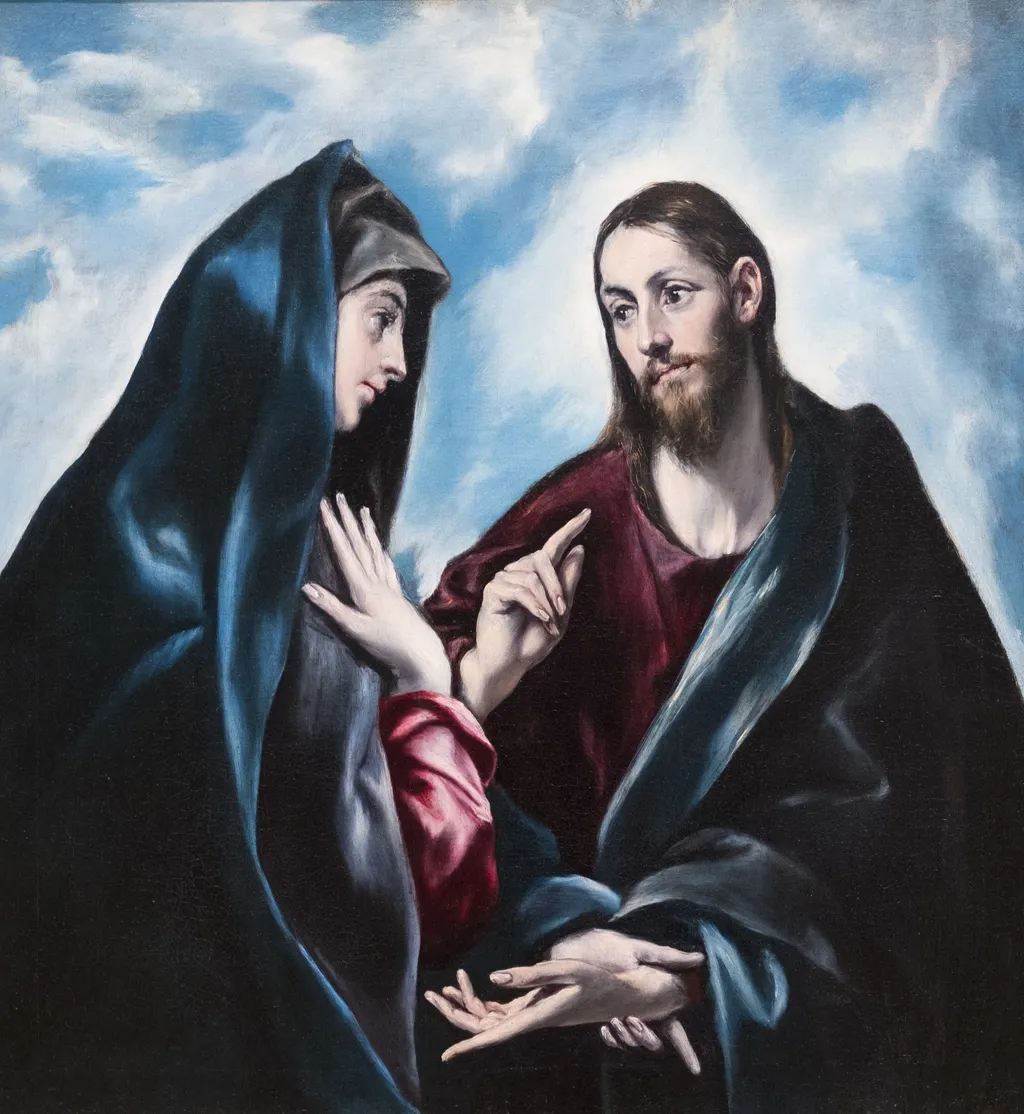
Christ Taking Leave of His Mother is an oil painting by the Mannerist artist El Greco. It dates from 1596 and is held in the collection of the Art Institute of Chicago.
About this work
Overview
Christ Taking Leave of His Mother is an oil on canvas painting created in 1595 by El Greco (Theotokopoulos Domenikos), a Greek artist. This work marks his first depiction of this specific subject matter.
Subject & Meaning
The painting portrays the moment of Christ's departure from his mother, a theme more commonly associated with Northern Renaissance art earlier in the century.
The painting portrays the moment of Christ's departure from his mother, a theme more commonly associated with Northern Renaissance art earlier in the century. The composition captures an intimate, emotional exchange between the two figures: a woman in a dark blue hooded cloak with raised hands and Christ, identifiable by his long brown hair, beard, red shirt, and dark blue robe, with his right hand extended towards her.
Technique & Style
El Greco's use of color and composition emphasizes intimacy and emotional depth. Against a serene backdrop of a blue sky with white clouds, the contrasting attire of the figures and the expressive gestures create a sense of solemnity and connection.
History & Provenance
Created in 1595, this painting is El Greco's inaugural work on the subject of Christ taking leave of his Mother. Specific details on its provenance are not provided in the available information.
Context
While the theme was prevalent in Northern Renaissance art, El Greco's interpretation reflects his unique stylistic blend, influenced by his Greek origins and training in Renaissance Italy.
Legacy
This painting contributes to El Greco's body of work characterized by emotional intensity and distinctive color palette. For deeper insight into his chiaroscuro techniques, exploring his other works is recommended.
Own this work as a print
Artist & collection
Artist
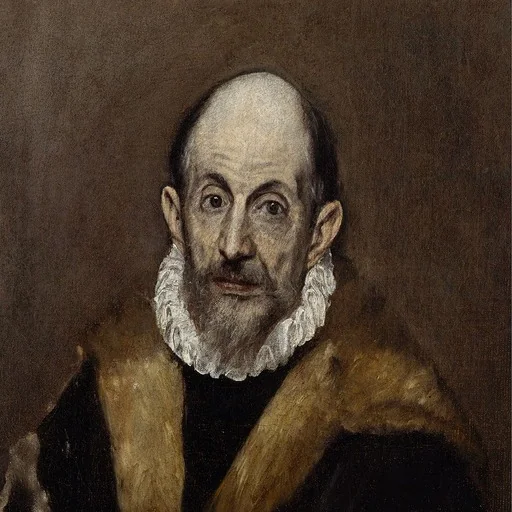
Doménikos Theotokópoulos was born in 1541 in Candia (modern Heraklion), the capital of Venetian-ruled Crete, where he was trained in the post-Byzantine tradition of icon painting.