Artwork
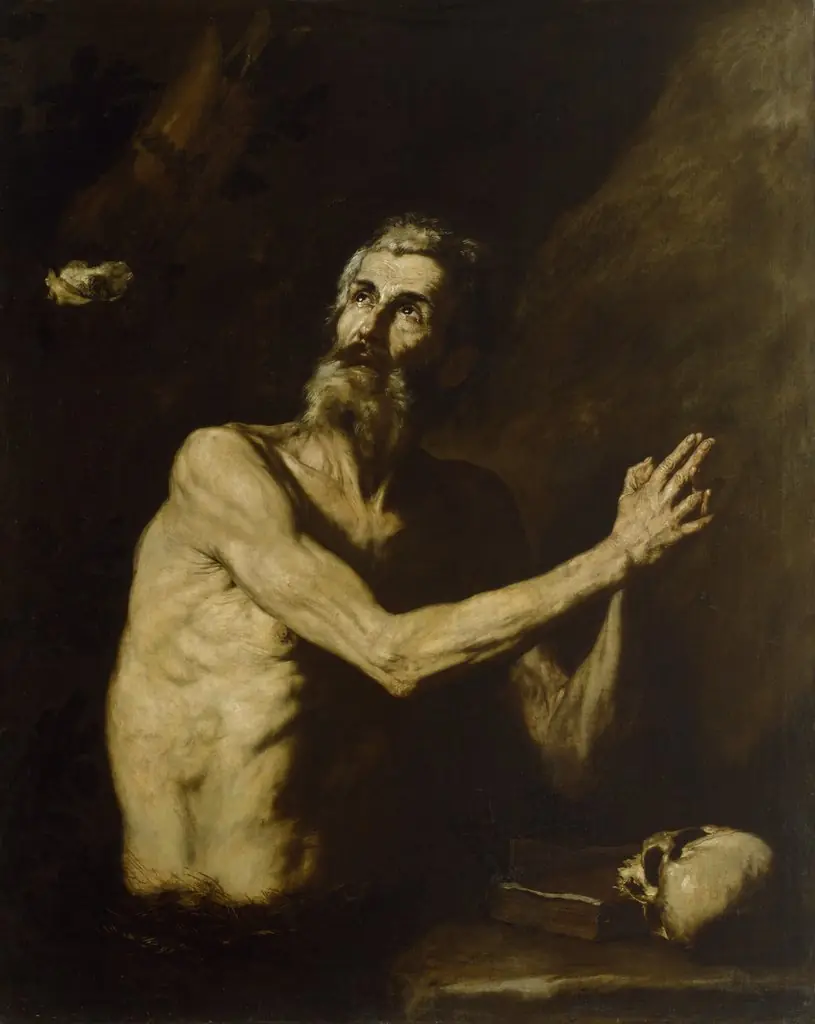
Saint Jerome
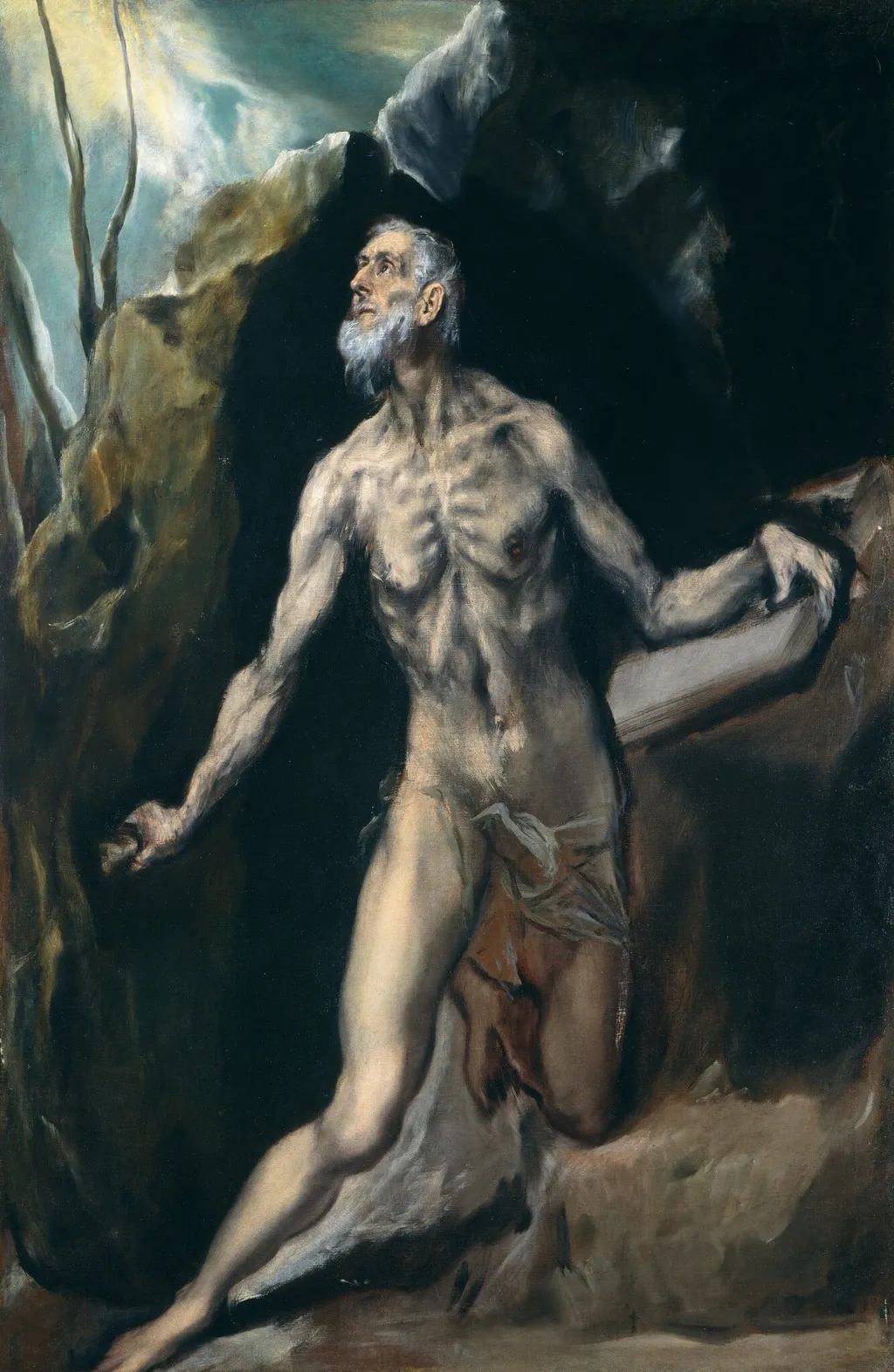
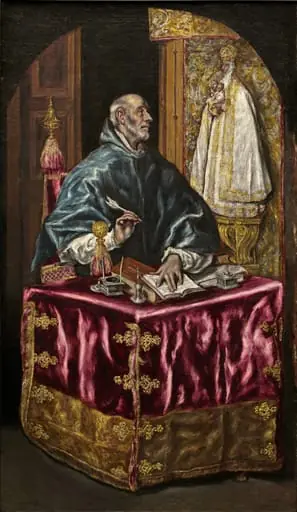
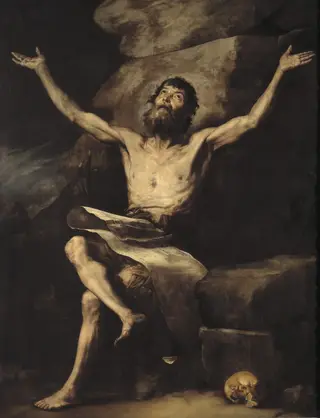
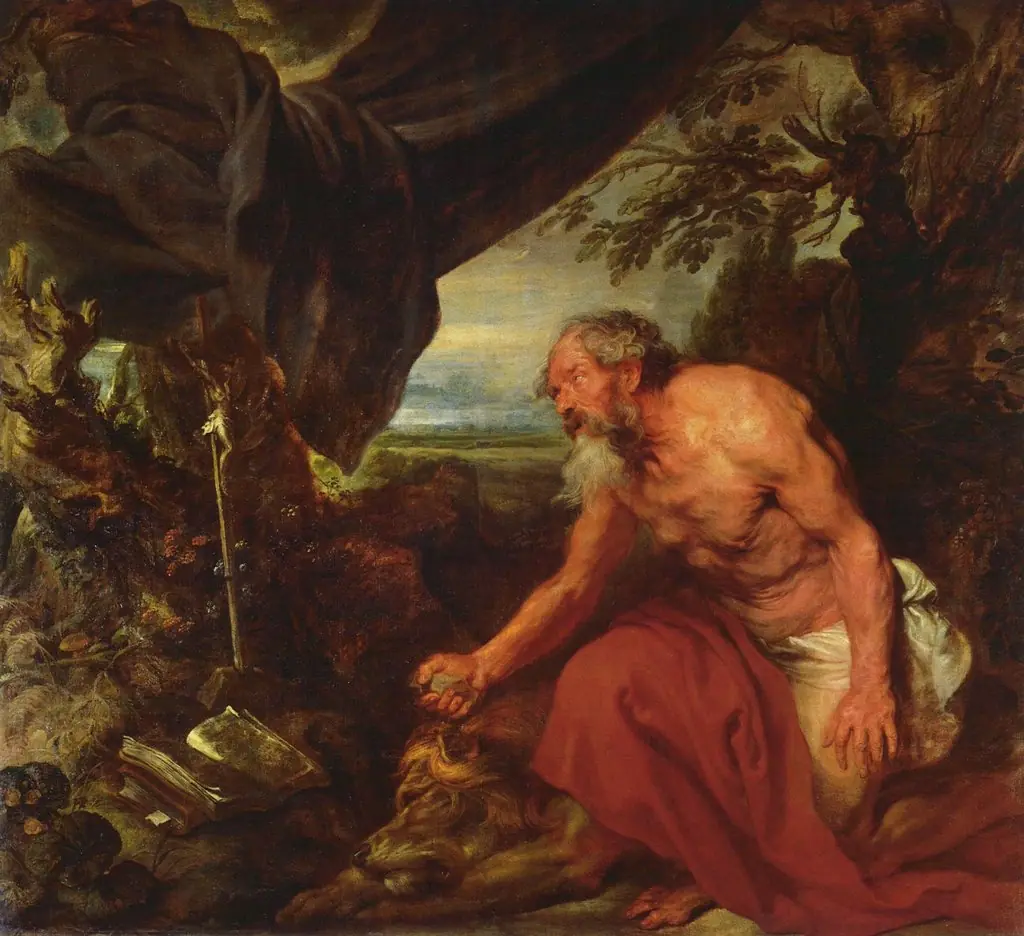
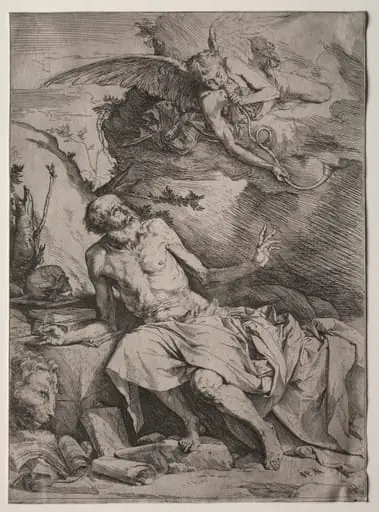
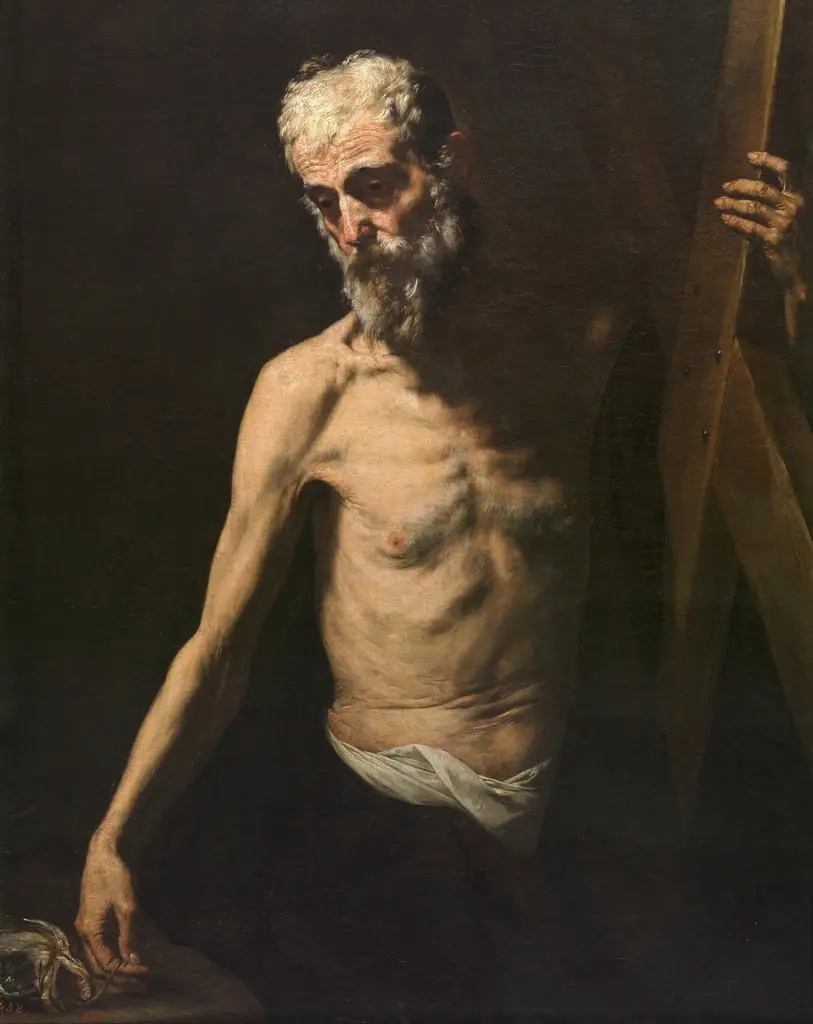
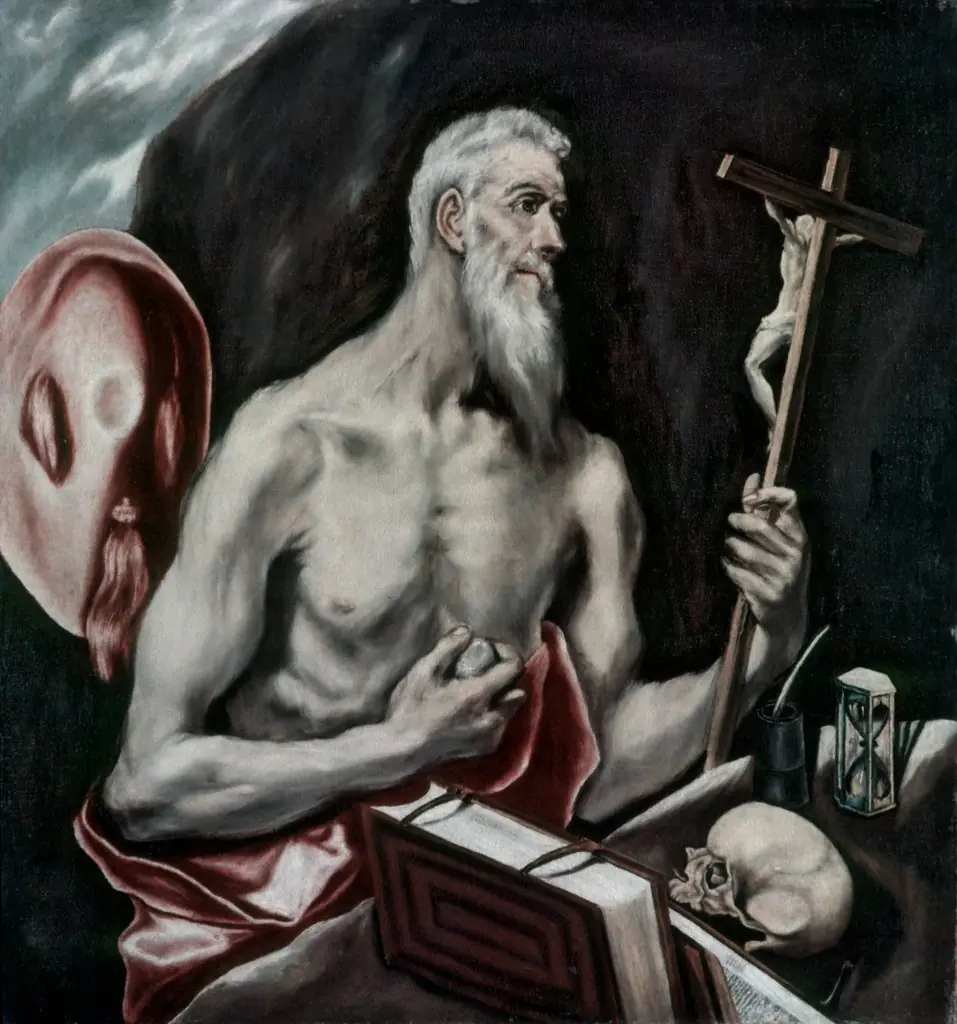
Saint Jerome is an oil painting by the Baroque artist El Greco. It dates from 1612 and is held in the collection of the National Gallery of Art.
- Inscription
- Inscribed:unidentified inventory number at upper left: 100
About this work
Technique & Style
The physical object represents a late example of El Greco's style, characterized by its specific medium and support combination typical of his mature period.
Executed in 1612, this religious painting by El Greco is created using oil paint applied to a canvas support. The work depicts Saint Jerome and measures approximately 168 cm in height by 110.5 cm in width, dimensions that align with earlier inventory records describing the piece as roughly 168 x 106 cm. Historical documentation suggests the painting may have been one of fifteen unfinished works listed in the artist's 1614 estate inventory before passing to his son, Jorge Manuel Theotocópuli. The physical object represents a late example of El Greco's style, characterized by its specific medium and support combination typical of his mature period.
The canvas has remained extant from its creation until its current location, preserving the artist's handling of oil pigments on the woven textile.
History & Provenance
The work titled Saint Jerome, painted by El Greco in 1612, is an oil on canvas measuring roughly 168 × 110 cm. It first appears in the artist’s circle through his son Jorge Manuel, who owned it by 1621, and it may have been displayed in the Convent of San Hermengildo in Madrid in 1786. Subsequent owners include Felipe de la Rica of the Montejo family (1902), Doña María de Montejo (1908), a European dealer after 1926, and the New York firm Boehler & Steinmeyer, which sold it to Chester Dale in February 1931; the painting was gifted to the National Gallery of Art in 1943. The dating and stylistic analysis place its creation in the final years of El Greco’s career in Toledo.
Legacy
The painting's acquisition by the National Gallery of Art in 1943 cemented its scholarly reputation, positioning the work as a benchmark for studies of El Greco's late period and influencing subsequent interpretations of the saint's iconography. Its documented provenance, from the artist's son to European dealers and finally to Chester Dale before donation, highlights a trajectory that reflects growing appreciation of El Greco's oeuvre in the early twentieth century. The museum's display and catalogues have contributed to sustained public interest, ensuring that Saint Jerome remains a reference point for discussions of Counter‑Reformation art and the evolution of Spanish painting.
Overview
Painted in 1612 near the end of his life, El Greco's 'Saint Jerome' depicts the scholar-saint in a moment of intense spiritual contemplation. The composition centers on Jerome seated at a wooden desk, surrounded by the tools of his intellectual labor: stacks of books, scattered papers, and an inkwell. Clad in simple, draped garments that contrast with the rich textures of the scholarly environment, the figure is illuminated by a dramatic, non-naturalistic light source that highlights his furrowed brow and the act of writing or reading.
Executed in oil on canvas, the work exemplifies El Greco's mature style, characterized by elongated forms, expressive brushwork, and a vibrant, often unnatural color palette dominated by cool blues, acidic greens, and warm ochres. This late work reflects the artist's deepening spiritual intensity and his unique synthesis of Venetian colorism with Byzantine iconography. As one of the final paintings completed before his death in 1614, it stands as a testament to his enduring exploration of religious mysticism and his rejection of classical naturalism in favor of emotional and spiritual expression.
Subject & Meaning
The composition centers on Saint Jerome, a pivotal figure in Christian scholarship known for translating the Bible into Latin. He is shown in modest attire, seated at a desk laden with texts and writing materials, emphasizing his dedication to study and asceticism. This portrayal underscores his role as an intellectual and a spiritual guide.
Own this work as a print
Artist & collection
Artist
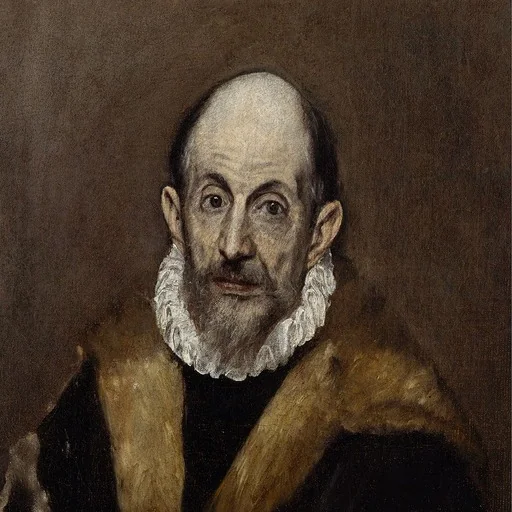
Doménikos Theotokópoulos was born in 1541 in Candia (modern Heraklion), the capital of Venetian-ruled Crete, where he was trained in the post-Byzantine tradition of icon painting.