Artwork
San Gimignano
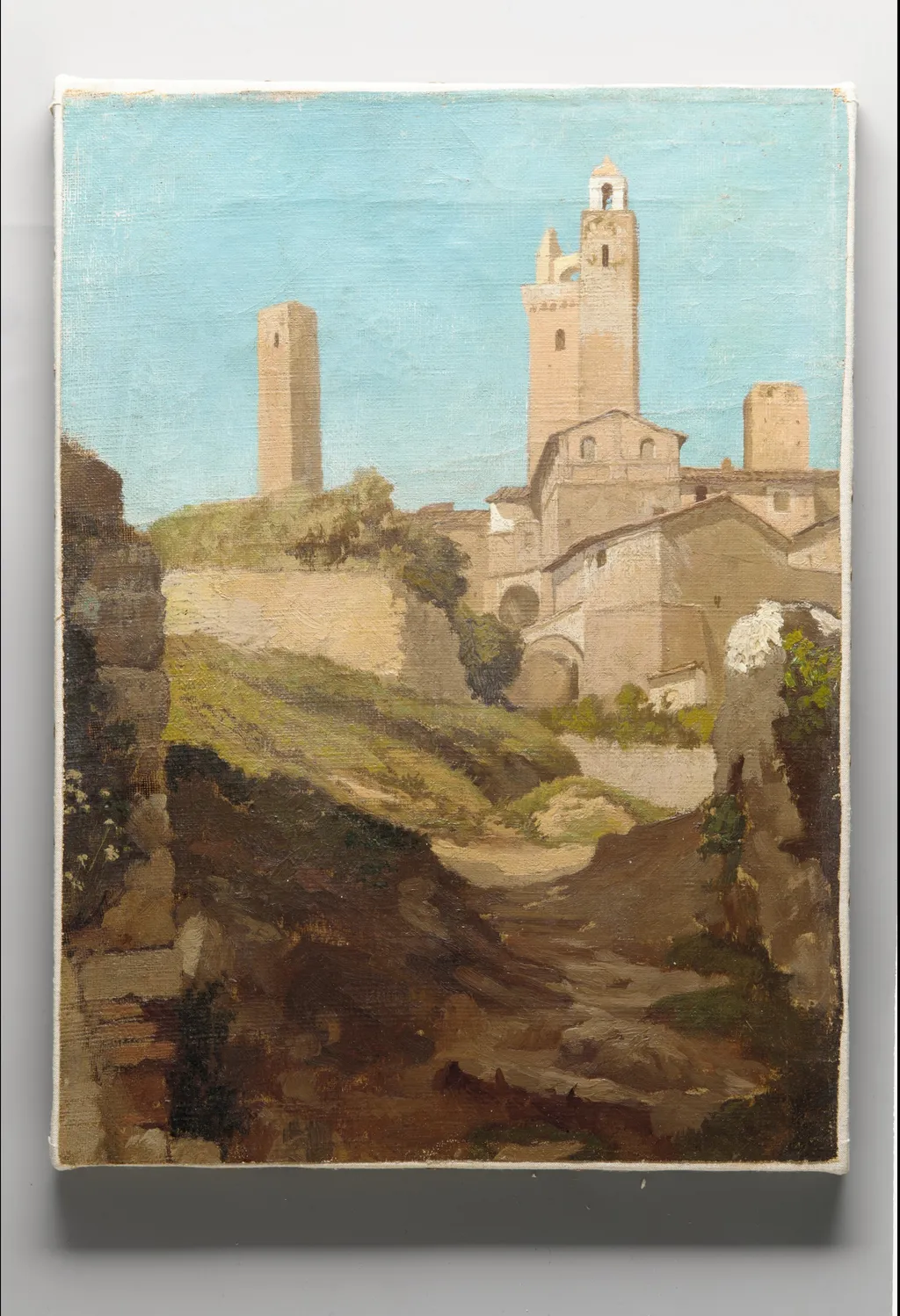
San Gimignano is an oil painting by the American Impressionist artist Elihu Vedder. It dates from 1890 and is held in the collection of the Metropolitan Museum of Art.
About this work
Subject & Meaning
It stands as a visual record of the town's built environment during the late 19th century, translating the physical presence of the structures onto canvas.
Elihu Vedder's 1879 oil painting, San Gimignano, depicts the architectural landscape of the Italian town, specifically focusing on its distinctive towers and buildings. The work captures the physical structure of the town rather than a narrative scene or specific historical event. As an urban view, the subject matter centers on the verticality and density of the medieval skyline, presenting the town itself as the primary iconographic element.
The painting serves as a representation of the location's unique architectural character, emphasizing the prominent towers that define the settlement's silhouette. It stands as a visual record of the town's built environment during the late 19th century, translating the physical presence of the structures onto canvas.
Technique & Style
San Gimignano is executed in oil paint on a canvas support, a medium noted in both the artwork’s classification and its material specification. The painting measures approximately 35.2 cm in height and 27.3 cm in width. Its subject matter consists of a building, tower, and town, rendered in a representational style that emphasizes architectural detail.
While the sources do not specify brush handling or current condition, the use of oil on canvas allows for layered application and subtle tonal variation typical of Vedder’s technique.
History & Provenance
San Gimignano is an oil on canvas painting executed in 1879 by American artist Elihu Vedder. The work, depicting a towered town, was created as an independent piece and later entered the collection of the Metropolitan Museum of Art, where it has been housed since its acquisition. Its dimensions measure 35.2 cm in height by 27.3 cm in width, and it remains part of the museum's permanent holdings.
Elihu Vedder's 1879 oil painting San Gimignano is held in the collection of the Metropolitan Museum of Art. The artwork, which depicts a town with buildings and towers, is executed in oil paint on canvas and measures 35.2 by 27.3 centimeters. The provided sources do not list a specific inventory or accession number for the piece, nor do they document its exhibition history.
Overview
Elihu Vedder, an American symbolist, completed San Gimignano in 1890 using oil paint. This work captures a quiet Italian hillside town, characterized by its distinctive architecture and a sense of serene antiquity. Vedder, recognized for his contributions to symbolism and illustration, created this piece during a period when American Impressionism was gaining prominence, though his own style often diverged from its tenets.
Context
Created in 1890, San Gimignano emerged during the ascendance of American Impressionism, yet Vedder's artistic leanings were more aligned with Symbolism. He was celebrated for his illustrative work, notably for The Rubaiyat of Omar Khayyam, which showcased his imaginative and often mystical approach. This painting, while depicting a real place, carries the contemplative spirit often found in his broader body of work.
Own this work as a print
Artist & collection
Artist
Elihu Vedder (26 February 1836 – 29 January 1923) was an American symbolist painter, book illustrator and poet from New York City.

 The Fable of the Miller, His Son, and the Donkey
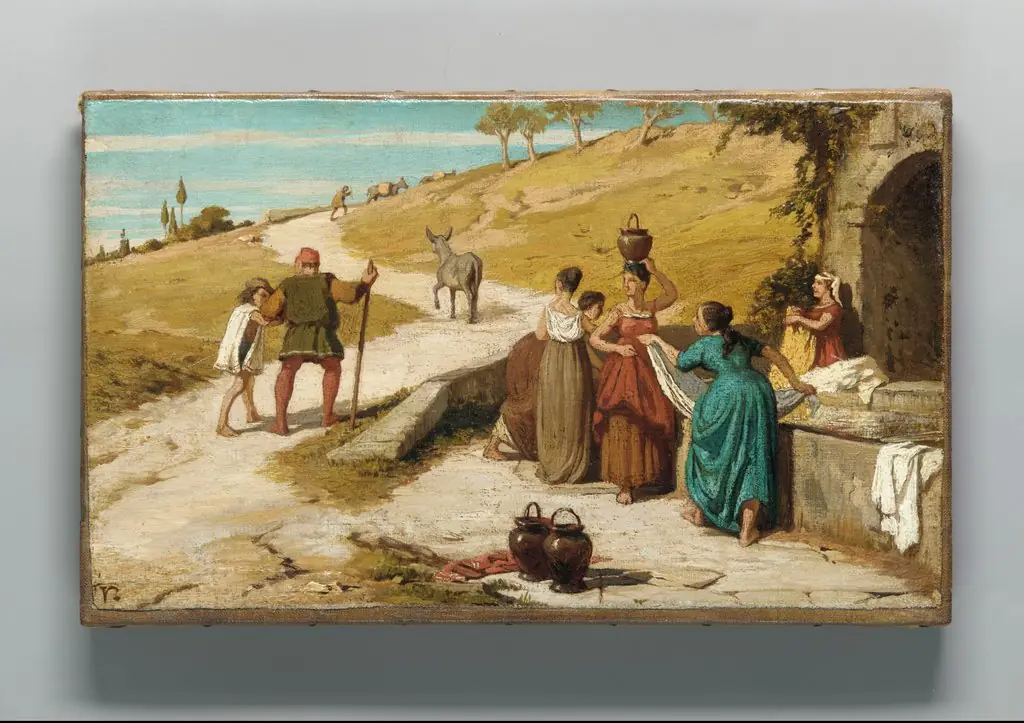 The Fable of the Miller, His Son, and the Donkey
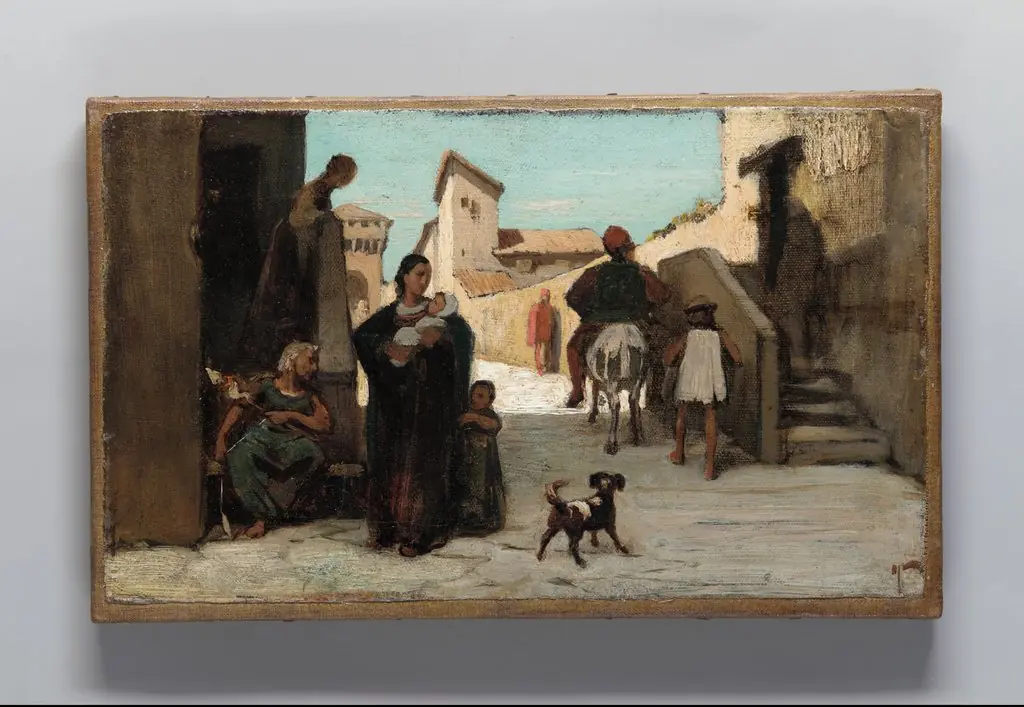 The Fable of the Miller, His Son, and the Donkey
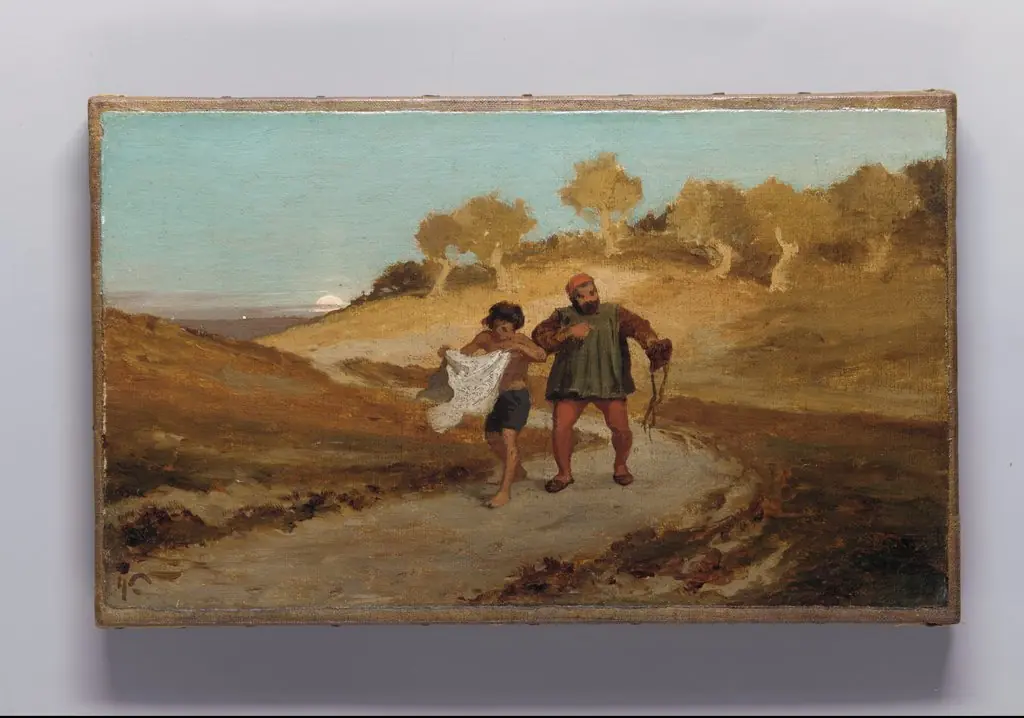 The Fable of the Miller, His Son, and the Donkey
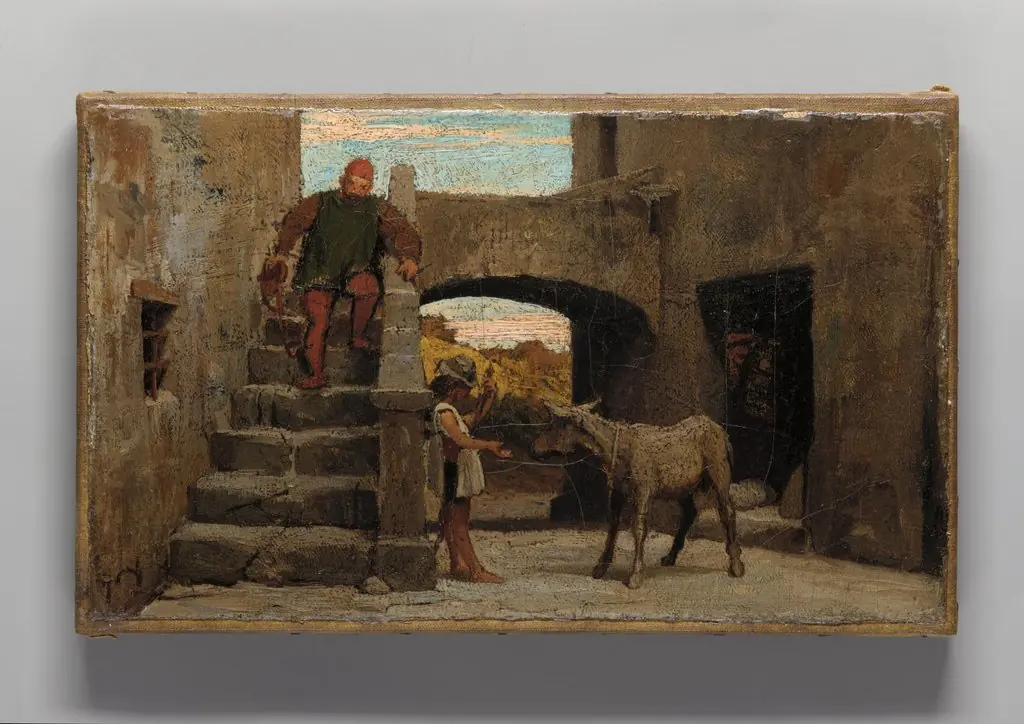 The Fable of the Miller, His Son, and the Donkey
 The African Sentinel
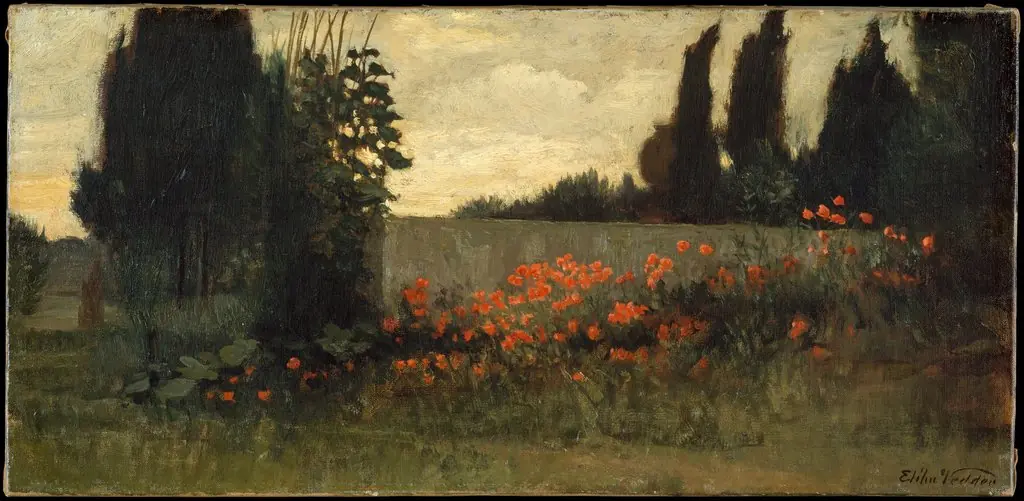 Cypress and Poppies
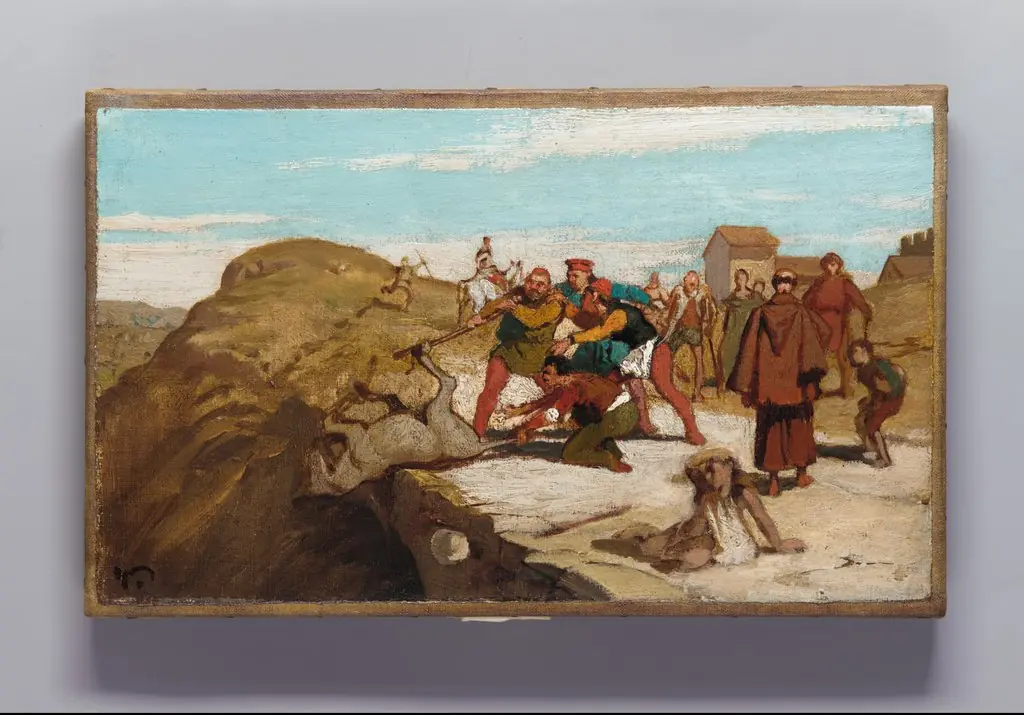 The Fable of the Miller, His Son, and the Donkey
- Villa Borghese, Rome
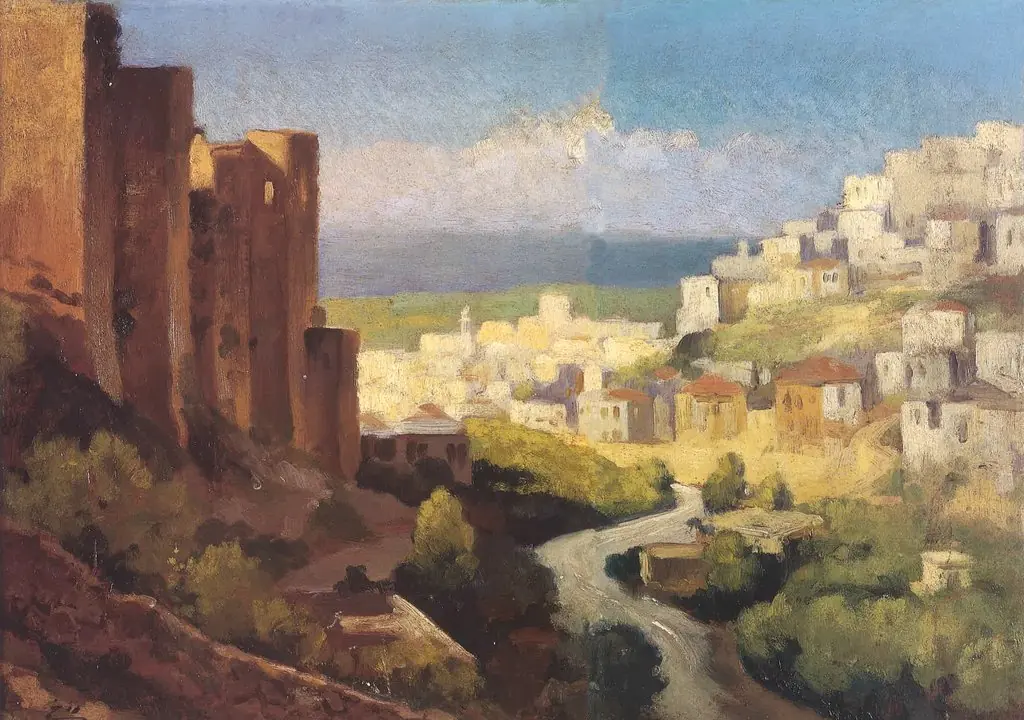 Tripoli
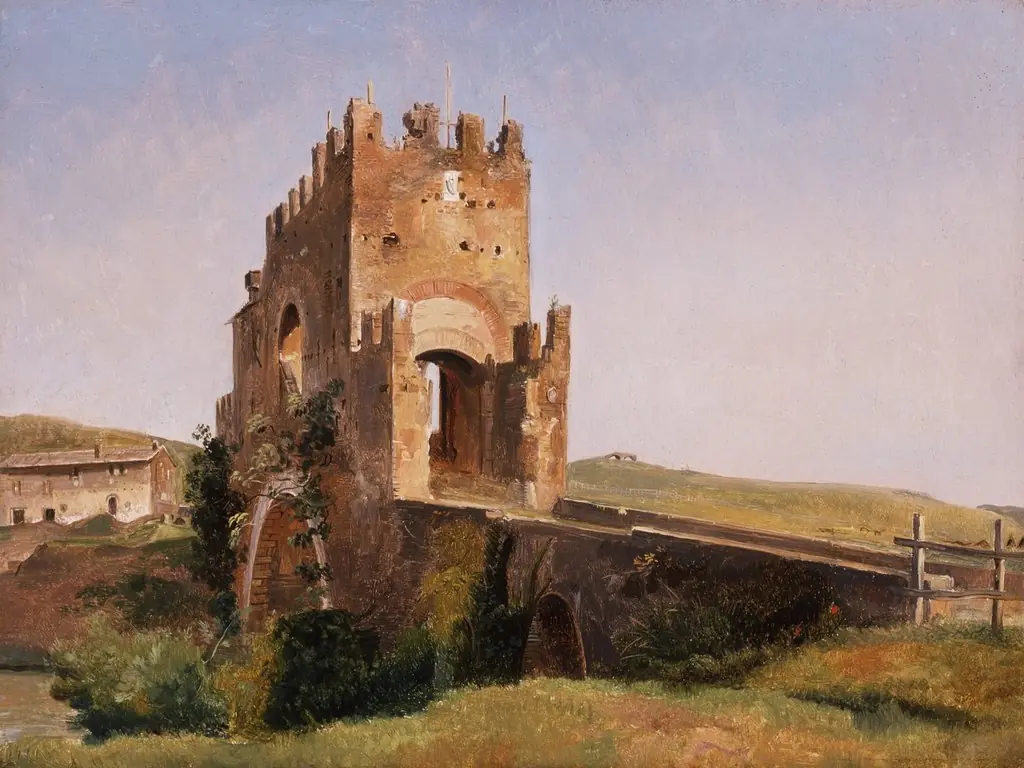 View of the Ponte Nomentano (Roman Campagna)
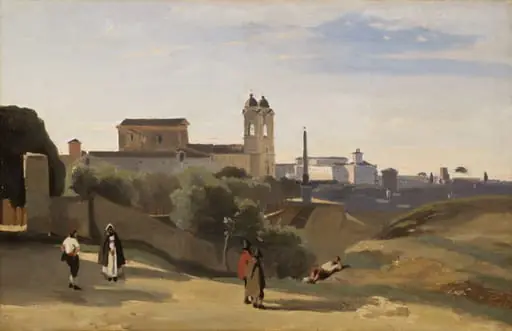 Monte Pincio, Rome
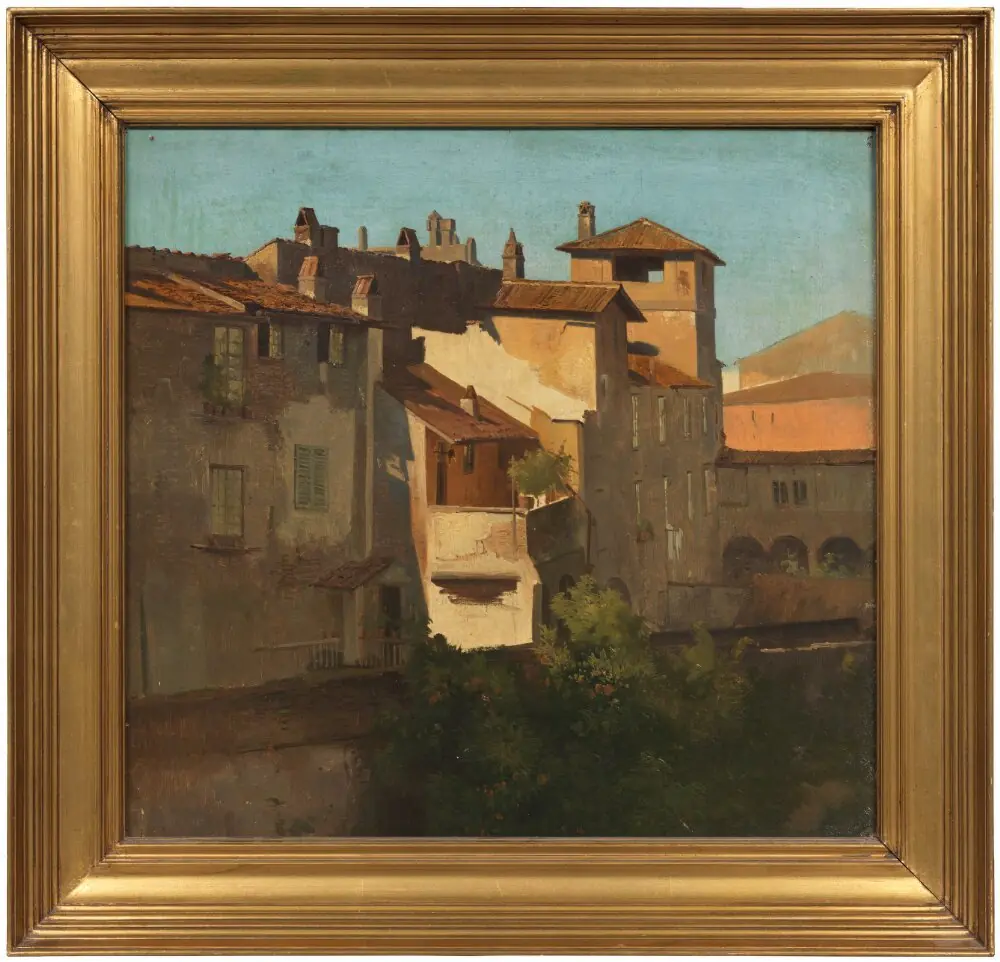 Study from Via Babuino, Rome
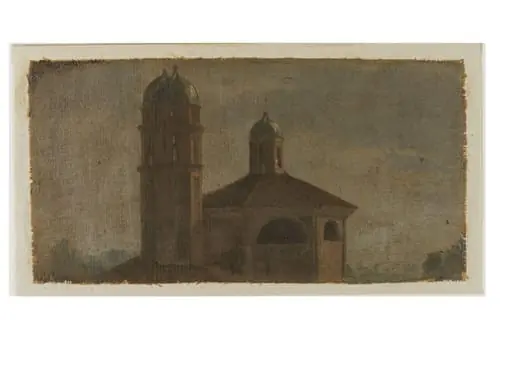 The Upper Section of a Church with a Hexagonal Dome and Two Towers
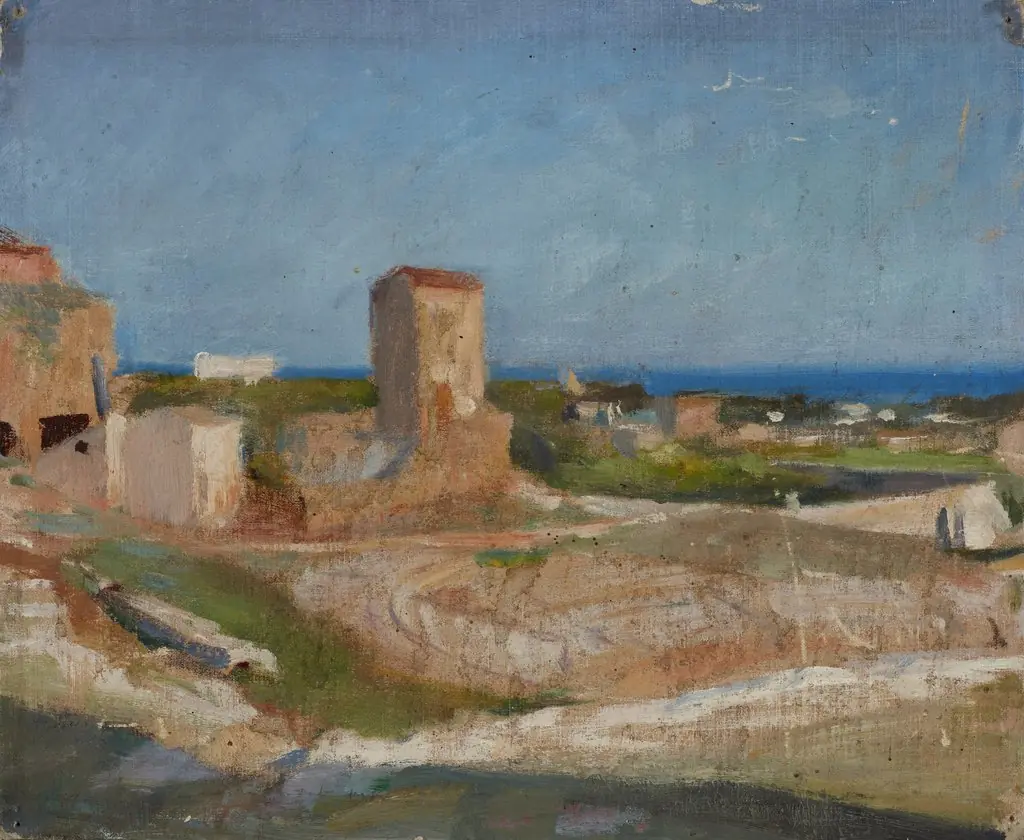 Syracuse (The Greek Theatre)
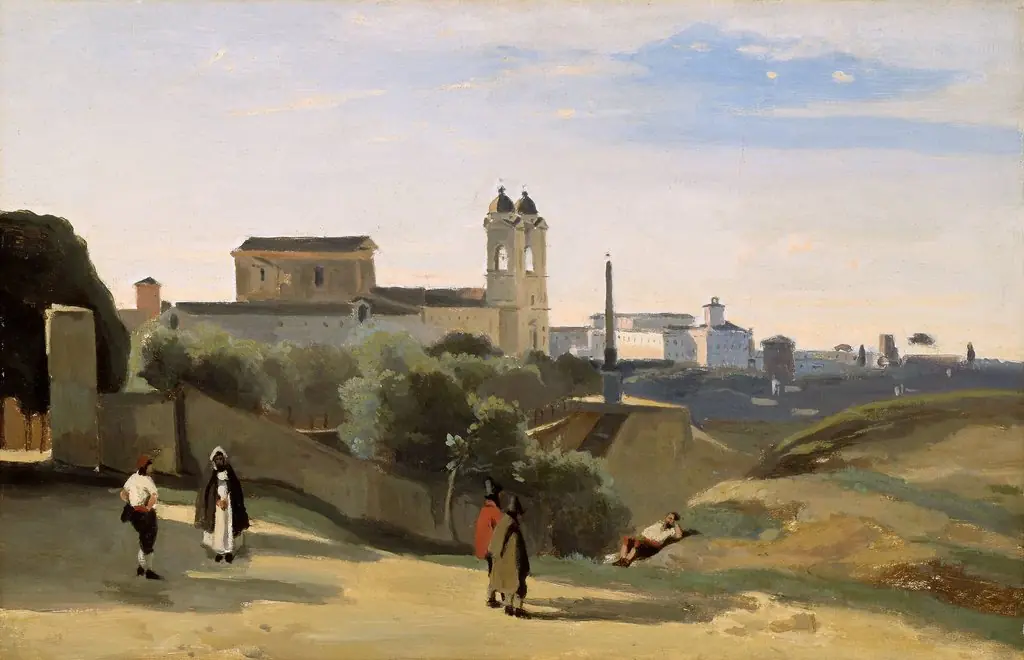 Monte Pincio, Rome
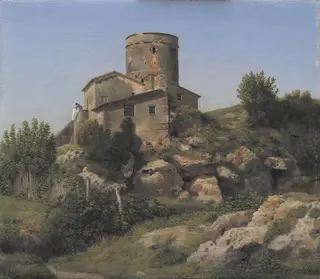 A Building near Tor di Quinto outside Rome
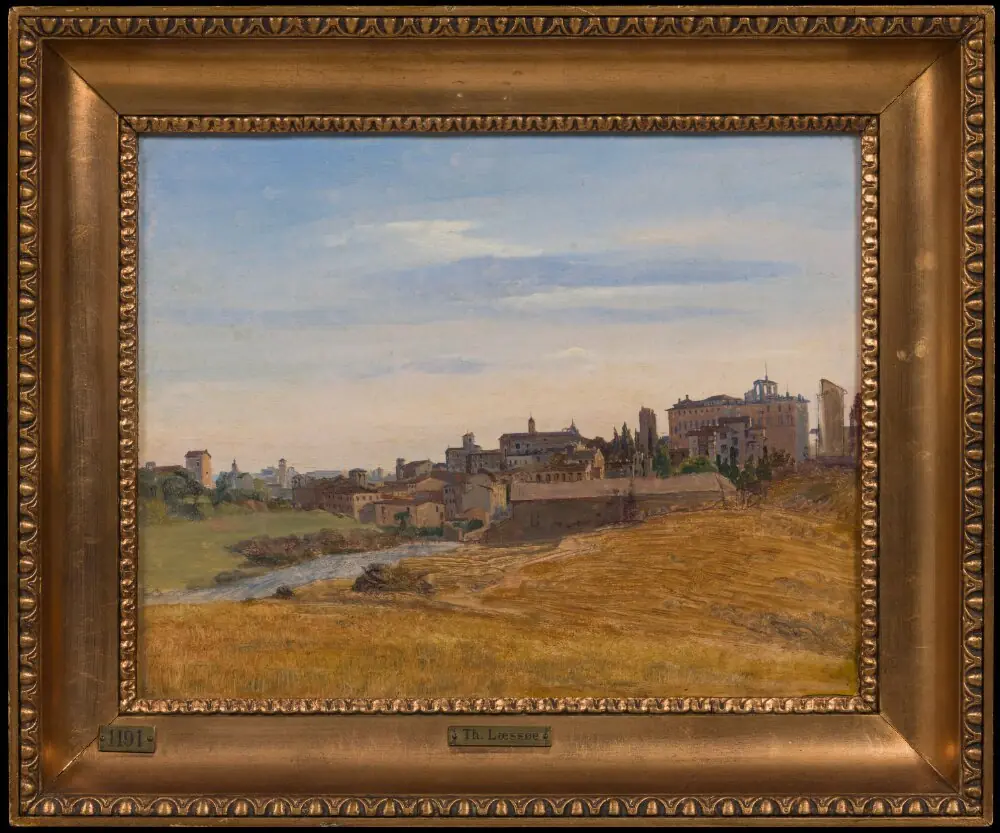 View from the Outskirts of Rome
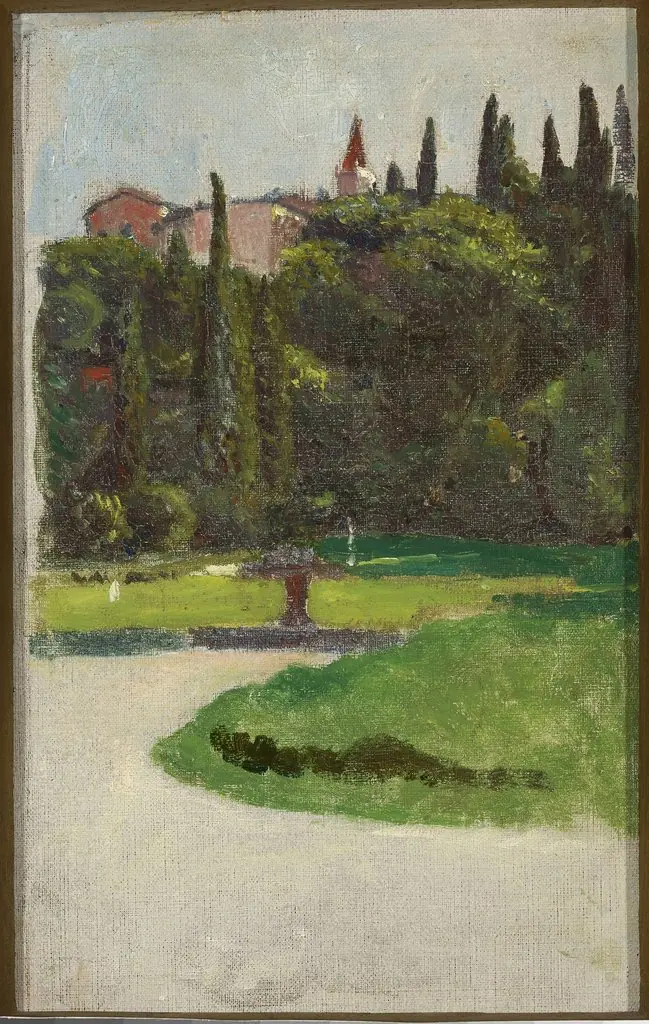 Villa d'Este in Tivoli, sketch
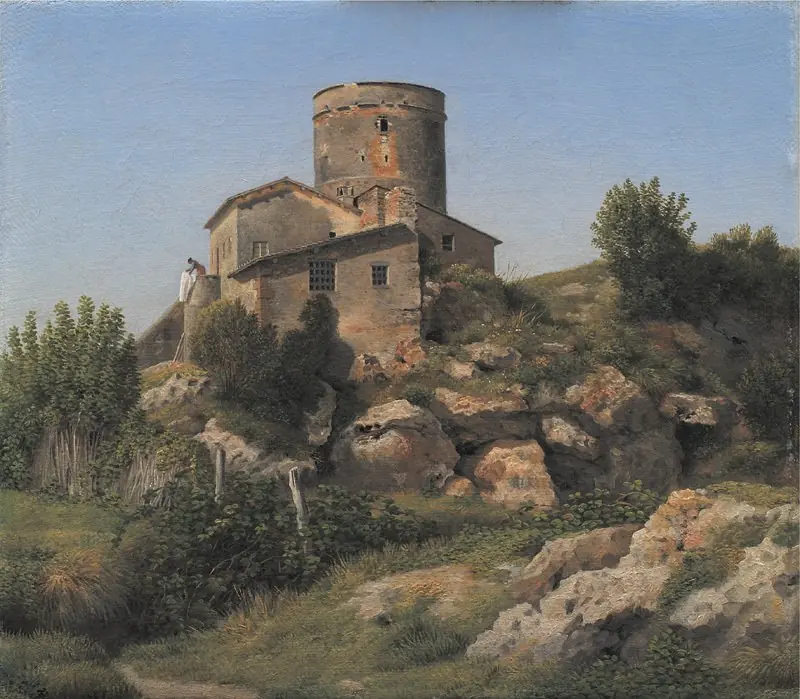 A Building near Tor di Quinto outside Rome