Artwork
Three Trees: Italy
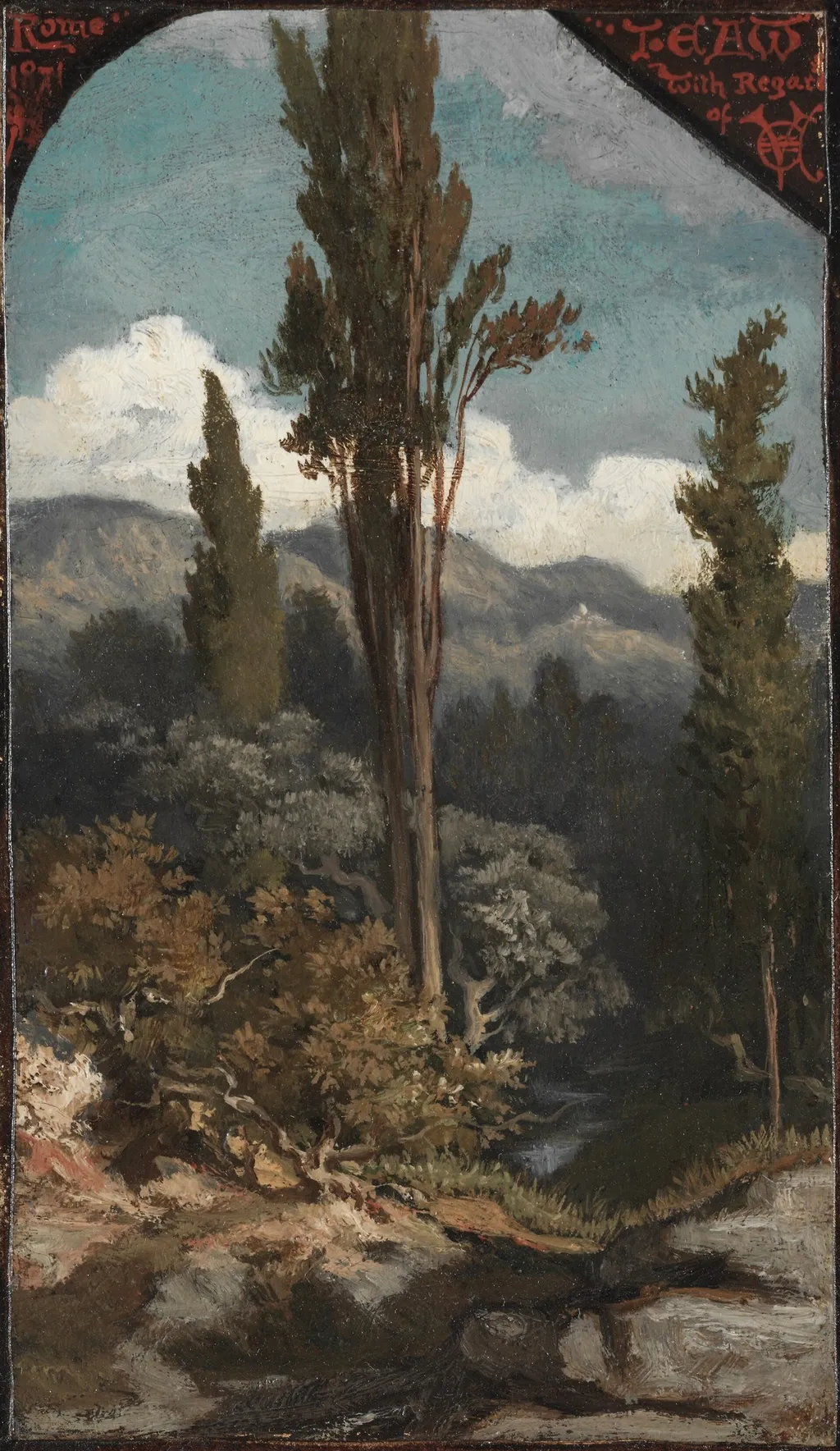
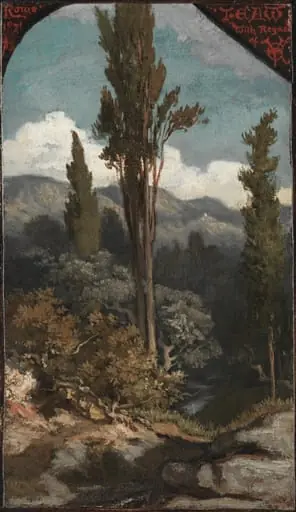
Three Trees: Italy is an unspecified painting by the American Impressionist artist Elihu Vedder. It dates from 1871 and is held in the collection of the Cleveland Museum of Art.
About this work
History & Provenance
While the painting was created in 1871, the provided sources do not contain specific details regarding its exhibition history or prior ownership.
Elihu Vedder created the painting Three Trees: Italy in 1871. The work was executed in the United States, despite its Italian subject matter. It is currently held in the collection of the Cleveland Museum of Art, where it was accessioned with the inventory number 1971.263. The painting measures 22.0 cm in height and 12.7 cm in width.
Three Trees: Italy is held in the collection of the Cleveland Museum of Art. The work is identified within the museum's records by the accession number 1971.263. While the painting was created in 1871, the provided sources do not contain specific details regarding its exhibition history or prior ownership.
Overview
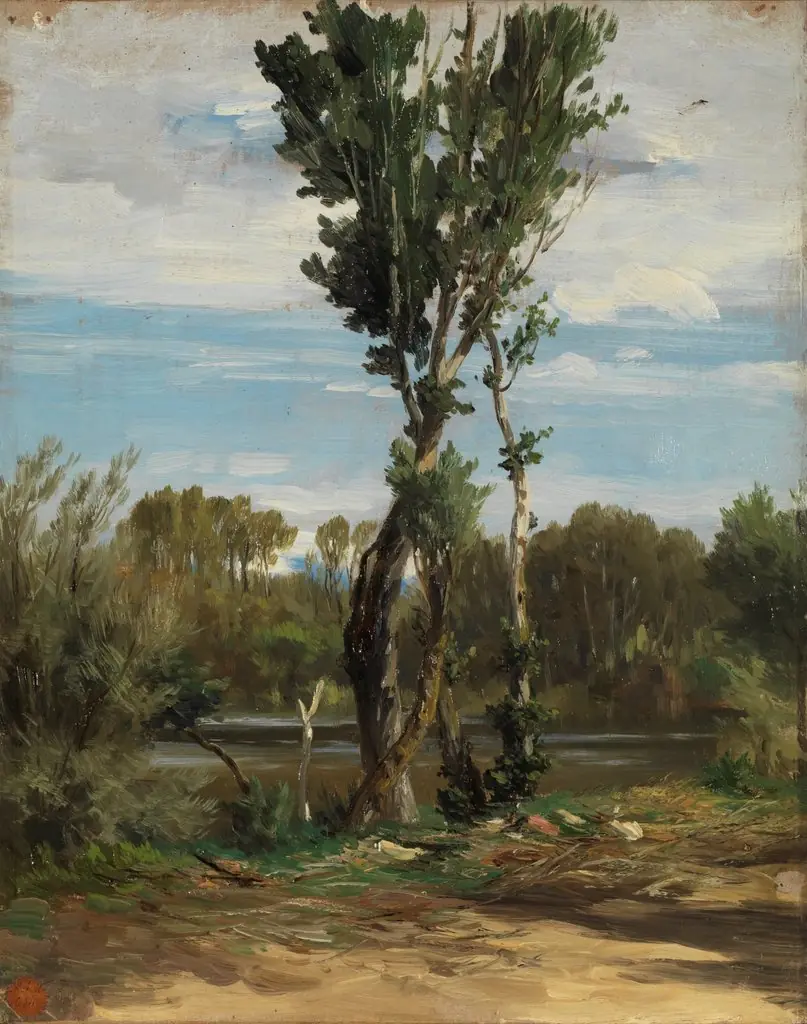
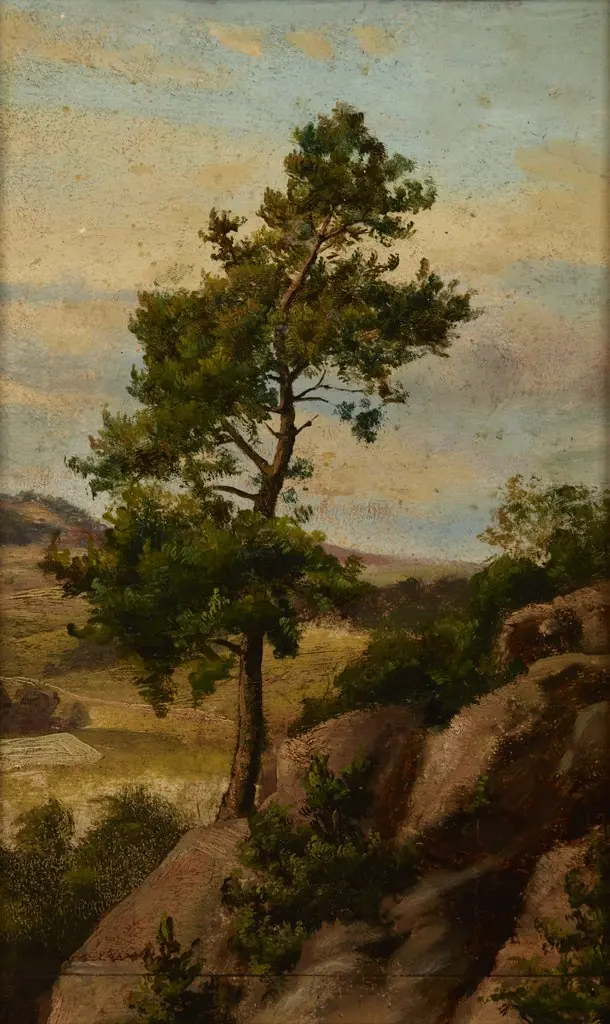
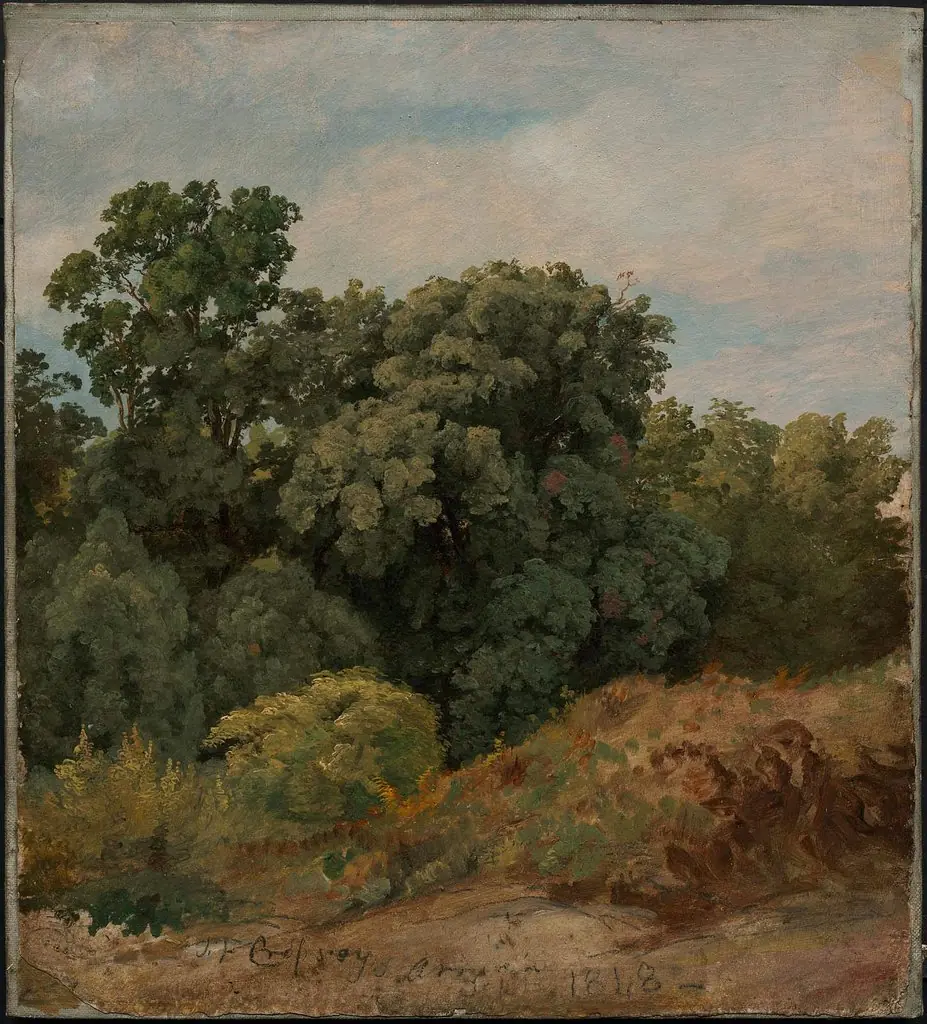
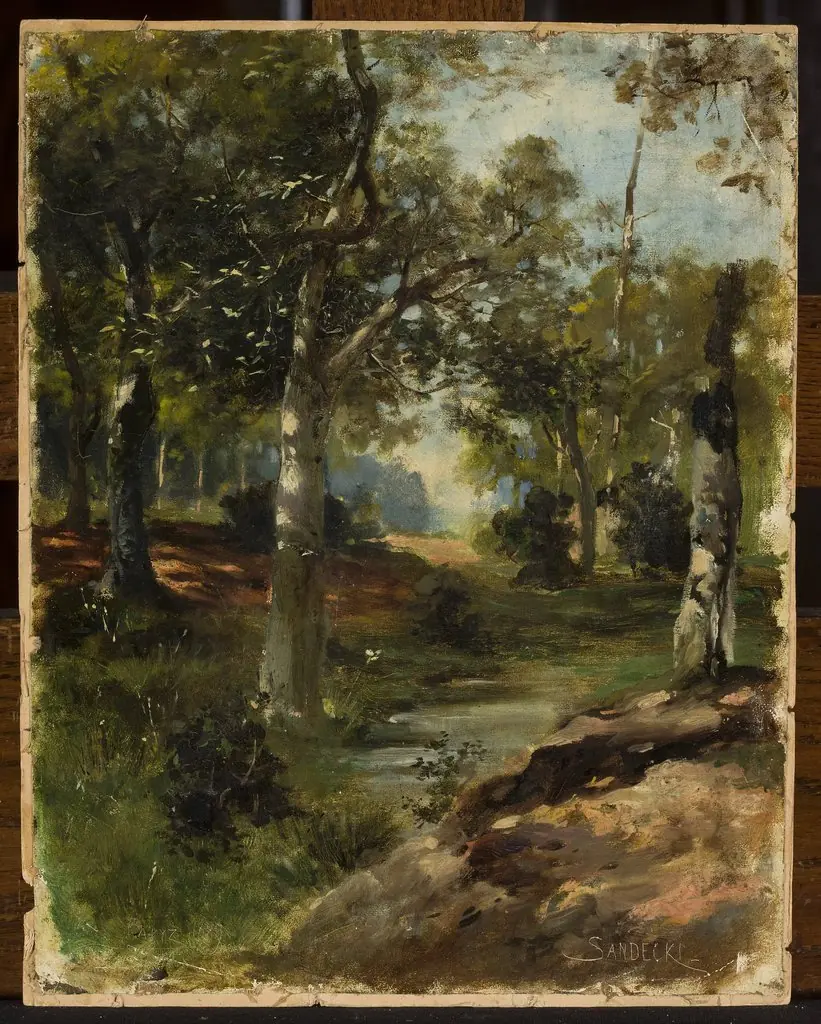
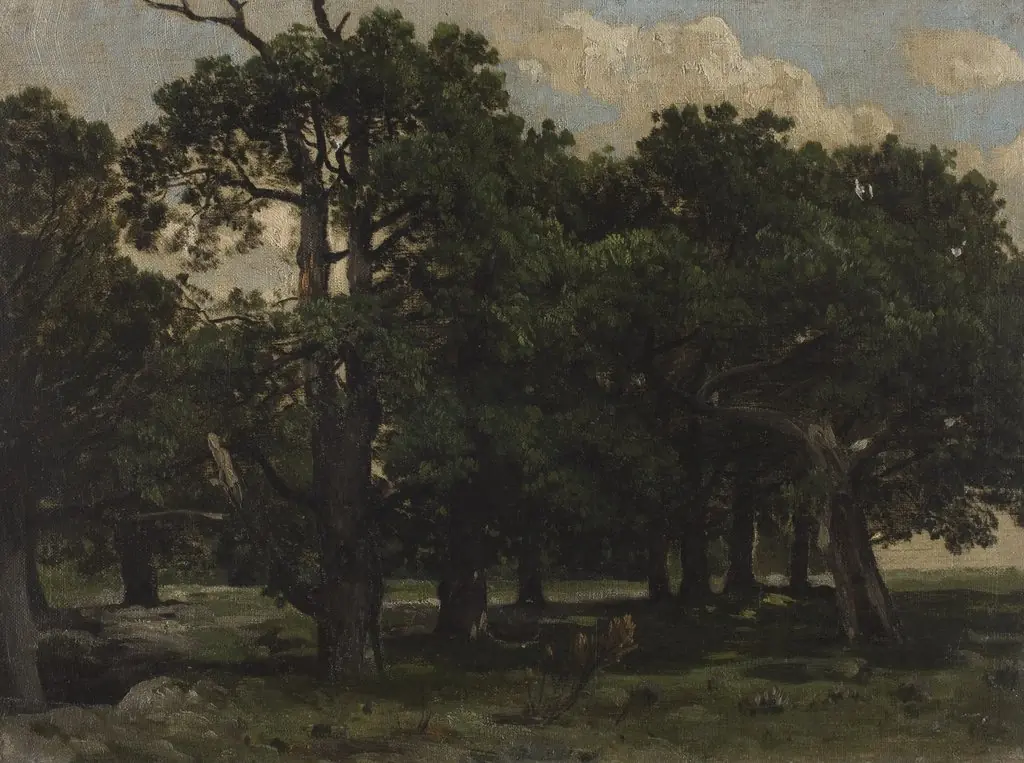
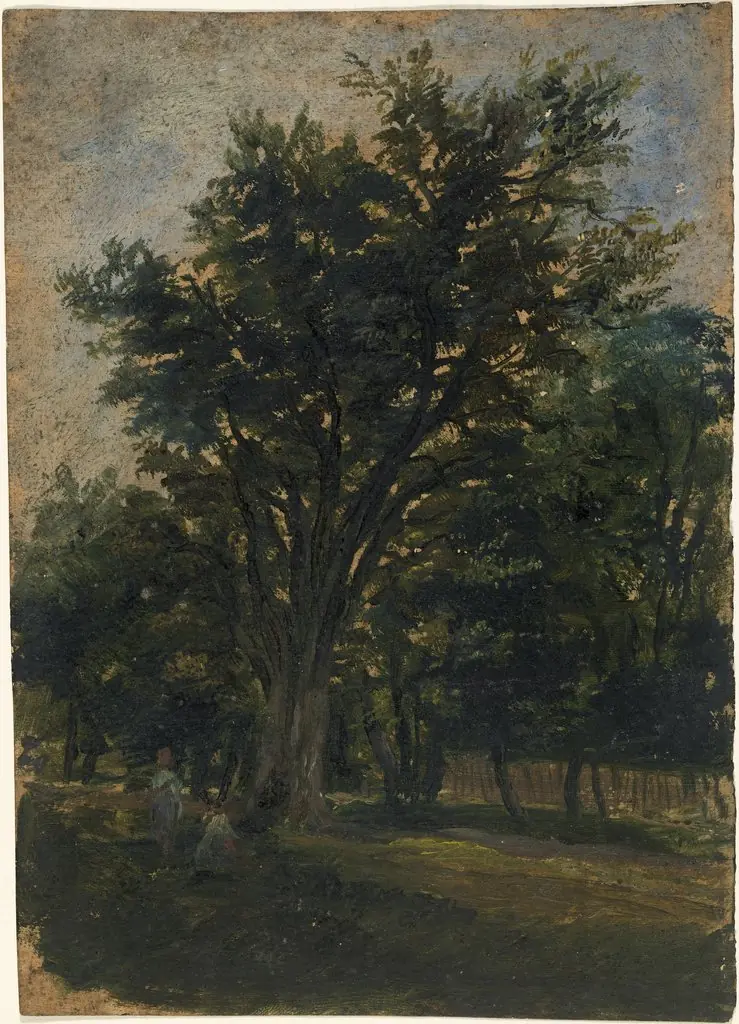
Elihu Vedder’s 1871 oil painting Three Trees: Italy presents a sparse, sun‑lit landscape dominated by three slender trees rising from a rocky, grassy ground. Beyond the foreground, gentle hills roll toward a clear blue sky dotted with soft clouds. The composition is rendered with a loose, sketch‑like quality that suggests a rapid, outdoor execution.
Subject & Meaning
The work centers on the three isolated trees, which serve as a visual focal point and may allude to themes of solitude or endurance within a natural setting. Although the title references Italy, Vedder never visited the country, indicating the scene is an imagined or idealized landscape rather than a specific locale.
Technique & Style
Vedder employs a vigorous, impasto brushstroke, especially evident in the bark and surrounding foliage, creating a textured, uneven surface. The palette is restrained, dominated by earth tones and muted blues, while the overall handling aligns with American Impressionist tendencies toward spontaneity and atmospheric effect.
Context
Created during Vedder’s early career, the piece predates his fame as the illustrator of The Rubaiyat of Omar Khayyam. At this stage, he was exploring Symbolist ideas and incorporating literary motifs into his visual practice, a tendency that informs the contemplative mood of this landscape.
Artist & collection
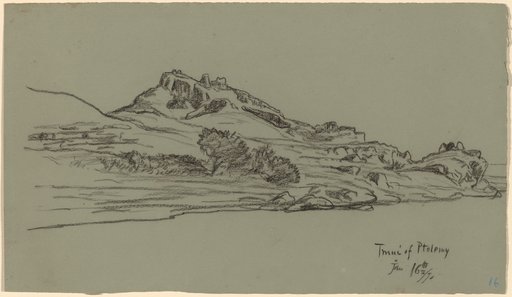
Artist
Elihu Vedder (26 February 1836 – 29 January 1923) was an American symbolist painter, book illustrator and poet from New York City.

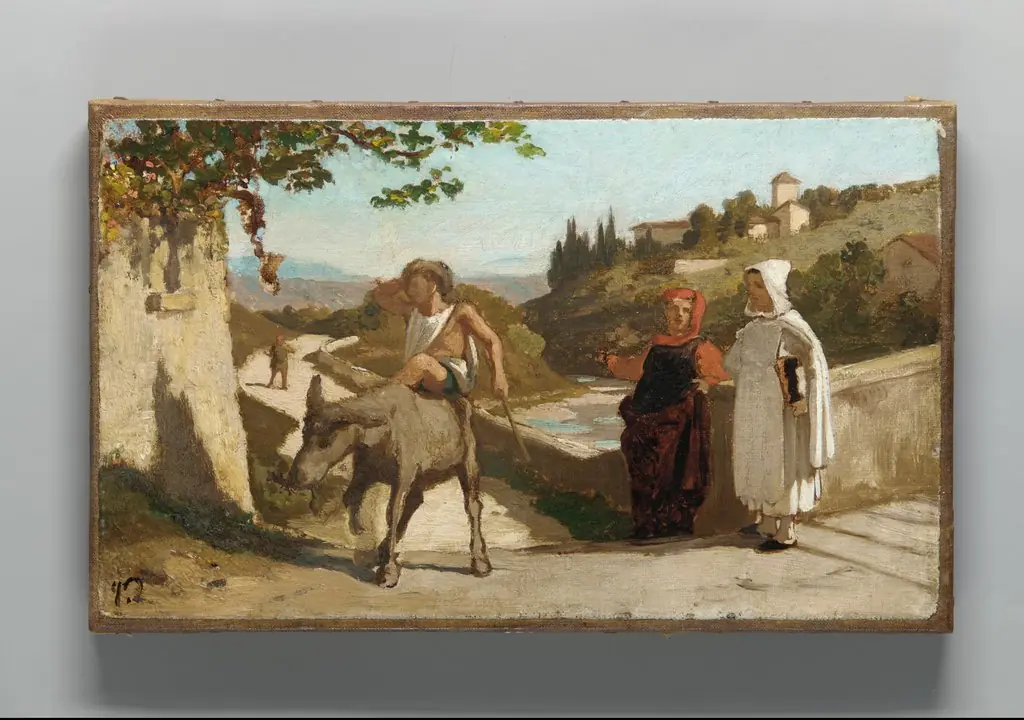 The Fable of the Miller, His Son, and the Donkey
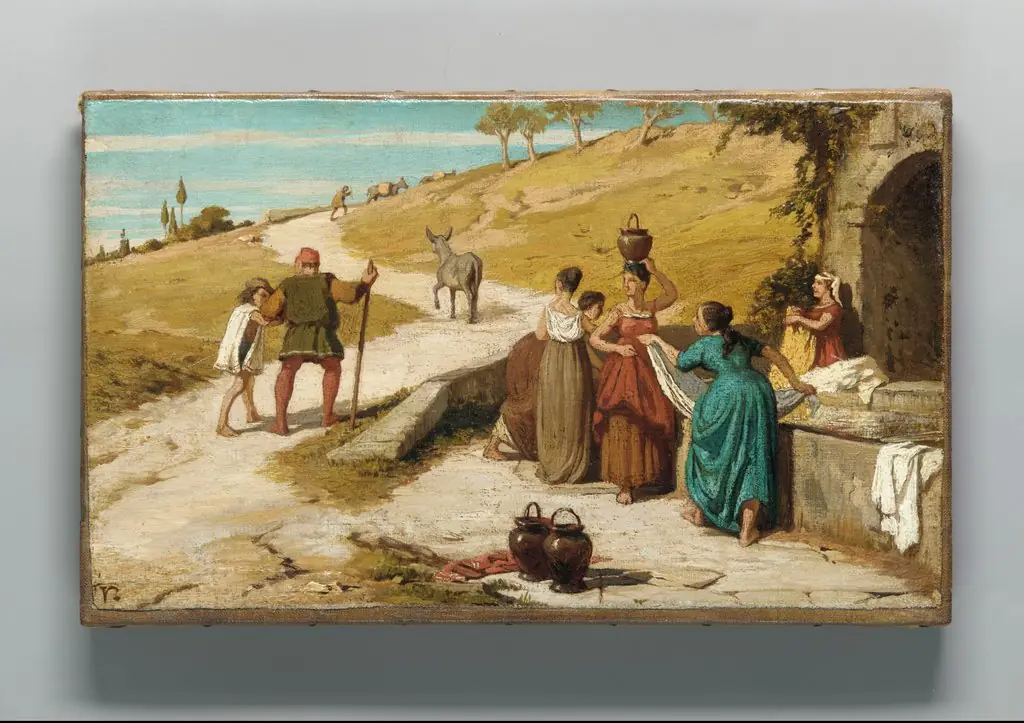 The Fable of the Miller, His Son, and the Donkey
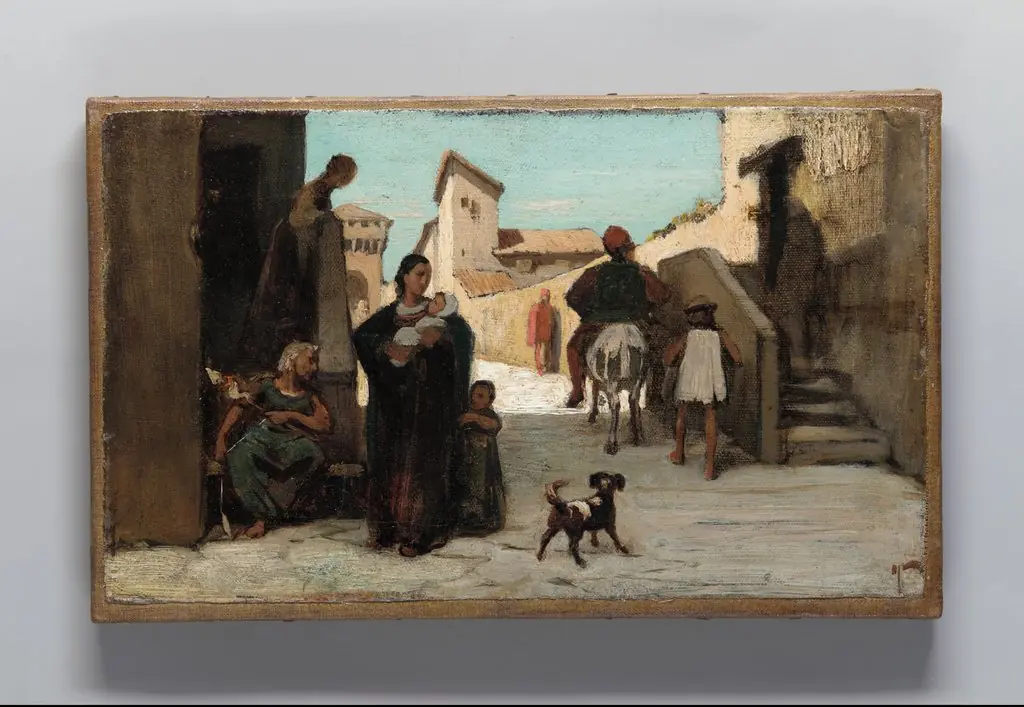 The Fable of the Miller, His Son, and the Donkey
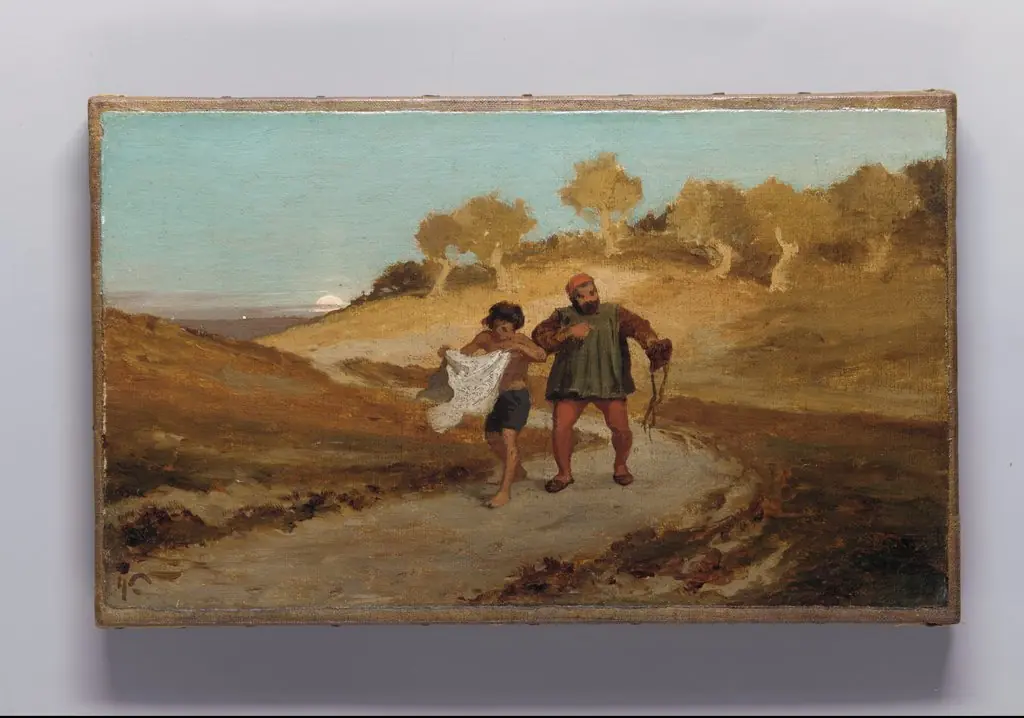 The Fable of the Miller, His Son, and the Donkey
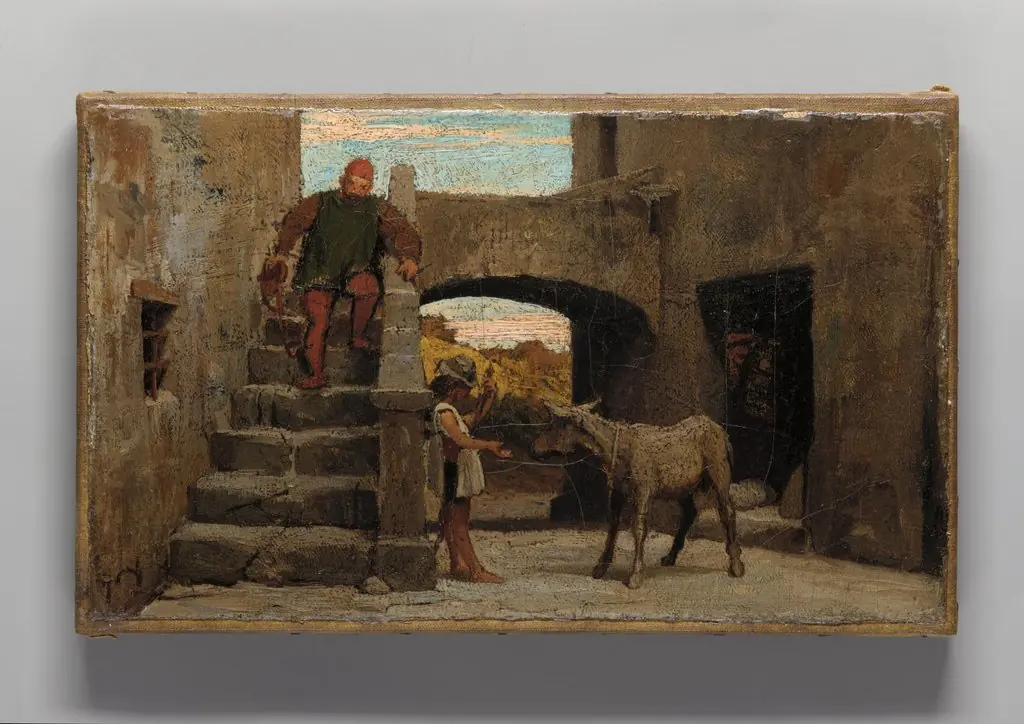 The Fable of the Miller, His Son, and the Donkey
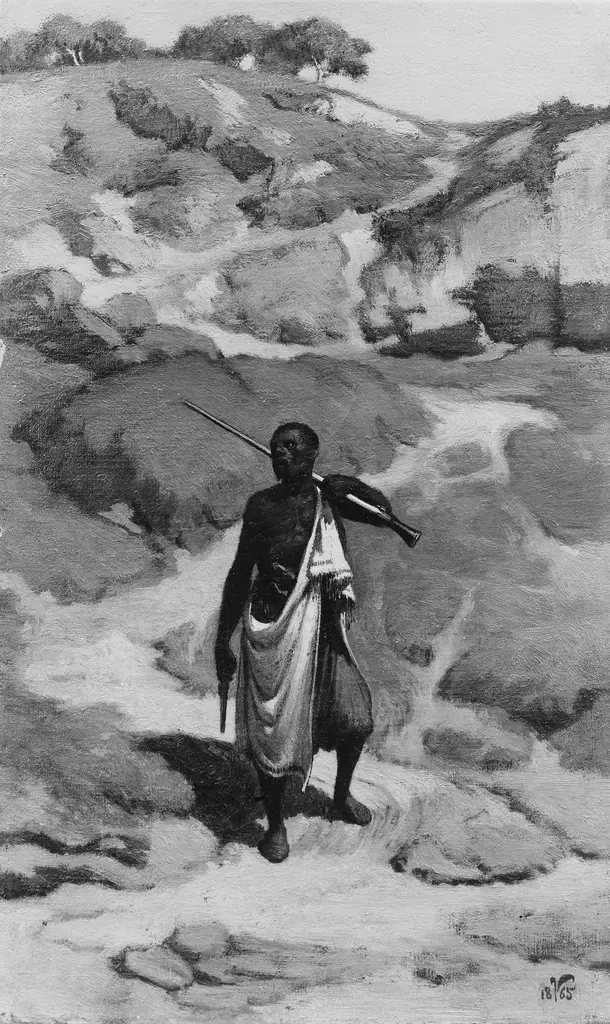 The African Sentinel
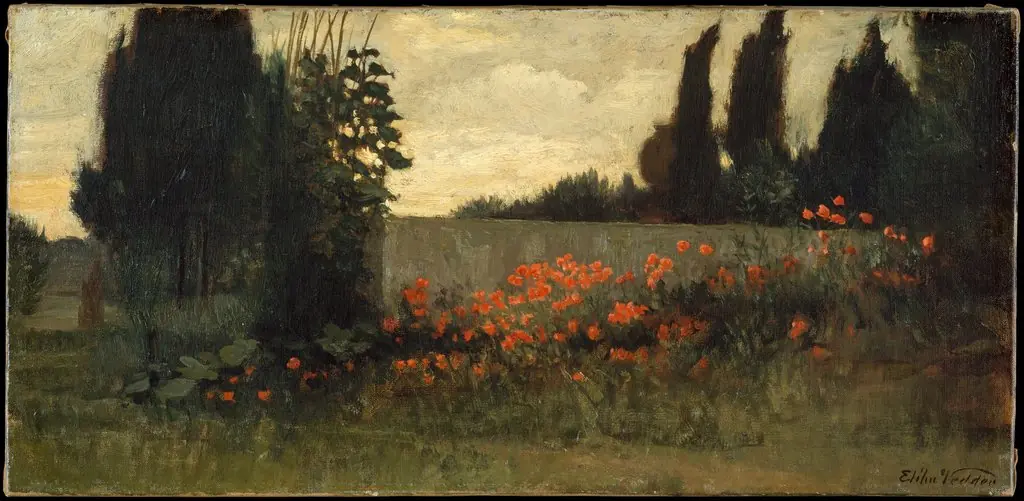 Cypress and Poppies
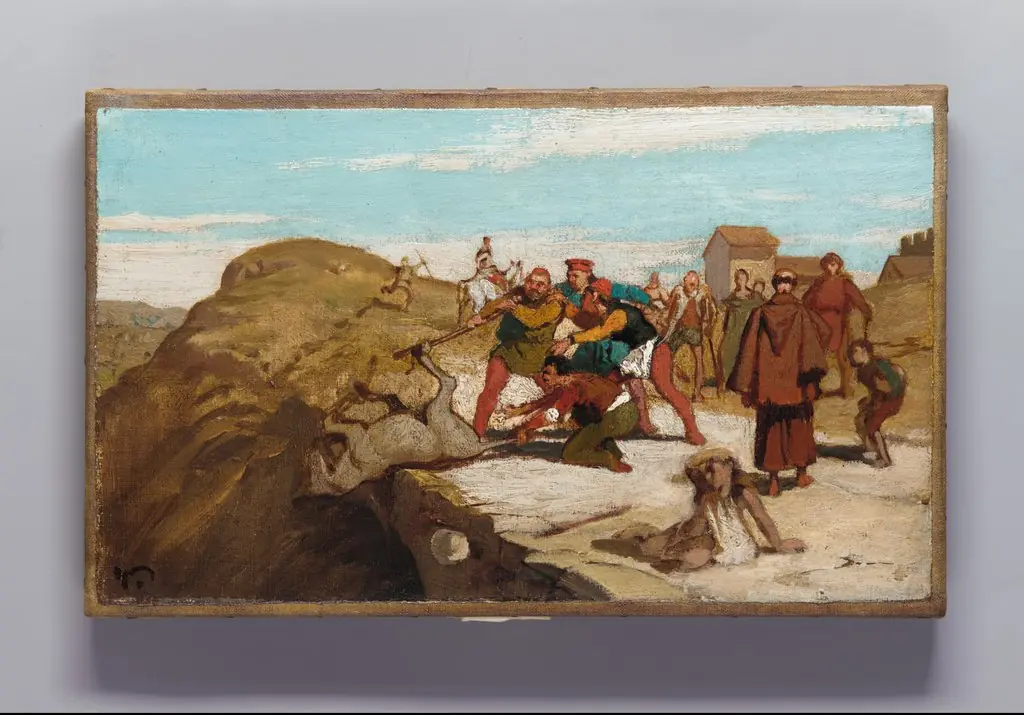 The Fable of the Miller, His Son, and the Donkey