Artwork
The Agony in the Garden
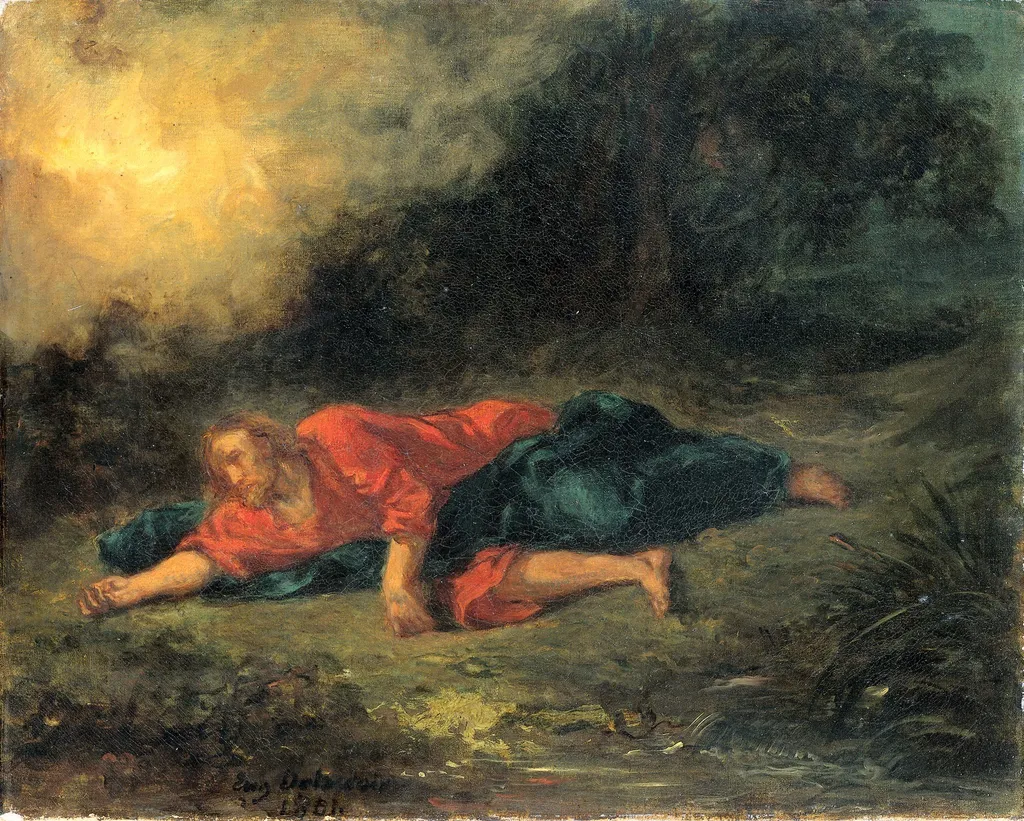
The Agony in the Garden is an oil painting by the French Romanticist artist Eugène Delacroix. It dates from 1851 and is held in the collection of the Rijksmuseum.
About this work
Subject & Meaning
The work functions as a depiction of this specific religious narrative, focusing on the human element and the natural setting of the event.
Eugène Delacroix's painting depicts the biblical scene known as the Agony in the Garden, a subject within the religious art genre. The composition centers on a male figure, identified as the main subject, situated among trees. This imagery represents the moment of Christ's spiritual anguish and prayer prior to his arrest.
The work functions as a depiction of this specific religious narrative, focusing on the human element and the natural setting of the event.
Technique & Style
The Agony in the Garden is an oil painting executed on canvas, a combination of materials typical of Eugène Delacroix's mid-century religious works. The relatively modest support measures roughly 34 by 42 centimeters, giving the composition an intimate scale suited to devotional viewing.
Stylistically, the work belongs to Delacroix's mature handling of religious subjects, in which the biblical scene of Christ's agony is rendered with the painterly brushwork and emotive intensity associated with his Romantic approach. The canvas is held in the collection of the Rijksmuseum, where it has been exhibited as part of the institution's survey of the artist.
History & Provenance
The work now known as The Agony in the Garden was painted by Eugène Delacroix in 1851, with a later variant dated to 1861.
By the late nineteenth century, the painting entered the collection of Maria Catharina barones van Pallandt. It was subsequently held in the Rijksmuseum, where it remains in the permanent holdings. The painting’s religious subject aligns with Delacroix’s late works, and its small scale suggests a private commission or devotional purpose rather than a public altarpiece.
The Agony in the Garden by Eugène Delacroix is held in the collection of the Rijksmuseum. The work, executed in oil on canvas in 1851, measures 34 by 42 centimeters. Historical records indicate the painting was once owned by Maria Catharina barones van Pallandt. The artwork has been featured in the exhibition titled "Delacroix (1798-1863)."
Overview
Created in 1851, this oil painting by Eugène Delacroix belongs to the religious genre and is part of the Rijksmuseum’s collection. The work presents a solitary figure positioned beneath a tree against a brooding, cloud‑filled sky, conveying a mood of quiet contemplation.
Context
The composition reflects the Romantic preoccupation with emotional intensity and the sublime. By situating a lone figure within an expansive, stormy sky, Delacroix aligns the personal suffering of the subject with the larger, turbulent forces of nature, a theme common in mid‑19th‑century religious art.
Own this work as a print
Artist & collection
Artist
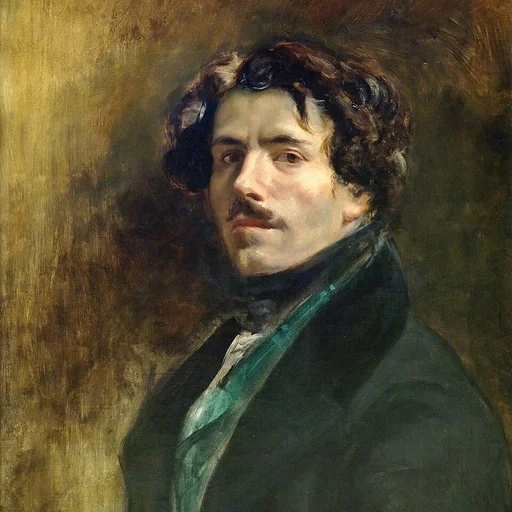
Ferdinand Victor Eugène Delacroix ( DEL-ə-krwah, -KRWAH; French:; 26 April 1798 – 13 August 1863) was a French Romantic artist who was regarded as the leader of the French Romantic school.

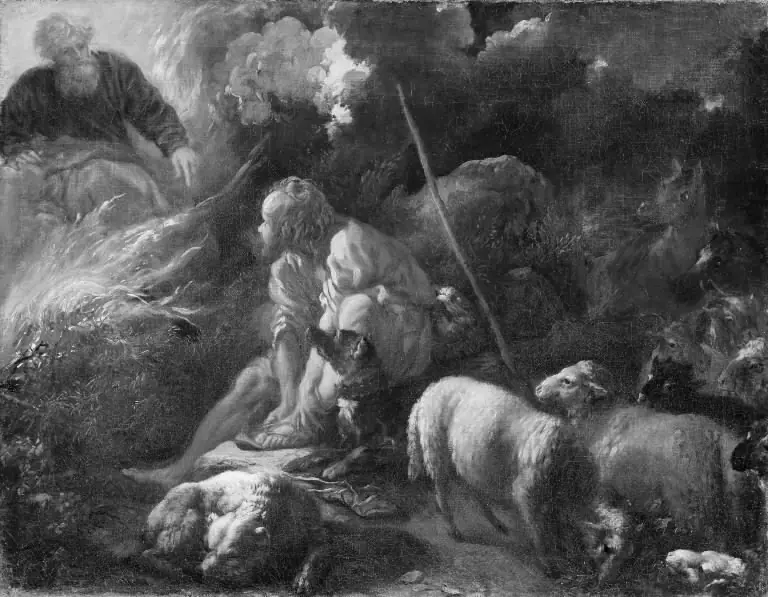
- Moses and the Burning Bush
 Moses and the Burning Bush
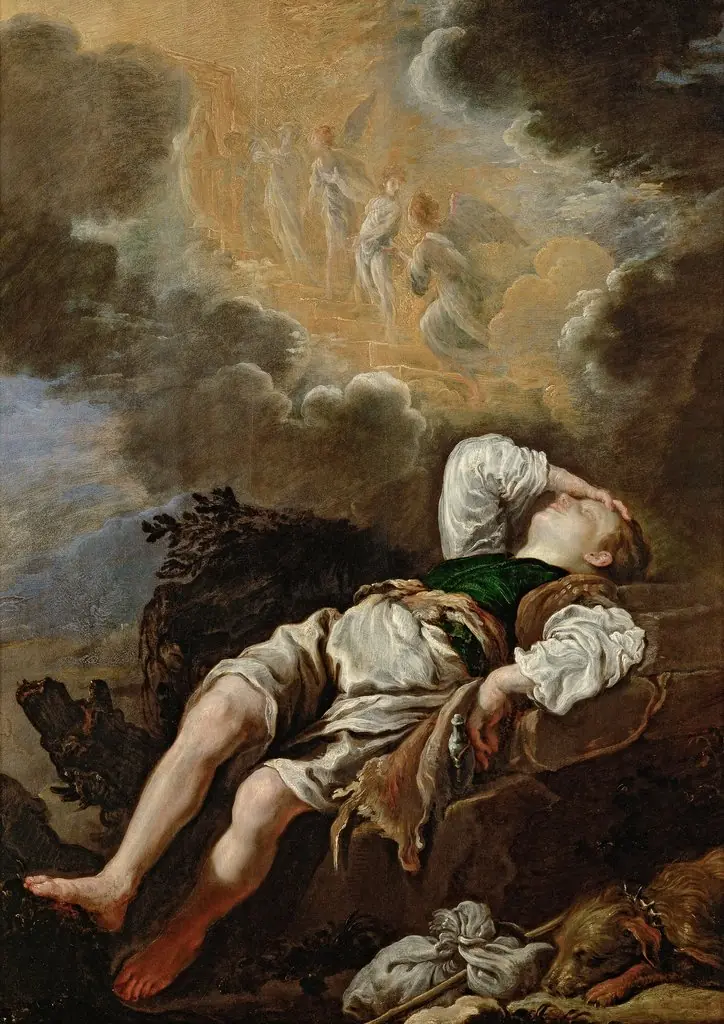 Jacob's dream of the ladder to heaven
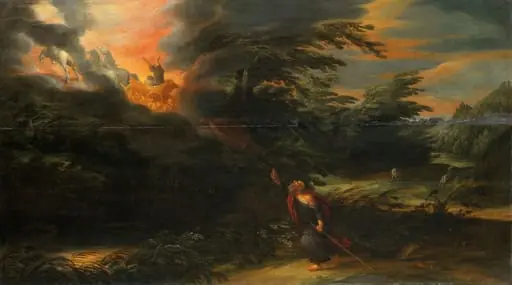 Untitled
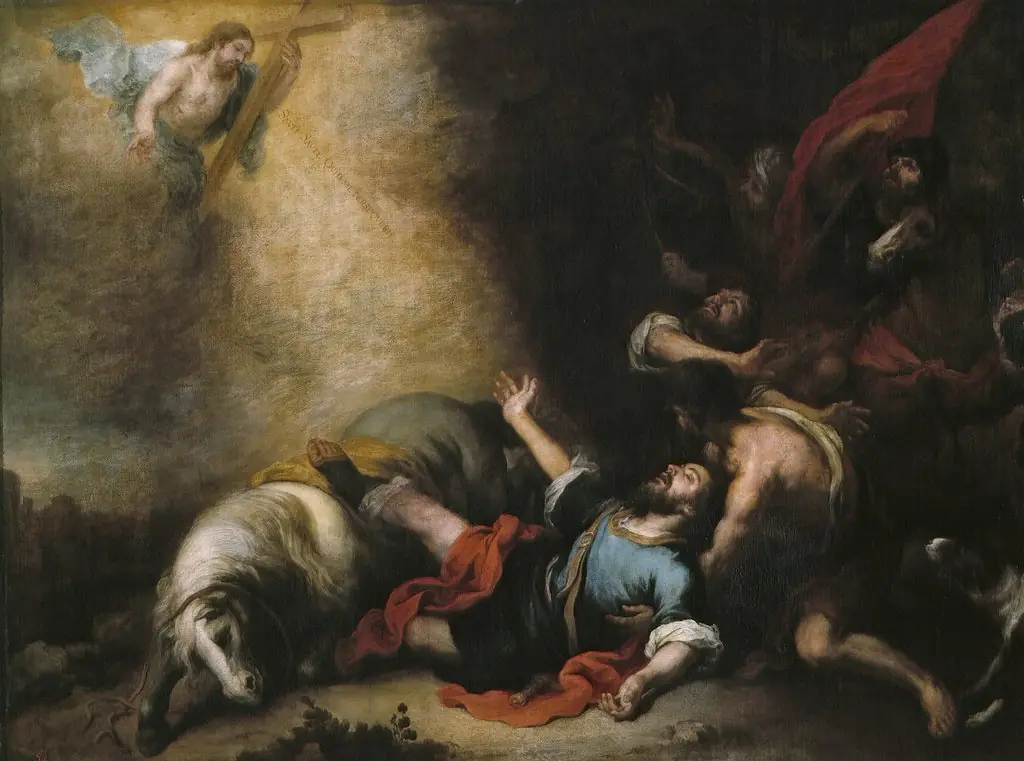 Conversion of Saint Paul
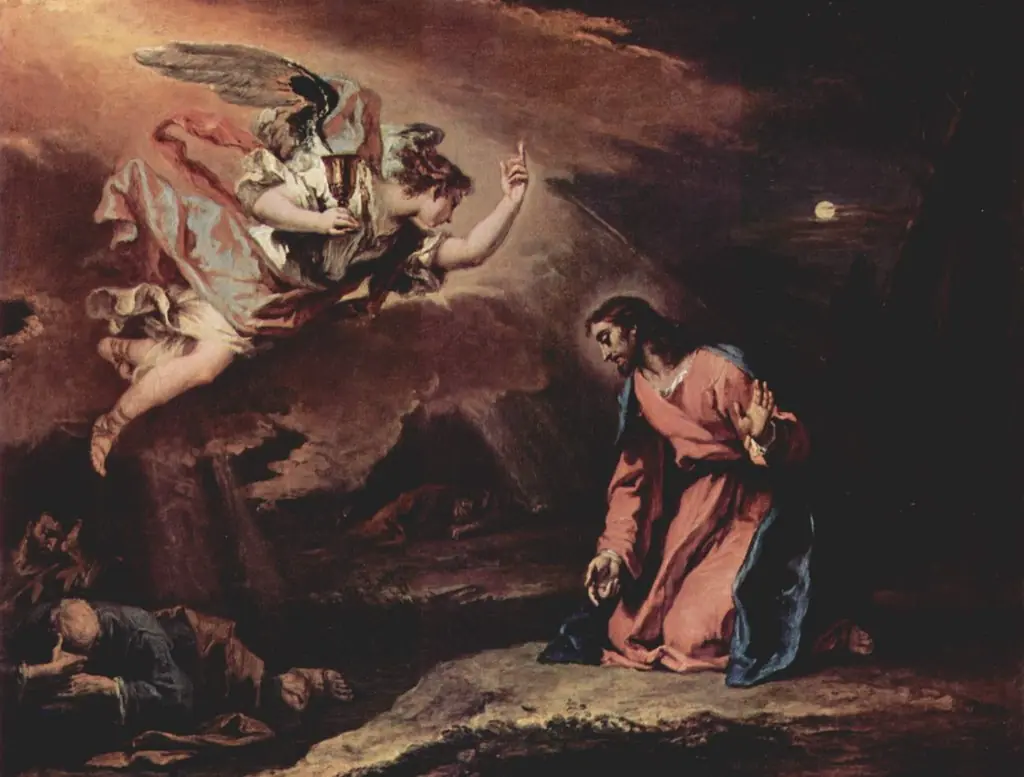 Christ on the Mount of Olives
 The Death of Orpheus
 The ascension of Elijah
 Le Christ au jardin des oliviers
 The Death of Orpheus
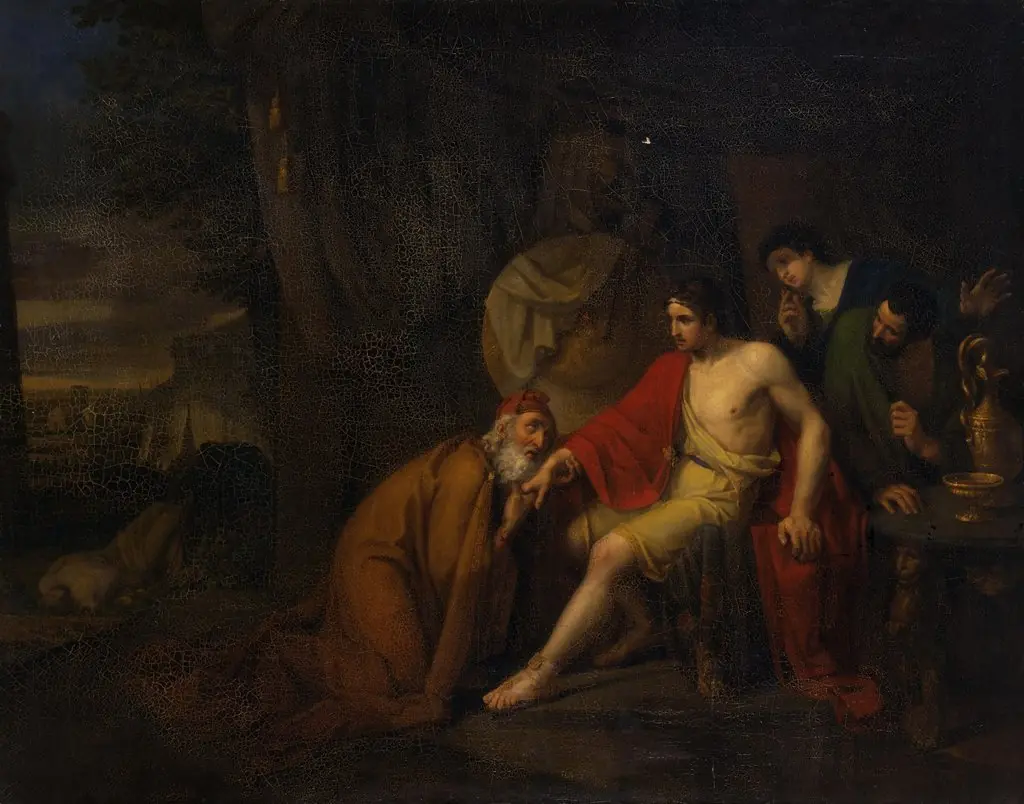 Priam Begging the Body of Hector from Achilles
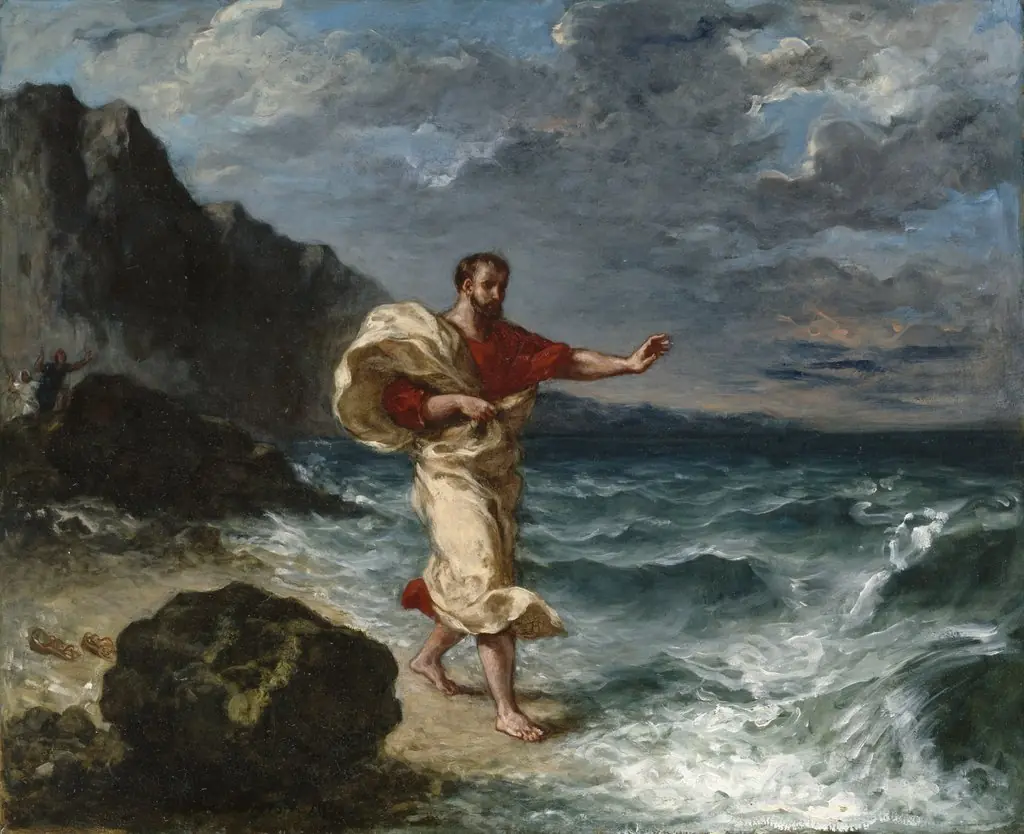 Demosthenes on the Seashore