Artwork
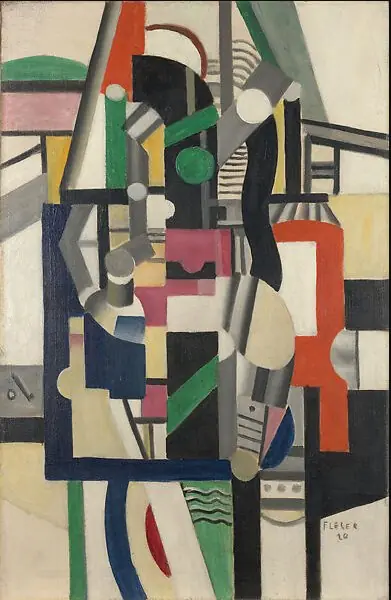
The Red Table
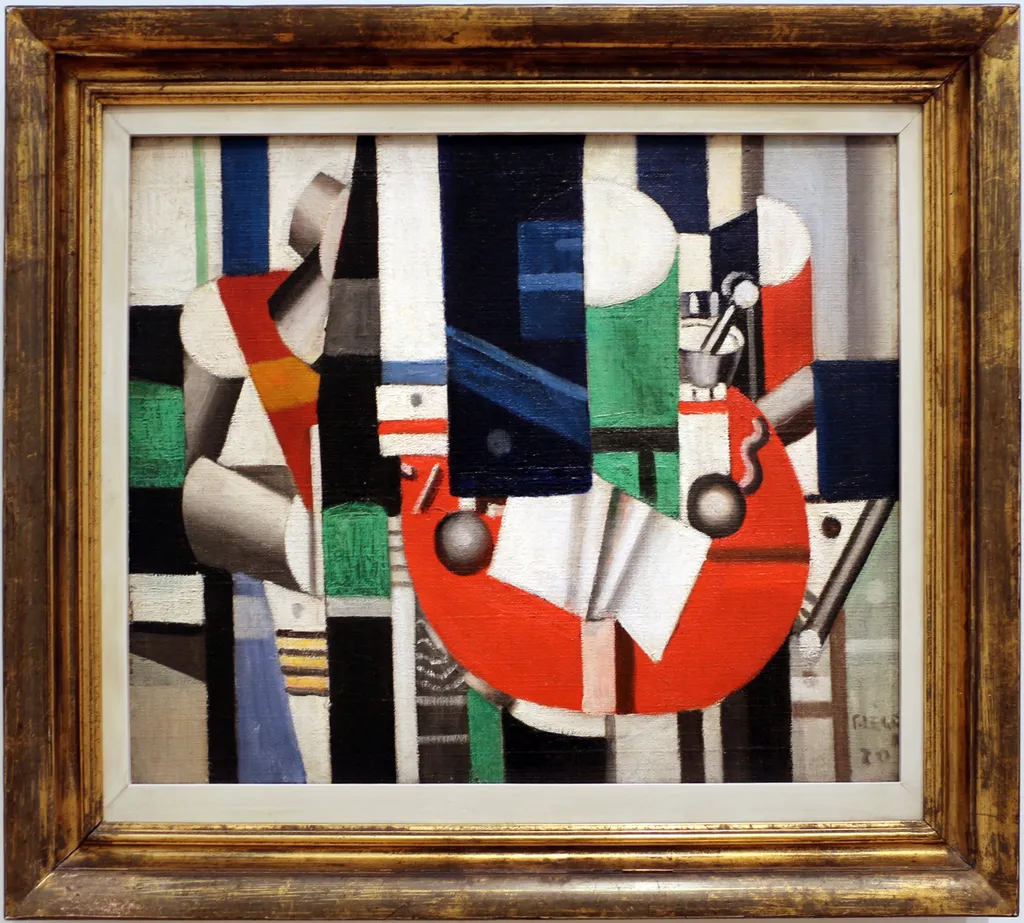
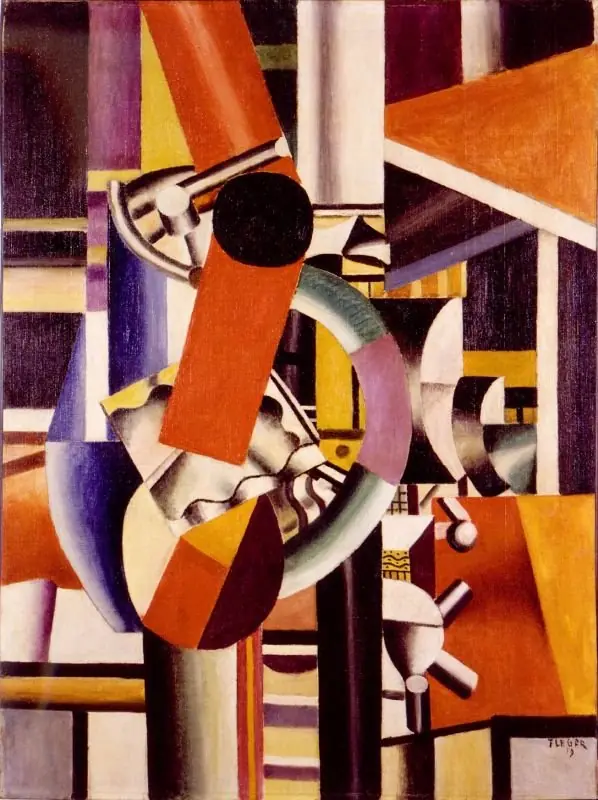
The Red Table is an oil painting by the Cubism Synthetic artist Fernand Léger. It dates from 1920 and is held in the collection of the Art Institute of Chicago.
About this work
Overview
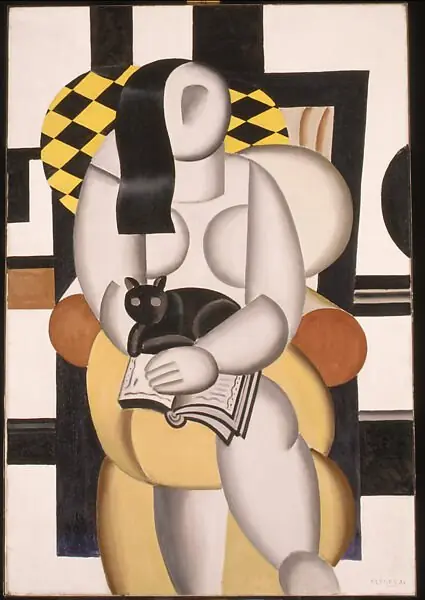
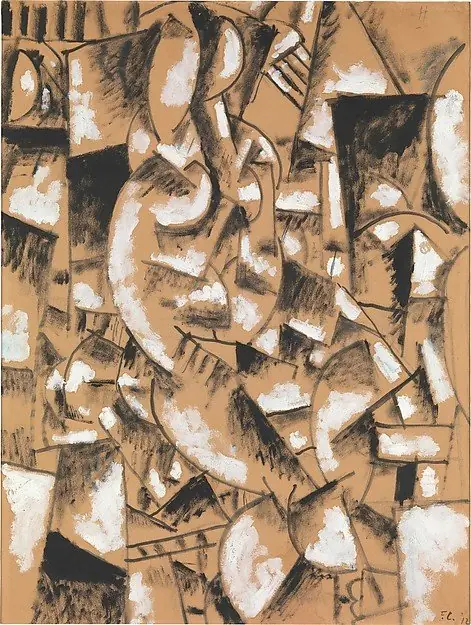
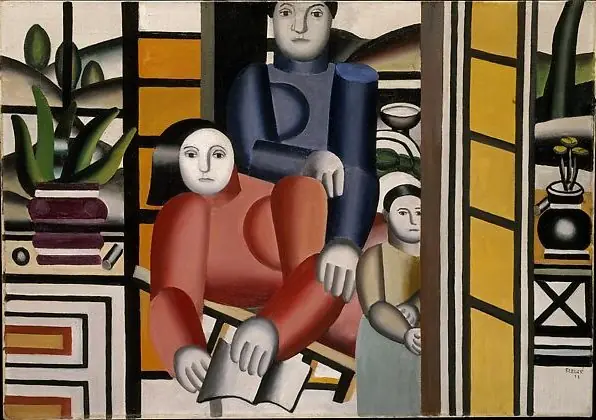
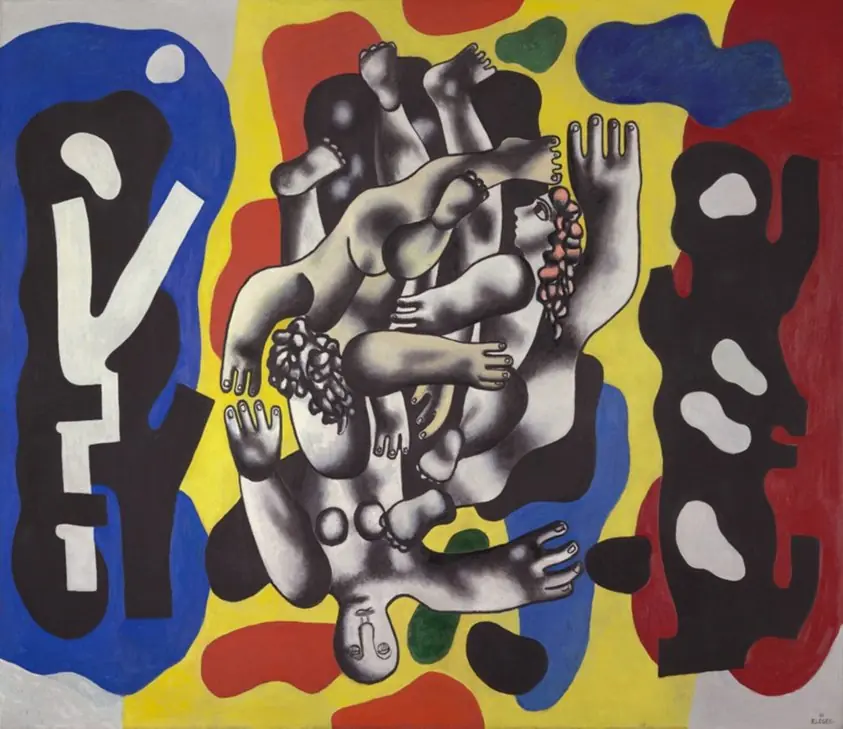
The Red Table is a 1920 oil painting by Fernand Léger, part of the collection at the Art Institute of Chicago. Characterized by a vibrant, geometric composition, the work showcases Léger's experimentation with form and color.
Subject & Meaning
While titled 'The Red Table', the painting's subject is more abstract than literal. It explores spatial relationships and visual dynamics through overlapping geometric shapes, with meaning derived from the emotional and compositional impact rather than representational content.
Technique & Style
History & Provenance
Created in 1920, The Red Table is now held in the permanent collection of the Art Institute of Chicago, though specific acquisition details are not provided here.
Context
Painted in the aftermath of World War I, The Red Table reflects the early 20th-century artistic shift towards abstraction and geometric forms, aligning with the broader avant-garde movements in Europe.
Legacy
As part of Léger's oeuvre, The Red Table contributes to the artist's influence on modern and contemporary art, particularly in the development of abstract and geometric art movements, though its specific impact is not detailed here.
Own this work as a print
Artist & collection
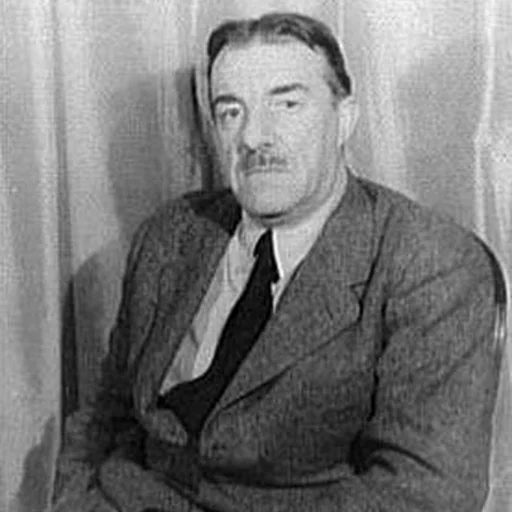
Artist
Joseph Fernand Henri Léger was a French painter, sculptor, and filmmaker. In his early works he created a personal form of cubism which he gradually modified into a more figurative, populist style. His boldly simplified…