Artwork
L'homme à la pipe
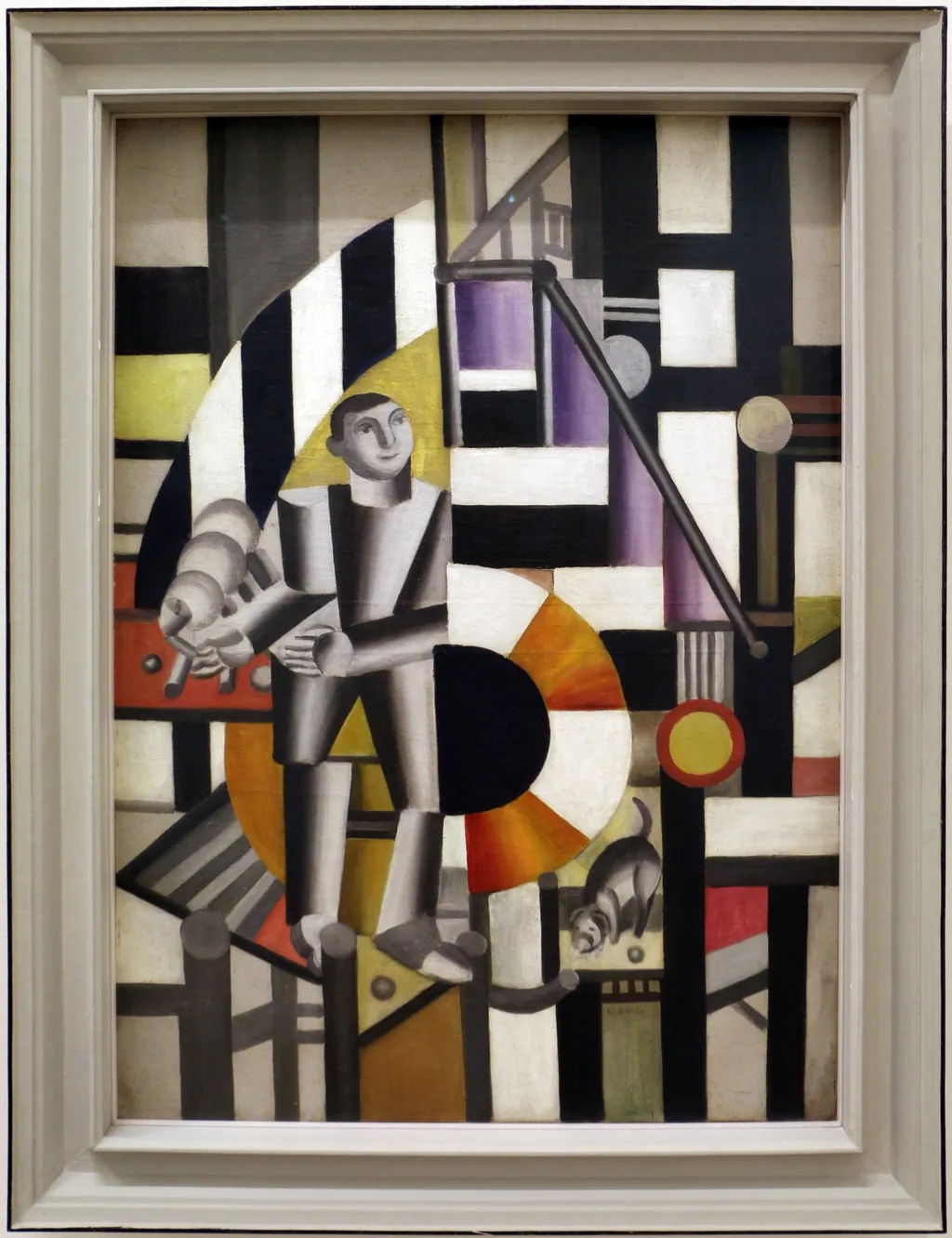
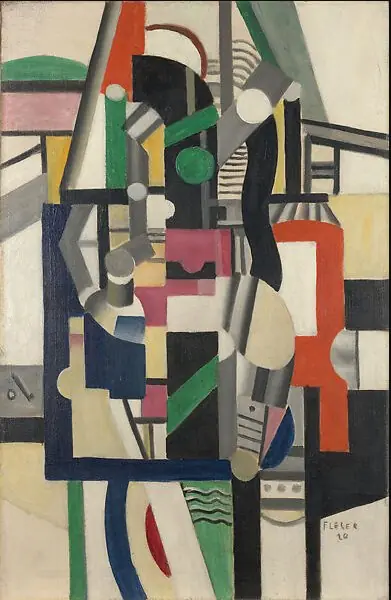
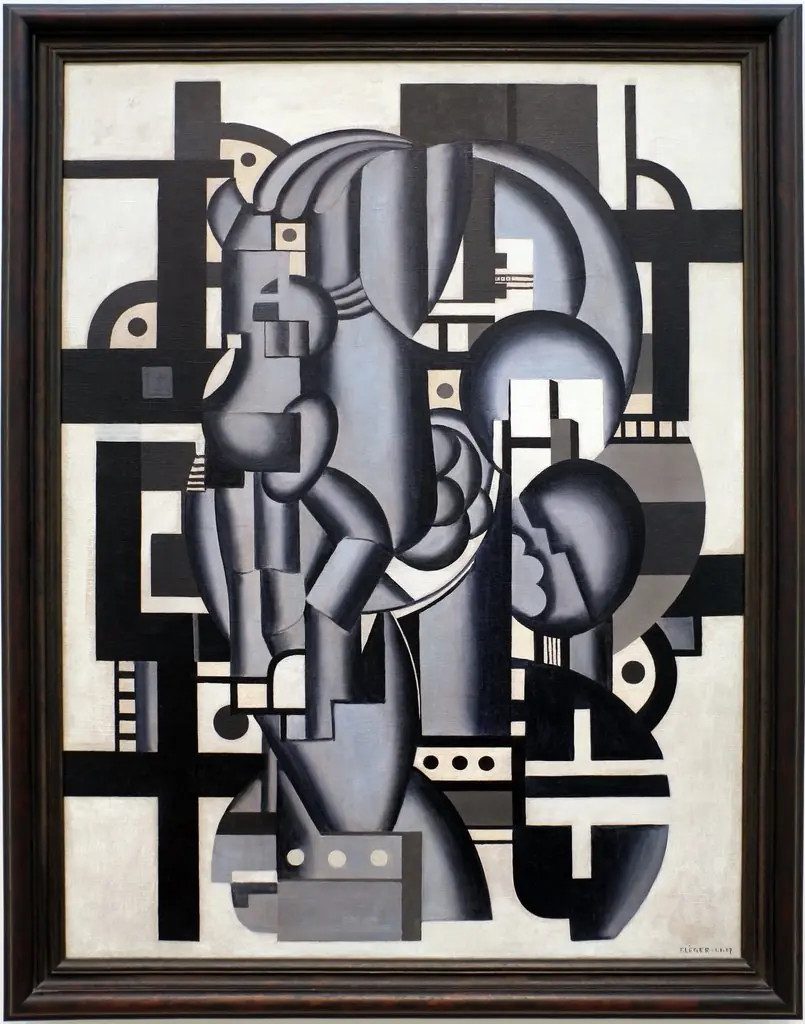
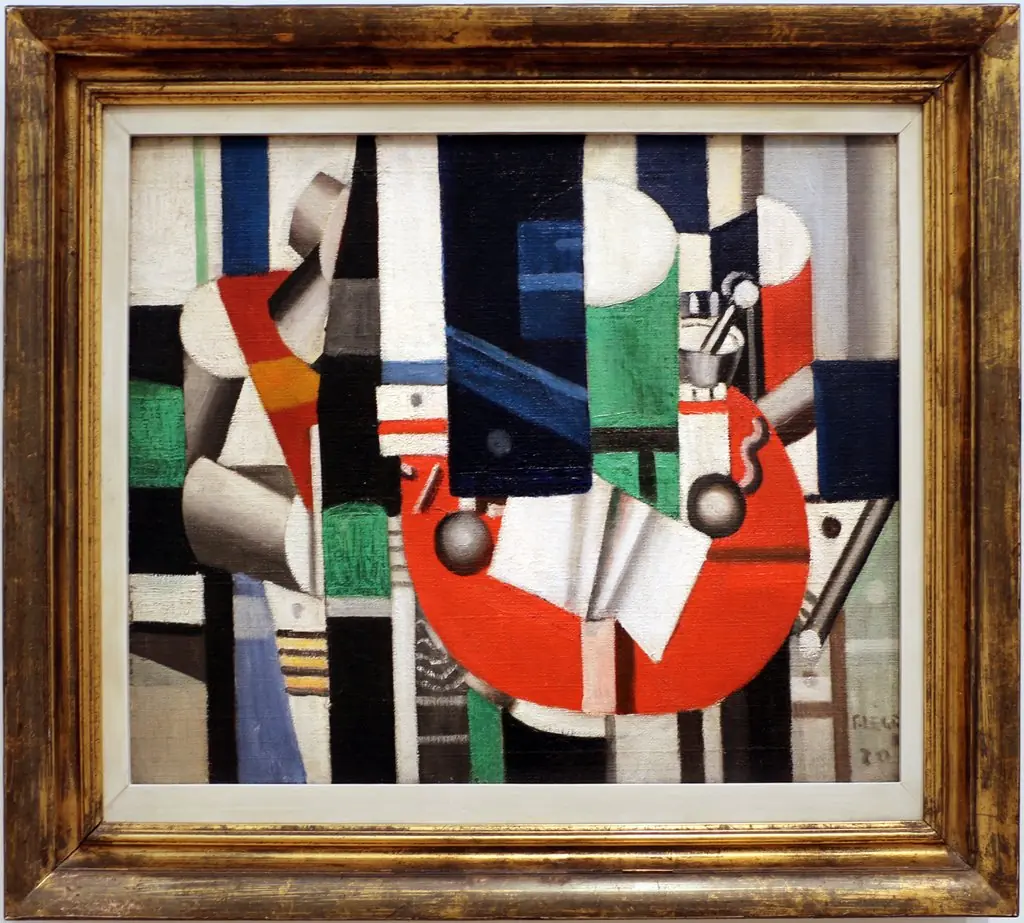
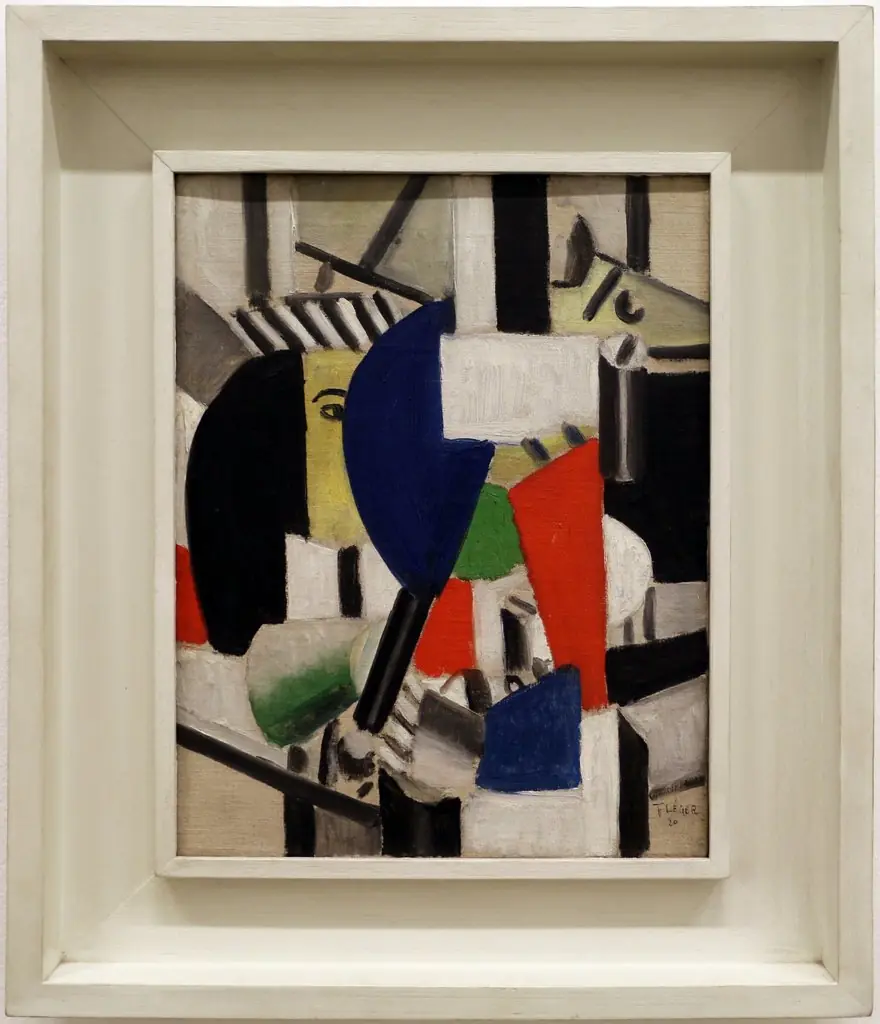
L'homme à la pipe is an oil painting by the Cubism Synthetic artist Fernand Léger. It dates from 1920 and is held in the collection of the Musée d'art moderne de Paris.
About this work
Overview
Created in 1920, this oil on canvas by Fernand Léger belongs to the collection of the Musée d'art moderne de Paris. The work presents a solitary figure positioned on a spiraling staircase, rendered in a stark black‑and‑white jumpsuit and holding a hammer in his right hand.
Subject & Meaning
The central figure, poised with one hand on his hip and the other gripping a tool, suggests a blend of industrial labor and personal identity. The upward thrust of the staircase may allude to progress or ascent, while the simplified attire emphasizes the universal over the individual.
Technique & Style
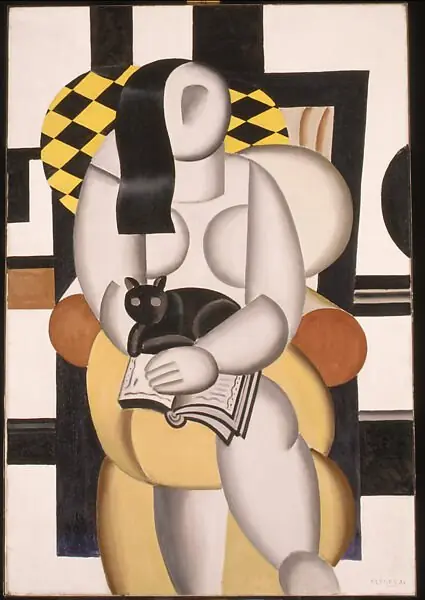
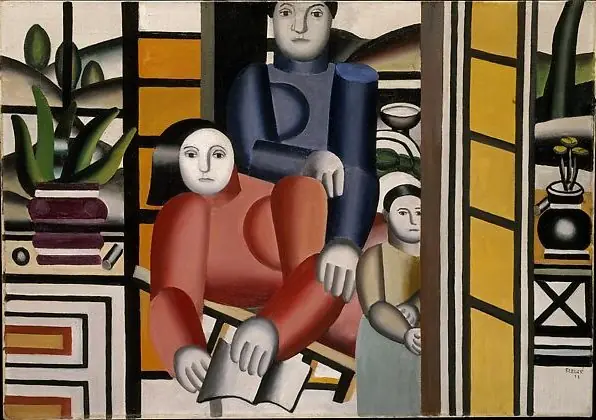
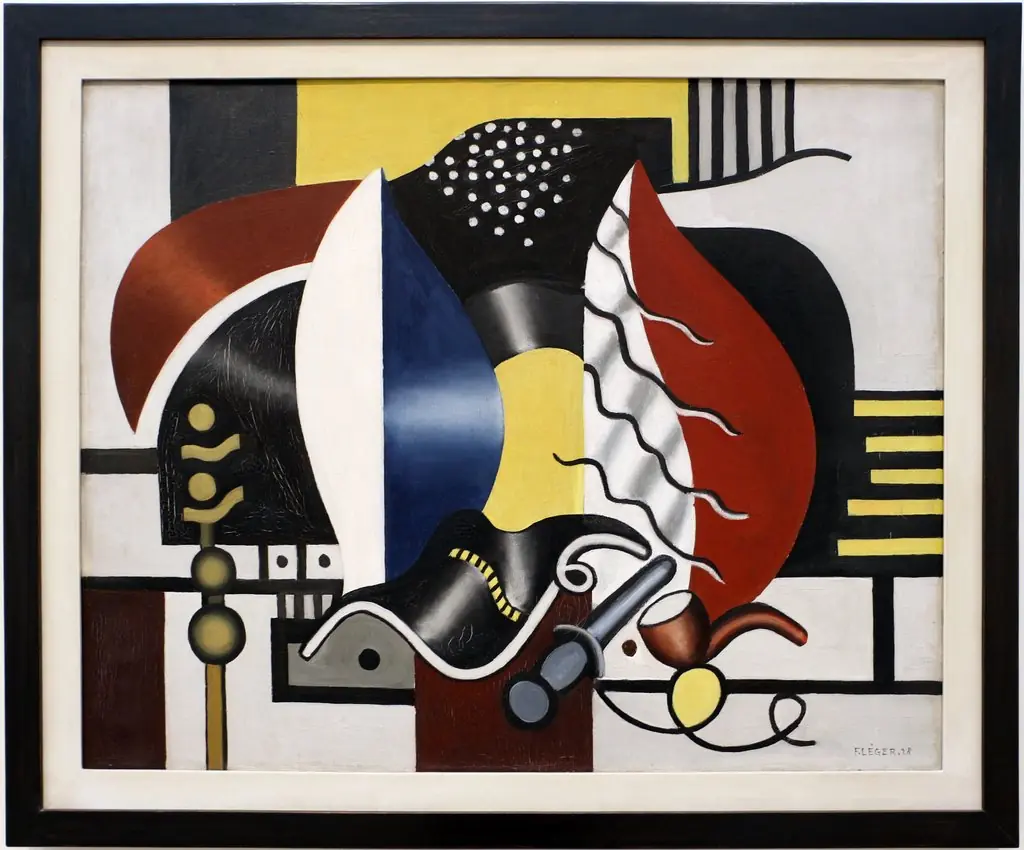
Léger employs a limited palette of black, white, yellow, and red, arranging geometric forms, rectangles, circles, triangles, throughout the background. The bold, flat color areas and crisp outlines create a tension between static planes and the implied motion of the spiral.
History & Provenance
Painted shortly after World War I, the piece reflects Léger’s interest in mechanized forms and modern life. It entered the Musée d'art moderne de Paris’s holdings during the mid‑20th century, where it remains on display as part of the museum’s modernist collection.
Context
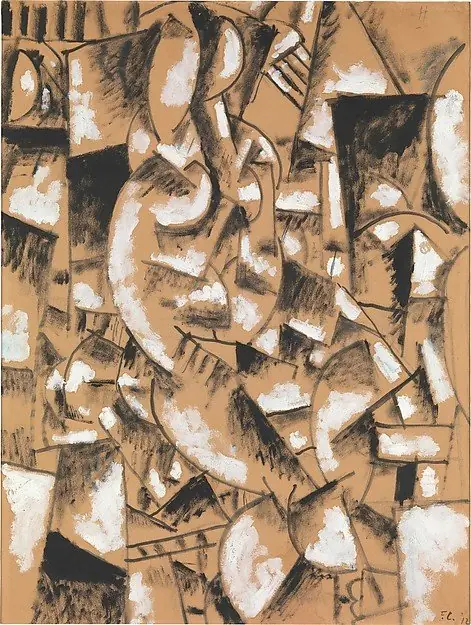
The composition aligns with Léger’s broader engagement with Cubist fragmentation and the emerging aesthetic of the machine age. By integrating architectural elements like the staircase with figurative content, the work bridges traditional portraiture and abstract construction.
Legacy
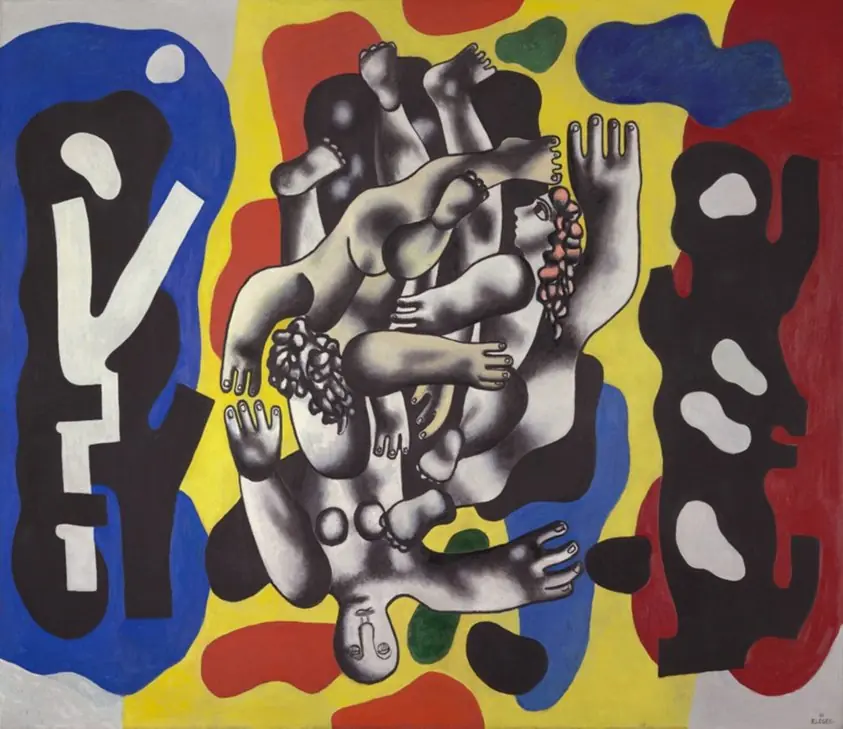
As an early example of Léger’s post‑war synthesis of figure and geometry, the painting informs later developments in abstract expression and constructivist art, illustrating how industrial motifs can be reinterpreted within a modernist visual language.
Own this work as a print
Artist & collection
Artist
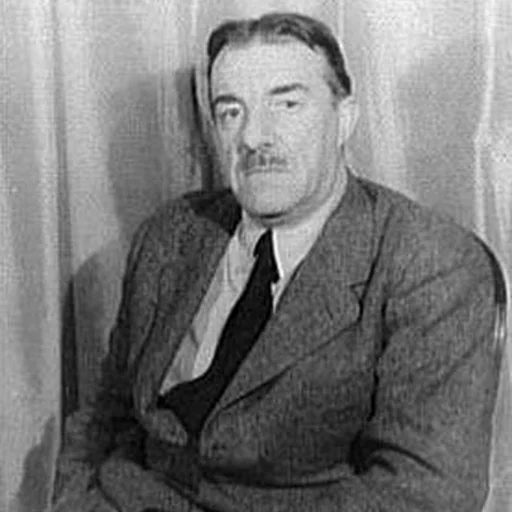
Joseph Fernand Henri Léger was a French painter, sculptor, and filmmaker. In his early works he created a personal form of cubism which he gradually modified into a more figurative, populist style. His boldly simplified…