Artwork
Frame depicting the Annunciation, Baptism of Christ, Entry into Jerusalem, Saints Cecilia and Catherine of Alexandria, Trinity (Gnadenstuhl, Mercy Seat), and four Music-making Angels
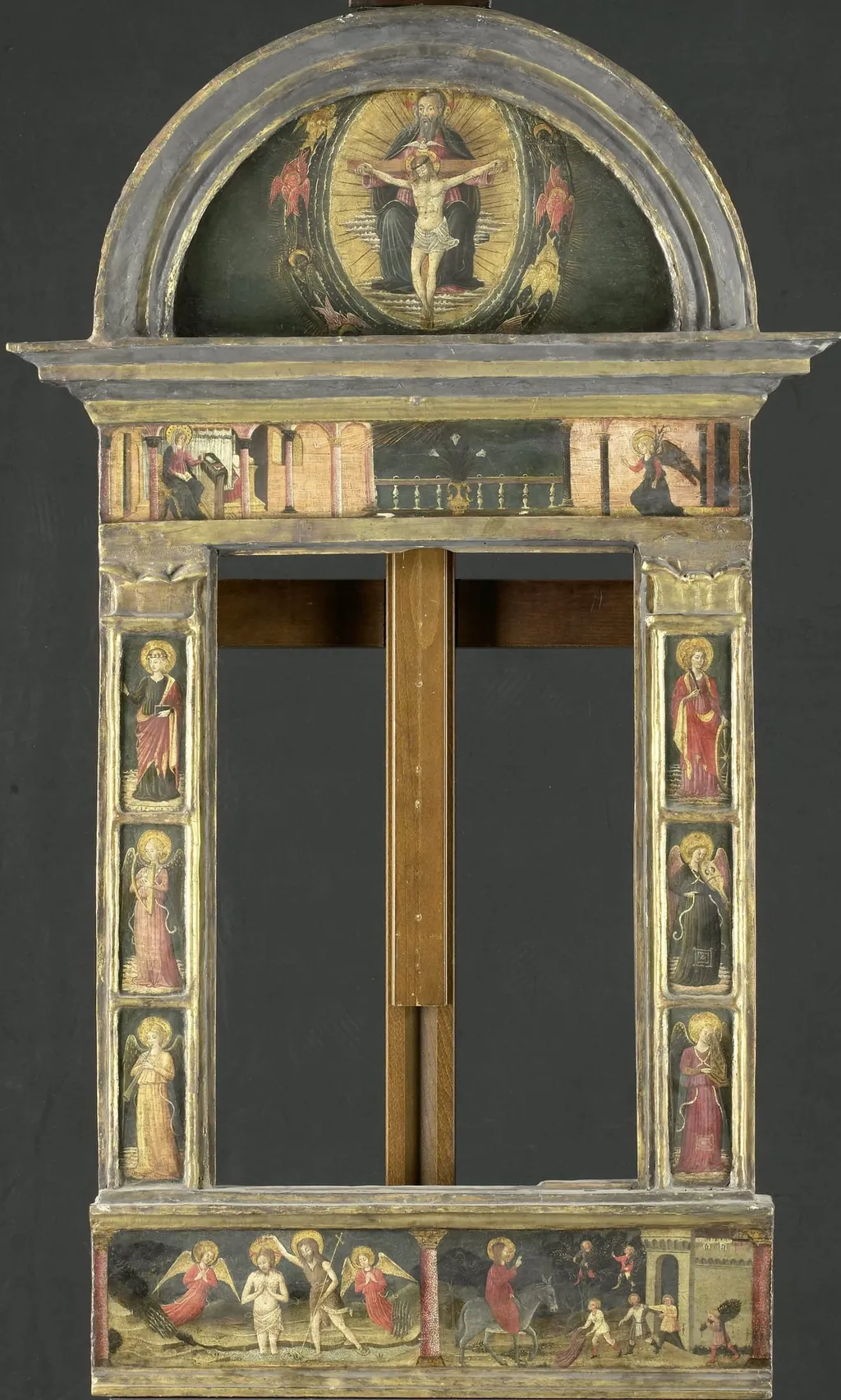
Frame depicting the Annunciation, Baptism of Christ, Entry into Jerusalem, Saints Cecilia and Catherine of Alexandria, Trinity (Gnadenstuhl, Mercy Seat), and four Music-making Angels is an unspecified painting by the Italo Byzantine artist Unknown. It dates from 1455 and is held in the collection of the Rijksmuseum. This tall wooden frame painting combines multiple biblical and saintly scenes within a single, densely composed artwork.
About this work
Overview
This tall wooden frame painting combines multiple biblical and saintly scenes within a single, densely composed artwork. Executed for a church setting, likely intended for altarpiece display, it visually narrates key Christian narratives for a potentially illiterate audience.
Subject & Meaning
Together, these scenes convey a comprehensive, sequential representation of Christian doctrine and saints' reverence.
The painting depicts pivotal Christian moments: the Annunciation, Christ's Baptism, Entry into Jerusalem, and the Trinity (as a Gnadenstuhl, or Mercy Seat, with God the Father supporting the crucified Christ). Saints Cecilia and Catherine of Alexandria are also featured, alongside four angels engaged in music-making. Together, these scenes convey a comprehensive, sequential representation of Christian doctrine and saints' reverence.
Technique & Style
Characterized by its compact, multi-scene composition, the work employs a narrative style akin to early visual storytelling methods, akin to a sequential 'comic strip' approach. This format suggests an emphasis on clear, accessible communication of religious themes over intricate detail or realism.
History & Provenance
Originally painted for a church, likely as an altarpiece, its specific commission details are not provided. It is now part of the Rijksmuseum's collection, where its unique compositional approach can be studied.
Context
Created for a religious audience, possibly with limited literacy, the painting reflects the need for visual storytelling in medieval and early modern church practices. Its design catered to the educational and devotional needs of the congregation.
Legacy
While its artistic 'legacy' in terms of influencing specific art movements is not detailed, the painting remains significant as an example of adaptive, accessible religious art from its period, now preserved and exhibited at the Rijksmuseum.
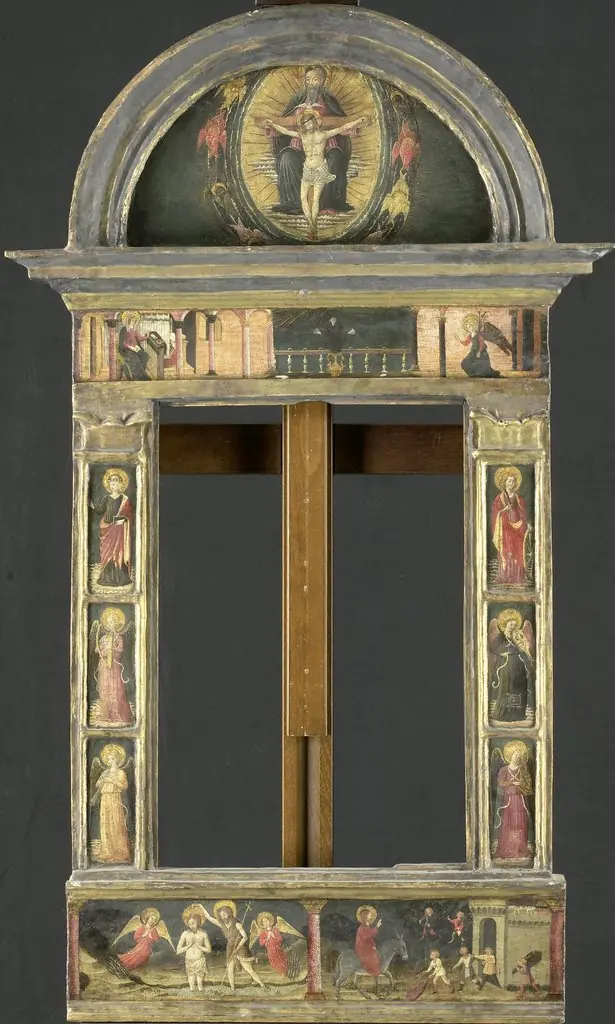
Artist & collection









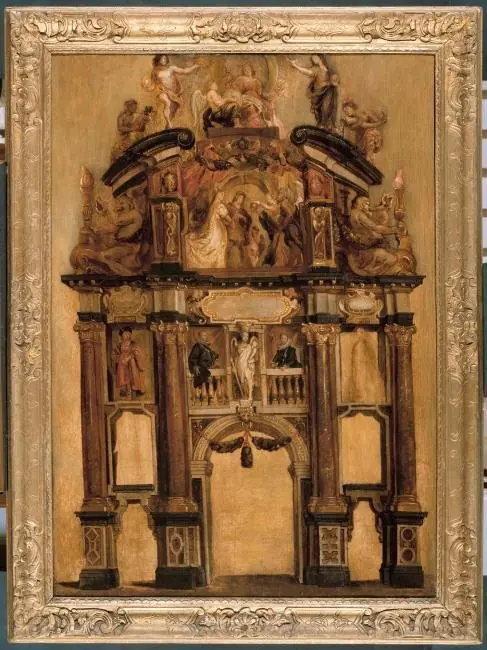 Sketch of the back of the triumphal arch of Philip IV
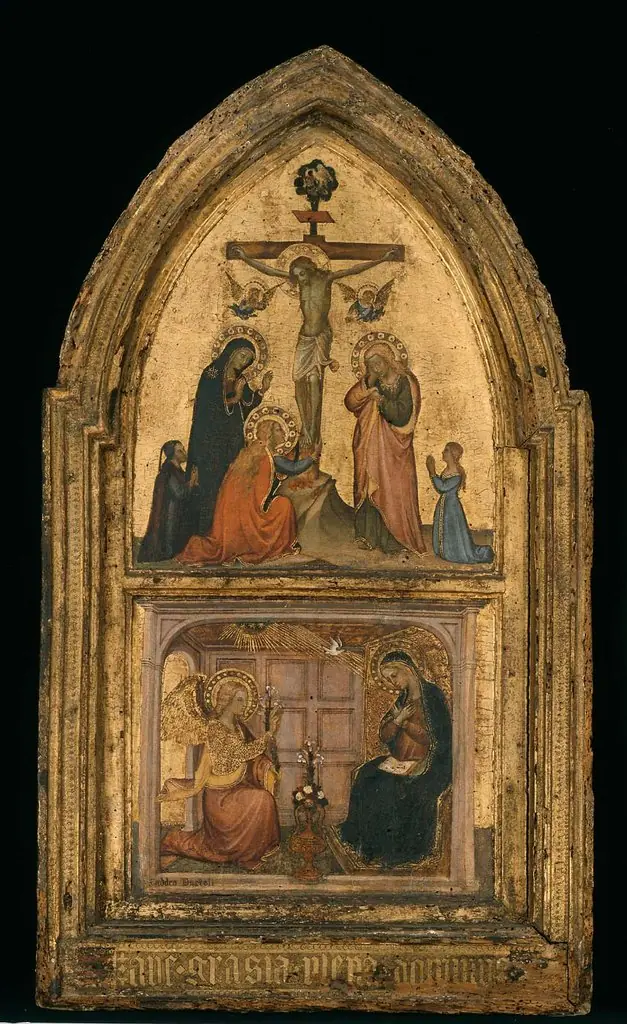 Annunication; Crucifixion
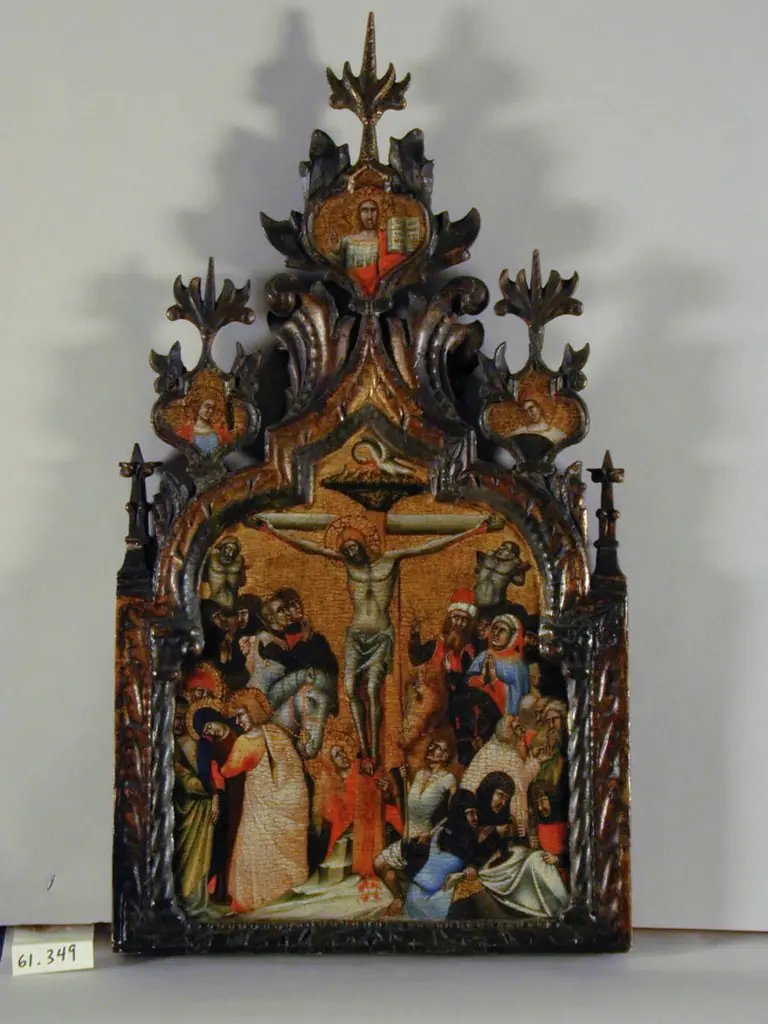 The Crucifixion
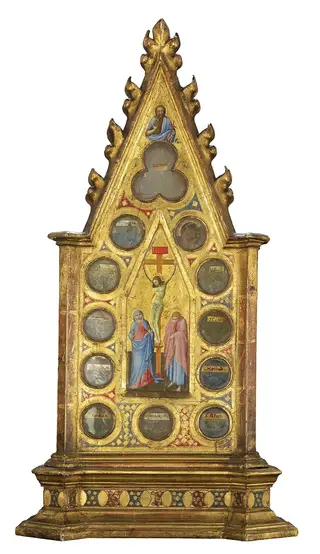 The Crucifixion with the Virgin and Saint John, with Saint John Baptist (above); Franciscan Saint in Prayer before a Vision of Christ and Saints, with a Male Saint (above) (recto and verso)
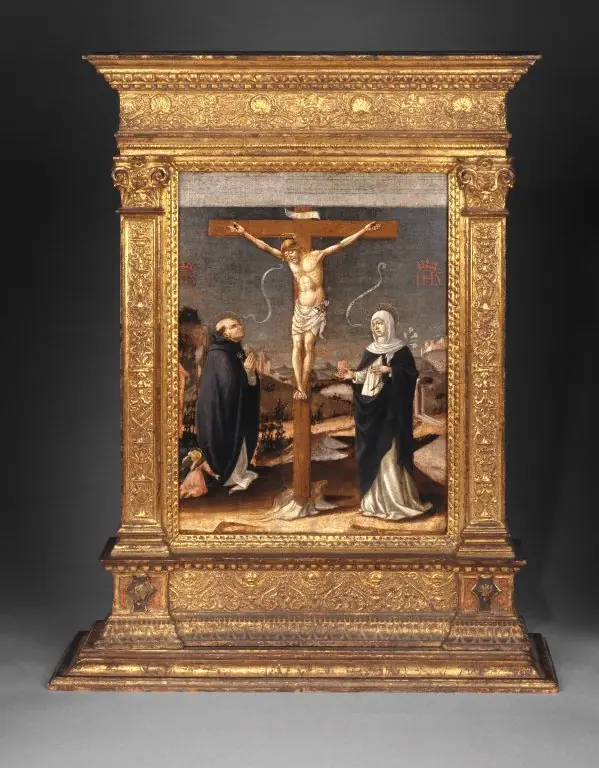 Christ on the Cross Adored by Saints Thomas Aquinas and Catherine of Siena
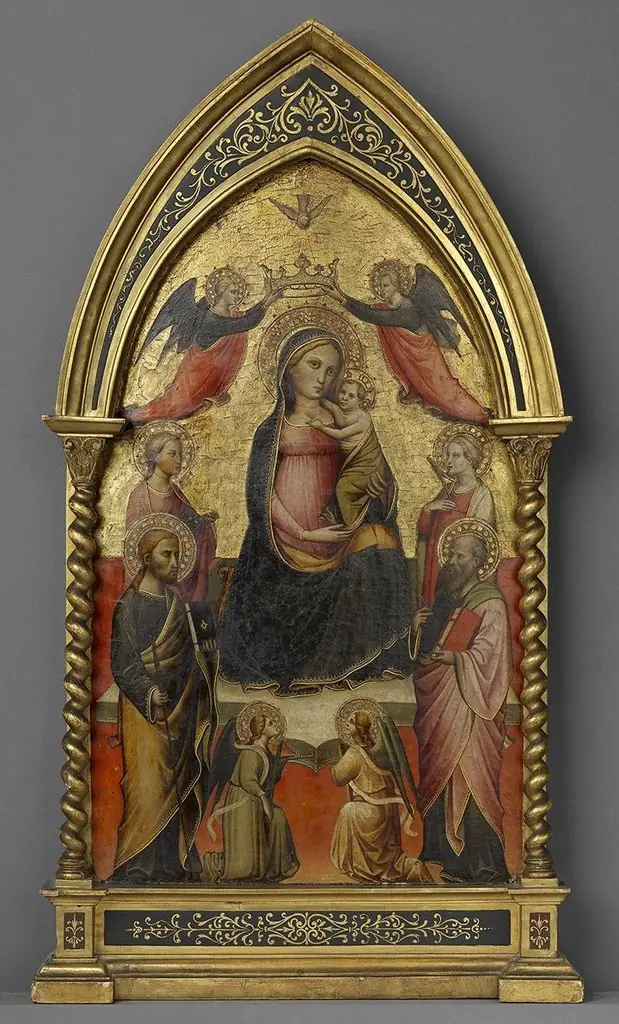 Madonna mit vier Heiligen und Engeln (?)
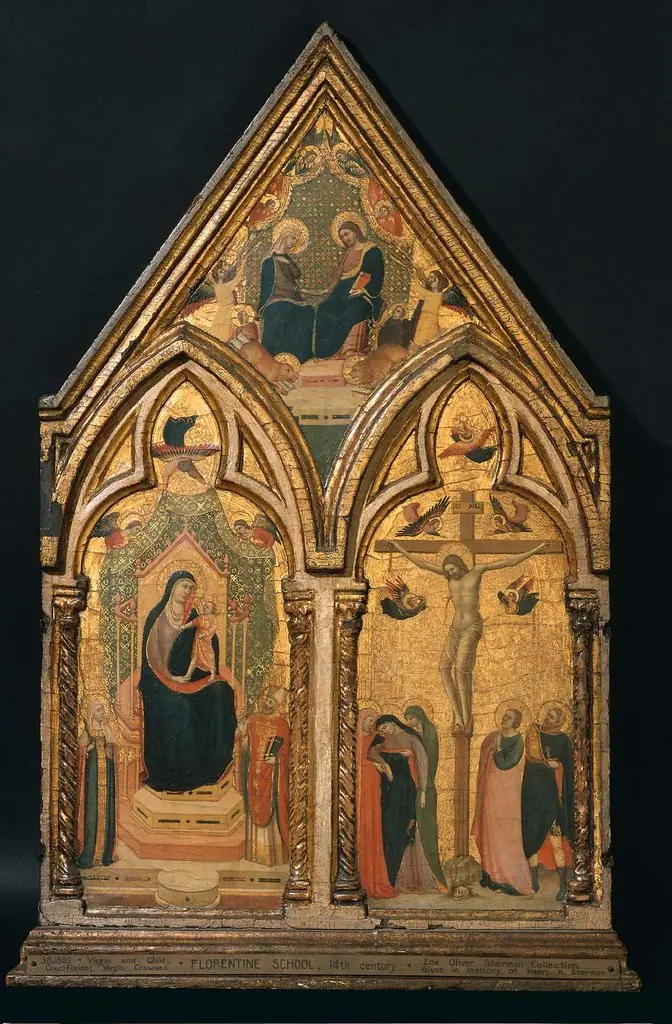 Virgin and Child Enthroned with Saints; Crucifixion; Coronation of the Virgin
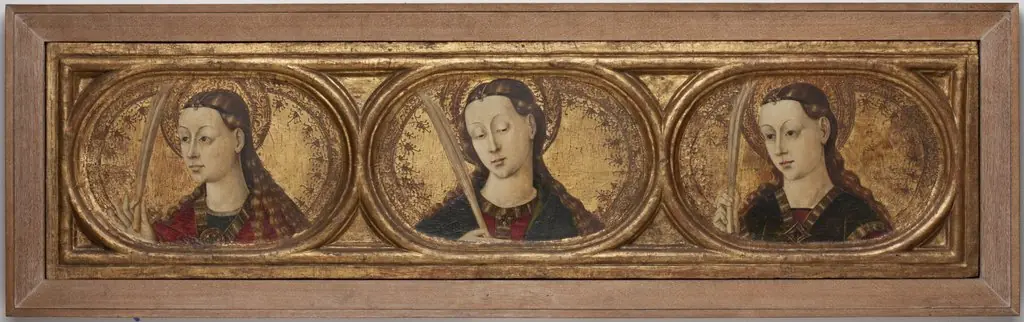 Three Virgin Martyrs
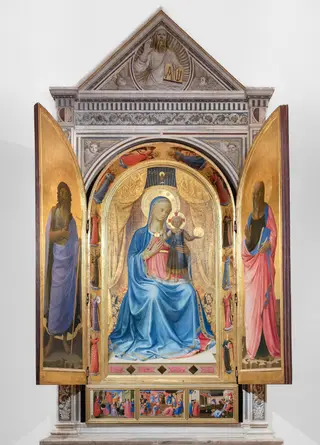 Tabernacle of the Linaioli
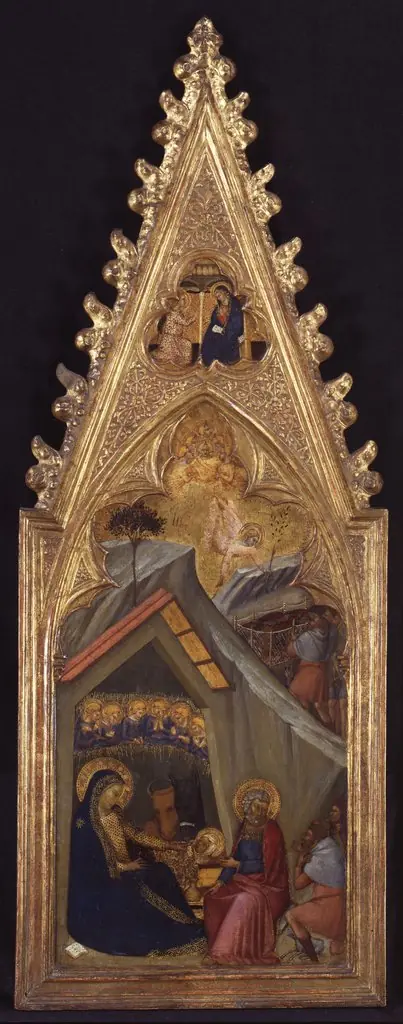 Nativity of Christ