Artwork
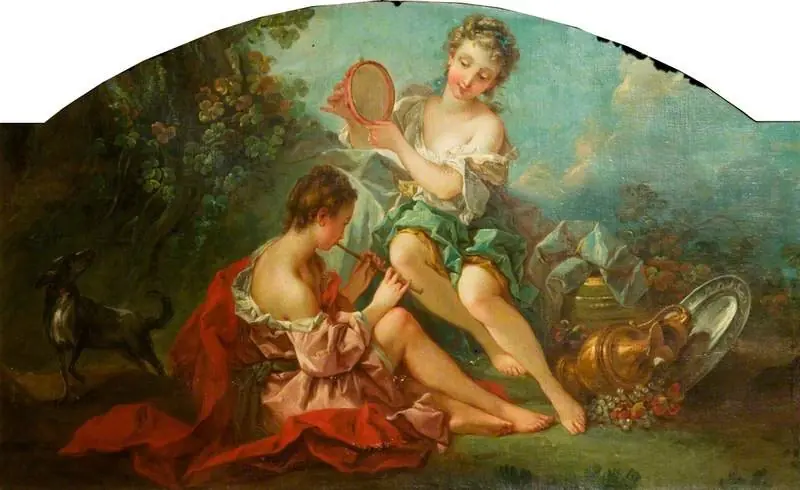
Pastoral Scene: Shepherd with a Pipe and a Girl
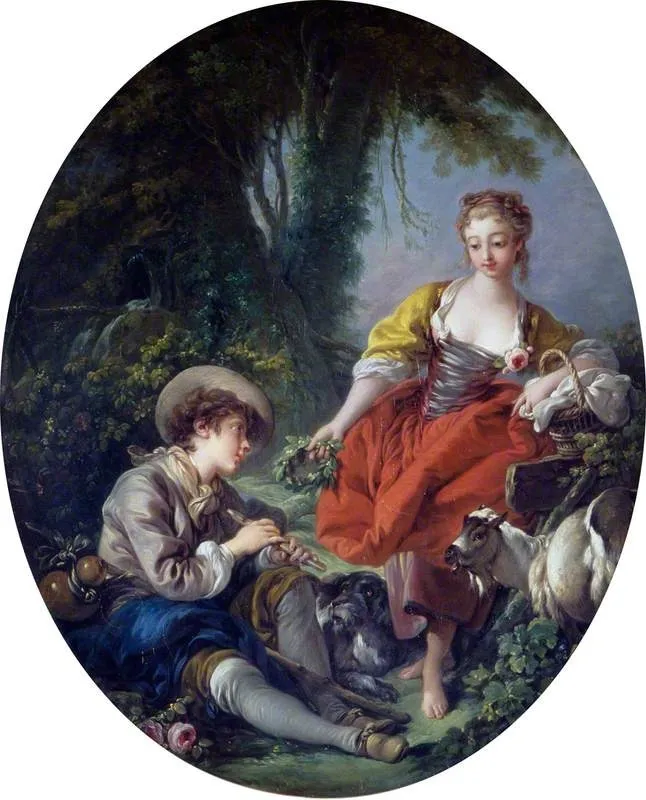
Pastoral Scene: Shepherd with a Pipe and a Girl is an oil painting by the Rococo painting artist François Boucher. It dates from 1763 and is held in the collection of the Victoria and Albert Museum.
About this work
Overview
Painted in 1763, François Boucher's Pastoral Scene: Shepherd with a Pipe and a Girl exemplifies the French Rococo fascination with idealized rural life.
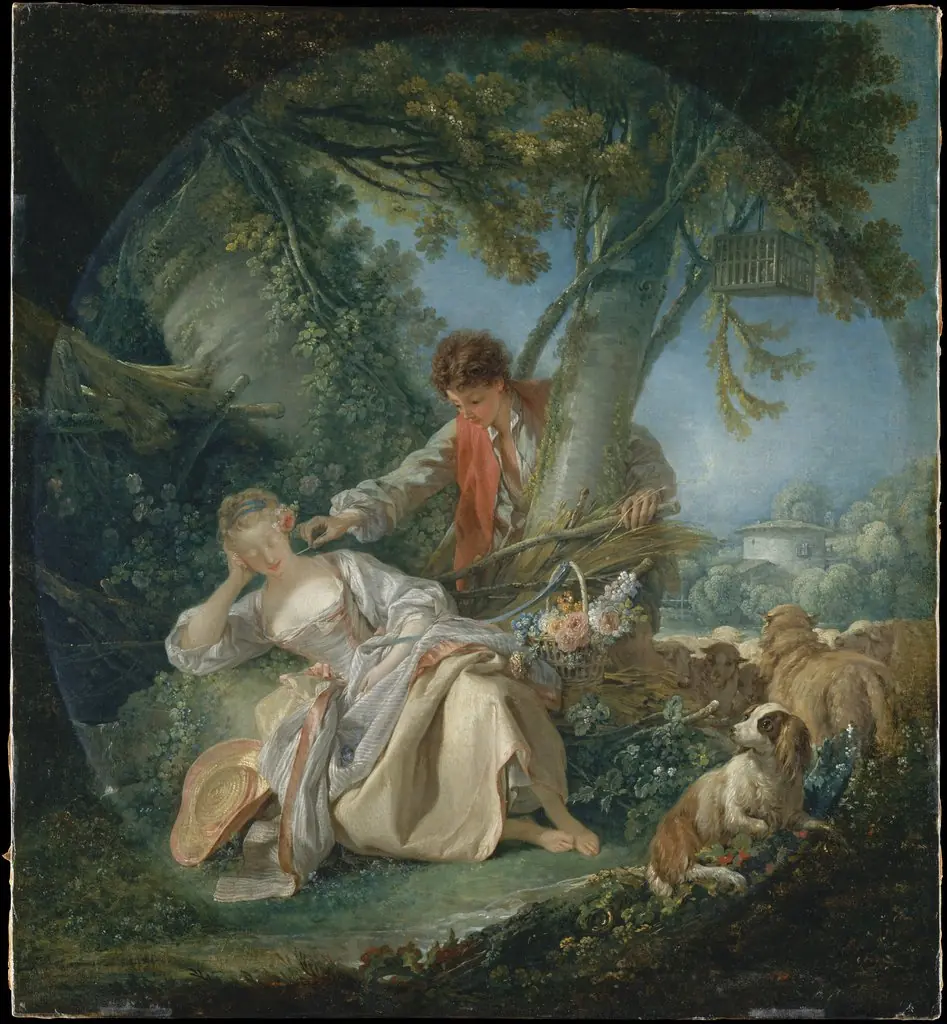
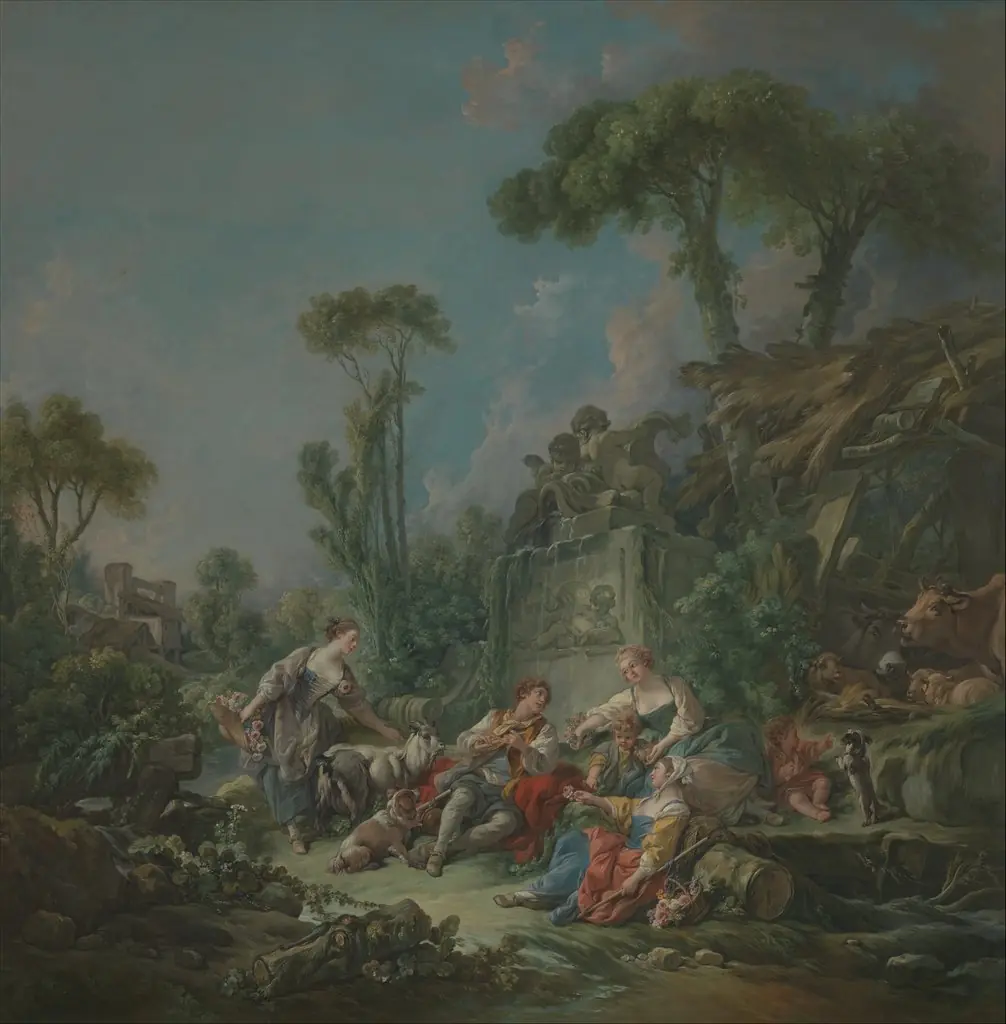
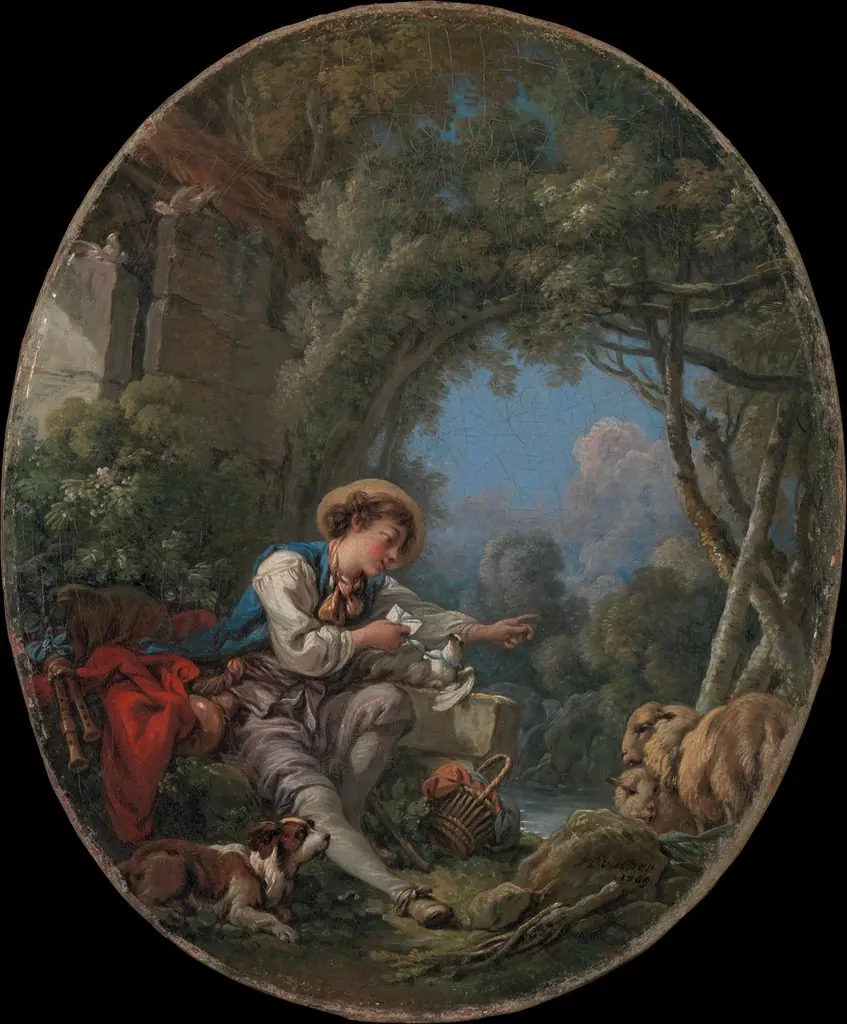
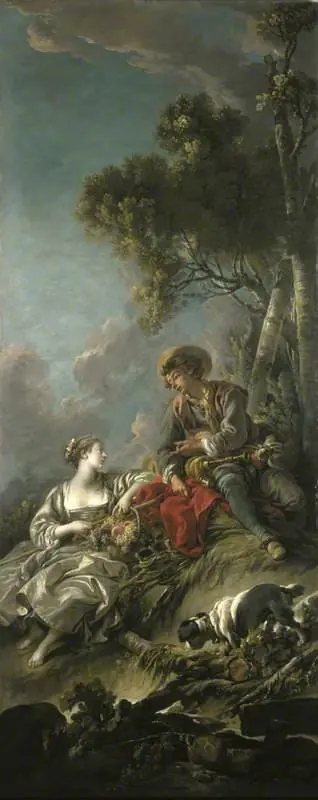
Painted in 1763, François Boucher's Pastoral Scene: Shepherd with a Pipe and a Girl exemplifies the French Rococo fascination with idealized rural life. The composition features a shepherd seated on the grass, clad in a white shirt, blue trousers, and a hat, playing a pipe. Beside him stands a young girl in a yellow and red dress, holding a basket of flowers.
They are framed by lush greenery and trees, creating a secluded, idyllic atmosphere typical of Boucher's late career. This work reflects the artist's continued mastery of the pastoral genre, where nature serves as a decorative backdrop for romanticized human interaction rather than a realistic landscape. The soft brushwork, pastel palette, and graceful poses characterize Boucher's style, which dominated French art during the mid-18th century.
Created during a period when the artist was highly sought after by the French court and aristocracy, the painting demonstrates his ability to blend mythological sensibility with contemporary fashion and sentiment. It stands as a representative example of his output in the 1760s, a time when he produced numerous small-scale pastoral scenes for private collectors, reinforcing his reputation as the premier painter of the Rococo aesthetic.
Subject & Meaning
The work depicts a simple pastoral encounter: a shepherd absorbed in music and a girl holding a floral bouquet. The juxtaposition of the shepherd’s white shirt and blue trousers with the girl’s yellow‑red dress introduces a subtle contrast of colors, while the pipe and flowers serve as symbols of leisure and natural abundance. The scene suggests an idealized vision of rural life, emphasizing harmony between humanity and the countryside.
Technique & Style
Executed in oil, Boucher employs a smooth, luminous finish that softens the figures and landscape alike. Delicate brushwork renders the textures of fabric, foliage, and the gleam of the shepherd’s pipe, while a muted palette of greens and earth tones underlies the brighter garments. The composition balances detail with a gentle, almost decorative quality, reflecting the Rococo taste for elegance and lightness in everyday subjects.
History & Provenance
Created in 1763, the painting entered the holdings of the Victoria and Albert Museum, where it remains on display. Its acquisition reflects the museum’s broader interest in French Rococo works and the representation of pastoral themes in European art. Documentation traces its provenance to the artist’s workshop and subsequent collectors before its eventual transfer to the museum’s permanent collection.
Artist & collection

Artist
François Boucher was a French painter, draughtsman and etcher, who worked in the Rococo style.