Artwork
Francisco de Goya y Lucientes, Painter (Self-Portrait), Plate 1
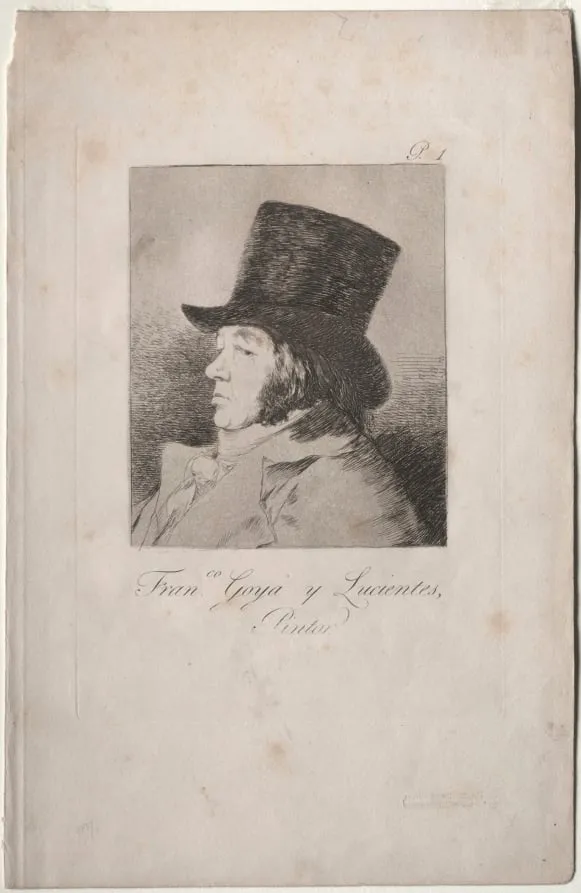
Francisco de Goya y Lucientes, Painter (Self-Portrait), Plate 1 is a print by the Romanticist artist Francisco de Goya. It dates from 1799 and is held in the collection of the Cleveland Museum of Art.
- Accession no.
- 1922.363
- Credit line
- Dudley P. Allen Fund
About this work
Overview
This print, dated around 1799, is the first plate in a series by Francisco de Goya y Lucientes that presents himself as an artist.
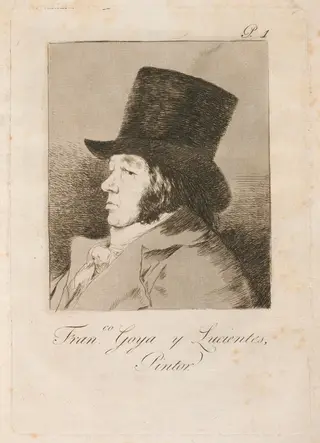
This print, dated around 1799, is the first plate in a series by Francisco de Goya y Lucientes that presents himself as an artist. Executed in a drypoint technique, it captures Goya in profile, facing left, with a close-cropped hairstyle and formal attire. The work is part of a larger body of self-referential imagery, and it resides in the collection of The Cleveland Museum of Art as a key example of his graphic work from this period.
Subject & Meaning
Goya depicts himself not as a nobleman or idealized figure, but as a working artist, dressed in sober, contemporary clothing. The top hat and high collar suggest professional identity rather than social status. His direct, unadorned gaze and profile pose convey introspection and self-awareness, reflecting a shift toward personal expression in late 18th-century portraiture, away from ceremonial representation.
Technique & Style
Rendered in drypoint, the image relies on fine, incised lines to build form and texture. Goya employs chiaroscuro through deliberate contrasts between the dark, heavily inked clothing and the pale, unworked paper background. The subtle gradations in tone model the contours of his face and hat, emphasizing volume without relying on broad washes or color, characteristic of his graphic precision during this phase of his career.
History & Provenance
Created during Goya’s tenure as court painter, this self-portrait predates his more overtly critical works. It was likely made for personal or private circulation before being included in his later published series. The print entered The Cleveland Museum of Art’s collection through documented acquisitions in the 20th century, where it remains as a testament to his evolving self-representation in print.
Context
In the late 1790s, Goya was navigating personal and political upheaval, including illness and the shadow of Spain’s turbulent politics. This self-portrait emerges alongside his 'Caprichos' series, where introspection and social commentary converge. Unlike official portraits, this image reflects a private, unvarnished identity, a quiet assertion of the artist’s role amid changing cultural norms.
Legacy
Goya’s self-portraits in print laid groundwork for modern artists’ use of the medium to explore identity beyond public persona. This early example, stripped of embellishment, influenced later generations who turned to etching and drypoint for candid self-representation. Its restrained tone and technical clarity mark it as a pivotal moment in the evolution of the artist’s self-image in print.
Artist & collection
Artist
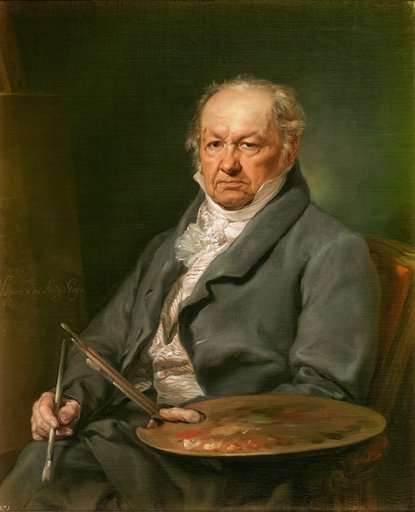
Francisco José de Goya y Lucientes was a Spanish romantic painter and printmaker.

 H Beard Print Collection
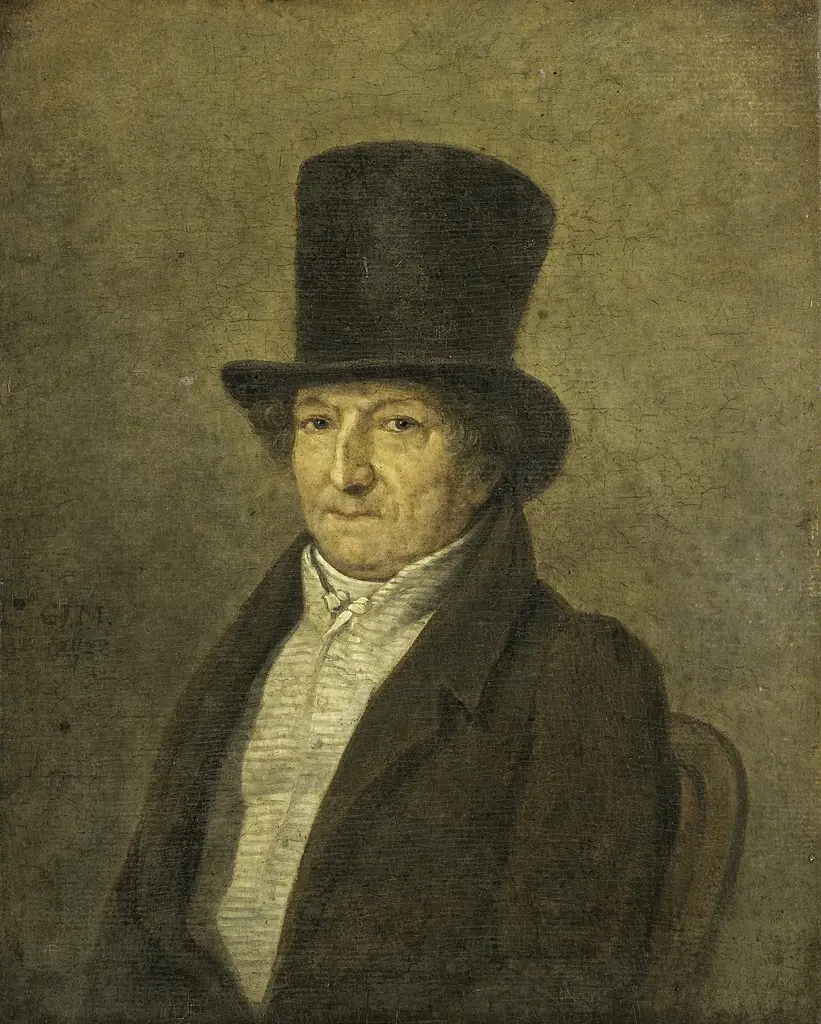 Portrait of Jean Bernard, Art Collector and Painter in Amsterdam
 H Beard Print Collection
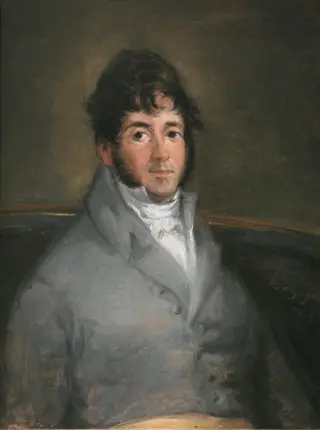 The Actor Isidoro Máiquez
 H Beard Print Collection
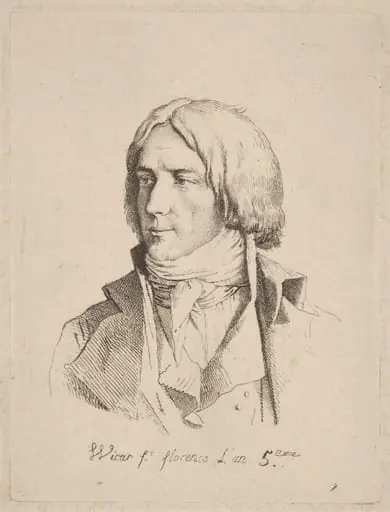 Self-Portrait
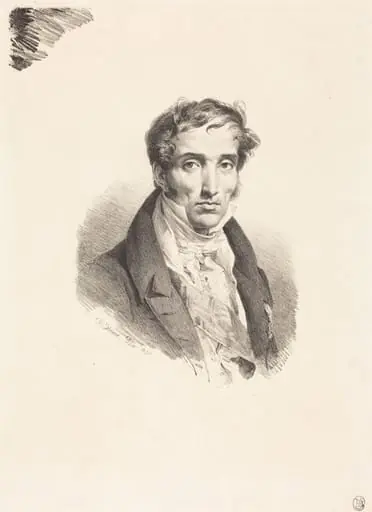 Pierre Guerin
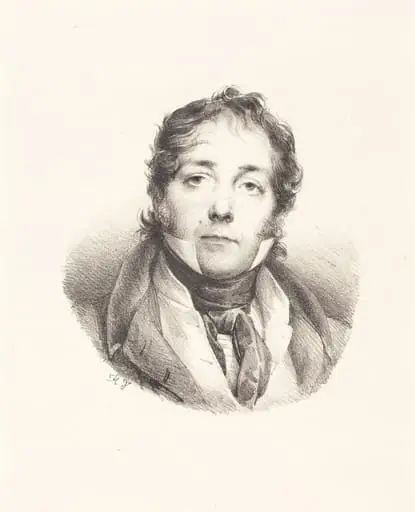 Le General Comte Sebastiani
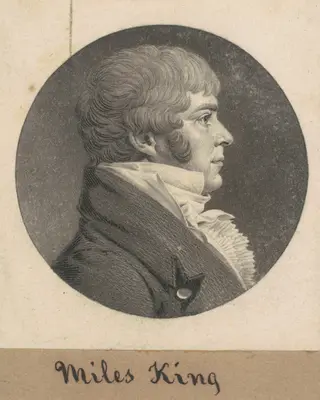 Miles King, Jr.
 H Beard Print Collection
 John Leake Norton
- Francesco Goya y Lucientes, Pintor (Francesco Goya y Lucientes, Painter)