Artwork
Nothing Could Be Done About It, Plate 24
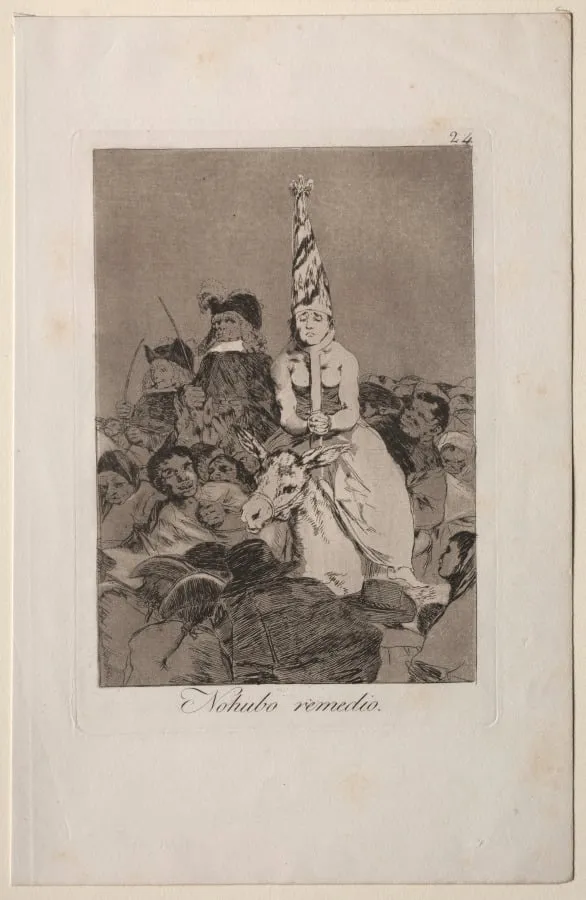
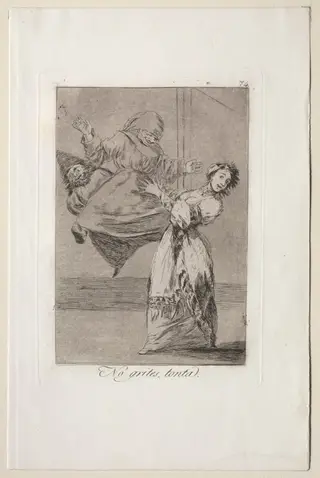
Nothing Could Be Done About It, Plate 24 is a print by the Romanticist artist Francisco de Goya. It dates from 1799 and is held in the collection of the Cleveland Museum of Art.
- Accession no.
- 1922.619
- Credit line
- Dudley P. Allen Fund
About this work
Overview
Created around 1799, this print by Francisco de Goya is the twenty-fourth plate in his series 'Los Caprichos.' Executed in etching and aquatint, it depicts a moment of public disorder centered on a woman mounted on a donkey. The work is part of a larger critique of Spanish society, rendered with minimal detail and expressive line work. It resides in the collection of The Cleveland Museum of Art.
Subject & Meaning
The onlookers’ gestures convey curiosity, judgment, or complicity, reflecting societal indifference to individual suffering.
The scene portrays a woman in a plain shift, wearing a tall, cross-topped hat, being observed by a tense, close-knit crowd. Her posture and attire suggest a ritual or public spectacle, possibly linked to religious penance or folk tradition. The title, 'Nohubo remedio,' implies resignation, no intervention is possible or permitted. The onlookers’ gestures convey curiosity, judgment, or complicity, reflecting societal indifference to individual suffering.
Technique & Style
Goya employed rapid, incised lines and layered aquatint to create a sense of motion and unease. The rough texture and uneven shading emphasize the chaotic energy of the crowd, while the central figure remains starkly defined. The sketch-like quality avoids idealization, favoring immediacy and emotional rawness. This approach aligns with Goya’s shift from formal portraiture toward psychological realism in his later works.
History & Provenance
The print was produced as part of Goya’s 'Los Caprichos' series, published in 1799 after years of private study. Though initially met with controversy, the series was withdrawn from sale shortly after release due to fears of censorship. The Cleveland Museum of Art acquired the print in the 20th century, preserving one of the original 80 impressions. Its survival reflects its enduring significance in the history of printmaking.
Context
Goya created this work during a period of political and religious tension in Spain, as Enlightenment ideals clashed with entrenched traditions. 'Los Caprichos' satirized superstition, hypocrisy, and social hierarchy. This plate likely targets the performative nature of public rituals and the passive acceptance of injustice. The work stands apart from earlier decorative prints, offering instead a stark, unflinching view of human behavior.
Legacy
The print’s unvarnished depiction of social indifference influenced later realist and expressionist movements. Goya’s use of printmaking to convey moral critique set a precedent for artists addressing political and ethical issues through accessible media. While not widely exhibited in his lifetime, the plate now serves as a key example of how art can expose societal apathy without overt narrative.
Artist & collection
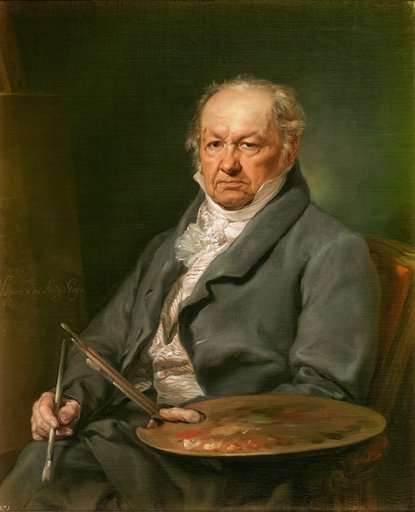
Artist
Francisco José de Goya y Lucientes was a Spanish romantic painter and printmaker.

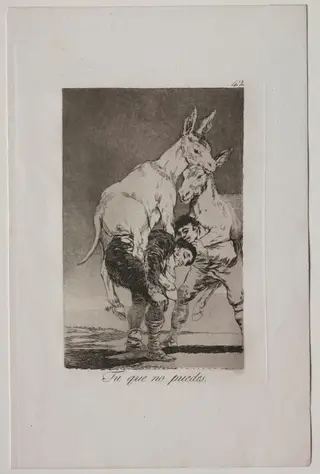
- Thou Who Canst Not, Plate 42
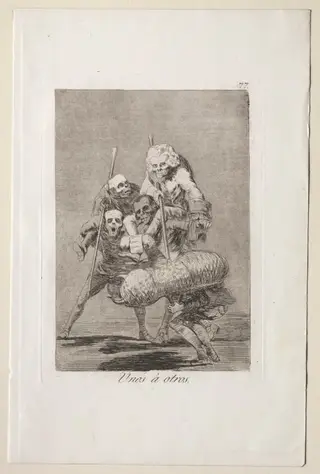 What One Does to Another, Plate 77
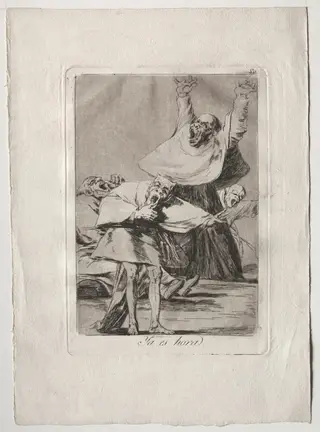 It is Time, Plate 80
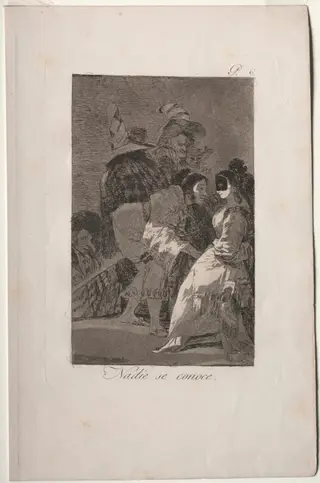 No One Knows Himself, Plate 6
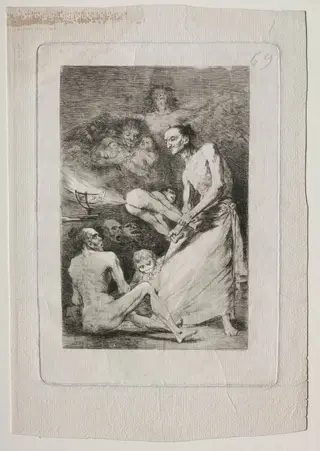 Blow, Plate 69
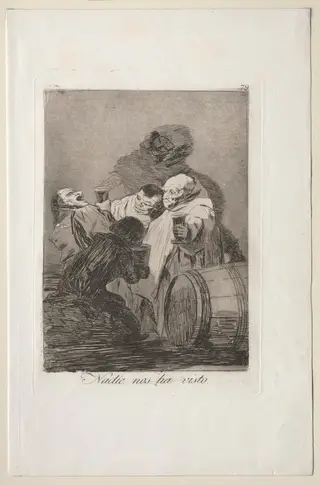 No One has Seen Us, Plate 79
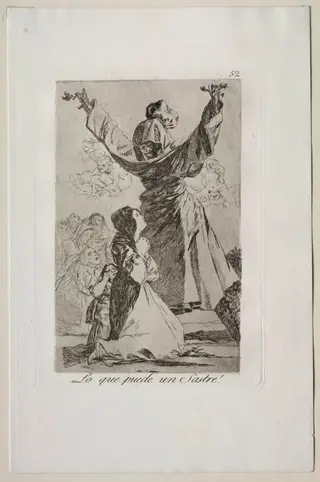 What a Tailor Can Do!, Plate 52
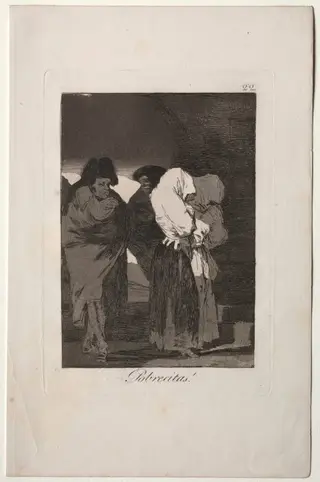 Poor Little Girls!, Plate 22
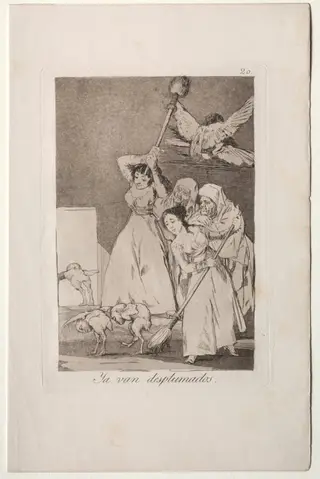 There They Go Plucked, Plate 20
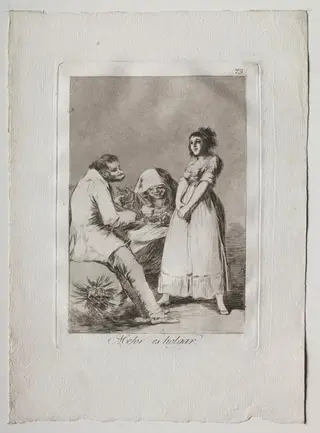 It is Better to be Lazy, Plate 73
 Don't Scream Stupid, Plate 74