Artwork
The Immaculate Conception
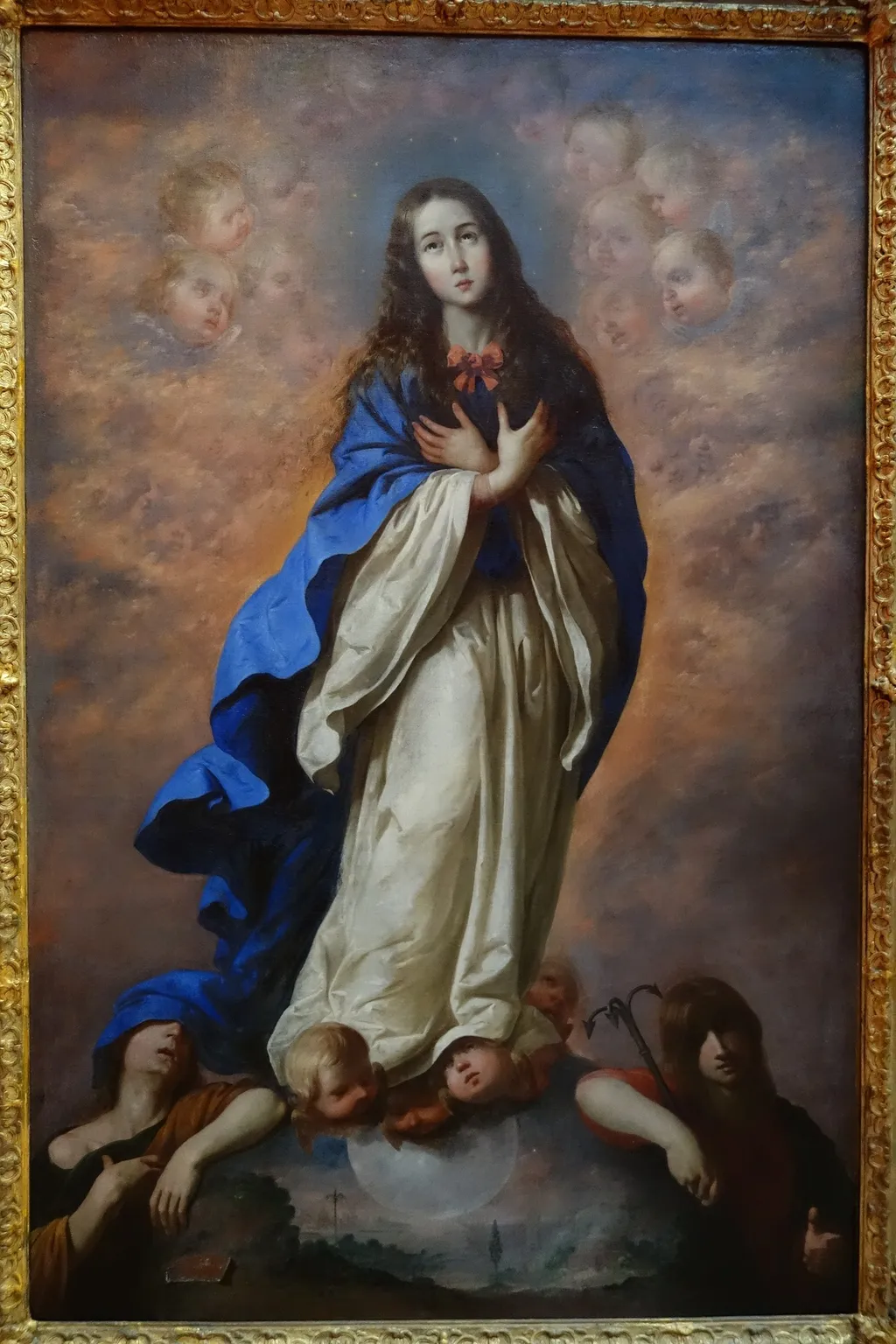
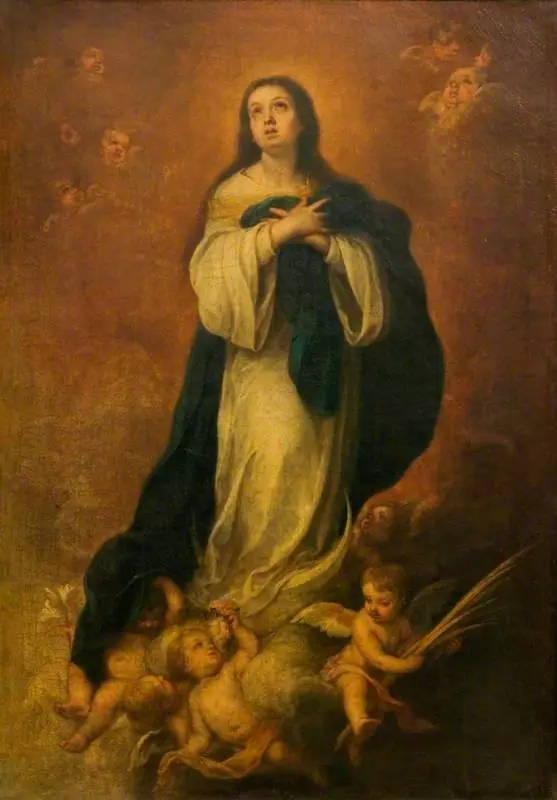
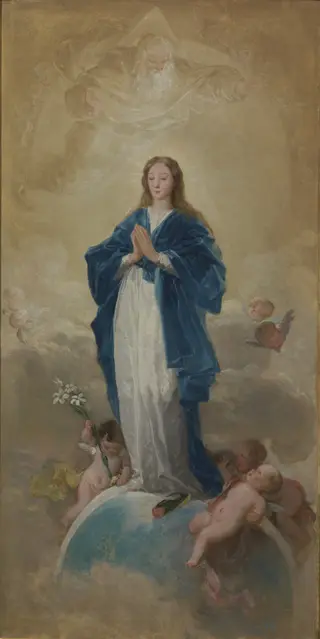
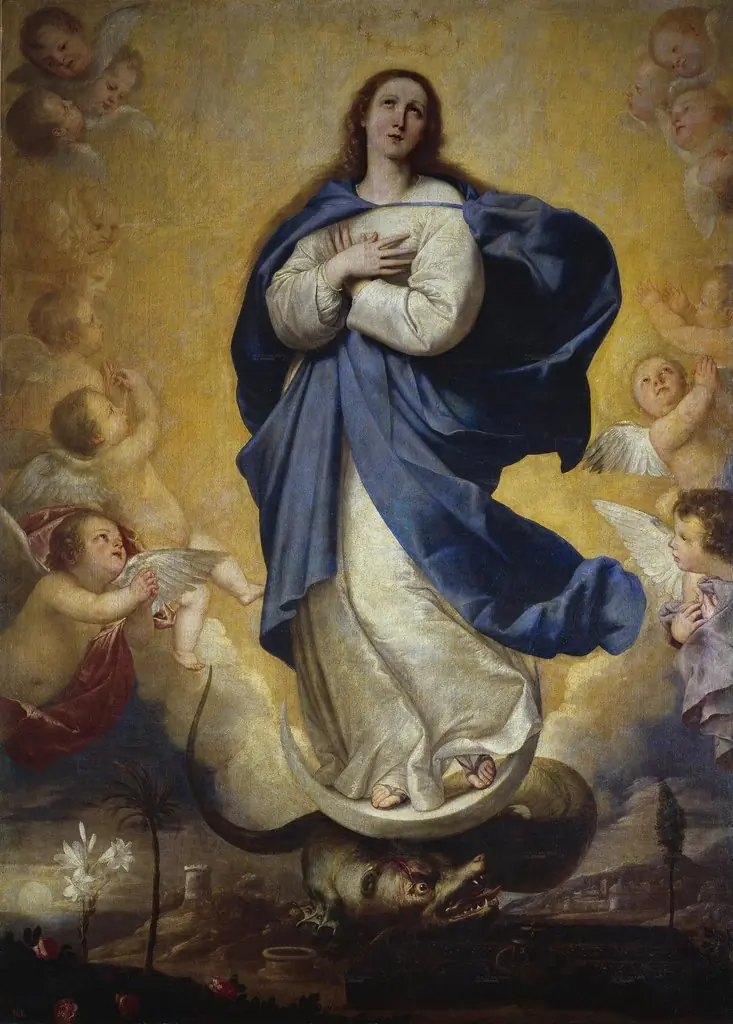
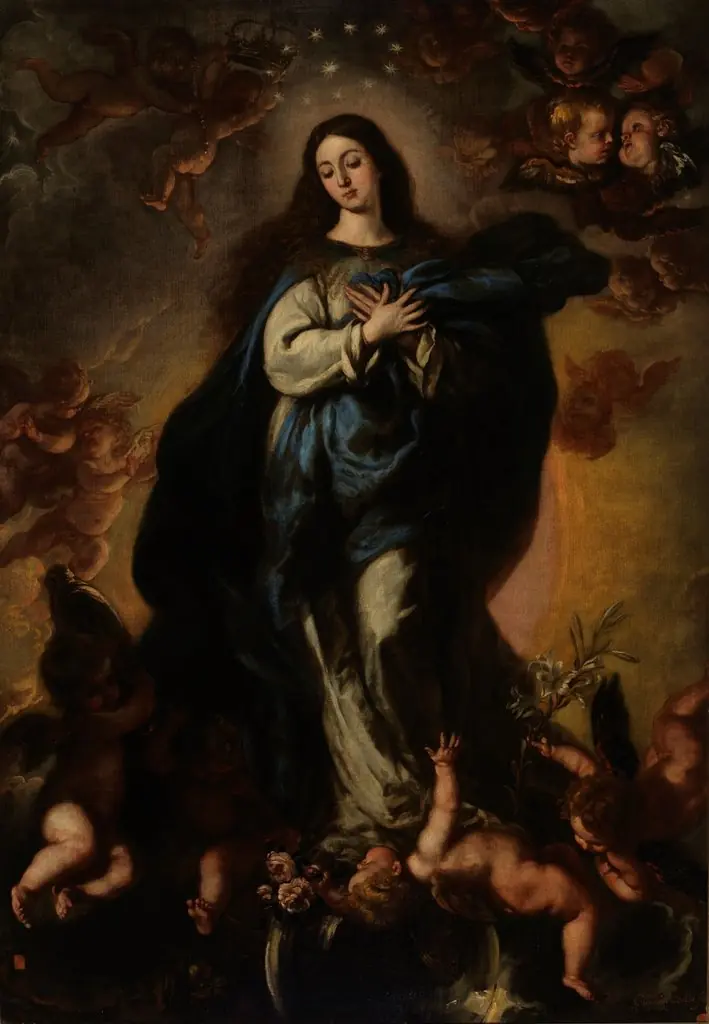
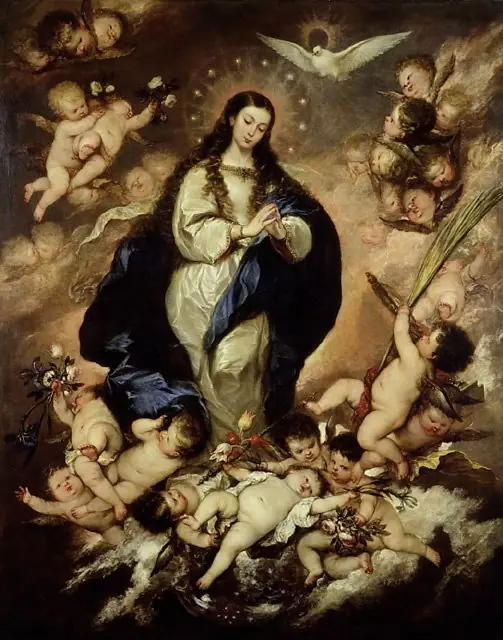
The Immaculate Conception is an oil painting by the Baroque artist Francisco de Zurbarán. It dates from 1658 and is held in the collection of the National Gallery of Ireland.
About this work
Overview
The Immaculate Conception is a 1658 oil painting by Francisco de Zurbarán, depicting the Catholic doctrine of the same name. It is now part of the collection at the National Gallery of Ireland.
Subject & Meaning
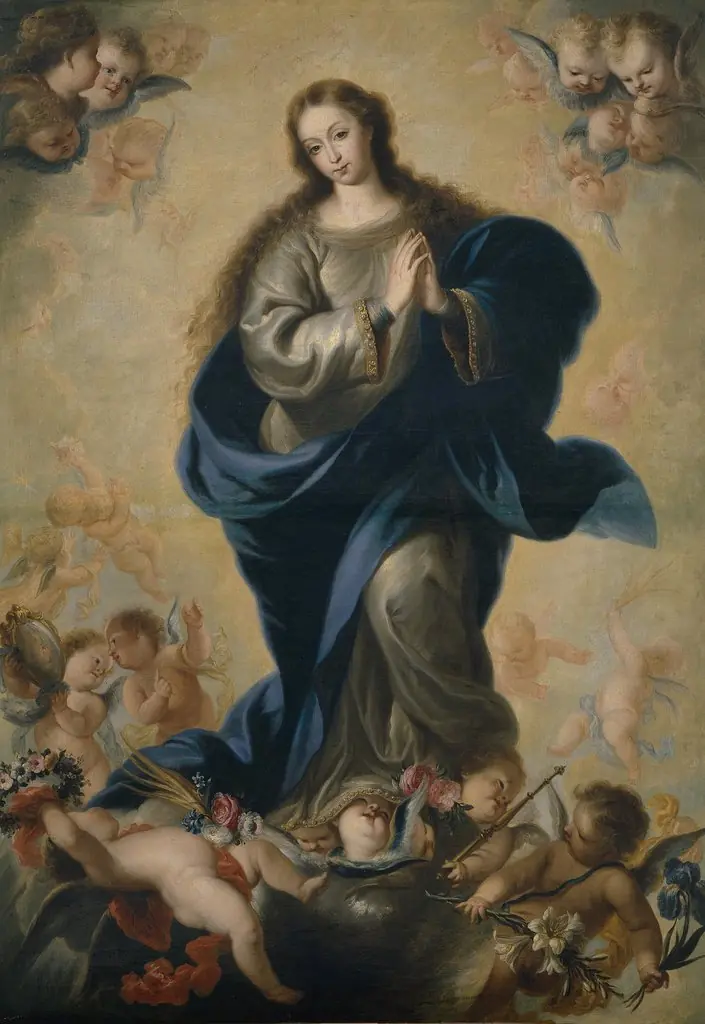
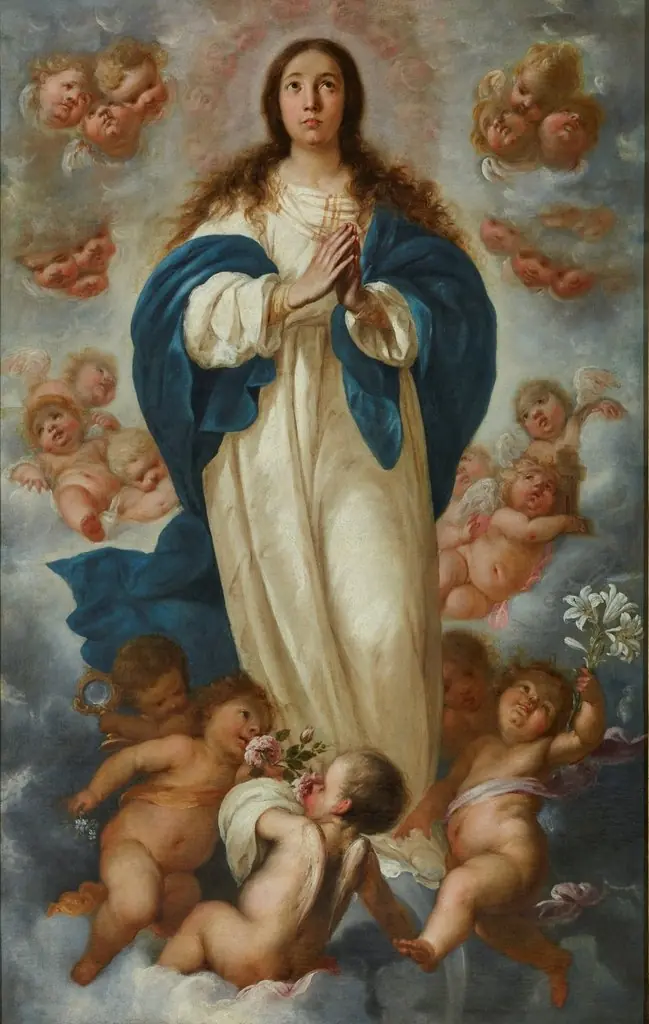
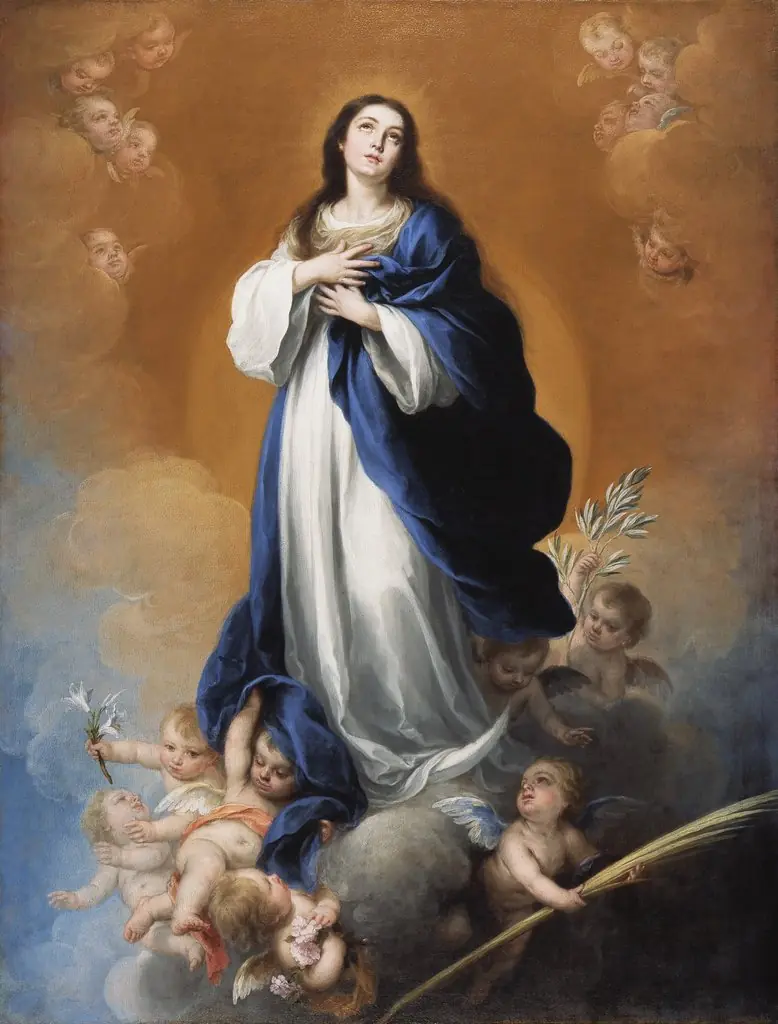
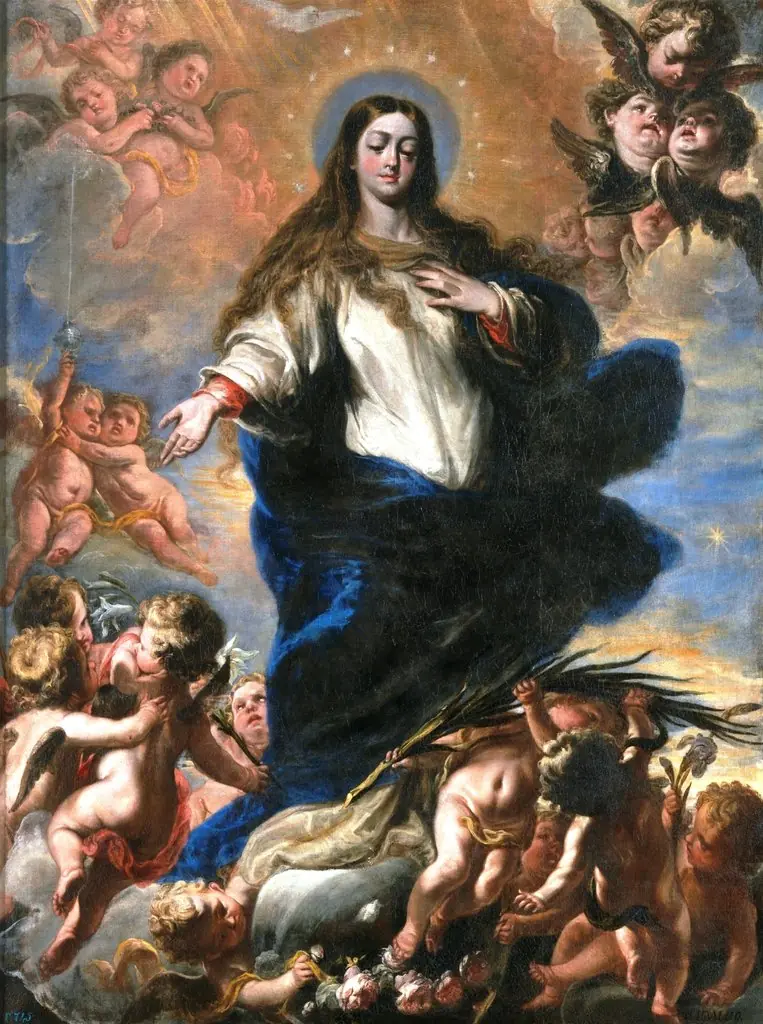
The painting represents the Immaculate Conception of Mary, with the central figure, in white robe and blue cloak, embodying this theological concept. Surrounding angelic figures with musical instruments enhance the sacred scene.
Technique & Style
Zurbarán employed smooth, soft coloration and chiaroscuro, creating a sense of weightlessness for the floating figure of Mary. The calm facial expression and delicate details, such as a red flower in her hair, add to the serene atmosphere.
History & Provenance
Created in 1658, the painting's provenance prior to its current location at the National Gallery of Ireland is not detailed here.
Context
Painted during the Baroque period, this work reflects Zurbarán's characteristic religious themes and stylistic use of light and shadow, common in 17th-century Spanish religious art.
Legacy
As a representation of a key Catholic doctrine by a prominent Baroque artist, The Immaculate Conception contributes to the religious art canon of the period, though its specific influence or renown beyond this is not elaborated here.
Own this work as a print
Artist & collection
Artist
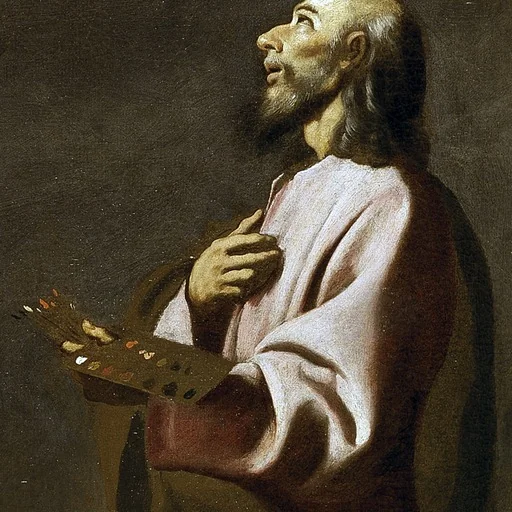
Francisco de Zurbarán was a Spanish Baroque painter. He is known primarily for his religious paintings depicting monks, nuns, and martyrs, and for his still-lifes. Zurbarán gained the nickname "Spanish Caravaggio",…