Artwork
Portrait of a man, probably Jan Miense Molenaer
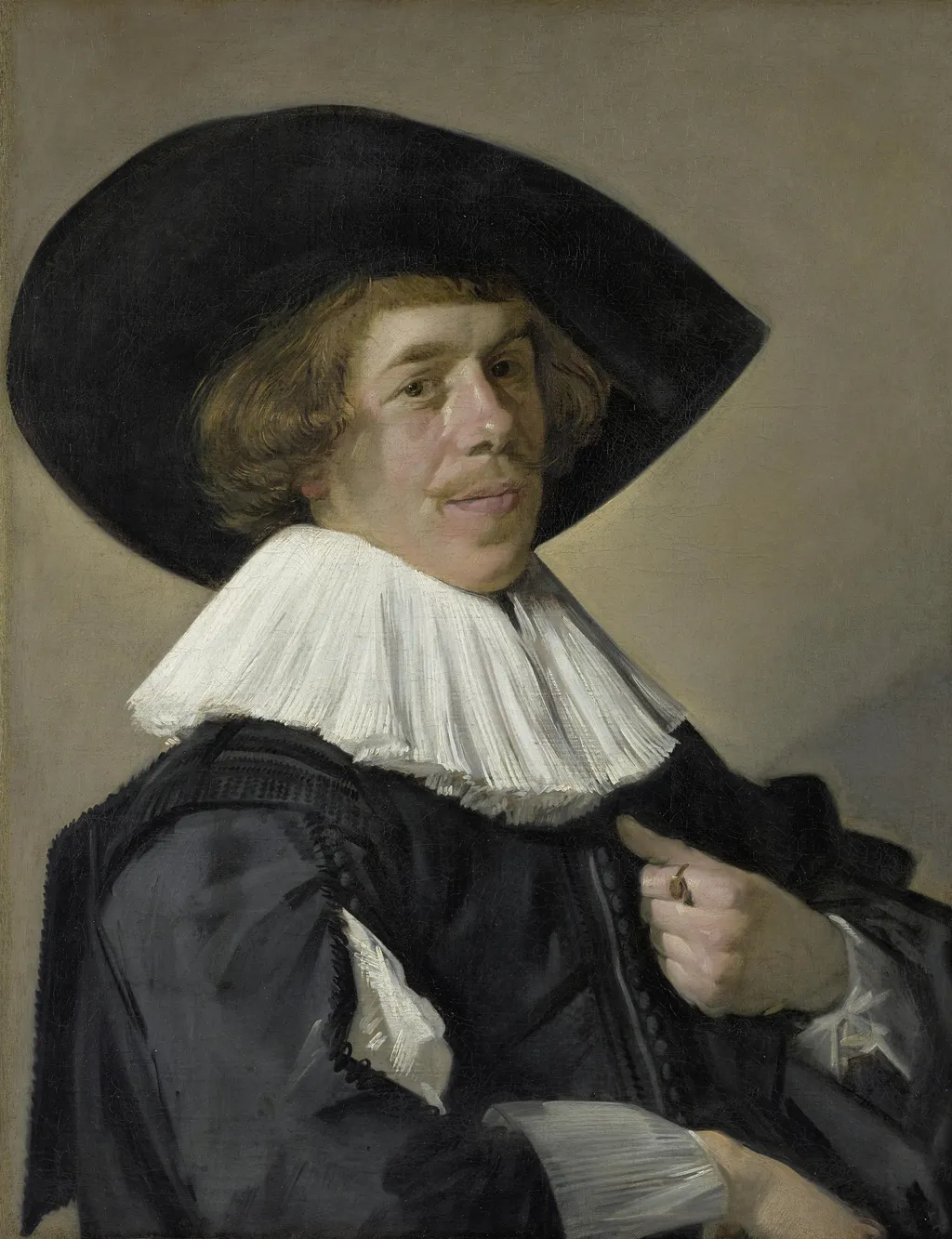
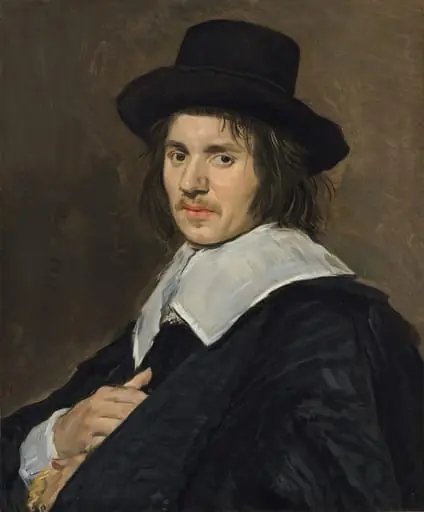
Portrait of a man, probably Jan Miense Molenaer is an oil painting by the Dutch Golden Age artist Frans Hals. It dates from 1630 and is held in the collection of the Gemäldegalerie Berlin.
About this work
Overview
Measuring 75 by 58 centimetres, the work is held in the collection of the Gemäldegalerie, Berlin, where it bears the accession number 800.
Portrait of a man, probably Jan Miense Molenaer is an oil on canvas painting by Frans Hals, dated to 1630, depicting a half-length male figure against a plain background. Measuring 75 by 58 centimetres, the work is held in the collection of the Gemäldegalerie, Berlin, where it bears the accession number 800. The painting matters as a significant example of Hals's portraiture from his Haarlem period and, if the identification of the sitter is correct, offers a rare visual record of a fellow artist who would become an important genre painter of the Dutch Golden Age. The attribution of the sitter to Jan Miense Molenaer, while traditional, remains qualified in the title with 'probably', reflecting the absence of definitive documentary evidence.
Subject & Meaning
The subject is a young man shown from the chest up, turned slightly to his right, his gaze directed outward with lips slightly parted as if caught mid-conversation. He wears a very large, wide-brimmed black hat and a voluminous white pleated collar that spreads across his shoulders, with dark garments and a textured sleeve; a white cuff is visible at one wrist. His right hand, adorned with a ring, grasps the fabric near his chest. The costume signals the prosperous bourgeois status typical of Haarlem sitters in Hals's circle. The plain, nondescript background withholds any setting or contextual detail, focusing attention entirely on the sitter's presence and social identity. The identification as Jan Miense Molenaer, born in 1610 and thus about twenty years old in 1630, would place this as a portrait of a young artist at the outset of his career, though the sources note that Frans Hals is repeatedly named as Molenaer's teacher and that Molenaer achieved a style close to Hals's early on. The directness of the gaze and the informal, momentary quality of the pose are characteristic of Hals's approach to portraiture, which sought to capture individual temperament rather than idealised dignity.
Technique & Style
The painting is executed in oil on canvas, a support Hals employed for many of his portraits during this period. Light falls from the left, illuminating the face, collar, and hand while casting the hat and clothing in deep shadow, creating a strong chiaroscuro effect that models the forms with dramatic contrast. The palette is restricted to blacks, whites, and warm brownish-gray tones, a tonal economy that focuses attention on the play of light across surfaces. The brushwork shows visible texture in the collar, where the pleats are rendered with lively, tactile strokes, and looser handling in the costume. Fine craquelure is visible across the surface, consistent with the painting's age and the ageing characteristics of oil paint on canvas. The handling of paint in the face, with its direct expression and slightly parted lips, exemplifies Hals's ability to suggest animation and psychological presence through economical means. The large hat and spreading collar create a striking silhouette against the muted background, a compositional device Hals used to give his sitters monumentality despite the modest scale of the canvas.
History & Provenance
The painting was created in Haarlem in 1630, at a time when Hals was established as the leading portraitist of that city. The work entered the collection of the Gemäldegalerie, Berlin, in 1840, when it was purchased by the museum. It bears the accession number 800. The painting has been known by its present title, with its qualified identification of the sitter, for a considerable period, though the exact history of the attribution to Molenaer is not specified in the available sources. The work is listed in museum records and on Wikimedia Commons with its German title, Bildnis eines Mannes, and its English equivalent. No specific exhibition history is documented in the provided sources beyond its continuous presence in the Gemäldegalerie collection.
Context
Frans Hals was the dominant portrait painter in Haarlem during the 1620s andFigure 1630s, and this work exemplifies the informal, immediate style that distinguished his approach from the more rigid conventions of Amsterdam portraiture. The probable sitter, Jan Miense Molenaer, was at this time a young artist who, according to later sources, may have been Hals's pupil and who achieved a style close to Hals's early in his career. Molenaer's earliest dated painting is from 1629, and his first payment to Haarlem's Guild of St Luke was registered in 1634, so this portrait, if correctly identified, would capture him at the very beginning of his independent career. The painting thus occupies an interesting position at the intersection of two artistic biographies: it represents Hals's portraiture of a younger colleague who would go on to become a significant genre painter in his own right, and whose wife, Judith Leyster, was also a painter of note. The qualified attribution 'probably' in the title reflects the scholarly caution that surrounds many identifications of sitters in Dutch Golden Age portraiture, where documentary evidence is often lacking and identifications frequently depend on traditional attributions, family resemblance to other portraits, or circumstantial evidence.
Legacy
The painting has entered the public domain and is widely reproduced, as indicated by its presence on Wikimedia Commons and its use in commercial print reproductions. Its value as a historical document lies in the possibility that it preserves the likeness of Jan Miense Molenaer, an artist whose own work is well represented in major collections but whose appearance would otherwise be unknown. The portrait's continued display in the Gemäldegalerie, one of Germany's foremost collections of Old Master paintings, ensures its visibility to scholars and the public. The work also serves as a point of reference in discussions of Hals's portraiture of fellow artists and the social networks of the Haarlem school. The identification of the sitter remains an open question in scholarship, with the qualified title reflecting ongoing uncertainty. If the attribution to Molenaer is correct, the painting gains additional interest as a document of artistic lineage and friendship in the Dutch Golden Age, capturing a moment when Hals, already established, portrayed a younger artist who would develop his own distinctive path in genre painting.
Own this work as a print
Artist & collection
Artist
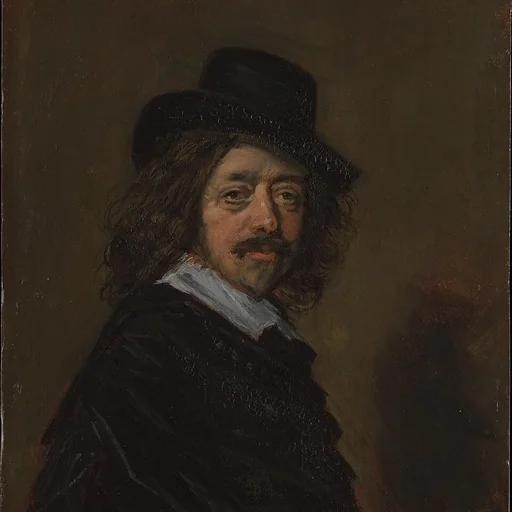
Frans Hals the Elder (UK: US:; Dutch:; c. 1582 – 26 August 1666) was a Dutch Golden Age painter. He lived and worked in Haarlem, a city in which the local authority of the day frowned on religious painting in places of…

- Portrait of Isaak Abrahamsz. Massa
 Portrait of a man
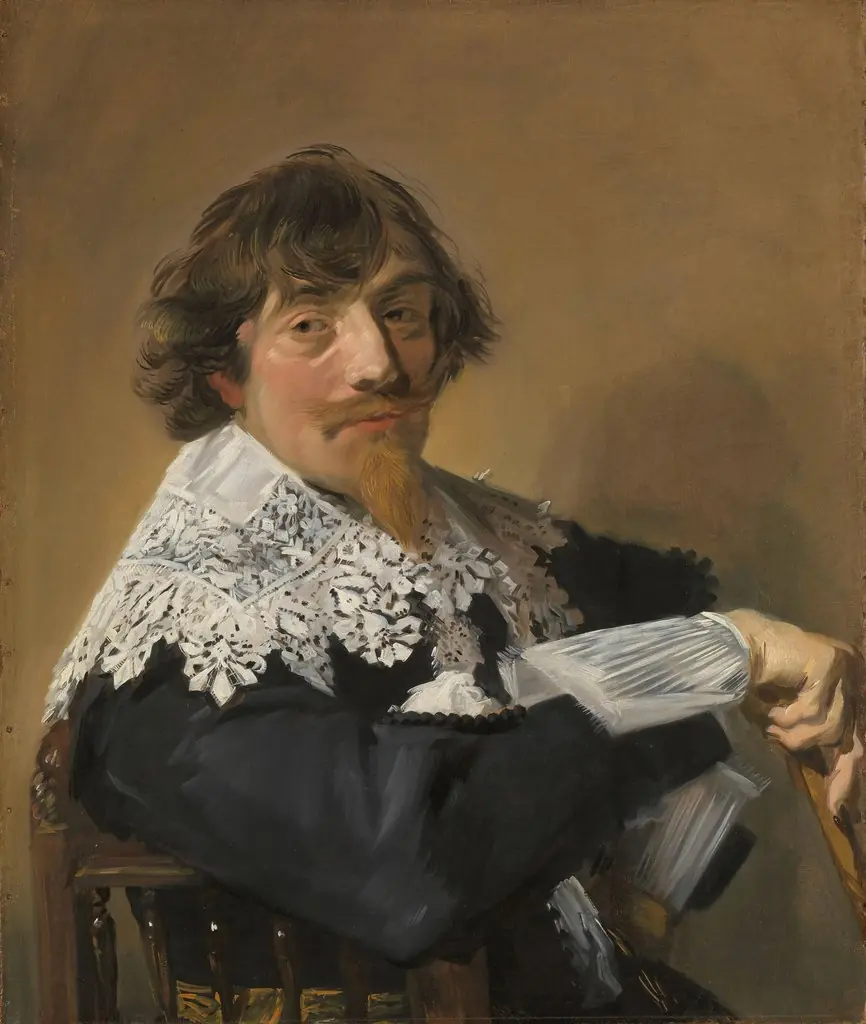 Portrait of Nicolaes Hasselaer (1593-1635)
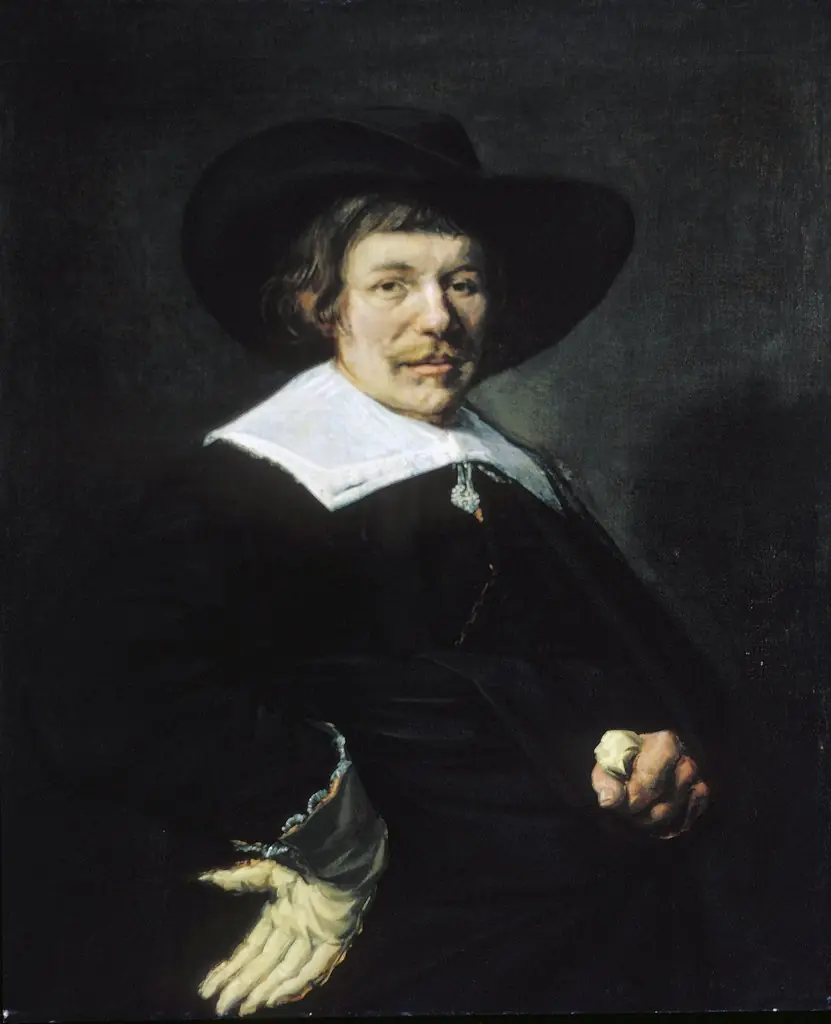 Portrait of a man with tassle collar and floppy hat
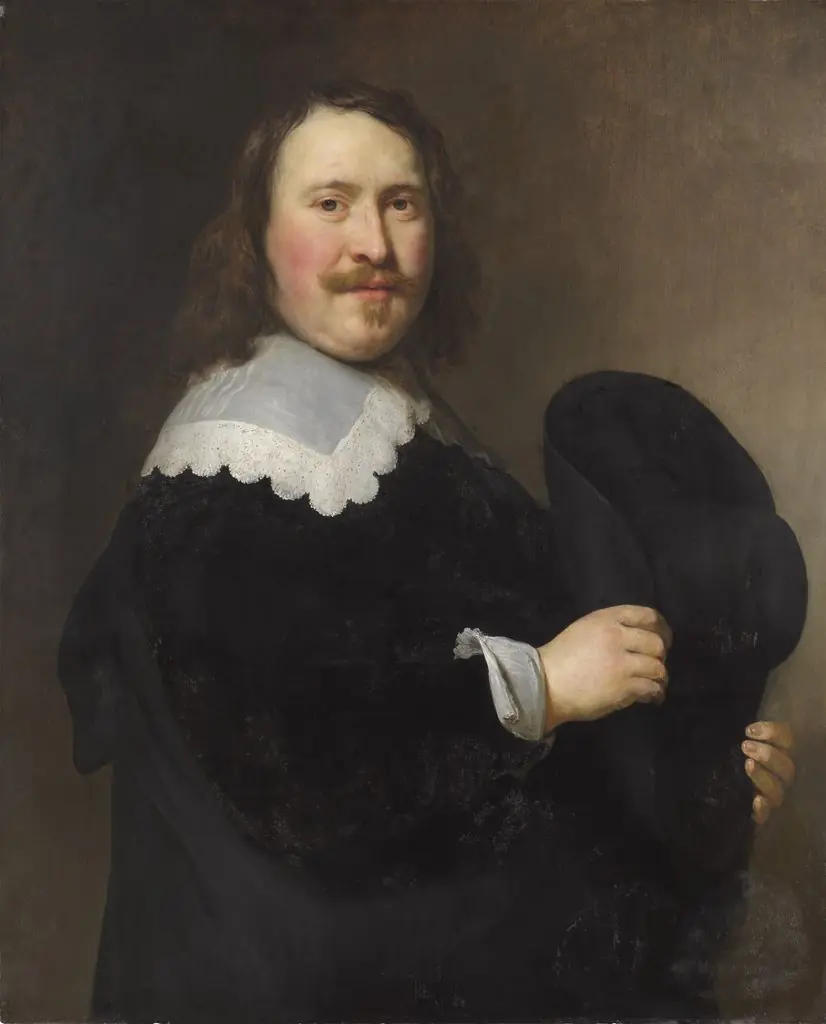 Portrait of a Man with a Hat
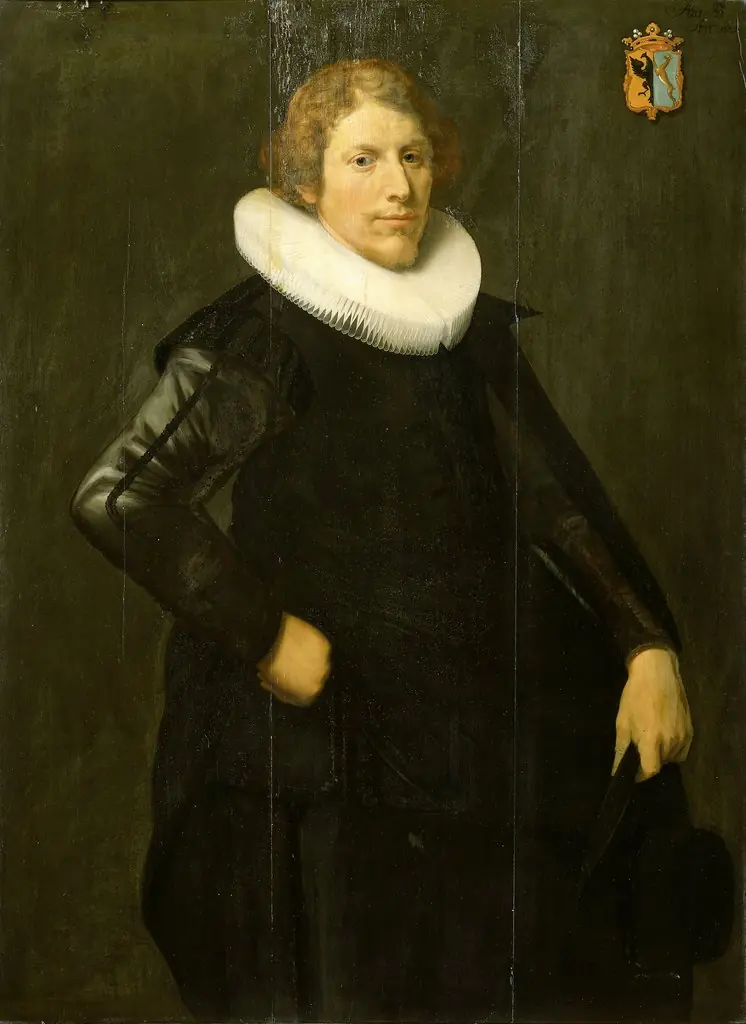 Portrait of Gerrit Ottsz Hinlopen (1603/04-1646)
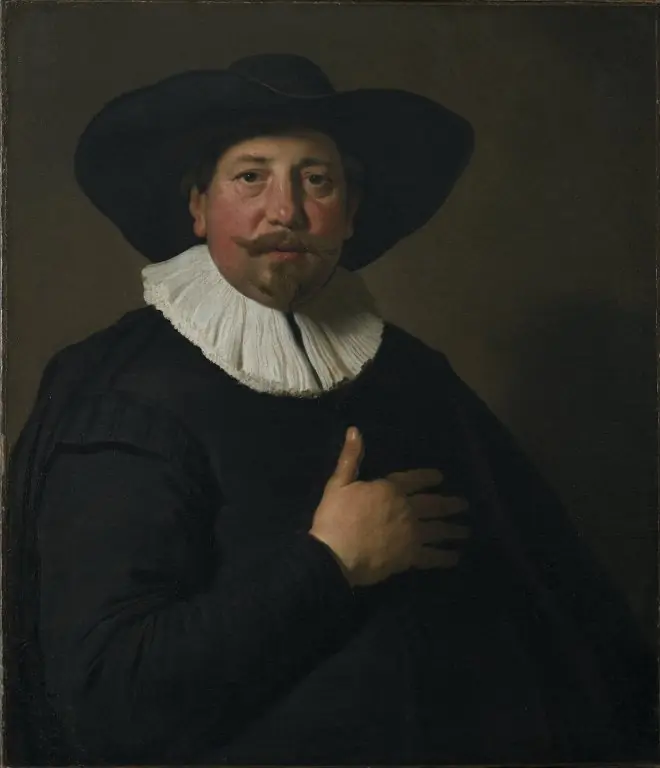 Portrait of a man
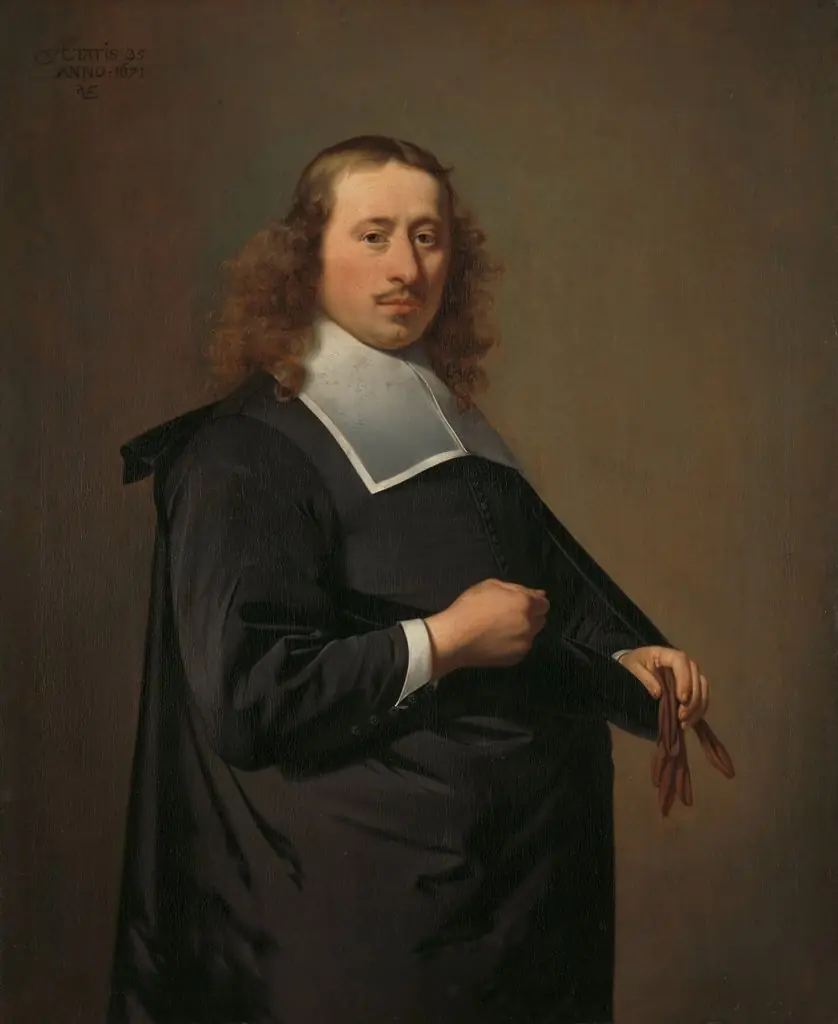 Willem Jacobsz Baert (1636-84). Mayor of Alkmaar and Amsterdam
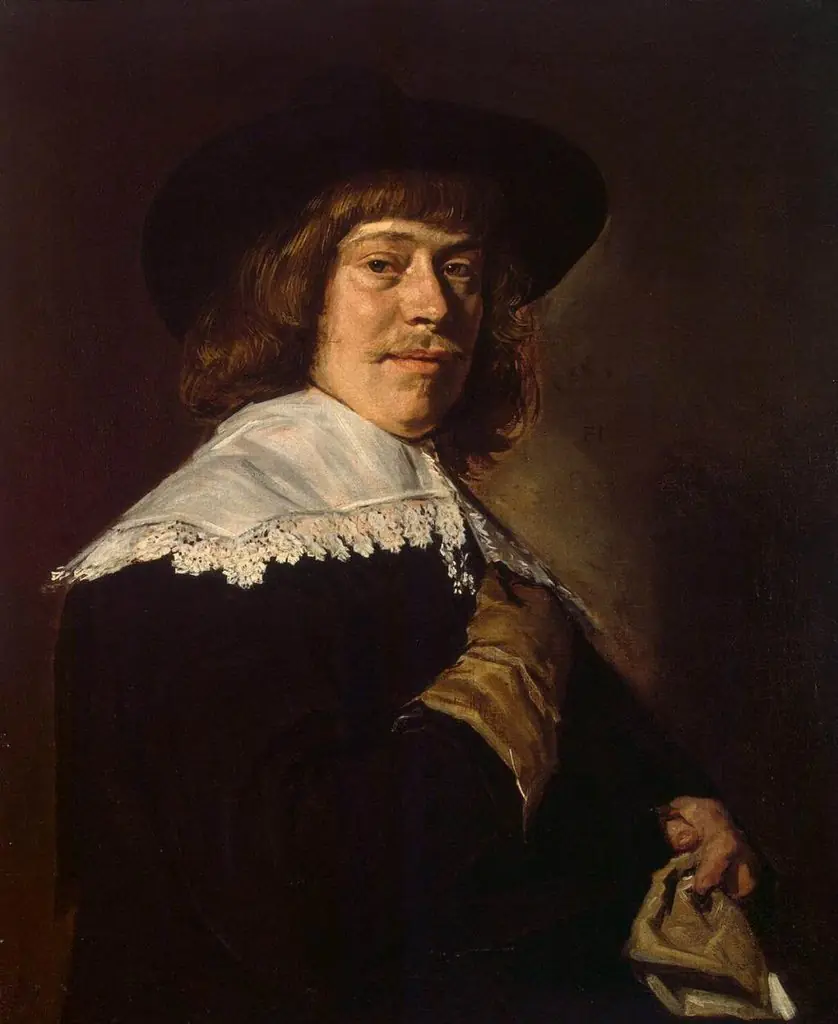 Portrait of a Young Man Holding a Glove
 Portrait of Herman Doomer
 Portrait of a man
 Portrait of a Man