Artwork
Portrait of a Young Man Holding a Glove
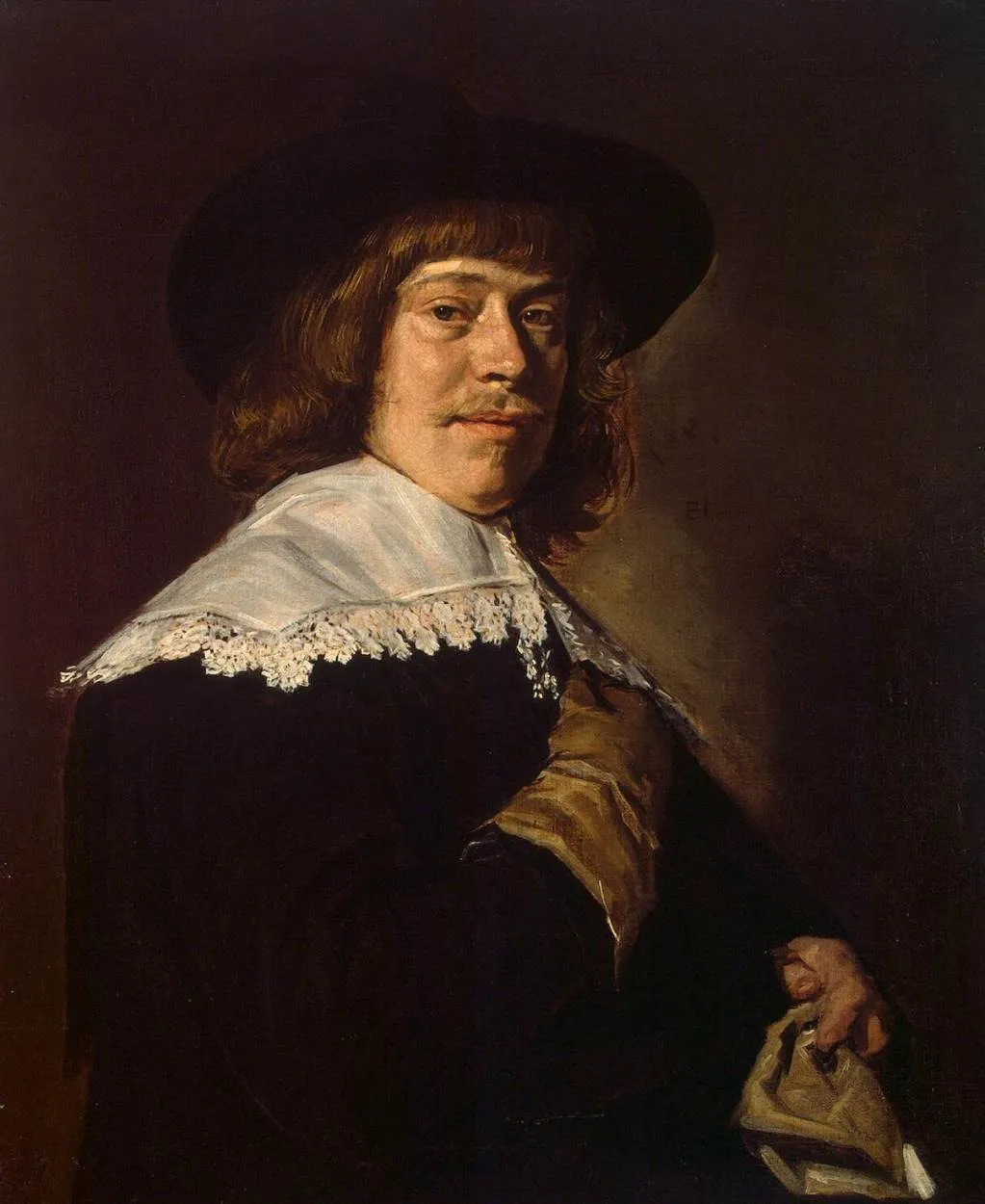
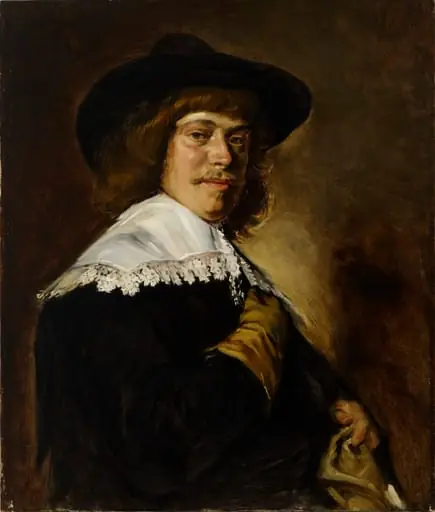
Portrait of a Young Man Holding a Glove is an oil painting by the Dutch Golden Age artist Frans Hals. It dates from 1650 and is held in the collection of the Hermitage Museum.
About this work
It was owned by Frederick the Great before he sent it to Catherine the Great, and the Hermitage bought it in 1764.
Portrait of a Young Man Holding a Glove is an oil painting by Frans Hals, dated around 1650. The work shows a man with a glove, but we don’t know his name. Some scholars think he may have been a doctor, because the painting was once called Portrait of a Doctor.
It was owned by Frederick the Great before he sent it to Catherine the Great, and the Hermitage bought it in 1764. Hals painted it in his quick, lively style. The portrait now hangs in the State Hermitage Museum.
Subject & Meaning
The painting portrays a young man in a black outfit with a white collar and a wide-brimmed hat. His right hand wears a glove while his left hand holds another glove, a detail that signifies his elevated social standing. Symbolically, the gloves have been interpreted as a reference to medical practice, suggesting the sitter may be a physician, a theory supported by scholarly speculation linking him to Cornelis Schrevelius, a Haarlem doctor of the 1650s.
The work’s dynamic composition and rapid brushwork exemplify Frans Hals' signature style, capturing both the subject's status and psychological presence. The portrait entered the Hermitage Museum in 1764 after being owned by Johann Ernst Gotzkowsky and previously by Frederick the Great, who transferred it to Catherine the Great as part of a debt settlement.
Technique & Style
The work is an oil-on-canvas portrait painted in 1650, executed in the rapid, spontaneous manner characteristic of Frans Hals' brushwork. The canvas measures 80 cm by 66.5 cm and depicts a young man in a black habit with a white collar, wearing a hat and holding a glove in his left hand while the right hand rests on his chest. The gloves signal the sitter's elevated social status, and although his identity remains uncertain, scholarship has linked him to Cornelis Schrevelius, a Haarlem physician.
The painting entered the Hermitage collection in 1746 after acquisition from collector Johann Ernst Gotzkowsky and was later associated with Frederick the Great and Catherine the Great. Its formal composition combines dynamic gesture with a loose rendering of details, exemplifying Dutch Golden Age portraiture.
The technique emphasizes loose brushstrokes and a vivid, almost impressionistic handling of light and texture, while the material support is a canvas prepared for oil paint. The work's condition reflects its age, with a stable varnish layer and no significant damage reported in museum records.
History & Provenance
Frans Hals painted this oil-on-canvas portrait in Haarlem around 1640–1650, with sources giving dates of 1640 and 1650. The work may depict Cornelis Schrevelius, a physician and later dean of the Latin school of Leiden, though the sitter's identity remains uncertain. The painting possibly remained with Schrevelius's family into the early 18th century.
The portrait entered the collection of Johann Ernst Gotzkowsky, a Prussian collector and merchant. Frederick the Great of Prussia subsequently owned the work before sending it to Catherine the Great of Russia as part of a batch of paintings used to settle debts. The Hermitage Museum in Saint Petersburg acquired the painting from Gotzkowsky in 1746 (or 1764 by another account), where it remains today.
The painting is held in the State Hermitage Museum, Saint Petersburg, with accession details recorded in the museum’s holdings.
It entered the Hermitage in 1764 after being purchased from the Prussian collector Johann Ernst Gotzkowsky. Prior to this, it was owned by Frederick the Great, who transferred it to Catherine the Great of Russia in settlement of debts owed to the Russian state. The work is displayed in Gallery 249 of the New Hermitage, dedicated to seventeenth-century Flemish painting.
Context
The portrait is widely cited as an example of Frans Hals's signature "rapid spontaneous manner of painting," a quality that has shaped its standing in the historiography of Dutch Golden Age portraiture. The Spanish-language commentary underscores Hals's recognized capacity to convey the sitter's psychology through pose and gaze, while noting that he sometimes only sketches the strokes, a hallmark of his broader practice. Scholarly attention has focused on the sitter's identity, with the subject long believed to be a physician; the painting was formerly titled Portrait of a Doctor.
The work is also linked to the Haarlem intellectual milieu of the Schrevelius family, whose patriarch Theodorus Schrevelius was an acquaintance of Hals and wrote about him in his history of Haarlem (1647/1648). Its provenance through Frederick the Great and Catherine the Great has further cemented its place within the canon of Flemish Baroque painting.
Overview
Frans Hals created this oil on canvas portrait in the mid‑17th century, depicting a young man grasping a glove. The sitter’s identity remains uncertain, though earlier catalogues once listed the work as a doctor’s portrait. The painting is part of the State Hermitage Museum’s collection in St. Petersburg, where it has been displayed since the mid‑18th century.
Artist & collection
Artist
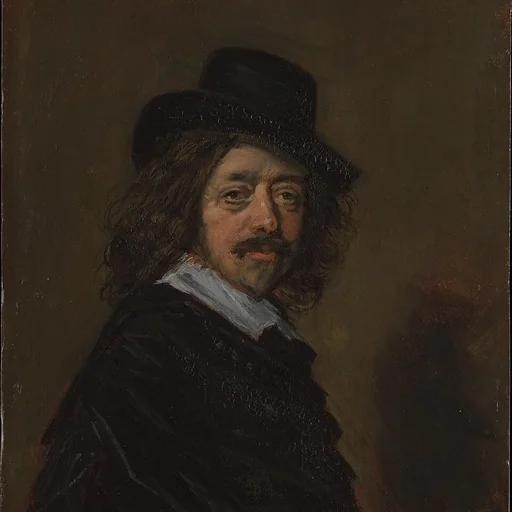
Frans Hals the Elder (UK: US:; Dutch:; c. 1582 – 26 August 1666) was a Dutch Golden Age painter. He lived and worked in Haarlem, a city in which the local authority of the day frowned on religious painting in places of…

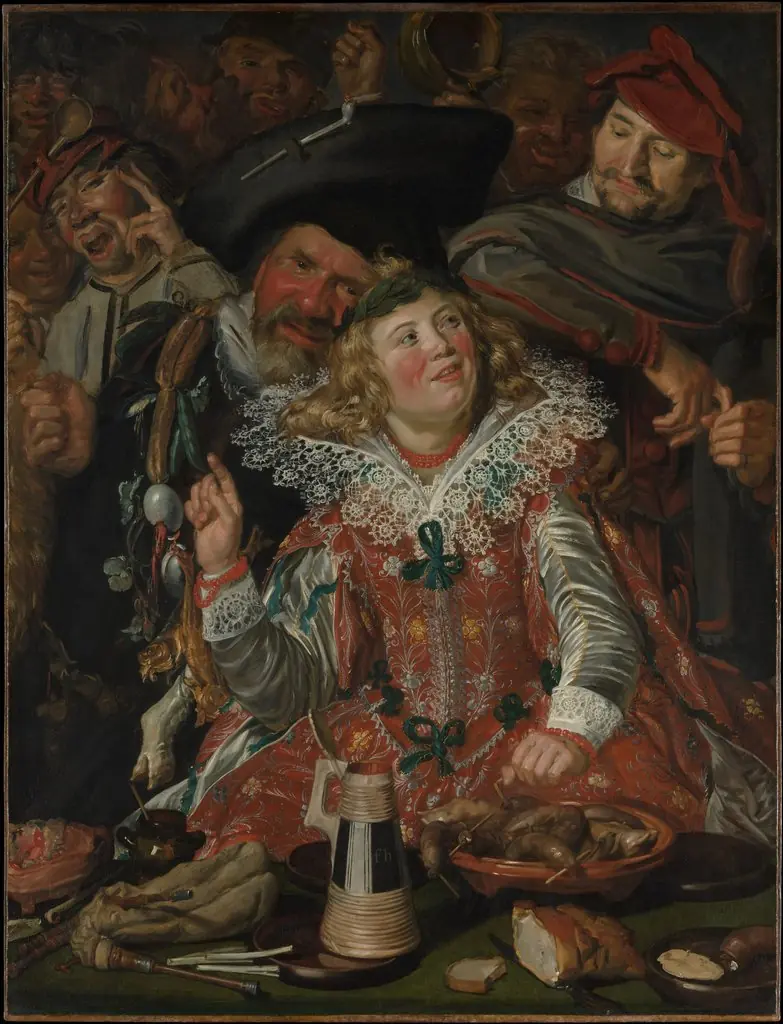
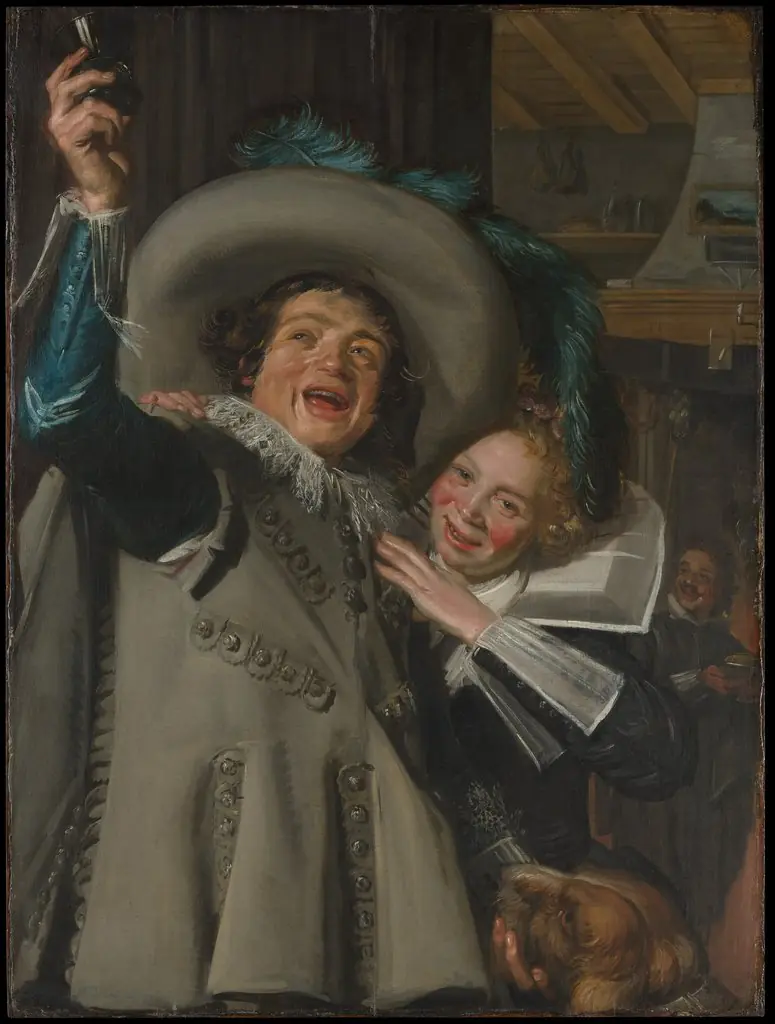
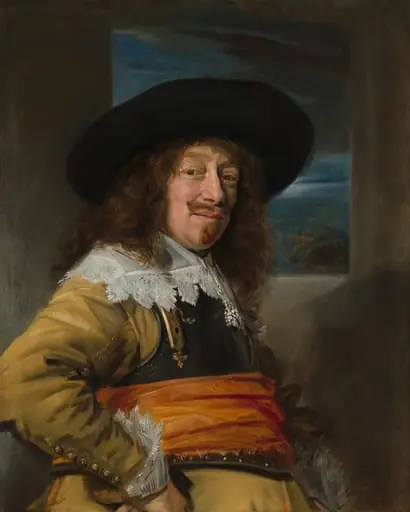
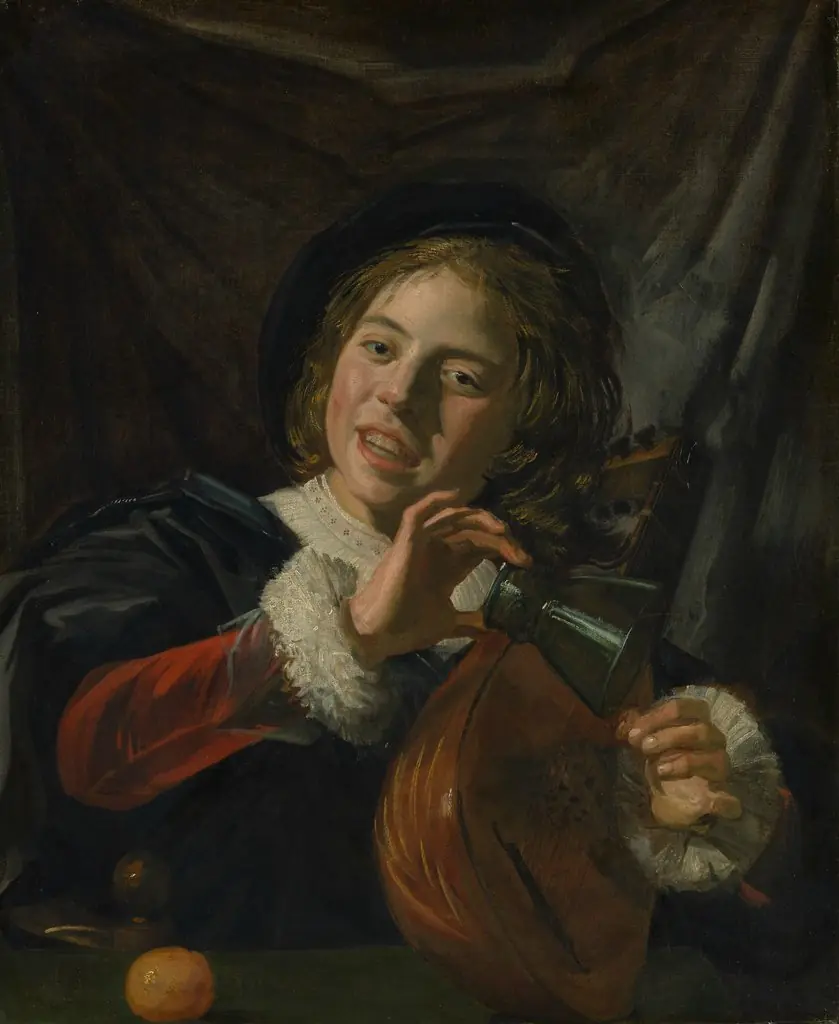
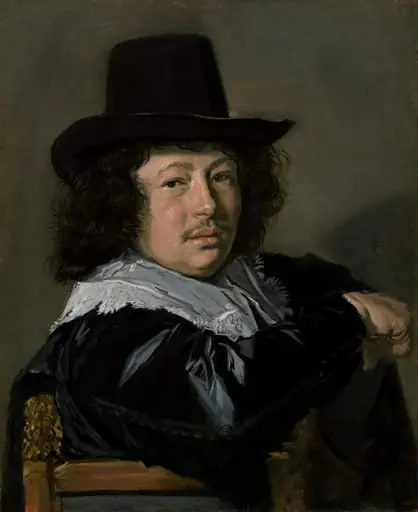
 Nuoren miehen muotokuva käsine kädessään, kopio Frans Halsin mukaan
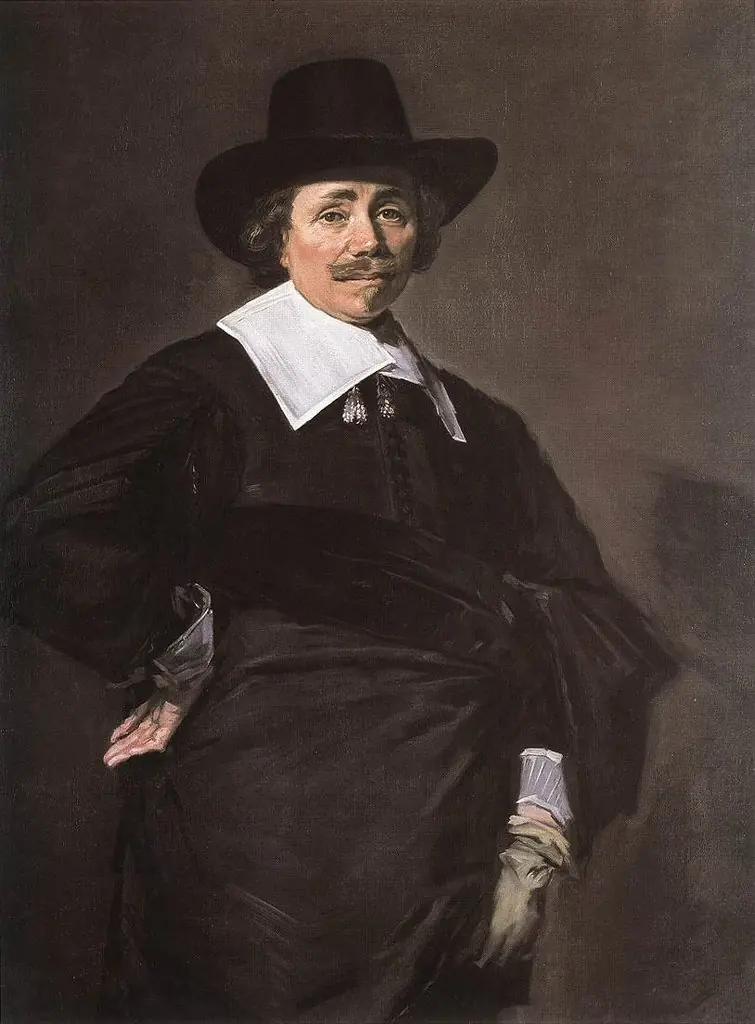 Portrait of a man
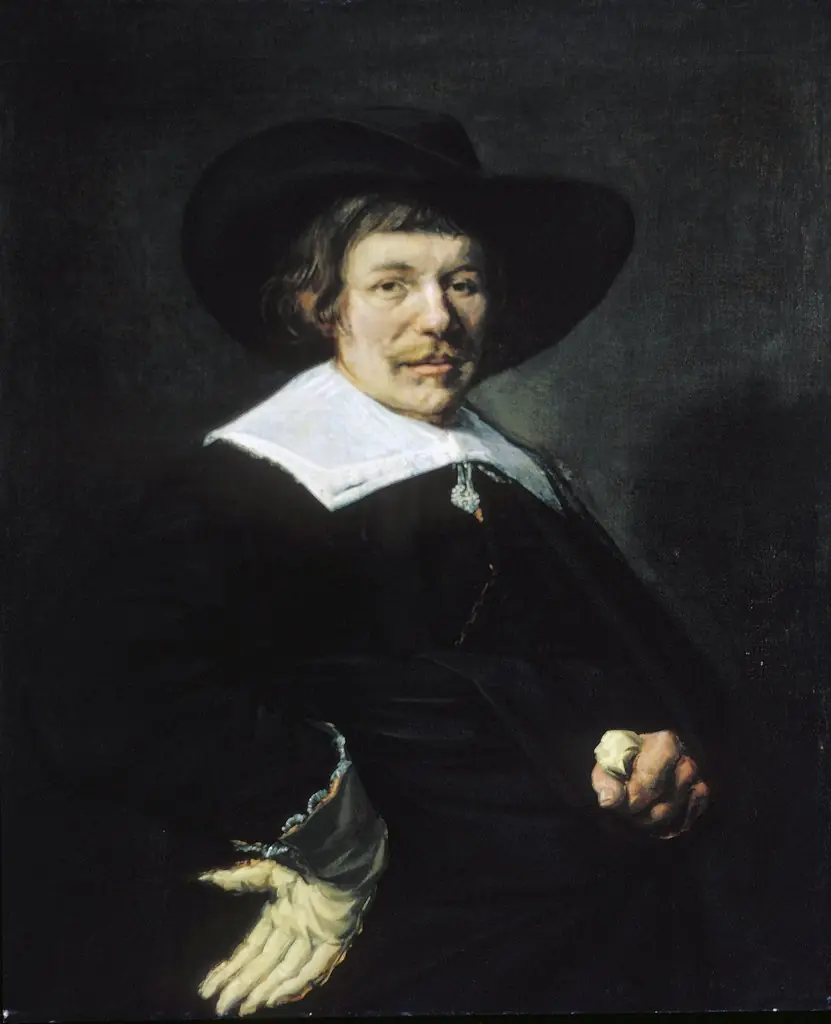 Portrait of a man with tassle collar and floppy hat
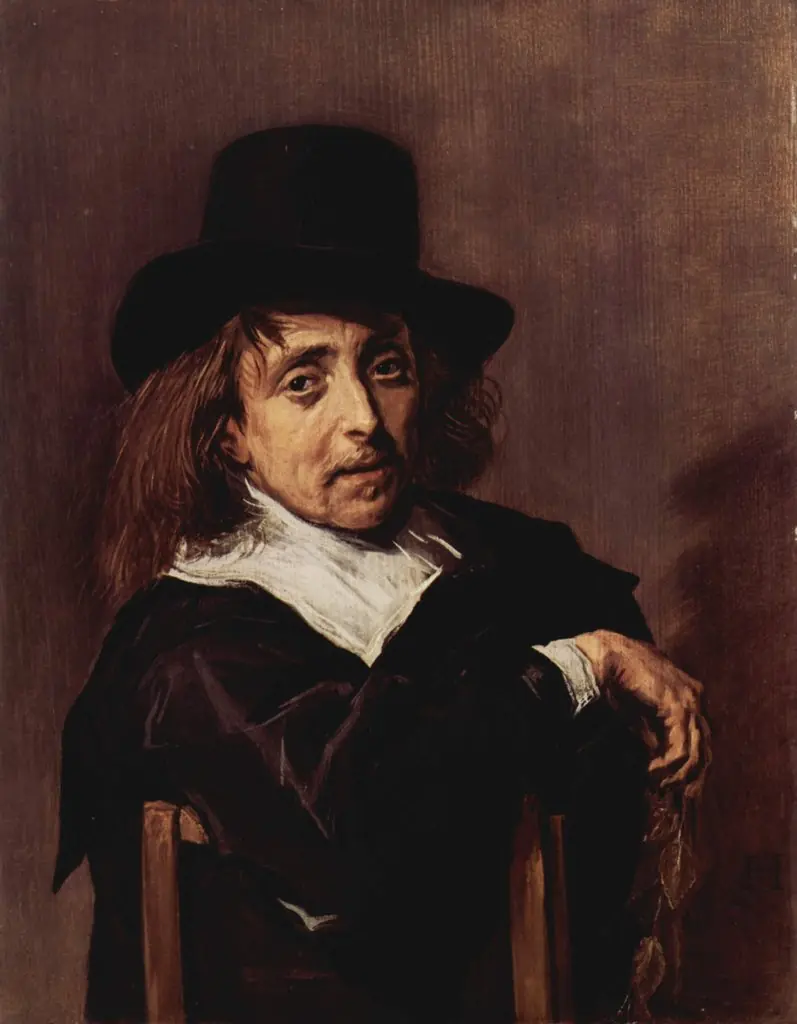 Portrait of a man
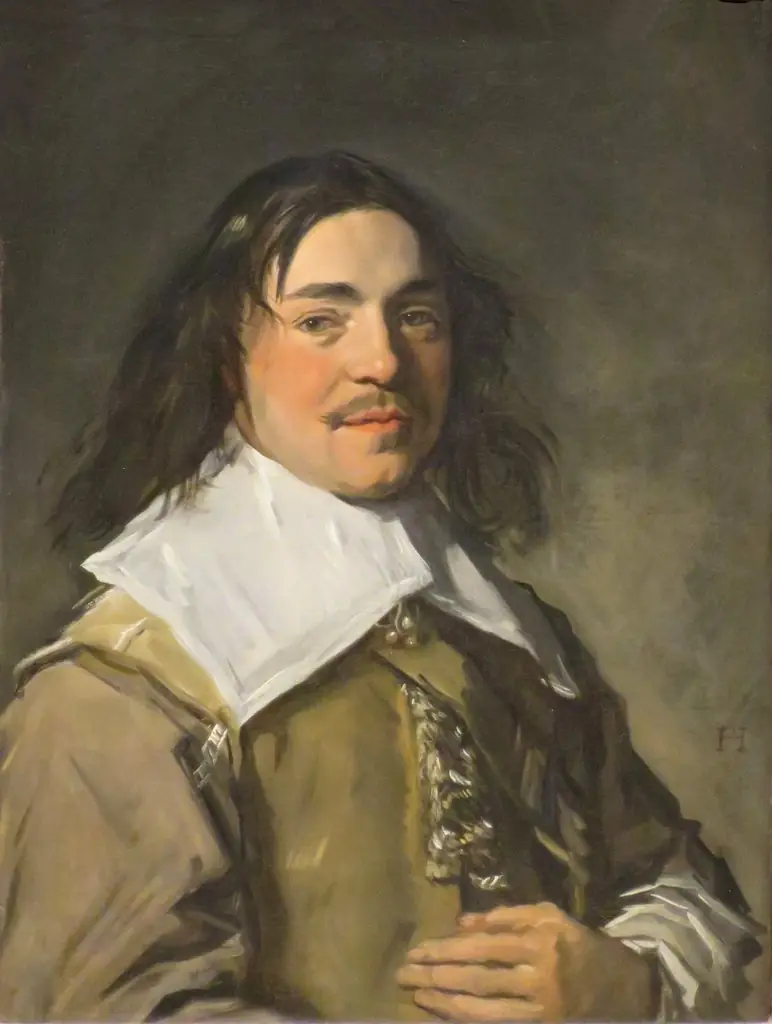 Portrait of a man
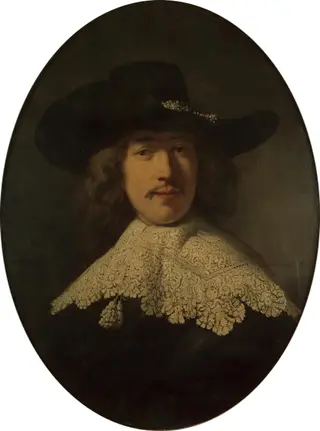 Portrait of a Young Bachelor
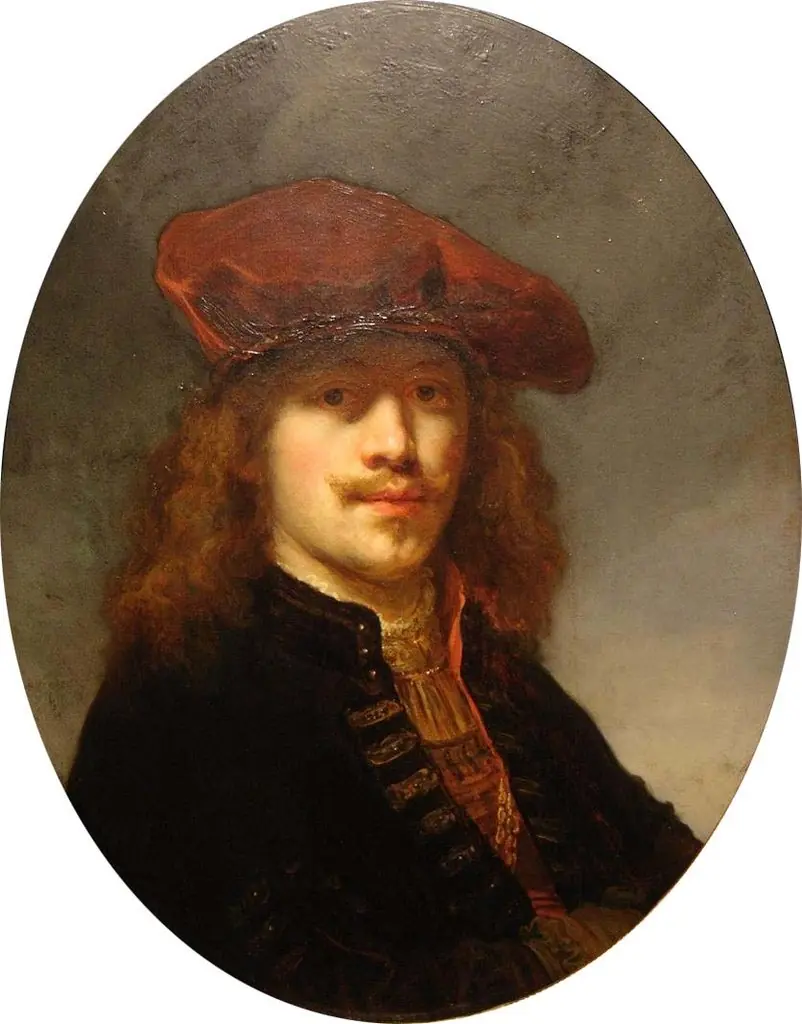 Self-portrait
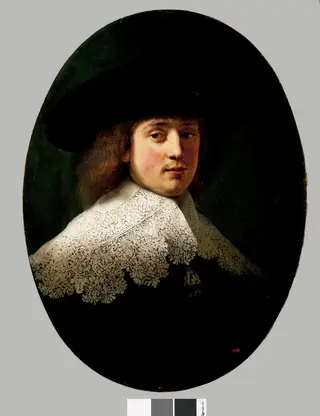 Portrait of Maerten Soolmans (1613–1641)
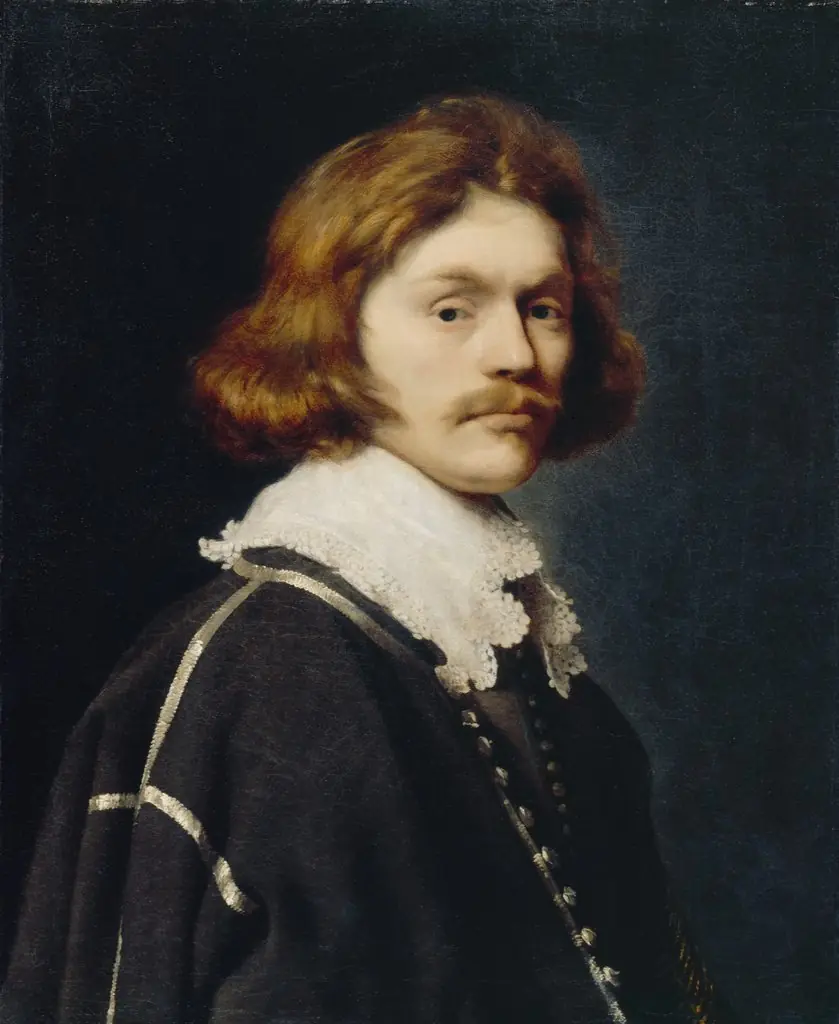 Young Cavalier
 Portrait of a Young Man
- Portrait of a man with gloves in hand