Artwork
The Greasy Pole
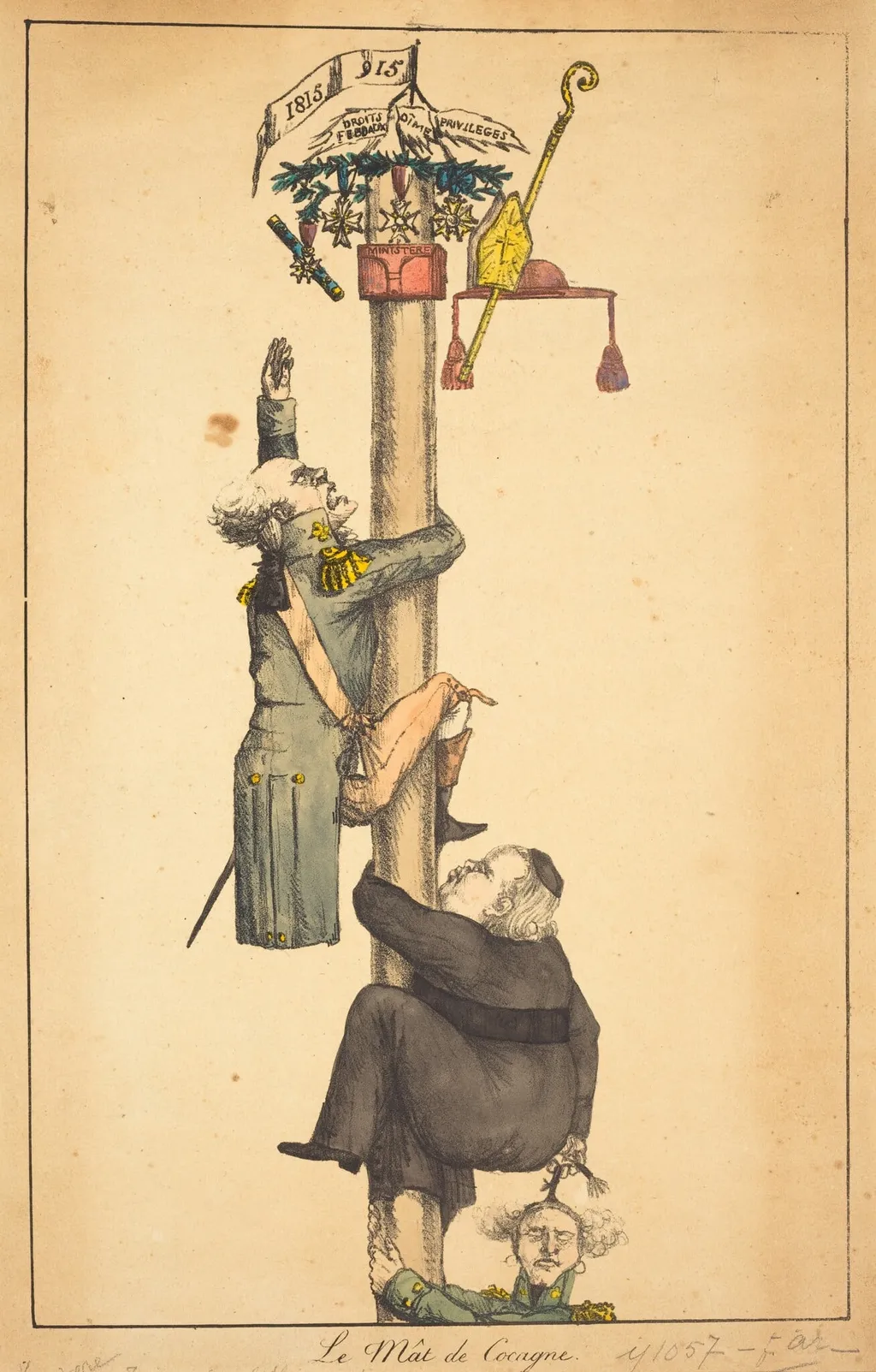
The Greasy Pole is an ink print by the Romanticist artist French 19th Century. It dates from 1815 and is held in the collection of the National Gallery of Art. The work titled The Greedy Pole is a colored lithographic print that depicts three figures attempting to ascend a tall, ornamented pole.
About this work
The top of the pole has a banner with the year "1815" and words like "Droits," "Feodaux," and "Privileges.
This drawing shows three men climbing a tall pole covered in symbols. The top of the pole has a banner with the year "1815" and words like "Droits," "Feodaux," and "Privileges." One man is reaching up, another is climbing, and a third is bent over at the bottom, struggling.
The pole is decorated with stars, a crown, and a tiny throne labeled "Ministre." A yellow cane and a hat dangle from the pole too.
The banner and symbols mock power and old rules, like taxes and special rights for nobles. The title The Greasy Pole hints this climb is impossible, no one reaches the top.
Want to know more? Look up lithography to see how this print was made.
Overview
The work titled The Greedy Pole is a colored lithographic print that depicts three figures attempting to ascend a tall, ornamented pole. The composition centers on the pole’s surface, which is covered with a variety of symbolic motifs, while a banner at the summit bears the date 1815 and a series of political terms.
Subject & Meaning
The three men represent different stages of the climb: one at the base, bent and struggling; a second midway, actively climbing; and a third reaching toward the top. The pole’s decorations, stars, a crown, a miniature throne labeled “Ministre,” a yellow cane and a hat, along with the banner’s words such as “Droits,” “Feodaux” and “Privileges,” satirize the entrenched privileges of the aristocracy and the fiscal burdens of the era, suggesting the futility of attaining true power.
Technique & Style
Executed as a lithograph, the image employs color applied through stencil-like methods, a common practice in early 19th‑century printmaking to achieve vivid, flat areas of hue. The line work is precise, emphasizing the contrast between the smooth pole and the strained bodies of the climbers, while the symbolic emblems are rendered in a graphic, almost caricatural manner.
Context
The date on the banner, 1815, places the image in the immediate aftermath of the Napoleonic Wars, a period marked by restoration of monarchic authority and renewed debate over feudal rights and tax obligations in France. The print’s satirical tone reflects contemporary criticism of the re‑established social hierarchy and the perceived impossibility of overturning entrenched privileges.
Legacy
As a visual commentary on post‑Napoleonic politics, the print illustrates how lithography served as a vehicle for political satire in the early 19th century. Its allegorical use of the “greasy pole” metaphor continues to be referenced in studies of visual rhetoric concerning power structures and social mobility.
Artist & collection

Artist
This sculptor liked to keep sharp tools in the studio and blunt ones in his pocket, his niece recalled finding him absentmindedly whittling a stick while talking philosophy.

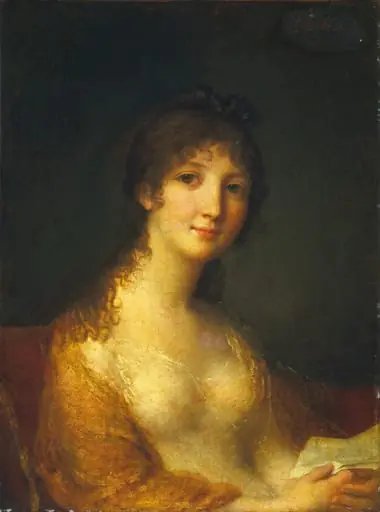
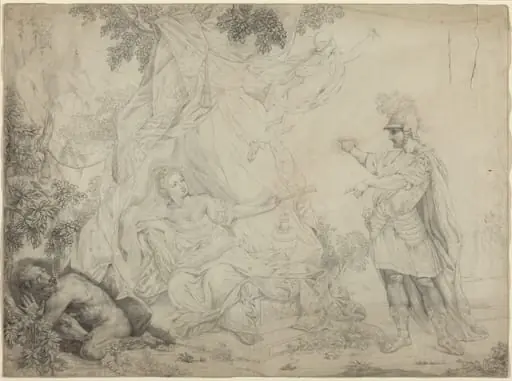
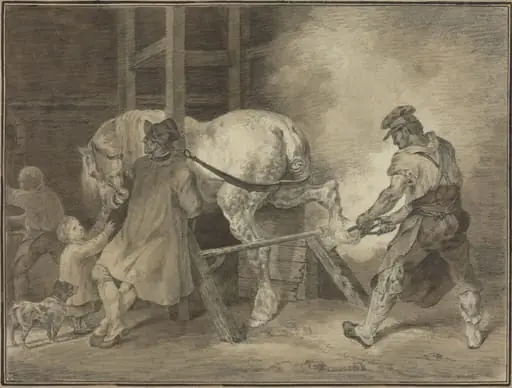
- L'ancien négociant
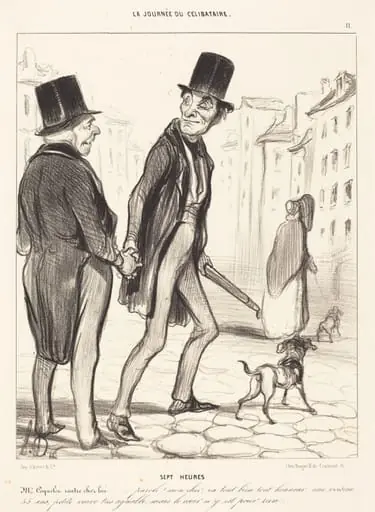 Sept heures
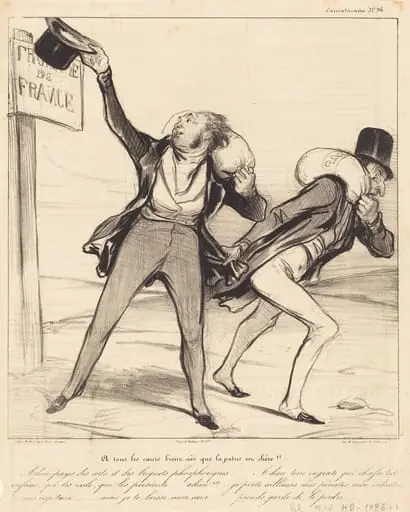 A tous les coeurs bien nés que la patrie est chère!!!
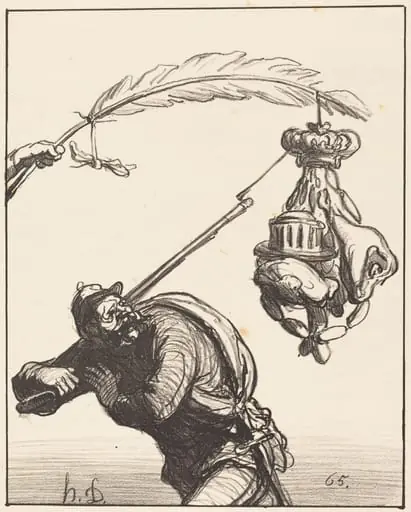 La paix a tout prix
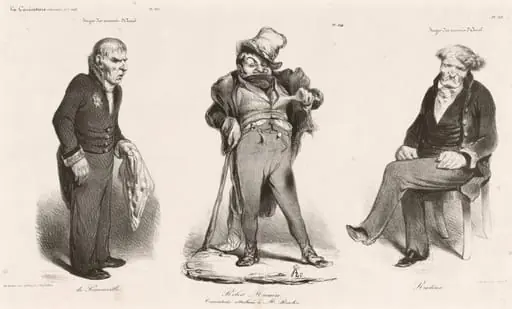 Huguet de Sémonville - Robert Macaire (Thiers) - Comte Roederer
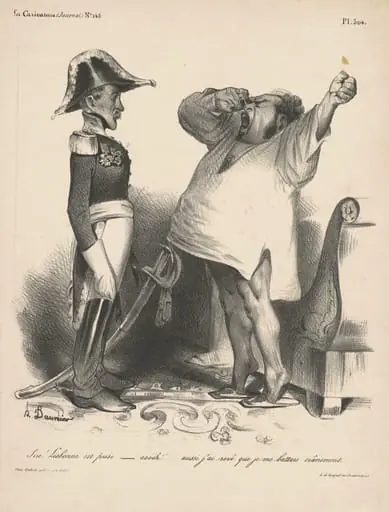 Sire! Lisbonne est prise... (Sire! Lisbon has been captured...)
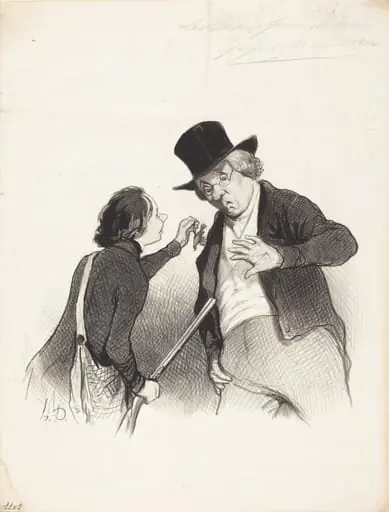 Un Début a la chasse
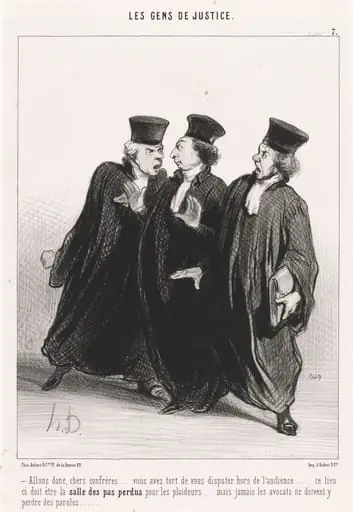 Allons donc, chers confrères...
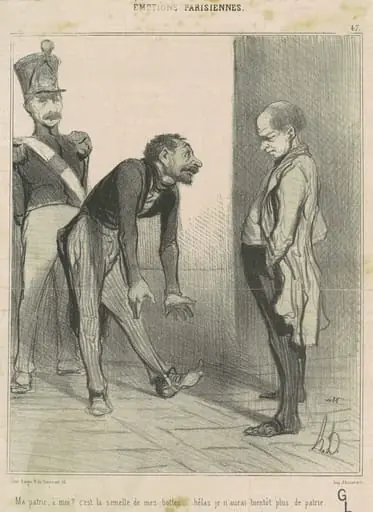 Ma patrie, a moi?...
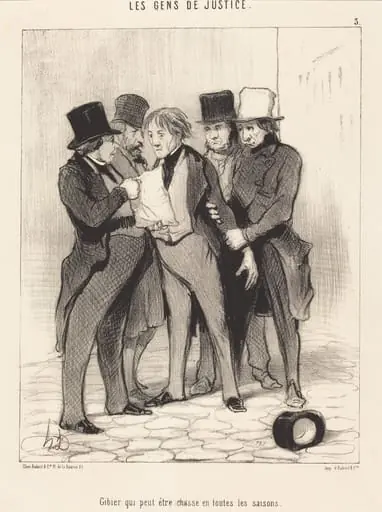 Gibier qui peut être chassé en toutes les saisons
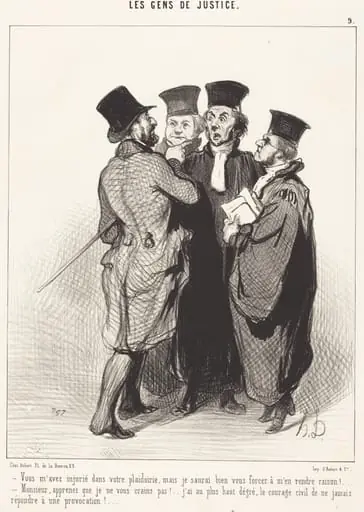 Vous m'avez injurié dans votre plaidoirie...
 Vous avez perdu votre procès c'est vrai...