Artwork
Four Heads and Two Figures [verso]
![Four Heads and Two Figures [verso], by Paul Gauguin, crayon, 1886](https://artifactworldgallery.com/img/paul-gauguin--four-heads-and-two-figures-verso--c2dab012b6be4f36-w1024.webp)
Four Heads and Two Figures [verso] is a crayon drawing by the Impressionist artist Paul Gauguin. It dates from 1886 and is held in the collection of the National Gallery of Art.
About this work
Overview
Four Heads and Two Figures [verso] is a crayon drawing on wove paper created by Paul Gauguin in 1886. Characterized by quick, loose lines, the sketch depicts four portrait heads and two casually posed standing figures, distinguished by simple attire and minimal background.
Subject & Meaning
The subject matter consists of four heads and two figures in everyday, understated clothing. The casual poses and lack of detailed setting suggest the work may have been an exploratory sketch, focusing on capturing form and composition rather than narrative depth.
Technique & Style
Executed in rough, uneven crayon lines, the drawing exemplifies Gauguin's early experimental approach. The loose technique and emphasis on basic forms align with his developing Synthetist style, marked by a departure from Impressionist conventions towards more expressive and simplified representations.
History & Provenance
Created in 1886, this work falls within a period of significant artistic innovation for Gauguin, as he delved into Post-Impressionism and Symbolism. The verso indication suggests the paper was utilized on both sides, a common practice among artists for preliminary or exploratory works.
Context
This drawing reflects Gauguin's transitional phase, preceding his more renowned and refined works. It shares characteristics with his early output, notable for rapid execution and a focus on capturing essence over detail, contrasting with the more polished style he would later develop.
![Two Figures and a Bench; Three Studies of Men's Heads and One of a Hand [recto]](https://artifactworldgallery.com/img/paul-gauguin--two-figures-and-a-bench-three-studies-of-men-s-heads-and-one--b308c9e6d9f9cfa9-w320.webp)
Own this work as a print
Artist & collection
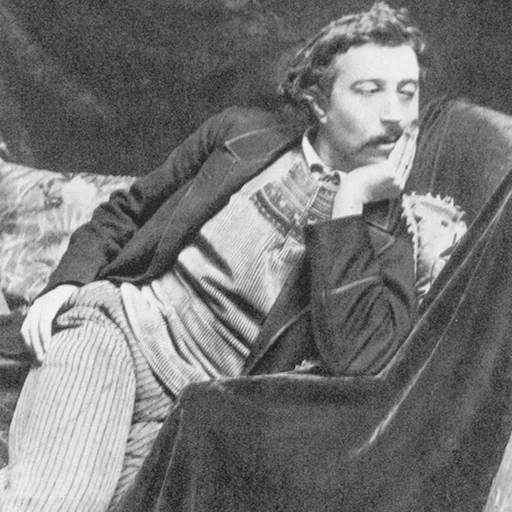
Artist
Eugène Henri Paul Gauguin (; French:; 7 June 1848 – 8 May 1903) was a French painter, sculptor, printmaker, ceramist, and writer, whose work has been primarily associated with the Post-Impressionist and Symbolist movements.

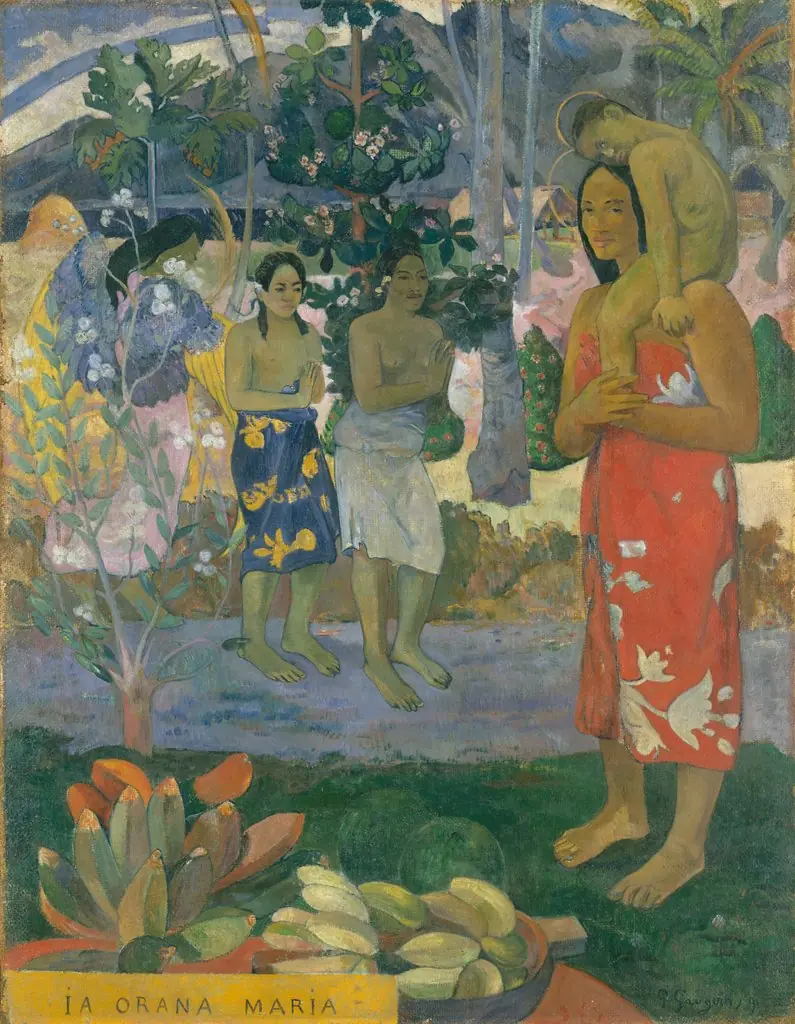
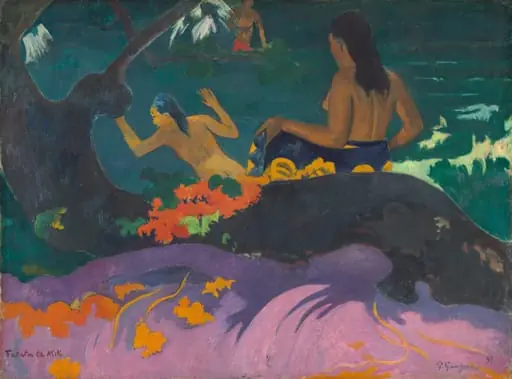
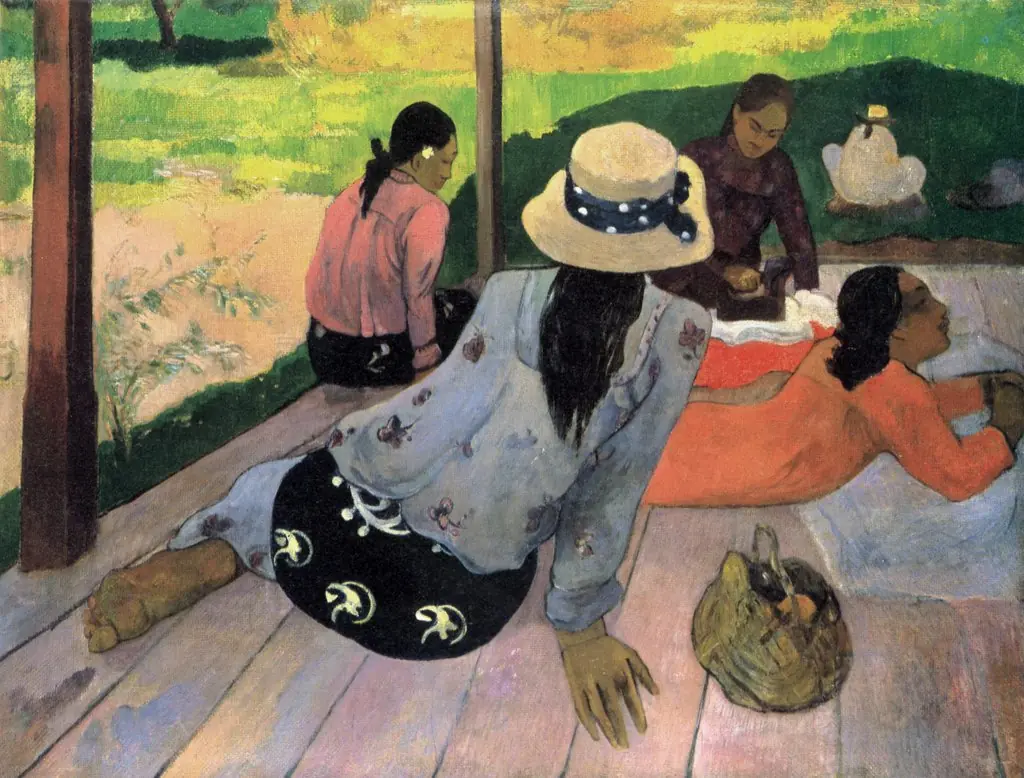
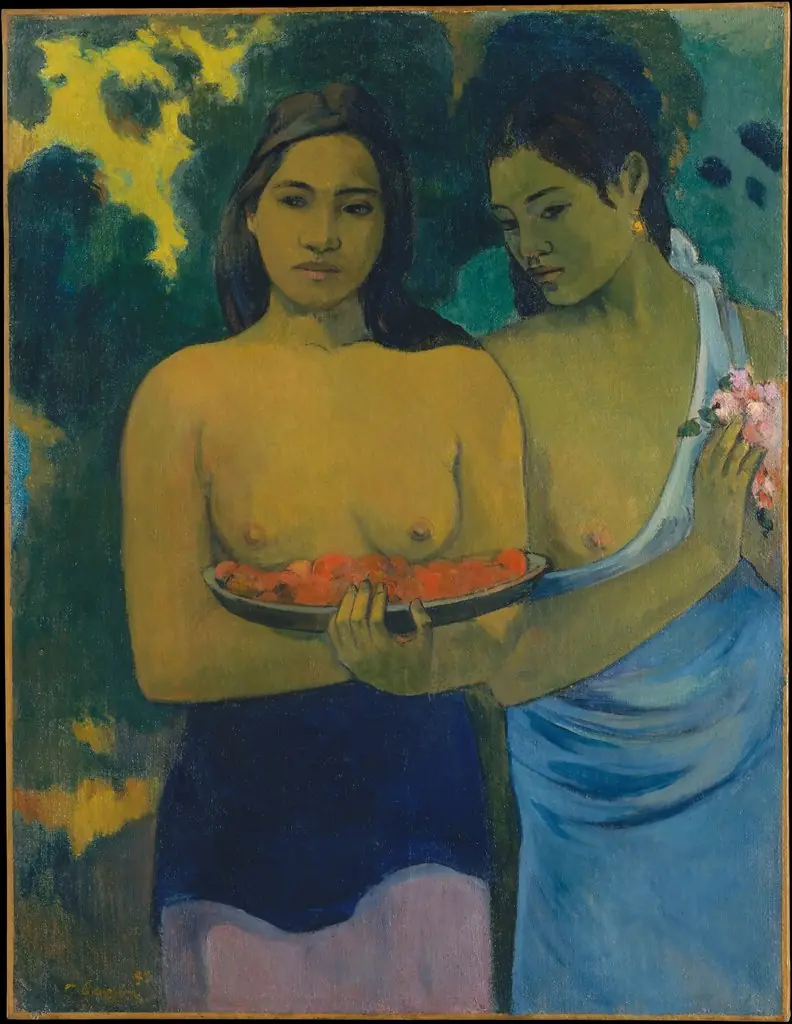
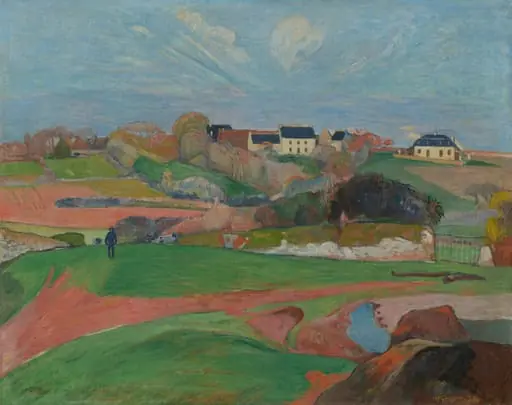
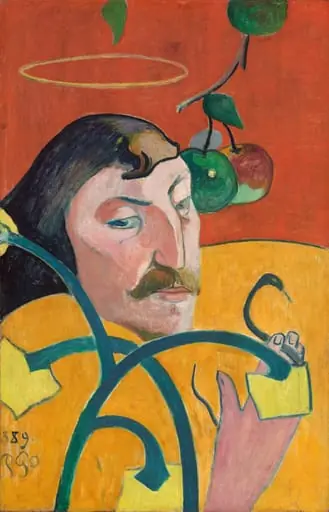
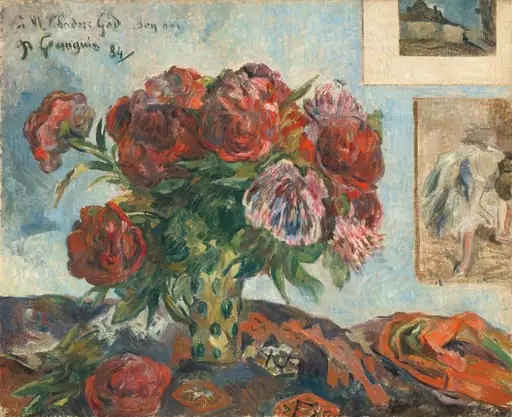
- Two Figures and a Bench; Three Studies of Men's Heads and One of a Hand [recto]
![Soldiers; Four Soldiers and a Seated Figure [verso], by Paul Gauguin](https://artifactworldgallery.com/img/paul-gauguin--soldiers-four-soldiers-and-a-seated-figure-verso--03eb26713f1552e4-w320.webp) Soldiers; Four Soldiers and a Seated Figure [verso]
Soldiers; Four Soldiers and a Seated Figure [verso]![Boy's Face; Two Sheep [verso], by Paul Gauguin](https://artifactworldgallery.com/img/paul-gauguin--boy-s-face-two-sheep-verso--dc41a7e795977a82-w320.webp) Boy's Face; Two Sheep [verso]
Boy's Face; Two Sheep [verso]![Eye and Part of Face; A Breton Woman and Two Men [recto], by Paul Gauguin](https://artifactworldgallery.com/img/paul-gauguin--eye-and-part-of-face-a-breton-woman-and-two-men-recto--81c9125f35b9b9e6-w320.webp) Eye and Part of Face; A Breton Woman and Two Men [recto]
Eye and Part of Face; A Breton Woman and Two Men [recto]![Five Studies of Soldiers and a Woman's Face; Two Figures [recto], by Paul Gauguin](https://artifactworldgallery.com/img/paul-gauguin--five-studies-of-soldiers-and-a-woman-s-face-two-figures-rect--9d09632e7e517067-w320.webp) Five Studies of Soldiers and a Woman's Face; Two Figures [recto]
Five Studies of Soldiers and a Woman's Face; Two Figures [recto]![A Breton Woman Walking; Sketch with Stairs [verso], by Paul Gauguin](https://artifactworldgallery.com/img/paul-gauguin--a-breton-woman-walking-sketch-with-stairs-verso--5957dfa28320cc03-w320.webp) A Breton Woman Walking; Sketch with Stairs [verso]
A Breton Woman Walking; Sketch with Stairs [verso]![Two Cows; A Seated Breton Woman [verso], by Paul Gauguin](https://artifactworldgallery.com/img/paul-gauguin--two-cows-a-seated-breton-woman-verso--e4a7eb7a31307828-w320.webp) Two Cows; A Seated Breton Woman [verso]
Two Cows; A Seated Breton Woman [verso]![Five Studies of Heads; A Boy in Profile with Studies of Hands and Feet [verso], by Paul Gauguin](https://artifactworldgallery.com/img/paul-gauguin--five-studies-of-heads-a-boy-in-profile-with-studies-of-hands--71c9c87fde7c63ab-w320.webp) Five Studies of Heads; A Boy in Profile with Studies of Hands and Feet [verso]
Five Studies of Heads; A Boy in Profile with Studies of Hands and Feet [verso]