Artwork
Portrait of a Gentleman
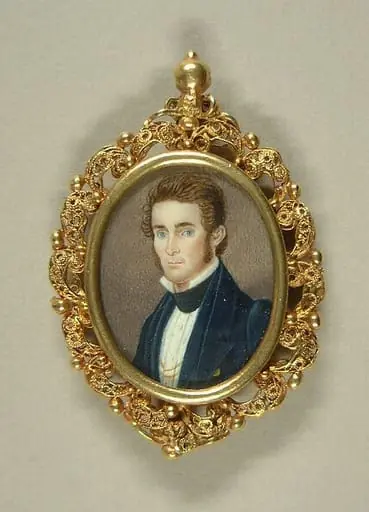
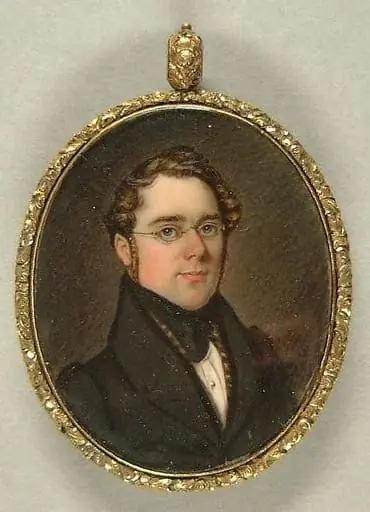
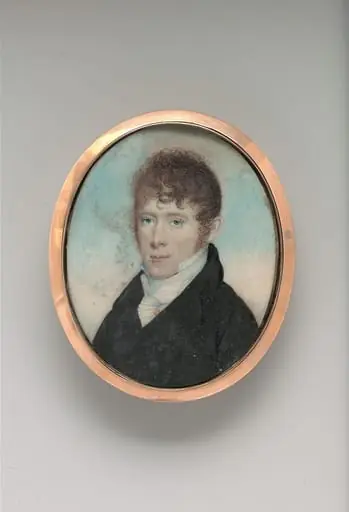
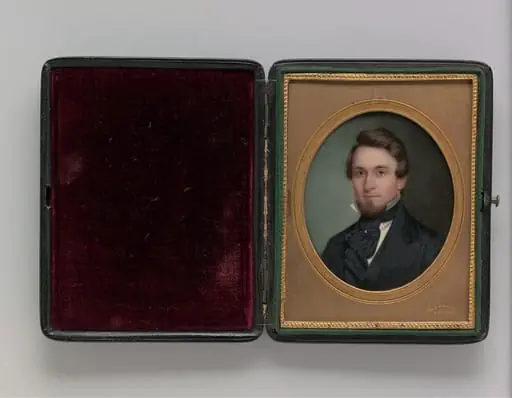
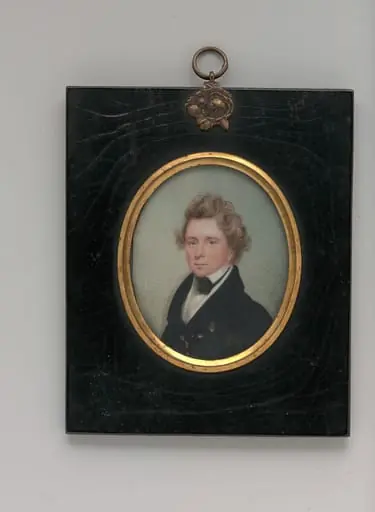
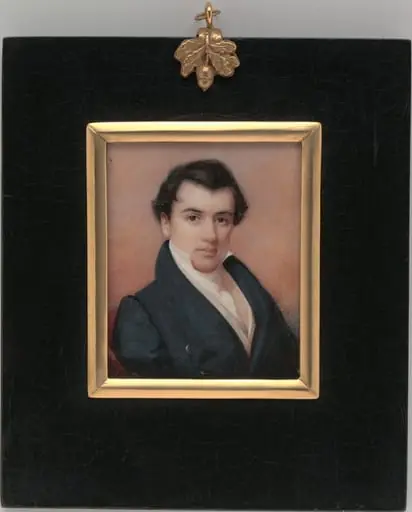
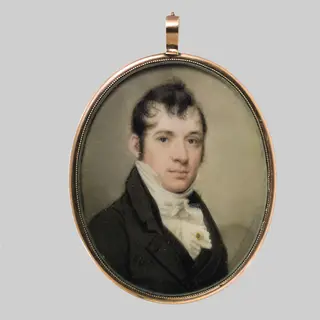
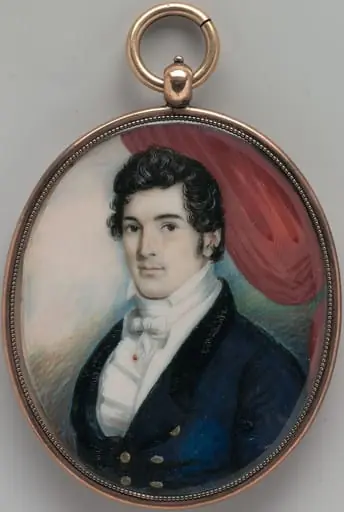
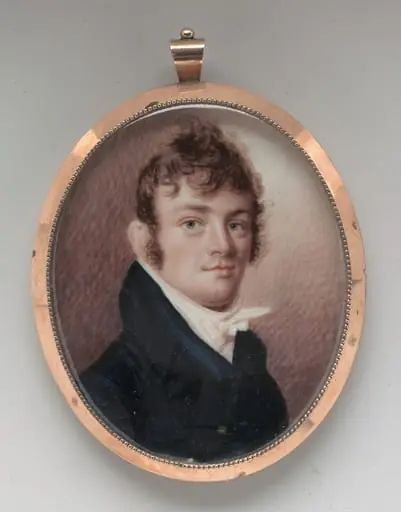
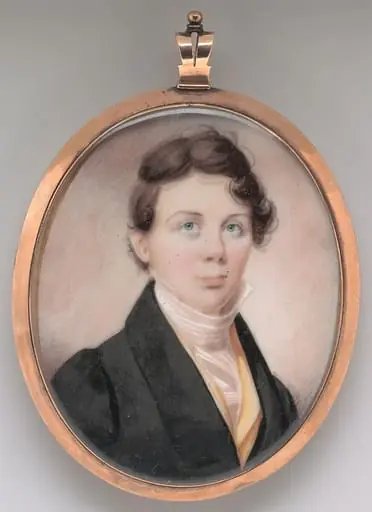
Portrait of a Gentleman is a watercolor painting by the American Folk Art artist George Catlin. It dates from 1827 and is held in the collection of the Metropolitan Museum of Art.
About this work
Technique & Style
The classification within the American Wing highlights its significance in early 19th-century American portraiture.
Executed in 1827 by George Catlin, this portrait utilizes watercolor applied to an ivory support. The work is characterized by its miniature scale, measuring approximately 6 by 4.8 units. As a portrait of a gentleman, the piece employs the delicate handling typical of watercolor on ivory, a medium that allows for fine detail and a luminous quality suited to intimate depictions.
The classification within the American Wing highlights its significance in early 19th-century American portraiture. The specific combination of transparent pigments and the smooth, non-absorbent ivory surface defines the formal aesthetic, requiring a precise application technique to achieve the rendered likeness of the male subject.
History & Provenance
Created in 1827, this watercolor on ivory portrait was executed by the American artist George Catlin. The work, which depicts an unidentified gentleman, measures approximately 6 by 4.8 units. While specific details regarding the original commission or the identity of the sitter remain unrecorded in the available documentation, the piece's early history is defined by its creation date and medium.
The artwork eventually entered the collection of the Metropolitan Museum of Art, where it is currently housed within the institution's American Wing. The museum maintains the piece as part of its permanent holdings, classifying it as a significant example of early nineteenth-century portraiture.
The Portrait of a Gentleman by George Catlin is held in the collection of the Metropolitan Museum of Art, where it is classified within The American Wing. Created in 1827 as a watercolor on ivory, the work measures approximately 6 by 4.8 inches. Its placement in the museum's holdings is documented through Wikidata, which lists both the collection and location as the Metropolitan Museum of Art. No specific accession number, acquisition date, or prior exhibition history is recorded in the available sources.
Overview
George Catlin's 1827 Portrait of a Gentleman is an early example of his work in watercolor on ivory. This piece predates his well-known depictions of Native American life and reflects his initial focus on intimate portraiture. It aligns with American folk art traditions through its direct and unadorned representation.
The miniature scale and delicate medium made such portraits portable, serving as personal keepsakes in the 19th century.
Context
Created in 1827, this portrait represents a phase in George Catlin's career before he embarked on extensive travels to document Native American tribes in the American West. At this time, he concentrated on more conventional portraiture. Miniatures on ivory functioned as cherished personal mementos, akin to modern photographs, allowing individuals to carry images of loved ones with them.
Subject & Meaning
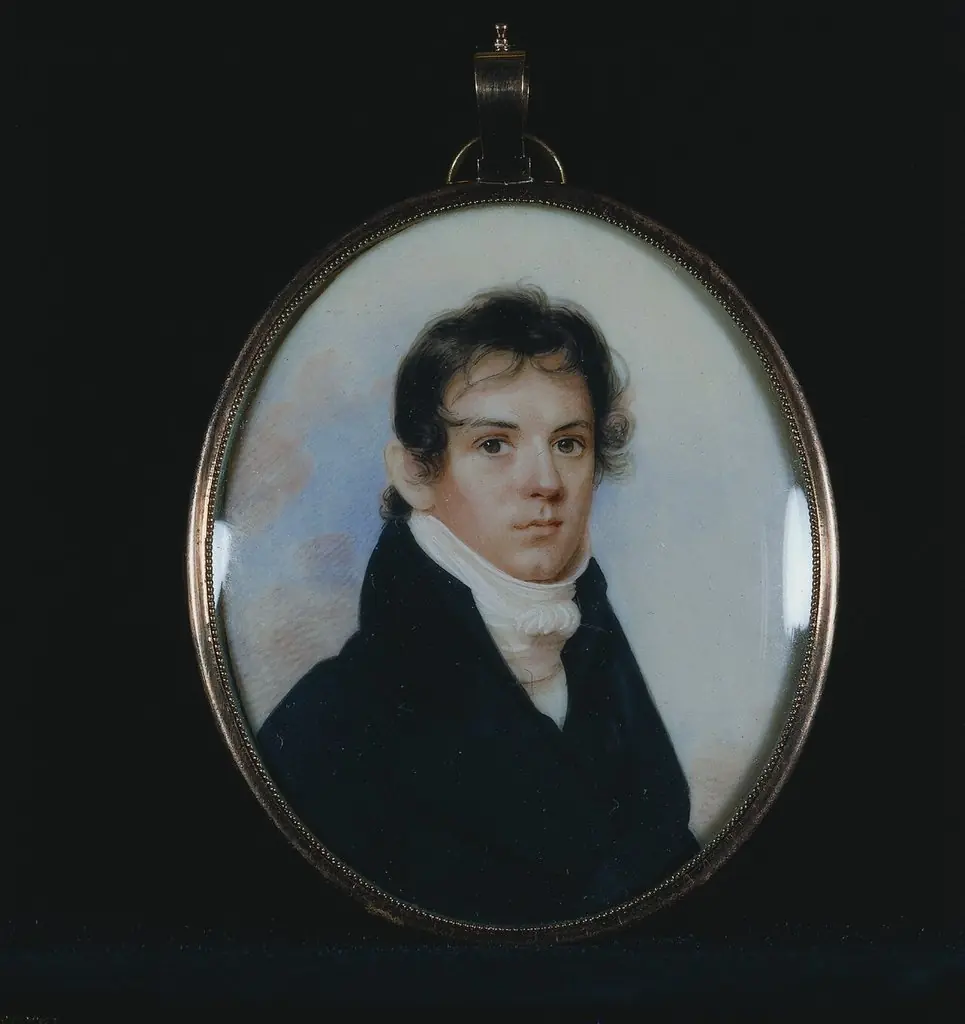
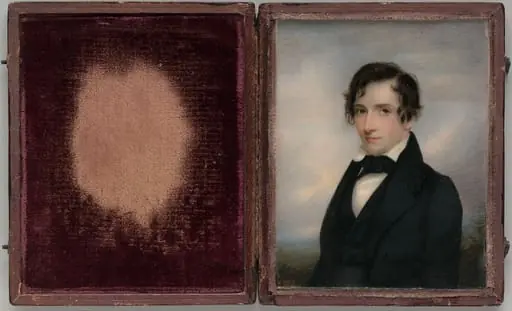
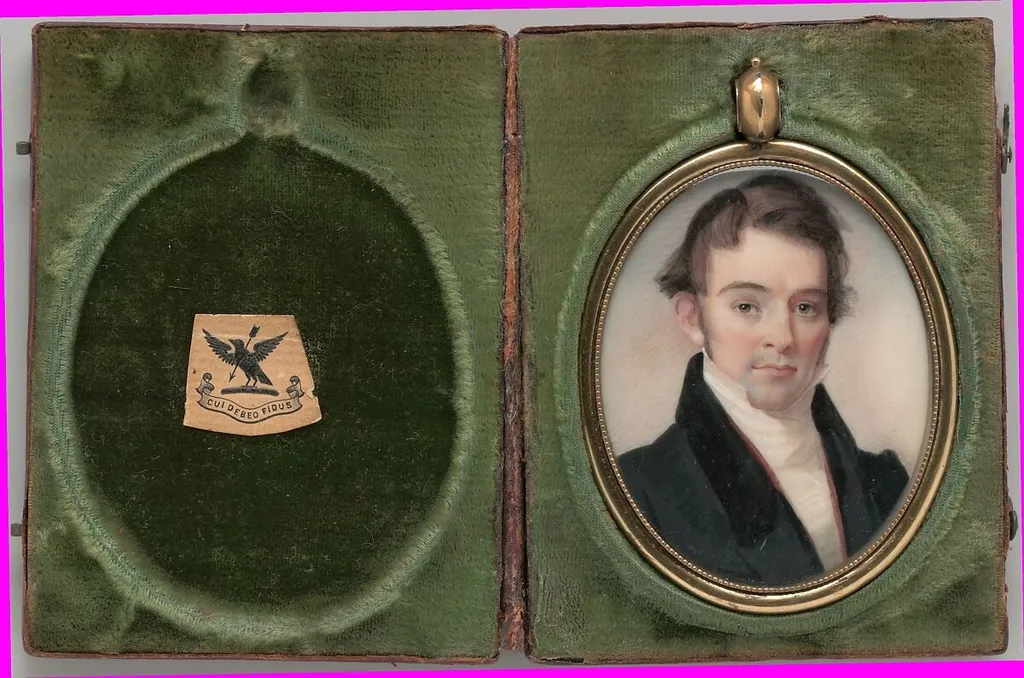
The portrait presents a gentleman in a dark coat, looking directly forward with a softly illuminated face. His formal pose is consistent with portrait conventions of the early 19th century, aiming for a dignified and direct representation. The unembellished presentation emphasizes the individual rather than elaborate surroundings, a characteristic often found in American folk art.
Artist & collection

Artist
George Catlin ( KAT-lin; July 26, 1796 – December 23, 1872) was an American lawyer, painter, author, and traveler, who specialized in portraits of Native Americans in the American frontier.

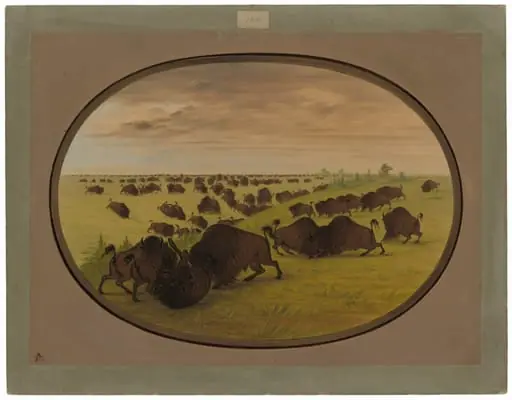 Bulls Fighting
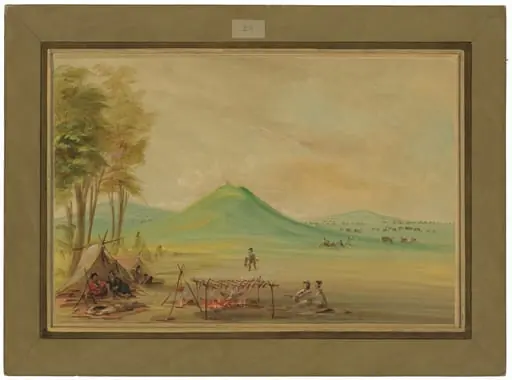 Expedition Encamped on a Texas Prairie. April 1686
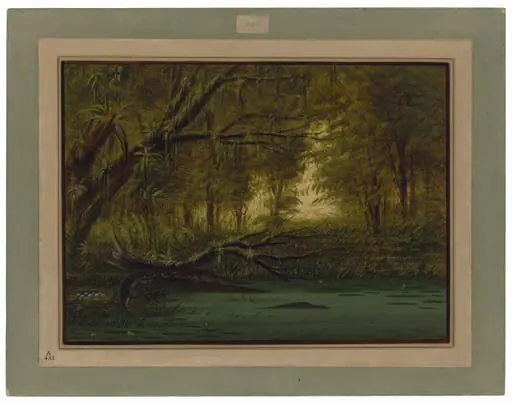 An Alligator's Nest
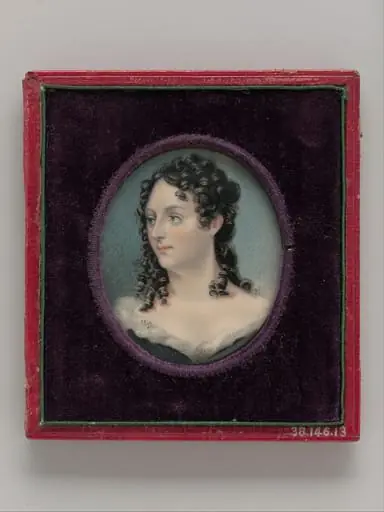 Mrs. George Catlin (Clara Bartlet Gregory)
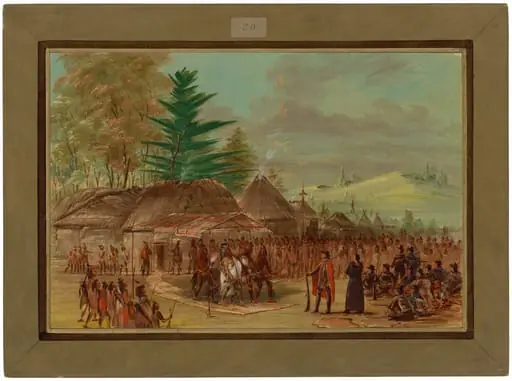 Chief of the Taensa Indians Receiving La Salle. March 20, 1682
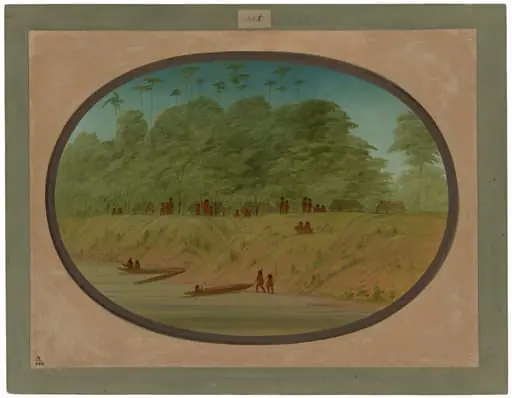 A Small Village - Payaguas Indians
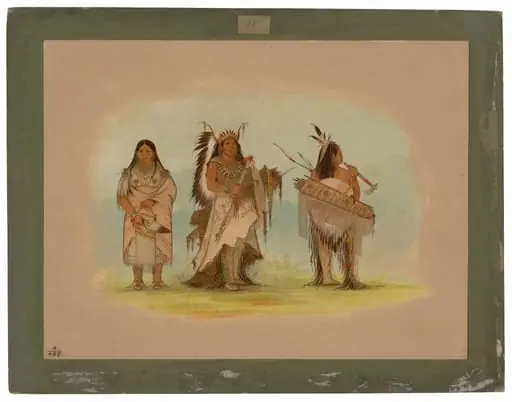 Omaha Chief, His Wife, and a Warrior
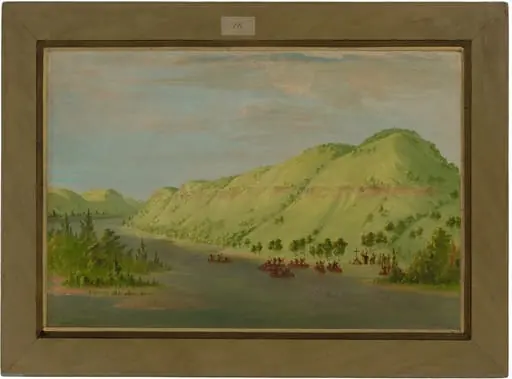 Father Hennepin Leaving the Mississippi to Join La Salle. May 8, 1680