Artwork
The Window Seat
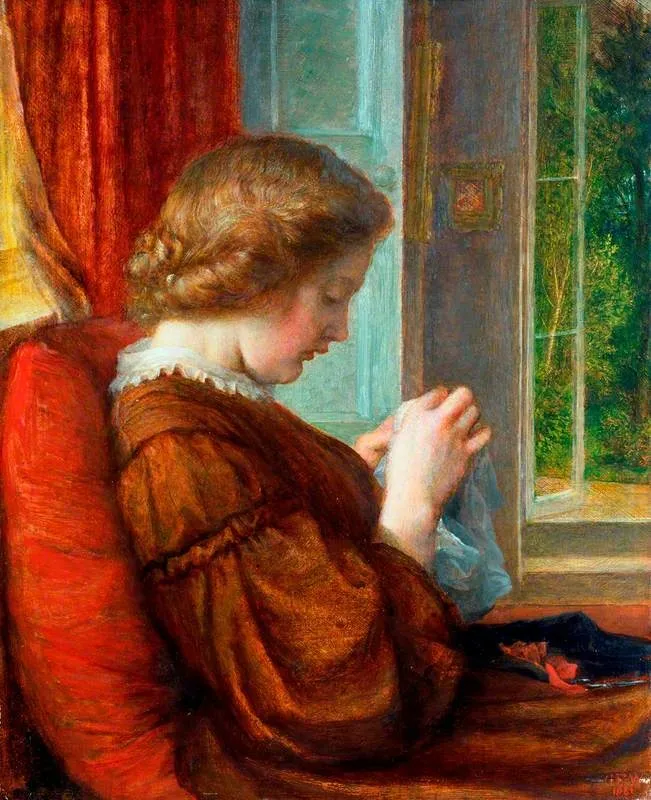
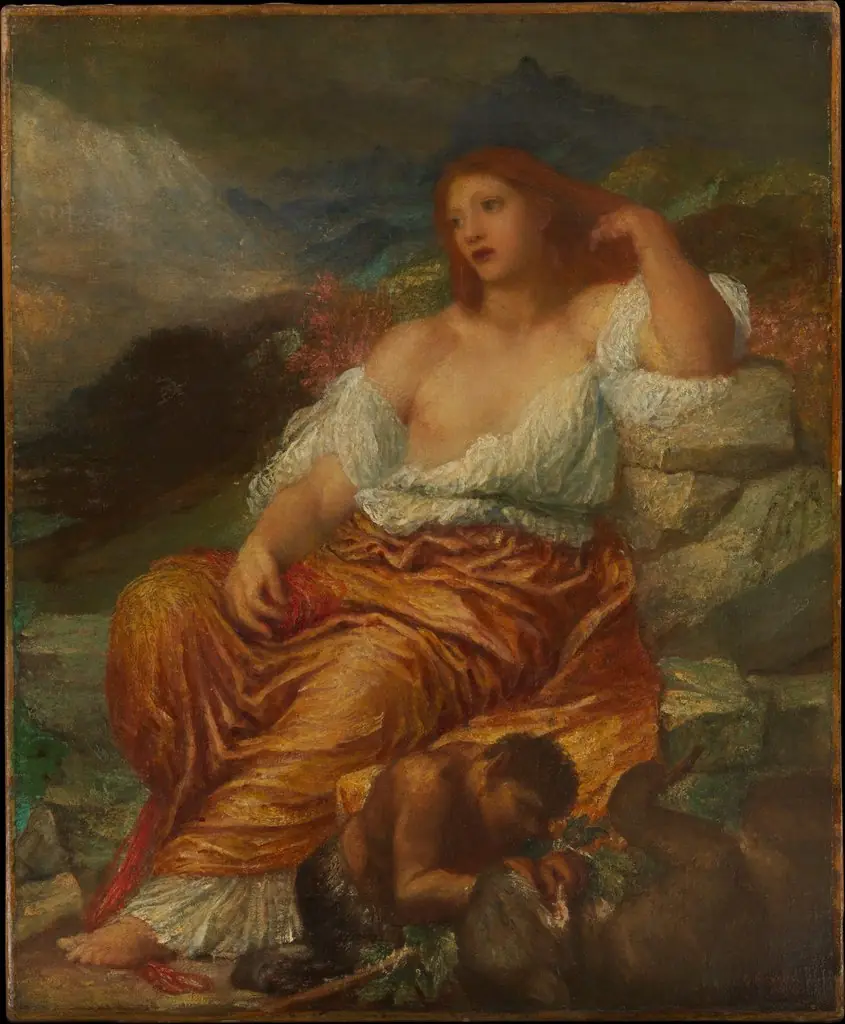
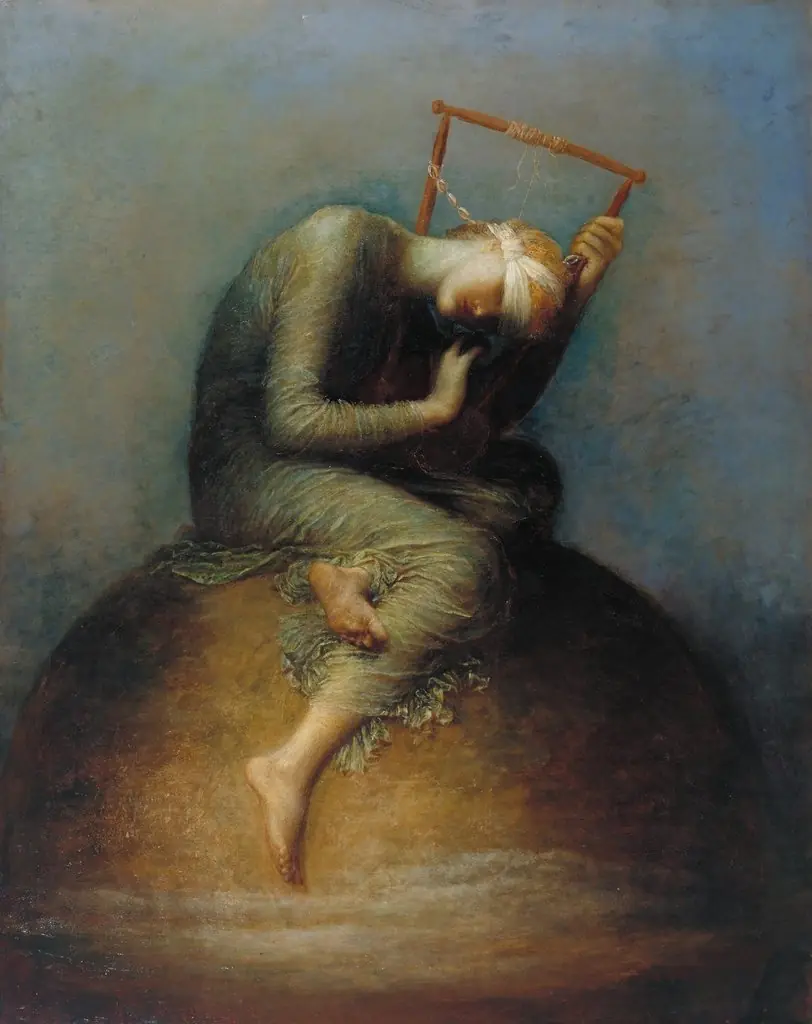
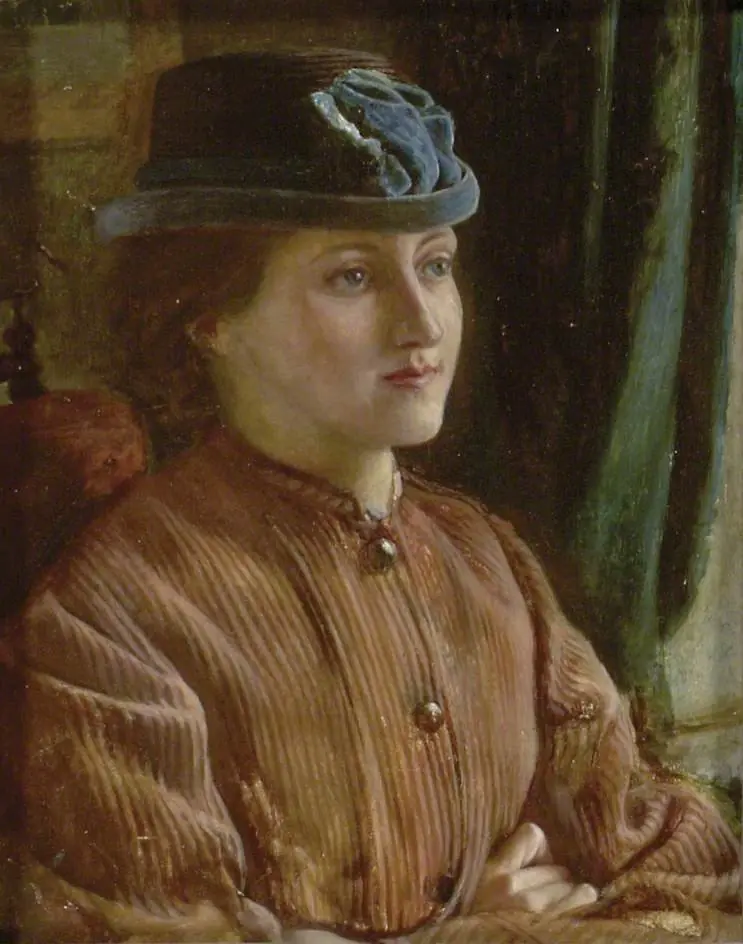
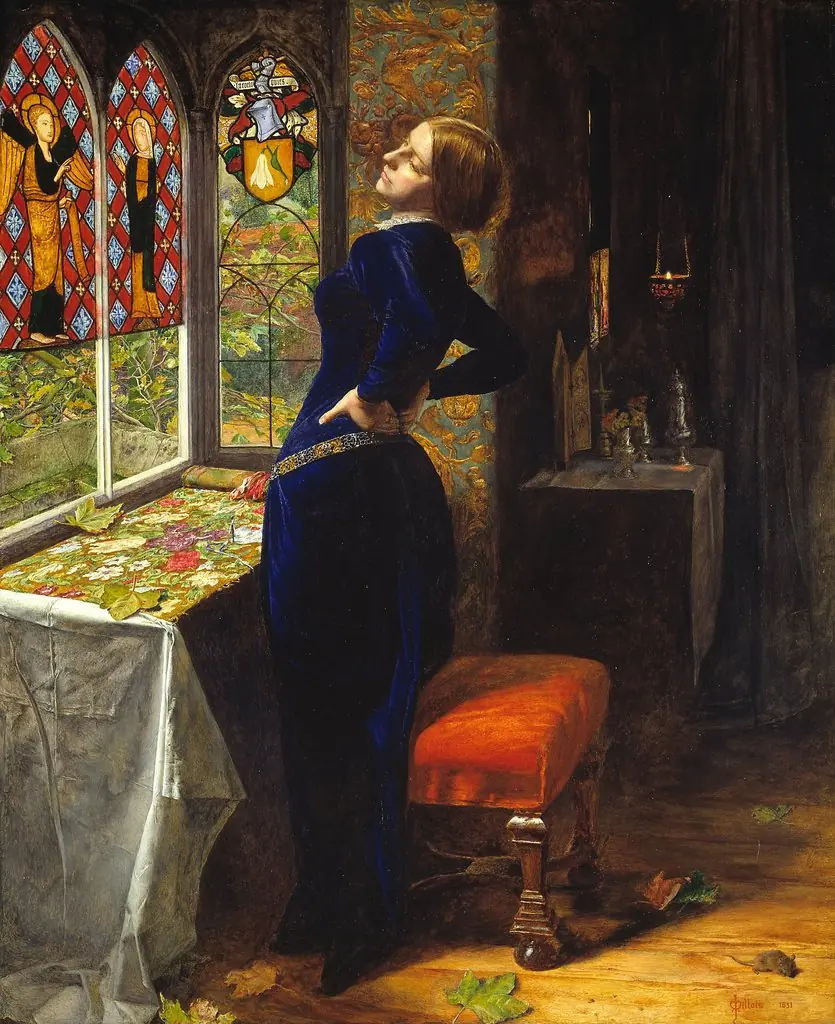
The Window Seat is an oil painting by the Pre-Raphaelite artist George Frederic Watts. It dates from 1861 and is held in the collection of the Victoria and Albert Museum.
About this work
Overview
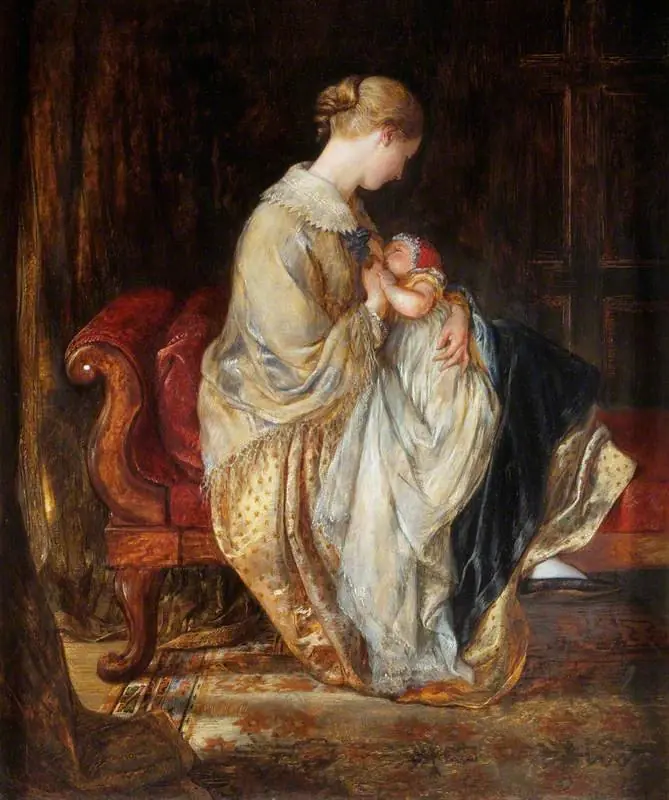
Created in 1861, The Window Seat is an oil painting by British artist George Frederic Watts. Executed during his early career, the work presents an intimate interior scene framed by a window that opens onto a muted landscape. The composition reflects Watts’s interest in symbolic representation, aligning with the aesthetic currents that preceded the Pre‑Raphaelites.
Subject & Meaning
At the centre sits a woman on a red‑upholstered chair, her posture relaxed and her hands gently pressed together. Dressed in a modest brown gown with a delicate white lace collar, she gazes outward, absorbed in quiet reflection. The surrounding window, revealing trees and shrubbery, reinforces a mood of introspection, suggesting an inner world beyond the domestic setting.
Technique & Style
The brushwork remains smooth and controlled, characteristic of the artist’s early alignment with the emerging Pre‑Raphaelite emphasis on detail and clarity.
Watts employs a restrained palette and careful modeling of light and shadow, achieving a subtle three‑dimensionality through chiaroscuro. The contrast between the illuminated interior and the dimmer exterior enhances the figure’s volume while preserving a calm atmosphere. The brushwork remains smooth and controlled, characteristic of the artist’s early alignment with the emerging Pre‑Raphaelite emphasis on detail and clarity.
History & Provenance
The painting was produced during Watts’s formative period, before he fully embraced the allegorical cycles that later defined his reputation, such as the “House of Life.” While the work remained in private collections for much of its early history, it has been exhibited in institutions that focus on Victorian art, contributing to scholarly reassessment of Watts’s early oeuvre.
Context
The Window Seat emerges at a time when British art was shifting toward greater realism and symbolic content, influenced by the Pre‑Raphaelite Brotherhood’s call for truth to nature. Watts’s engagement with these ideas is evident in the painting’s precise rendering of domestic space and the contemplative figure, positioning the work within the broader Victorian discourse on interiority and moral reflection.
Artist & collection
Artist
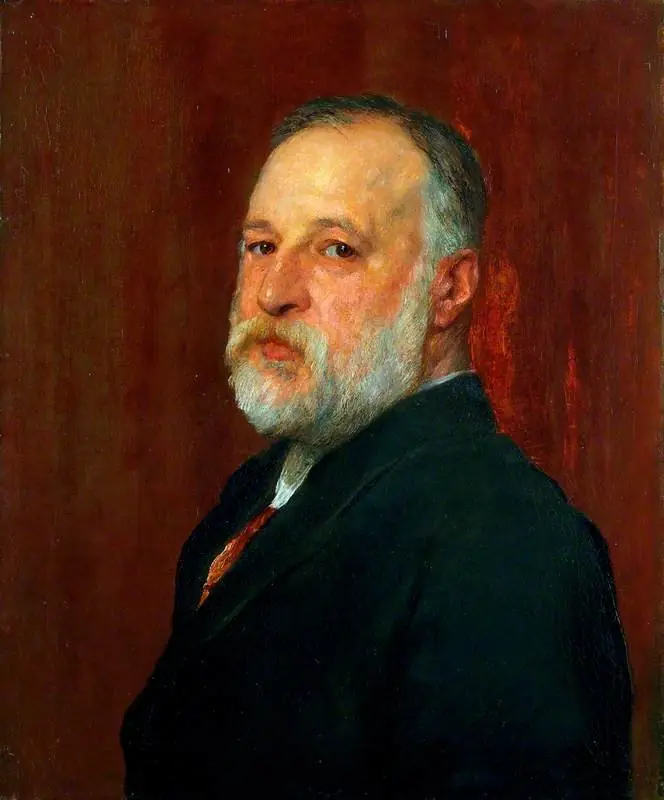
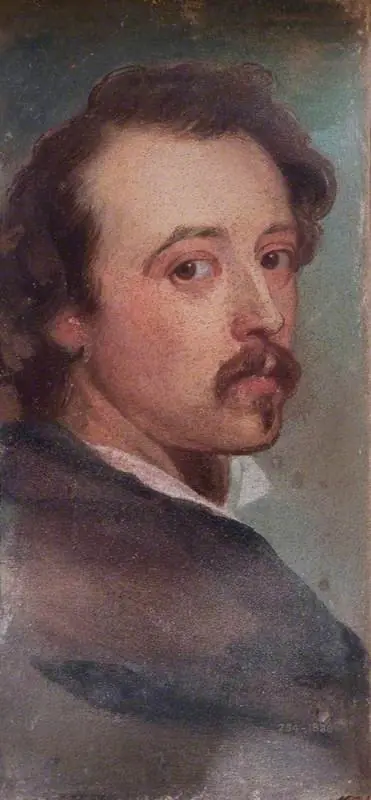
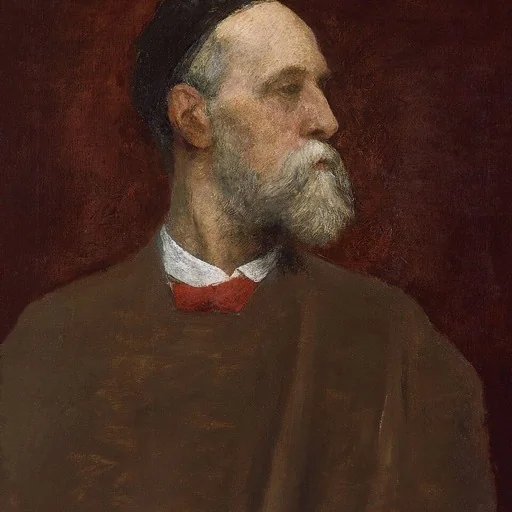
George Frederic Watts (23 February 1817 – 1 July 1904) was a British painter and sculptor associated with the Symbolist movement.