Artwork
Friedrich Wilhelm (1620-88), Elector of Brandenburg, and his wife Louise Henriette (1627-67), Countess of Orange-Nassau
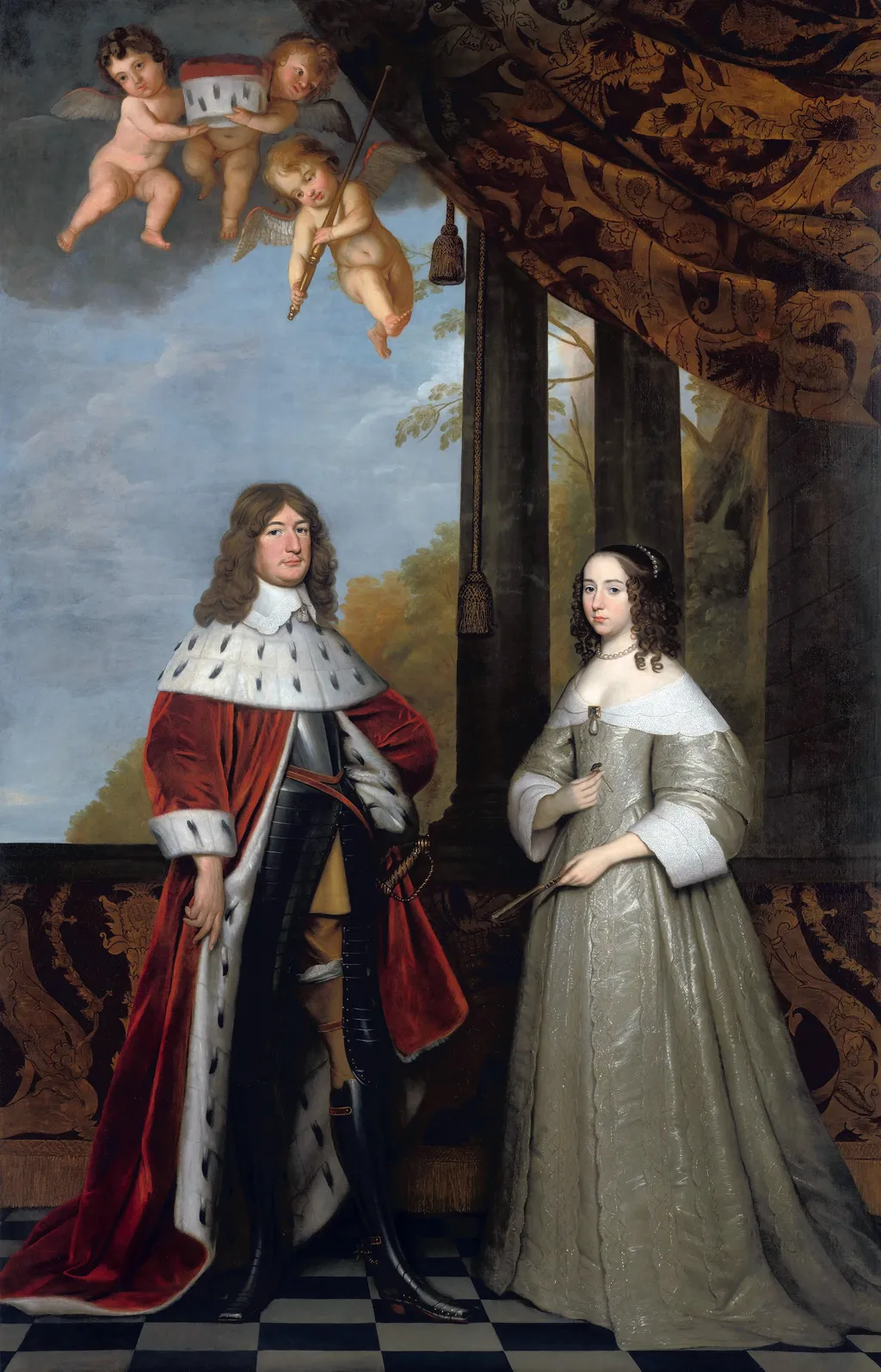
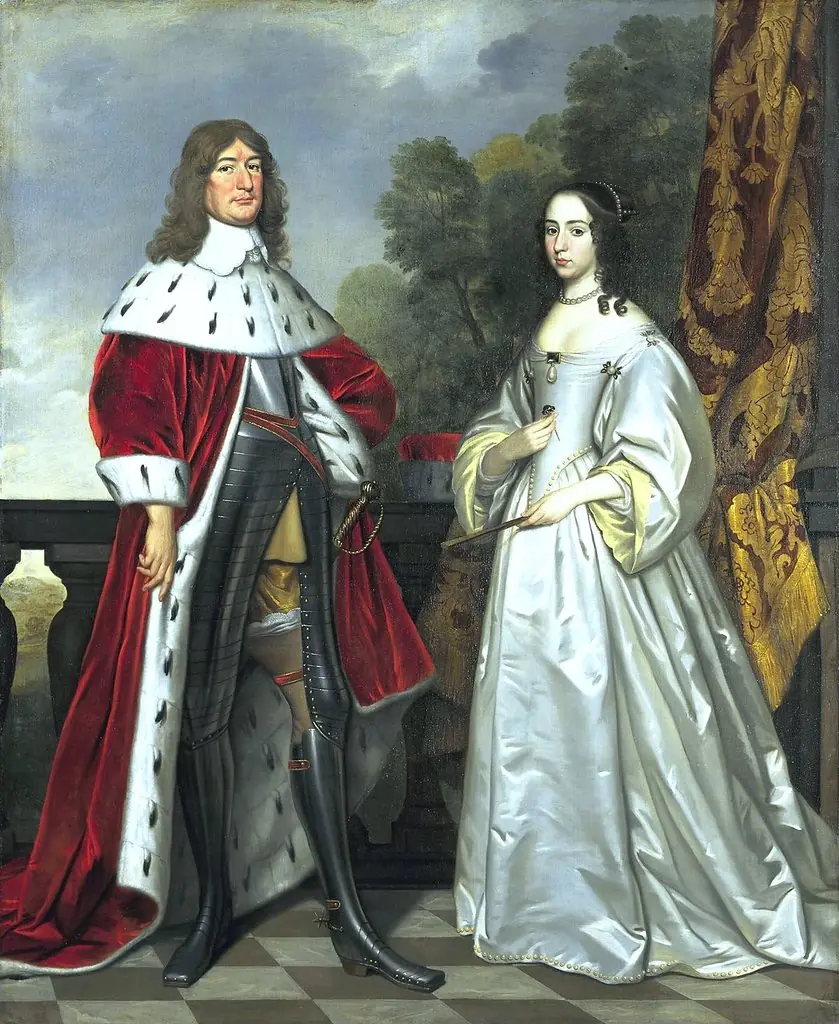
Friedrich Wilhelm (1620-88), Elector of Brandenburg, and his wife Louise Henriette (1627-67), Countess of Orange-Nassau is an oil painting by the Dutch Golden Age artist Gerard van Honthorst. It dates from 1647 and is held in the collection of the Rijksmuseum.
About this work
Subject & Meaning
The painting portrays Frederick William of Brandenburg and his wife Louise Henriette of Nassau as a paired dynastic portrait.
The painting portrays Frederick William of Brandenburg and his wife Louise Henriette of Nassau as a paired dynastic portrait. As a double portrait of a ruling couple, the work functions as a statement of marital and political union, presenting the Elector and the Countess of Orange-Nassau together to assert their shared status and lineage. The depiction of both sitters within a single composition emphasizes the alliance between Brandenburg and the House of Orange-Nassau, a theme central to their marriage in 1646.
As a formal portrait by Gerard van Honthorst, the painting adheres to the conventions of mid-seventeenth-century court portraiture, in which rulers were shown with attributes of rank and dignity to communicate authority and legitimacy.
Technique & Style
The double portrait is executed in oil paint on canvas, a standard support for Dutch portraiture of the mid-seventeenth century. Gerard van Honthorst applied the paint with smooth, blended handling, emphasizing the sitters’ facial features and the reflective textures of their satin and lace garments. The composition is arranged symmetrically around a central axis, with the elector and his wife seated at equal height, their gazes directed toward the viewer to convey authority and partnership.
Light is used to model the figures, creating subtle gradations on the faces and hands while leaving the dark background unobtrusive.
The color palette is restrained, relying on deep blacks, warm browns, and soft whites to articulate the sitters’ attire and complexions. The artist’s brushwork remains precise, with fine detailing in the lace collars and embroidery, while broader strokes define the drapery folds. No evidence of significant paint loss or restoration is recorded in the source, indicating the work’s condition is stable.
History & Provenance
Gerard van Honthorst created this double portrait of Friedrich Wilhelm, Elector of Brandenburg, and his wife Louise Henriette in 1647. Executed in oil on canvas, the work measures 302 cm in height and 194.3 cm in width. The painting is currently held in the collection of the Rijksmuseum in Amsterdam.
No specific details regarding the original commission or the immediate chain of ownership prior to its arrival at the museum are provided in the available records.
The painting is part of the Rijksmuseum's collection, listed under inventory number SK-A-3765. It was created in 1647 by Gerard van Honthorst and remains on display in the museum's Gallery of Honthorst. Exhibition records indicate its inclusion in the Rijksmuseum's ongoing portrait exhibition series.
Context
Gerard van Honthorst's 1647 double portrait of Elector Friedrich Wilhelm and his wife Louise Henriette was celebrated in its time for its dignified portrayal of Brandenburg's rising political prominence, reflecting the Baroque era's emphasis on aristocratic authority and dynastic display. Scholarly analysis has positioned the work as a key example of 17th-century Northern European portraiture, illustrating the intersection of art and statecraft in the Dutch Golden Age, while its presence in the Rijksmuseum collection underscores its enduring significance as both a historical document and a technical achievement in oil painting.
Overview
Gerard van Honthorst’s 1647 oil painting presents Friedrich Wilhelm, Elector of Brandenburg, alongside his wife Louise Henriette, Countess of Orange‑Nassau. Executed during the Dutch Golden Age, the work now belongs to the Rijksmuseum’s collection. It combines portraiture with a staged interior, reflecting the artist’s skill in rendering illuminated scenes.
Own this work as a print
Artist & collection
Artist
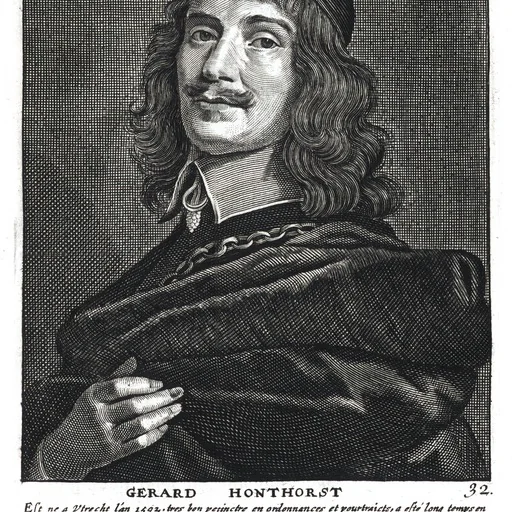
Gerard "Gerrit" van Honthorst (4 November 1592 – 27 April 1656) was a Dutch Golden Age painter who became known for his depiction of artificially lit scenes, eventually receiving the Italian nickname Gherardo delle Notti ("Gerard of the…

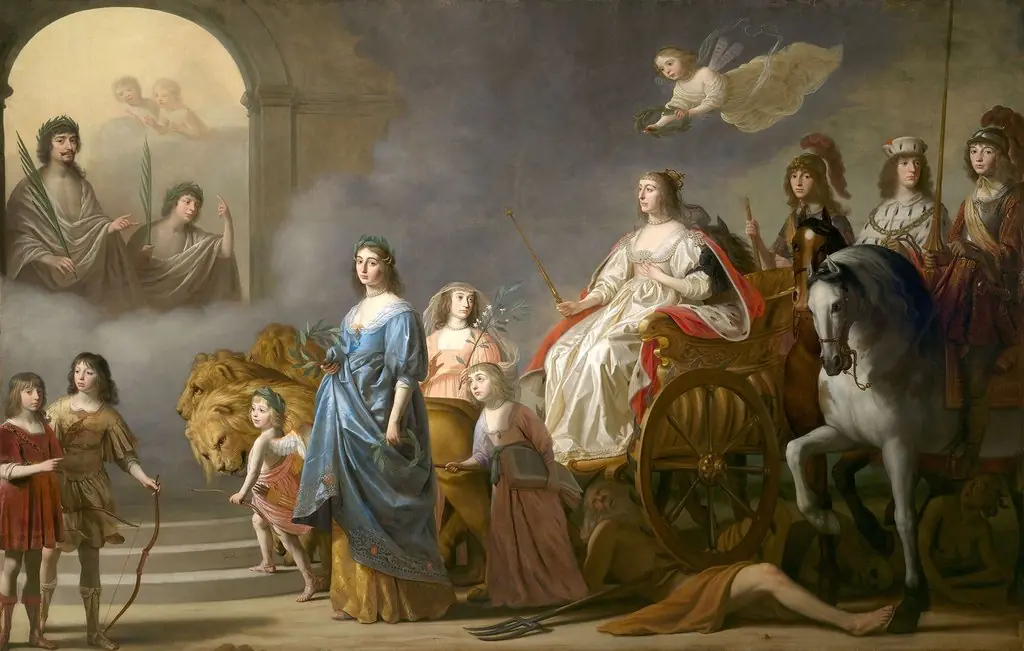 The Triumph of the Winter Queen: Allegory of the Just
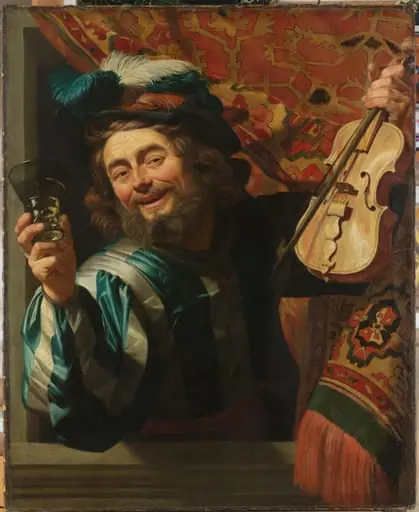 Een vrolijke vioolspeler
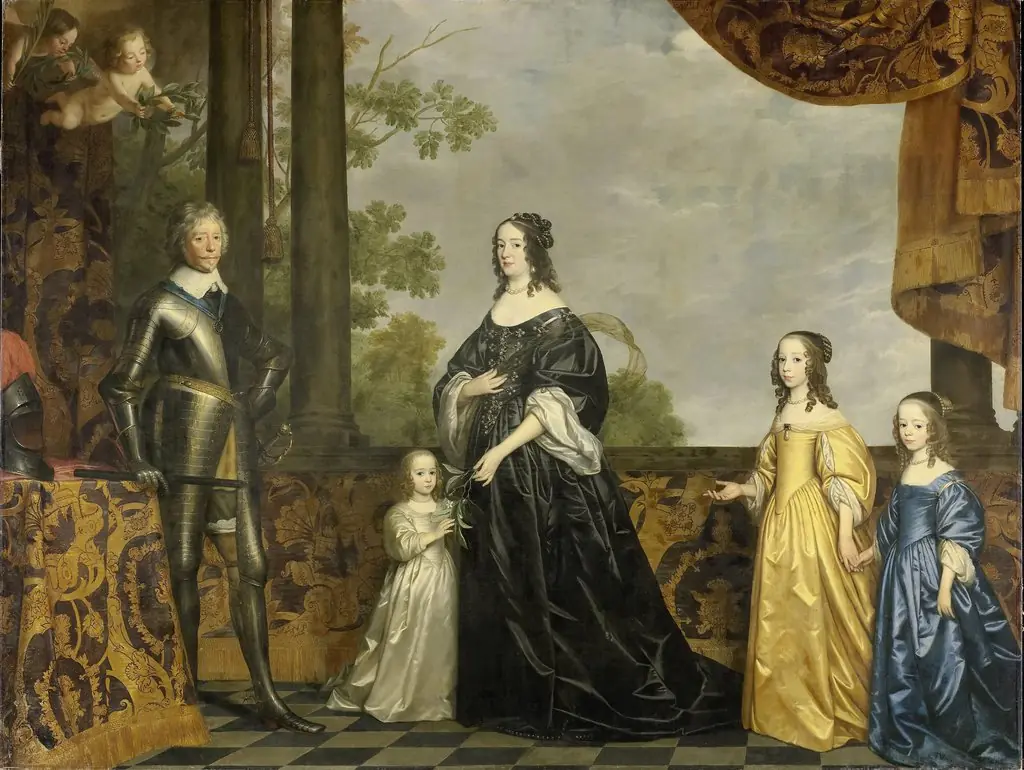 Frederik Hendrik (1584-1647), Prince of Orange, his wife Amalia van Solms (1602-75) and their three youngest daughters, Albertina Agnes (1634-96), Henrietta Catharina (1637-1708) and Maria (1642-88)
 The Concert
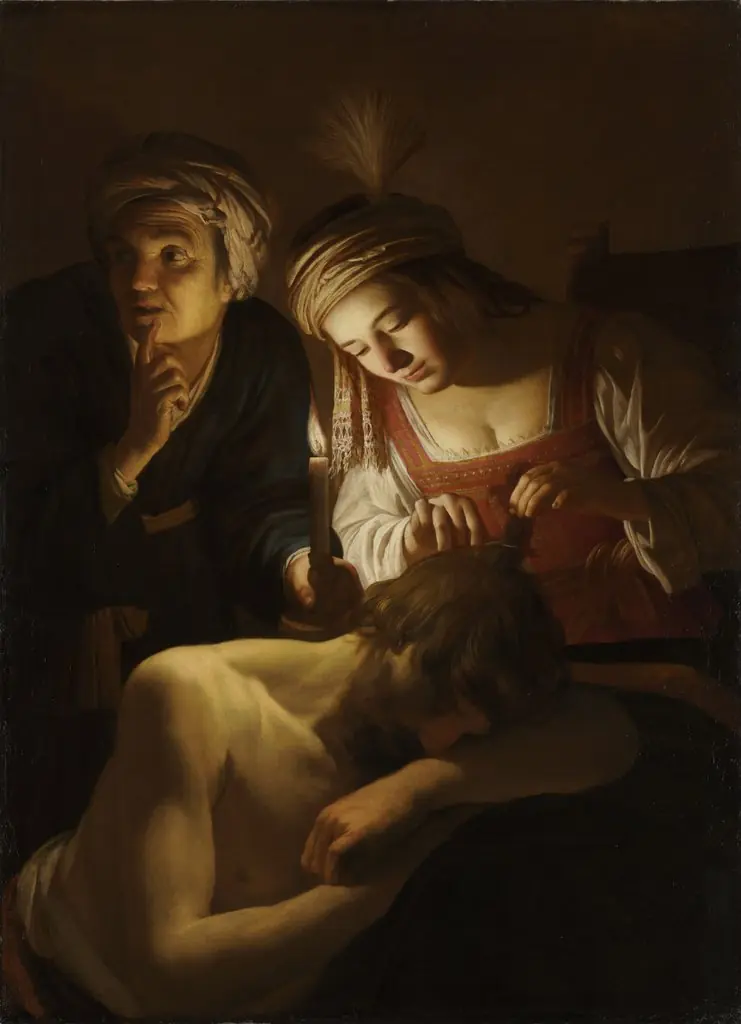 Samson and Delilah
 Satyr and Nymph
 Young Woman with a Candlestick, Old Woman and a Violin Player
 Willem II (1626-50), Prince of Orange, and his wife Maria Stuart (1631-60)
 William II, Prince of Orange, and his Bride, Mary Stuart
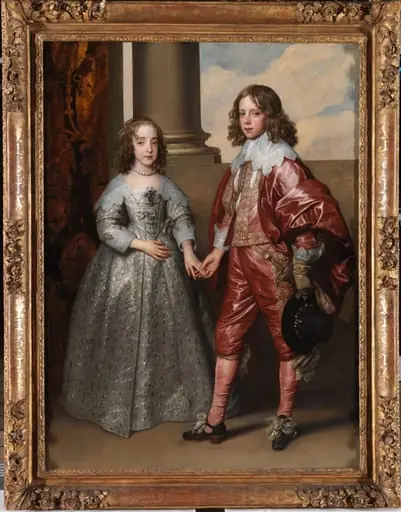 Maria Stuart en Willem II
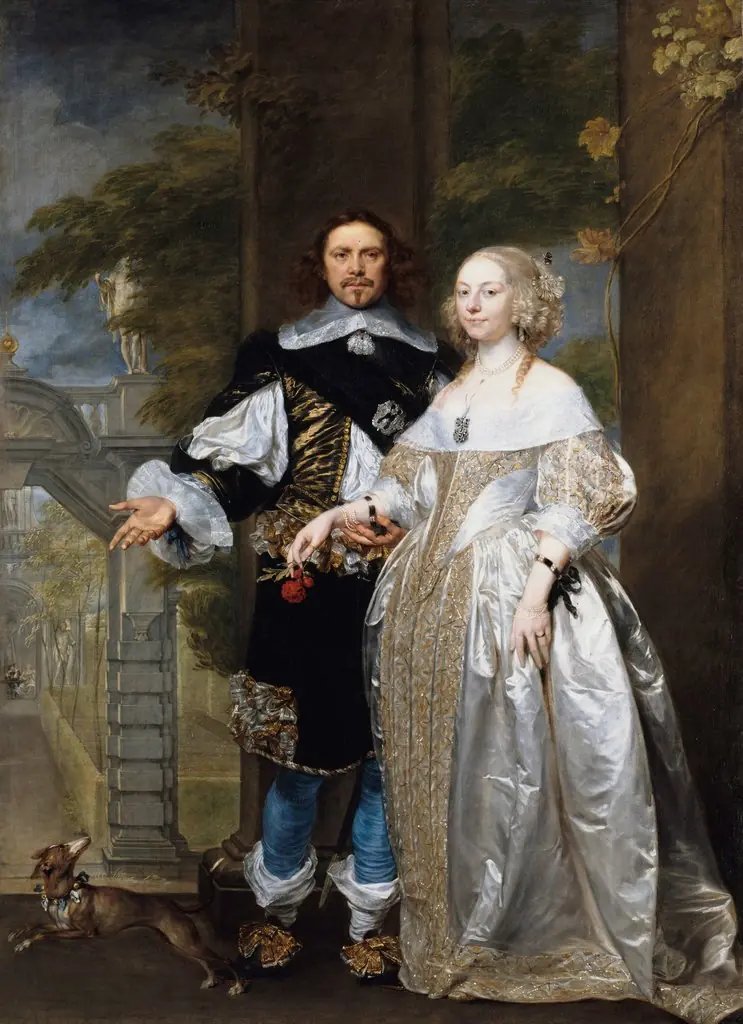 Married Couple in the Park
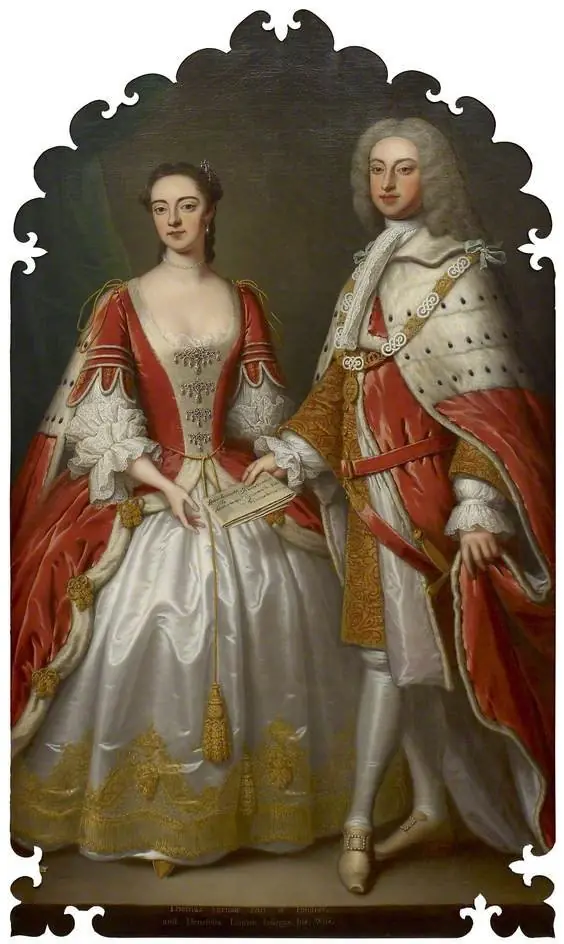 Thomas Fermor, 1st Earl of Pomfret, and Henrietta Louisa, Countess of Pomfret
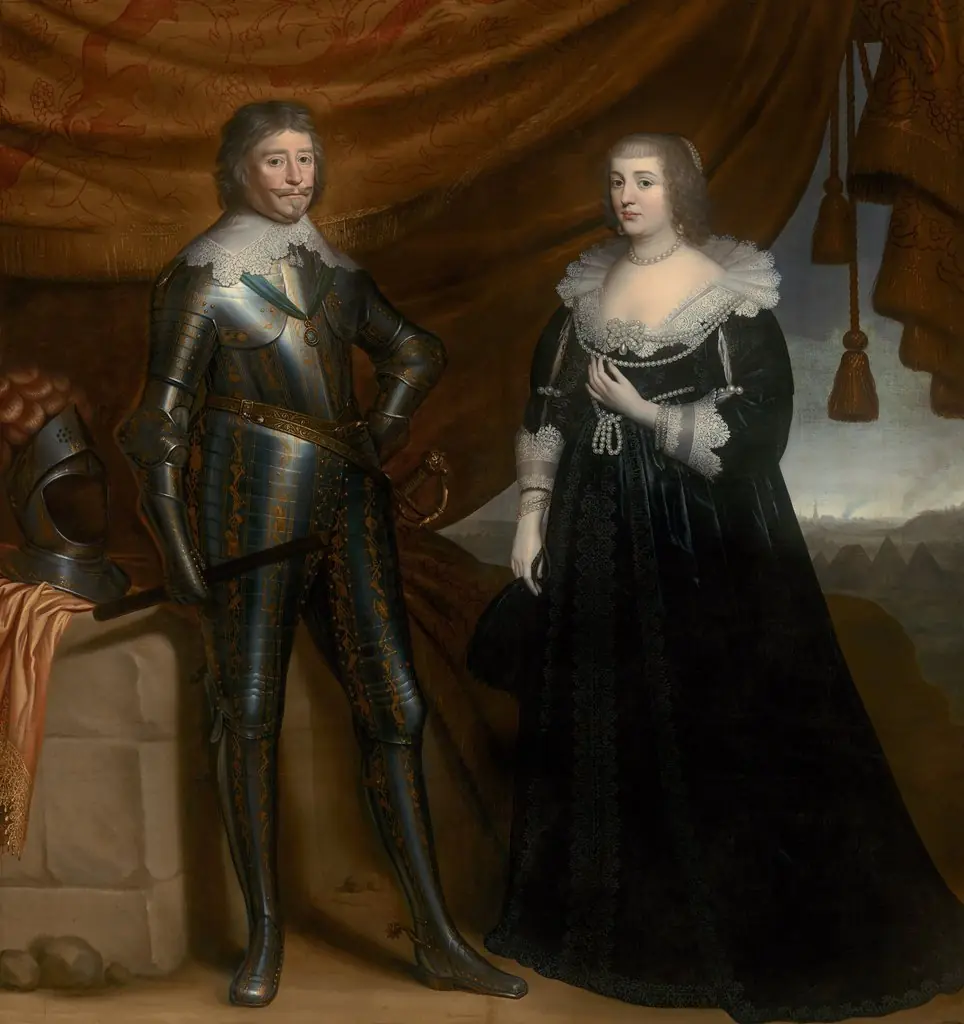 Double Portrait of Frederik Hendrik (1584- 1647) and Amalia of Solms-Braunfels (1602- 1675)
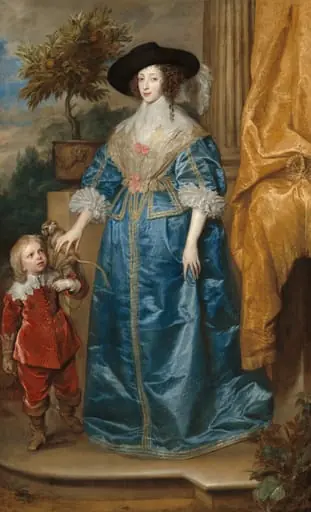 Queen Henrietta Maria with Sir Jeffrey Hudson
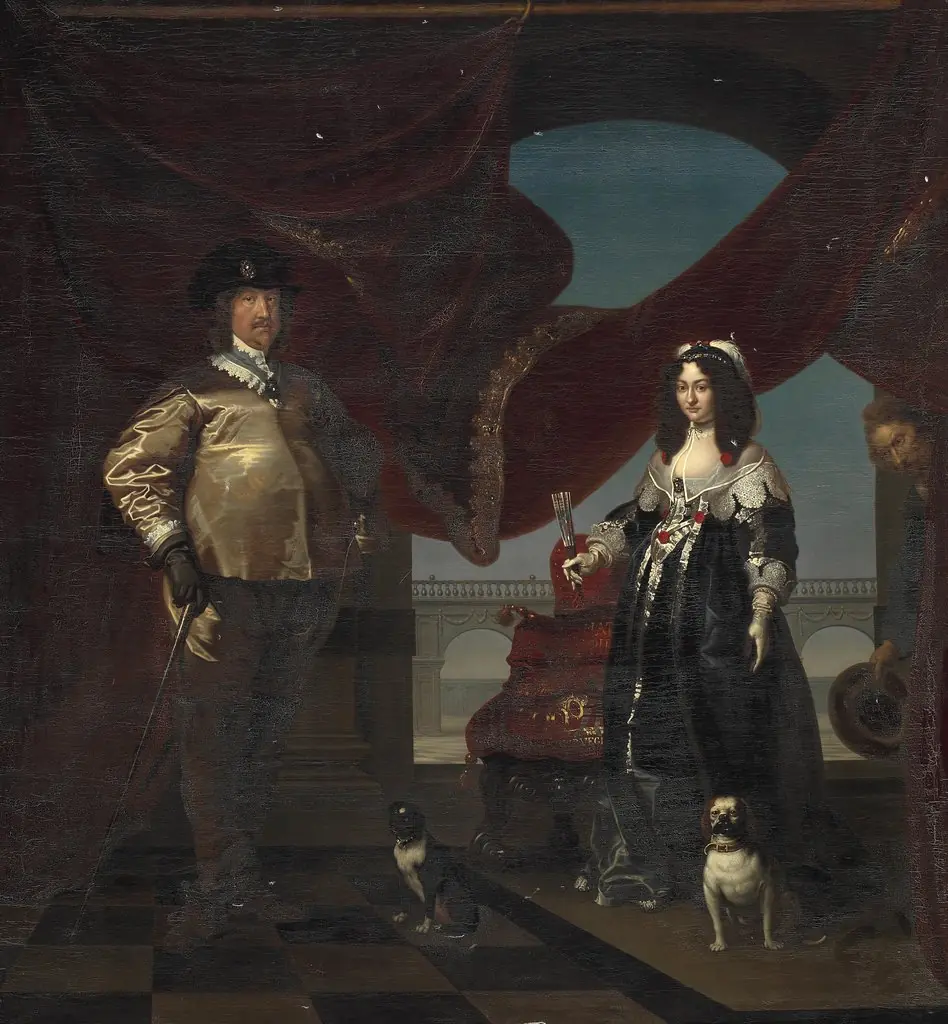 Portrait of Prince Elect Christian (1603-1647) with his consort, Princess Magdalena Sibylla of Saxony (1617-1668)
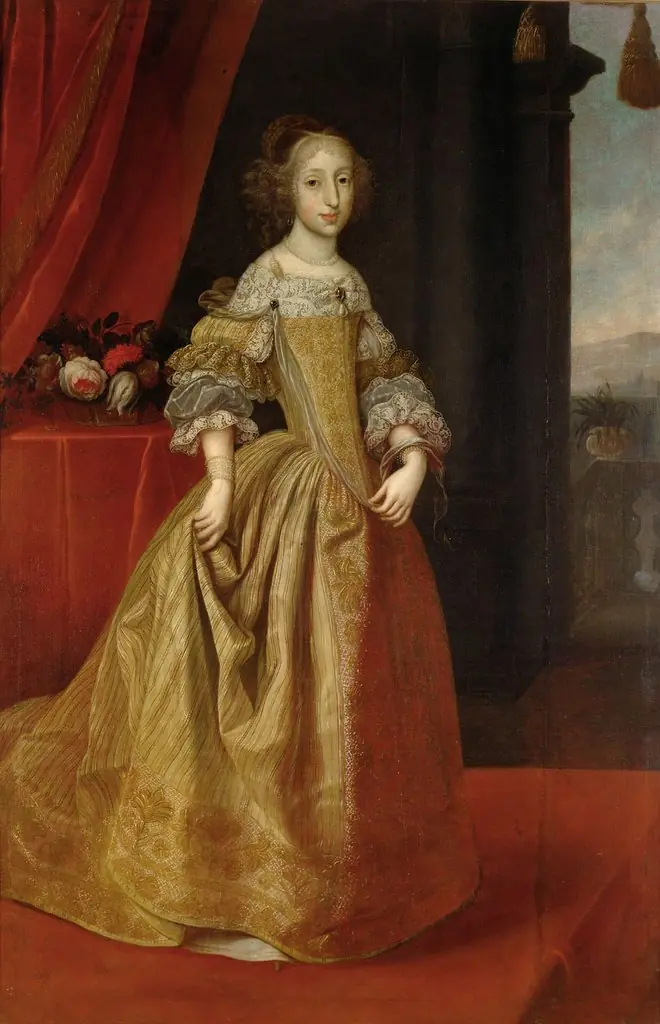 Portrait of Eleanor Maria Josepha of Austria.
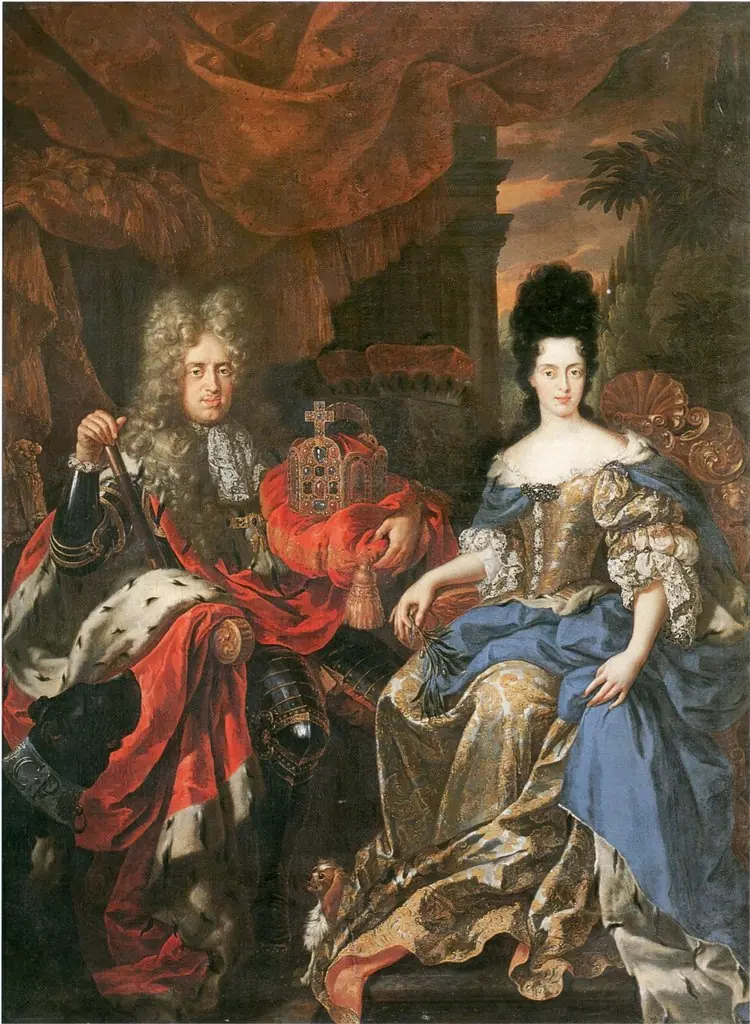 Double portrait of Johann Wilhelm von der Pfalz and Anna Maria Luisa de' Medici