Artwork
Abraham and Hagar
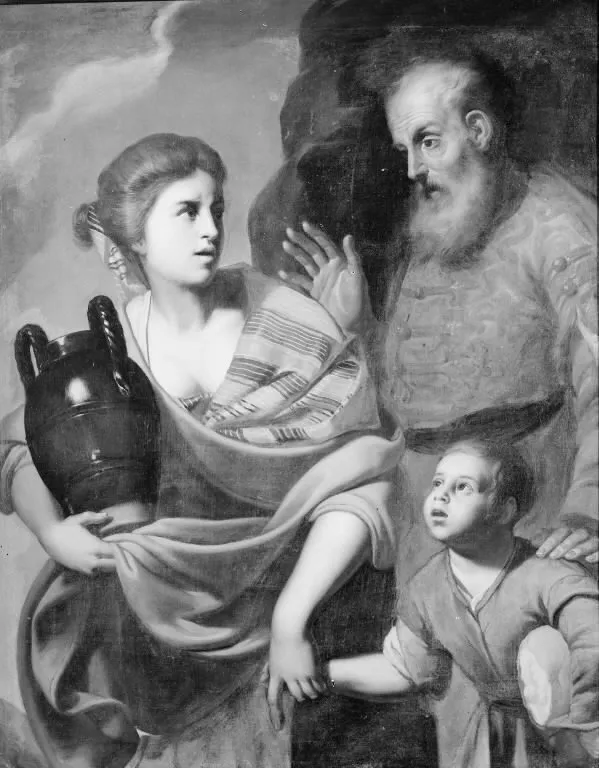
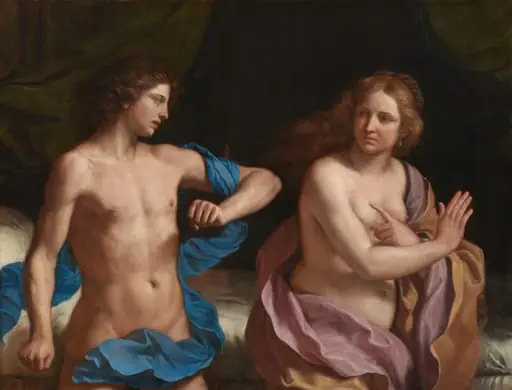
Abraham and Hagar is an oil painting by the Early Baroque Italian artist Guercino. It dates from 1616 and is held in the collection of the Statens Museum for Kunst.
About this work
Subject & Meaning
The composition serves to illustrate the specific moment involving these two characters as established in the religious tradition.
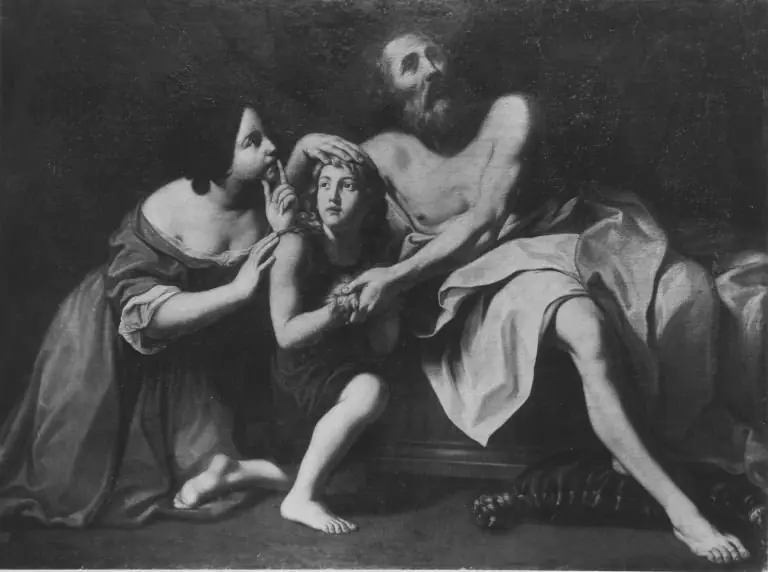
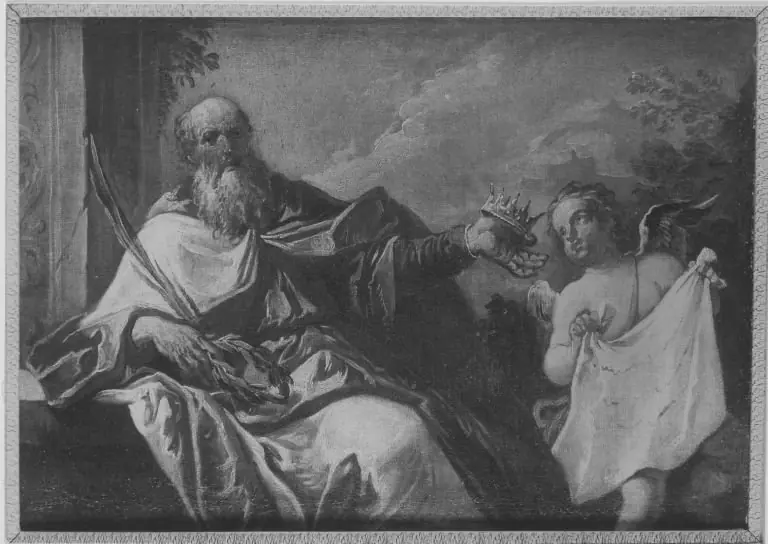
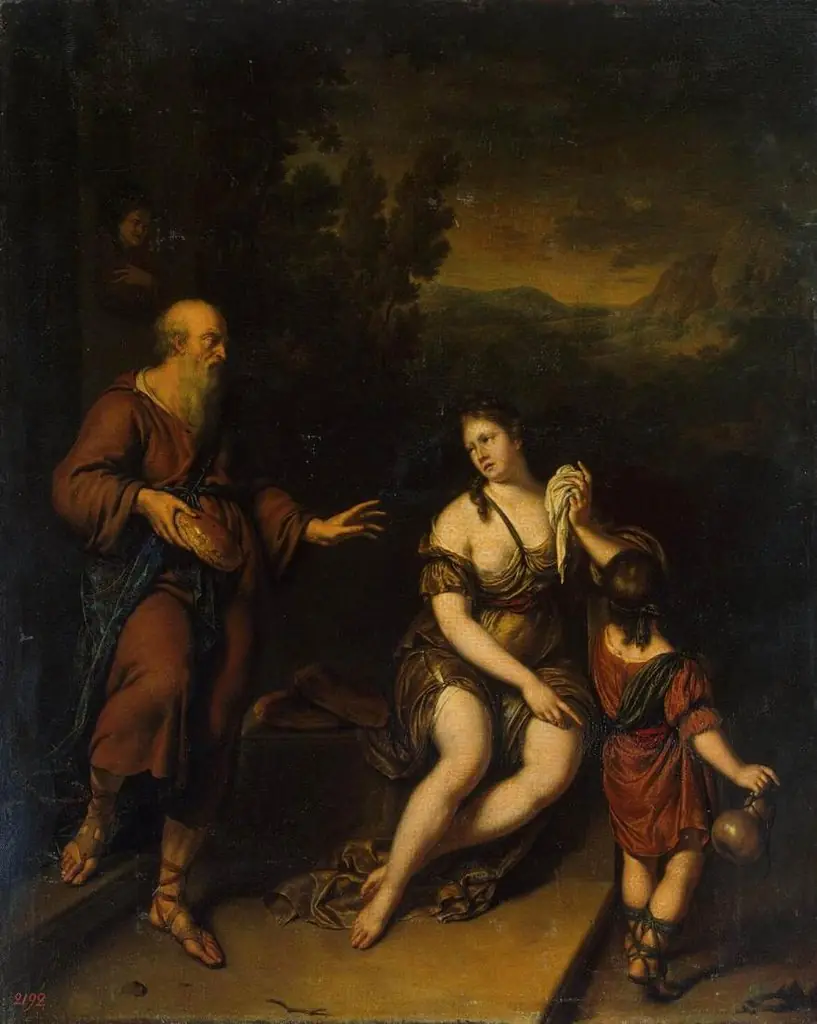
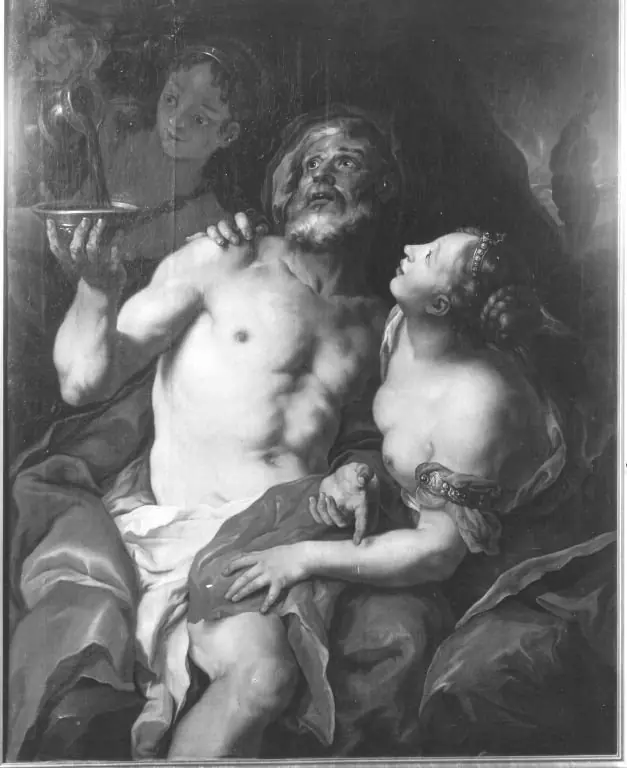
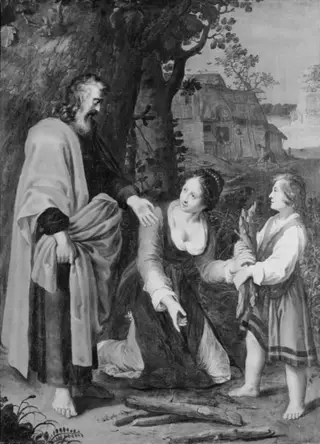
The work depicts the biblical figures Abraham and Hagar, drawn from the religious narrative of the Old Testament. Created by Guercino in 1616, the painting is classified within the genre of religious art. As a visual representation of this scriptural episode, the subject matter centers on the interaction between the patriarch and his servant, reflecting the theological and human drama inherent in their story.
The composition serves to illustrate the specific moment involving these two characters as established in the religious tradition.
Technique & Style
Guercino painted Abraham and Hagar in 1616 using oil paint applied to canvas, a standard support for his religious works. The composition demonstrates his characteristic naturalistic style and careful handling of light, while the dimensions of 127.5 cm by 101 cm align with typical altarpiece formats of the period. The painting’s condition remains stable, reflecting proper conservation practices at the Statens Museum for Kunst, where it is housed.
Context
Guercino painted Abraham and Hagar in 1616, a work now held by the Statens Museum for Kunst. Scholars highlight its dramatic chiaroscuro and emotional depth as characteristic of the artist's early Roman period, situating it within the broader development of Baroque religious painting. The composition draws on biblical narratives to explore themes of divine promise and human vulnerability, reflecting Counter-Reformation emphases on visual storytelling.
Its presence in a major Danish collection underscores the transnational appreciation of Guercino's work shortly after its creation.
Legacy
The painting Abraham and Hagar by Guercino, created in 1616, influenced religious art through its dramatic composition and emotional depth. Its portrayal of the biblical scene shaped later interpretations of maternal and divine narratives in European painting. The work remains on display at the Statens Museum for Kunst, where it is studied for its mastery of light and gesture.
Overview
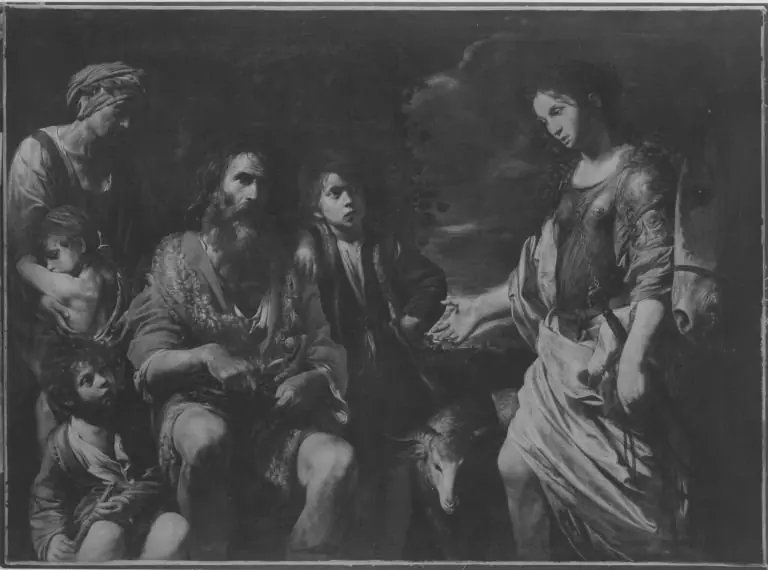
Created in 1616, this oil painting by the Italian Baroque artist Guercino portrays a biblical episode involving Abraham, Hagar, and their child. Executed during the early phase of the painter’s career, the work is part of the collection of the Statens Museum for Kunst in Copenhagen. The composition is set in a dim interior where a handful of figures dominate the visual field.
History & Provenance
Painted shortly after Guercino’s arrival in Rome, the work reflects his initial stylistic tendencies before his later turn toward a more classical equilibrium. It entered the Statens Museum for Kunst’s holdings in the 20th century, where it remains on display as an example of early Baroque religious painting and of Guercino’s developmental trajectory.
Artist & collection
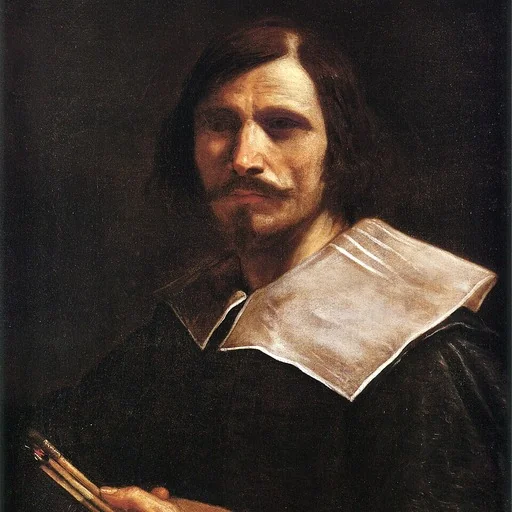
Artist
Giovanni Francesco Barbieri (8 February 1591 – 22 December 1666), better known as (il) Guercino (Italian pronunciation: ), was an Italian Baroque painter and draftsman from Cento in the Emilia region, who was active in Rome and Bologna.