Artwork
Banks of a Canal, near Naples
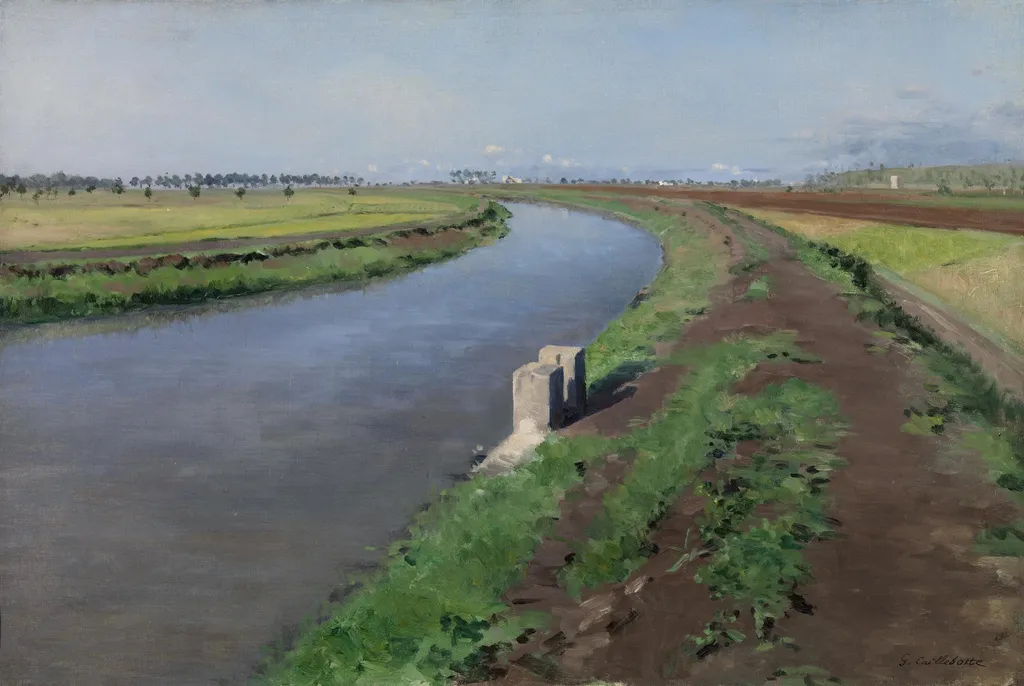
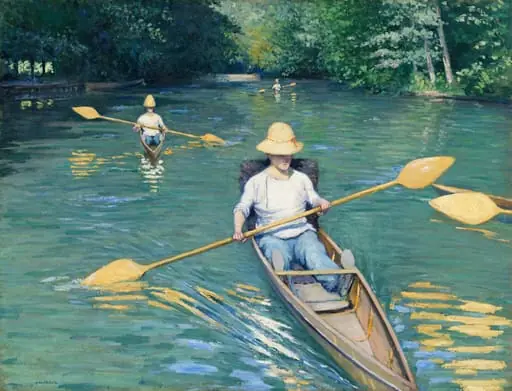
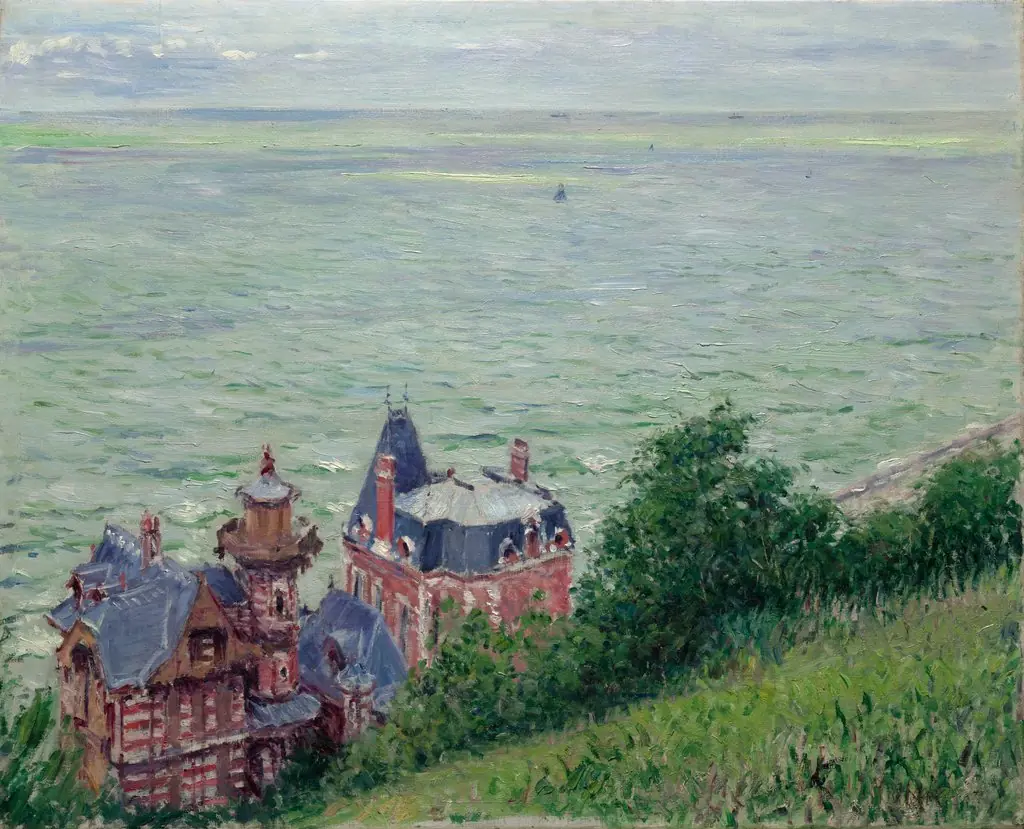
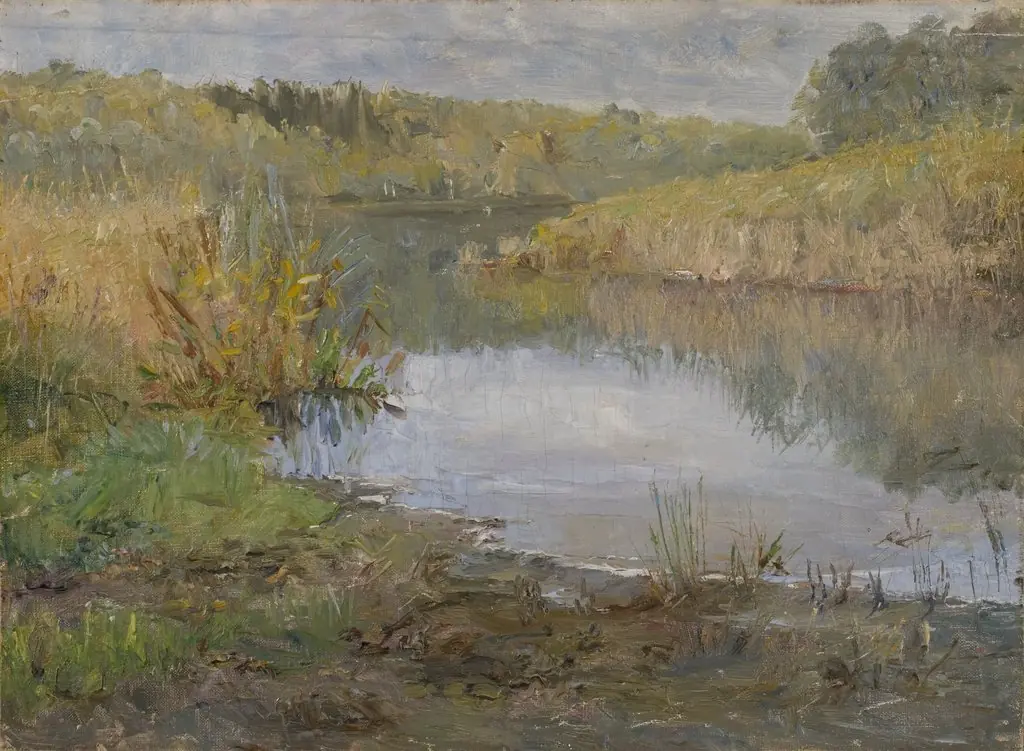
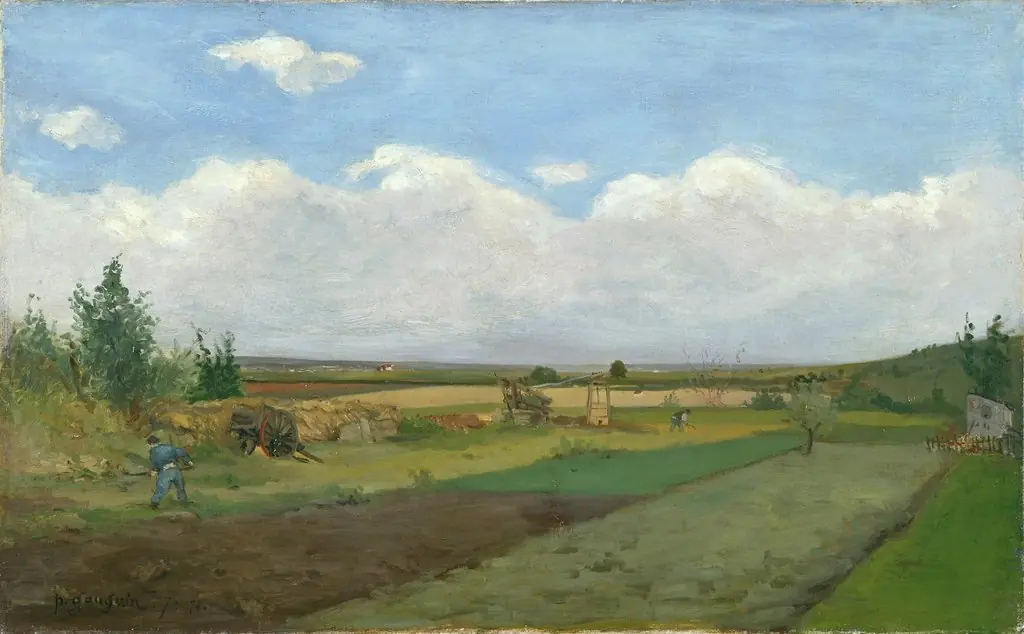
Banks of a Canal, near Naples is an oil painting by the Impressionist artist Gustave Caillebotte. It dates from 1872 and is held in the collection of the National Gallery of Ireland.
About this work
Overview
Painted in 1872, Banks of a Canal, near Naples is an oil-on-canvas landscape by Gustave Caillebotte, a French artist closely linked to the Impressionist circle.
Painted in 1872, Banks of a Canal, near Naples is an oil-on-canvas landscape by Gustave Caillebotte, a French artist closely linked to the Impressionist circle. Though he exhibited with the group, his approach leaned toward careful observation rather than loose brushwork. The scene captures a quiet waterway in southern Italy, emphasizing atmosphere over narrative. It is held in the National Gallery of Ireland’s collection.
Subject & Meaning
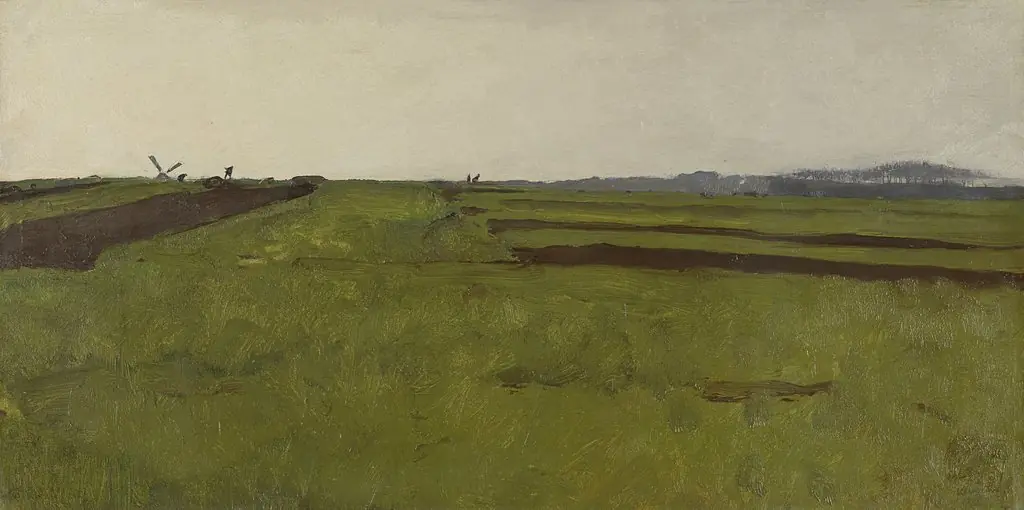
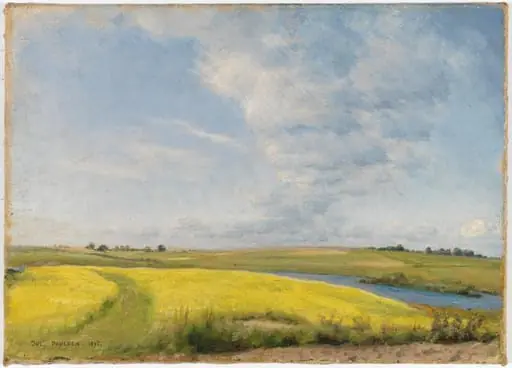
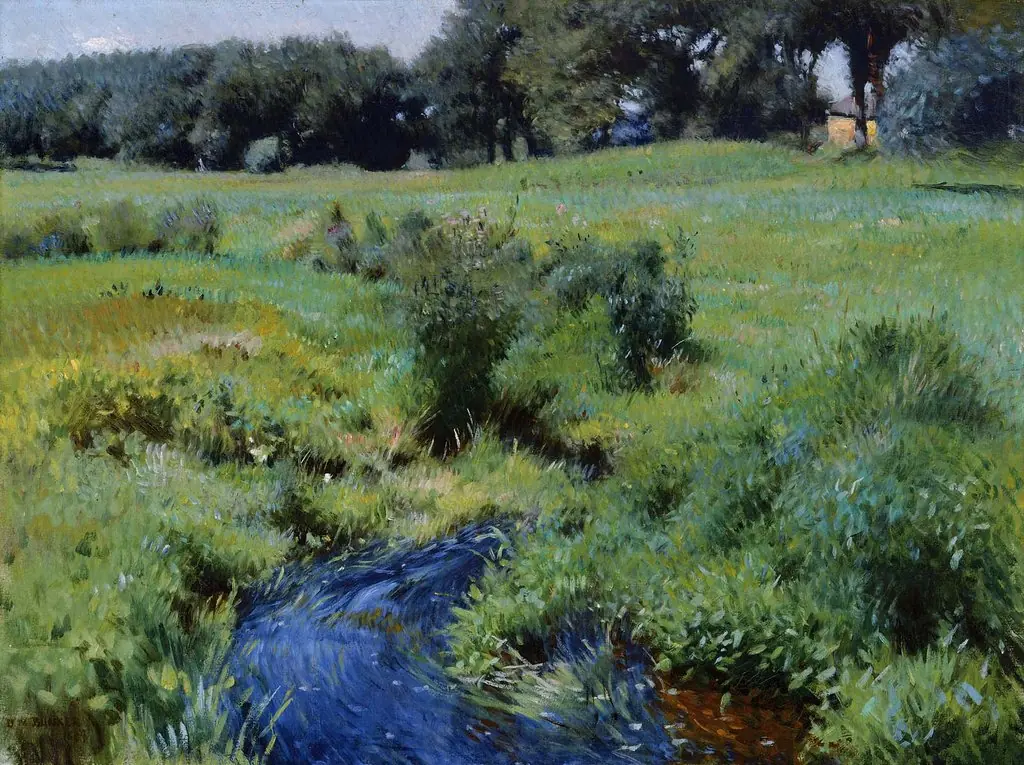
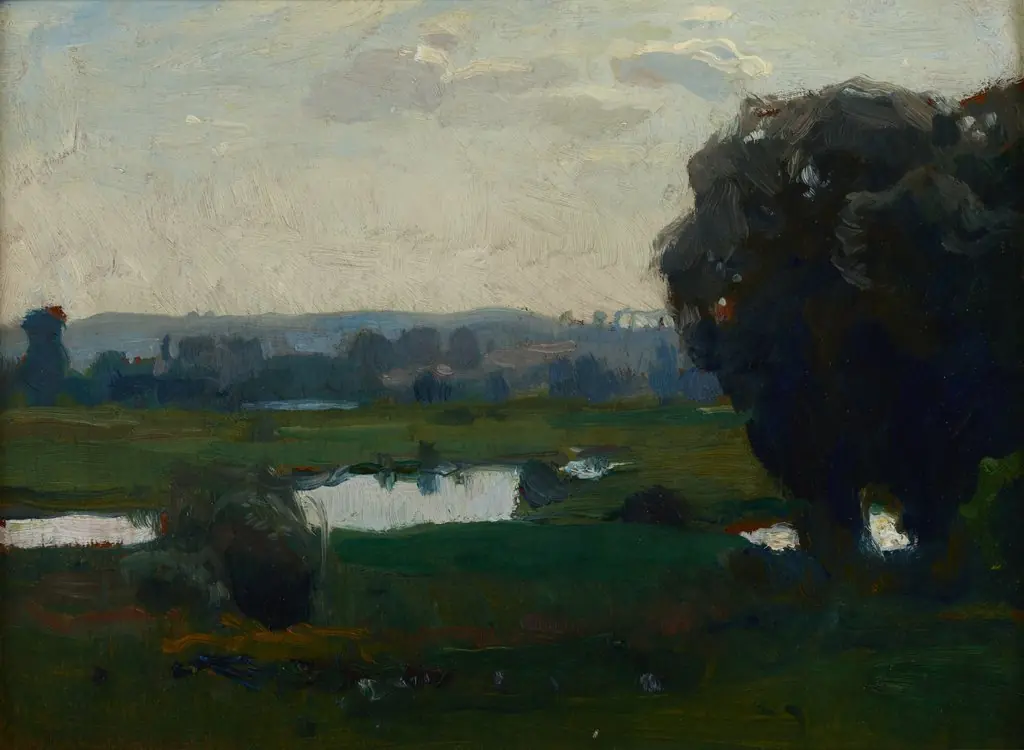
The painting presents a tranquil canal bordered by dense vegetation, with still water mirroring a soft sky. Distant forms, trees and faint architectural outlines, blur into the haze, suggesting a fleeting moment rather than a specific landmark. There is no human presence, reinforcing a sense of solitude and quiet observation. The composition invites contemplation of nature’s subtle rhythms, consistent with Caillebotte’s interest in everyday landscapes.
Technique & Style
Caillebotte applied oil paint with deliberate, visible strokes that build texture without dissolving form. The palette is restrained, dominated by muted greens, browns, and blues, avoiding the heightened chromatic contrasts of some Impressionist works. Light is rendered diffusely, with reflections on the water subtly modulated. His method balances precision with spontaneity, reflecting a middle ground between academic discipline and plein air experimentation.
History & Provenance
Created during Caillebotte’s travels in Italy in 1872, the painting is one of several landscapes he produced outside France. It remained in private hands until entering the National Gallery of Ireland’s collection, though the exact path of acquisition is not fully documented. Unlike many of his urban scenes, this work reflects a brief but significant period of study abroad, contributing to his evolving approach to light and space.
Context
In the early 1870s, Caillebotte was actively participating in Impressionist exhibitions while maintaining a distinct, more structured style. While contemporaries like Monet pursued atmospheric dissolution, Caillebotte often retained clear structure and perspective. This painting aligns with his broader interest in documenting ordinary environments, whether Parisian boulevards or Italian canals, as subjects worthy of sustained attention.
Legacy
Though less widely known than his urban scenes, Banks of a Canal, near Naples exemplifies Caillebotte’s quiet contribution to landscape painting within the Impressionist movement. It demonstrates his ability to merge observational rigor with poetic restraint, influencing later realist tendencies in modern landscape art. The work remains a quiet testament to his commitment to capturing the unadorned character of place.
Own this work as a print
Artist & collection

Artist
Gustave Caillebotte (French: ; 19 August 1848 – 21 February 1894) was a French painter who was a member and patron of the Impressionists, although he painted in a more realistic manner than many others in the group.