Artwork
La Roche à Bayard, Dinant
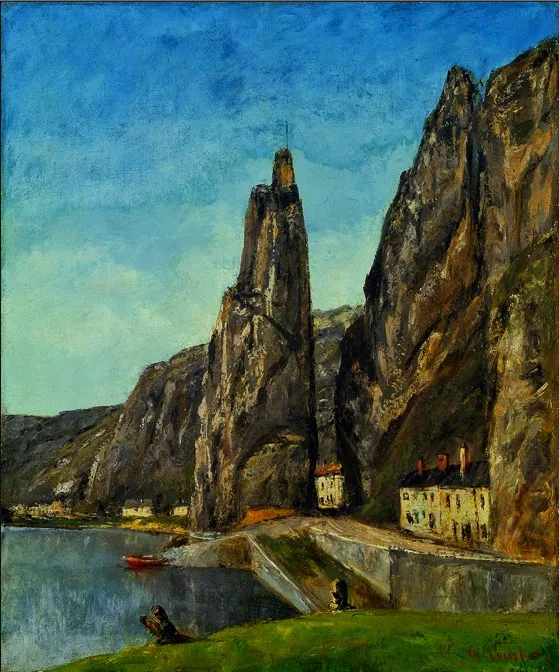
La Roche à Bayard, Dinant is an oil painting by the Realist artist Gustave Courbet. It dates from 1856 and is held in the collection of the Fitzwilliam Museum.
About this work
Overview
Measuring 56 by 47 centimetres, the work depicts a dramatic limestone rock formation on the banks of the Meuse River at Dinant, Belgium.
La Roche à Bayard, Dinant is an oil on canvas painting by the French artist Gustave Courbet, dated 1856. Measuring 56 by 47 centimetres, the work depicts a dramatic limestone rock formation on the banks of the Meuse River at Dinant, Belgium. The painting is held in the collection of the Fitzwilliam Museum, University of Cambridge, where it entered as a bequest in 1939. As a mid-century landscape by the leading figure of French Realism, the work exemplifies Courbet's commitment to direct observation of nature and his rejection of idealised academic conventions.
Subject & Meaning
The painting portrays the Rocher Bayard, a towering limestone cliff that rises from the riverbank at Dinant, with a smaller companion cliff to its right. The Meuse River occupies the lower left of the composition, its surface reflecting the sky above. A bright red boat floats near the shore, while at the base of the cliffs a road curves past two pale buildings with dark roofs and red chimneys. In the foreground, a strip of green grass contains two small dark figures seated separately, providing a sense of scale against the monumental geology. The sky shifts from deep blue at the top to pale turquoise near the horizon. The subject carries no overt symbolic or narrative programme; rather, it presents the rock formation as a fact of the natural world, consistent with Courbet's realist project of recording the visible world without romantic embellishment or classical allusion.
Technique & Style
Courbet executed the work in oil on canvas, employing a painterly handling throughout. The rock faces are rendered with thick, textured brushwork in browns, grays, and ochres, while the water and sky are treated more smoothly. This contrast in facture distinguishes the solid, tactile presence of the geological forms from the atmospheric effects of sky and river. The overall finish is visibly brushed, with strokes apparent across the surface. The composition is organised vertically, with the massive cliff dominating the pictorial field and the human elements, including the small figures and buildings, subordinated to the scale of nature. A signature in red appears in the lower right corner. The palette is restrained, relying on earth tones for the rocks, greens for the foreground, and a graduated blue for the sky, with the red boat and chimneys providing discrete accents.
History & Provenance
The painting is dated 1856, though the Fitzwilliam Museum records this as "in or after 1856," allowing for some uncertainty in the dating. The work was bequeathed to the museum by Frank Hindley Smith in 1939, entering the collection under accession number 2386. No earlier provenance is recorded in the available sources. The painting's exhibition history is not documented in the provided materials.
Legacy
The painting's afterlife is primarily institutional: its place in the Fitzwilliam Museum collection ensures continued public access and scholarly attention. As a bequest from 1939, it represents an early twentieth-century recognition of Courbet's significance within British museum formation. The work's reproduction and dissemination through the museum's digital programmes, including its image licensing and online catalogue, extend its reach beyond the physical gallery. No specific later influence or cultural afterlife beyond this institutional preservation is documented in the available sources.
Artist & collection
Artist
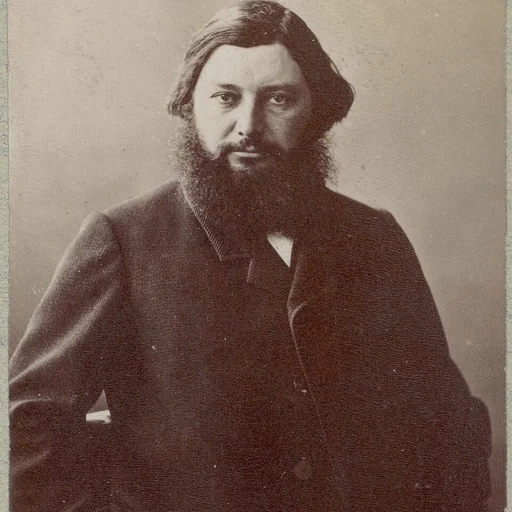
Jean Désiré Gustave Courbet (UK: KOOR-bay; US: koor-BAY; French:; 10 June 1819 – 31 December 1877) was a French painter who led the Realism movement in 19th-century French painting.


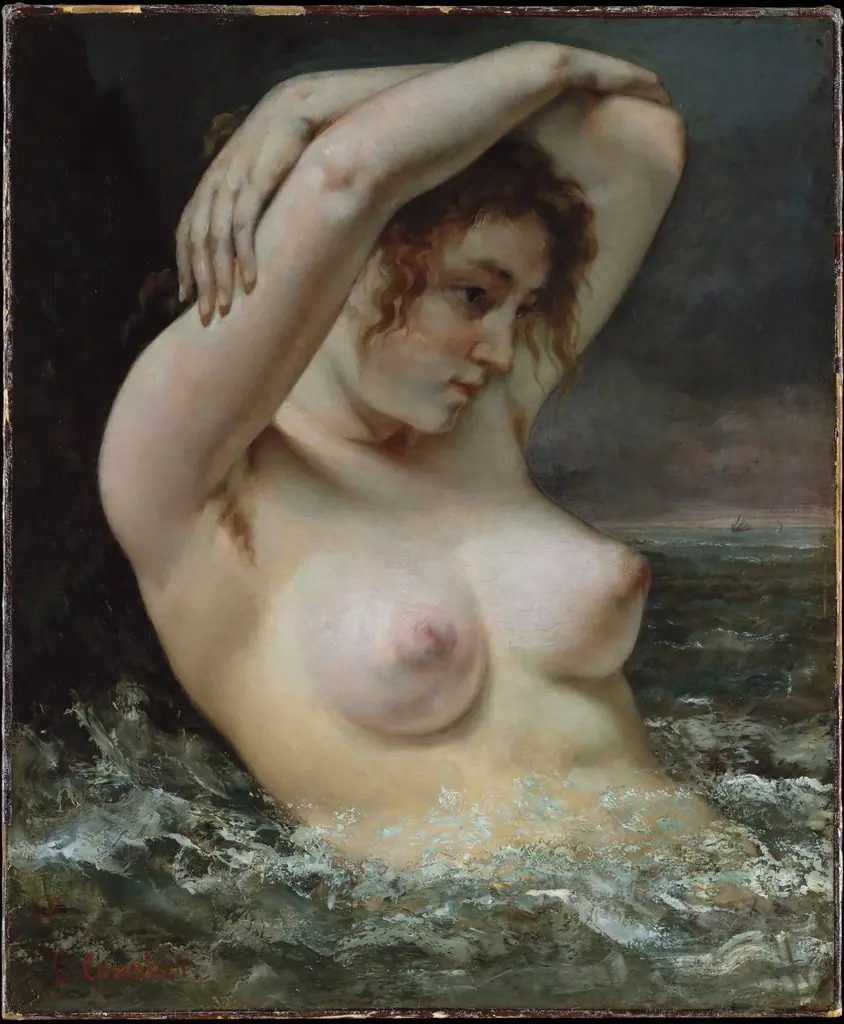

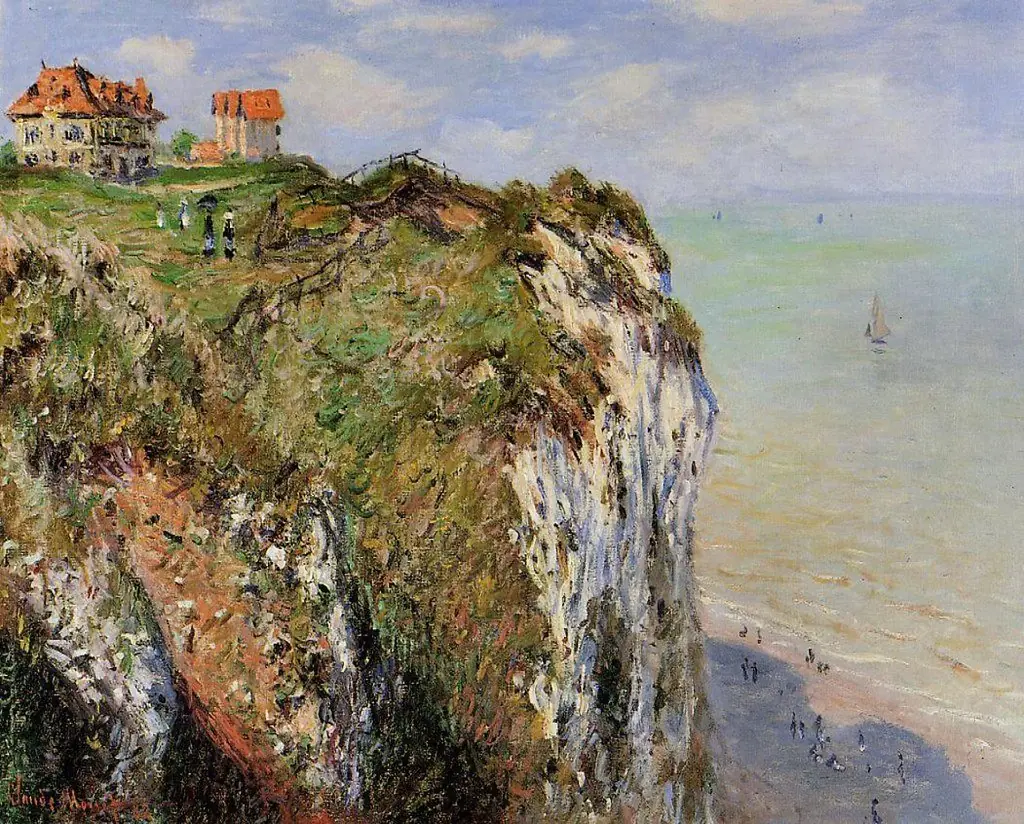 La Falaise à Dieppe
 Beaulieu: The Bay of Fourmis
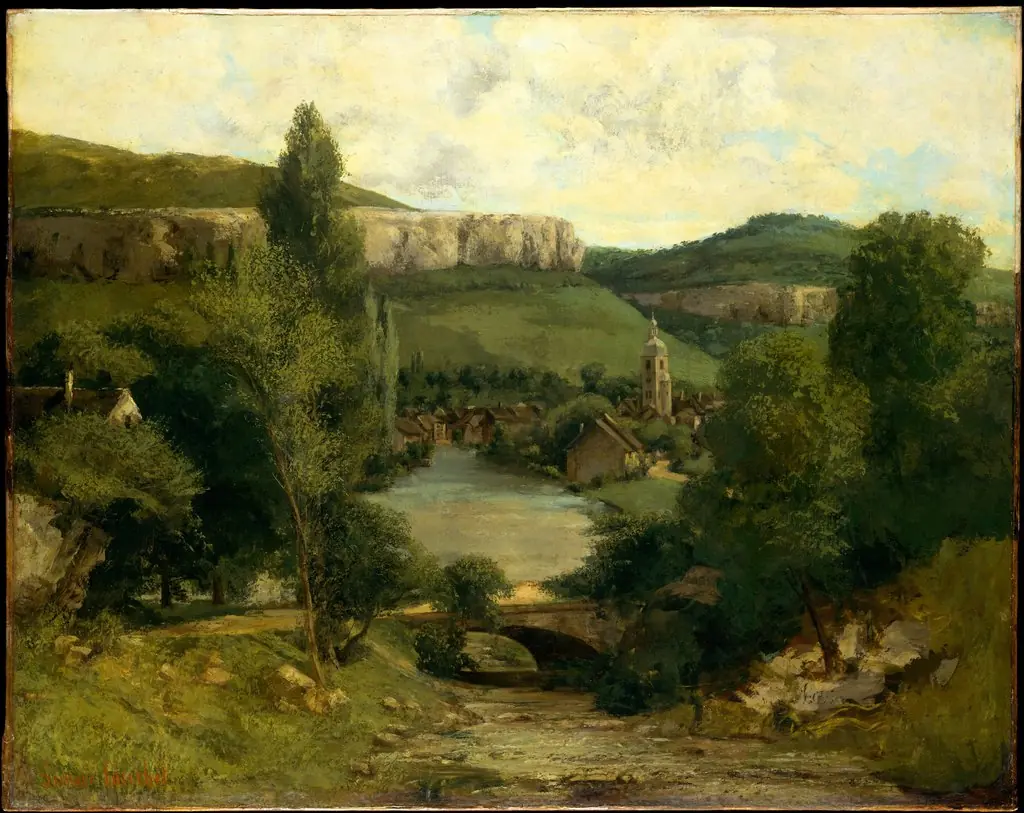 View of Ornans
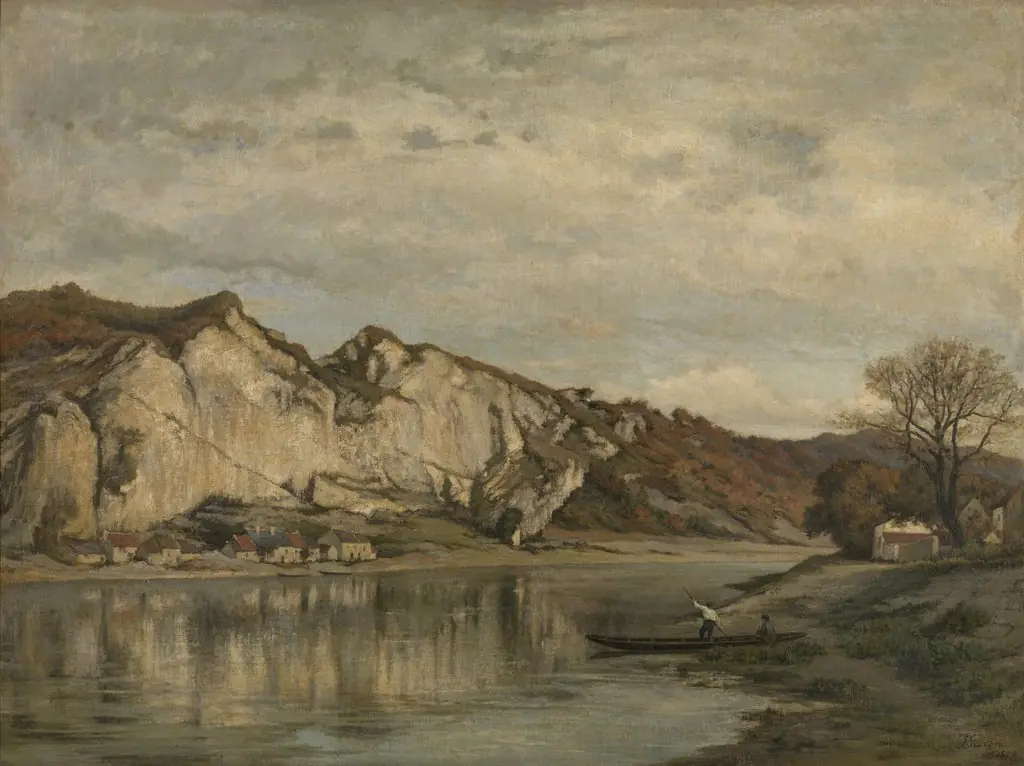 Rocher de Frêne near Profondeville
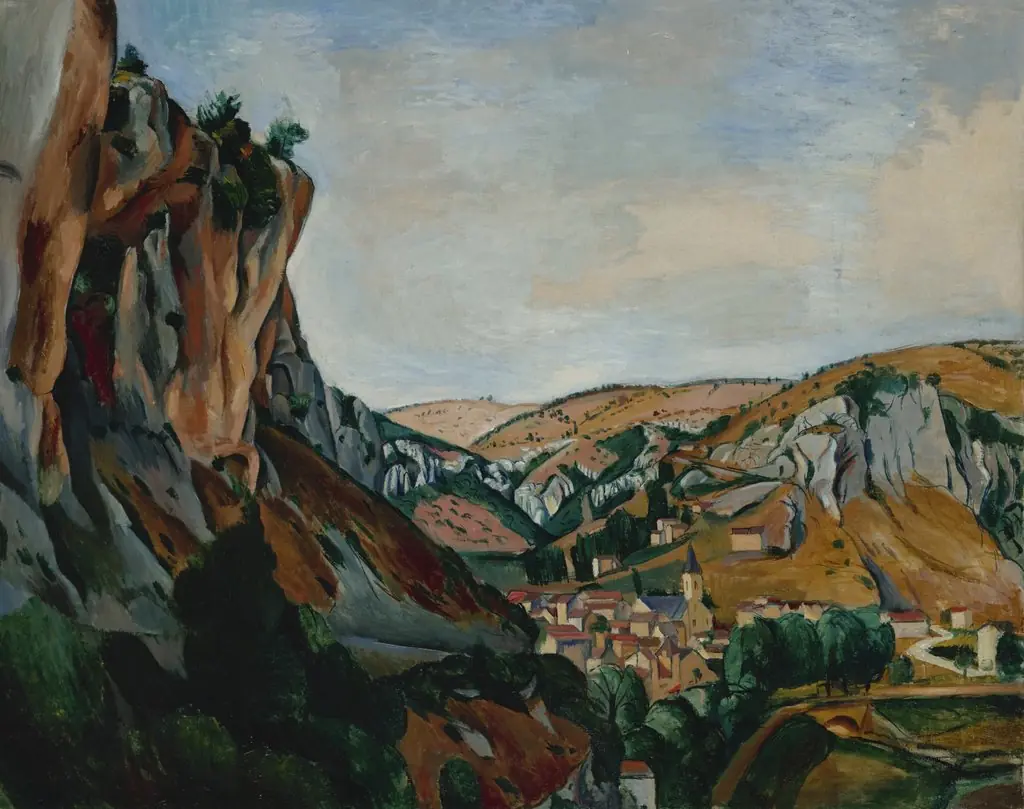 Valley of the Lot at Vers
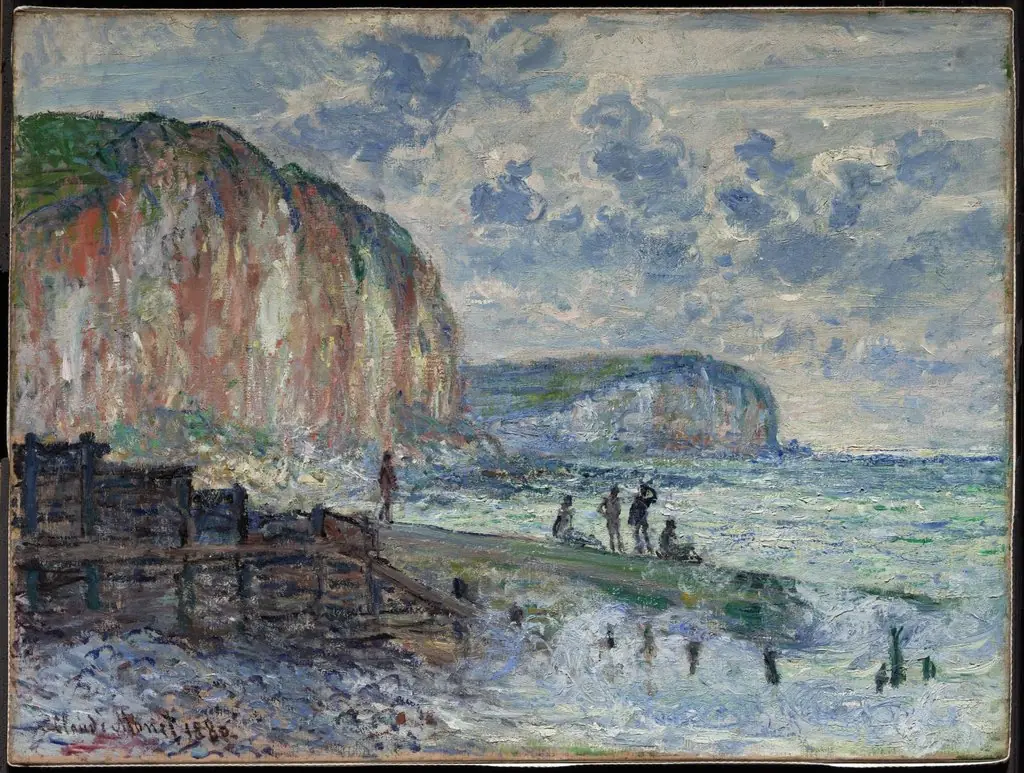 Cliffs of the Petites Dalles
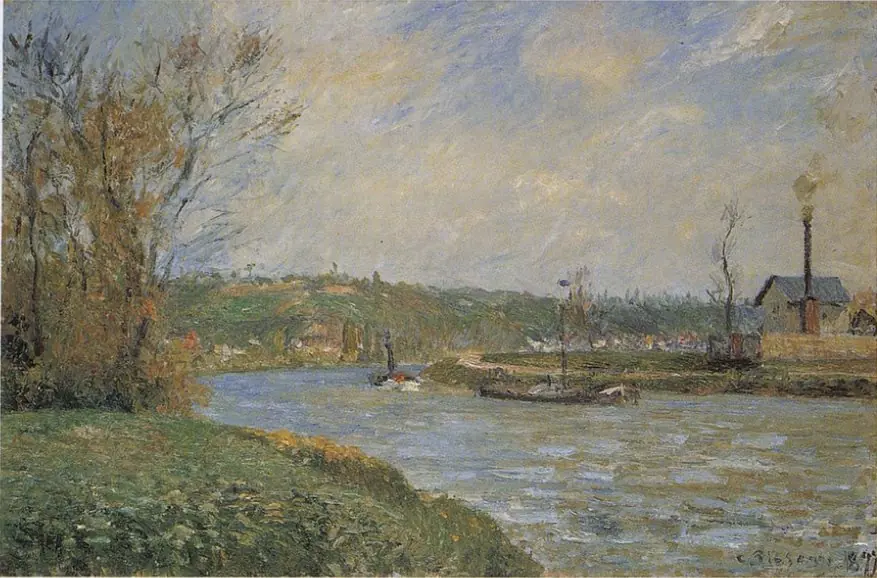 Bords de l'Oise près de Pontoise
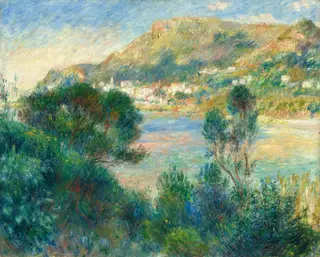 View of Monte Carlo from Cap Martin
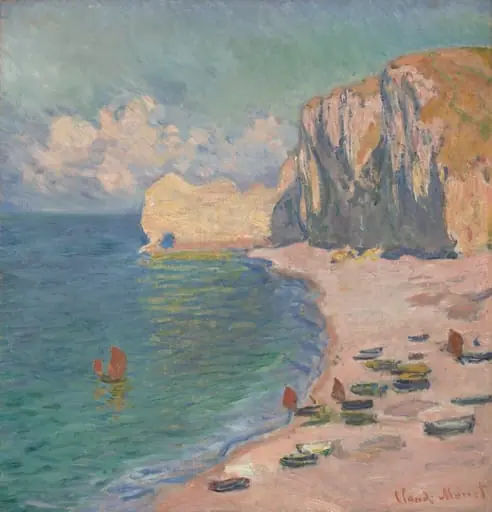 Étretat: The Beach and the Falaise d'Amont
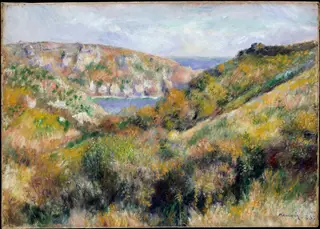 Hills around the Bay of Moulin Huet, Guernsey
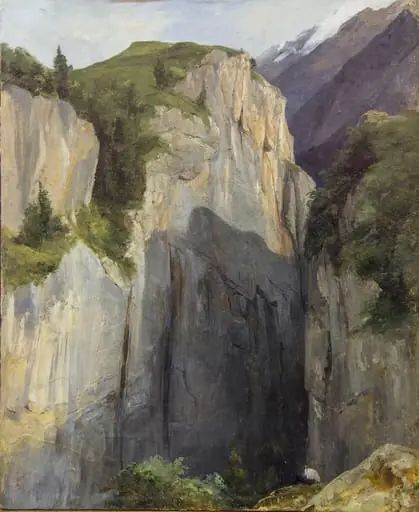 Dâmbovicioara
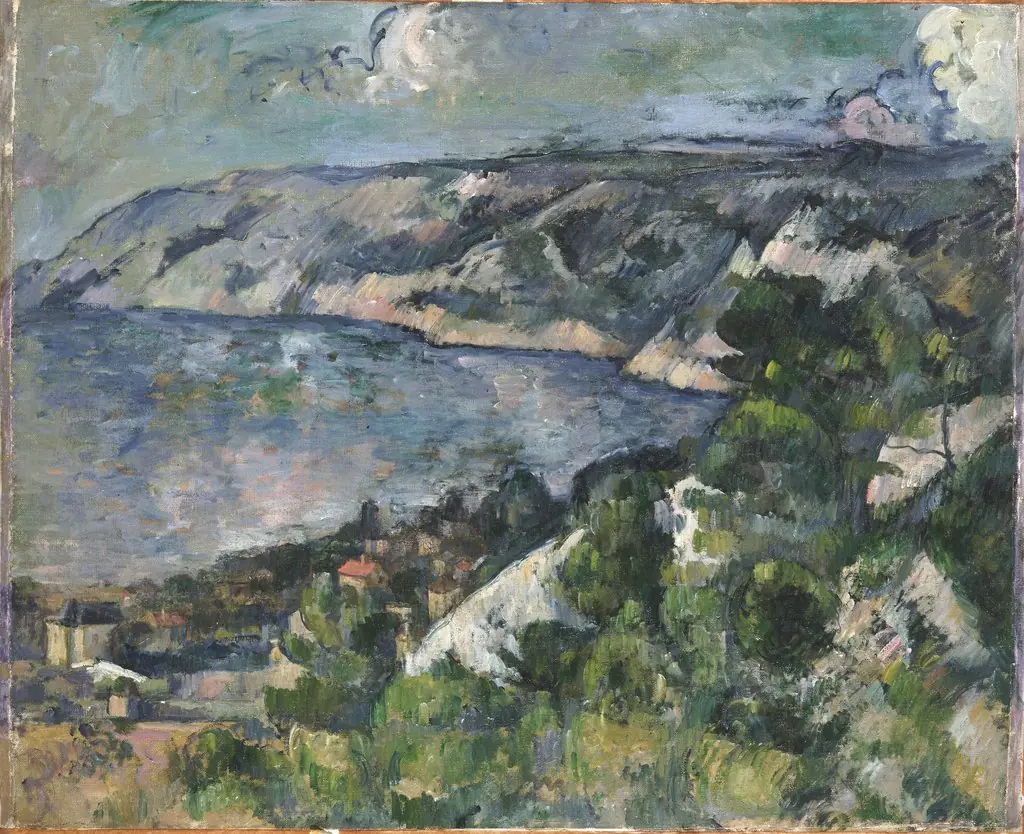
- Bay of L'Estaque