Artwork
Trout
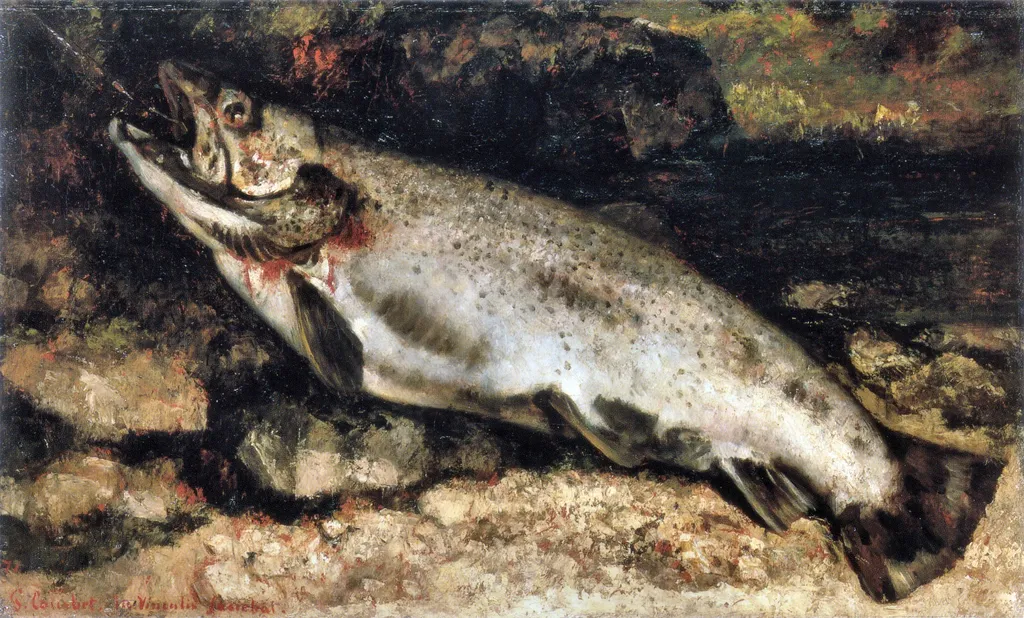
Trout is an oil painting by the Realist artist Gustave Courbet. It dates from 1872 and is held in the collection of the Kunsthaus Zürich.
About this work
Overview
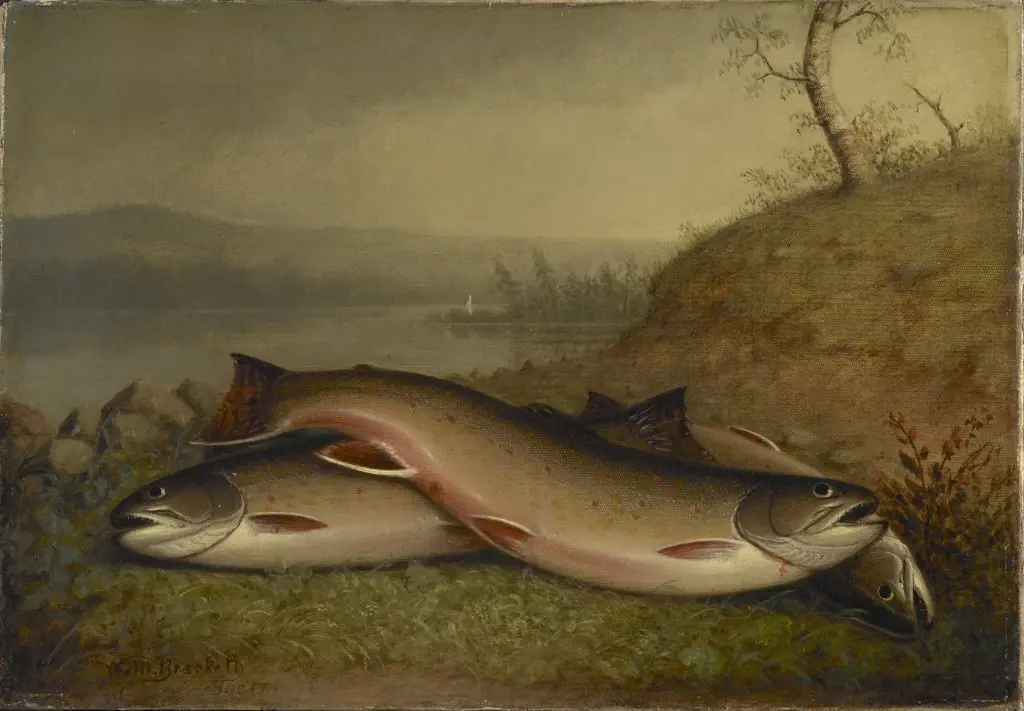
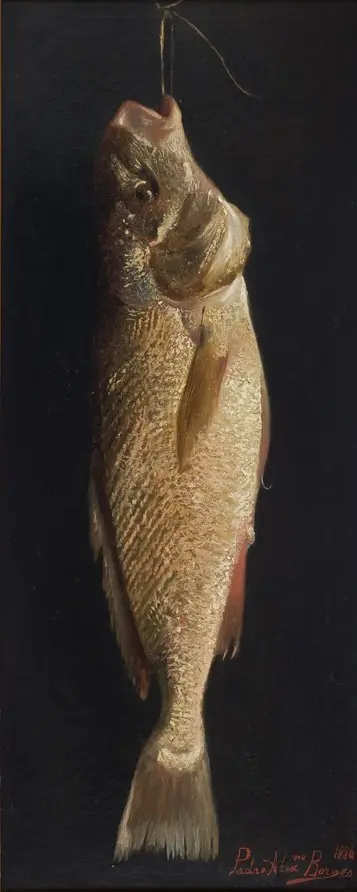
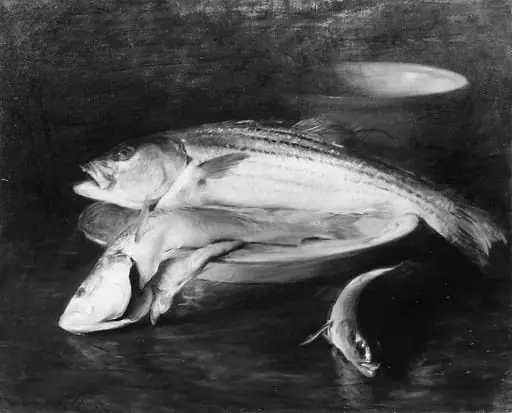
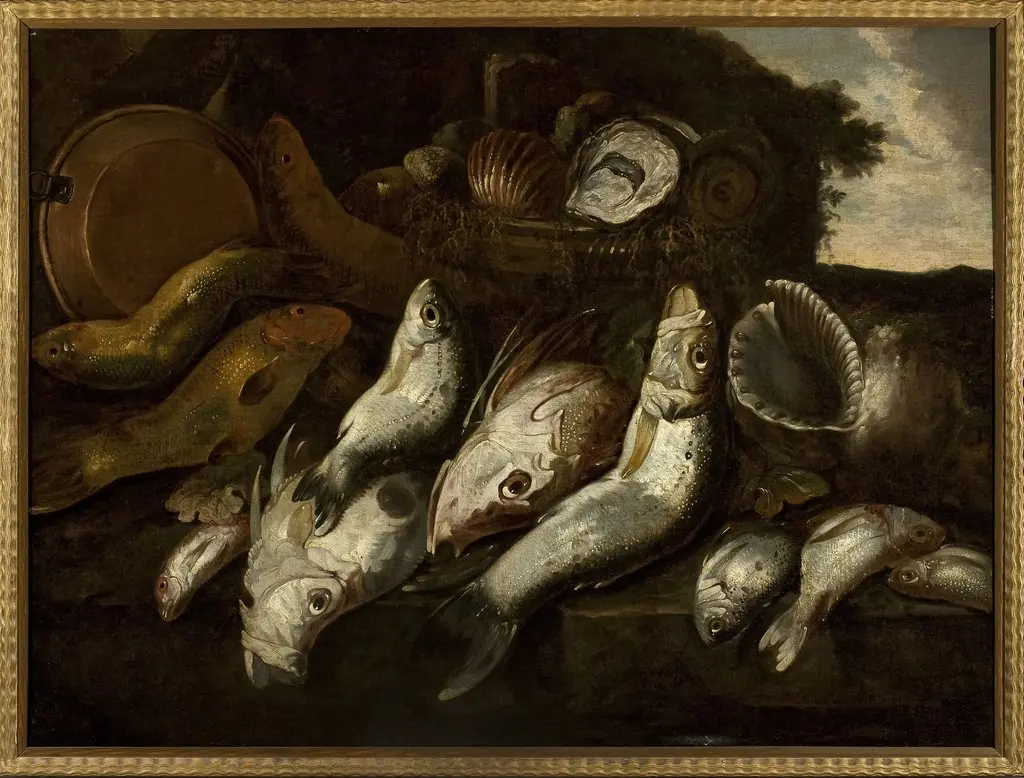
Gustave Courbet’s 1872 oil painting titled Trout presents a single fish laid on a rugged stone surface. The composition isolates the creature, allowing its muted white‑gray scales and faintly open mouth to dominate the visual field against a backdrop of earthy browns, greens and reds. The work exemplifies Courbet’s realist approach, emphasizing direct observation over idealized representation.
Subject & Meaning
The painting focuses on the trout as a concrete, everyday subject, reflecting Courbet’s interest in depicting the tangible world. By rendering the fish with a naturalistic attention to its texture and form, the work underscores a philosophy that values the ordinary and the observable, rejecting the romanticized narratives common in academic art of the period.
Technique & Style
Courbet employs thick, impasto brushwork that gives the fish’s scales a tactile quality, catching light to suggest wetness and flesh. The palette is restrained, using muted whites, grays and darker spots for the trout, while the surrounding rocks and background are rendered in dark, earthy tones with occasional green and red accents, enhancing the focal contrast.
History & Provenance
Created in 1872, Trout entered the collection of the Kunsthaus Zürich, where it remains on display. The acquisition reflects the museum’s commitment to representing key works of French Realism and Courbet’s pivotal role within that movement.
Artist & collection
Artist
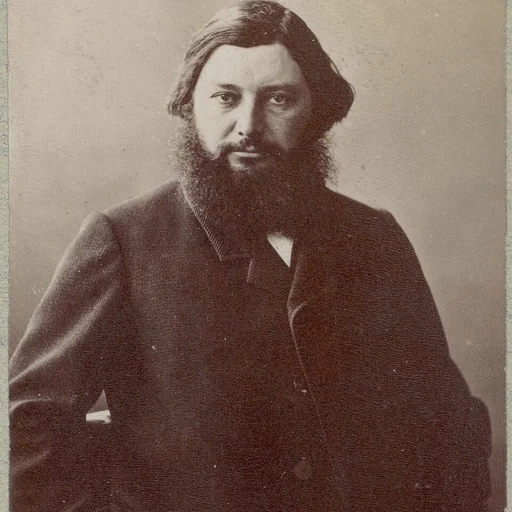
Jean Désiré Gustave Courbet (UK: KOOR-bay; US: koor-BAY; French:; 10 June 1819 – 31 December 1877) was a French painter who led the Realism movement in 19th-century French painting.