Artwork
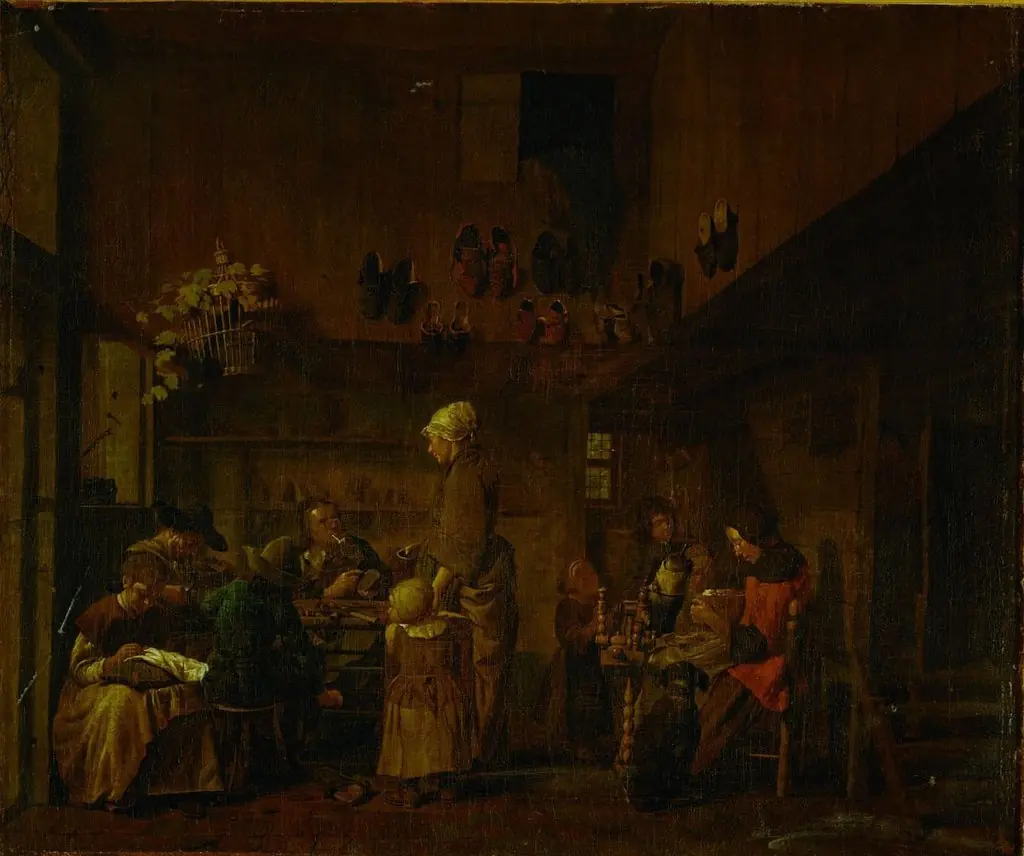
Interior of a peasant hut
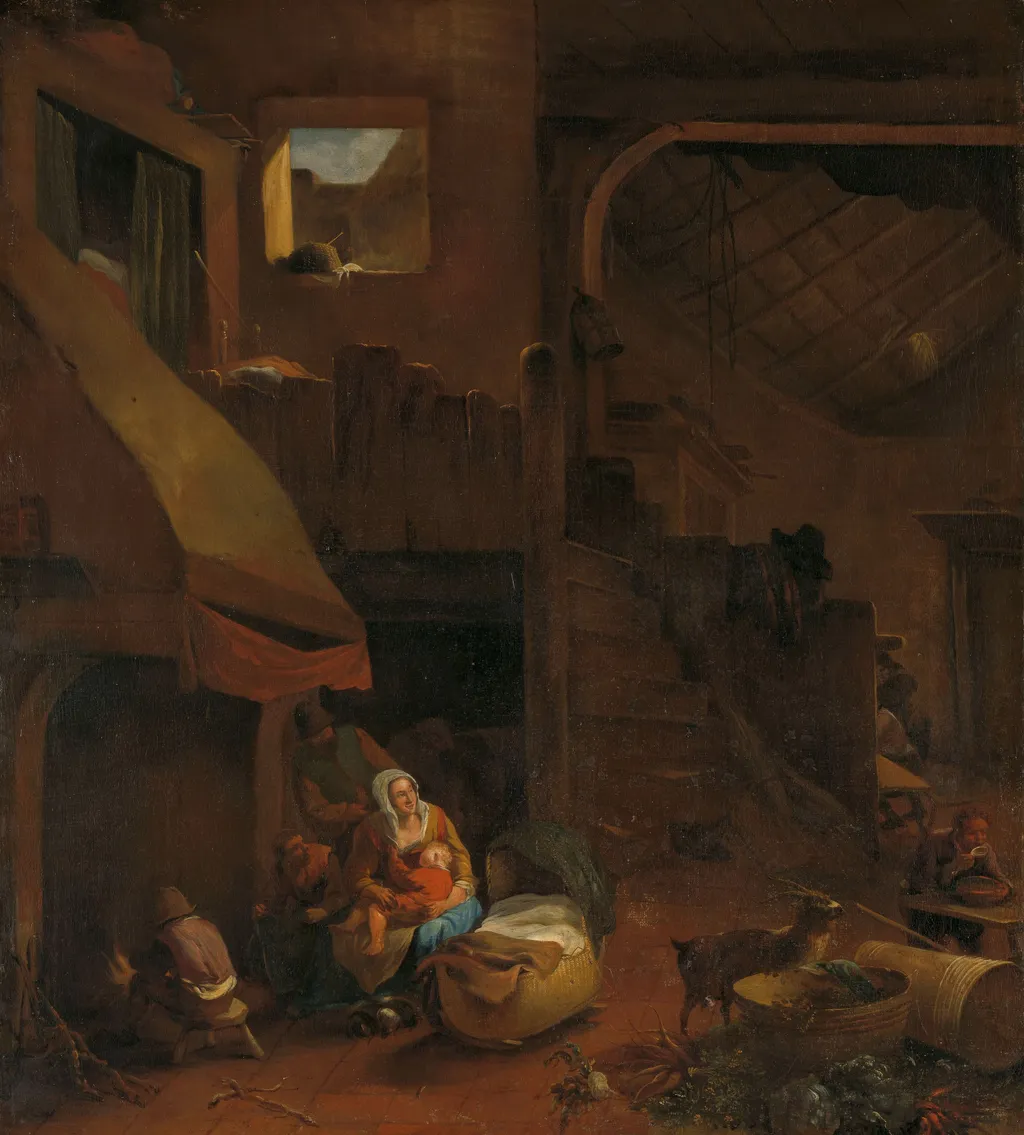
Interior of a peasant hut is an oil painting by the Dutch Golden Age artist Hendrick Mommers. It dates from 1650 and is held in the collection of the Rijksmuseum.
About this work
Technique & Style
Interior of a peasant hut is executed in oil paint on canvas, a standard support for mid-seventeenth-century Dutch genre painting.
Interior of a peasant hut is executed in oil paint on canvas, a standard support for mid-seventeenth-century Dutch genre painting. The work measures 76 cm in height and 68 cm in width, giving it a nearly square format suited to an intimate interior scene. Hendrick Mommers's handling of the medium is consistent with the genre-scene tradition to which the painting is classified, depicting a humble domestic interior. The canvas is held in the Rijksmuseum collection.
History & Provenance
The painting Interior of a peasant hut was created in 1650 by the Dutch artist Hendrick Mommers. Executed in oil on canvas, the work measures 76 cm in height and 68 cm in width. The piece is currently held in the collection of the Rijksmuseum, where it remains on display as an example of genre art.
No specific details regarding its original commission or intermediate ownership history prior to its acquisition by the museum are provided in the available records.
Hendrick Mommers' painting Interior of a peasant hut, created in 1650, is held in the collection of the Rijksmuseum in Amsterdam. The work, executed in oil on canvas, measures 76 cm in height and 68 cm in width. While the sources confirm its current location within the Rijksmuseum, no specific inventory or accession number is provided in the available documentation. Additionally, the provided texts do not record any exhibition history for this specific piece.
Legacy
Hendrick Mommers’ Interior of a peasant hut (1650) occupies a modest yet distinct place in the legacy of Dutch Golden Age genre painting. Housed in the Rijksmuseum since its acquisition, the work exemplifies the period’s growing interest in rural domesticity and everyday life, influencing later depictions of peasant interiors within Dutch art. While not as widely reproduced as works by Vermeer or de Hooch, Mommers’ painting contributes to the broader canon of 17th-century genre scenes that shaped European representations of rural life.
Its inclusion in the Rijksmuseum’s collection underscores its role in preserving the artistic traditions of the era, though it remains less frequently cited in scholarly literature compared to more iconic genre works. The painting’s intimate scale and detailed portrayal of peasant life offer insight into the social and artistic priorities of its time, cementing its relevance in studies of Dutch genre painting.
Overview
Interior of a Peasant Hut is a painting by Hendrick Mommers, a Dutch Golden Age artist active in Amsterdam from around 1620 to 1693. Created circa 1650, it is an oil on canvas work held in the Rijksmuseum.
Subject & Meaning
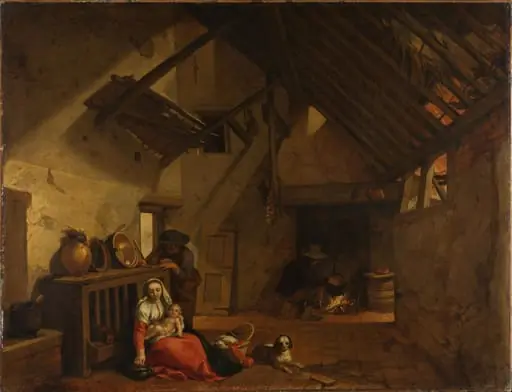
The painting depicts a humble domestic scene: a woman tends to a baby in a cluttered, dimly lit room, surrounded by everyday objects and other figures engaged in quiet activities. The scene conveys a sense of ordinary, rustic life.
Own this work as a print
Artist & collection
Artist
Hendrick Mommers (bapt. 2 January 1620, in Amsterdam – bur. 21 December 1693, in Amsterdam) was a Dutch Golden Age landscape painter.

- The Rest on the Flight into Egypt
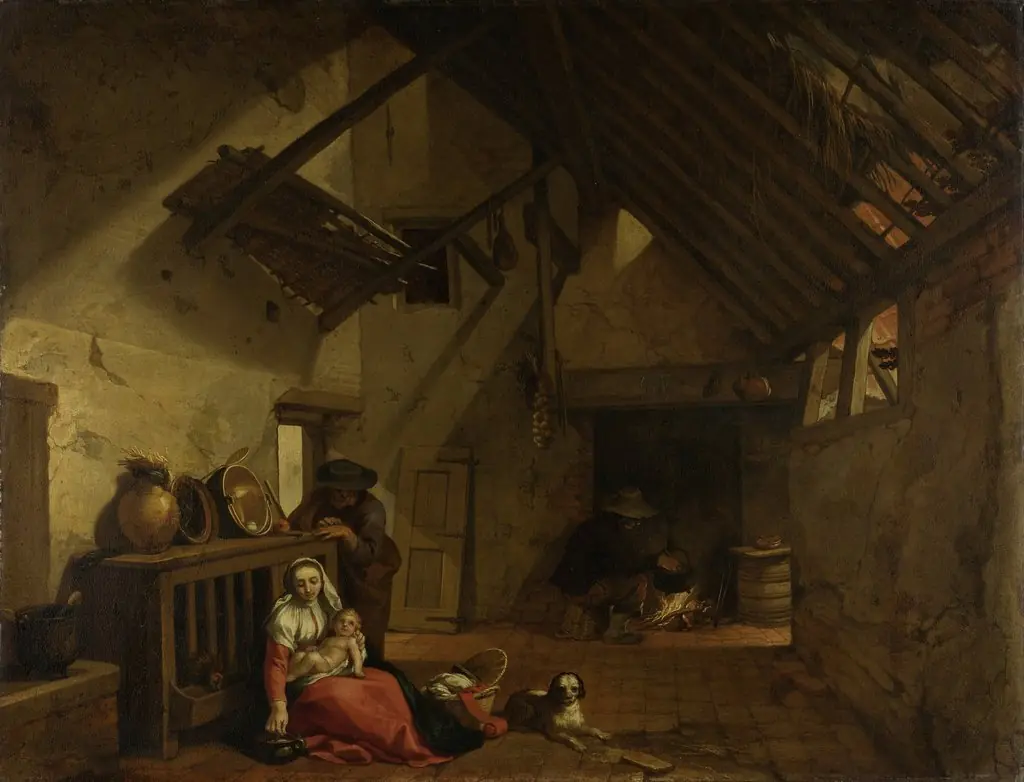 The Rest on the Flight into Egypt
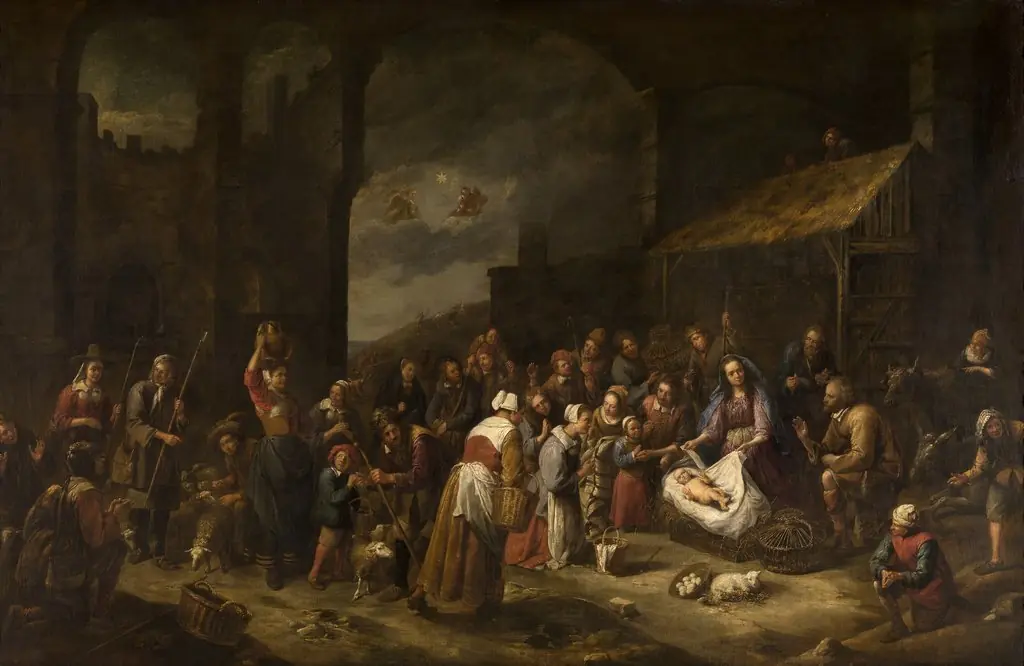
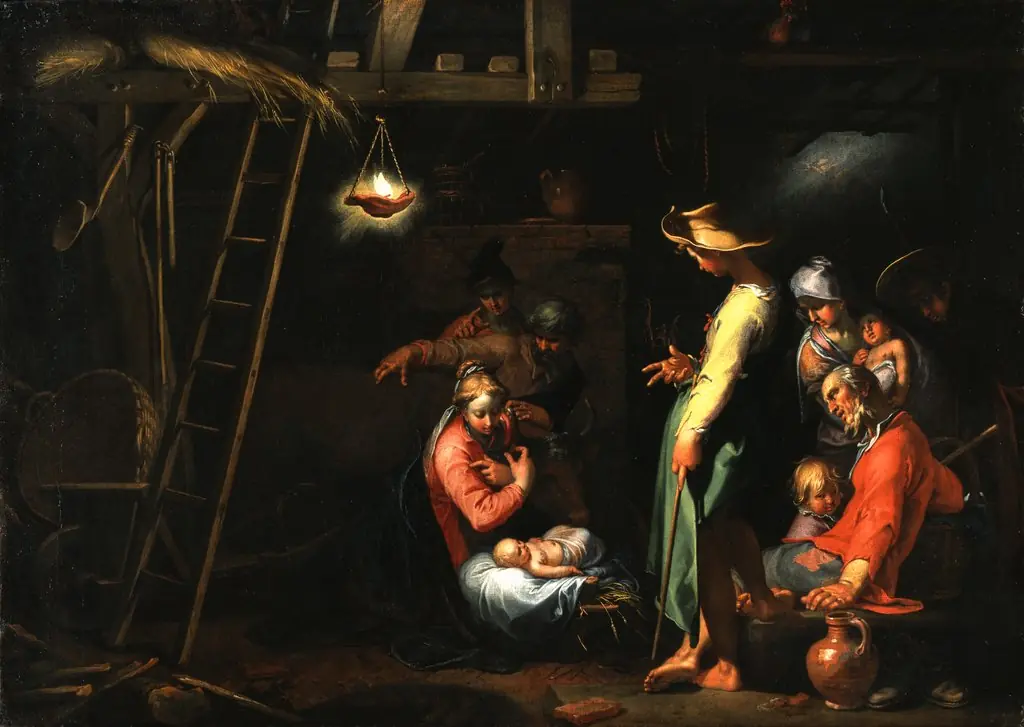
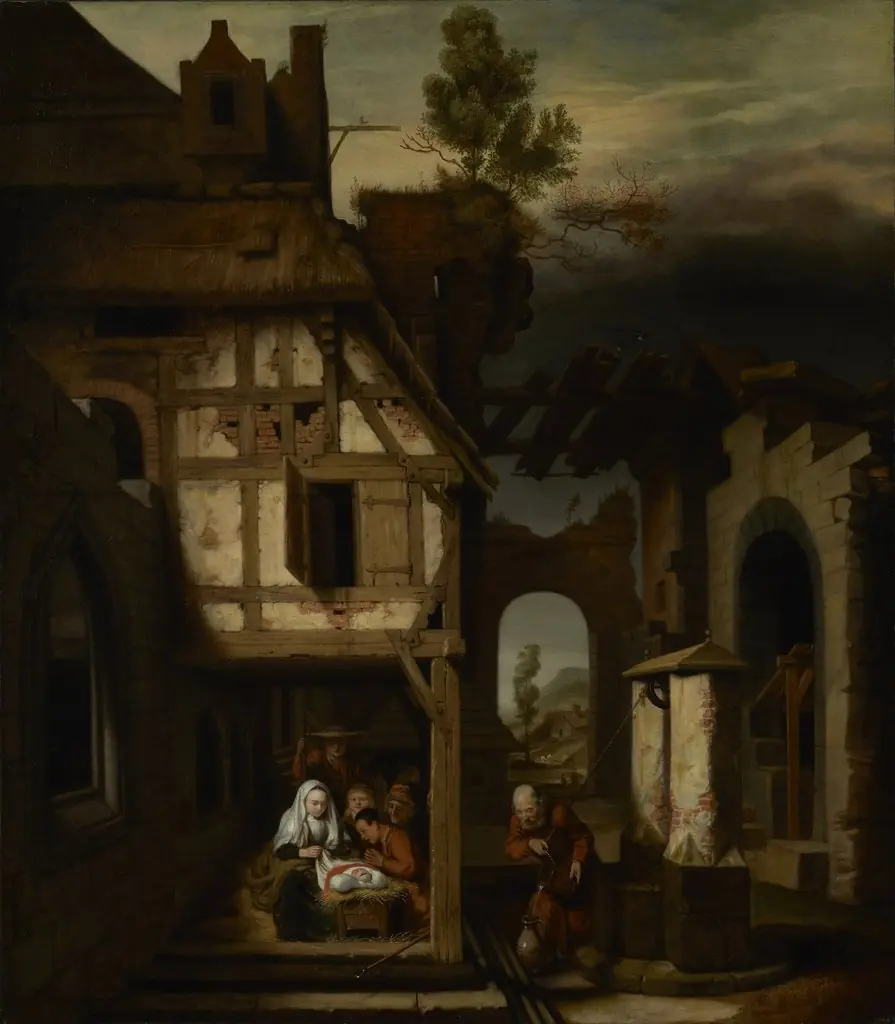 Adoration of the Shepherds
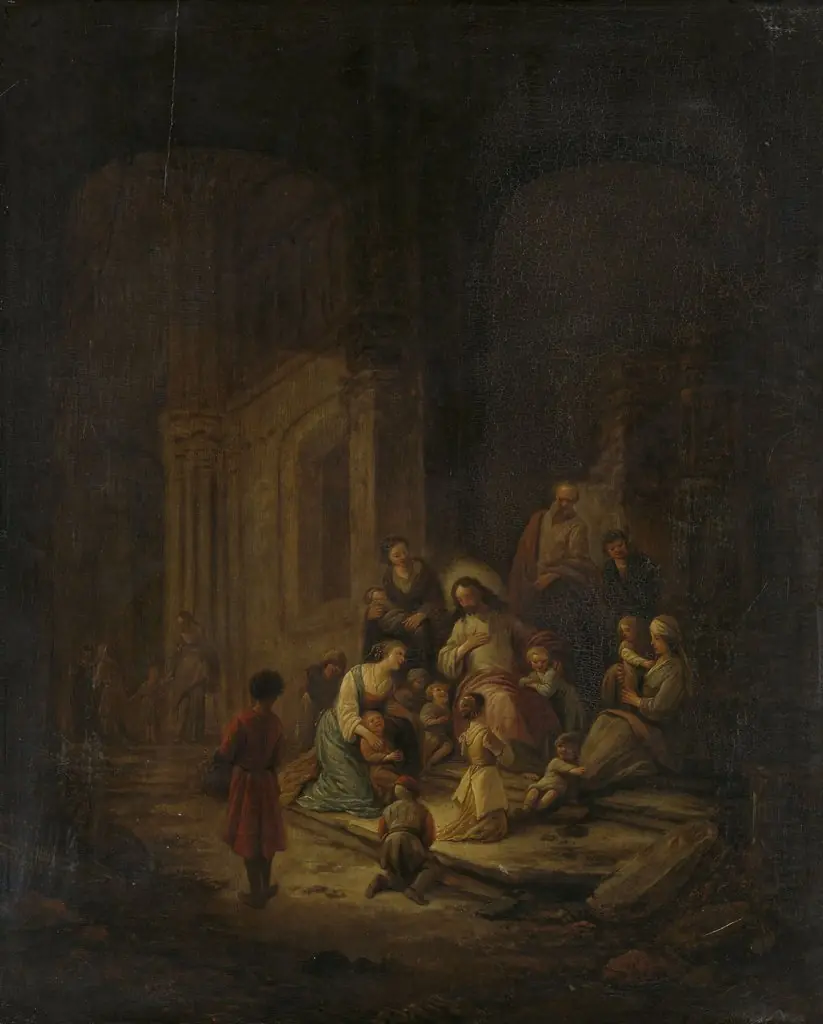 Christ blessing the children
 Inn Parlour with Guests
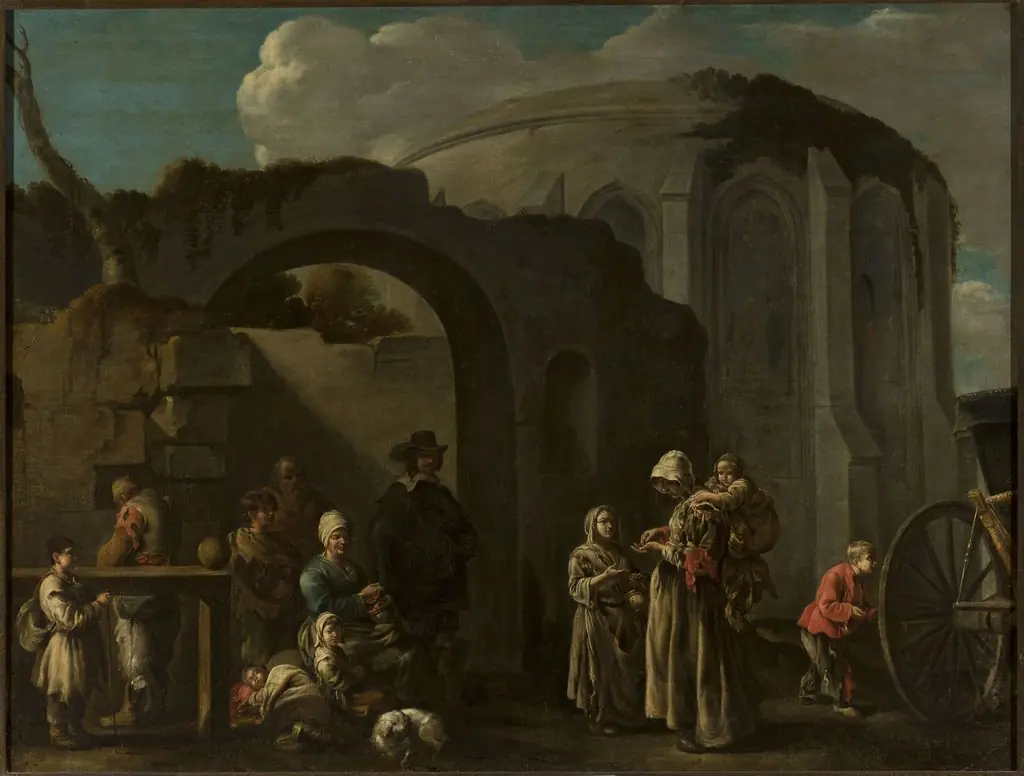 Family of beggars among ruins
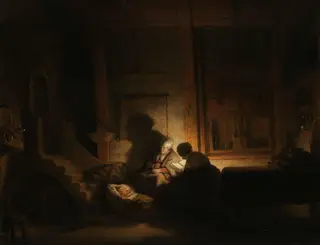 The holy family at night
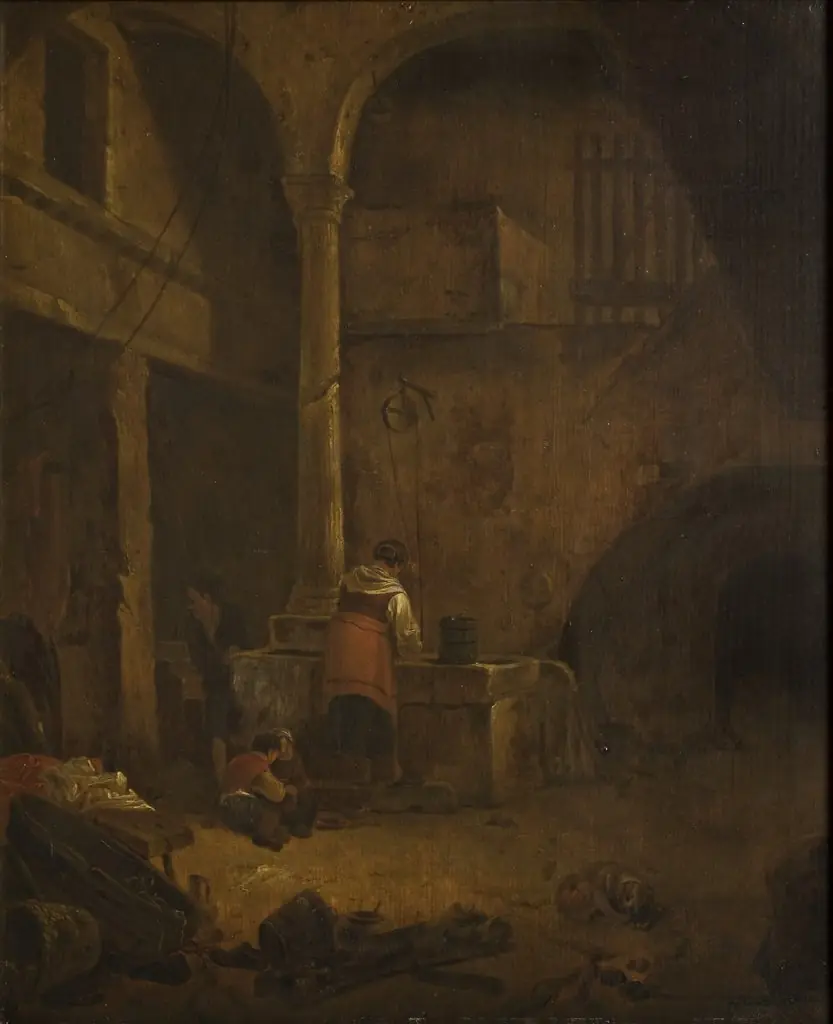 Woman at a Well in an Italian Farmhouse
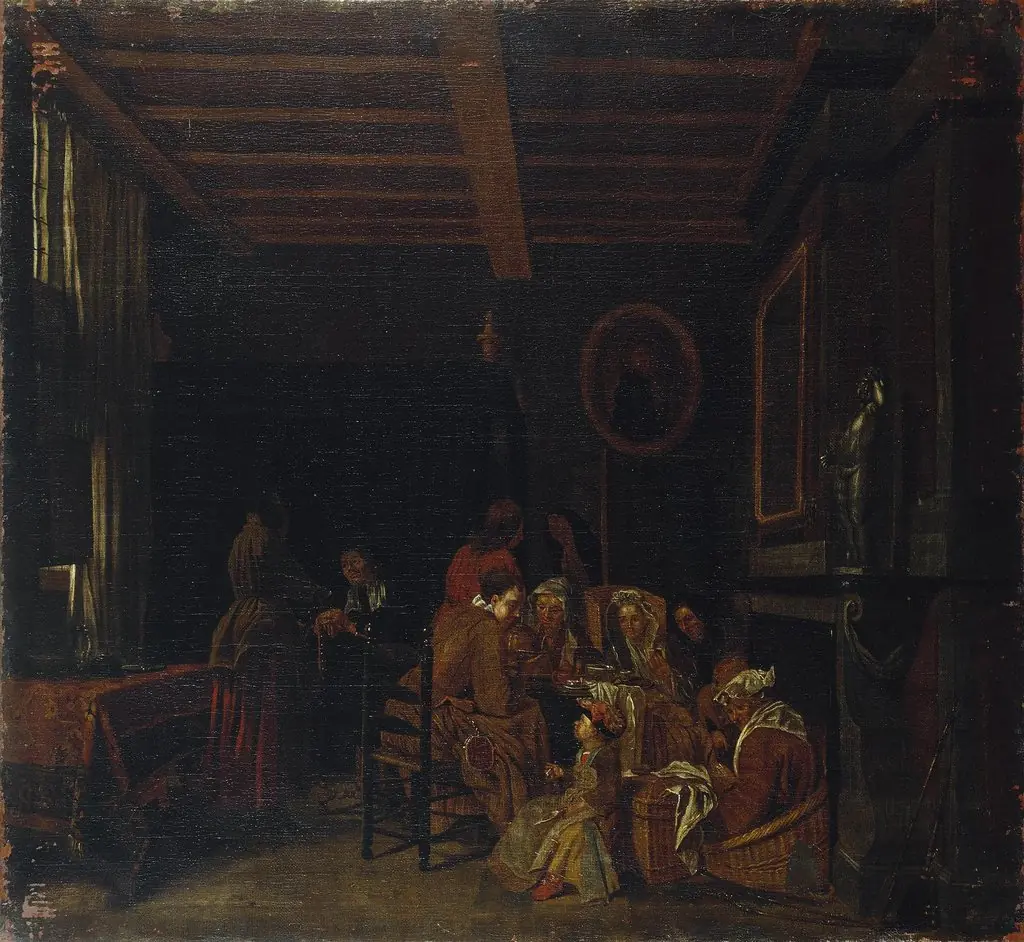 Genre Scene (Breakfast)
 Shoemaker workshop
 The Adoration of the Shepherds
 The Adoration of the Shepherds