
Subject
Fireplace
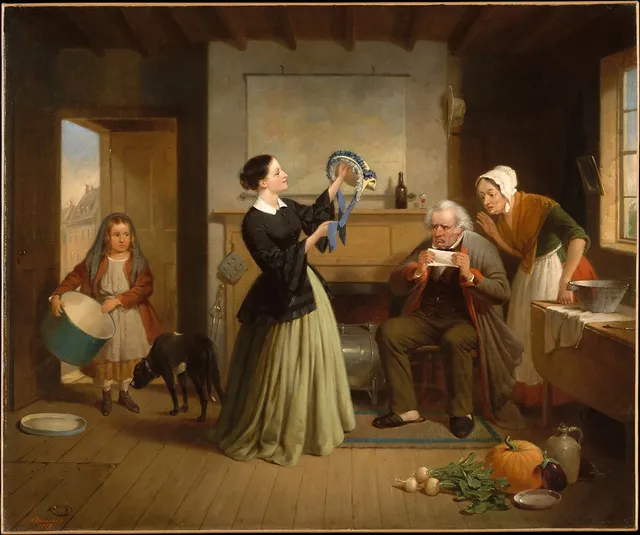
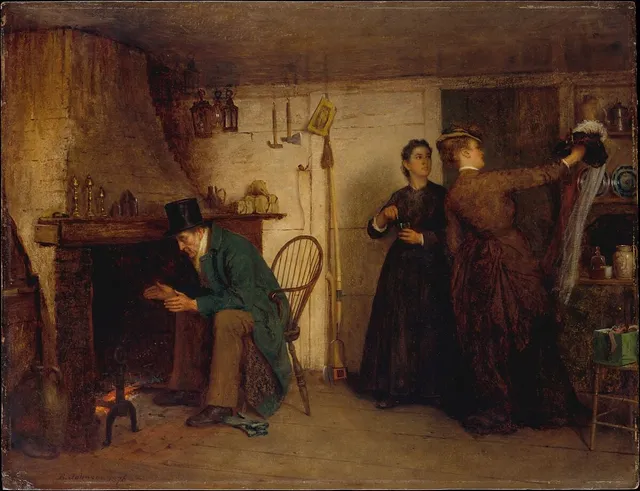
Fireplace is a subject in art. The gallery holds 55 works in this subject in art, including works by Francis William Edmonds, Eastman Johnson and David Teniers the Younger.
A fireplace or hearth is a structure made of brick, stone or metal designed to contain a fire. Fireplaces are used for the relaxing ambiance they create and for heating a room.
Key artists
Overview
The fireplace, or hearth, is a structure made of brick, stone, or metal designed to contain a fire, serving historically for heating dwellings, cooking, and heating water for domestic uses. As a motif in art, the fireplace recurs across 74 works in the collection, appearing in paintings that range from intimate domestic interiors to bustling tavern scenes. Its persistence in visual art reflects its central role in human habitation, social life, and the organization of interior space from the medieval period onward. The fireplace functions simultaneously as a practical necessity and a symbolic anchor within compositions, often serving as the focal point around which narrative and social interaction unfold.
Iconography & meaning
The fireplace carries layered iconographic significance in art. Historically, it was the point central to a dwelling, providing warmth and enabling cooking, and its representation signals domesticity, shelter, and communal gathering. In archaeological and anthropological terms, the hearth marks human settlement and social organization; finding traces of a fireplace allows determination of information about habitat and the habits of inhabitants based on its size, position within space, and age. In pictorial tradition, the fireplace often demarcates gendered and social spheres, with women frequently depicted in proximity to the hearth in scenes of cooking or textile work, while men may occupy the same space in tavern or inn settings. The mantelpiece and surrounding architecture could signal wealth and status, with elaborate stonework or decorative elements indicating elevated social standing. The fire itself, contained within the hearth, carries associations of life, warmth, and transformation, as well as potential danger requiring containment. Accessories such as grates, fireguards, andirons, and bellows, when depicted, add verisimilitude and can indicate the specific period or regional setting of a scene.
Across movements & periods
The treatment of the fireplace in art evolved considerably across periods and cultures. In medieval Europe, the hearth was typically a centrally located open fire in the great hall, with smoke venting through roof openings; this configuration appears in earlier artistic representations of communal domestic space. The invention of the chimney in northern Europe during the 11th or 12th century allowed fireplaces to be placed against walls and in multiple rooms, enabling more complex interior scenes and the development of the fireplace as an architectural feature worthy of artistic attention. By the period between 1570 and 1640, the generalized installation of masonry construction transformed the fireplace from an exceptional aristocratic marker to a more common technical solution, though fine chimneys remained associated with elevated status. In Dutch Golden Age painting, the fireplace became a staple of interior genre scenes, where it provided both realistic detail and opportunities for the play of light and shadow. The 18th century brought further developments, including Benjamin Franklin's convection improvements and Prince Rupert's raised grate design of 1678, which improved airflow; such technical advances were occasionally reflected in the more precisely documented fireplaces of later period paintings. By the late 19th century, as modern heating systems replaced the fireplace as a primary heat source, its representation in art shifted toward nostalgic or atmospheric emphasis, celebrating the geselligheid, or coziness, of the hearth rather than its utility. Regional variations persisted, with Mediterranean areas such as Corsica and the Balearic Islands only commonly adopting chimneys in the 19th century, a lag that affected the visual culture of domestic representation in those regions.
Legacy
The fireplace's afterlife in visual culture extends beyond its functional obsolescence. As modern heating rendered the hearth unnecessary for warmth, its representation in art acquired heightened symbolic charge, evoking nostalgia for pre-industrial domesticity, authenticity, and communal gathering. The persistence of the fireplace motif in 19th and early 20th-century genre painting, despite its declining practical importance, testifies to its enduring value as a signifier of home and human sociability. In the collection, the breadth of works featuring fireplaces, from peasant scenes to elegant interiors, preserves a visual archive of the hearth's social and spatial significance across centuries of European life. Contemporary culture continues this legacy through the decorative and atmospheric valorization of fireplaces in interior design, as well as through media such as video recordings of burning fires that simulate the ambiance without any functional purpose. The fireplace thus completed a trajectory from essential survival technology to aesthetic object, a trajectory documented and mediated through its persistent presence in art.
Works
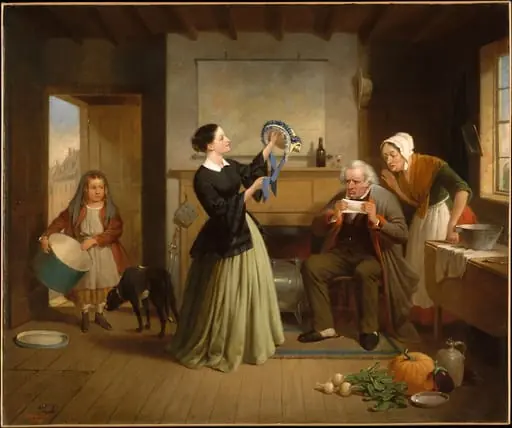 The New Bonnet
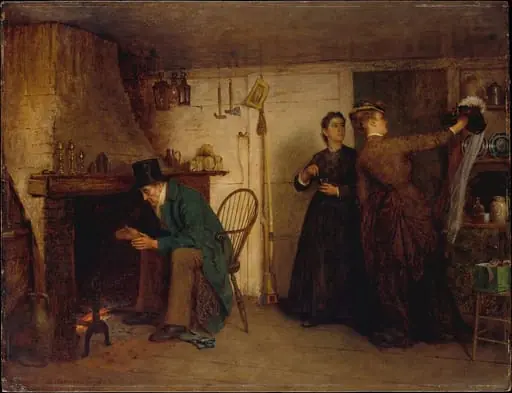 The New Bonnet
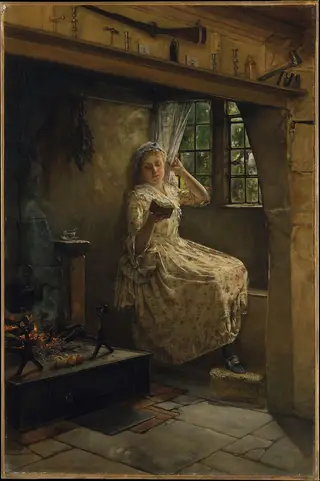 A Cosey Corner
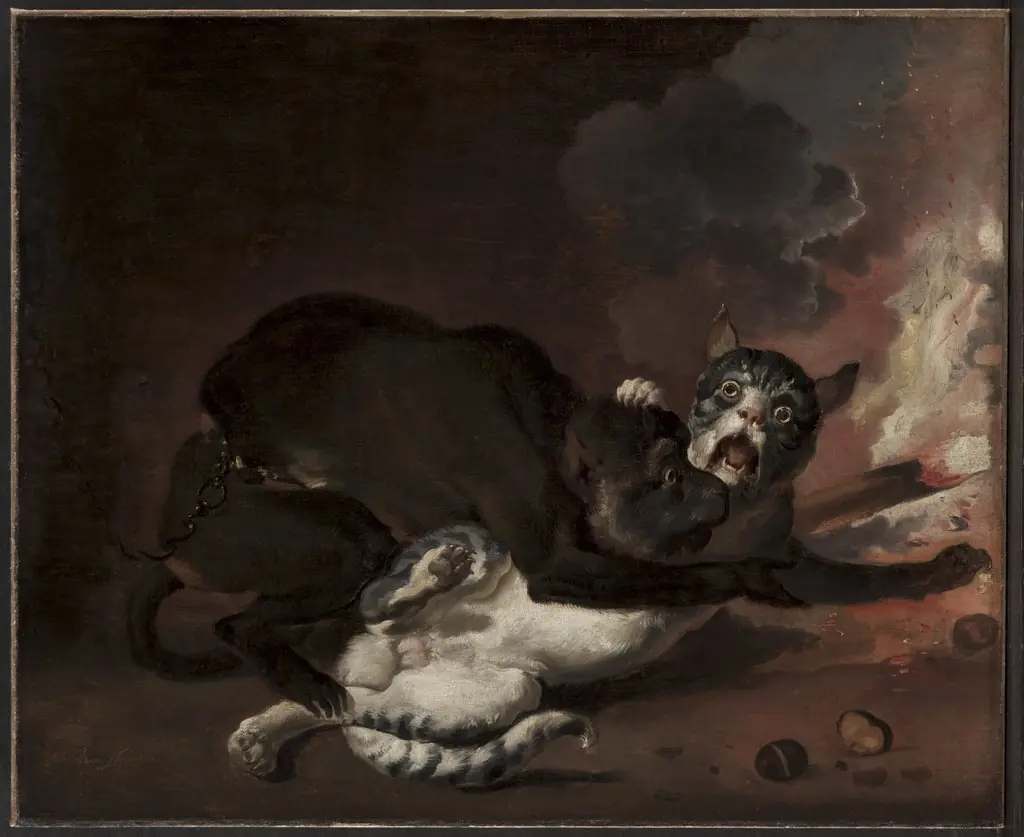 The Monkey and the Cat
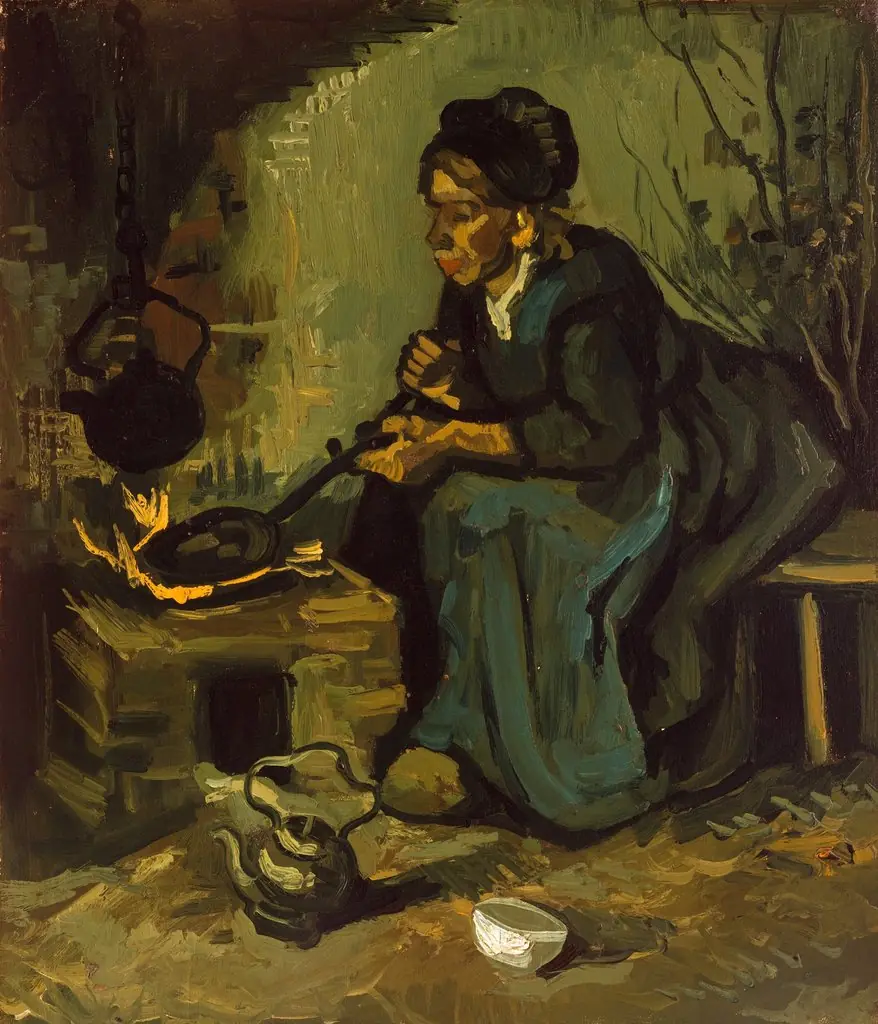 Peasant Woman Cooking by a Fireplace
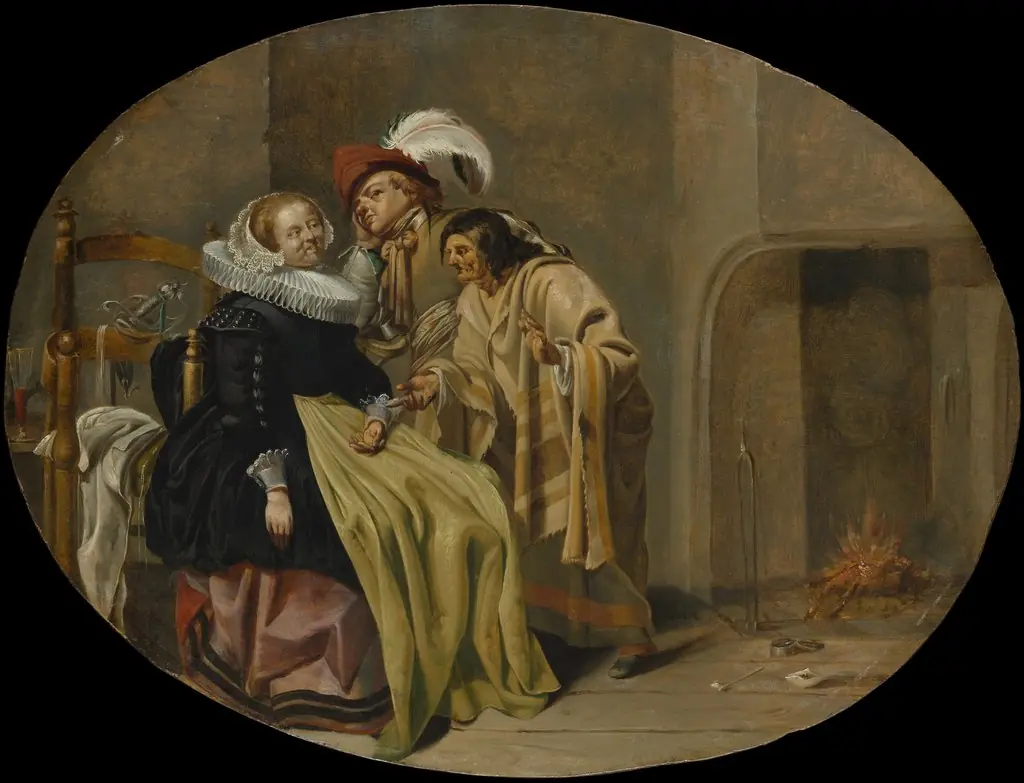 A Couple in an Interior with a Gypsy Fortune-Teller
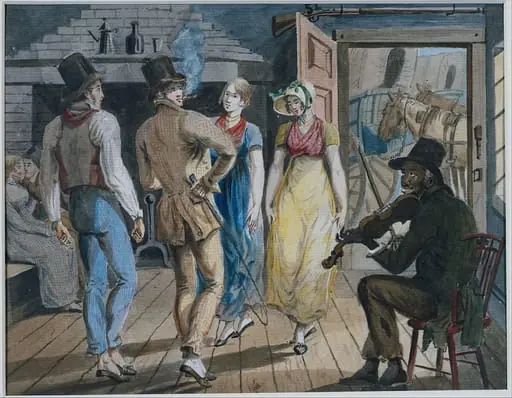 Merrymaking at a Wayside Inn
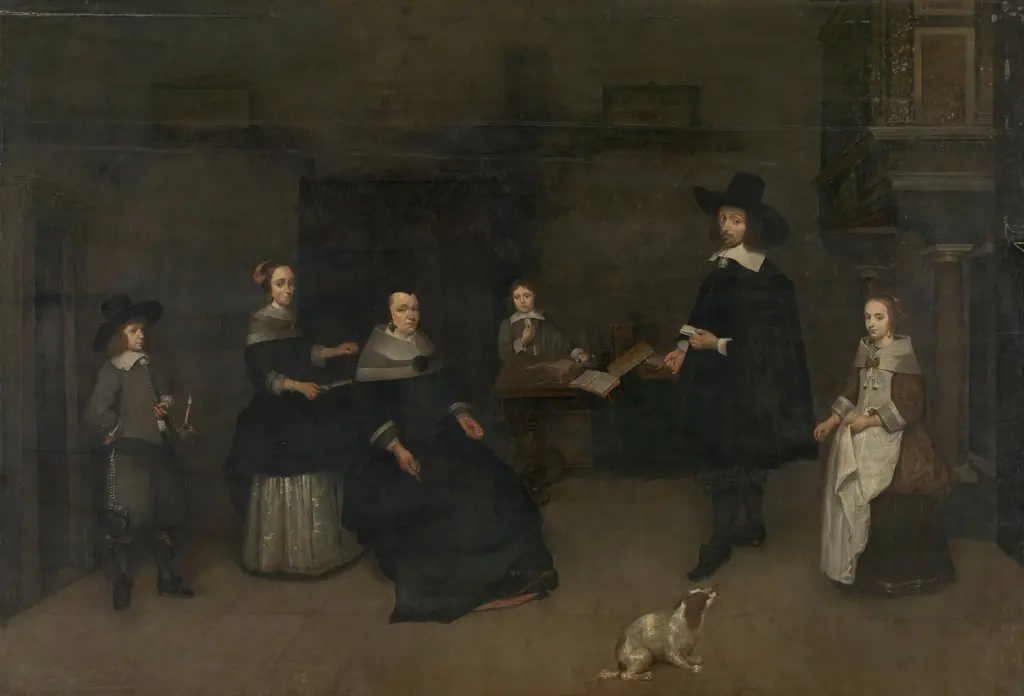 Family scene
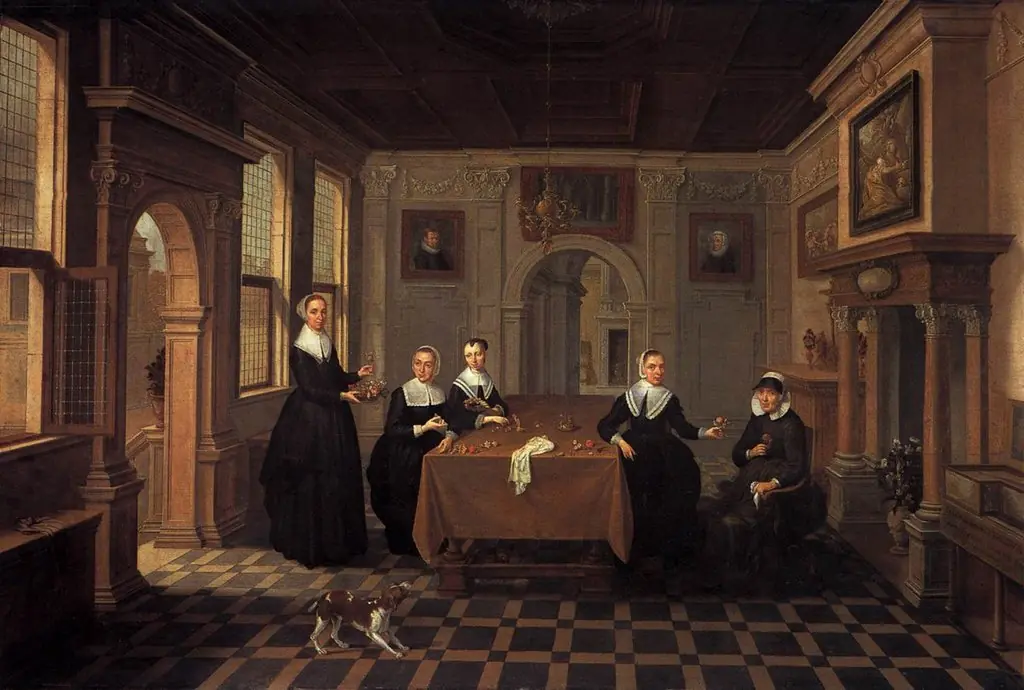 Five ladies in an interior
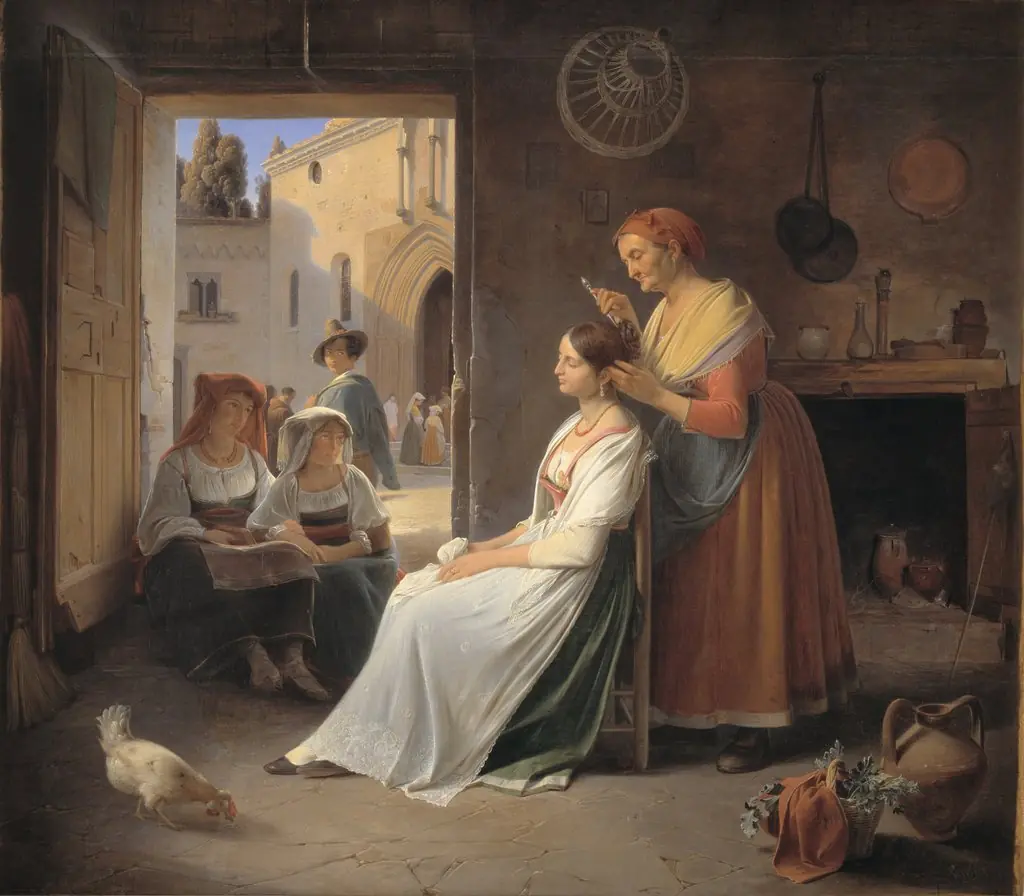 A Young Italian Woman being Adorned by her Mother
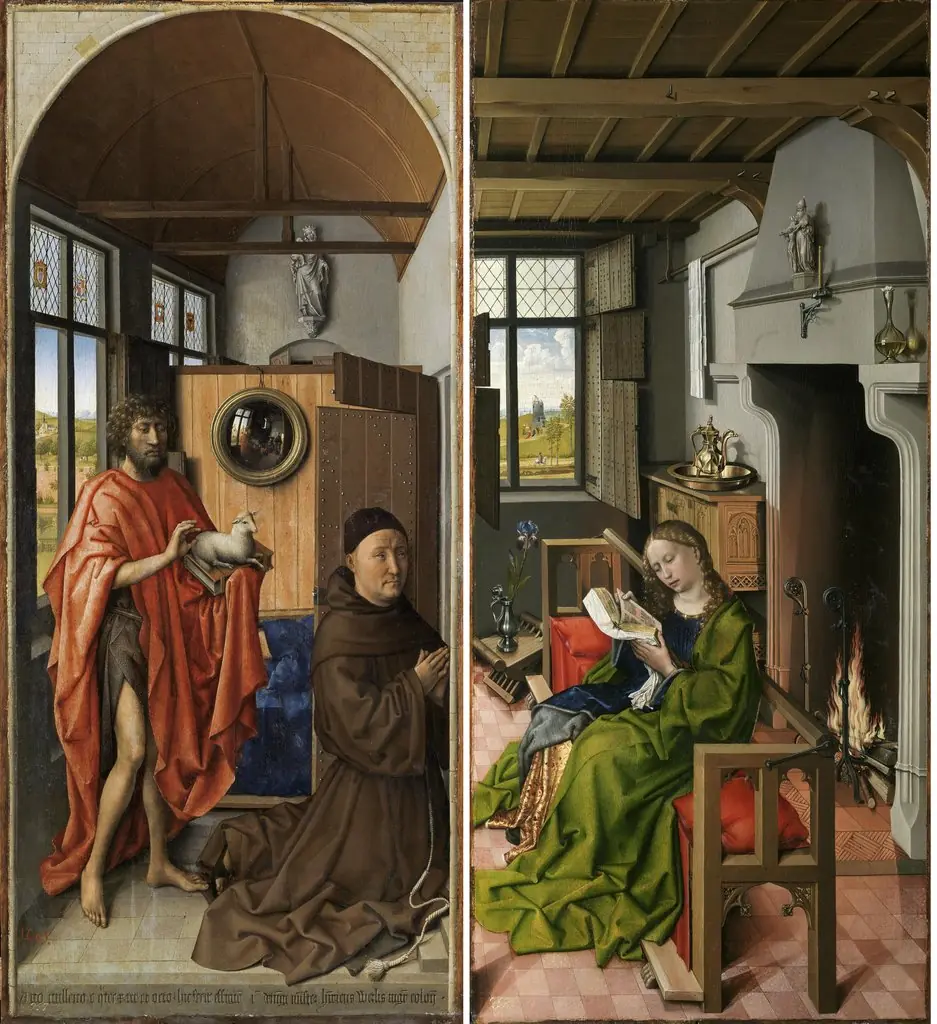 Werl Triptych
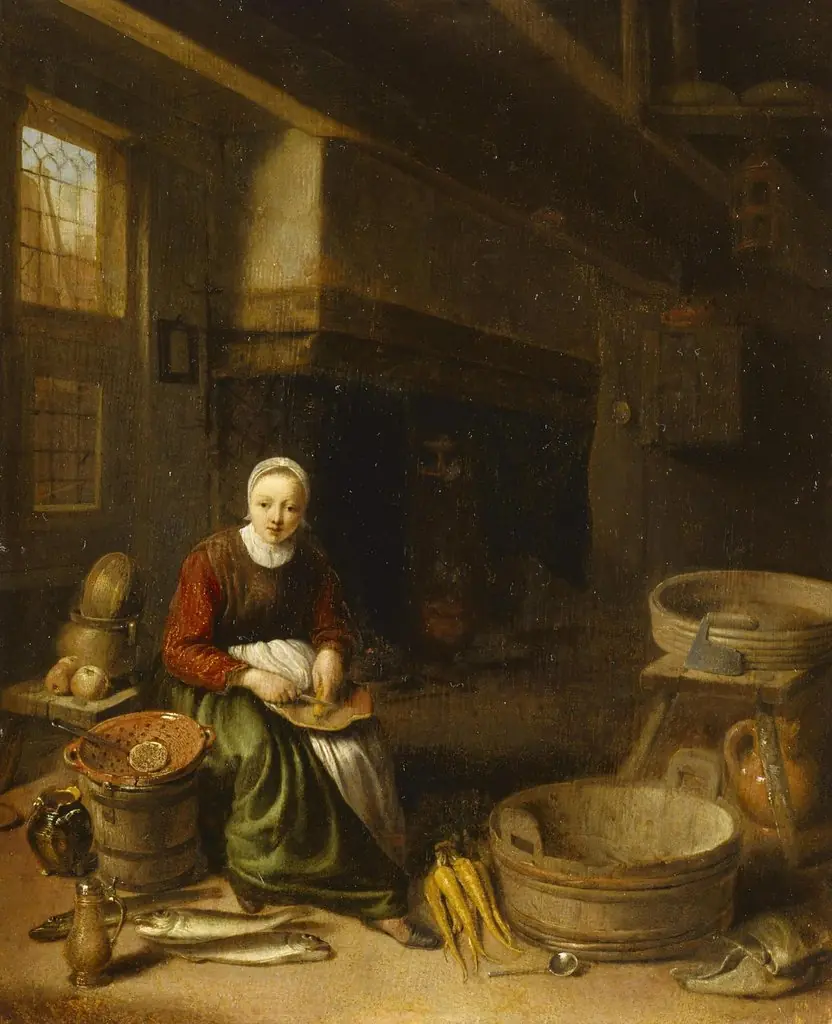 Kitchen Scene
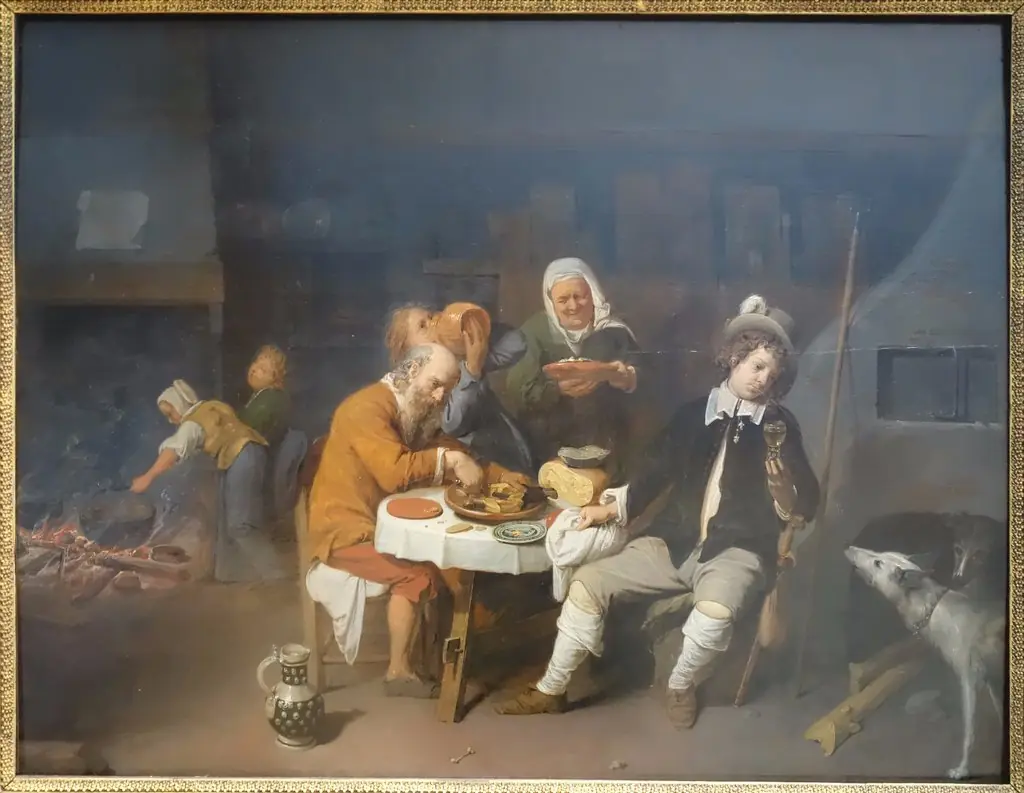 Dinner at a Farmhouse
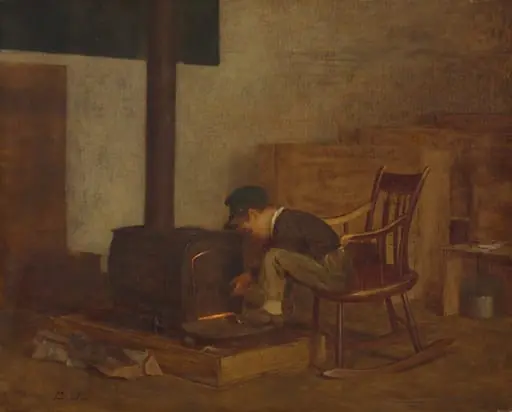 The Early Scholar
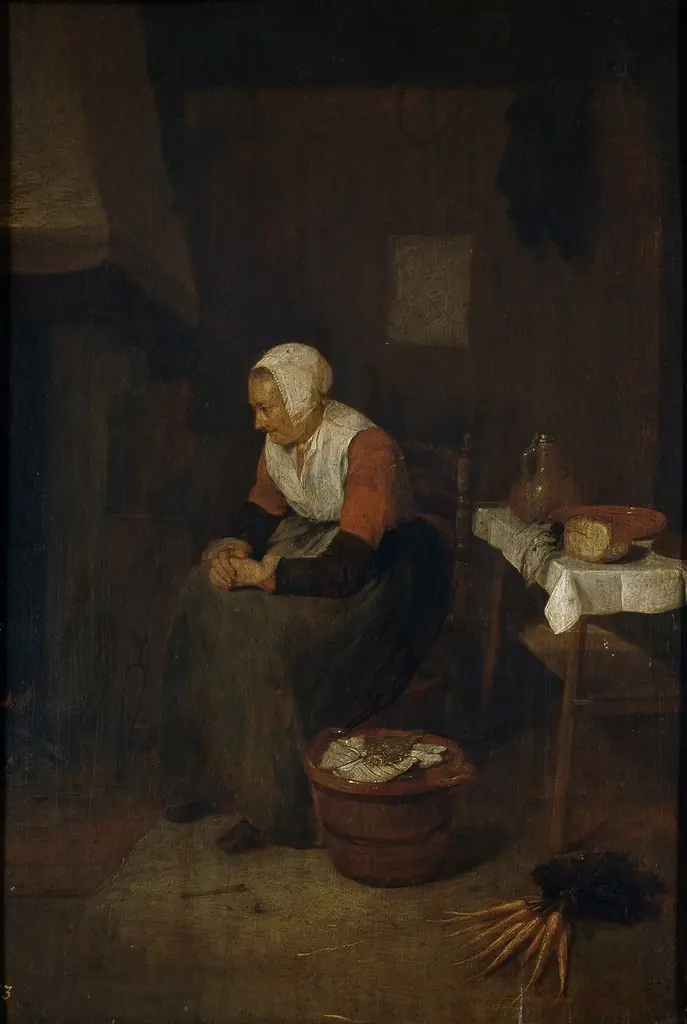 Old Woman by a Fireplace
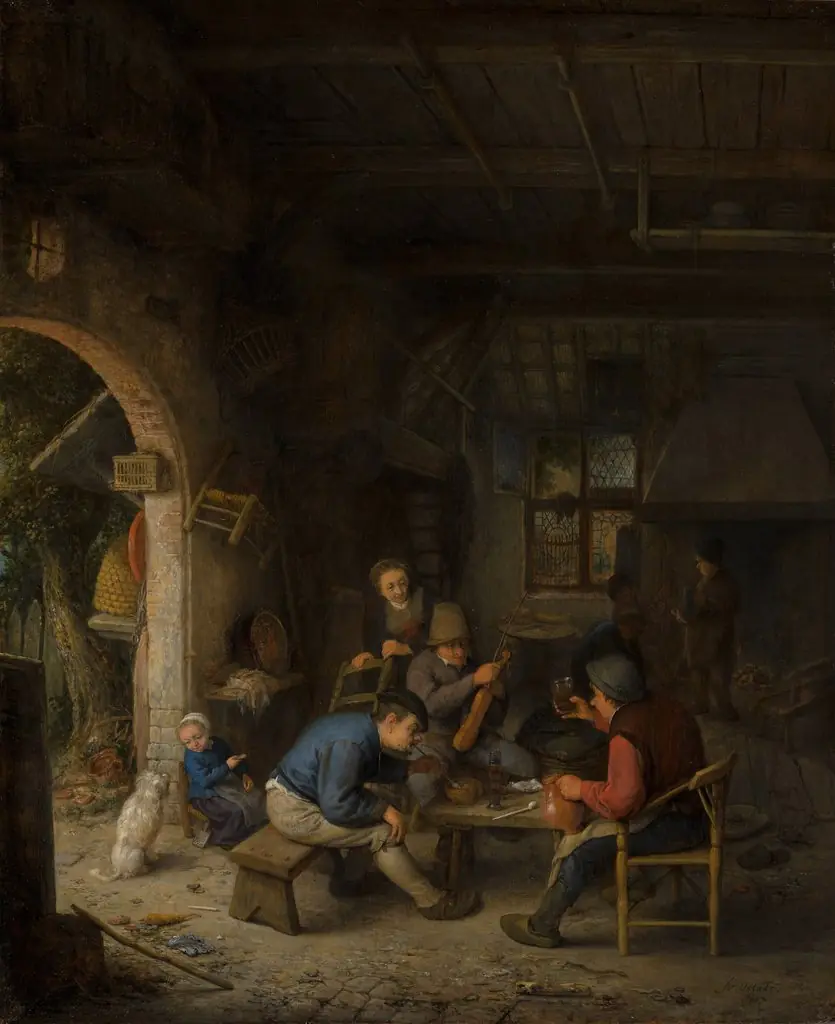 Peasants in an inn
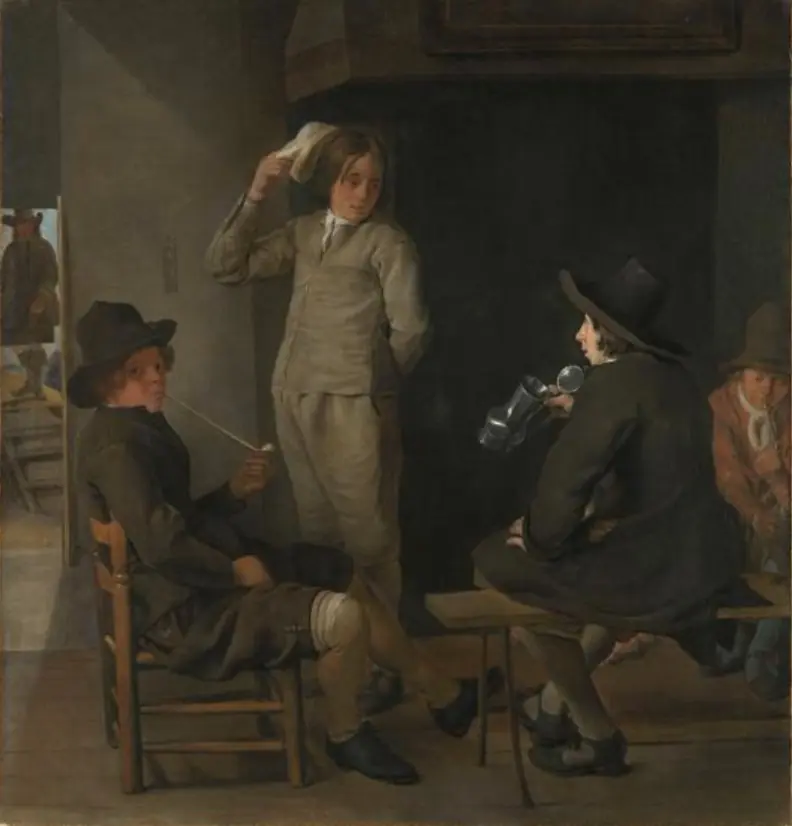 Tavern Scene
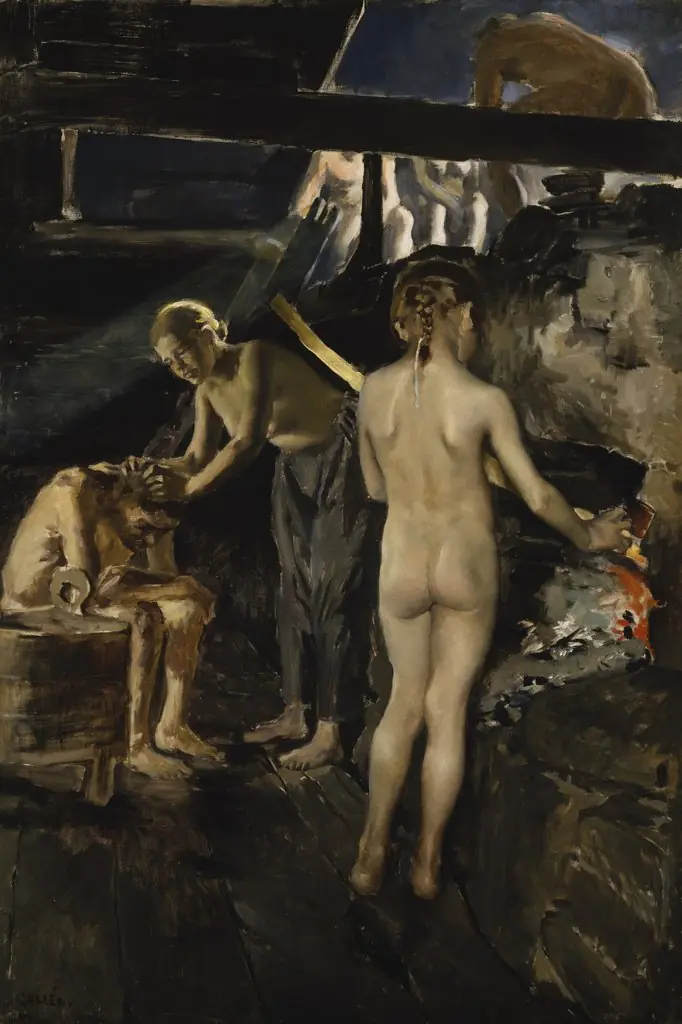 In the Sauna
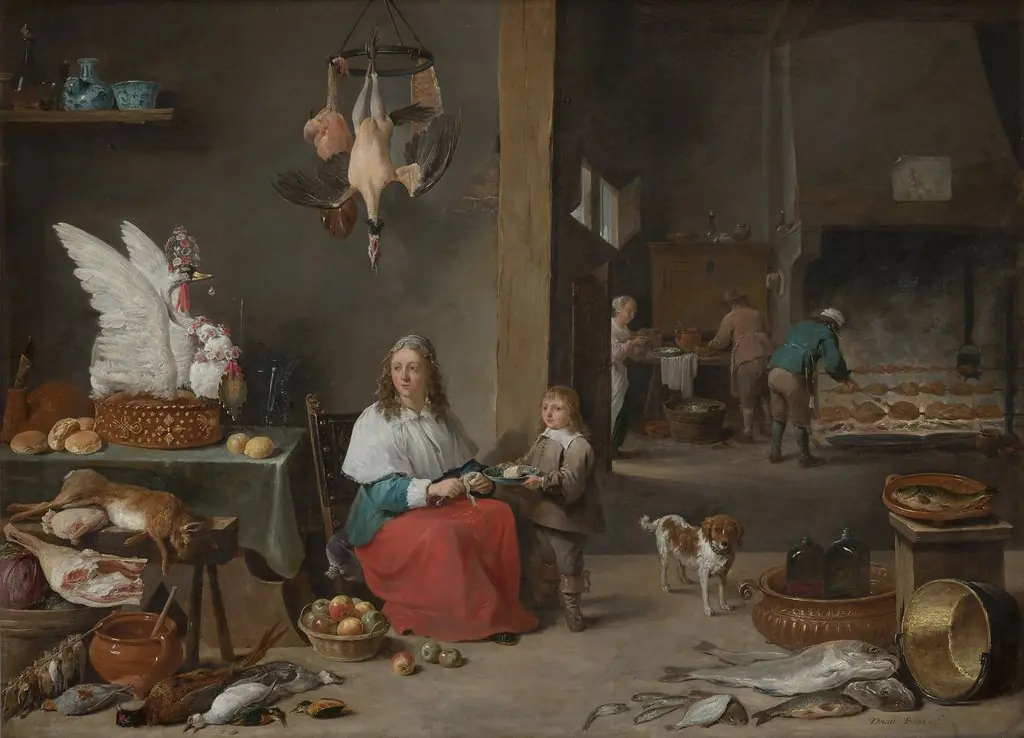 The Fat Kitchen
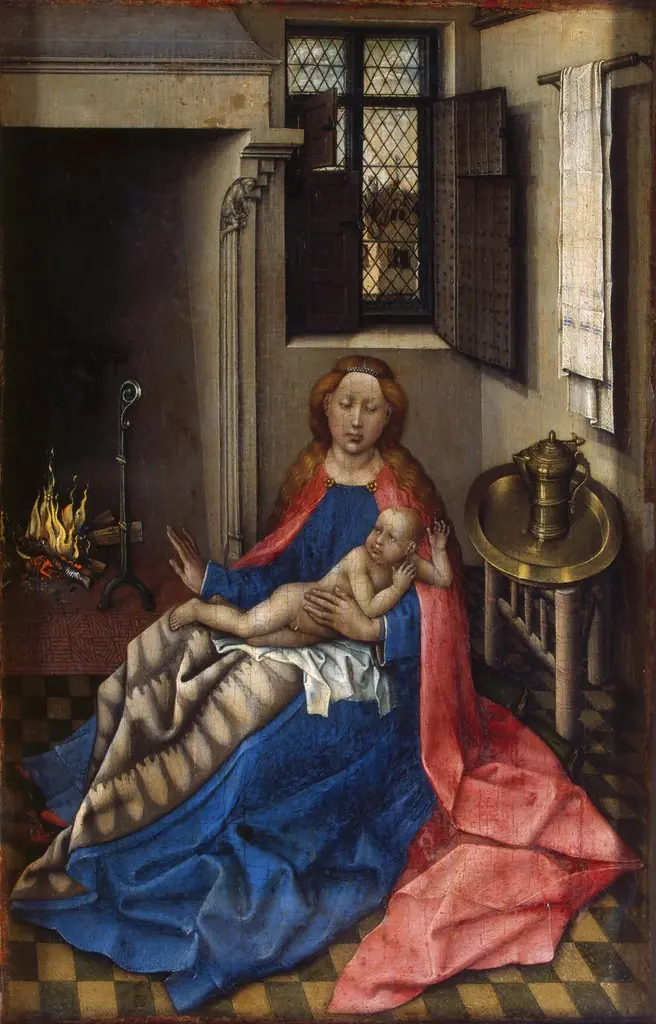 The Virgin and Child by a Fireplace (Right Wing of a Diptych)
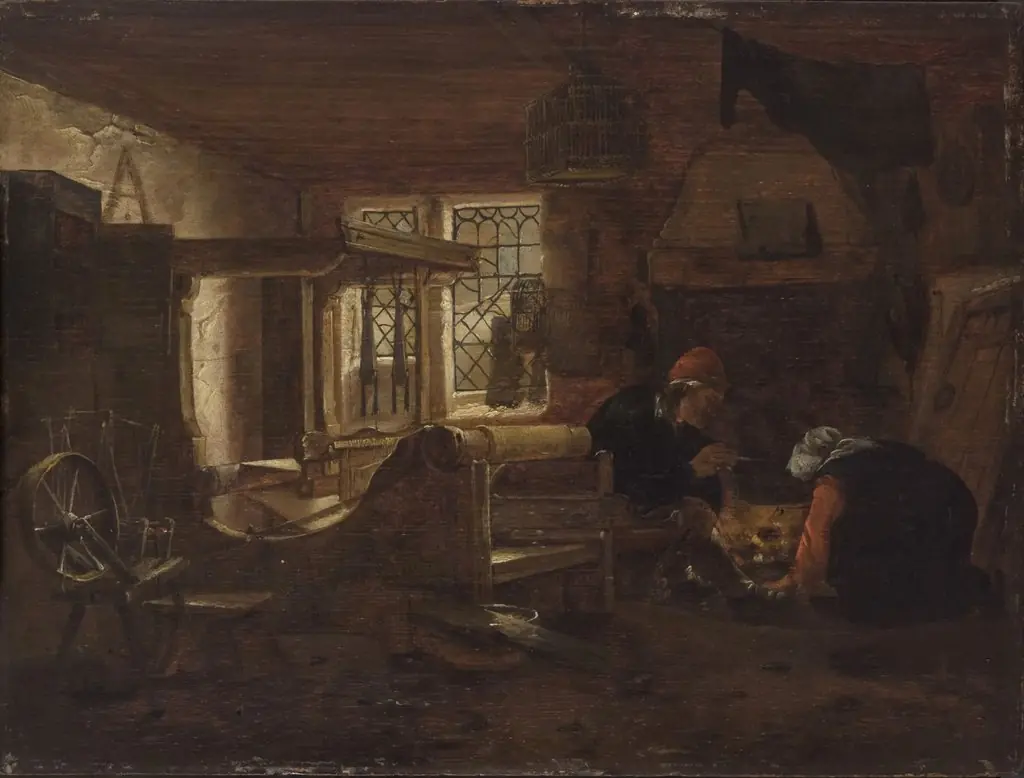 The Weaver
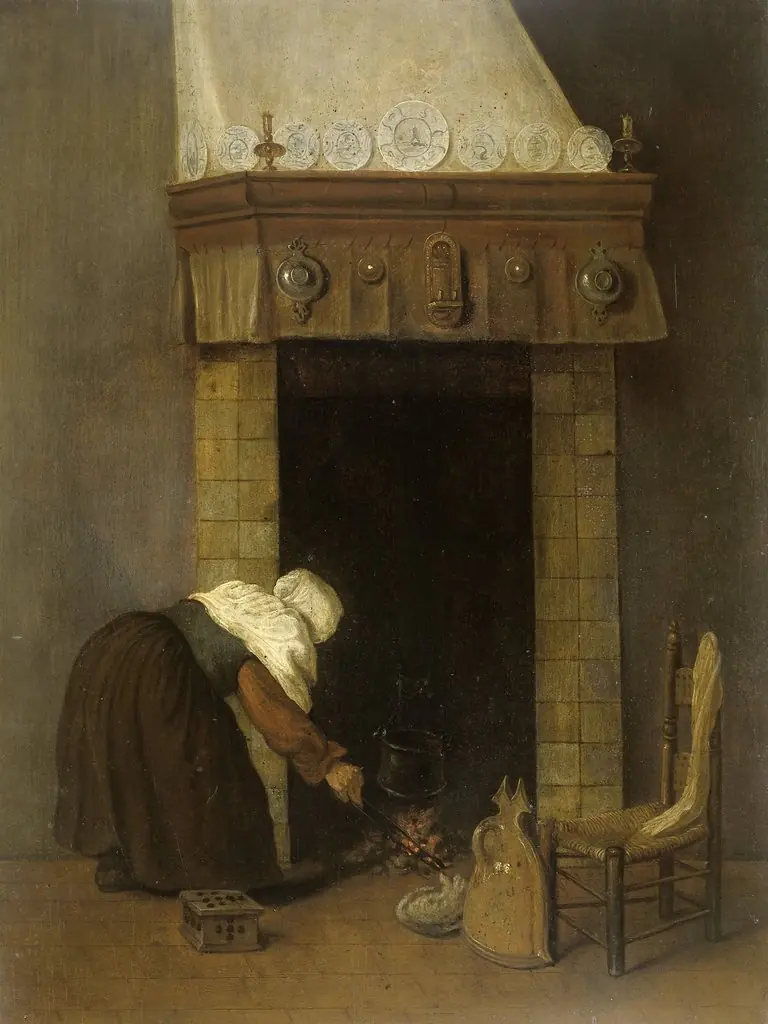 Woman at the hearth
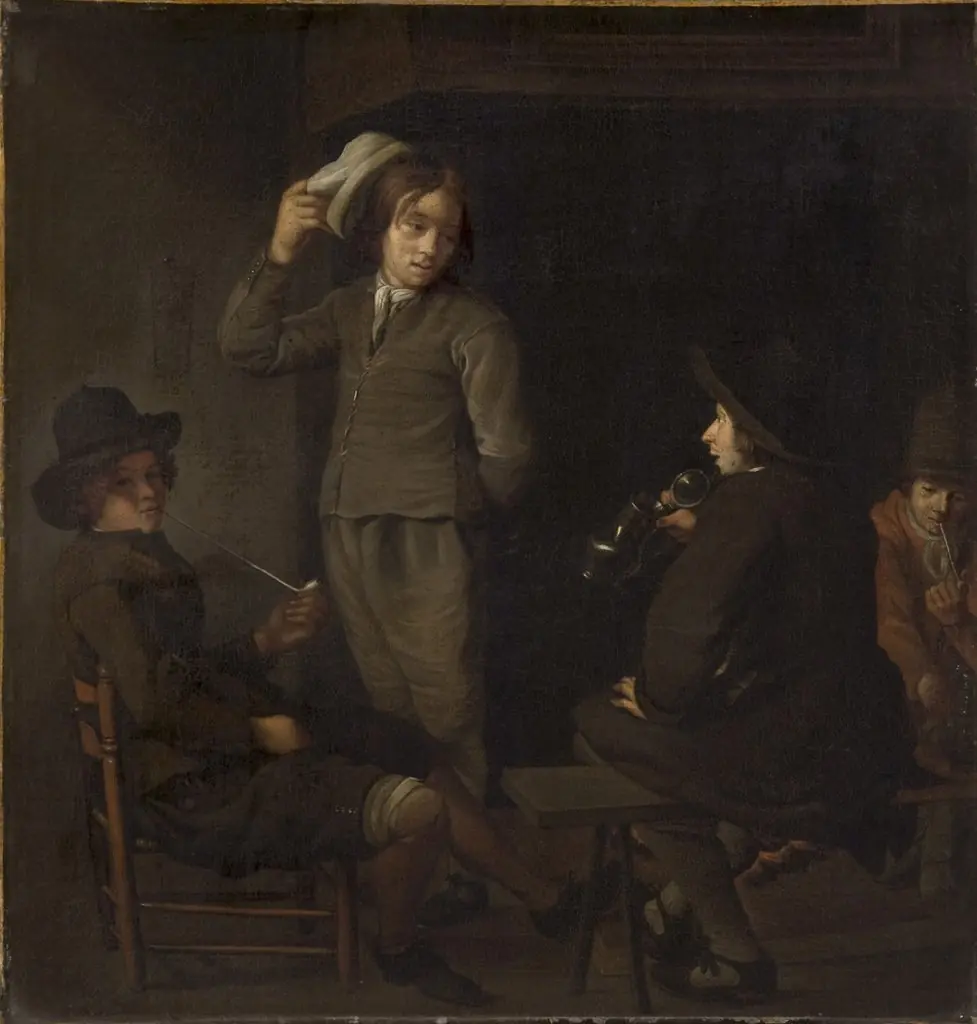 Four Youths around a Fire
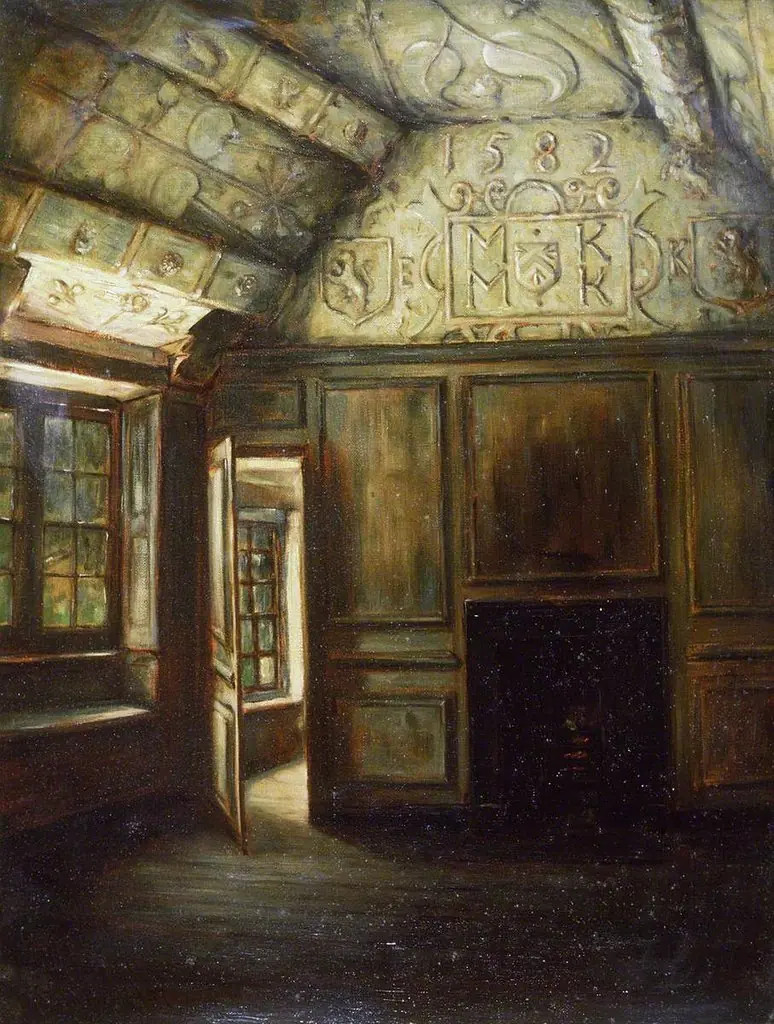 Maenan Hall, near Llanrwst
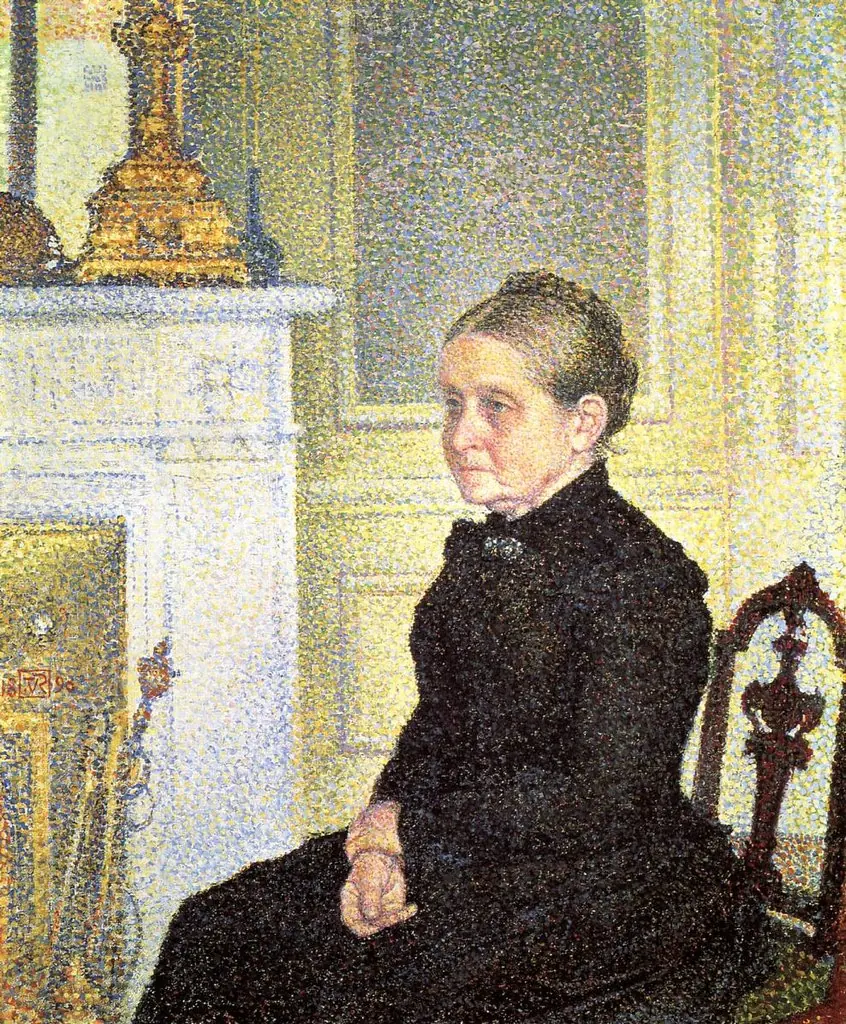 Portrait of Madame Charles Maus
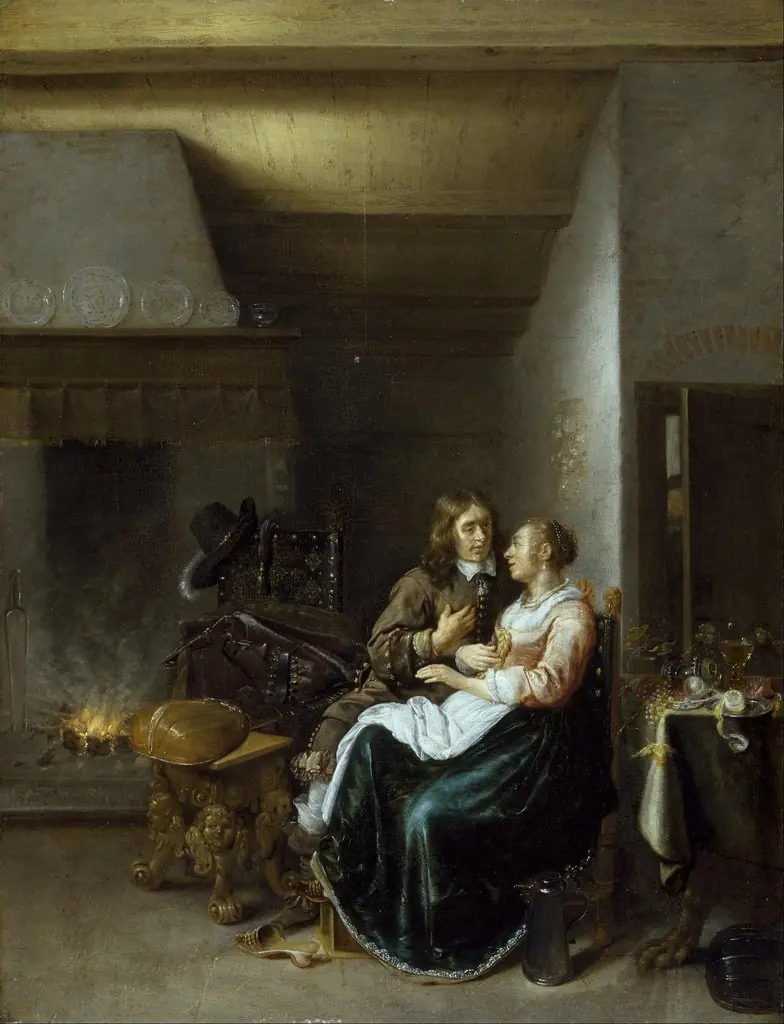 A Couple in an Interior
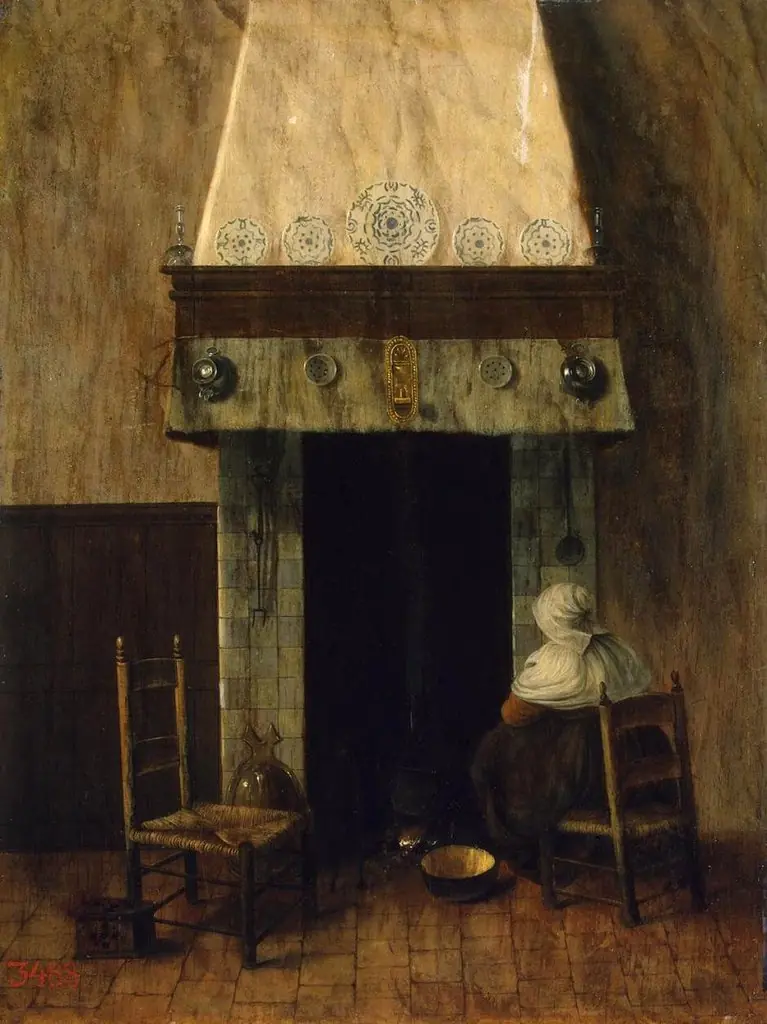 An Old Woman by a Fireplace
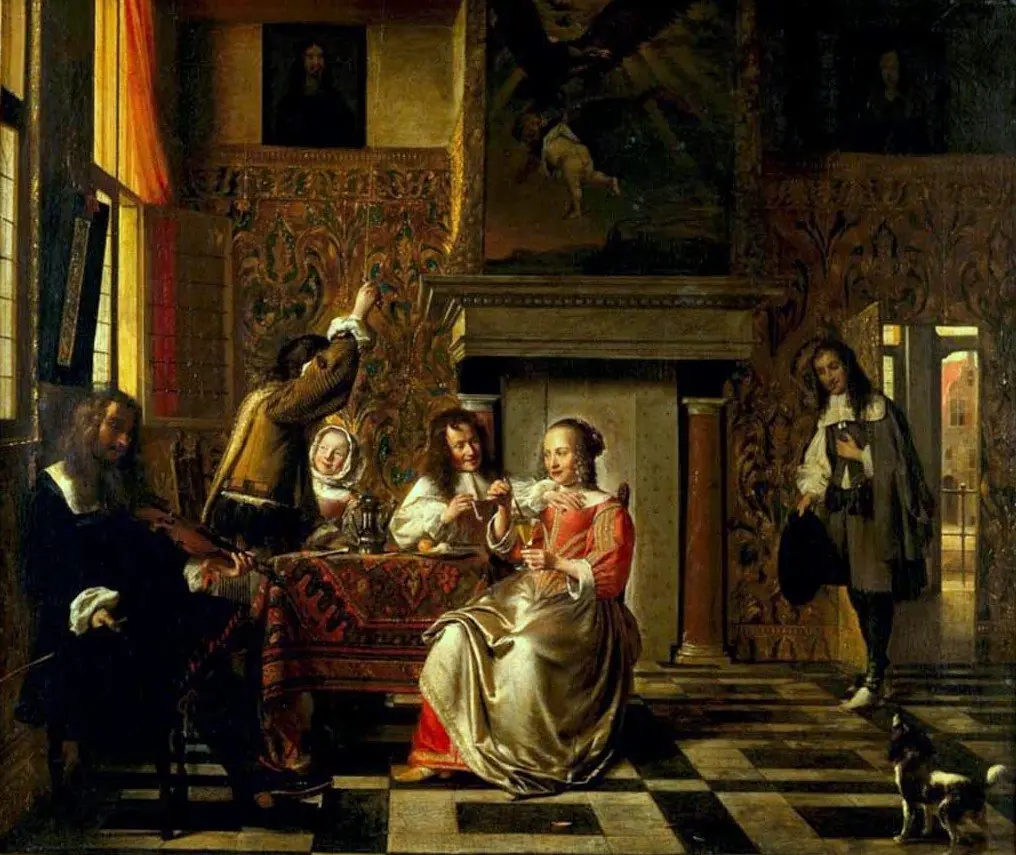 Merry company in an interior
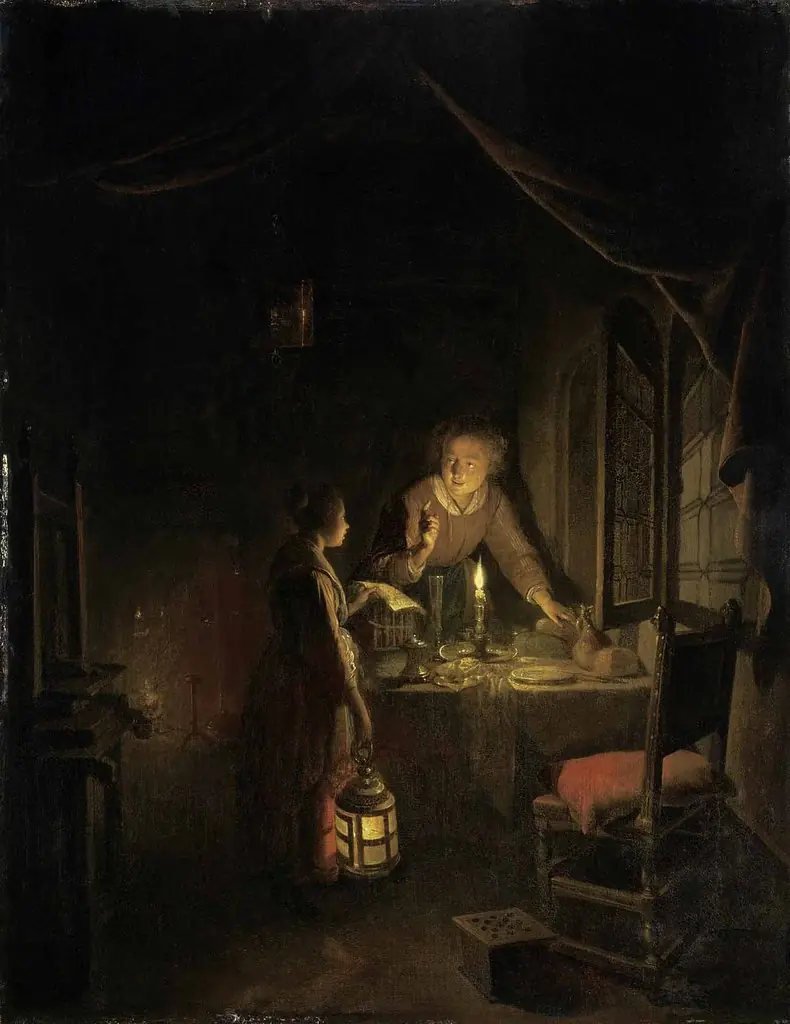 A Young Woman engaged at the Supper-table
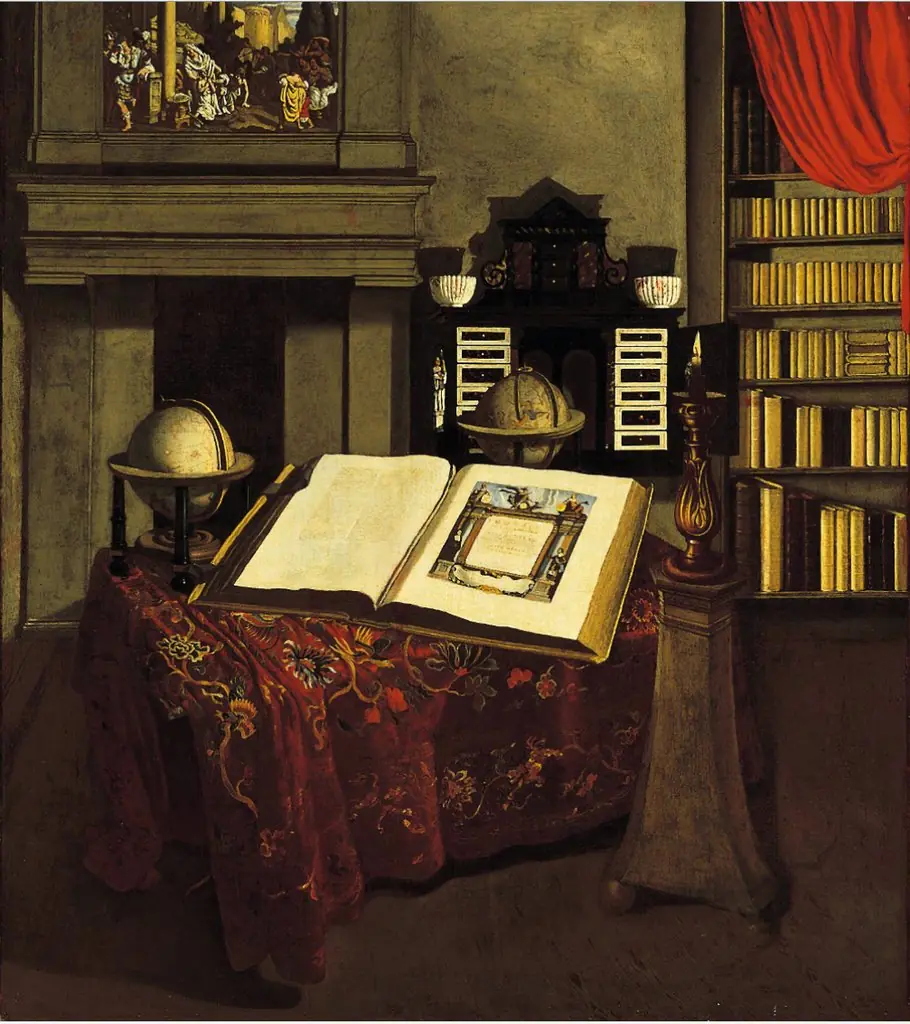 Library Interior with Still Life
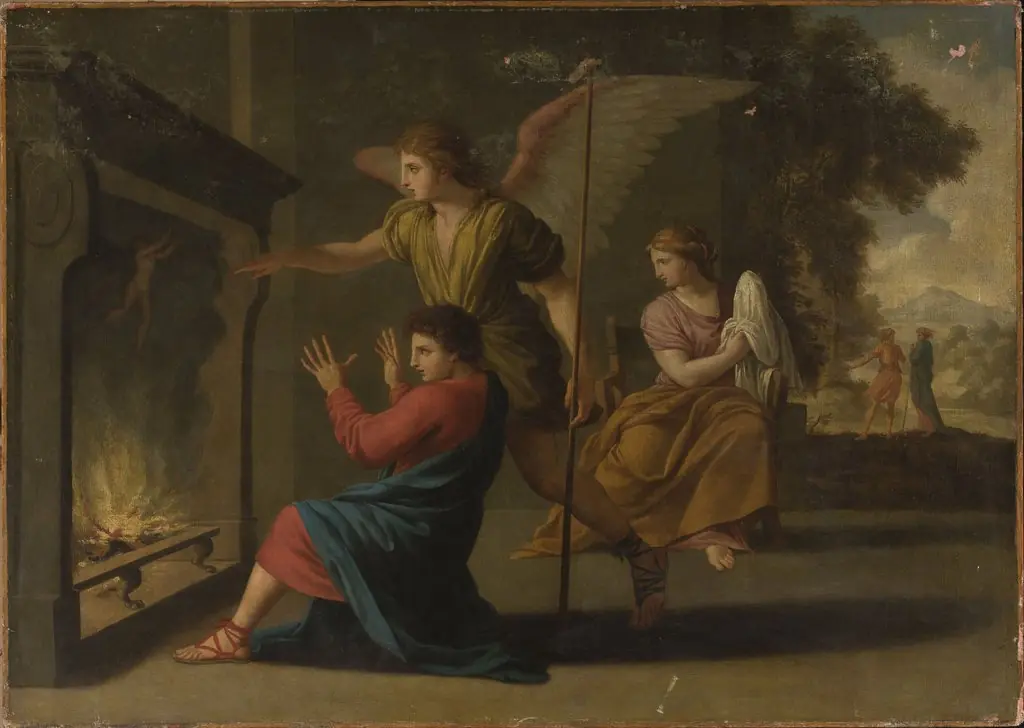 Marriage of Tobias and Sarah
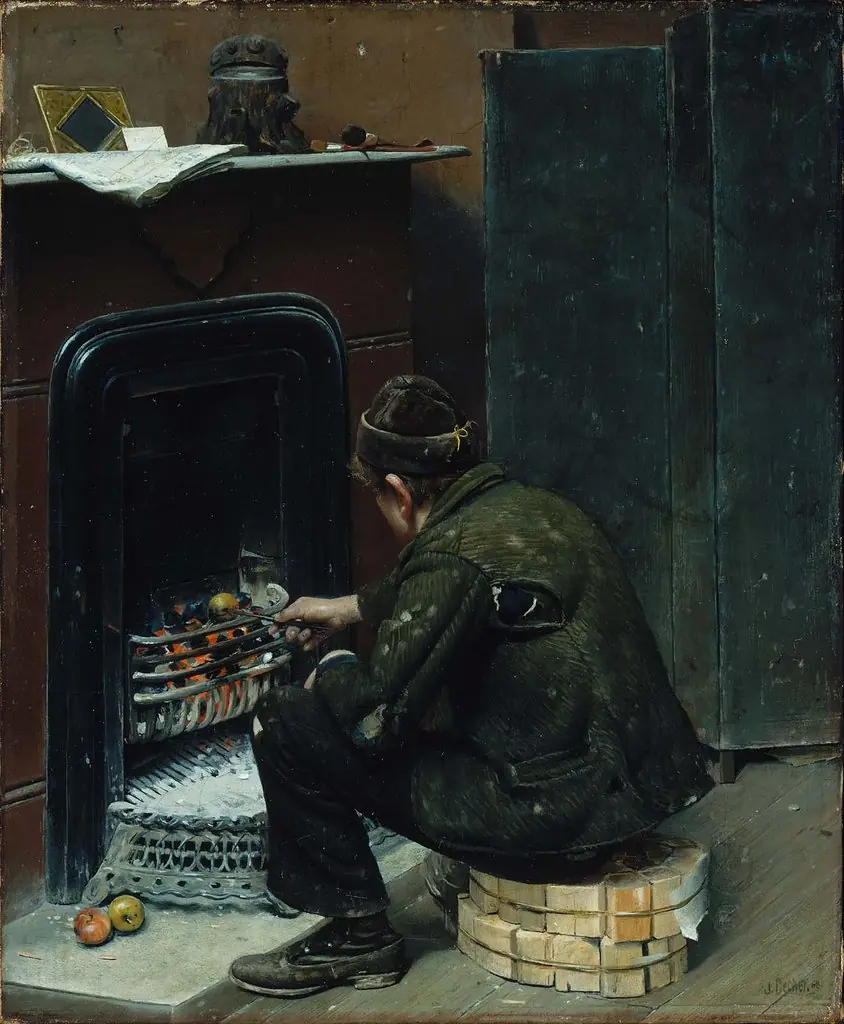 Roasting Apples
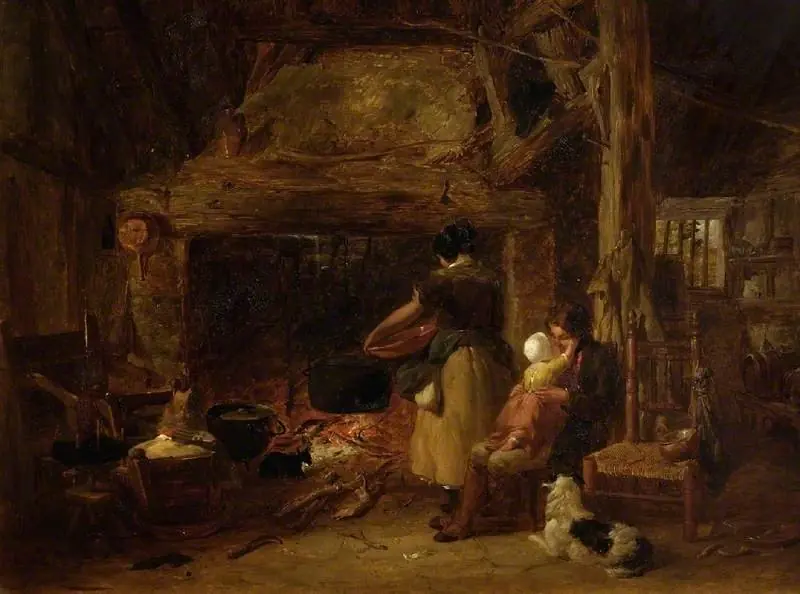 Cottage interior
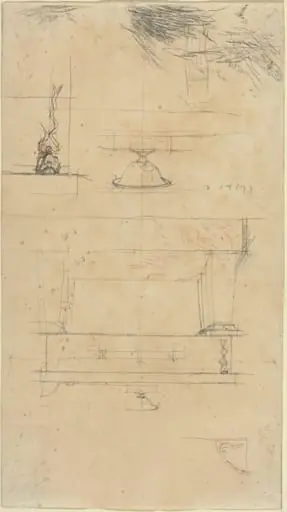 Moliere's Tomb
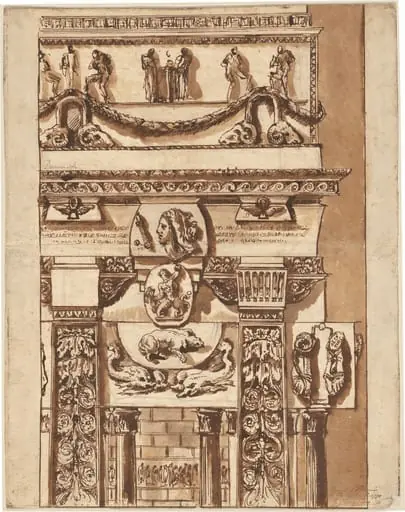 Fantasy of a Façade with Bizarre Ornaments
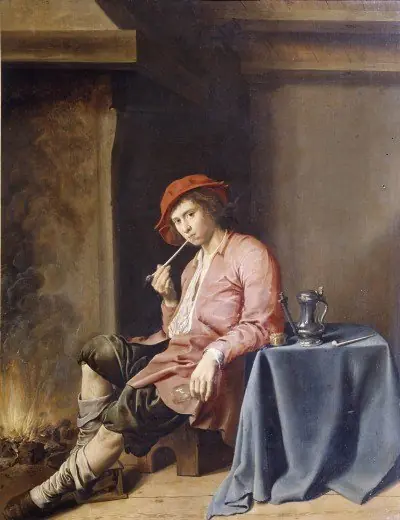 A Boy with a Pipe
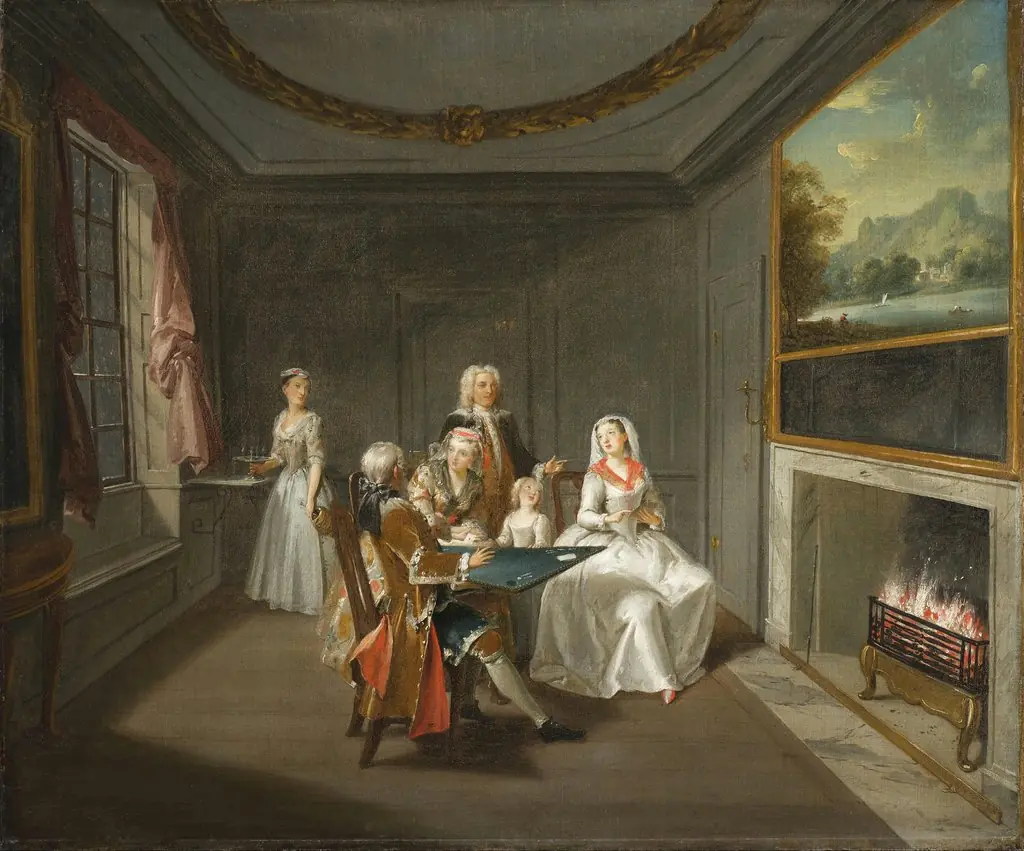 Winter
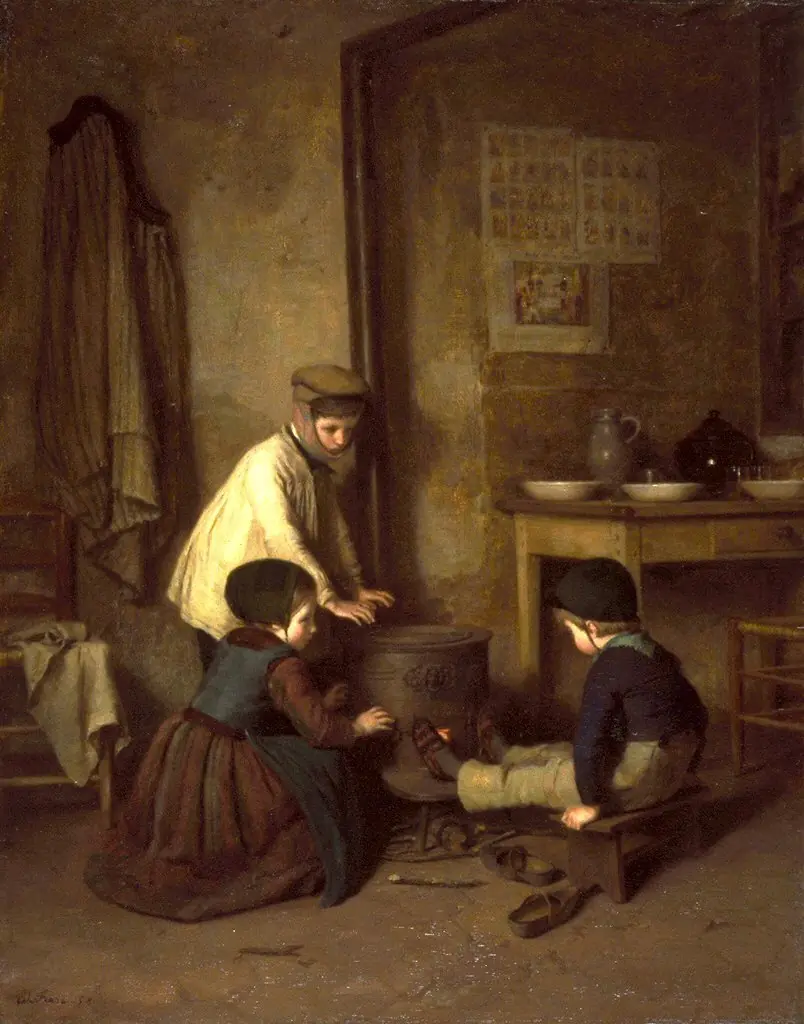 The Cold Day
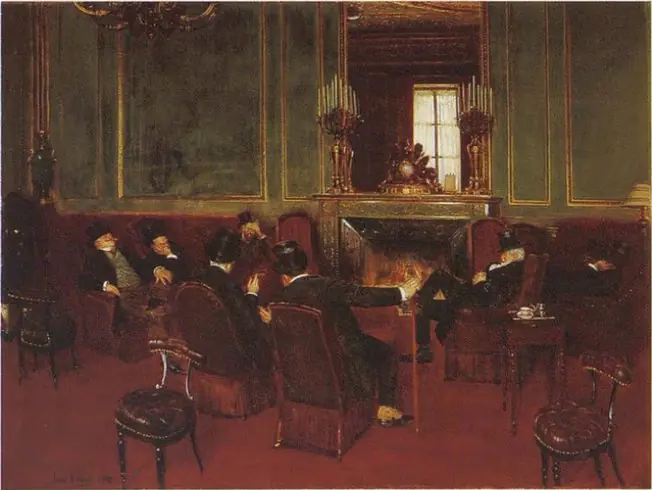 At the Club
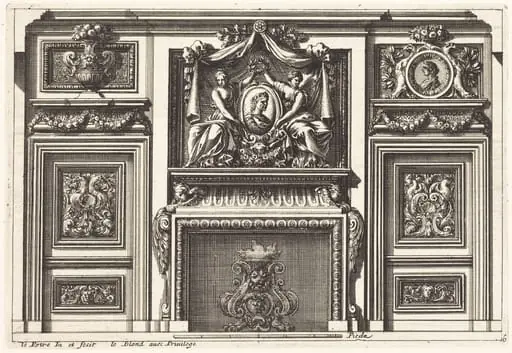 Fireplaces and Other Interior Decorations
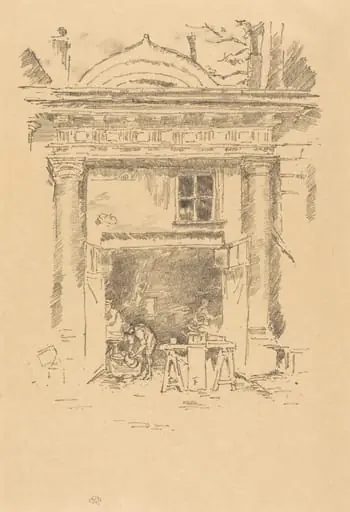 The Whitesmiths, Impasse des Carmélites
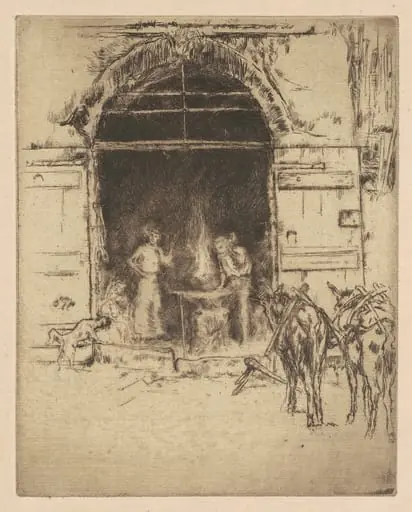 Flaming Forge
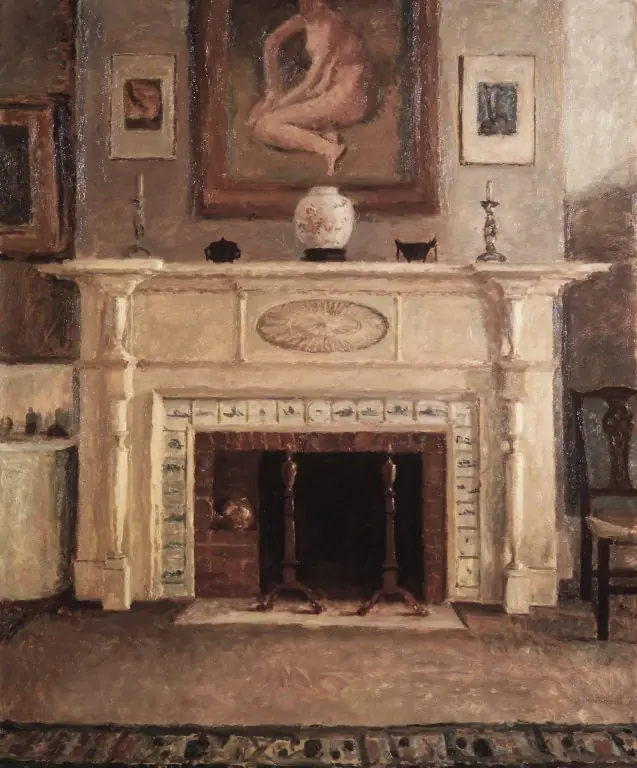 Untitled
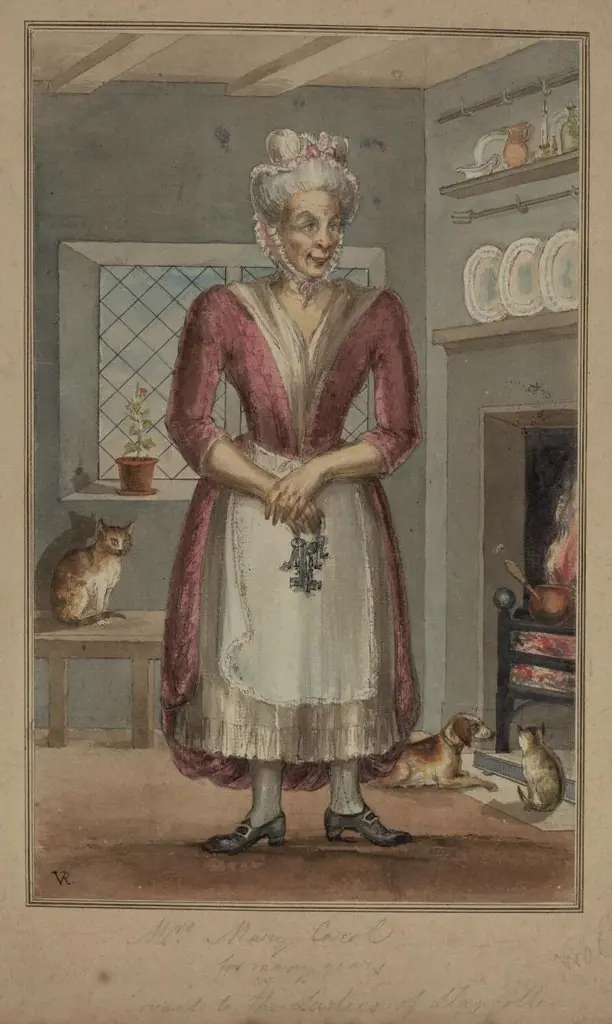 Mrs. Mary Carol
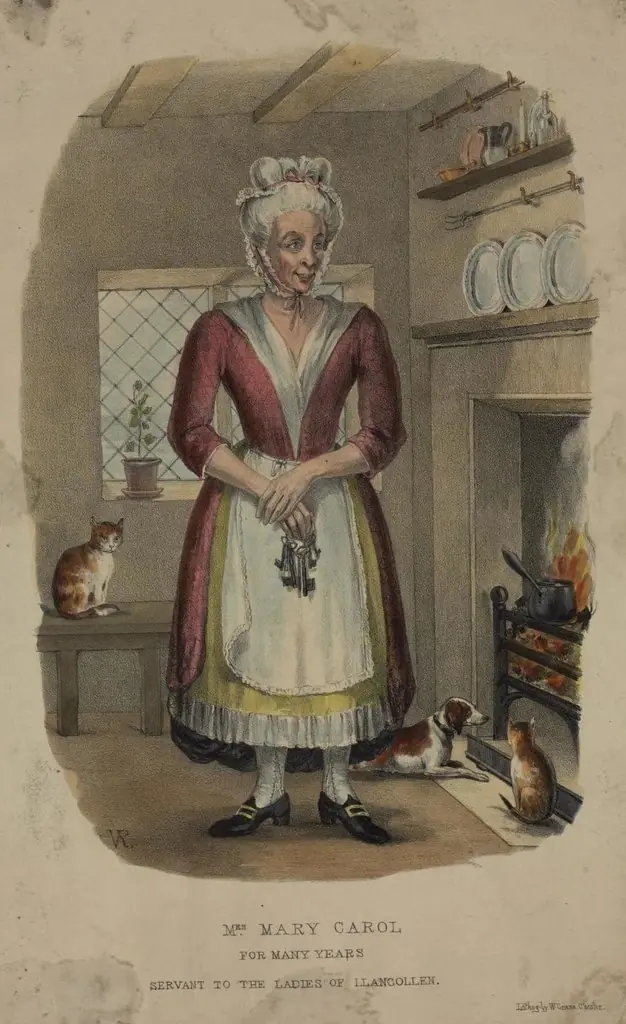 Mrs. Mary Carol
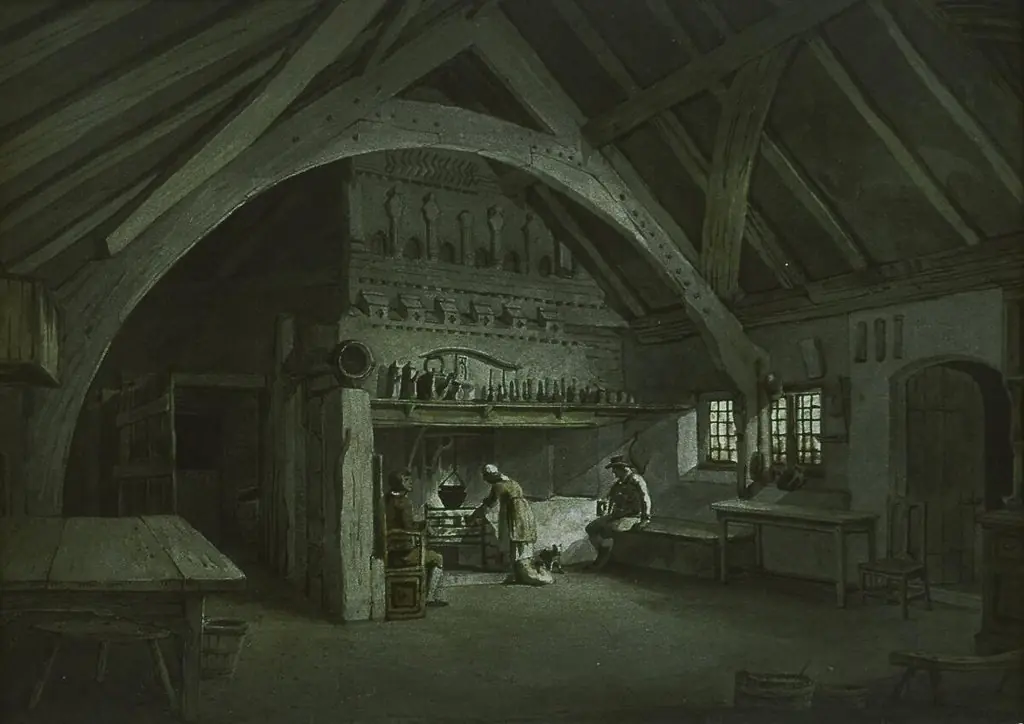 Blackmoor Head, near Rhuddlan
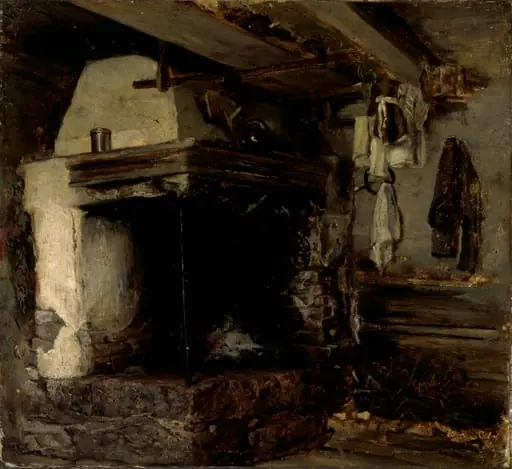 Avotakka
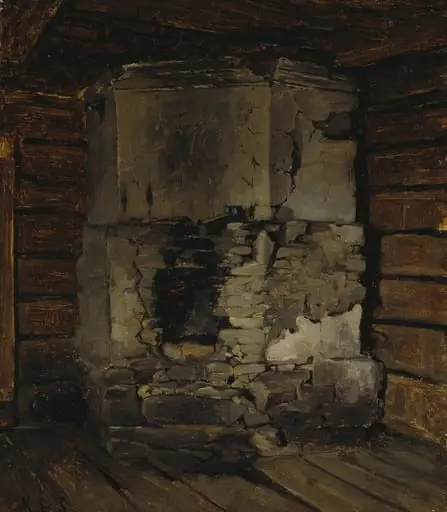 Uuni
Uuni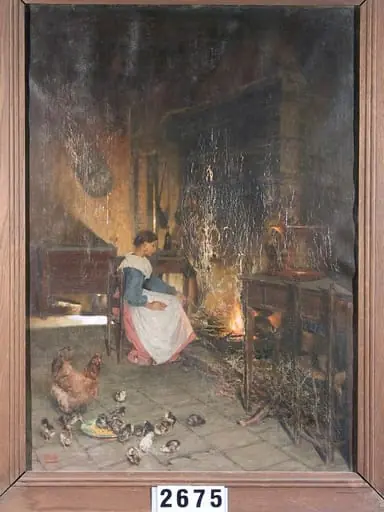 Interior de bucătărie italiană
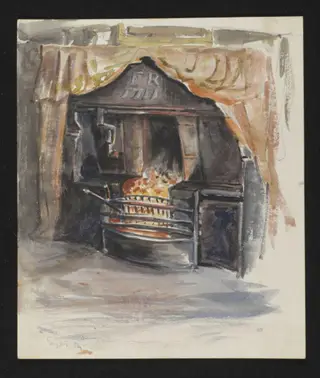 Fireplace, near Swinside, Keswick
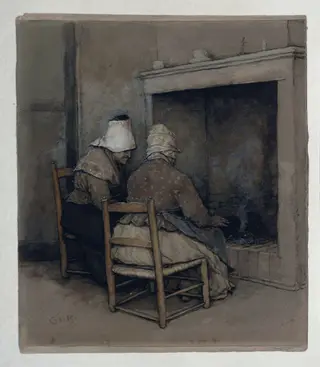 Old Cronies
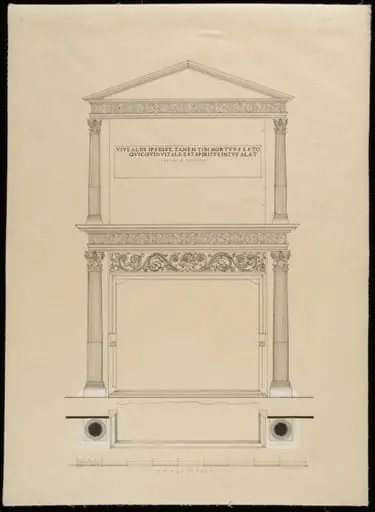 Elevation of mantelpiece.
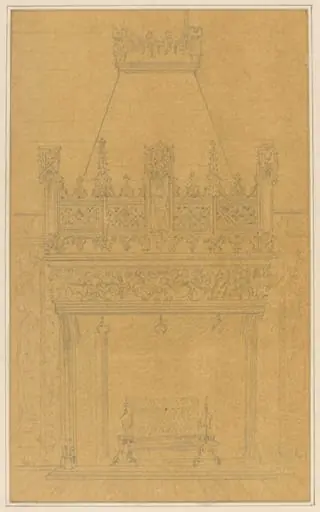 Drawing attributed to Pugin
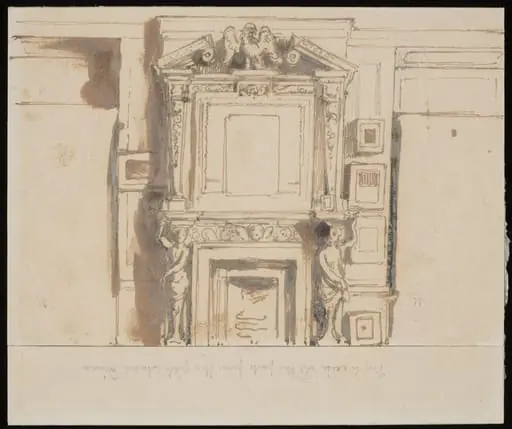 Ornamental Fireplace
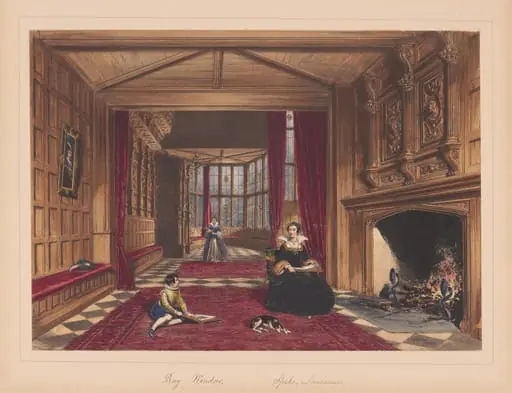 Bay window on the Hall, Speke, Lancashire
Frequently asked questions
What is Fireplace?
Fireplace is a subject in art. A fireplace or hearth is a structure made of brick, stone or metal designed to contain a fire.
How many Fireplace works does Artifact World Gallery have?
Artifact World Gallery holds 55 public-domain Fireplace works, all free to view and download.
Who are the key Fireplace artists?
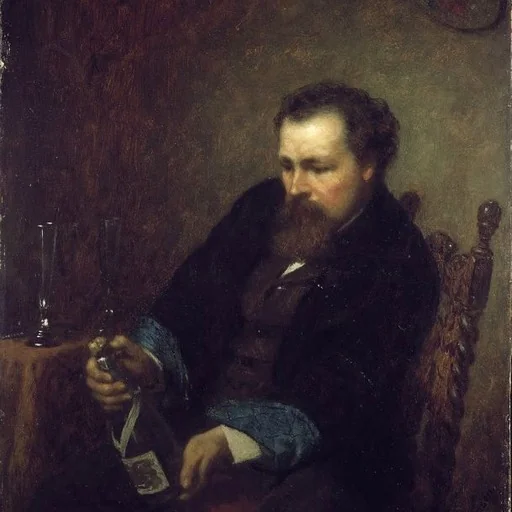
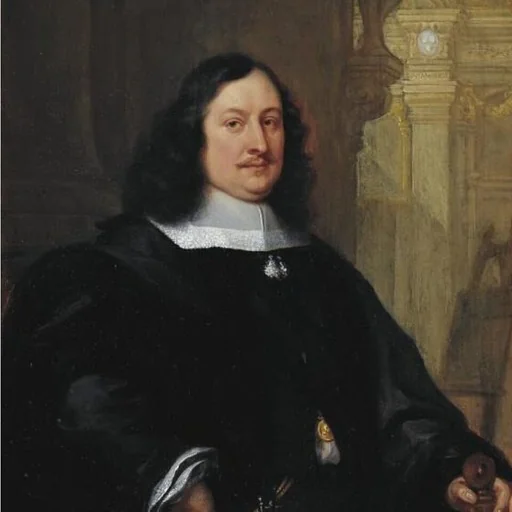
Key Fireplace artists in the collection include Francis William Edmonds, Eastman Johnson and David Teniers the Younger.
Where can I see Fireplace works?
Fireplace works in the collection are held by National Gallery of Art, Metropolitan Museum of Art and Victoria and Albert Museum.