Artwork
Paradise and Hell
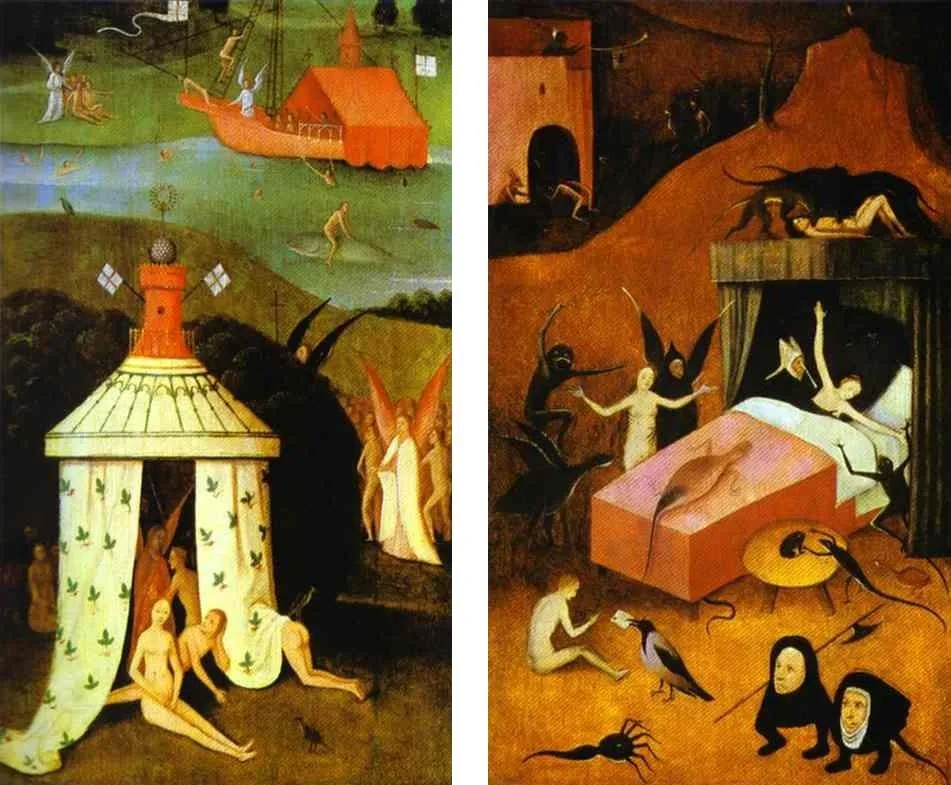
Paradise and Hell is an oil painting by the Northern Renaissance artist Hieronymus Bosch. It dates from 1513 and is held in the collection of the Museo del Prado.
About this work
Subject & Meaning
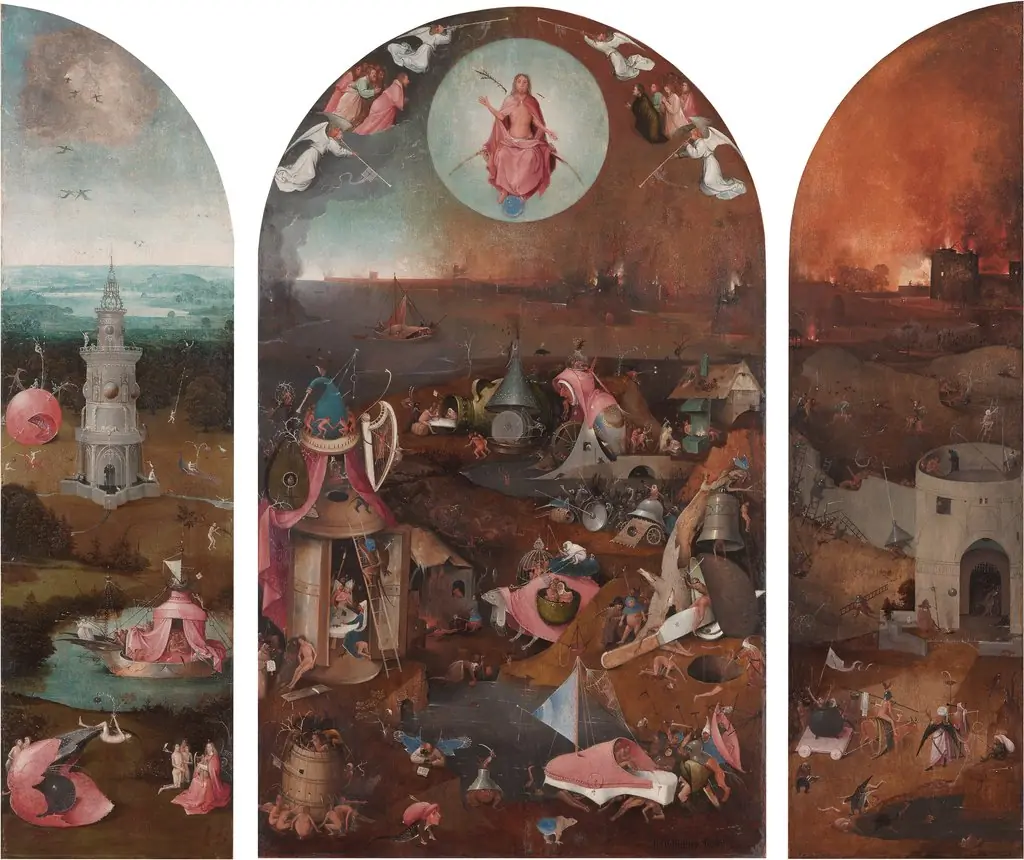
The work depicts the biblical narrative of humanity's fall and its eschatological consequences, structured as a vertical progression on the left panel and a chaotic vision of punishment on the right. The left side illustrates Genesis, beginning with God enthroned during Creation, followed by the expulsion of rebel angels, the presentation of Eve to Adam, the temptation by the serpent, and finally the expulsion from Eden.
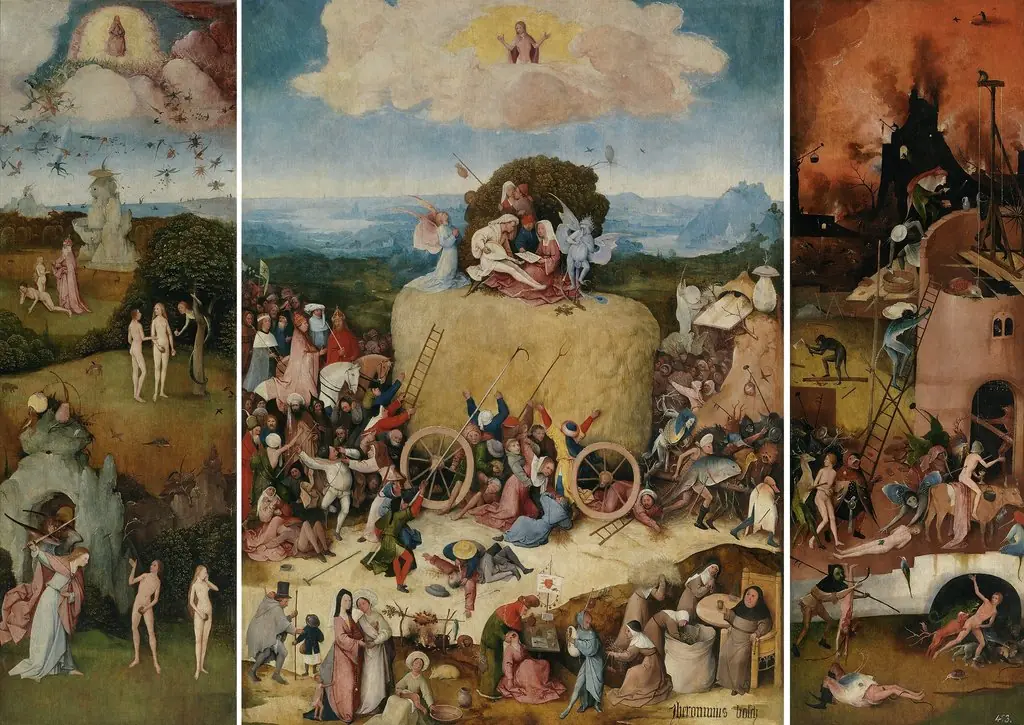
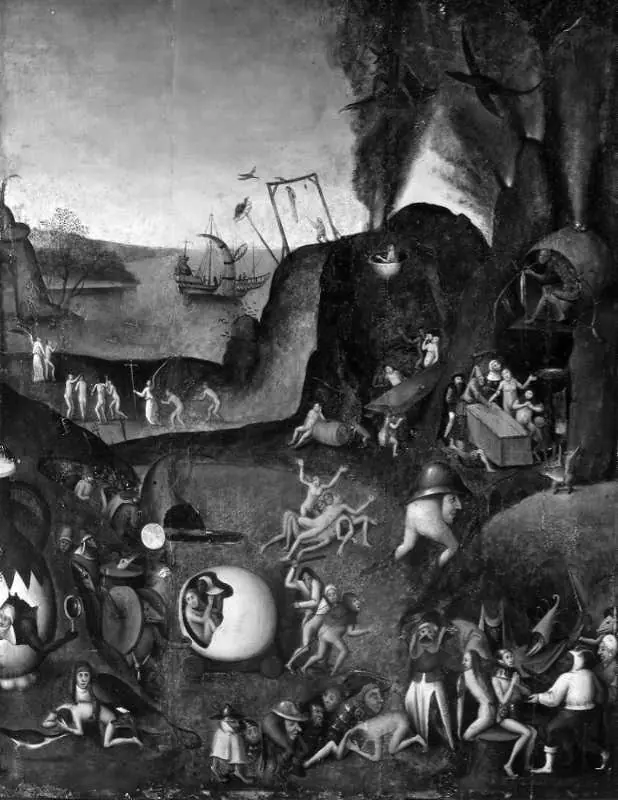
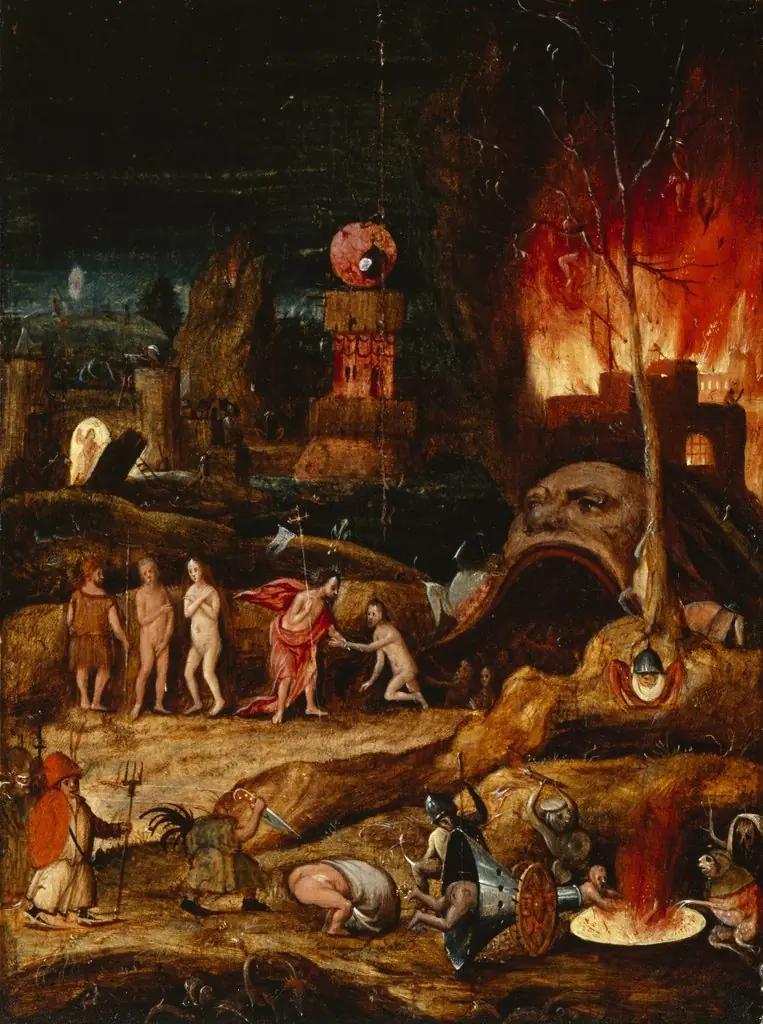
The right panel visualizes Hell, featuring a burning fortress constructed by demons and various torments, including a man ridden by a cow and pierced by a weapon, and another devoured by a fish with human legs. Scholars associate this imagery with literary sources such as the Vision of Tondalus, which describes Hell as a valley with a river and bridge, marking a departure from traditional iconography toward specific textual interpretations of the Last Judgment.
Technique & Style
The panels were first documented in 1967 in a private collection in New York and later exhibited at the Noordbrabants Museum in 's-Hertogenbosch in 1967 (cat.
The work is executed in oil paint on wooden panel, measuring 135 cm in height by 45 cm in width. It forms part of a diptych derived from a lost triptych of The Last Judgment, attributed to Hieronymus Bosch and originating in the Netherlands. The left panel depicts a terrestrial paradise in an idyllic landscape where souls rest peacefully, while the right panel illustrates hell as a ravine with a river and bridge, populated by demons and sinners, including a figure being torn apart by dogs above a bed that alludes to the sin of avarice.
The composition breaks from traditional iconography of The Last Judgment by reading the scenes from left to right rather than top to bottom, and draws on literary sources such as the visions of the prophet Henoch and Tondalus. Bosch’s depiction of hell reflects influences from the Book of Revelation and contemporary devotional texts, including a 1494 Antwerp edition of Henoch’s visions. The panels were first documented in 1967 in a private collection in New York and later exhibited at the Noordbrabants Museum in 's-Hertogenbosch in 1967 (cat. no. 45).
They are currently housed in the Museo del Prado in Madrid. The work is classified as Early Netherlandish painting and religious art, created circa 1513 using oil on panel.
History & Provenance
The work consists of the left and right panels of a lost diptych or triptych depicting the Last Judgment, attributed to Hieronymus Bosch or a close follower. While some sources date the creation to approximately 1510, others specify the year 1513. The panels are known to have been shortened, particularly at the top and bottom, from a larger original composition.
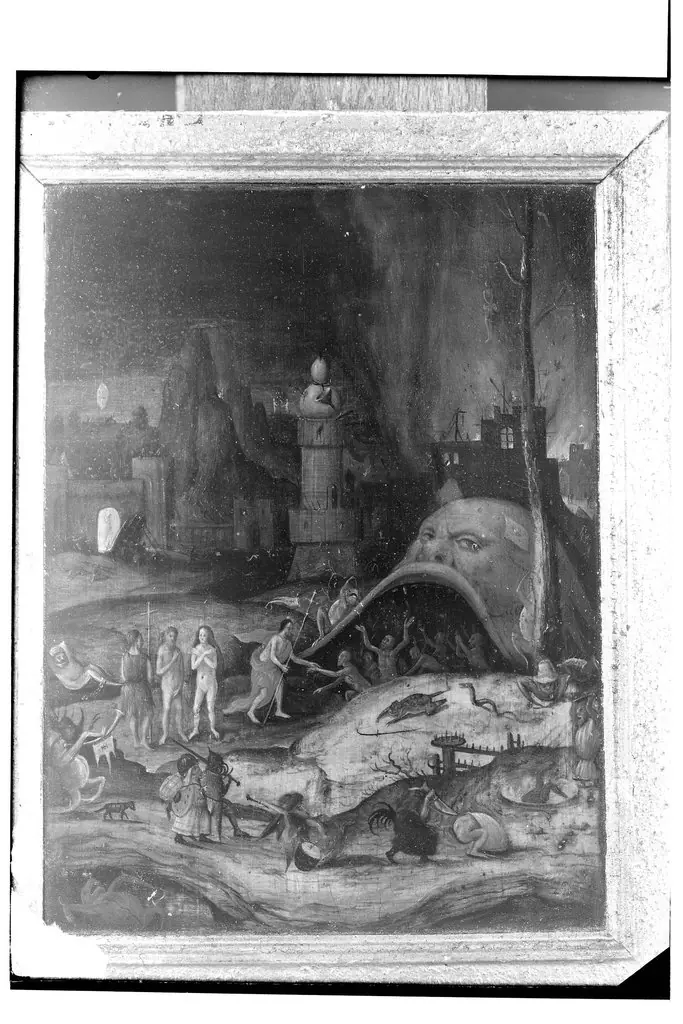
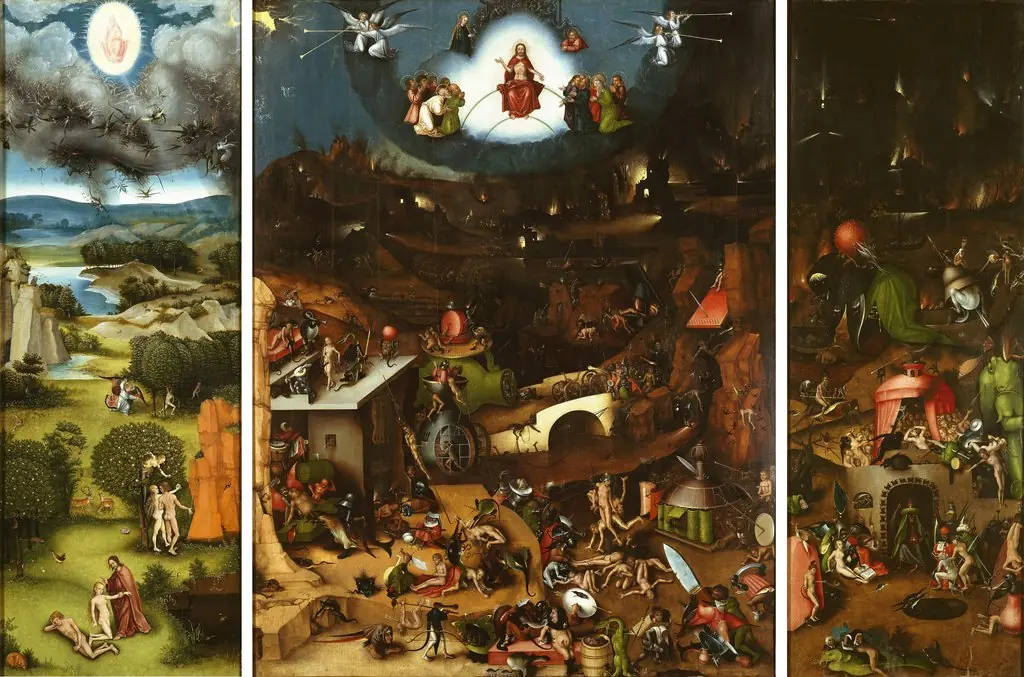
The provenance chain begins with the Parisian art dealer Victor Mandl, followed by the Bromberg collection in Bremen. In 1965, the fragments were recorded at the Wildenstein Gallery in New York, and by 1967, they were located in a private collection in the same city. A copy of the complete original triptych, first noted in 1908 and attributed to Herri met de Bles, is held in the Museum for Religious Art in Uden, providing context for the missing sections.
The two surviving panels of Paradise and Hell are held by the Museo del Prado in Madrid, where they are recorded in the collection. According to provenance notes by the art historian Max Friedländer, the panels were originally in the possession of the Paris dealer Victor Mandl, and later passed into the Bromberg collection in Bremen. In 1965 they were recorded at the Wildenstein gallery in New York, and by 1967 they were in a private collection, also in New York.
The work's documented exhibition history consists of a single showing: Jheronimus Bosch, held at the Noordbrabants Museum in 's-Hertogenbosch from 17 September to 15 November 1967, where it was catalogued as no. 45 and reproduced in black and white, listed under an attribution to Jheronimus Bosch.
Context
Paradise and Hell occupies a pivotal position in Hieronymus Bosch scholarship as the surviving wings of a lost Last Judgment triptych, reconstructed through a copy once attributed to Herri met de Bles now in Uden. Charles de Tolnay first published the fragments in 1961, dating them to the end of Bosch's early period and arguing that their relatively flat handling anticipates the Haywain Triptych, while Gerd Unverfehrt later proposed they are by a master working closely alongside Bosch. The work is considered a key piece in Bosch's oeuvre because it departs from the inward-to-outward reading of earlier Flemish Last Judgment imagery, instead organizing the narrative left-to-right, a structural break that may extend to religious painting more broadly.
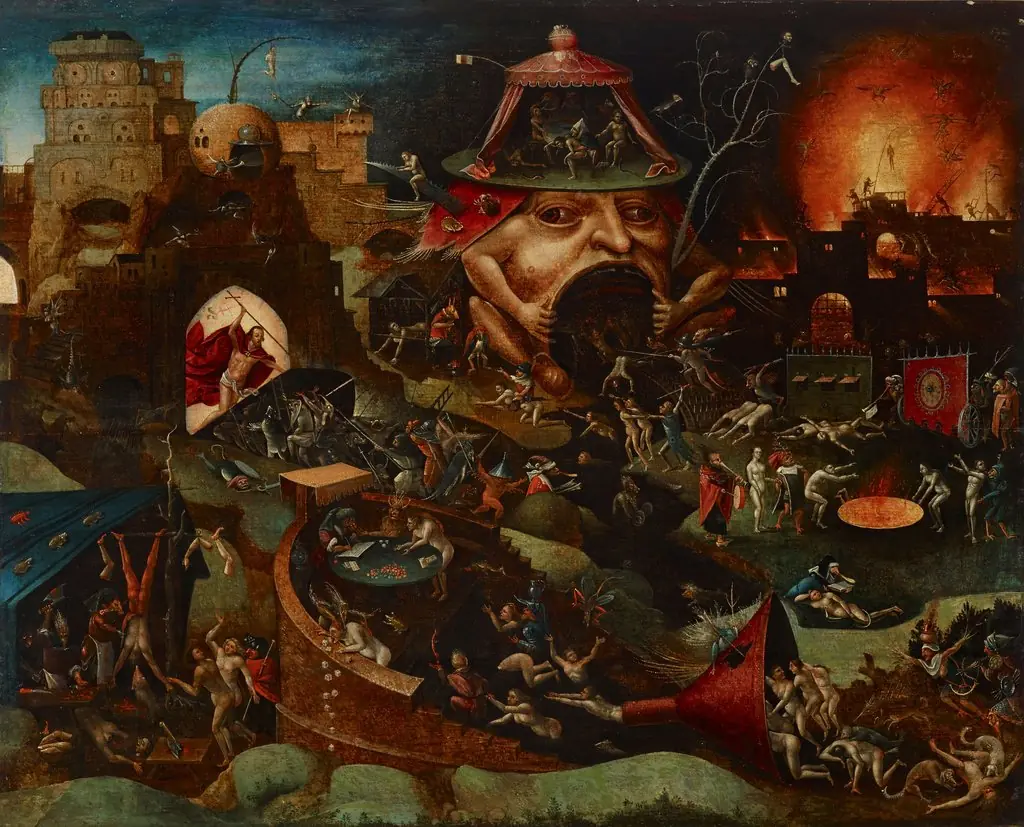
Iconographically, the Hell panel draws on literary sources rather than traditional Last Judgment iconography, notably the Vision of Tundale, which circulated in Dutch translations during Bosch's lifetime, and motifs also appear in his Seven Deadly Sins table. Bosch returned to the Last Judgment theme repeatedly, with this work counted among seven or nine such treatments when the Haywain and Garden of Earthly Delights are included.
Legacy
Paradijs en hel are later-recognized fragments of a lost Last Judgment triptych, documented in 1967 in a New York private collection and previously traced to dealers in Paris, Bremen and Wildenstein. Art historians such as Charles de Tolnay and Gerd Unverfehrt have identified the panels as belonging to Bosch’s early period and as part of a key work in his oeuvre, influencing later depictions of heaven and hell that diverge from traditional iconography. The fragments were exhibited at the Noordbrabants Museum in 's-Hertogenbosch in 1967, and their compositional link to literary sources like Henoch and Tondalus’ vision has shaped scholarly understanding of Bosch’s innovative approach to moral narrative.
Overview
Created in 1513, Paradise and Hell is an oil painting by the Netherlandish artist Hieronymus Bosch. Executed during the Northern Renaissance, the work juxtaposes a luminous, pastoral landscape with a nightmarish interior, embodying the painter’s penchant for moral allegory. The piece is housed in the Museo del Prado in Madrid.
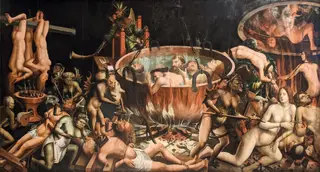
Artist & collection
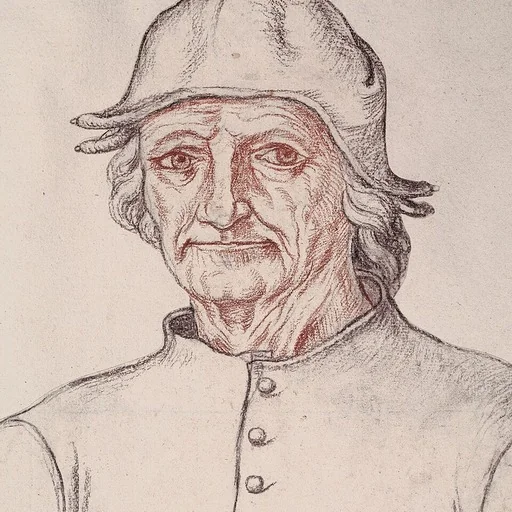
Artist
Hieronymus Bosch (; Dutch:; born Jheronimus van Aken; c. 1450 – 9 August 1516) was a Dutch painter from Brabant. He is one of the most notable representatives of the Early Netherlandish painting school. His work,…