Artwork
Allegory on Science. Minerva and Cronus protect Science against Envy and Ignorance
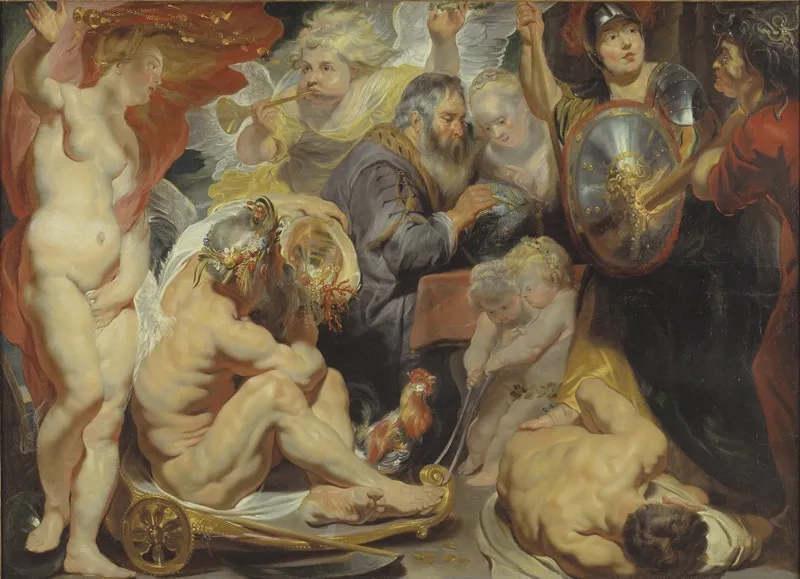
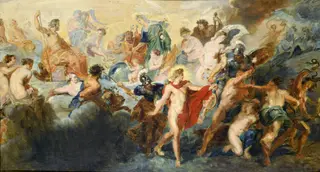
Allegory on Science. Minerva and Cronus protect Science against Envy and Ignorance is an oil painting by the Flemish Baroque painting artist Jacob Jordaens. It dates from 1617 and is held in the collection of the Statens Museum for Kunst.
About this work
Subject & Meaning
The central female figure is crowned and holds a book, signifying the transmission and preservation of learning.
The painting depicts an allegory in which the Roman goddess Minerva, personifying wisdom and learning, and the Titan Cronus, associated with time, jointly shield a female figure representing Science from two male figures embodying Envy and Ignorance. Minerva is shown with her traditional attributes, helmet and spear, while Cronus appears as an elderly bearded man holding an hourglass, underscoring the temporal dimension of knowledge. The central female figure is crowned and holds a book, signifying the transmission and preservation of learning.
The composition visually asserts the triumph of reason and erudition over destructive forces, aligning with early modern humanist ideals of progress through study and discipline.
Technique & Style
Jacob Jordaens executed Allegory on Science. Minerva and Cronus protect Science against Envy and Ignorance in 1617 using oil paint applied to a canvas support. The work measures 117 cm in height and 164 cm in width.
Classified as an allegorical and mythological painting, the piece depicts Minerva and Cronus alongside personifications of science and its adversaries. The formal qualities align with Jordaens' early career output in the genre of mythological narrative.
History & Provenance
The painting was created by Jacob Jordaens in 1617, executed in oil paint on canvas. According to the Wikidata record, the work is held in the collection of the Statens Museum for Kunst, which is also listed as its current location. No further information regarding the commission, prior ownership, or intermediate provenance chain is documented in the available sources.
The painting is held by the Statens Museum for Kunst in Denmark, as recorded in both the internal catalogue entry and the Wikidata record for the work. The Wikidata entry identifies the Statens Museum for Kunst as both the collection and the location of the painting. No specific inventory or accession number is provided in the available sources.
No exhibition history is documented in the sources supplied.
Context
Jacob Jordaens' 1617 oil painting Allegory on Science portrays the allegorical triumph of Science defended by Minerva and Chronos against Envy and Ignorance. The work is classified as a mythological allegory and was created in Antwerp during the artist's mature period, reflecting the intellectual currents of early 17th-century scientific discourse. It is housed in the Statens Museum for Kunst, where it remains part of their collection of Northern European paintings.
Scholars have examined its complex iconography as a visual representation of the era's emerging understanding of natural philosophy, situating it within Jordaens' broader oeuvre of mythological and allegorical subjects.
The painting's composition demonstrates the influence of Rubens' workshop while showcasing Jordaens' distinctive approach to allegorical narrative, contributing to the development of scientific allegory in Flemish Baroque art. Its large scale, measuring 1640 by 1170 centimeters, emphasizes the grandeur of the scientific theme within the traditional mythological framework.
Contextual analysis places this work at the intersection of artistic practice and emerging scientific thought in the Low Countries, highlighting how visual culture engaged with contemporary intellectual debates about knowledge and discovery.
Overview
Created in 1617 by the Flemish Baroque painter Jacob Jordaens, this oil on canvas presents an allegorical tableau in which the figures of Cronus and Minerva intervene on behalf of Science. The composition is dominated by a central seated man clutching a scroll, surrounded by a restless crowd of mythic and symbolic characters. The work is part of the collection of the Statens Museum for Kunst.
Artist & collection
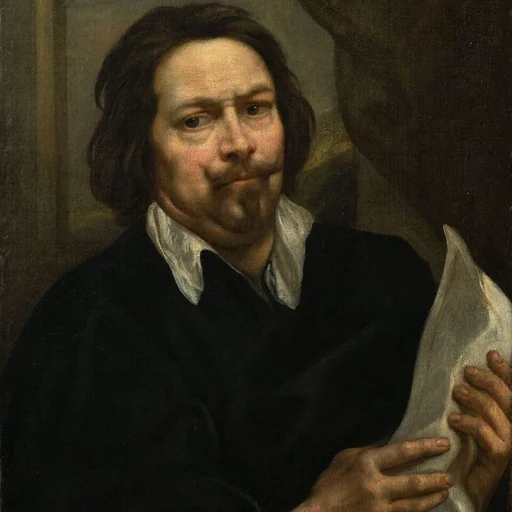
Artist
Jacques (Jacob) Jordaens (19 May 1593 – 18 October 1678) was a Flemish painter, draughtsman and a designer of tapestries and prints.

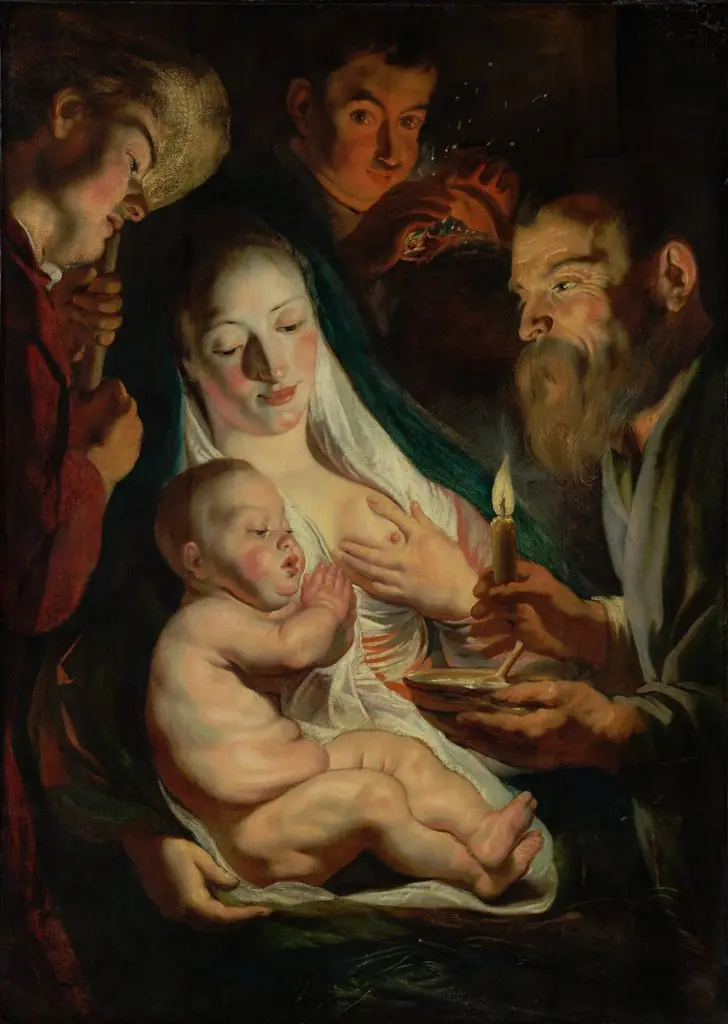 The Holy Family with Shepherds
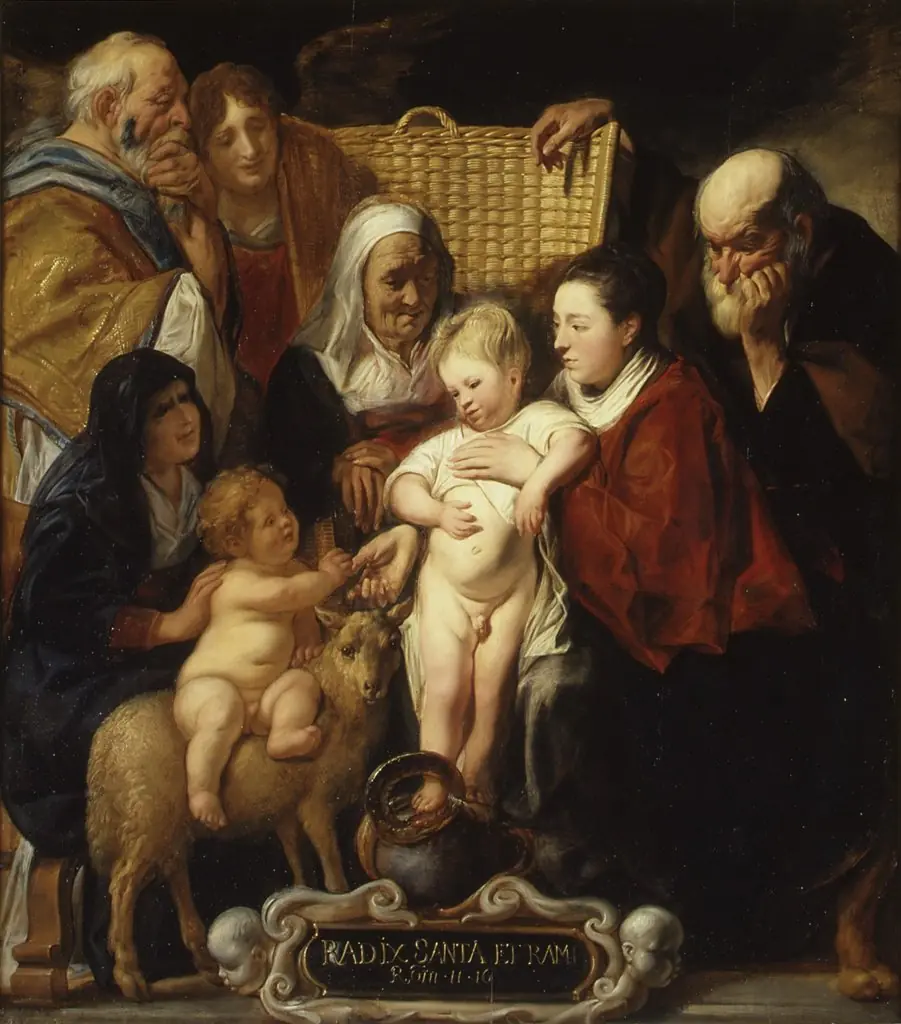 The Holy Family with Saint Anne and the Young Baptist and His Parents
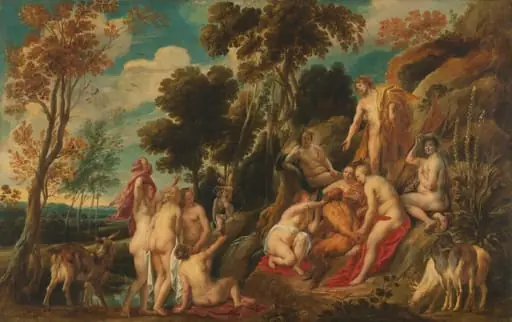 Untitled
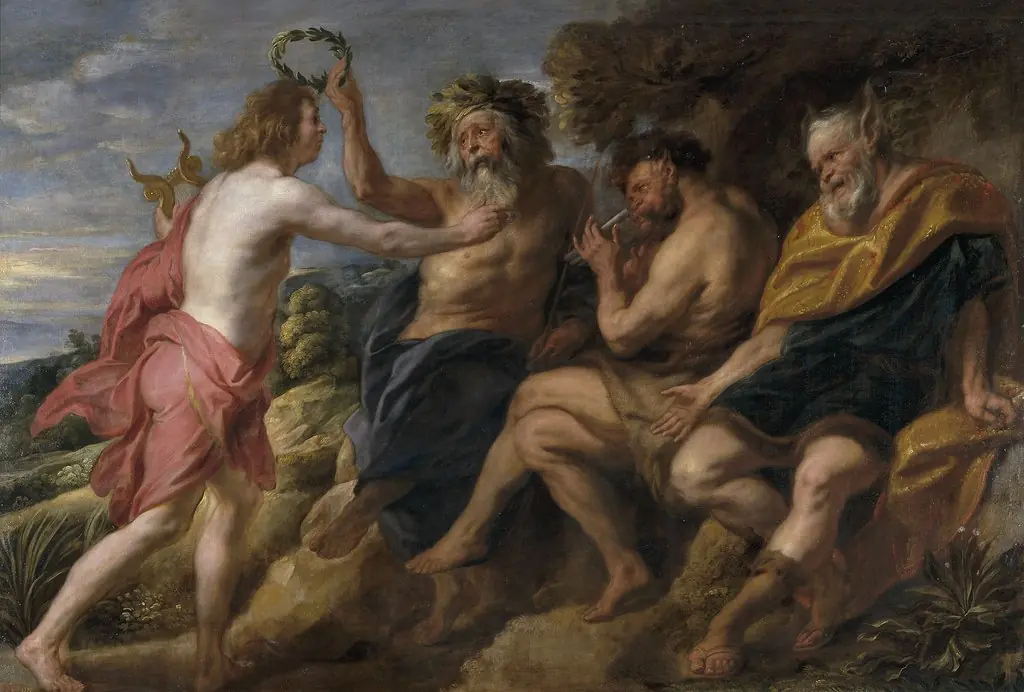 Apollo as Victor over Pan
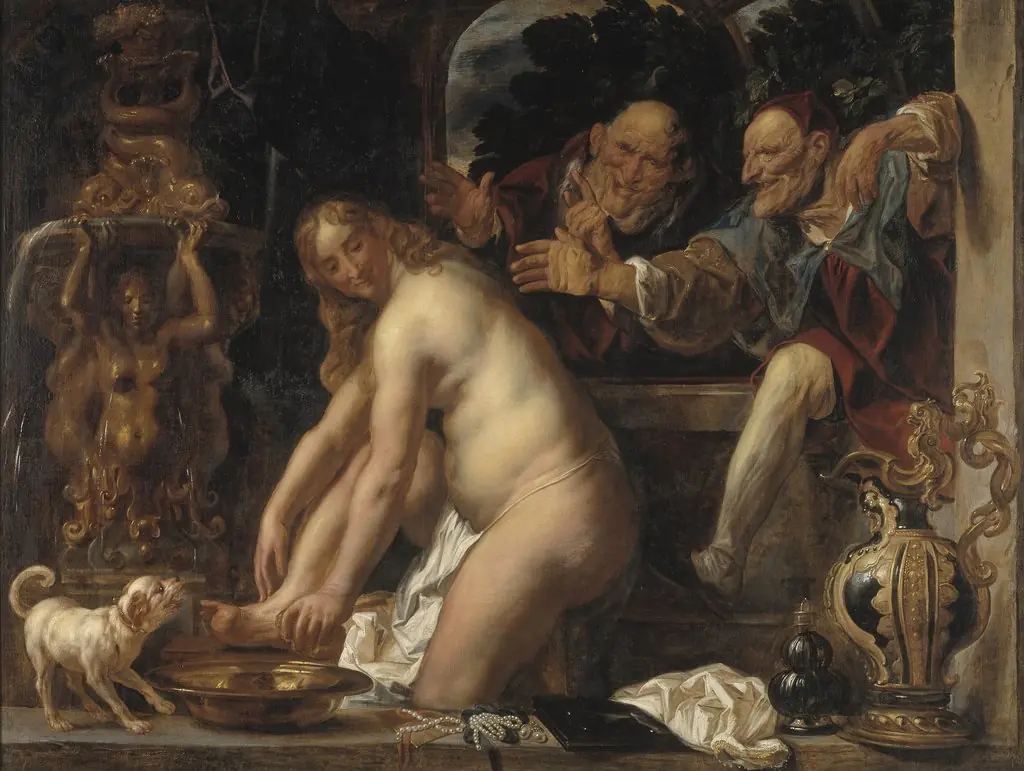 Susanna and the Elders
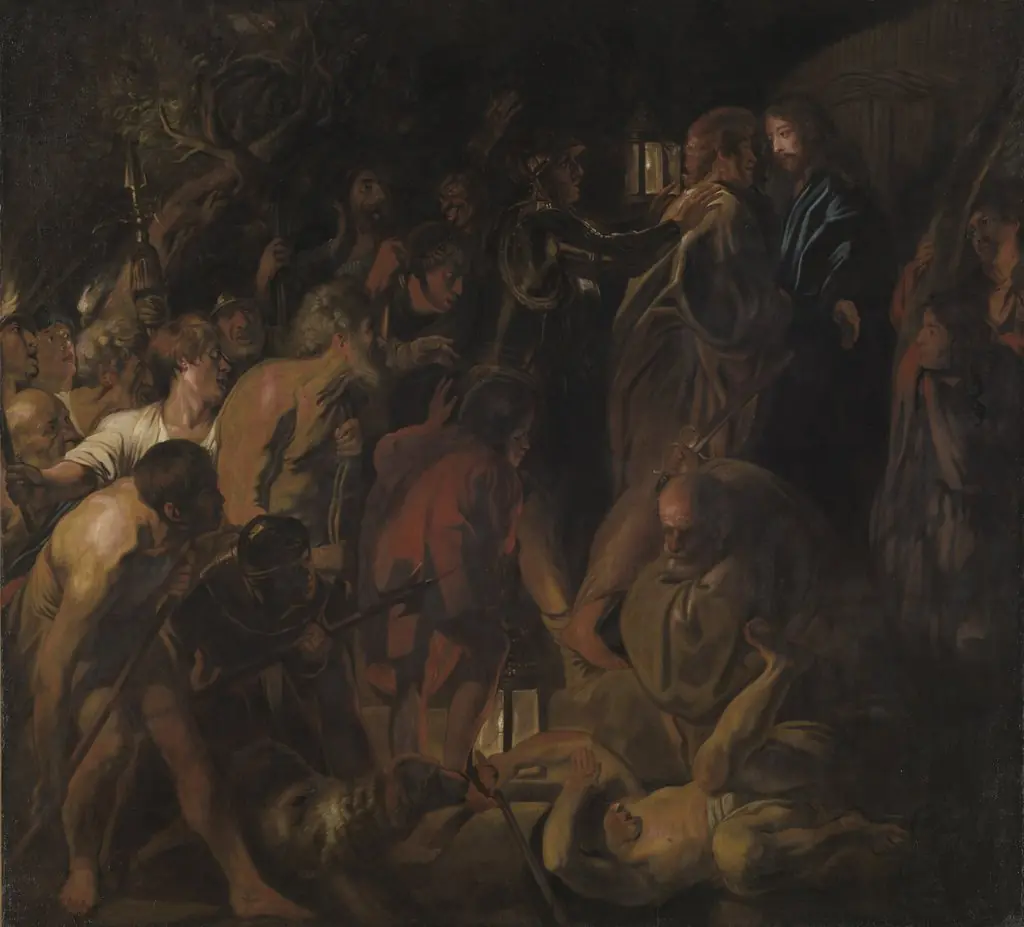 The Betrayal of Christ
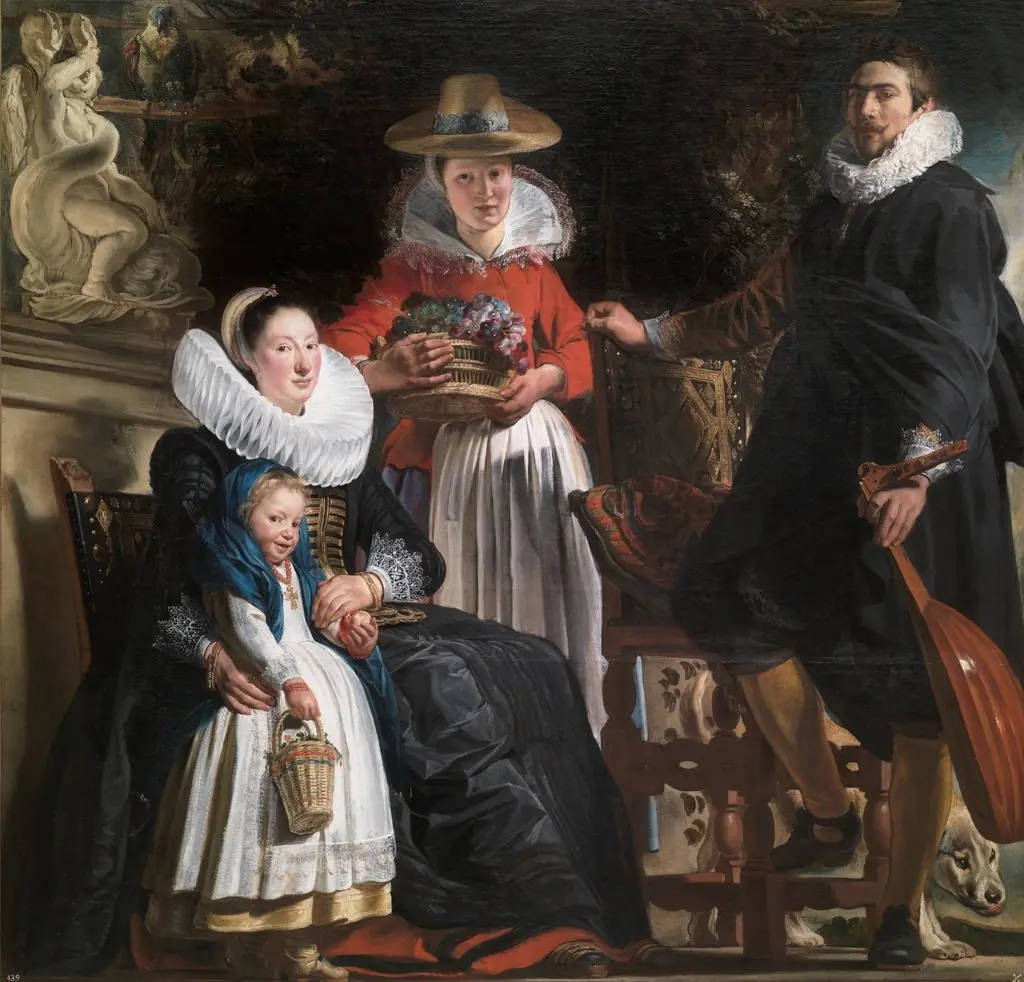 Portrait of the artist with his family
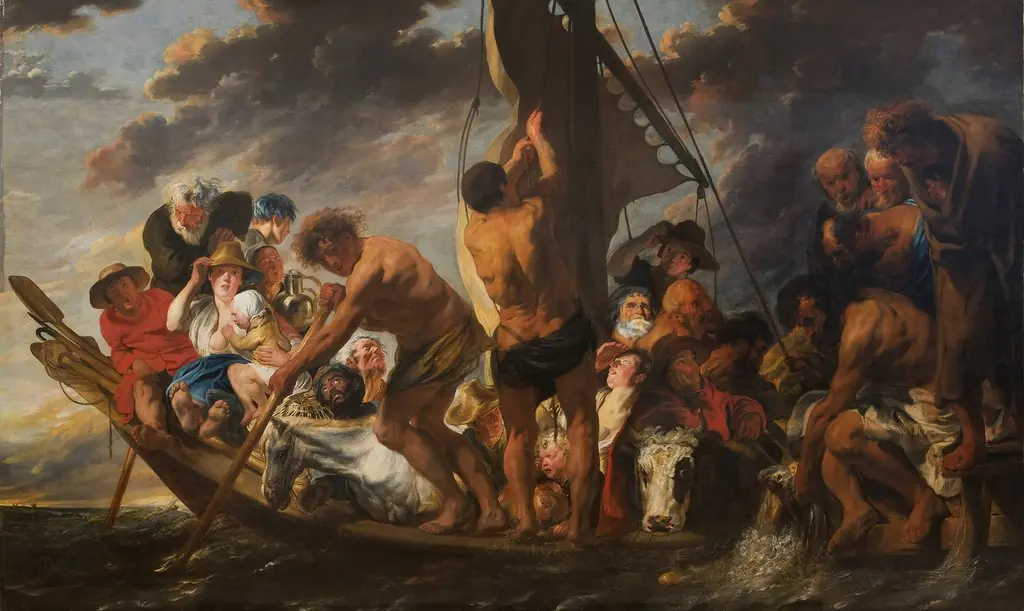 The Tribute Money. Peter Finding the Silver Coin in the Mouth of the Fish. Also called "The Ferry Boat to Antwerp"
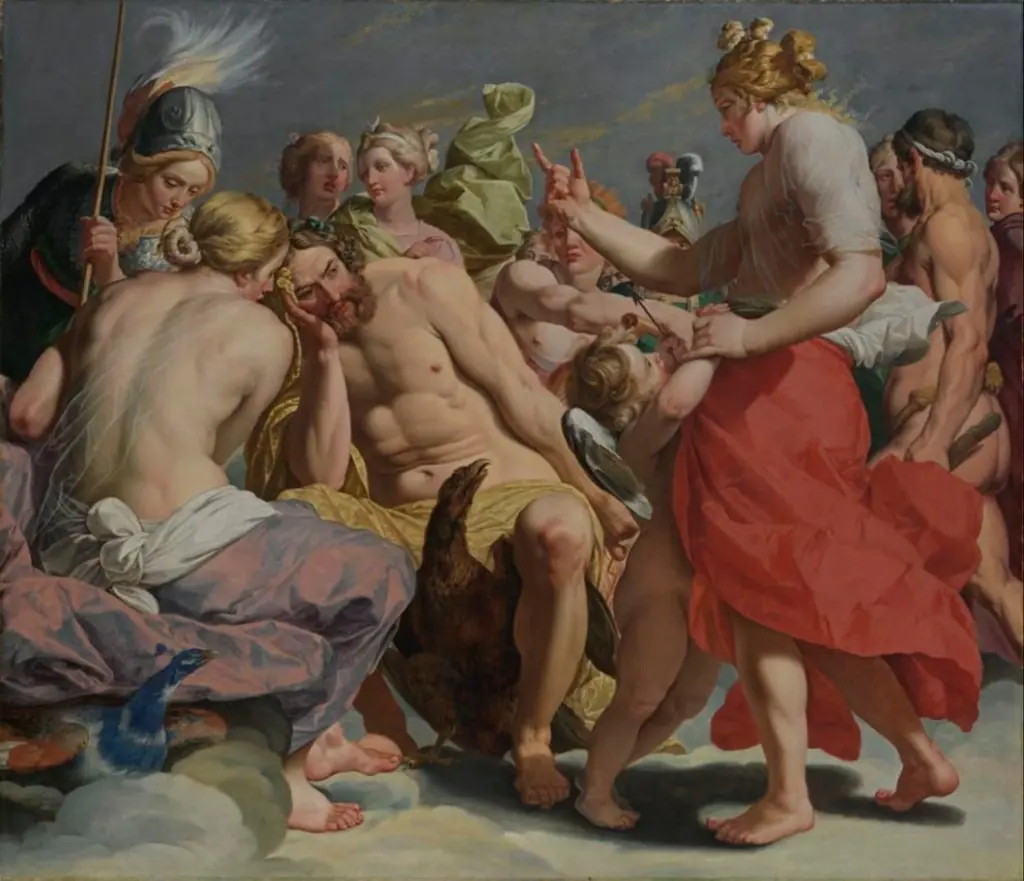 Mount Olympus
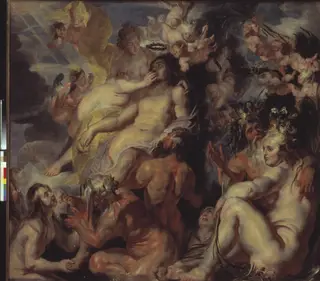 The Apotheosis of Aeneas
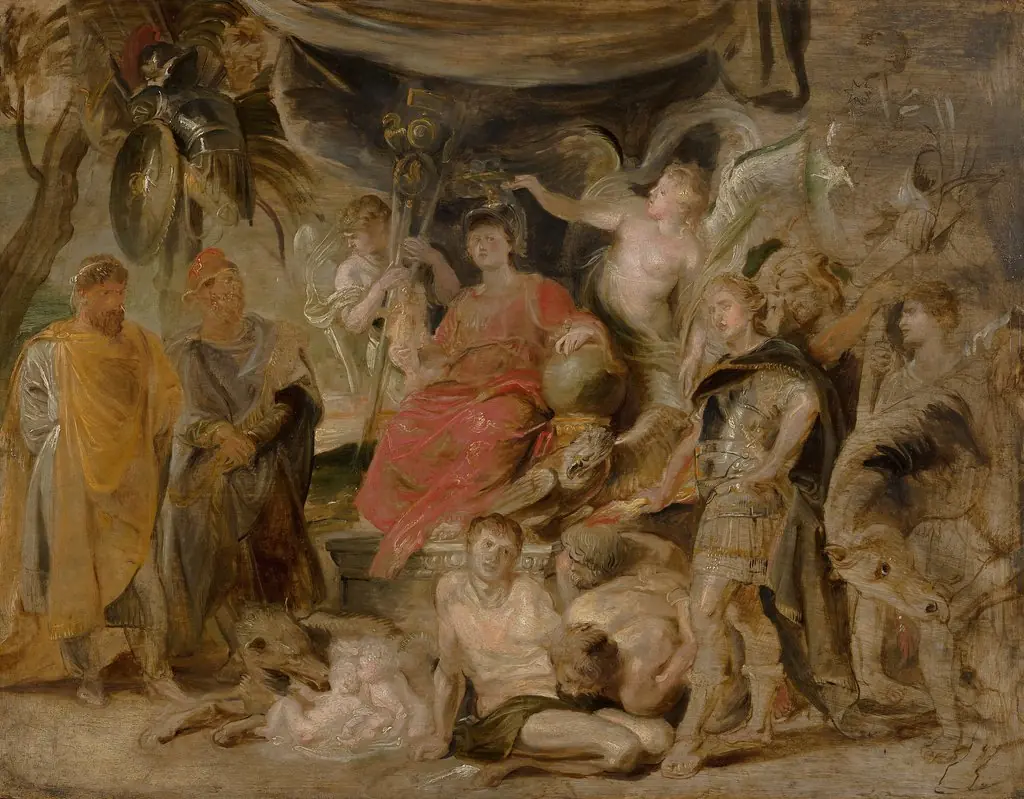 The Triumph of Rome: The Youthful Emperor Constantine Honouring Rome
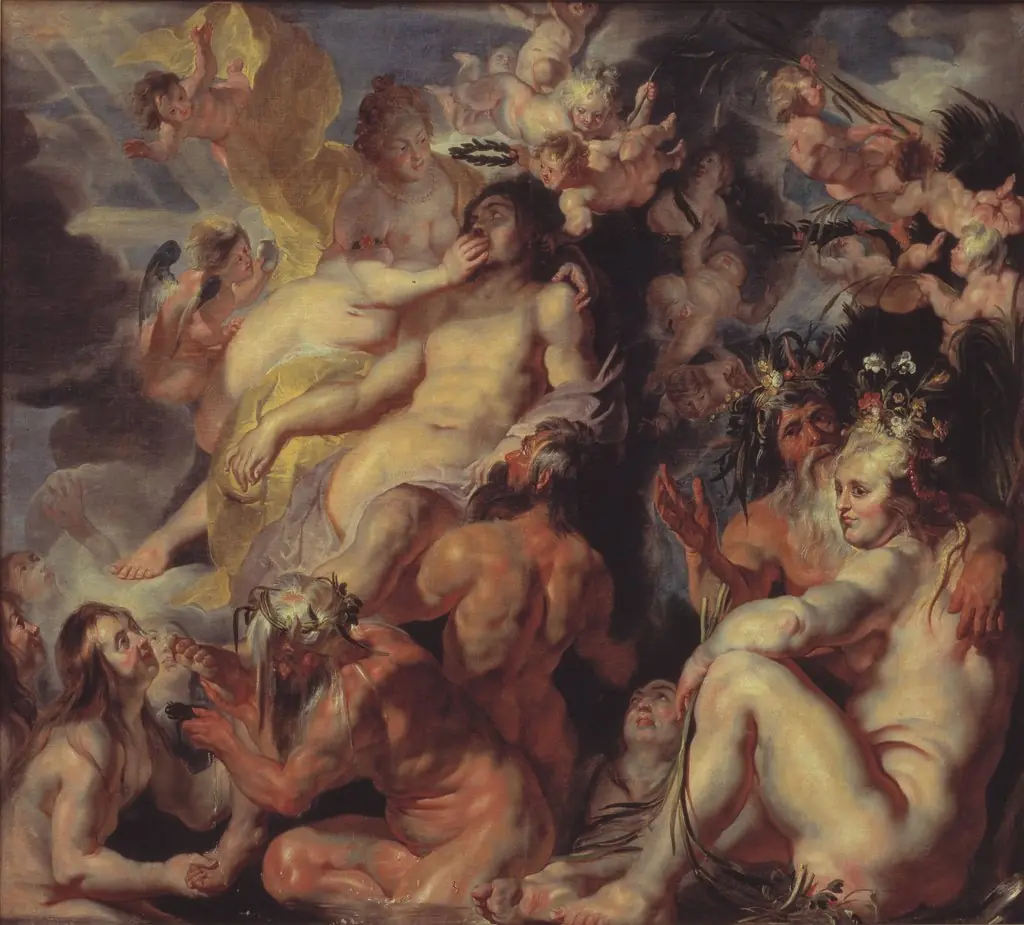 The Apotheosis of Aeneas
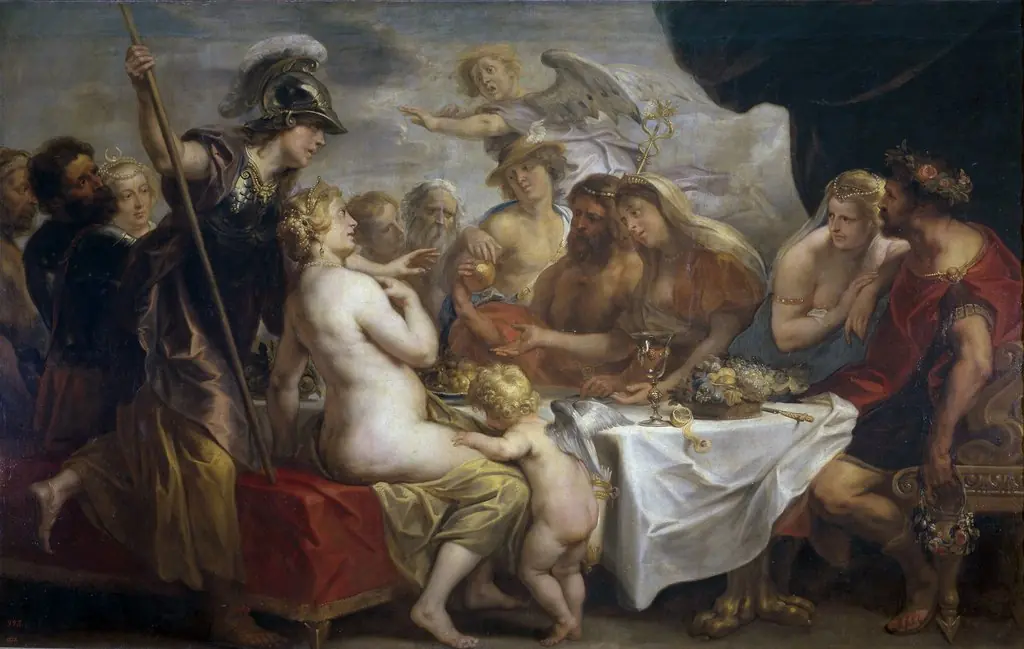 The wedding of Thetis and Peleus
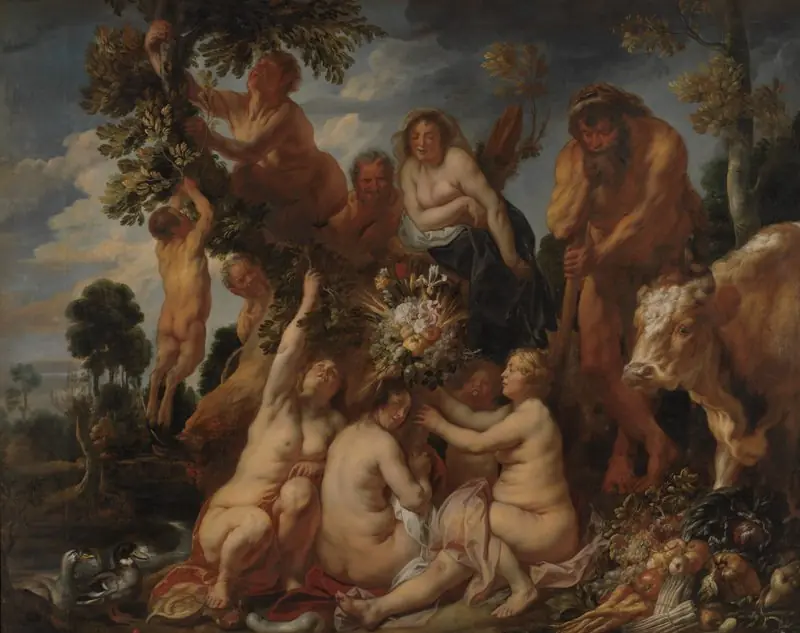 Achelous Defeated by Hercules. The Origin of the Cornucopia. (Allegory of Fruitfulness)
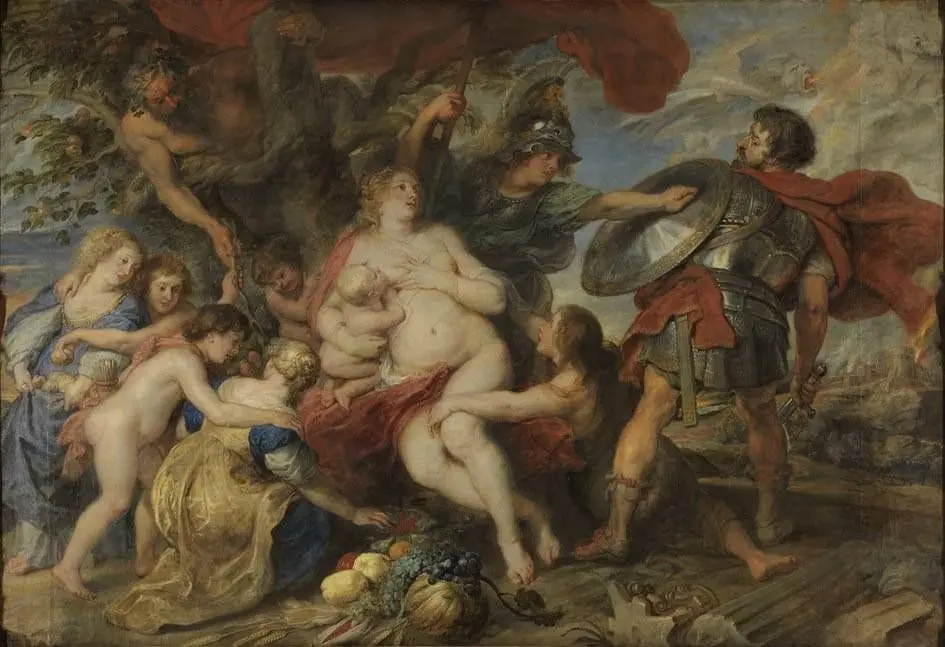 Minerva protects Fertility from Mars
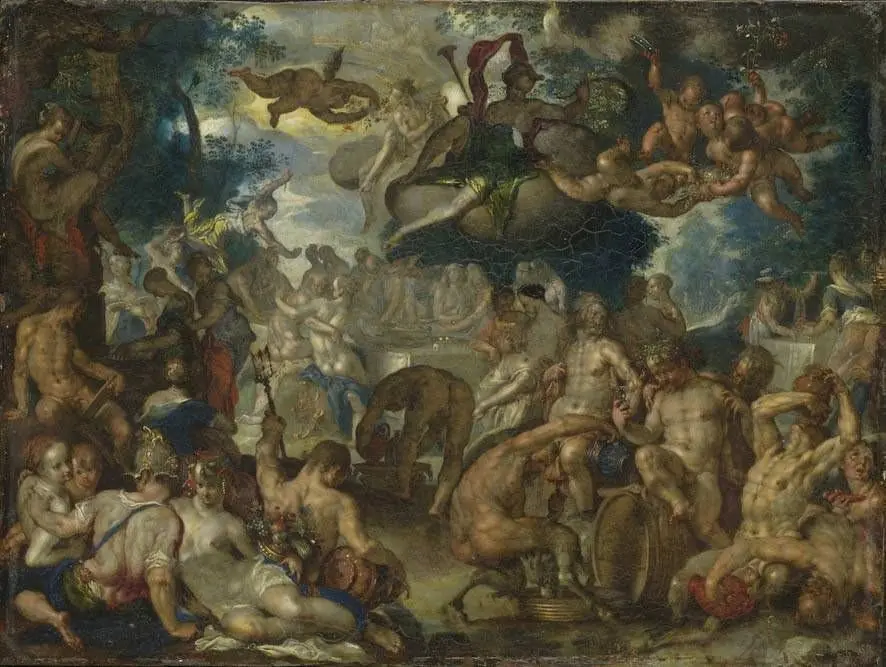 The Wedding of Peleus and Thetis
 Gastmahl des Achelous
 Copy after the Painting by Rubens "The Council of Gods"