Artwork
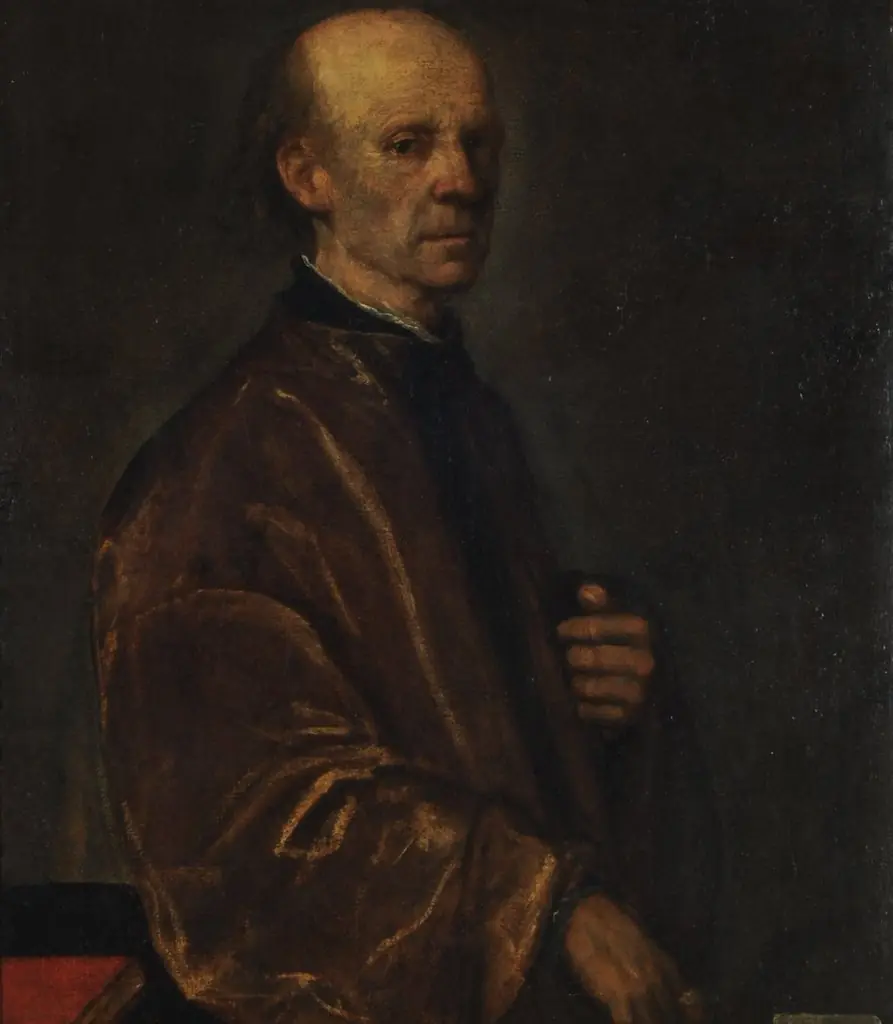
Portrait of a Man
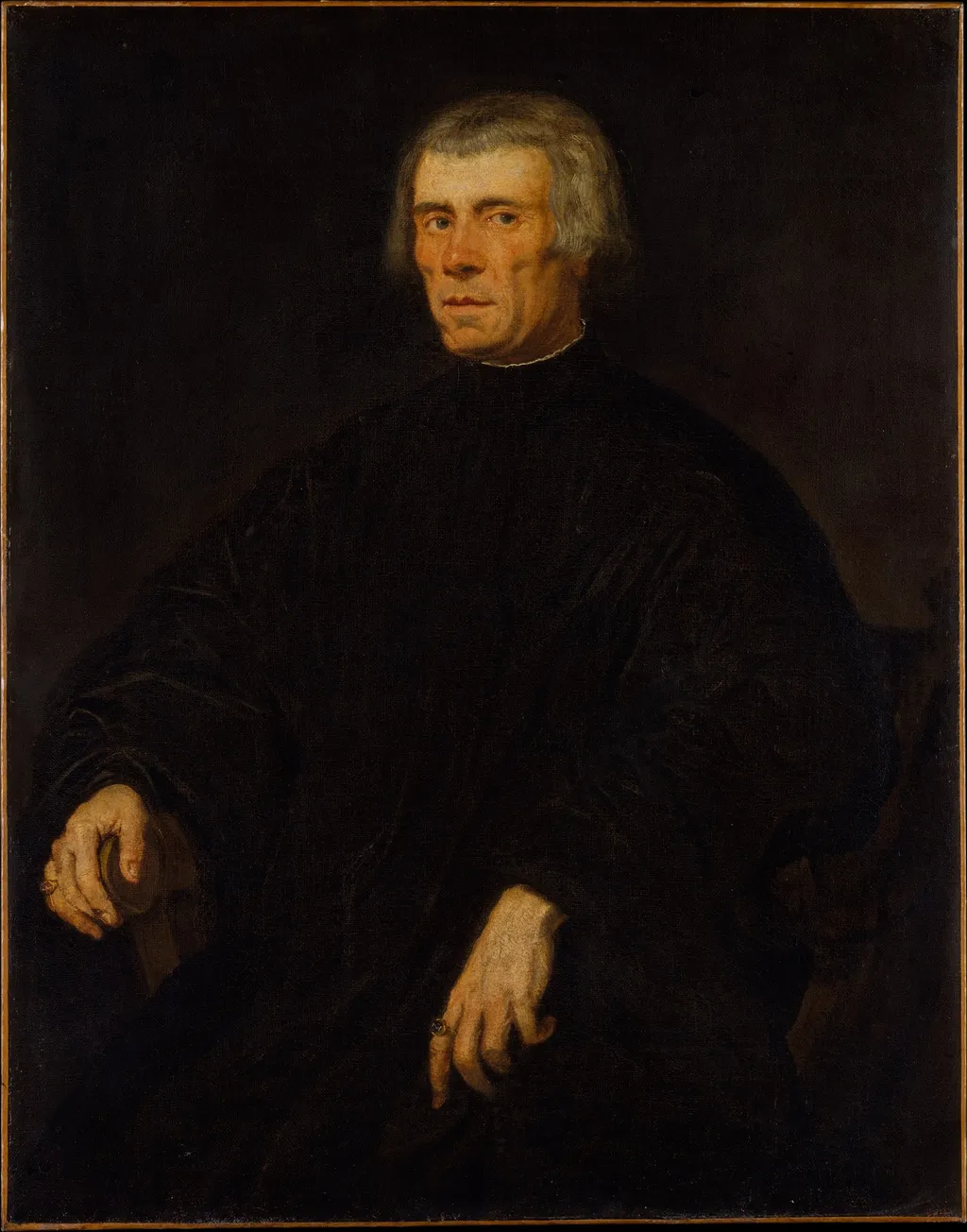
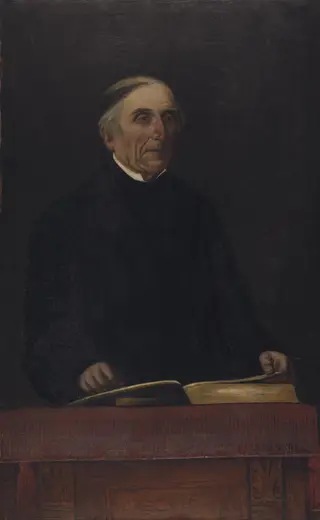
Portrait of a Man is an oil painting by the Mannerist artist Jacopo Tintoretto. It dates from 1540 and is held in the collection of the Metropolitan Museum of Art.
About this work
Subject & Meaning
The composition follows the conventions of Renaissance portraiture, emphasizing the sitter’s facial features and attire without overt allegorical attributes.
The work titled Portrait of a Man, painted by Jacopo Tintoretto in 1540, presents a single male sitter rendered in oil on canvas. The composition follows the conventions of Renaissance portraiture, emphasizing the sitter’s facial features and attire without overt allegorical attributes. As the sole figure depicted, the painting functions as a record of an unidentified patron’s appearance, reflecting the period’s interest in individual likeness rather than symbolic narrative.
The lack of additional iconographic elements suggests that the portrait’s meaning is tied to the social status of the sitter, conveyed through clothing and posture rather than overt symbolism.
Technique & Style
Executed in 1540 by Jacopo Tintoretto, this portrait is an oil painting on canvas. The work measures 112.7 cm in height and 88.9 cm in width. As a formal portrait, the composition focuses on a male subject, adhering to the genre conventions of the mid-sixteenth century.
The application of oil paint on a woven canvas support represents the standard medium for Venetian artists of this period, allowing for the specific textural and chromatic qualities associated with Tintoretto's early style. The piece is currently held in the collection of the Metropolitan Museum of Art.
Overview
Jacopo Tintoretto, a prominent Venetian painter of the Italian Renaissance, completed Portrait of a Man in 1540. This oil painting exemplifies the Mannerist style, characterized by its dramatic approach to representation. The work, now housed at The Metropolitan Museum of Art, presents a formal depiction of an unidentified male subject, showcasing the artist's distinctive vision.
Context
Created during the height of the Italian Renaissance, this work positions Tintoretto within the Venetian school, known for its rich color and expressive qualities. The painting's adherence to Mannerist principles, such as heightened drama and a focus on the human form's expressive potential, reflects broader artistic trends of the mid-16th century.
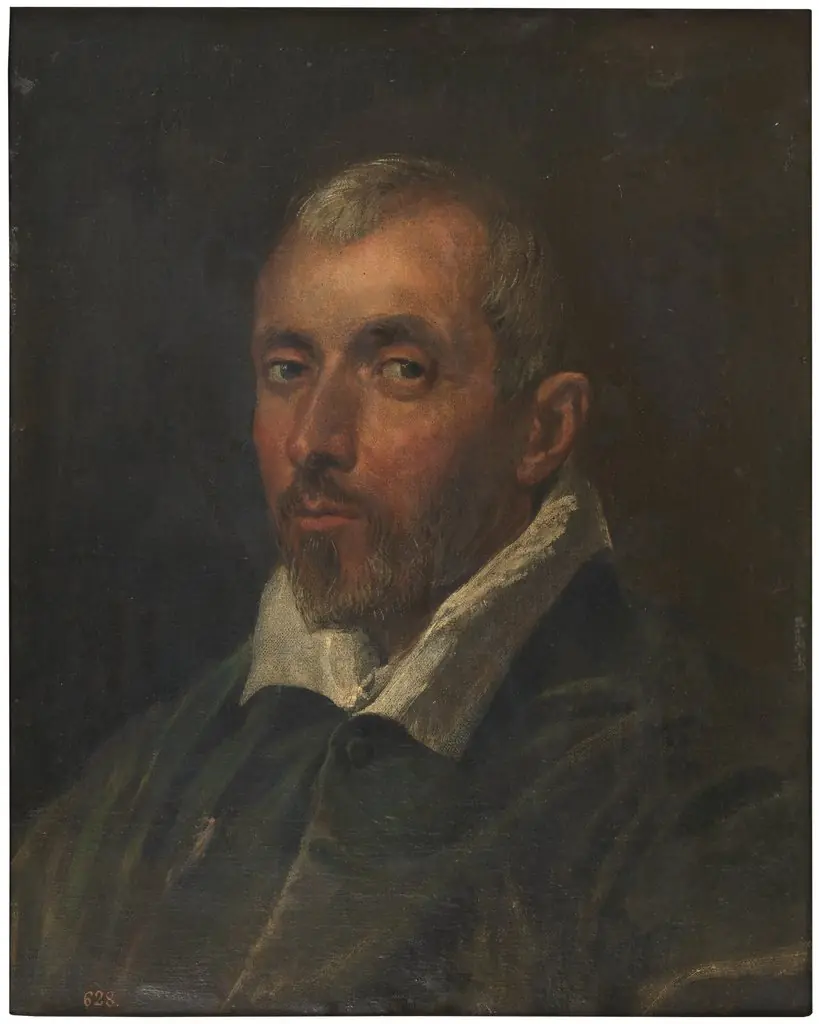
Own this work as a print
Artist & collection
Artist
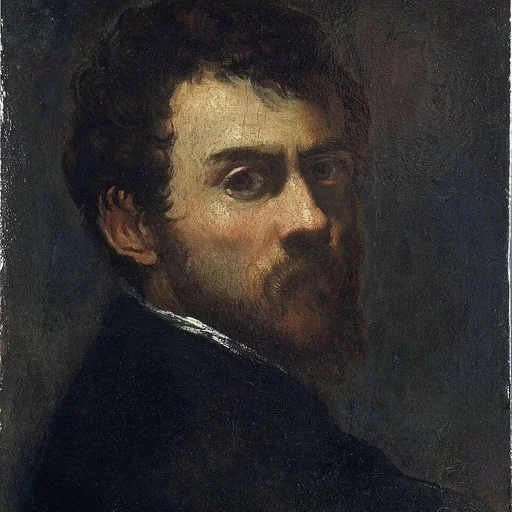
Jacopo Robusti (late September or early October 1518 – 31 May 1594), best known as Tintoretto ( TIN-tə-RET-oh; Italian:; Venetian: ), was an Italian Renaissance painter of the Venetian school.

- Magistrado veneciano
 Parch. Robert Williams, Y Wernddu
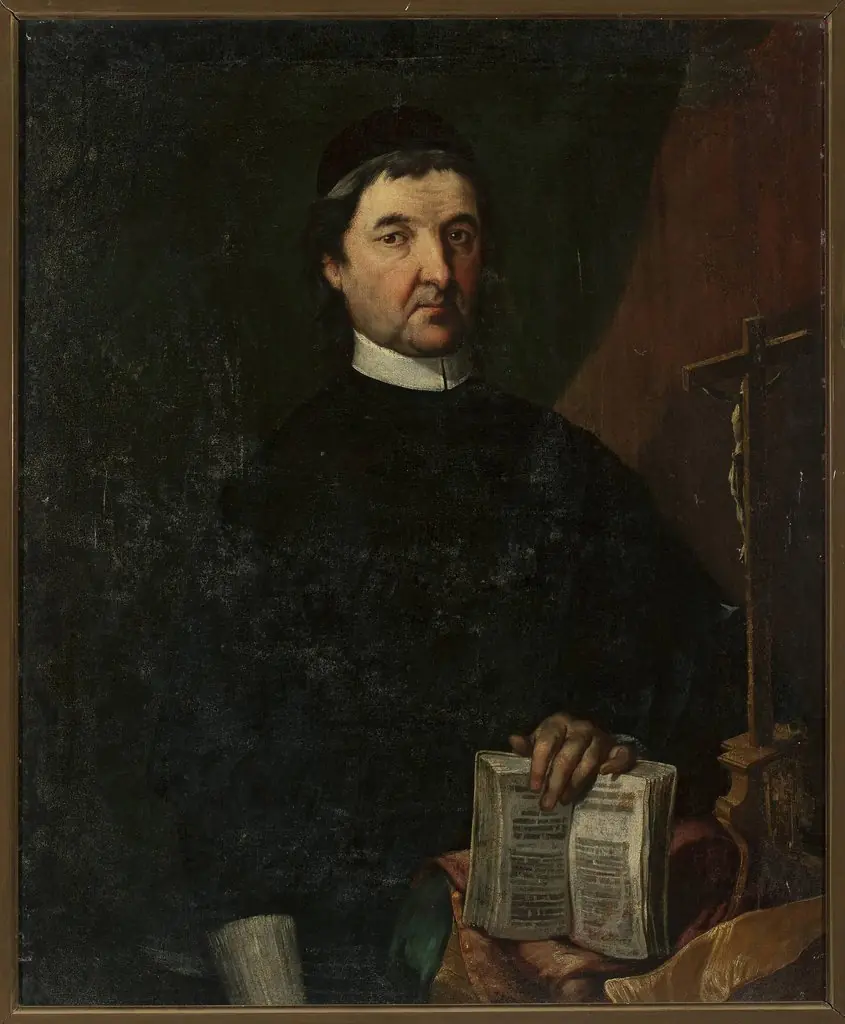 Portrait of a priest (Piarist?)
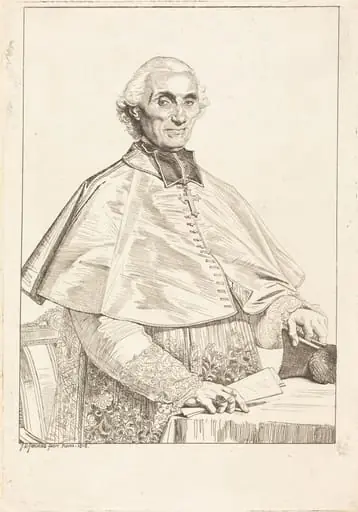 Gabriel Cortois de Pressigny
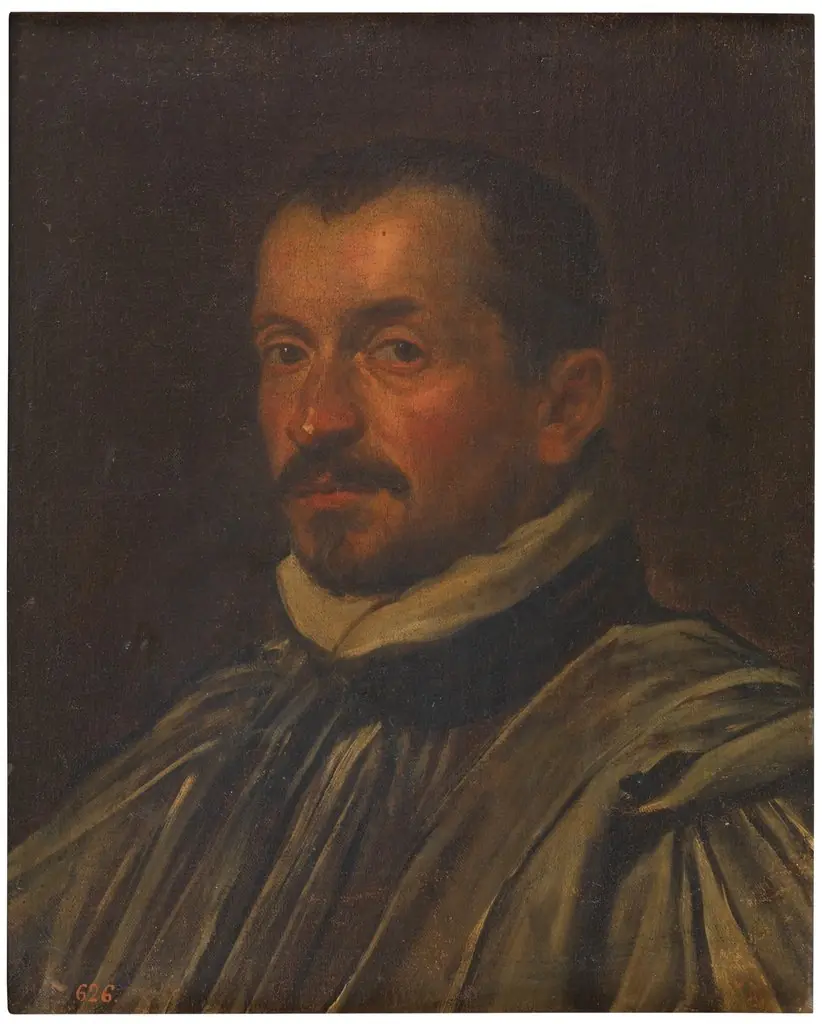 A Venetian Magistrate
 Gabriel Cortois de Pressigny
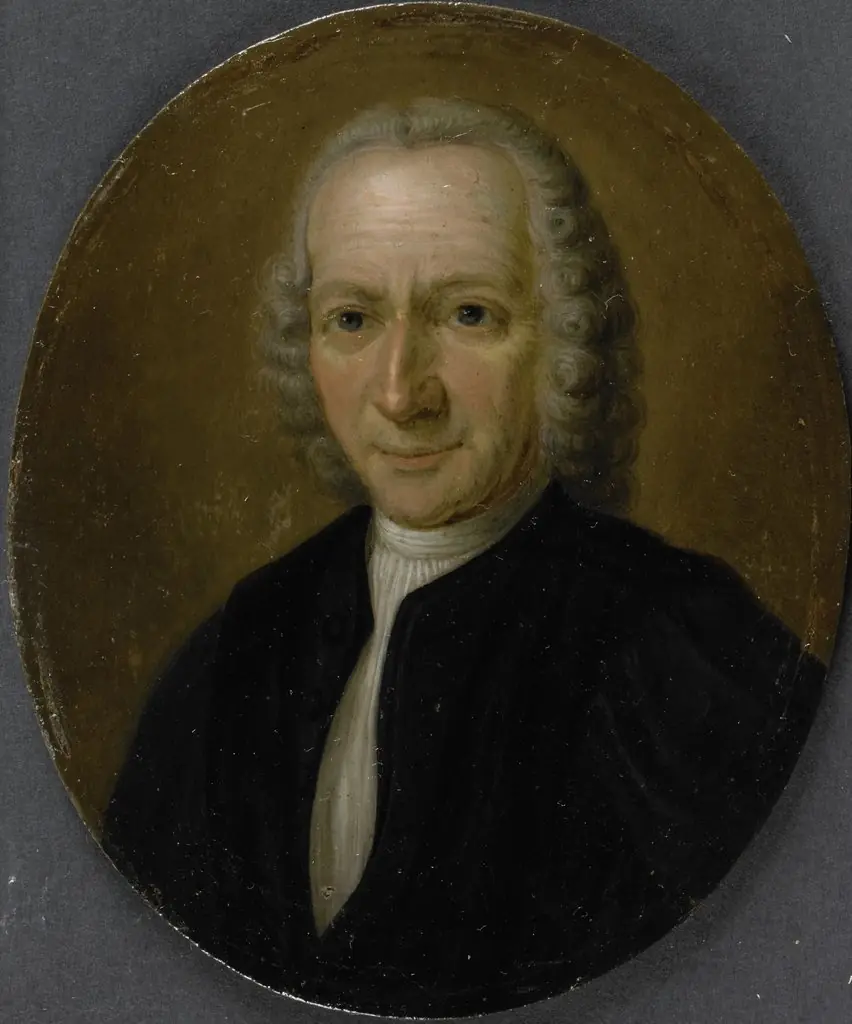 Adrianus van Royen (1704-79), professor of medicine and botany in Leiden
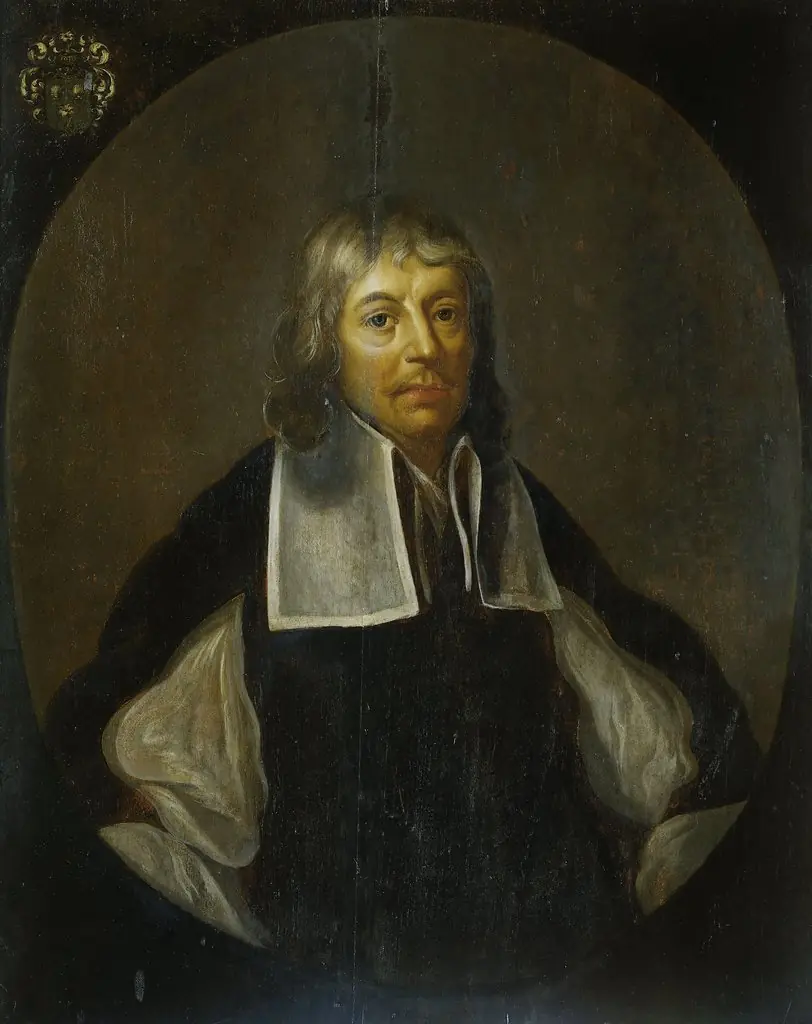 Portrait of Joan Meatsuyker (1606-78), Governor general (1653-78)
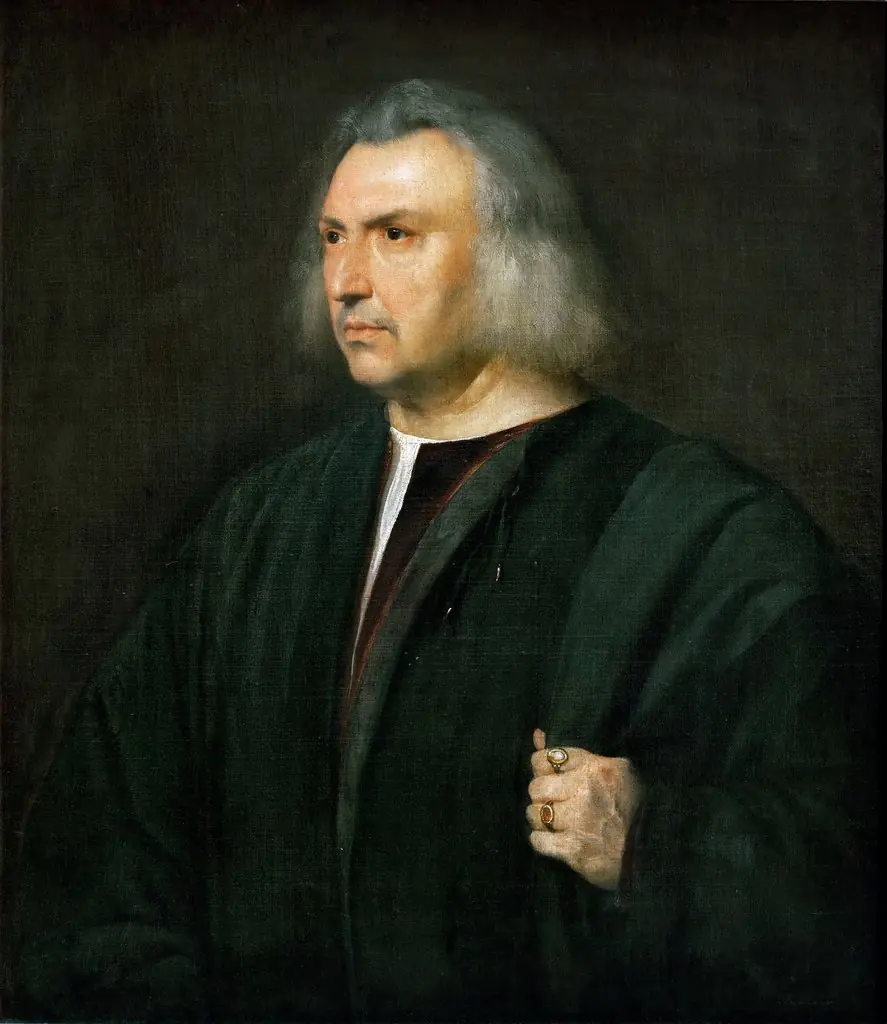 The physician Gian Giacomo Bartolotti da Parma
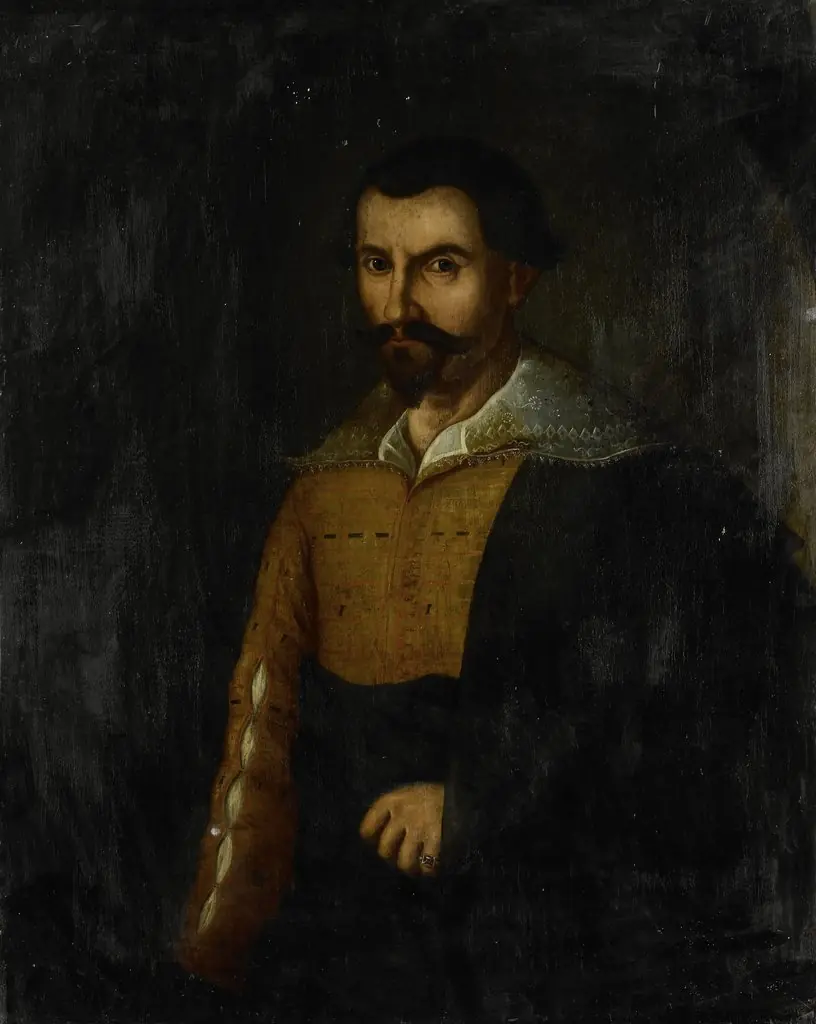 Portrait of Pieter de Carpentier, Governor-General of the Dutch East Indies
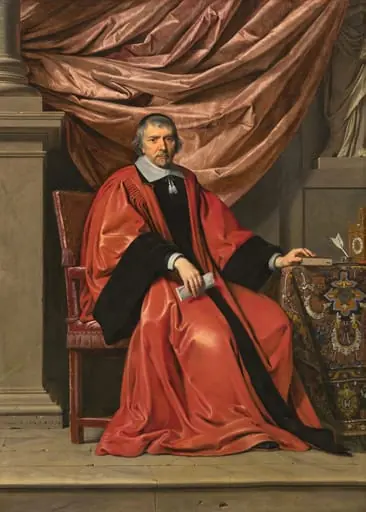 Omer Talon
 Secretary