Artwork
Young Woman with a Turban
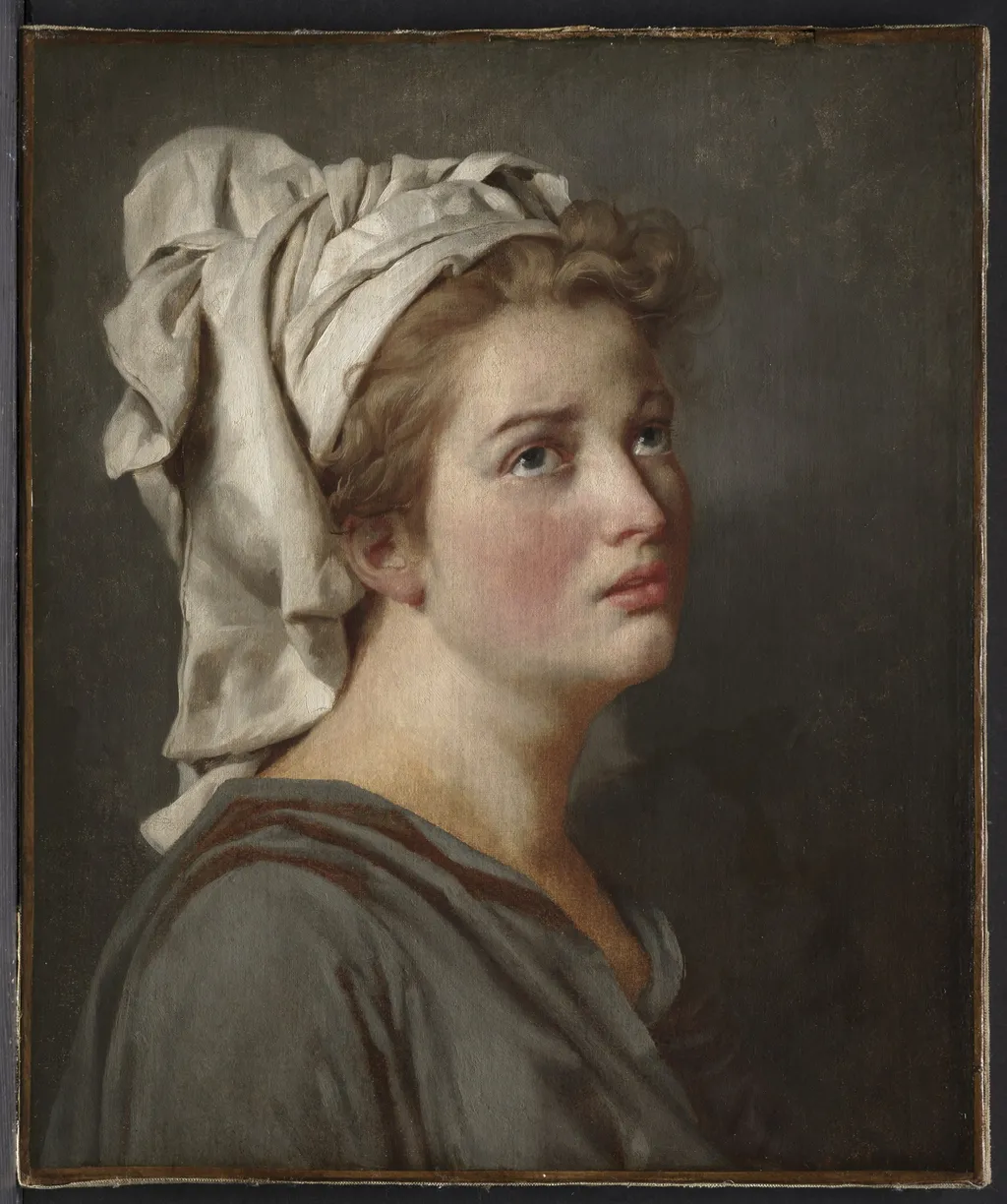
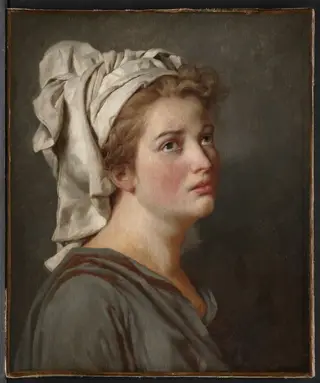
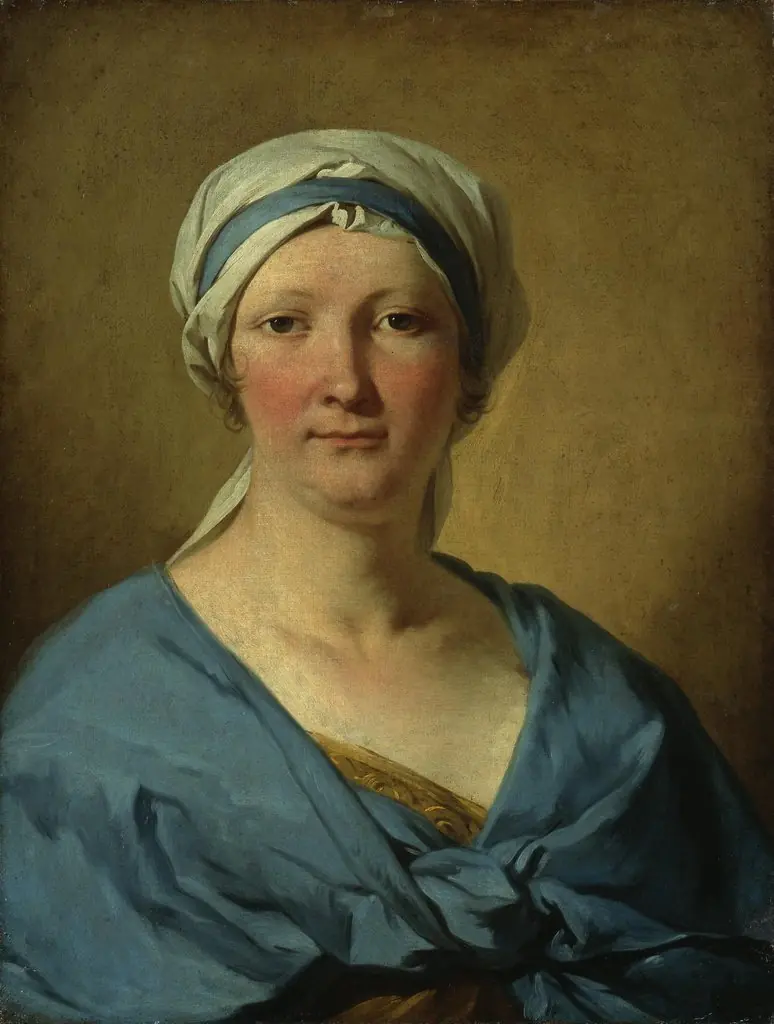
Young Woman with a Turban is an oil painting by the Rococo painting artist Jacques-Louis David. It dates from 1790 and is held in the collection of the Cleveland Museum of Art. Created circa 1780, this modestly sized oil painting on canvas depicts a young woman wearing a turban.
About this work
Subject & Meaning
Her expression is calm yet engaging, conveying an interior emotional quality rather than a specific narrative identity.
The painting depicts a young woman in three-quarter view, her gaze directed upward and to the side. She wears a richly folded turban, rendered with delicate attention to the texture and drapery of the fabric. Her expression is calm yet engaging, conveying an interior emotional quality rather than a specific narrative identity.
As a tête d'expression study developed at the Académie Royale de Peinture et de Sculpture from around 1760, the work exemplifies a genre designed to train artists in capturing human emotion and gesture for incorporation into larger historical or mythological compositions. The turban itself carries art-historical resonance, evoking both Orientalist fashion and classical precedents, while the figure's upward gaze suggests aspiration, contemplation, or spiritual receptivity, emotional registers that could be deployed across varied narrative contexts.
Technique & Style
Executed in 1790, this work is a small oil painting on canvas measuring 55.2 by 46.0 cm. It functions as a tête d'expression, an expressive head study developed at the Académie Royale de Peinture et de Sculpture to train artists in capturing human emotion and gestures for larger historical compositions. The composition features a young woman in three-quarter view looking upward and to the side, wearing a richly folded turban rendered with delicate attention to texture and drapery. Her calm yet engaging expression reflects an interior emotional quality, demonstrating the artist's mastery of emotional nuance within the framework of classical restraint characteristic of French Neoclassicism.
History & Provenance
The work titled Young Woman with a Turban was created by Jacques Louis David in 1790 as an oil painting. It was produced in France and later entered the collection of the Cleveland Museum of Art, where it remains in the permanent collection. The painting measures 55.2 cm by 46 cm and is classified as a portrait study within the Neoclassical tradition. Its provenance traces to its creation and subsequent acquisition by the museum.
Context
Executed around 1790, this small oil-on-canvas work serves as a prime example of a tête d'expression, a specific type of expressive head study cultivated at the Académie Royale de Peinture et de Sculpture from approximately 1760 onward. These academic exercises were designed to train artists in capturing nuanced human emotion and gesture, skills intended for application in larger historical or mythological compositions.
Scholarship highlights the painting as a demonstration of Jacques-Louis David's mastery in balancing emotional depth with classical restraint. The subject's calm yet engaging expression and the delicate rendering of the turban's texture illustrate the artist's proficiency within the Neoclassical tradition, marking the work as a significant piece in understanding David's academic training and technical development prior to his major historical commissions.
Overview
Created circa 1780, this modestly sized oil painting on canvas depicts a young woman wearing a turban. Executed by the French Neoclassical artist Jacques‑Louis David, the work exemplifies his interest in direct, expressive portraiture rather than elaborate costume or narrative setting.
Own this work as a print
Artist & collection
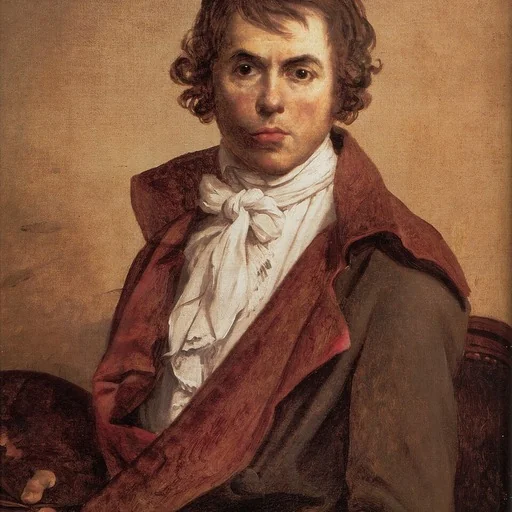
Artist
Jacques-Louis David was born in Paris on 30 August 1748 into a bourgeois family; his father died in a duel when the boy was nine, and a maternal uncle guided his education.

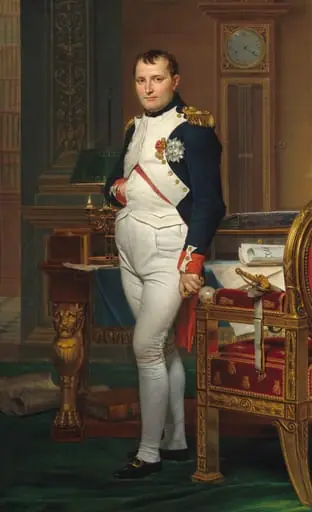 The Emperor Napoleon in His Study at the Tuileries
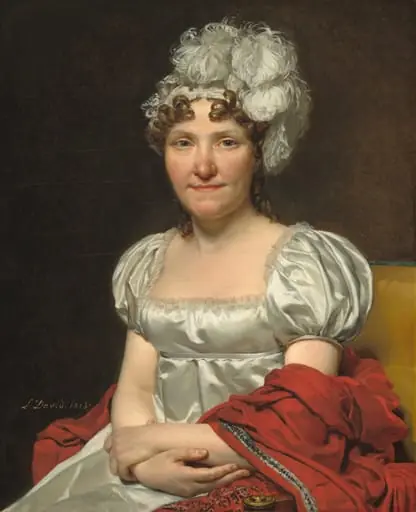 Madame David
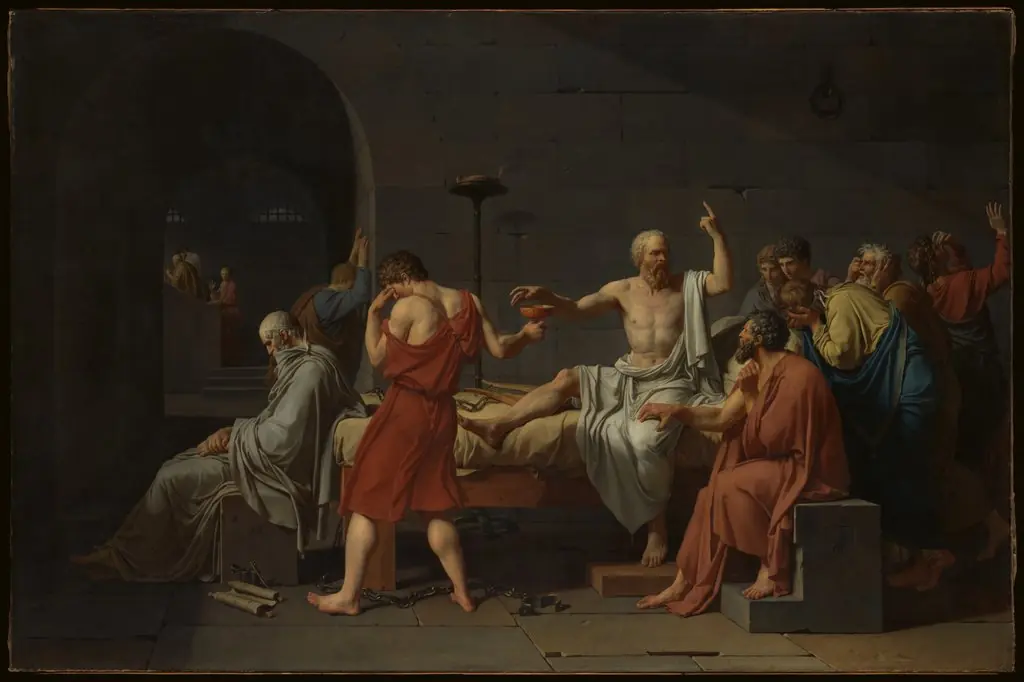 The Death of Socrates
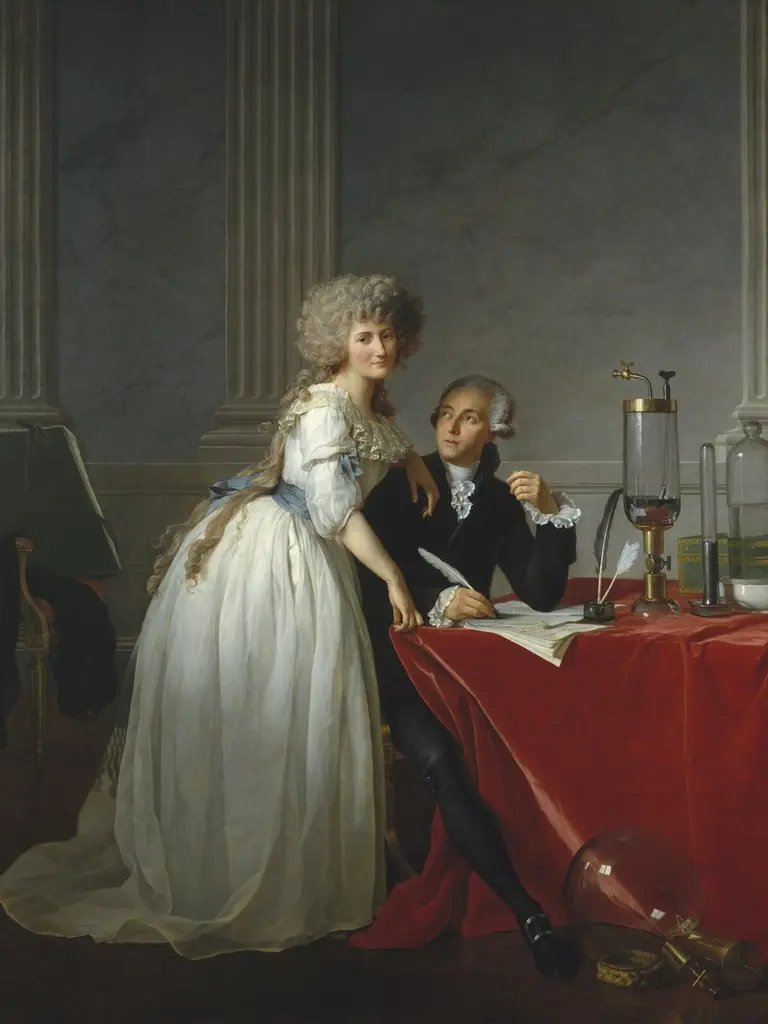 Portrait of Antoine-Laurent Lavoisier and his wife
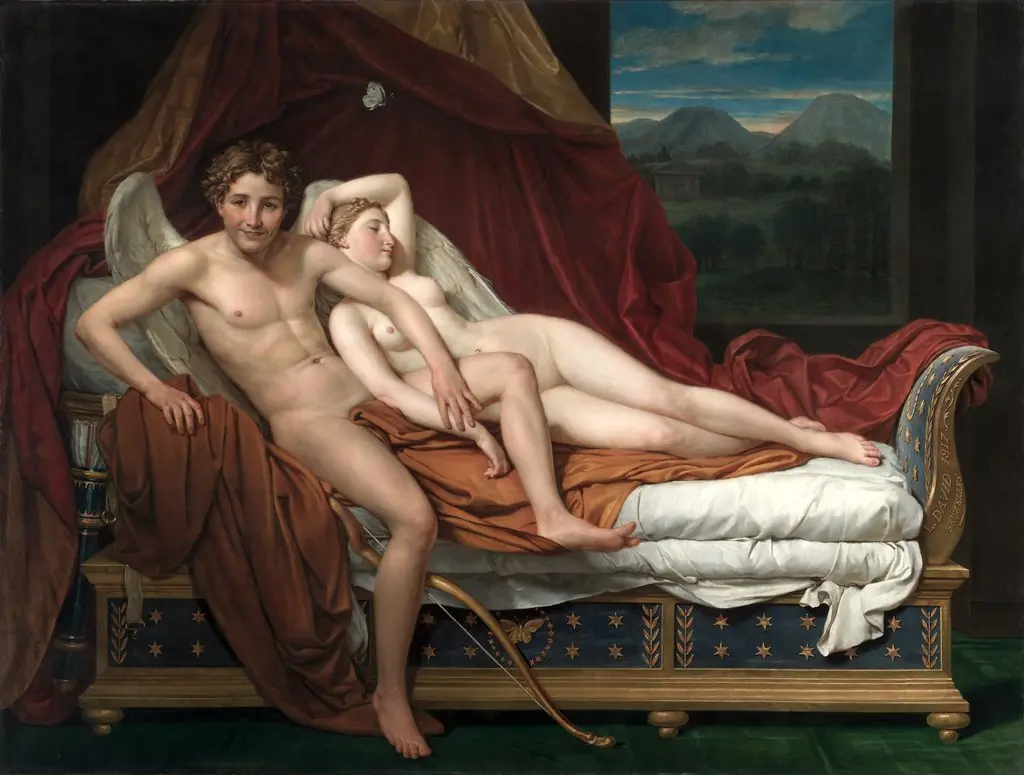 Cupid and Psyche
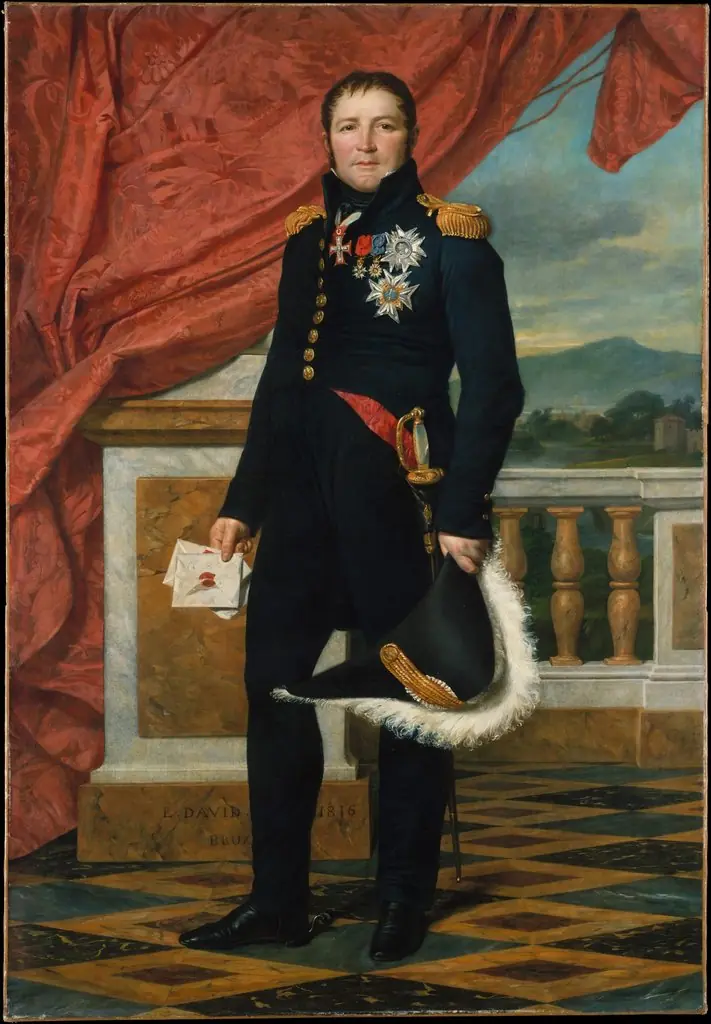 General Étienne-Maurice Gérard (1773–1852), Marshal of France
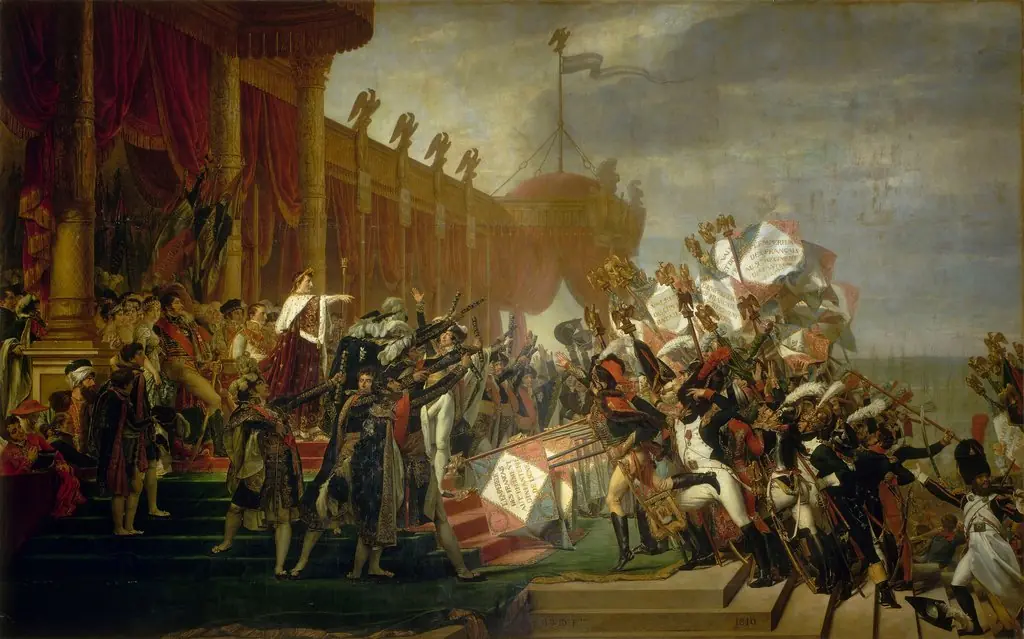 The Distribution of the Eagle Standards
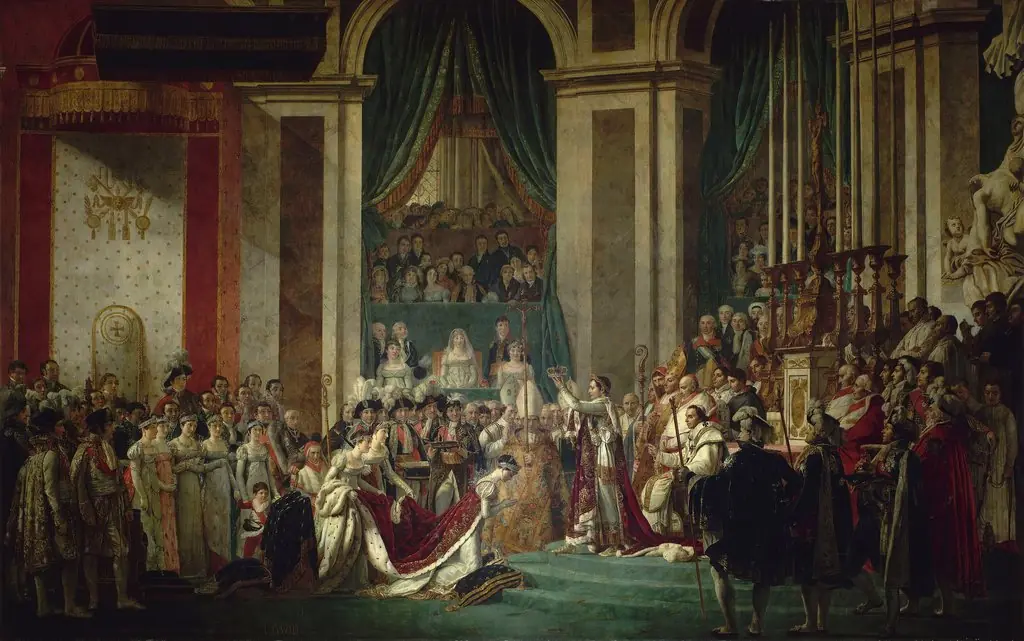 Coronation of Emperor Napoleon I and Coronation of the Empress Josephine