Artwork
Young Woman with a Turban
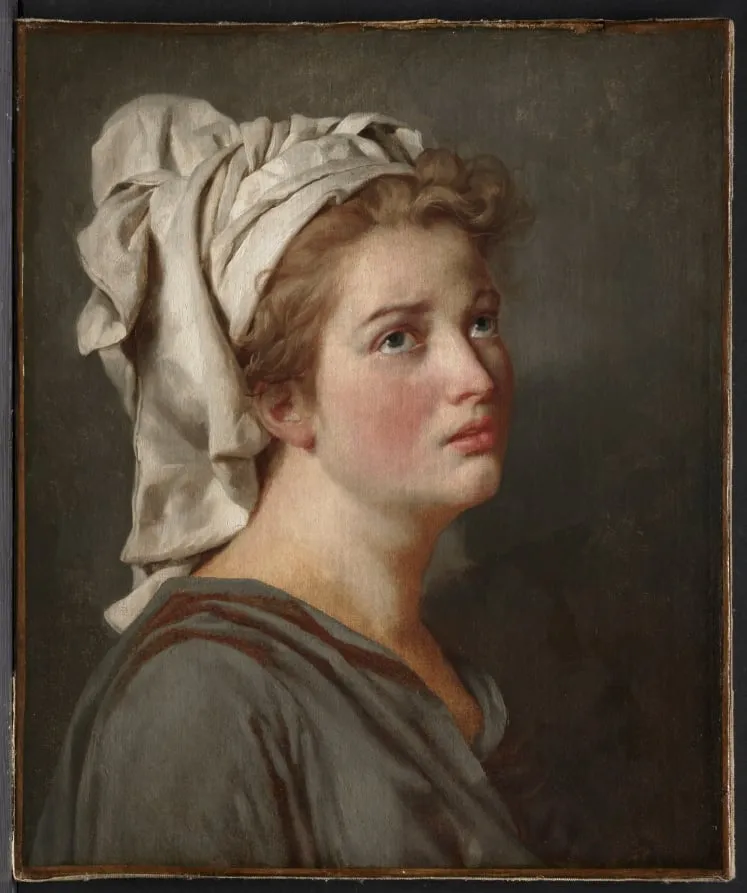
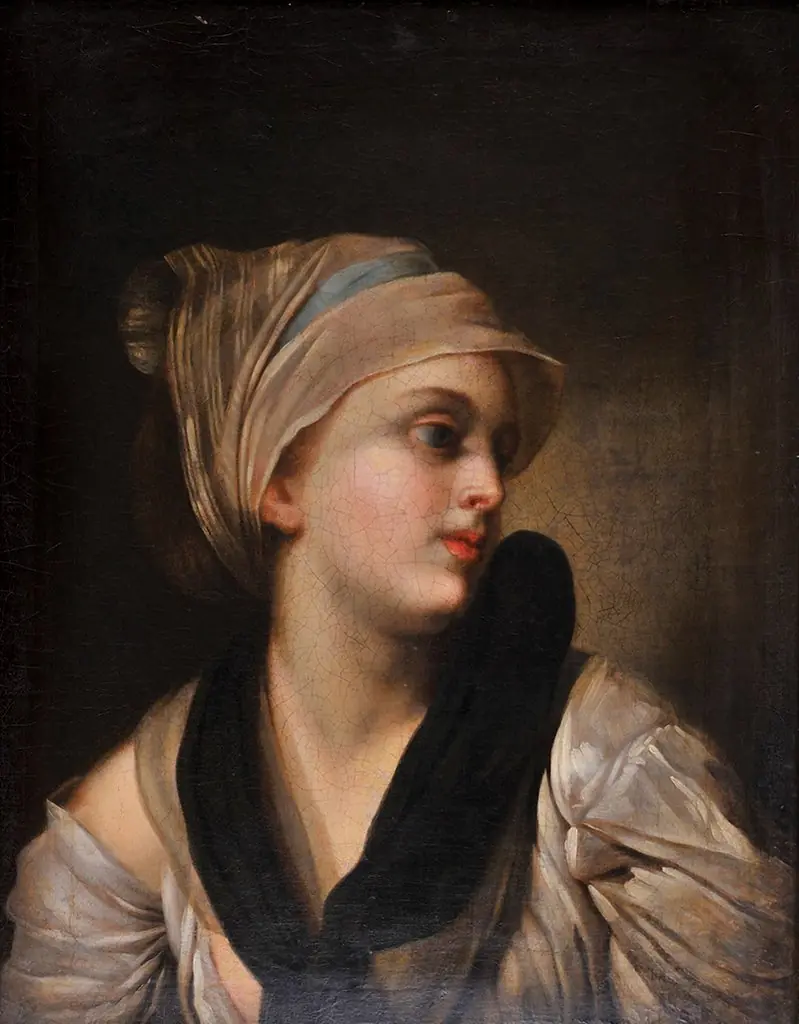
Young Woman with a Turban is an unspecified painting by the Neoclassicist artist Jacques-Louis David. It dates from 1780 and is held in the collection of the Cleveland Museum of Art. The work is a small oil painting portraying a young woman seen in profile, her dark hair bound in a white turban.
- Accession no.
- 1952.542
- Credit line
- Gift of George S. Kendrick
About this work
In 18th-century France, painters had to prove they could make faces look real before they were allowed to paint big historical scenes.
You see a young woman in profile, her dark hair wrapped in a white turban, eyes closed as if lost in thought.
This is a tête d'expression, a study artists made to practice showing emotion. In 18th-century France, painters had to prove they could make faces look real before they were allowed to paint big historical scenes. The turban was just a prop, but her quiet expression was the real test.
If you like this, look up other têtes d'expression from France, 18th century.
Overview
The work is a small oil painting portraying a young woman seen in profile, her dark hair bound in a white turban. Her eyes are closed, suggesting an inward, contemplative mood. Classified as a tête d'expression, the piece serves as a study of facial affect rather than a narrative scene, typical of academic exercises in 18th‑century French art schools.
Subject & Meaning
The sitter’s serene, closed‑eye pose invites viewers to consider inner feeling over external story. By emphasizing a quiet, introspective expression, the artist explores the link between moral sentiment and aesthetic appeal, a central concern for history painters who were expected to convey the soul’s emotions through the human face.
Technique & Style
Rendered in a restrained palette, the painting balances smooth modeling of the flesh with the crisp, white fabric of the turban. The delicate handling of light on the skin and the subtle gradations of tone demonstrate the artist’s skill in creating a lifelike presence, a prerequisite for the larger historical compositions the students later tackled.
History & Provenance
The exercise became a formal component of the curriculum at the Académie royale de peinture et de sculpture, later the École des Beaux‑Arts, in 1760. Students were required to produce such studies to prove their ability to render convincing human emotion before receiving permission to undertake grand historical commissions.
Context
During the mid‑18th century French academies, têtes d'expression functioned as a rite of passage for aspiring history painters. The turban, a simple prop, allowed the focus to remain on the facial expression, reflecting the period’s emphasis on moral instruction through art and the belief that true beauty arose from the accurate depiction of feeling.
Artist & collection
Artist
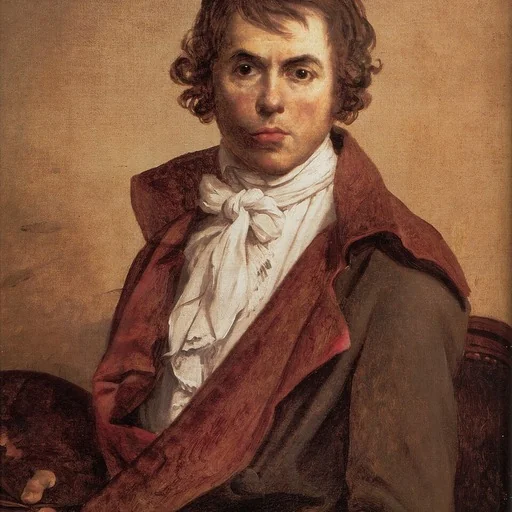
Jacques-Louis David was born in Paris on 30 August 1748 into a bourgeois family; his father died in a duel when the boy was nine, and a maternal uncle guided his education.

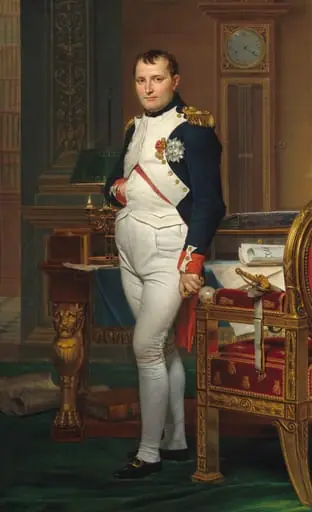 The Emperor Napoleon in His Study at the Tuileries
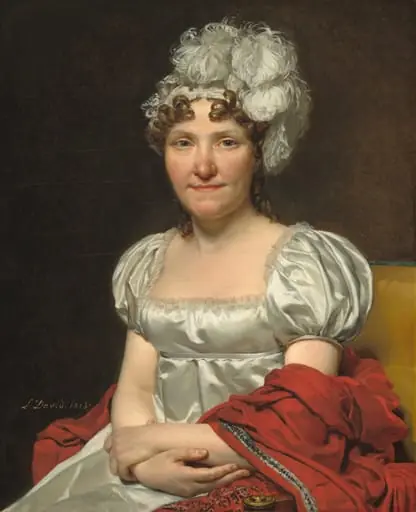 Madame David
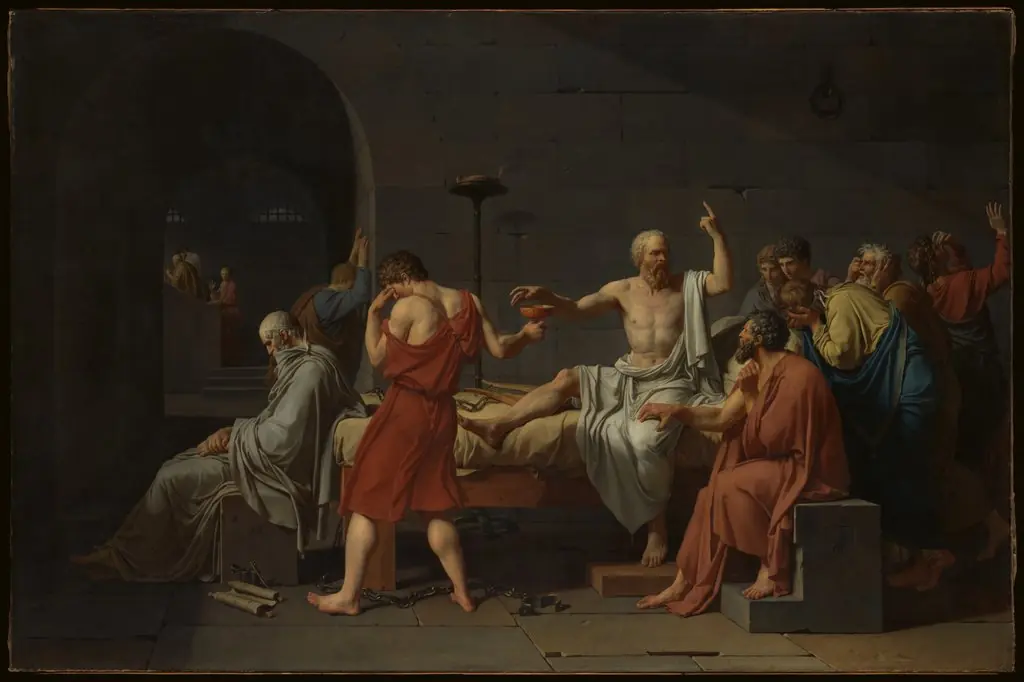 The Death of Socrates
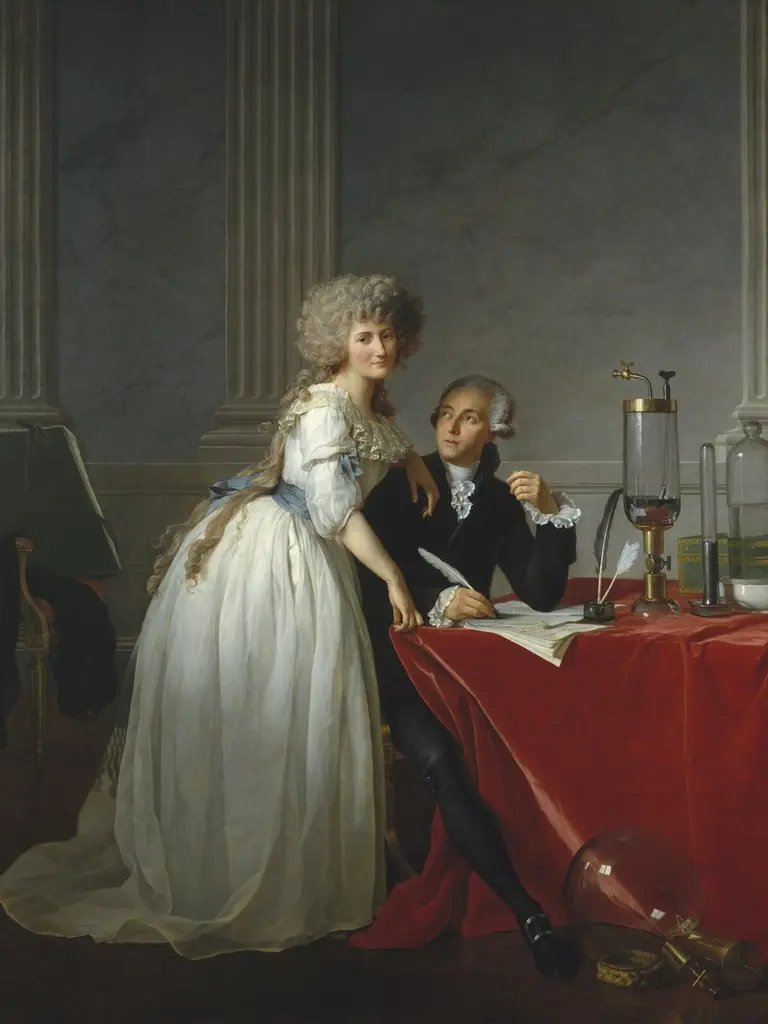 Portrait of Antoine-Laurent Lavoisier and his wife
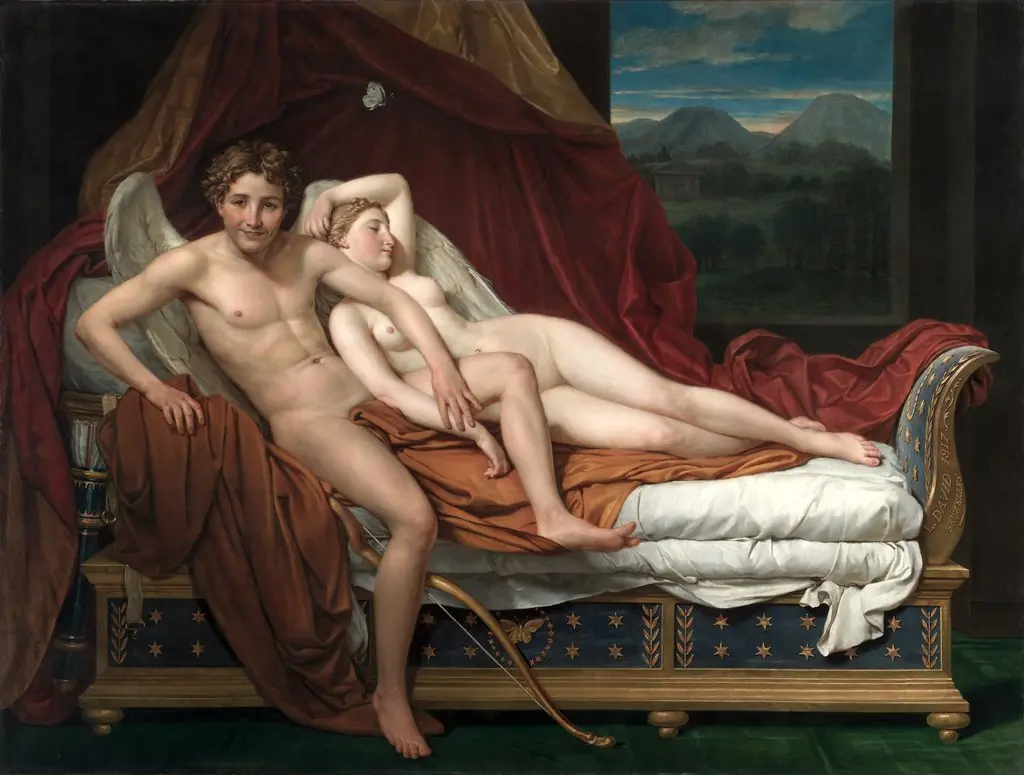 Cupid and Psyche
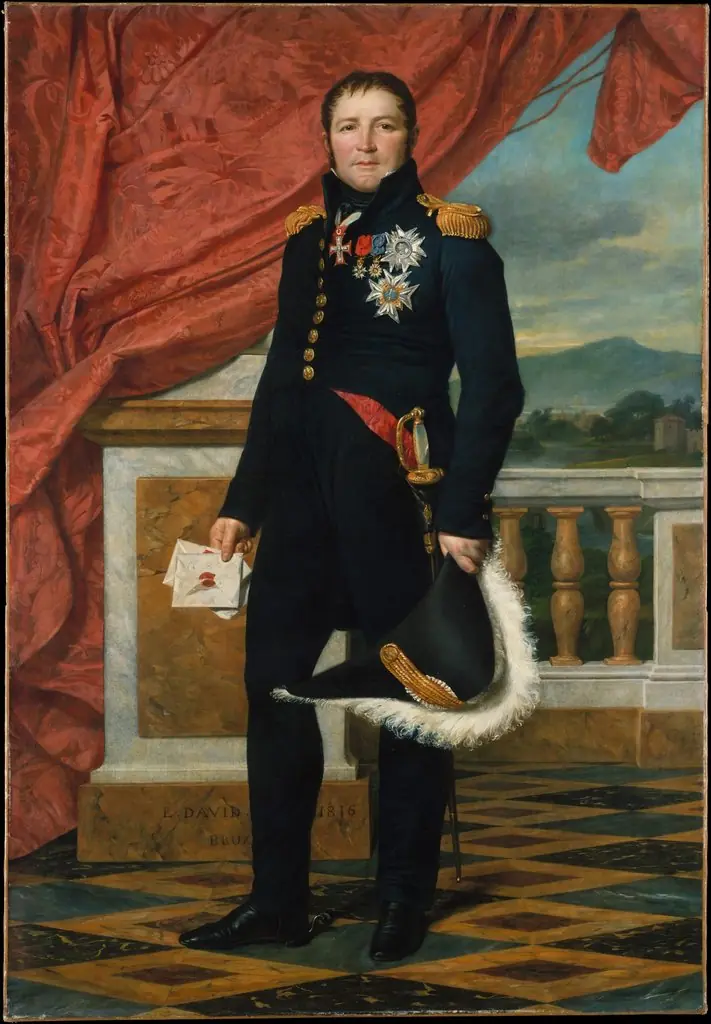 General Étienne-Maurice Gérard (1773–1852), Marshal of France
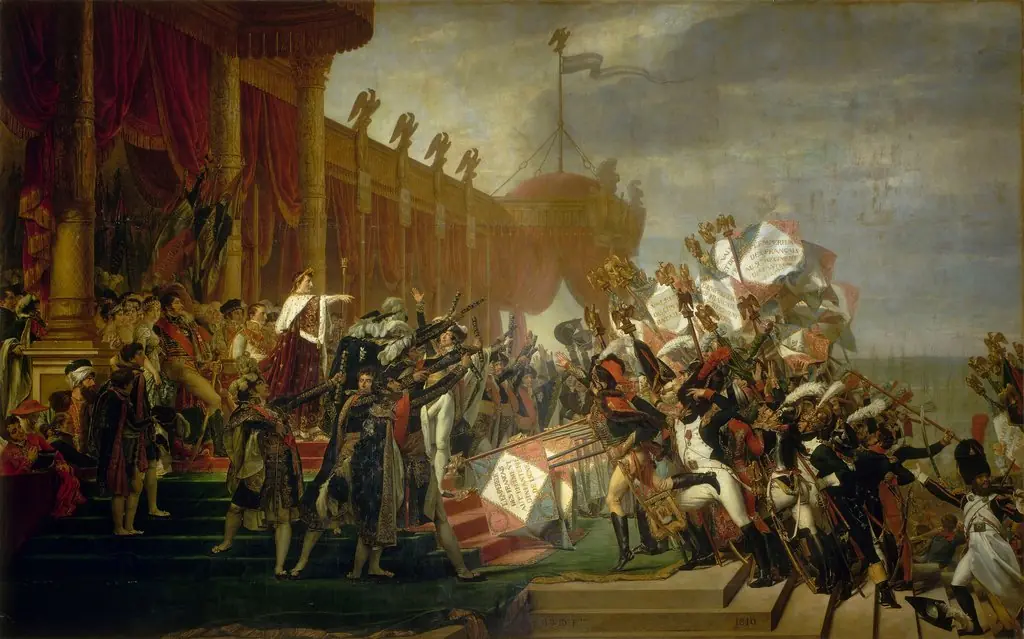 The Distribution of the Eagle Standards
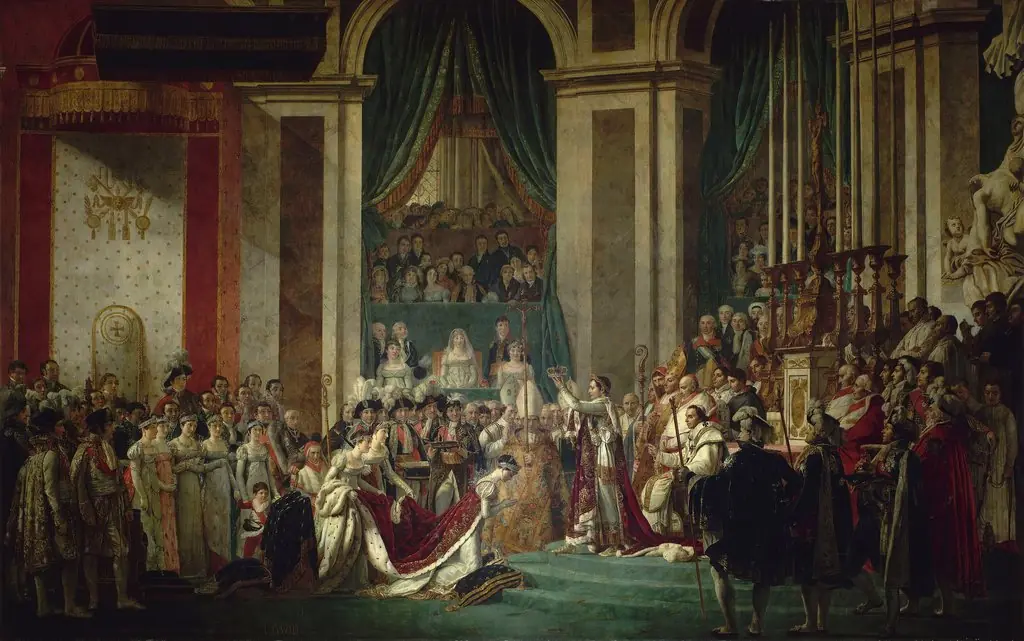 Coronation of Emperor Napoleon I and Coronation of the Empress Josephine
- Young Woman with a Turban
 Portrait of a young woman
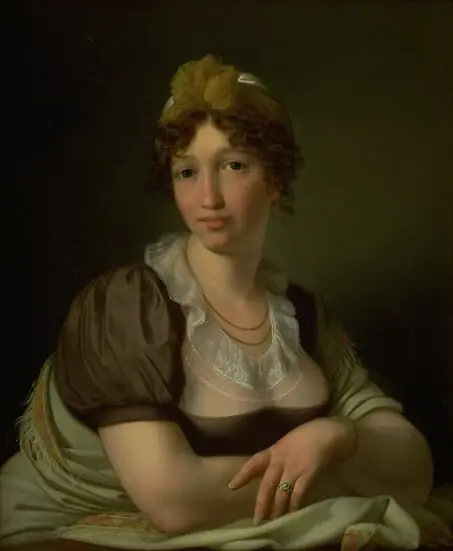 Mrs. Grønland
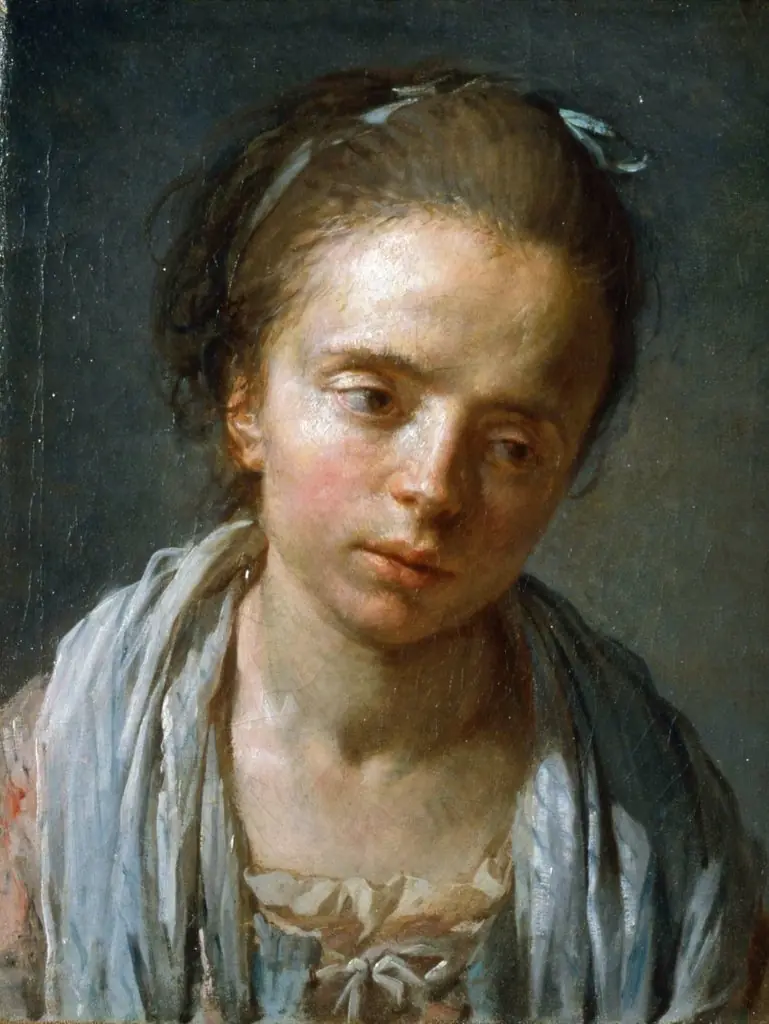 Portrait of a Girl
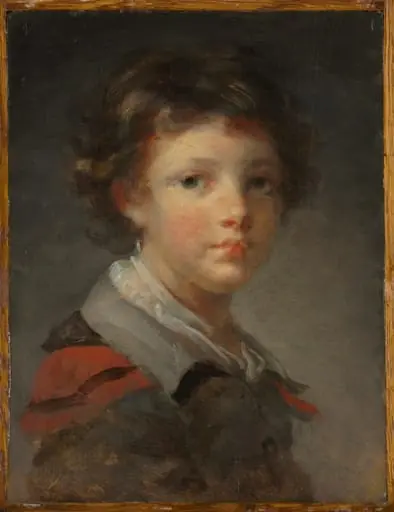 A Boy in a Red-lined Cloak
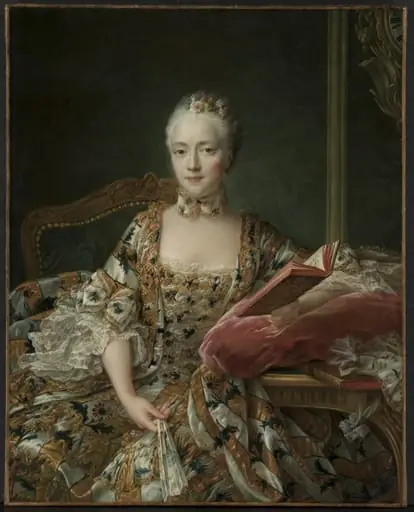 Portrait of the Marquise d'Aguirandes
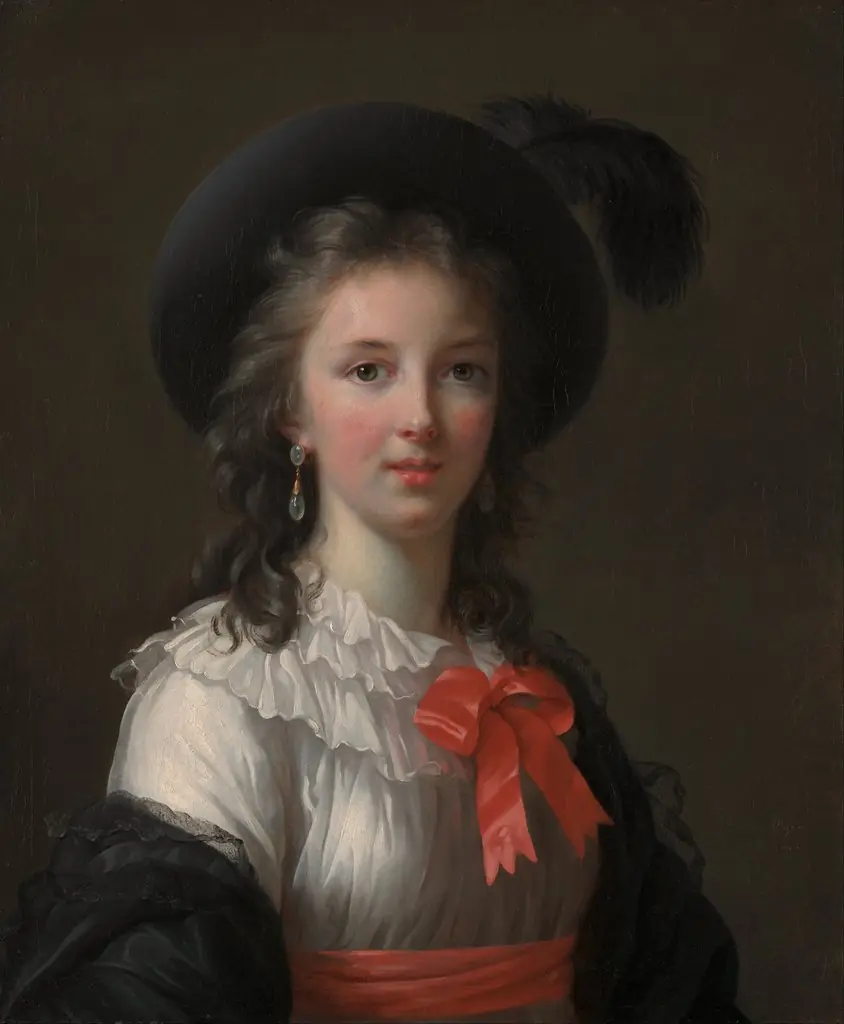 Self-portrait
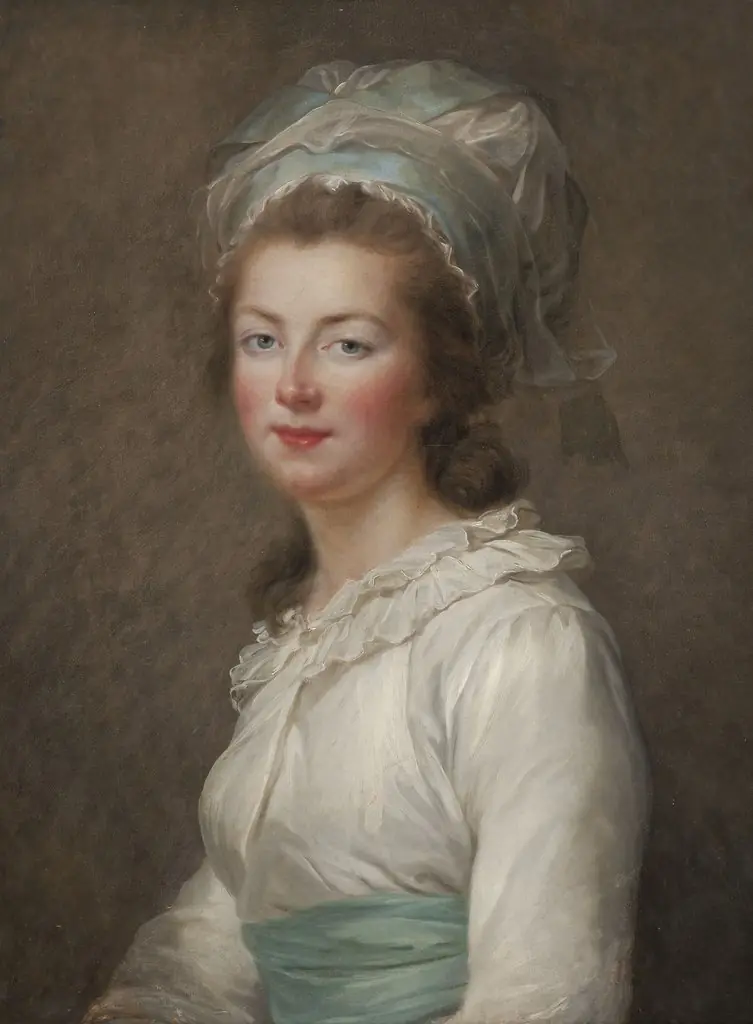 Elisabeth-Philippe-Marie-Hélène of France, known as Madame Elisabeth
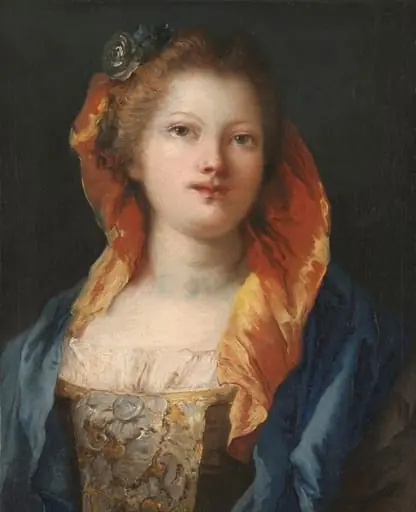 Portrait of a Woman
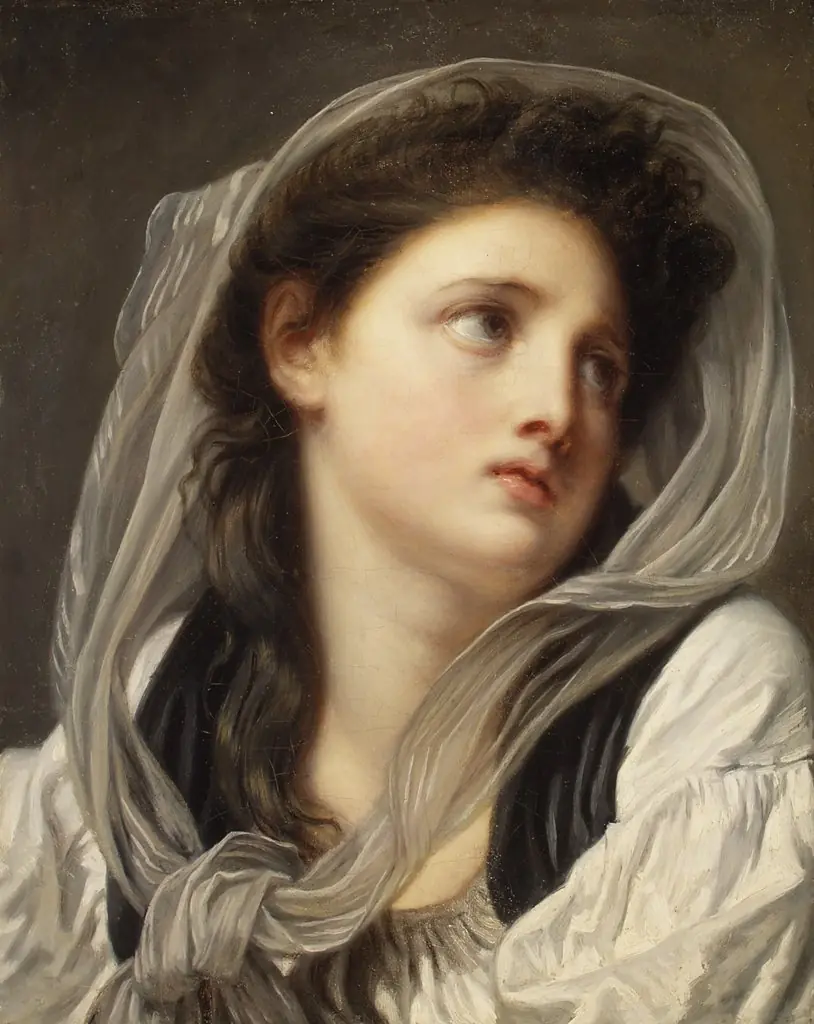 Head of a Young Woman
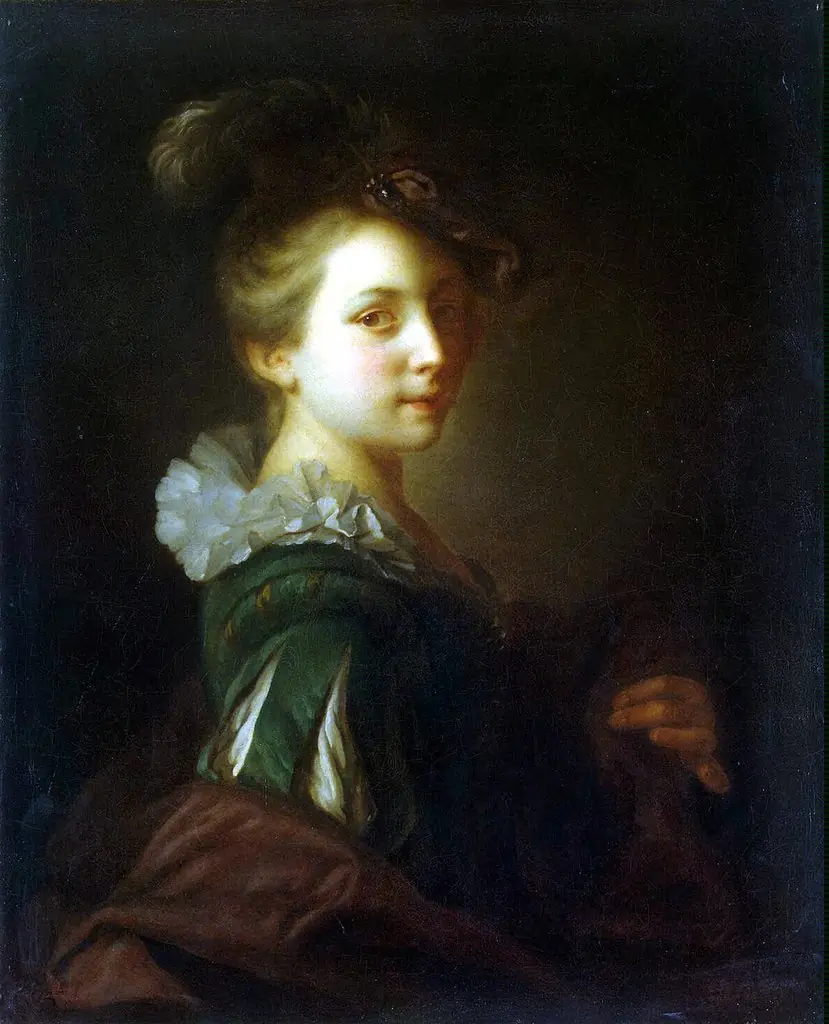 Young Woman in Theatrical Costume
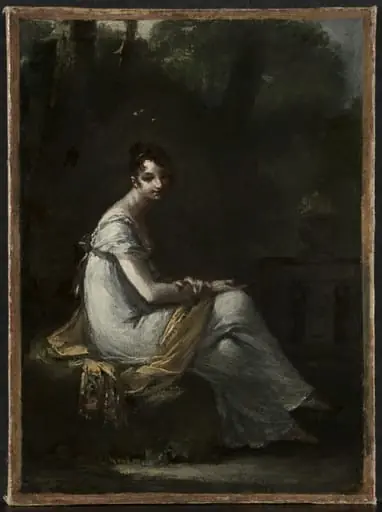 Mme. Dufresne