Artwork
Portrait of a Gentleman
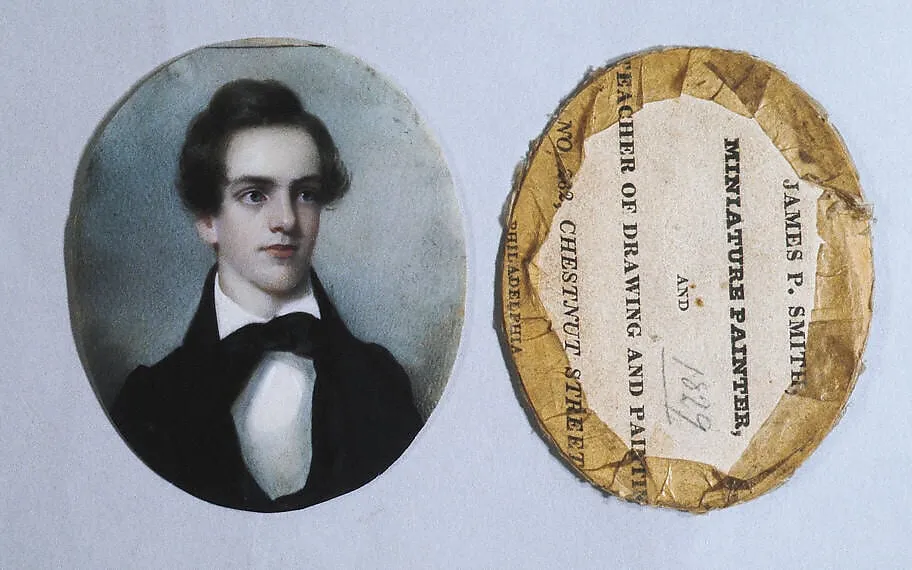
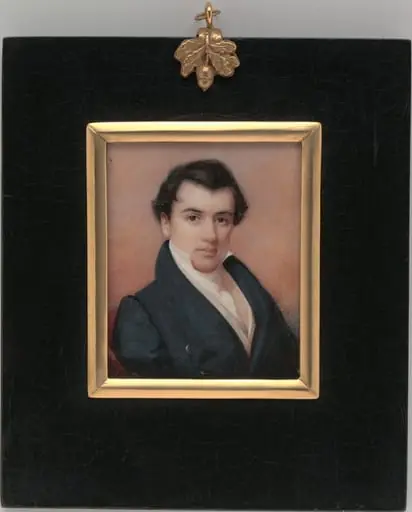
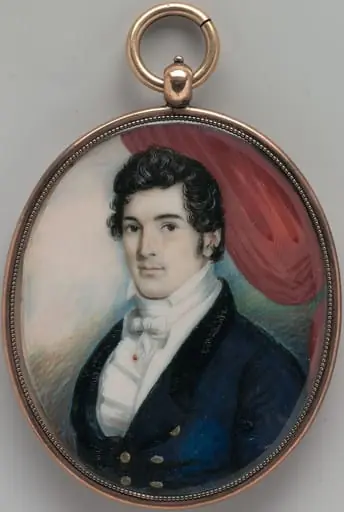
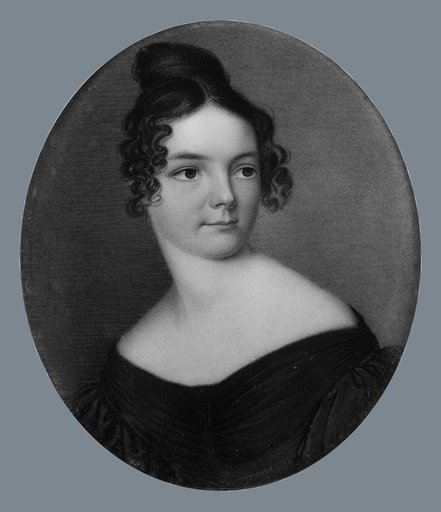
Portrait of a Gentleman is a watercolor painting by the British Romanticist artist James Passmore Smith. It dates from 1829 and is held in the collection of the Metropolitan Museum of Art.
About this work
Technique & Style
Executed in 1829, the miniature is painted in watercolor on a thin ivory support, a common choice for early nineteenth-century American portrait miniatures.
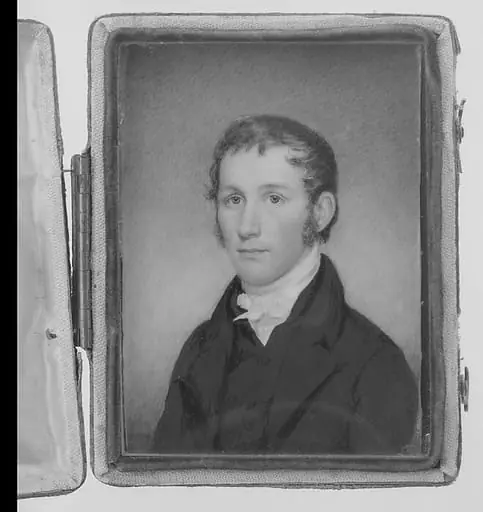
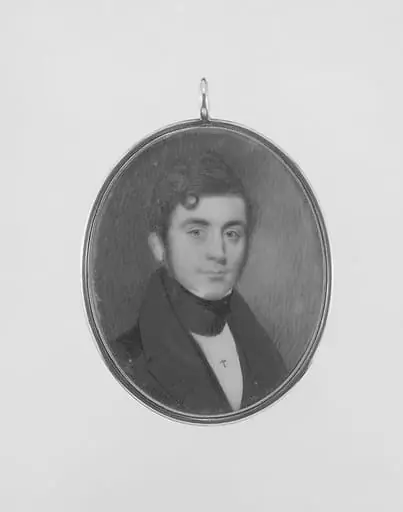
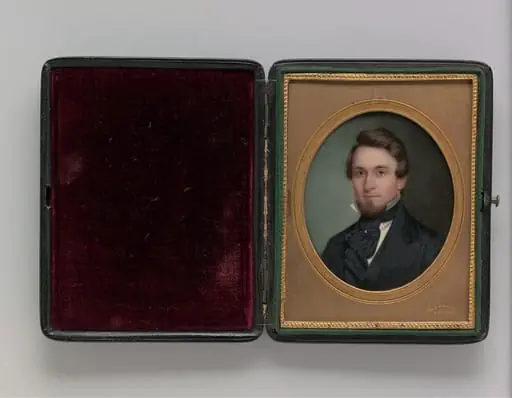
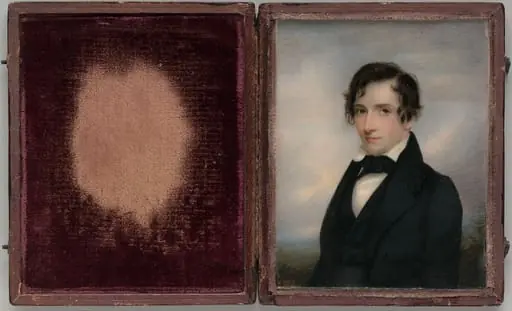
Executed in 1829, the miniature is painted in watercolor on a thin ivory support, a common choice for early nineteenth-century American portrait miniatures. The handling is precise, with fine stippling and delicate glazes used to articulate facial features, costume details, and the fall of light across the sitter's face. Stylistically, the work adheres to the neoclassical conventions of the period, emphasizing clarity, smooth modeling, and restrained color to convey the gentleman's social standing.
The small scale (6.4 cm × 5.3 cm) and intimate format reflect the private, commemorative function of portrait miniatures of the era.
History & Provenance
The Portrait of a Gentleman was created in 1829 by the American artist James Passmore Smith. Executed as a watercolor on ivory, the work measures 6.4 by 5.3 cm and depicts a male subject. While the specific commission details and the original owner's identity are not recorded in the available documentation, the piece is held by the Metropolitan Museum of Art and classified within the institution's American Wing as a representative example of early nineteenth-century American portraiture.
The provided records do not specify a unique accession or inventory number, nor do they list any exhibitions in which the miniature has been displayed.
Overview
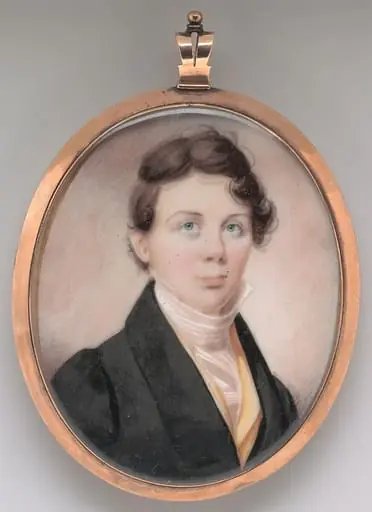
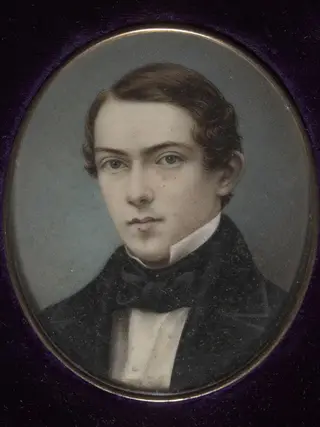
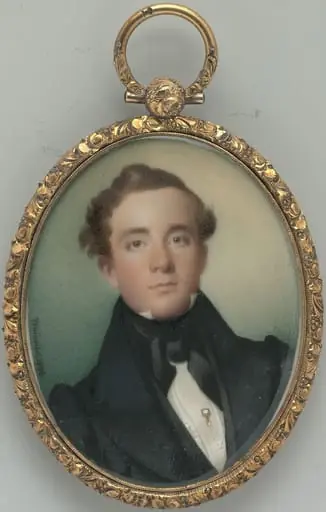
James Passmore Smith created this watercolor, titled Portrait of a Gentleman, in 1829. The miniature depicts an unidentified man, shown from the chest up, whose direct gaze engages the viewer. Dressed in a dark coat, his features are softly illuminated against a simple background, emphasizing his quiet demeanor and the delicate rendering of his face.
Context
During the early 19th century, miniature portraits served as intimate and portable mementos, often carried by their owners. The intricate process of painting with watercolor on ivory made these objects particularly costly, positioning them as luxury items accessible primarily to the wealthy. They functioned much like modern photographs, preserving the likeness of loved ones or prominent individuals in a highly personal format.
Artist & collection
Artist
James Passmore Smith painted tiny, delicate portraits on ivory in the 1820s and 1830s.