Artwork
Portrait of Lysbeth Hendriksdr (1536-after 1603). Wife of Bartholomeus van der Wiere
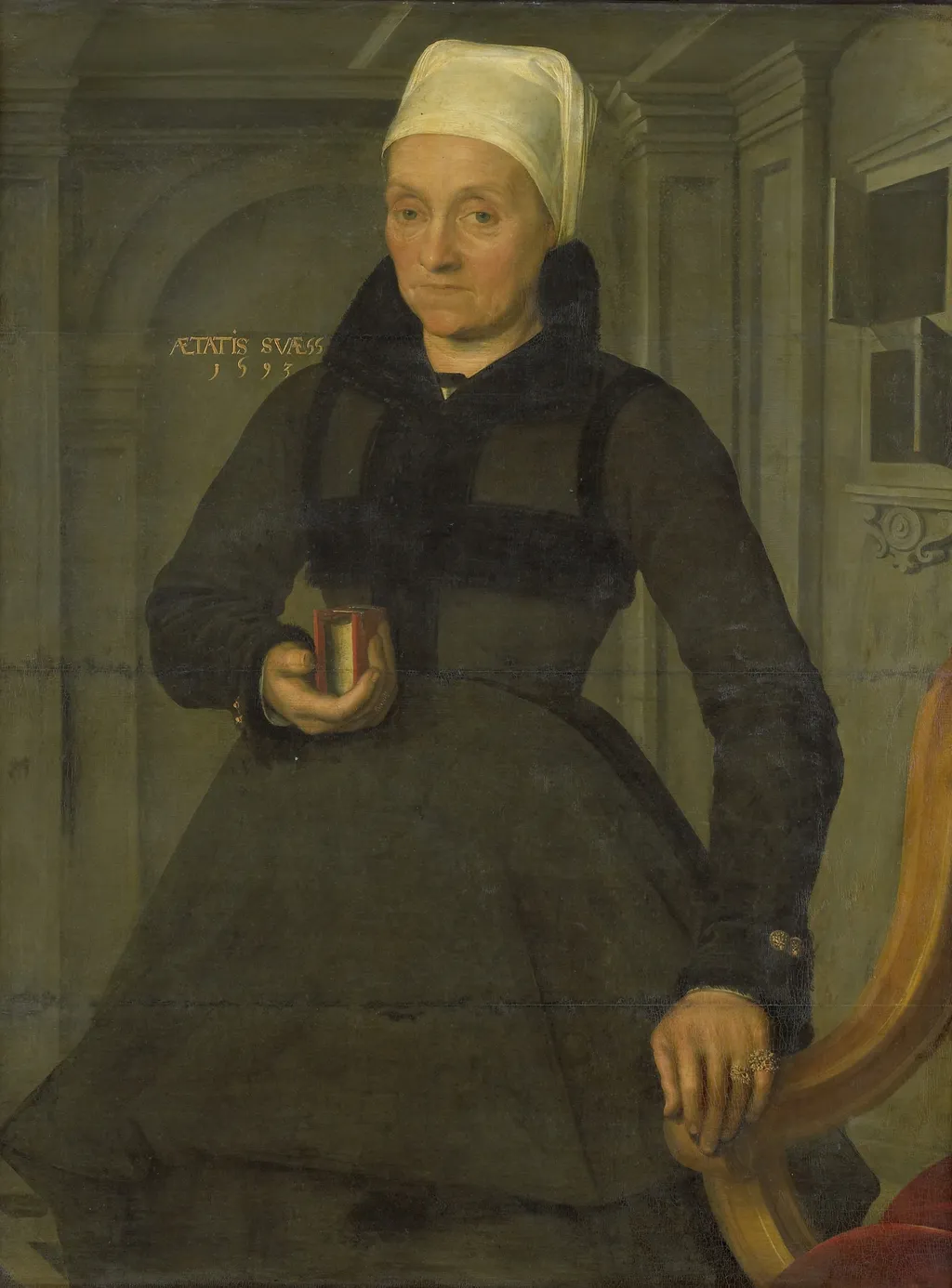
Portrait of Lysbeth Hendriksdr (1536-after 1603). Wife of Bartholomeus van der Wiere is an oil painting by the Dutch Golden Age artist Jan Claesz.. It dates from 1597 and is held in the collection of the Rijksmuseum.
About this work
If you're interested in learning more about the artist who created this painting, you can look up the artist Jan Claesz.
This painting depicts a woman dressed in dark attire, with a white head covering and a black dress. She holds a small book in her right hand and sits in a chair with a wooden back. The background features a room with a stone wall and a doorway.
The woman's clothing and the style of the painting suggest that it is from the 16th century. The artist's use of oil paint and the level of detail in the subject's clothing and accessories are notable.
If you're interested in learning more about the artist who created this painting, you can look up the artist Jan Claesz.
Subject & Meaning
The painting portrays Lysbeth Hendriksdr, a married woman of the Dutch merchant class, rendered in a style that emphasizes her social standing and domestic virtue. Her attire, a modest yet finely detailed ruff and black dress, signals both piety and affluence, while the muted background draws focus to her composed expression. These visual choices reflect the era's emphasis on moral rectitude and the emerging identity of the bourgeois family, positioning the portrait as a testament to personal reputation rather than mere likeness.
The work’s iconography, centered on domestic stability and marital partnership, invites viewers to interpret it as a celebration of marital union and the virtues associated with managing a household in early modern Amsterdam.
The painting is housed in the Rijksmuseum, Amsterdam Museum.
Technique & Style
The work is an oil painting on wooden panel, created in Amsterdam in 1593. It depicts Lysbeth Hendriksdr, wife of Bartholomeus van der Wiere, rendered in the Dutch portrait genre of the late 16th century. The formal composition and stylistic elements reflect the naturalistic rendering and subdued palette characteristic of Jan Claesz.'s workshop practice.
History & Provenance
The portrait was painted in Amsterdam in 1593 as an oil work on panel measuring 107 cm by 82 cm. It entered the collection of the Rijksmuseum and the Amsterdam Museum and has remained in those institutions since its creation.
The portrait is held in the collection of the Rijksmuseum in Amsterdam. Wikidata records the work as belonging jointly to the Rijksmuseum and the Amsterdam Museum, with its location given as the Rijksmuseum. No inventory or accession number is provided in the available sources, and no exhibition history is documented.
The painting, an oil-on-panel portrait dated 1593, was produced in Amsterdam.
Overview
Created in 1597 by Jan Claesz., this oil painting is a portrait from the Dutch Golden Age, depicting Lysbeth Hendriksdr, wife of Bartholomeus van der Wiere.
Context
The painting reflects the artistic and social values of the Dutch Golden Age, with its subject's attire and the humble, detailed setting characteristic of the era's portraiture.
Legacy
While specific lasting impacts of this portrait are not widely documented, it contributes to the broader understanding of 16th-century Dutch domestic life and artistic techniques.
Own this work as a print
Artist & collection
Artist
Jan Claesz. (c. 1570 – 1618) was a painter from the Dutch Republic. Claesz was probably born in Enkhuizen, where he was active during the years 1594–1618.

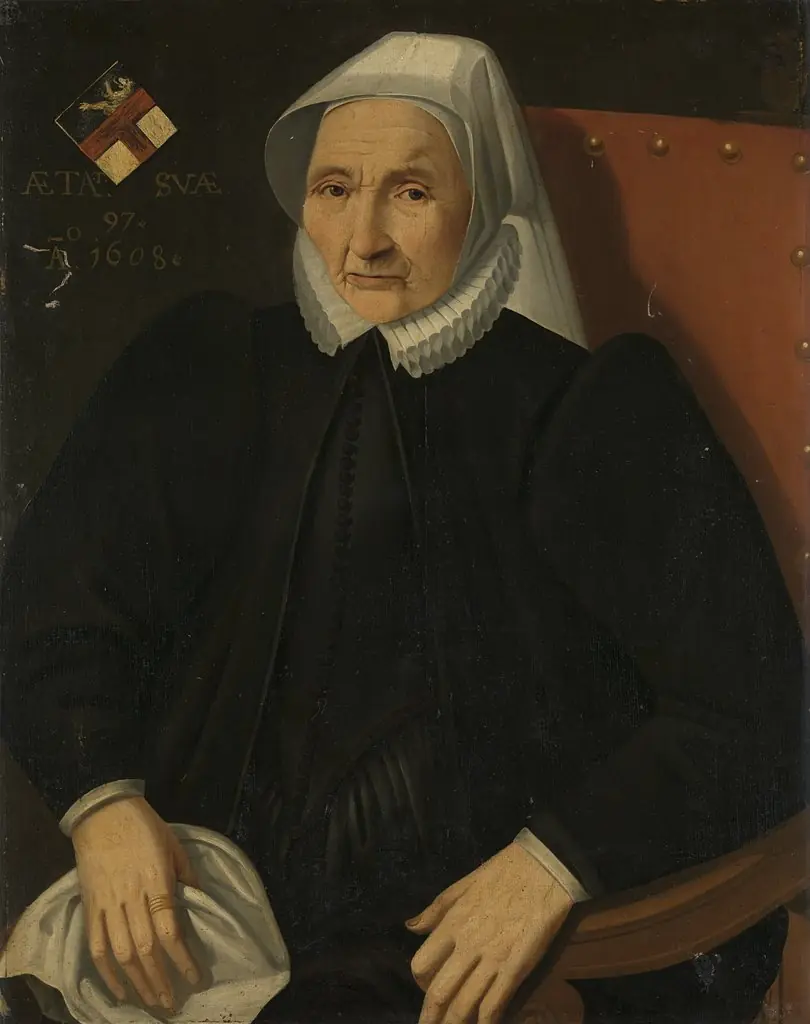 Portrait of a Woman, possibly an Aunt or older Sister of Isabeau de Halinck (Haling), Grandmother of Louys de Geer
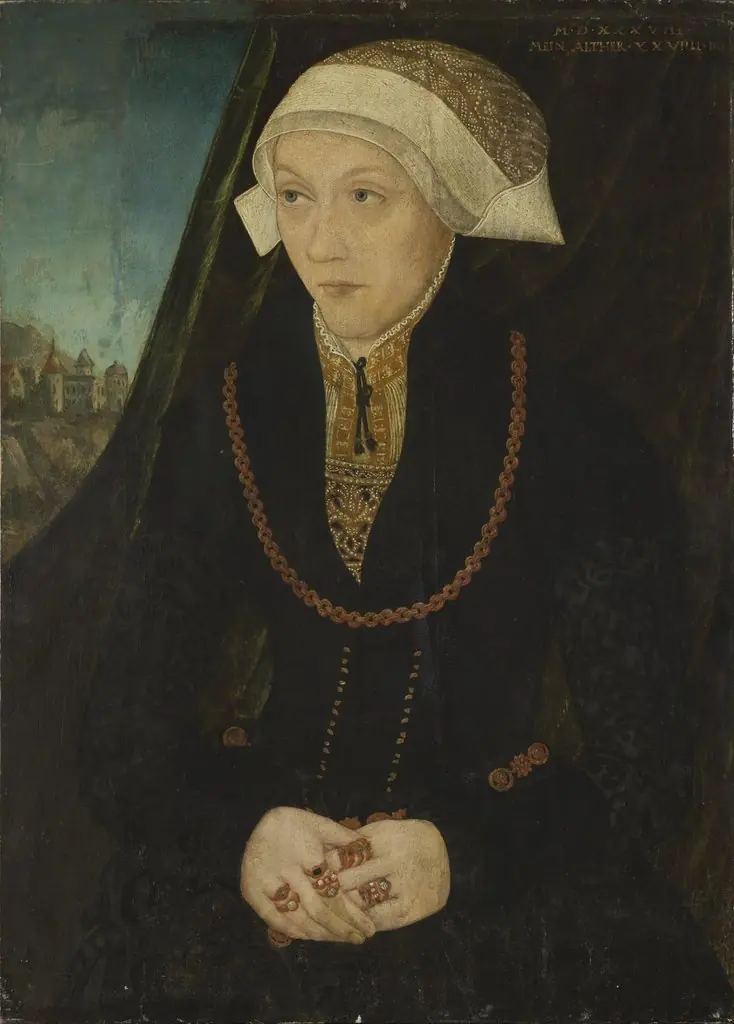 Portrait of a woman
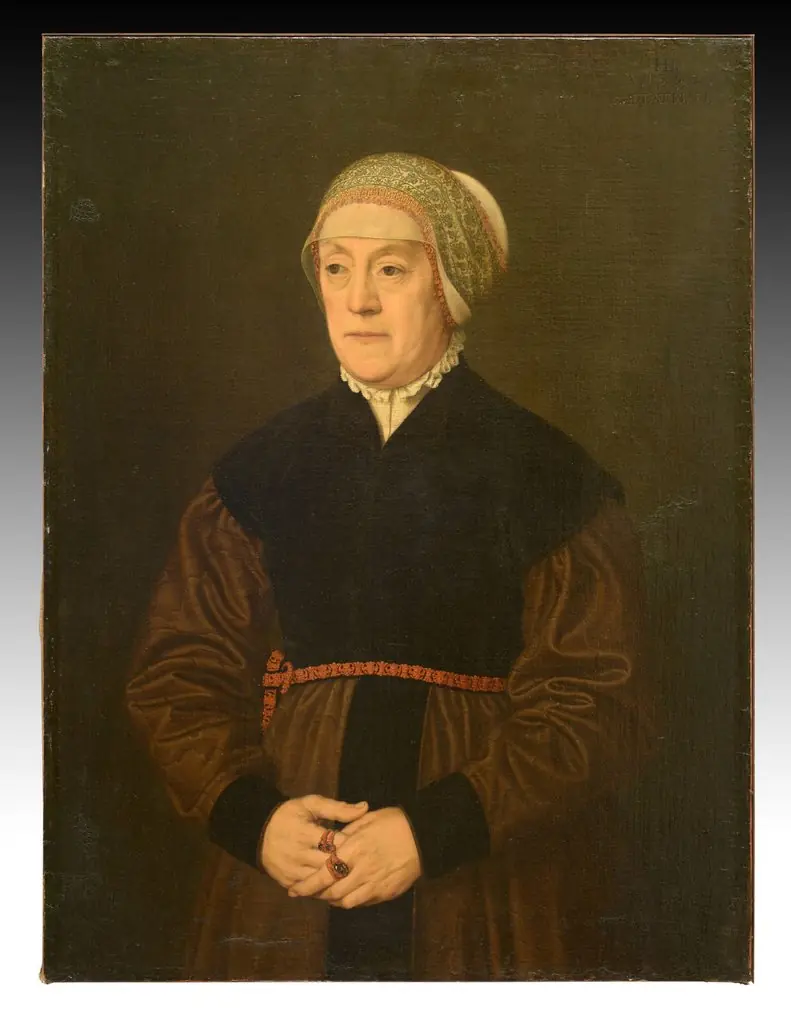 Portrait of an Elderly Woman
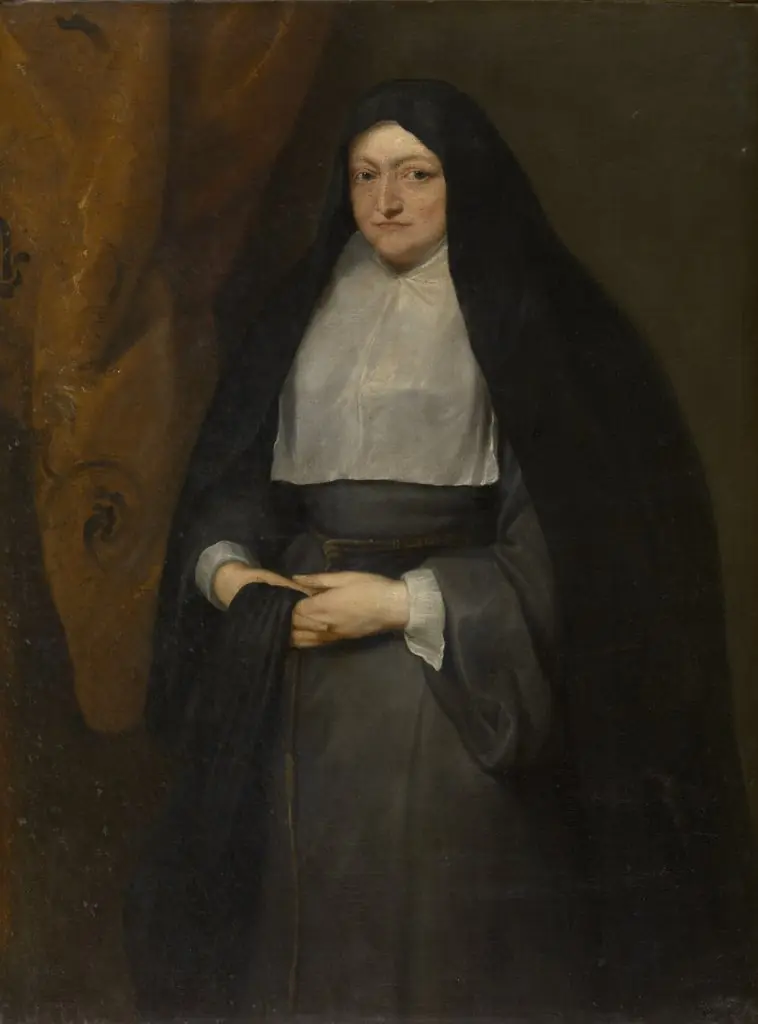 Infante Isabella Clara Eugenia
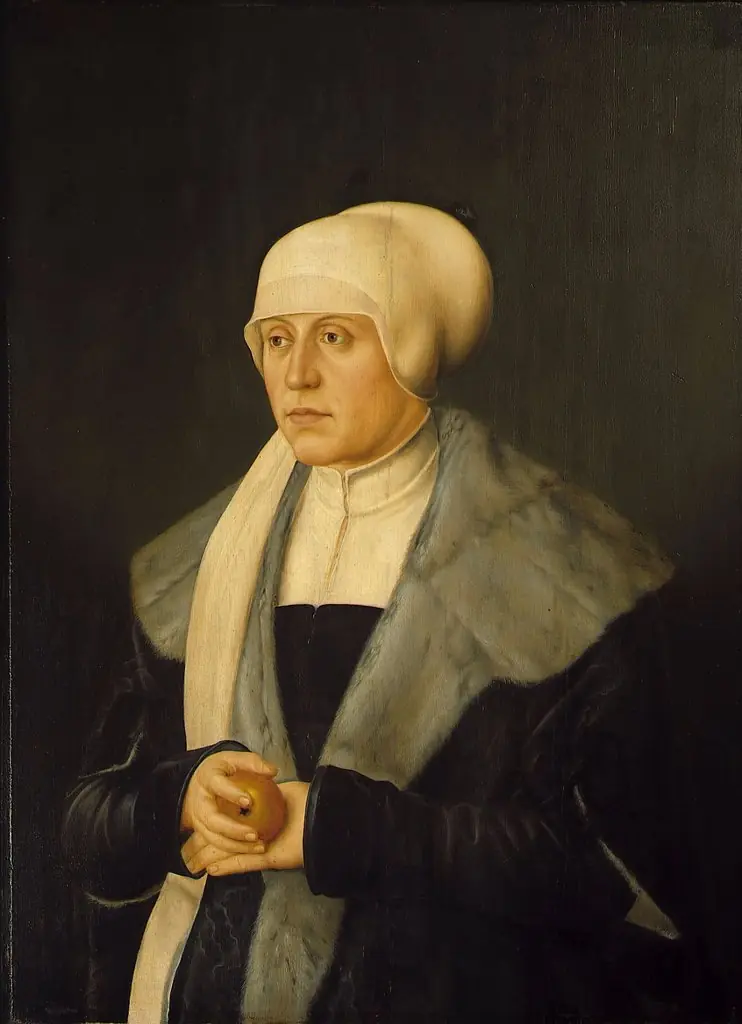 Kunigunde of Austria, wife of Duke Albrecht IV of Bavaria
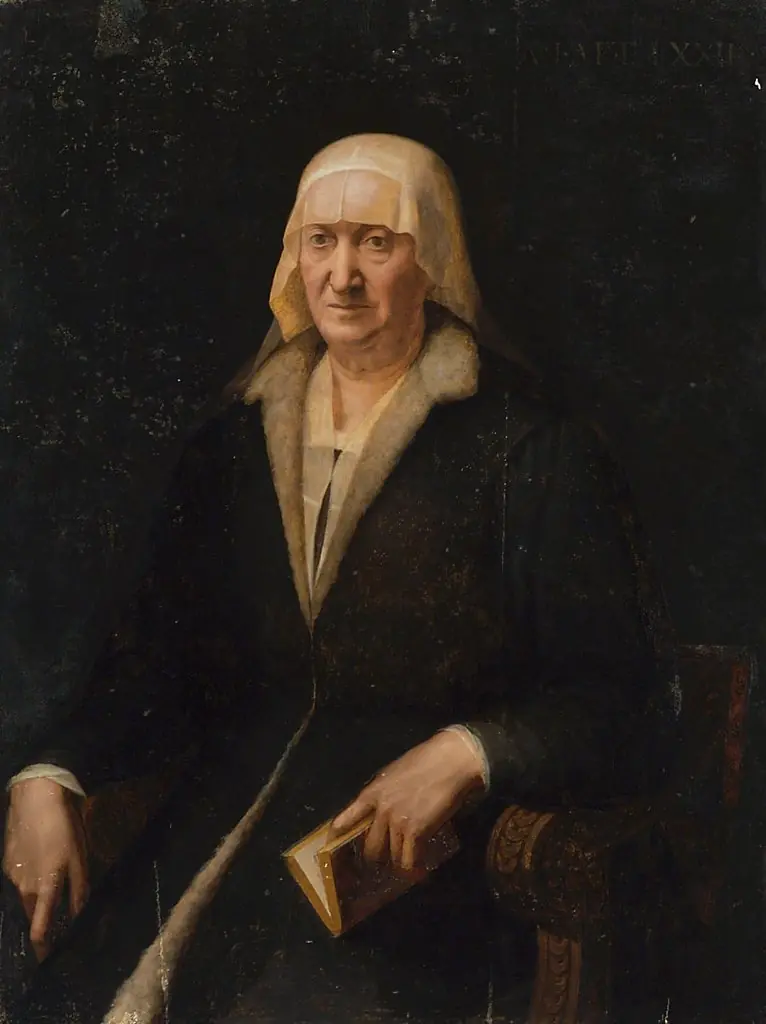 Bildnis einer alten Frau
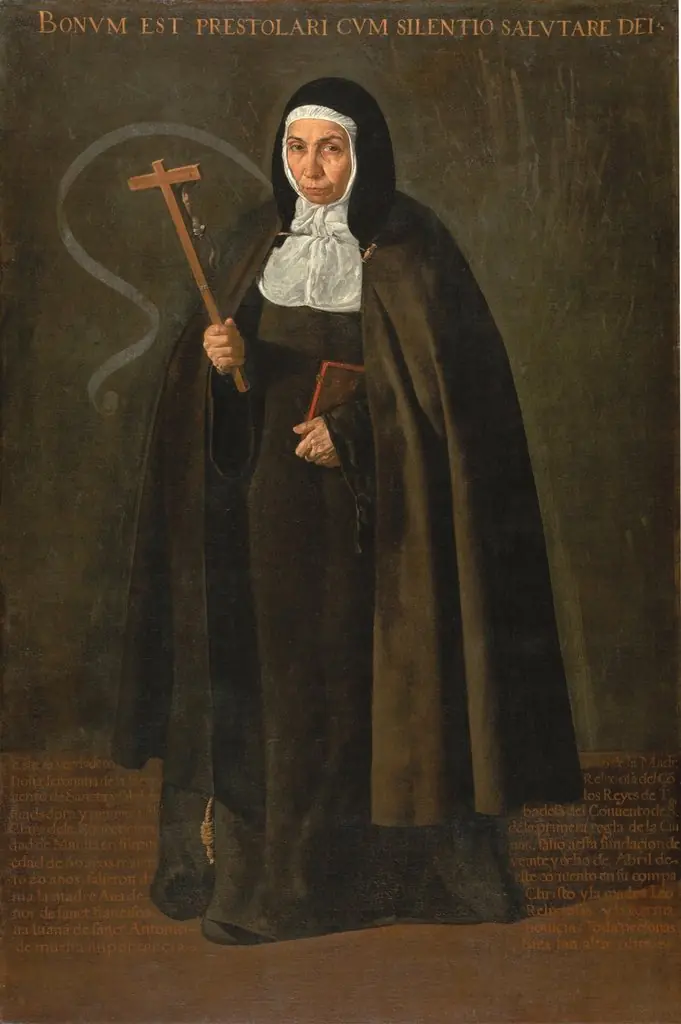 The Nun Jerónima de la Fuente
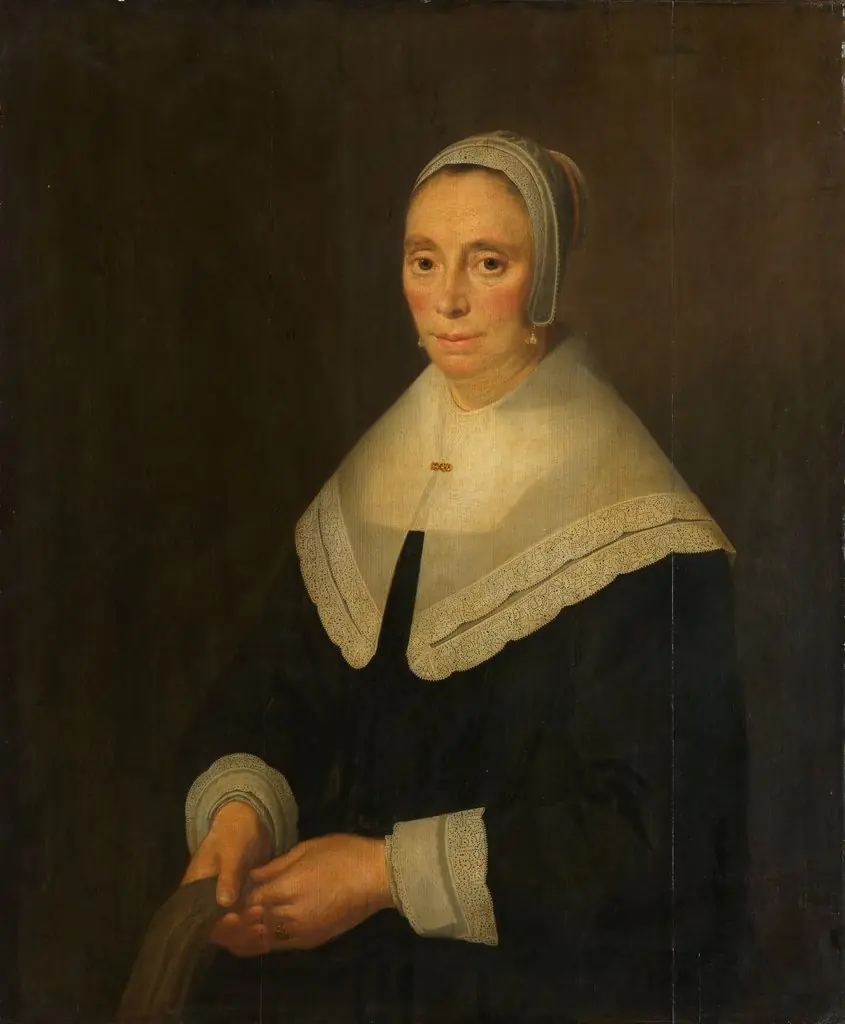 Portrait of a woman
 Portrait of Katharine Elliot (died 1688), Dresser of Duchess Anne of York and First Woman of the Bedchamber of Queen Mary of Modena, the first and second Wives of James II of England, respectively
 Portrait of a woman