Artwork
Polder landscape
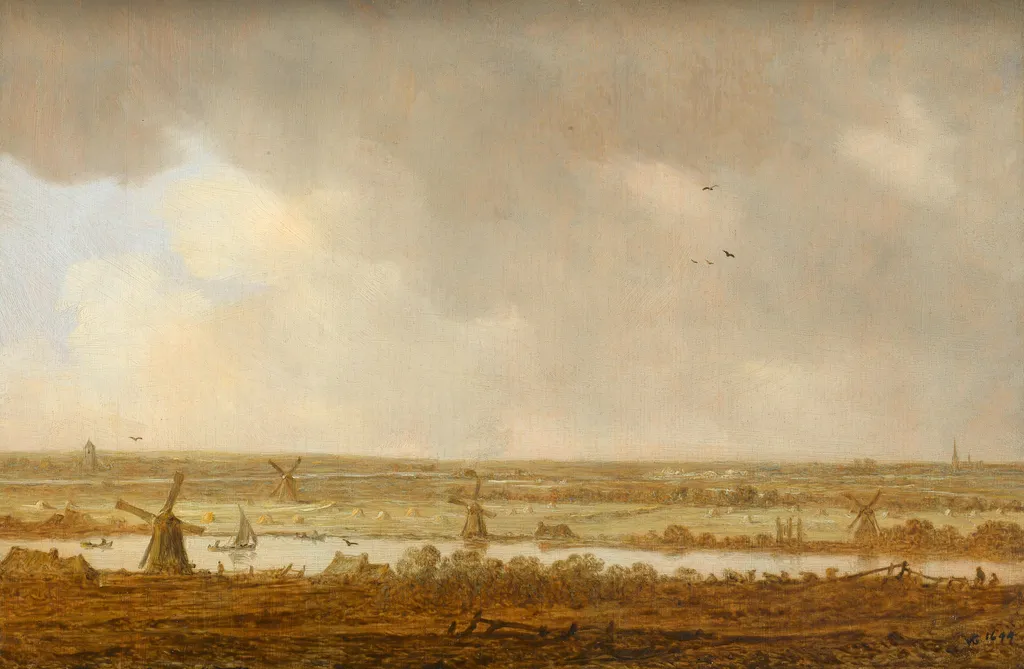
Polder landscape is an oil painting by the Dutch Golden Age artist Jan van Goyen. It dates from 1644 and is held in the collection of the Rijksmuseum.
About this work
Subject & Meaning
The painting depicts a Dutch polder landscape, a genre scene characteristic of the Dutch Golden Age.
The painting depicts a Dutch polder landscape, a genre scene characteristic of the Dutch Golden Age. Polders, low-lying tracts of land reclaimed from water and protected by dikes, were a distinctive feature of the Dutch countryside and a source of national pride, symbolizing Dutch engineering prowess and the transformation of natural terrain into productive agricultural land. Van Goyen's treatment of this subject reflects the period's emerging appreciation for native scenery over idealized classical landscapes, representing a shift toward realism and regional identity in Dutch art.
The work thus carries broader cultural significance as an expression of Dutch self-definition and the unique relationship between the Netherlands and its managed waterways.
Technique & Style
Polder landscape is executed in oil paint on a wooden panel, a support favored by Dutch Golden Age painters for its smooth surface and portability. The modest dimensions of 22 by 33.2 centimeters place the work within the small-scale cabinet picture tradition that flourished in seventeenth-century Netherlands, well suited to private domestic settings.
Stylistically, the painting belongs to the tonal landscape mode associated with Jan van Goyen's mature practice of the 1640s, characterized by a restrained, near-monochrome palette dominated by browns, grays, and silvery whites. Rather than relying on vivid local color, the artist builds atmospheric depth through subtle tonal gradations, loose handling of the brush, and a low horizon that emphasizes the expansive Dutch sky over the flat reclaimed land below.
History & Provenance
Jan van Goyen's Polder landscape, an oil-on-panel work created in 1644, is held in the collection of the Rijksmuseum. The painting measures 22 cm in height and 33.2 cm in width. While the artwork is confirmed to be part of the museum's holdings, the provided sources do not specify a unique inventory or accession number for this piece. Additionally, no specific exhibition history is recorded in the available documentation.
Legacy
The work's later influence, reputation, and legacy are evident in its enduring association with Dutch Golden Age landscape painting and its continued presence at the Rijksmuseum, where it remains part of the collection and is studied as an example of van Goyen's mature style. Its designation as a landscape painting within the broader movement has contributed to scholarly discussions of 17th-century Dutch art, though specific exhibition histories or direct influence on later artists are not documented in the provided sources.
Overview
Jan van Goyen’s Polder landscape (1644) is an oil painting that exemplifies the Dutch Golden Age’s focus on everyday scenery. Executed in the mid‑17th century, the work presents a tranquil view of a reclaimed low‑lying field, a typical polder, rendered with a restrained palette and a calm atmosphere.
Context
The image reflects the 17th‑century Dutch preoccupation with land reclamation and water management, themes central to the nation’s identity. By portraying windmills and a managed waterway, the painting underscores the technological achievements that transformed marshes into arable land, a subject frequently explored by contemporary Dutch artists.
Own this work as a print
Artist & collection

Artist
Jan Josephszoon van Goyen (Dutch pronunciation: ; 13 January 1596 – 27 April 1656) was a Dutch landscape painter.

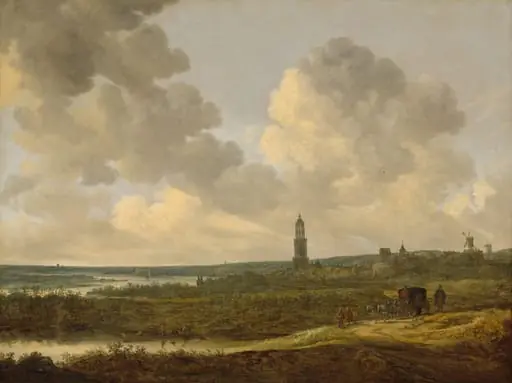
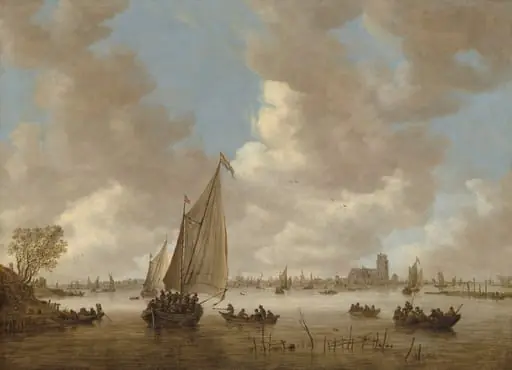
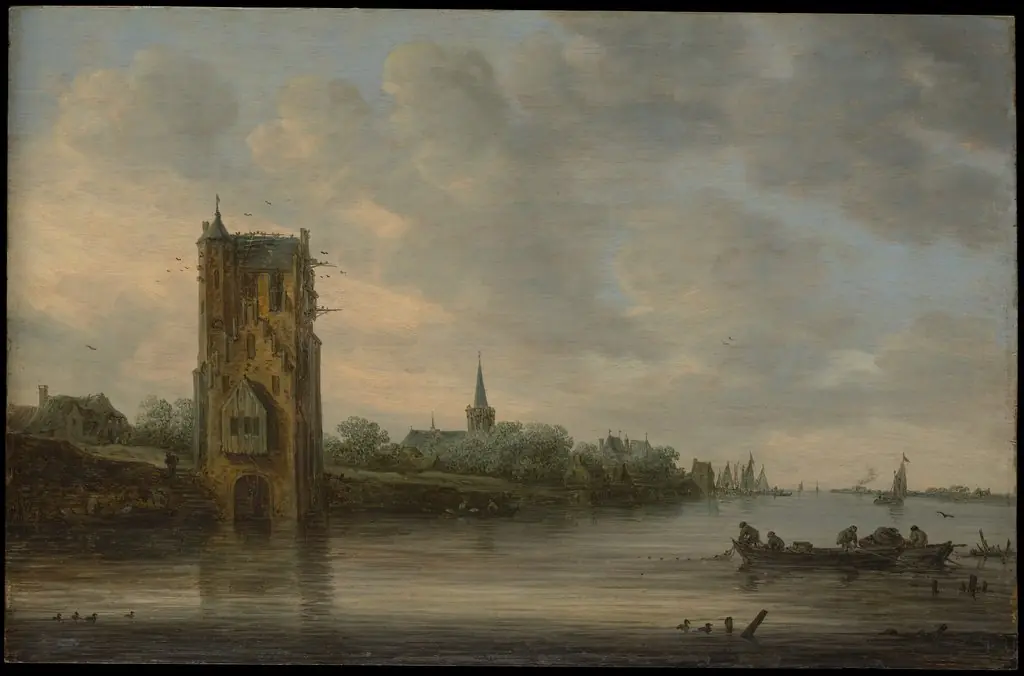
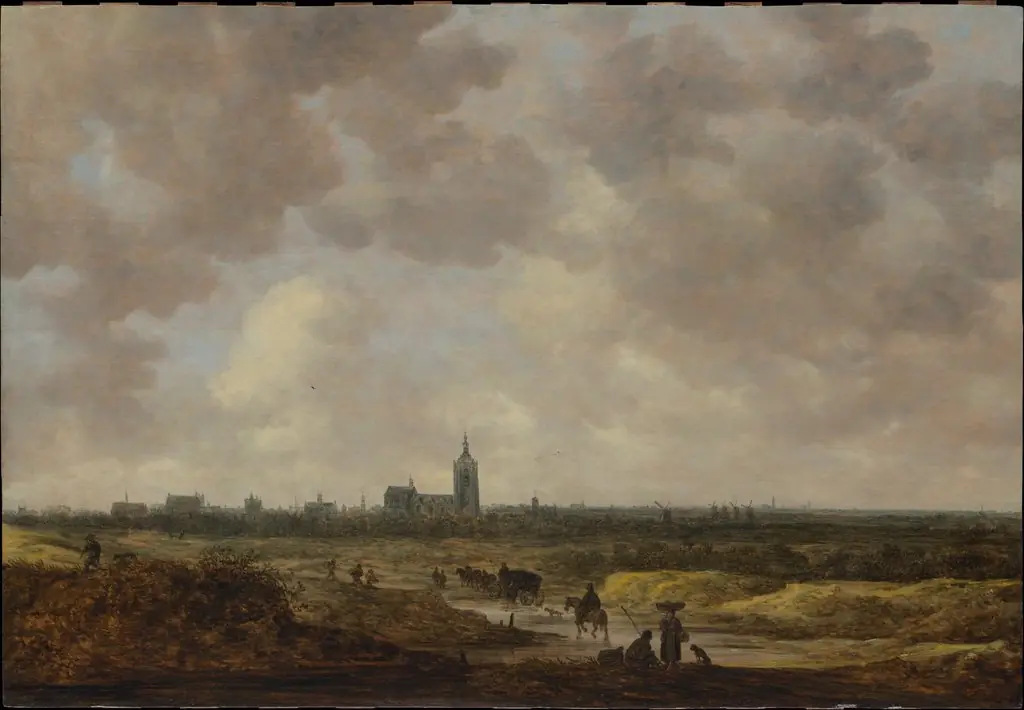
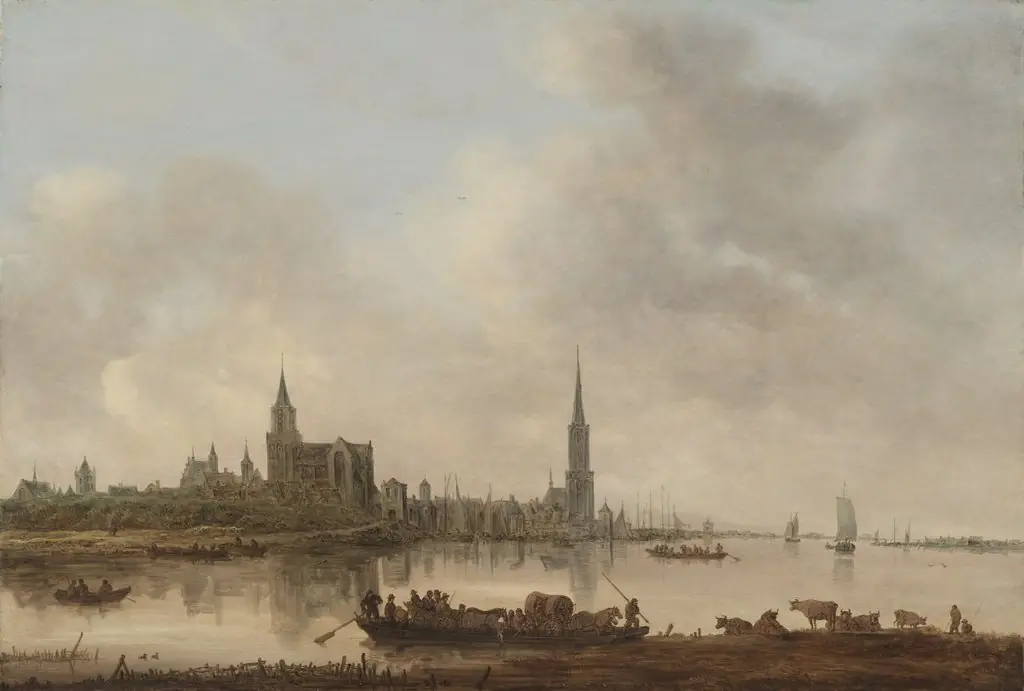
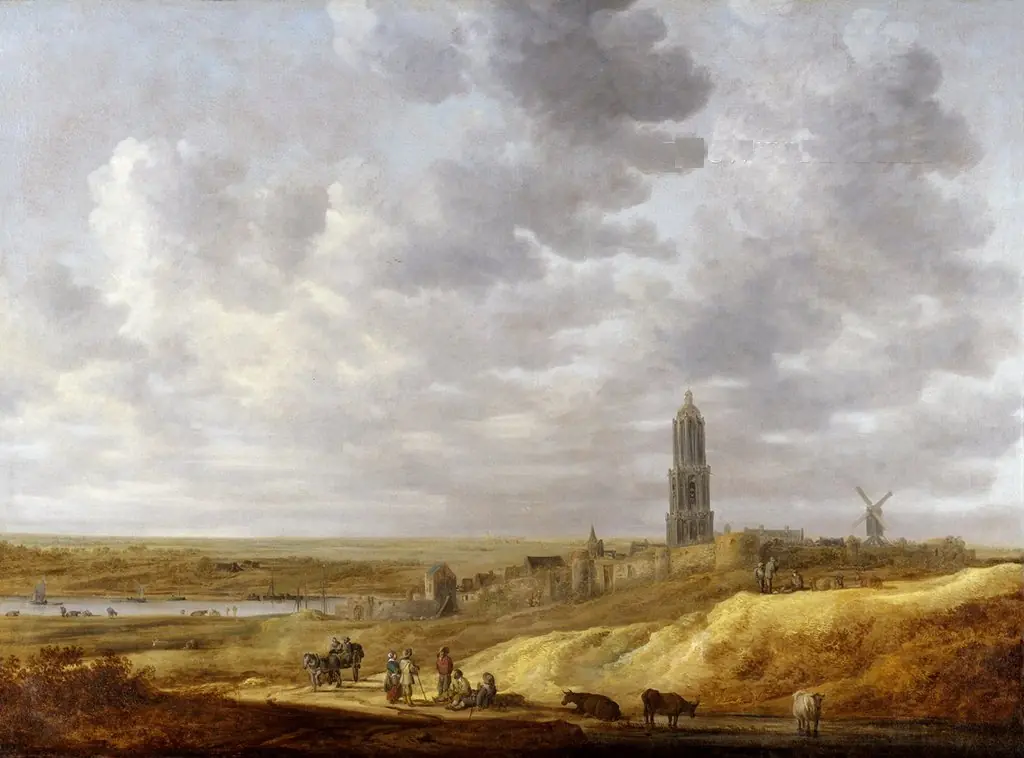
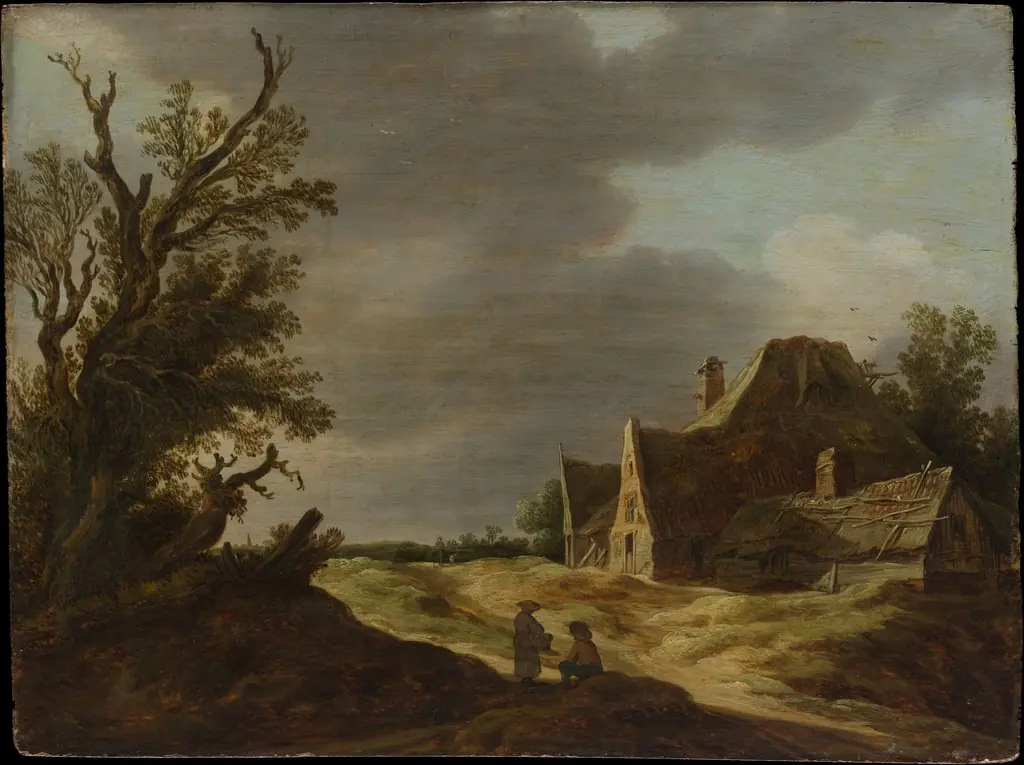
- View of Dordrecht
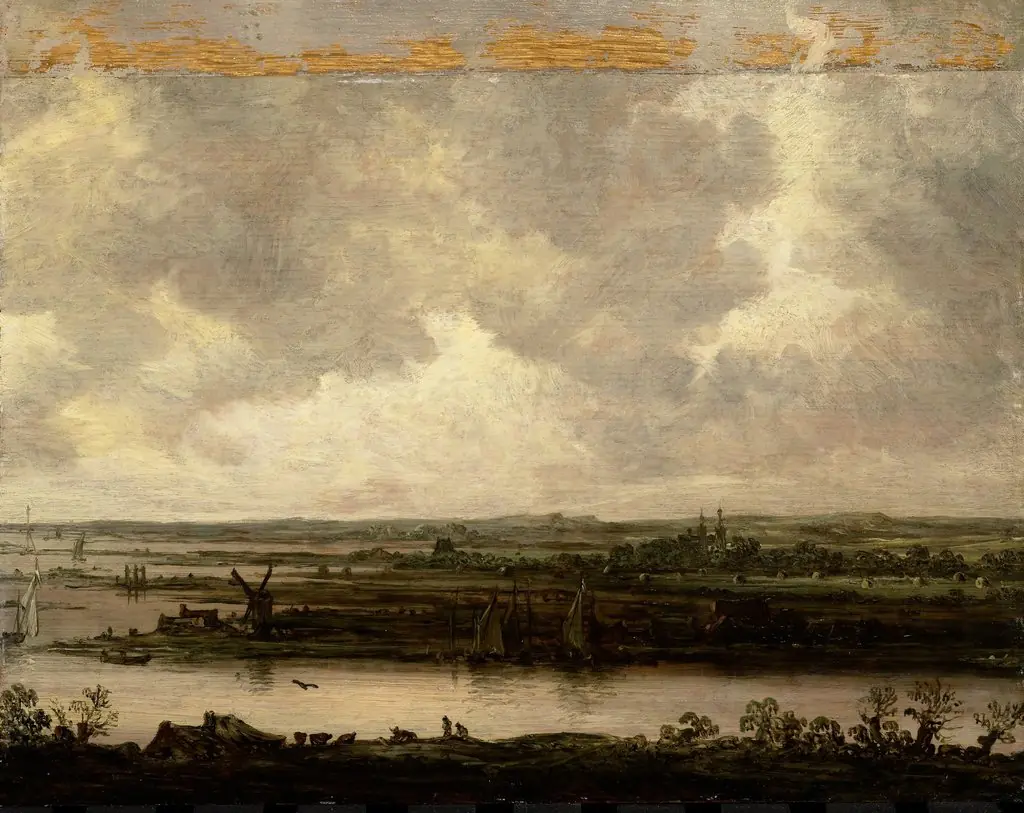 Panoramic view of the river Spaarne and the Haarlemmermeer
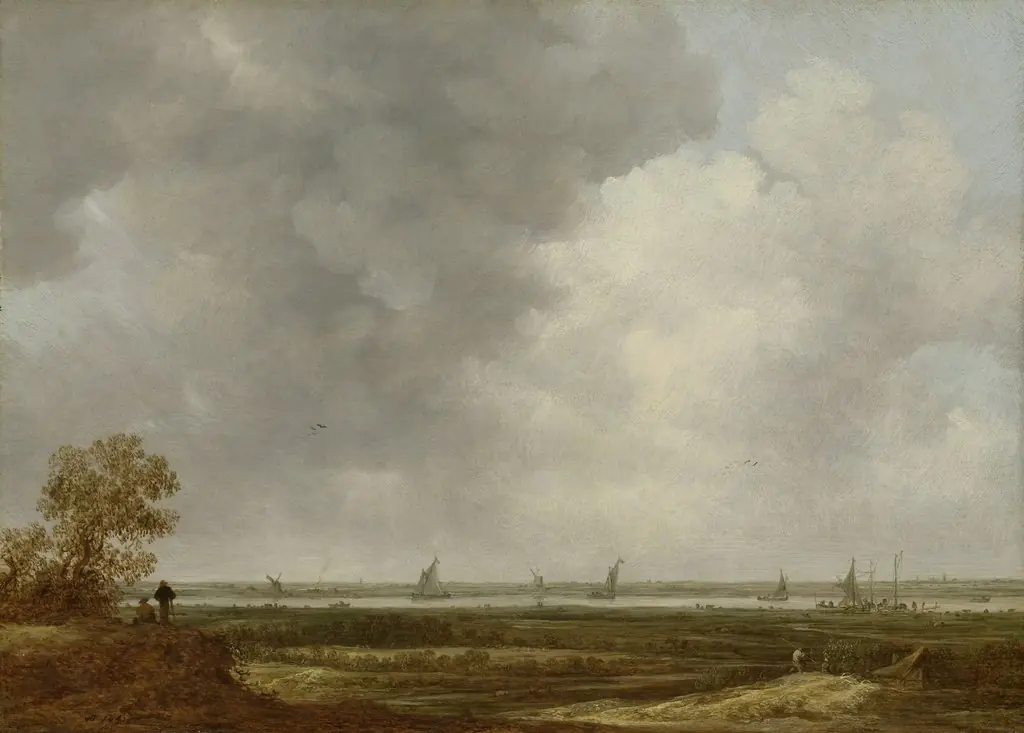 Panoramic view of a river with low-lying meadows
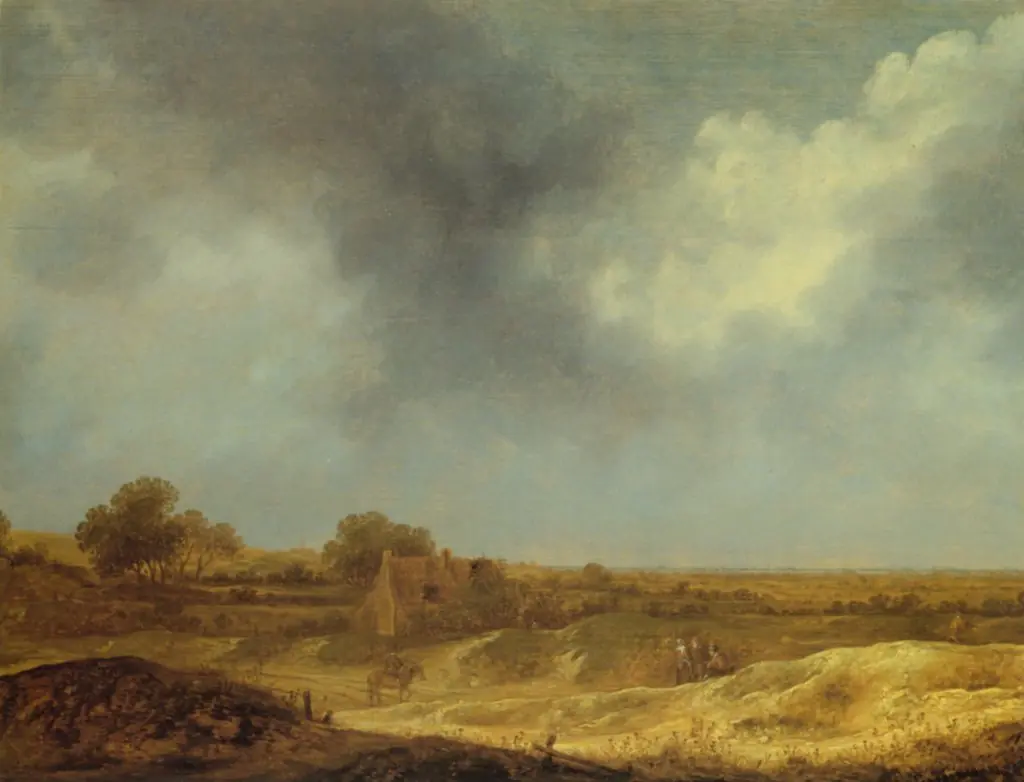 Hilly Landscape
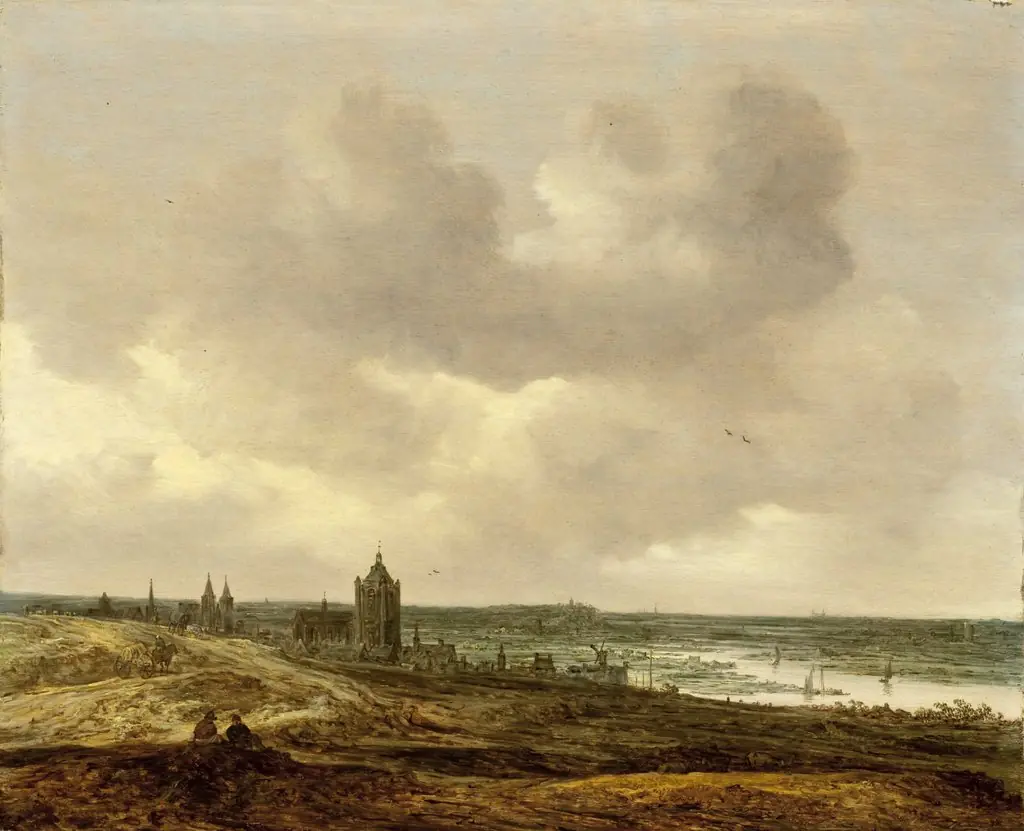 View of Arnhem
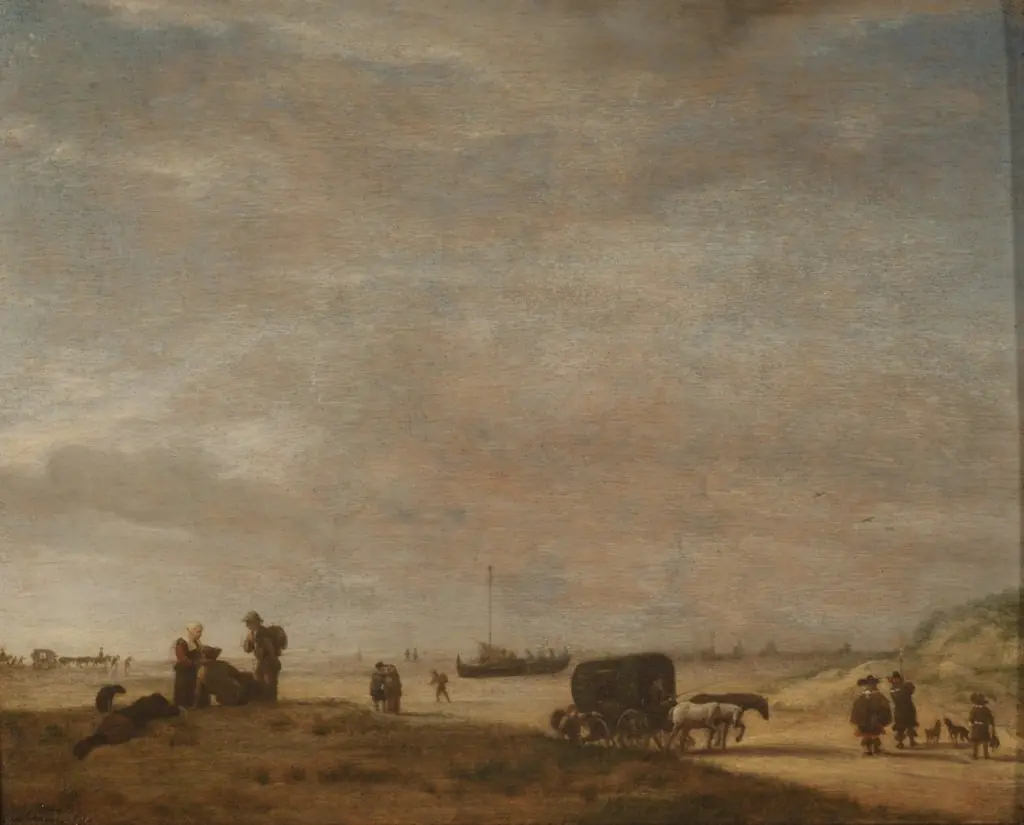 The Beach at Scheveningen
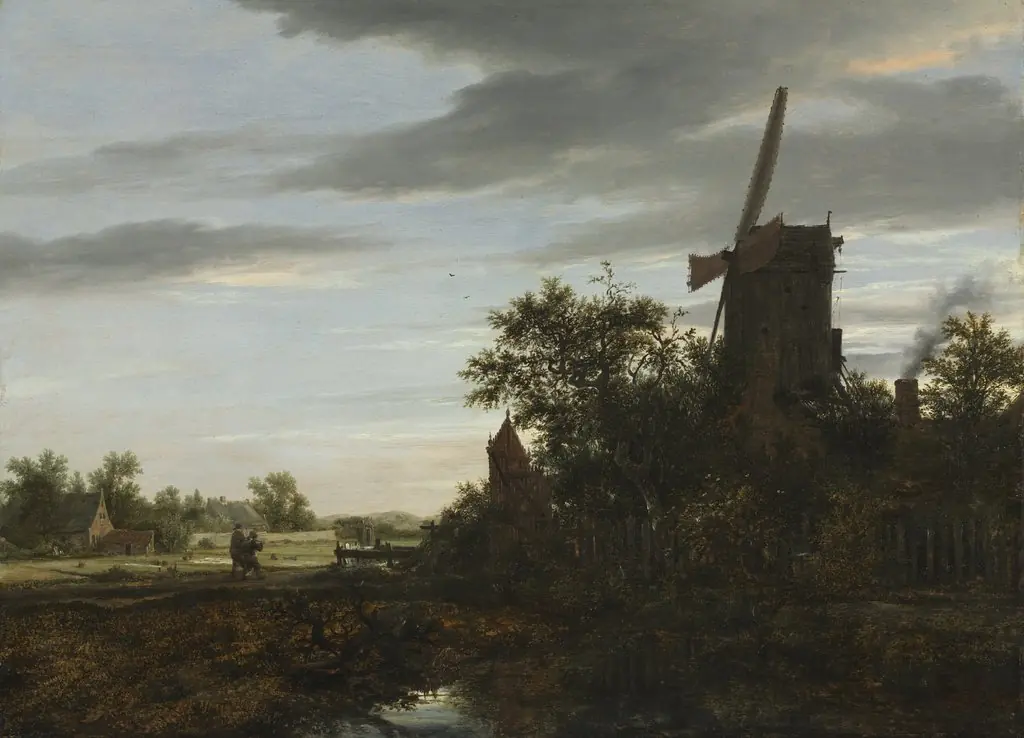 Landscape with a Windmill
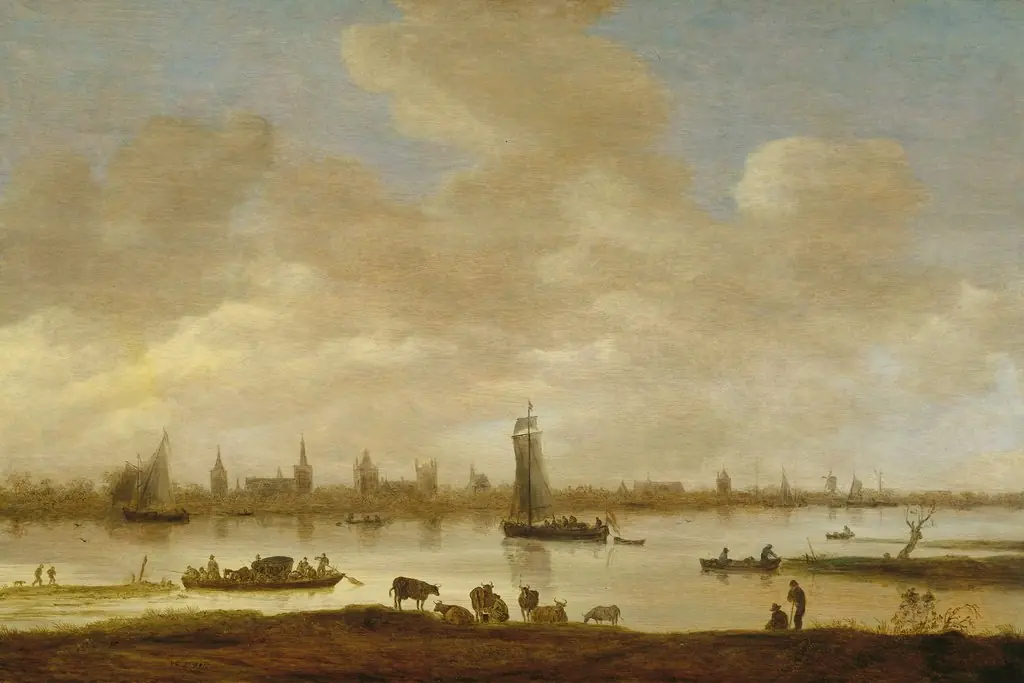 View of an imaginary town across a river with the Vianen tower of Saint Pol
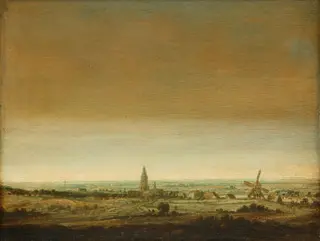 Landscape with City on a River
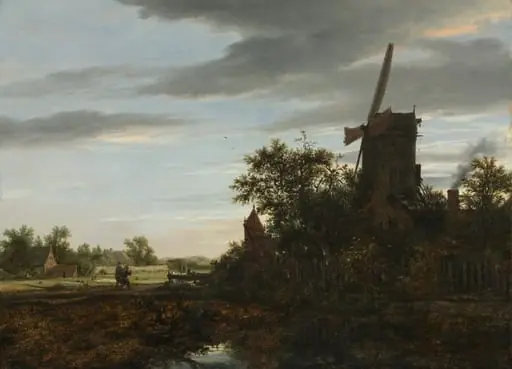 Landscape with a Windmill