Artwork
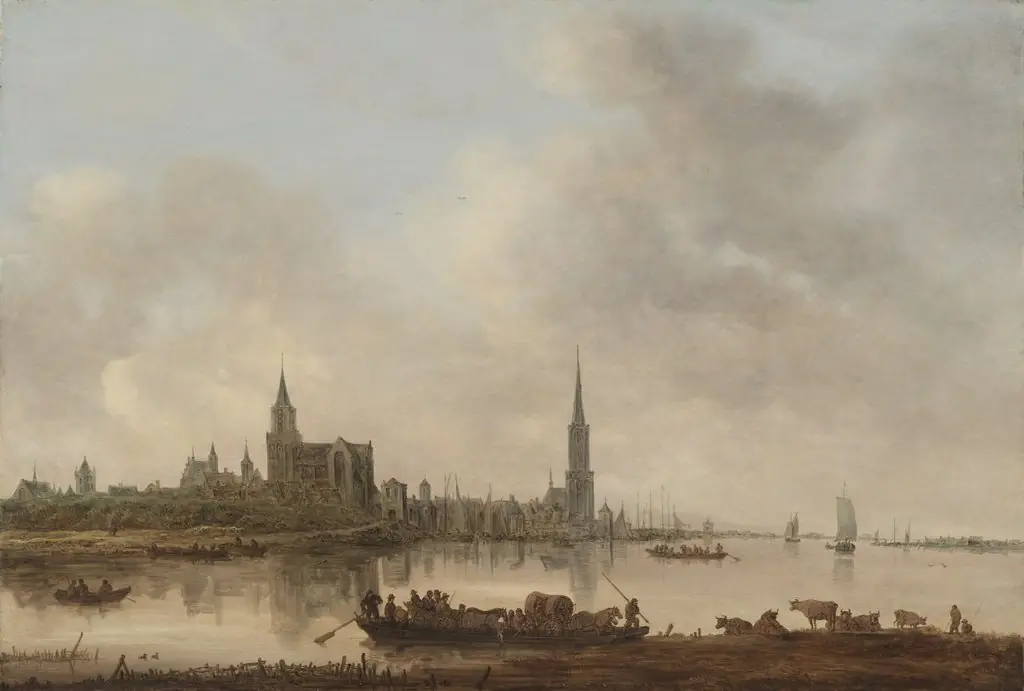
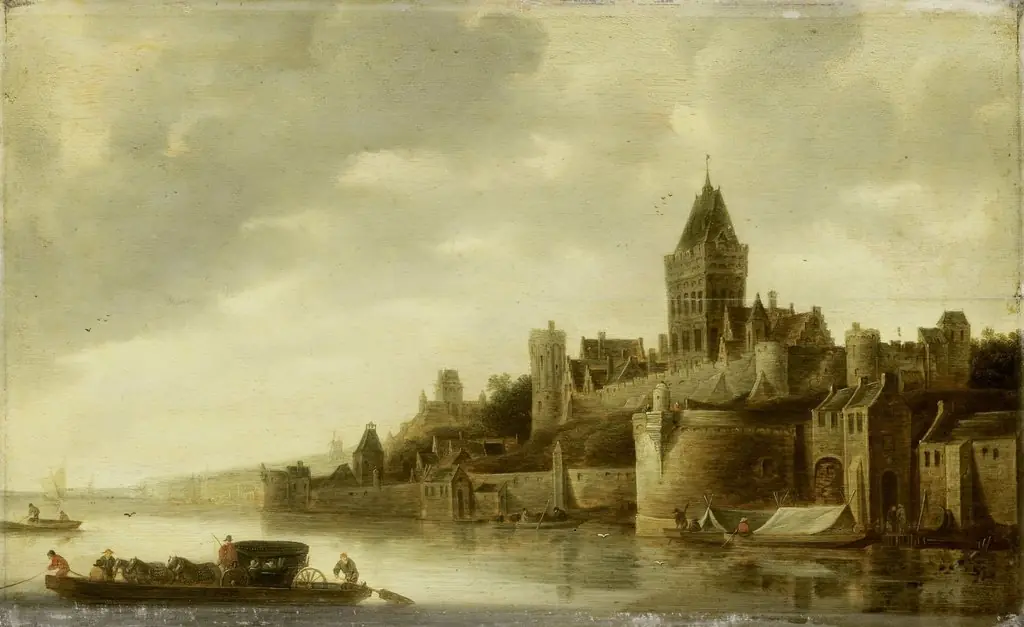
View of the Valkhof in Nijmegen
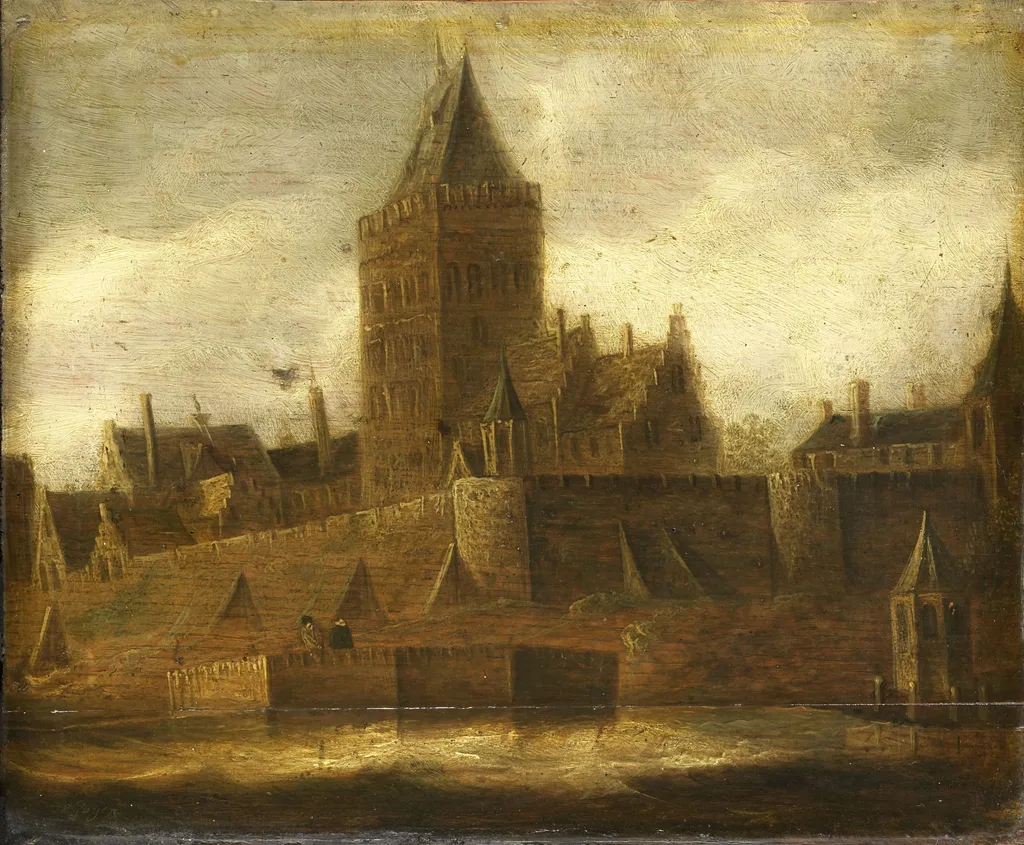
View of the Valkhof in Nijmegen is an oil painting by the Dutch Golden Age artist Jan van Goyen. It dates from 1650 and is held in the collection of the Rijksmuseum.
About this work
Technique & Style
View of the Valkhof in Nijmegen is an oil painting executed on wood panel, reflecting the tonal landscape tradition of the Dutch Golden Age.
View of the Valkhof in Nijmegen is an oil painting executed on wood panel, reflecting the tonal landscape tradition of the Dutch Golden Age. Jan van Goyen applied thin, translucent layers of oil paint to achieve atmospheric depth and subtle gradations of light across the scene. The work measures 25.4 cm in height by 30.5 cm in width, consistent with the dimensions recorded in the Rijksmuseum collection.
Its handling emphasizes loose brushwork and a restrained palette, characteristic of van Goyen’s mature style, while the composition balances meticulous detail in the architectural elements with a freely rendered natural environment. The formal qualities reveal a compositional focus on tonal harmony and spatial recession, reinforcing the painting’s status as a quintessential example of 17th-century Dutch landscape painting.
History & Provenance
View of the Valkhof in Nijmegen is a 1650 oil painting on panel by Jan van Goyen depicting the Valkhof hill in Nijmegen. It was created during the Dutch Golden Age and exemplifies the artist’s mature landscape style. The work entered the collection of the Rijksmuseum, where it remains on public display.
Its creation history is documented by contemporary records of van Goyen’s output in 1650, and its dimensions of 25.4 cm by 30.5 cm are recorded in the museum’s catalog.
The painting was commissioned by an unknown patron seeking a view of the historic Valkhof site, reflecting the period’s interest in local topography. It has been part of the Rijksmuseum’s holdings since its acquisition, maintaining continuous ownership within the institution.
Overview
View of the Valkhof in Nijmegen is a 17th-century oil painting by Jan van Goyen, a prolific Dutch landscape painter. Created around 1650, it exemplifies the Dutch Golden Age's artistic flourishing.
Subject & Meaning
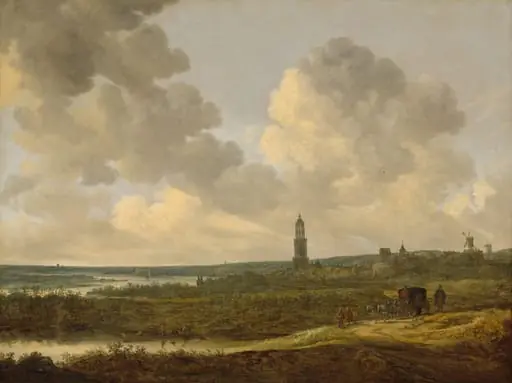
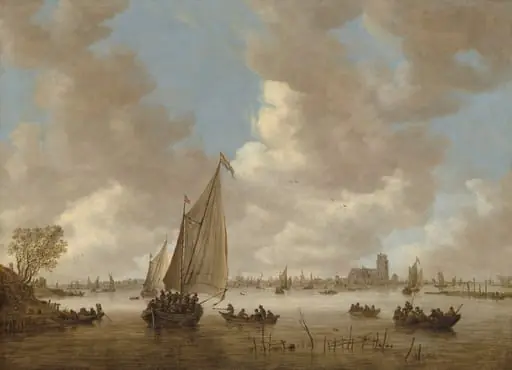
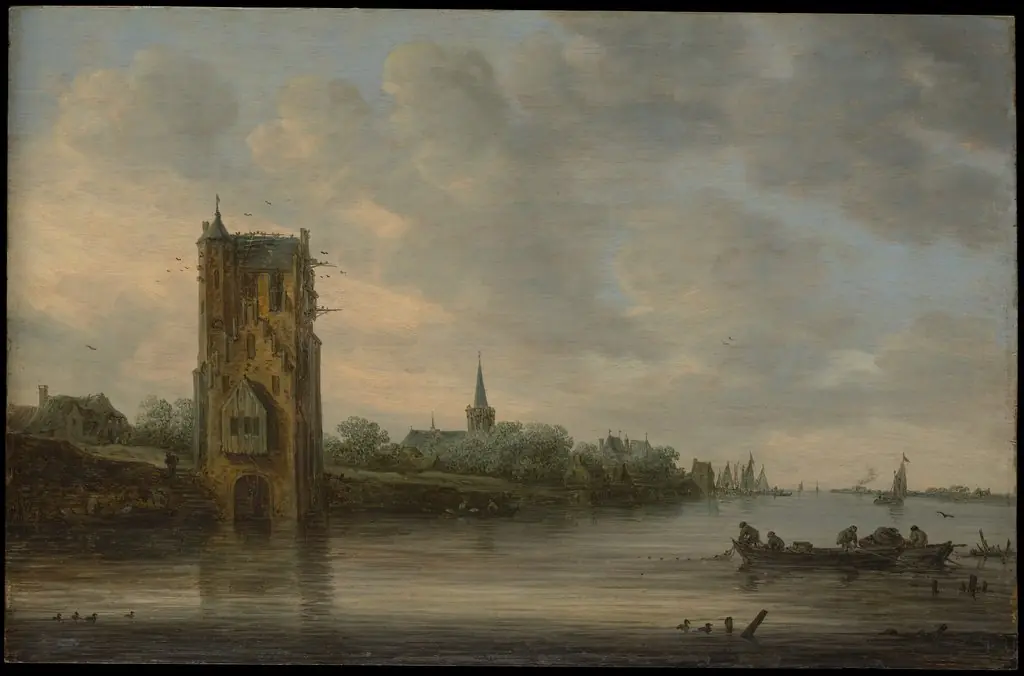
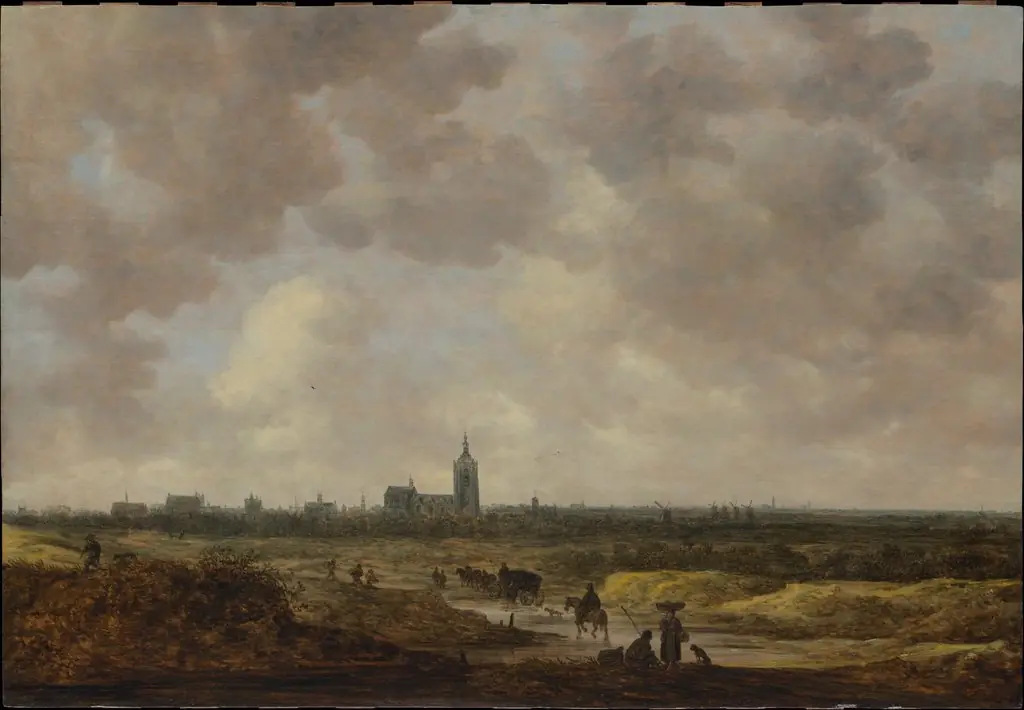
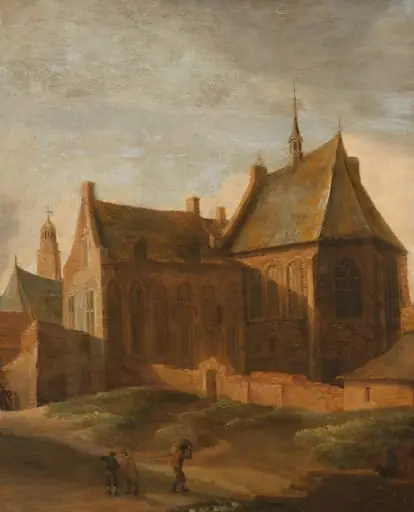
The painting focuses on the Valkhof, a historic site in Nijmegen, capturing its architectural character with a prominent dark tower amidst smaller, old buildings featuring brick walls and thatched roofs. Figures by the water's edge add a sense of everyday life.
Context
This painting reflects the Dutch Golden Age's emphasis on landscape and architectural depiction, with van Goyen's diverse subjects contributing to the period's rich artistic tapestry.
Legacy
As part of van Goyen's large body of work, View of the Valkhof in Nijmegen contributes to the artist's reputation for capturing the Dutch landscape's essence during the 17th century, though its individual impact within his oeuvre is not specifically highlighted.
Own this work as a print
Artist & collection

Artist
Jan Josephszoon van Goyen (Dutch pronunciation: ; 13 January 1596 – 27 April 1656) was a Dutch landscape painter.