Artwork
Ceres, Bachus și Venus
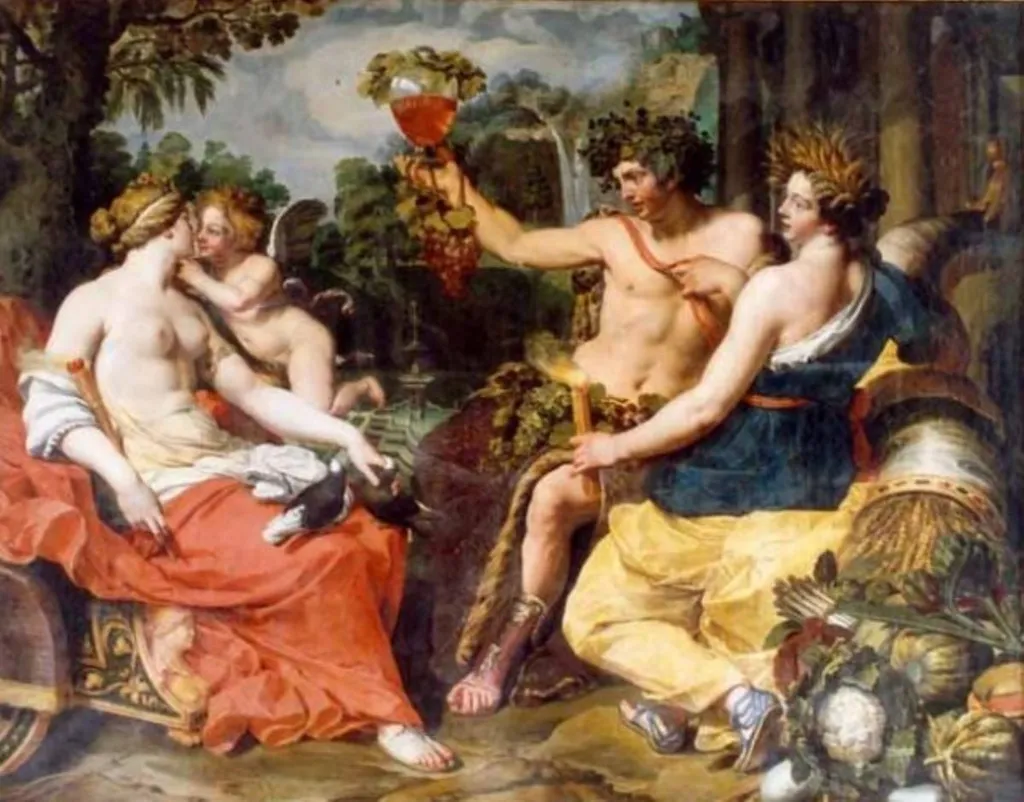
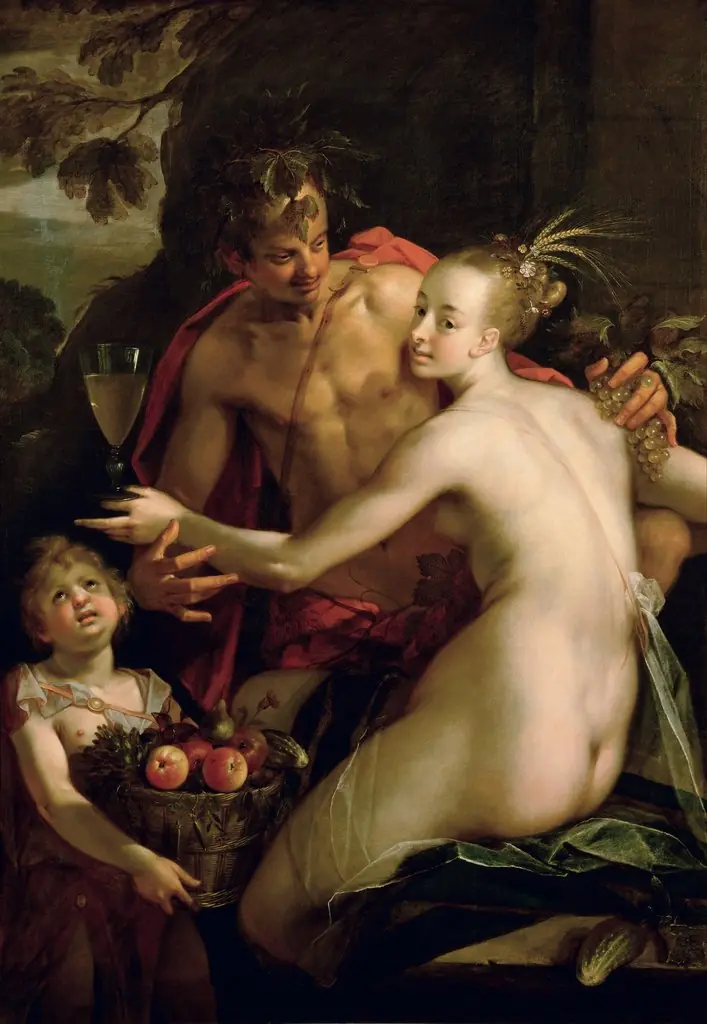
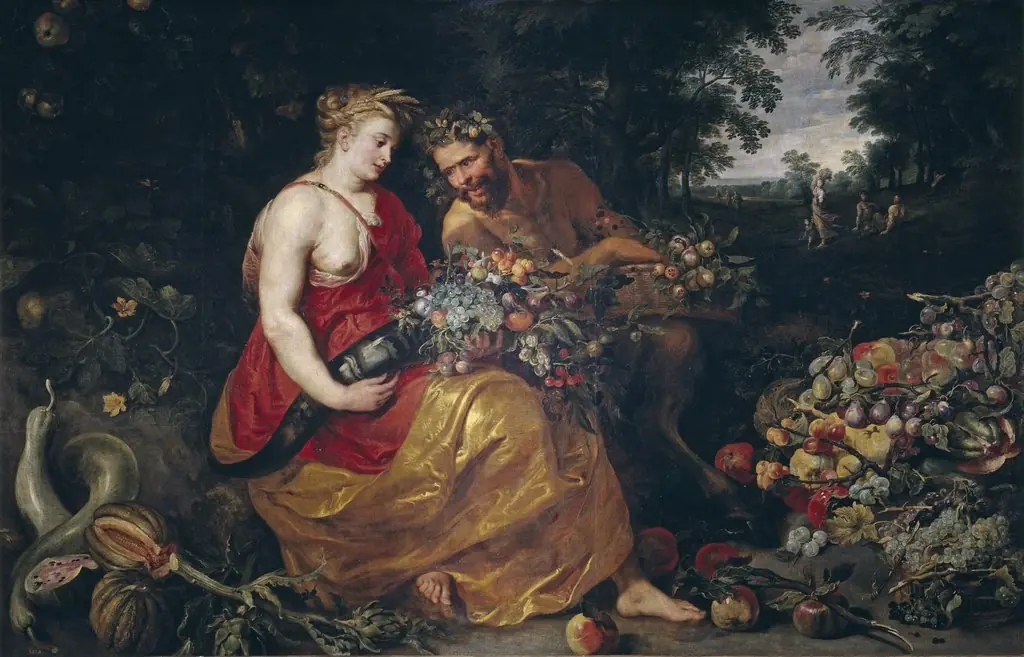
Ceres, Bachus și Venus is an unspecified painting by the Caravaggisti artist Abraham Janssens. It dates from 1650 and is held in the collection of the Brukenthal National Museum.
About this work
Overview
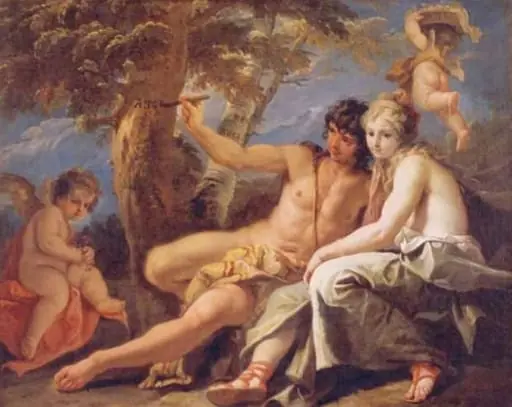
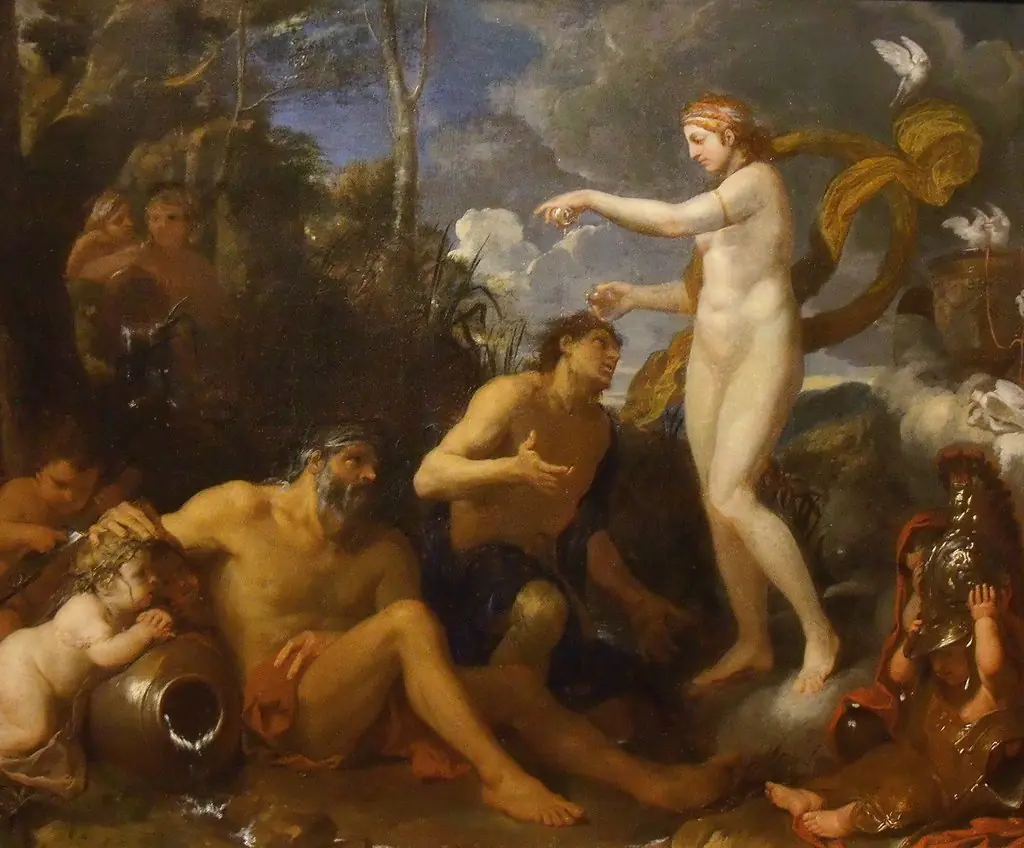
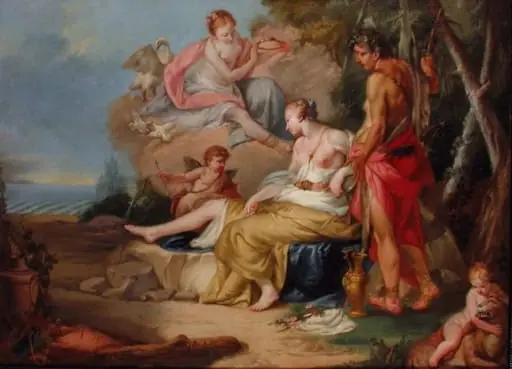
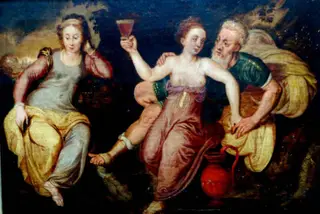
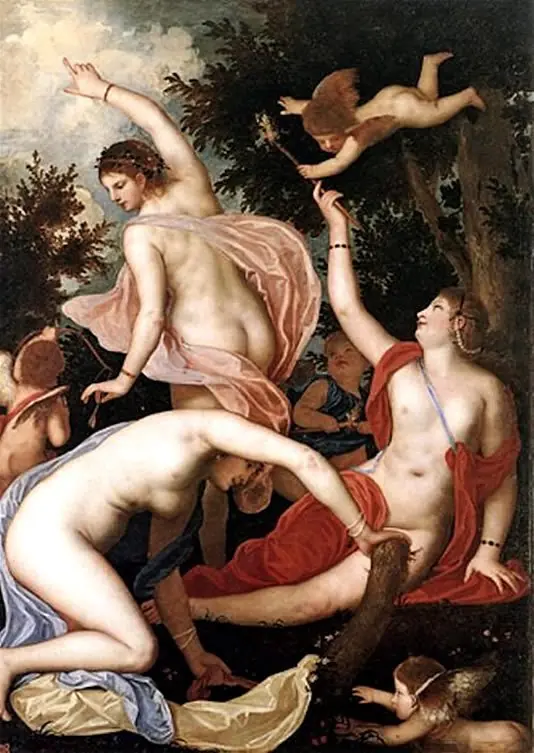
Painted around 1650 by Abraham Janssens, this mythological scene depicts three classical deities in a natural landscape. The composition centers on their interaction within a verdant, secluded setting, suggesting a moment of quiet communion. The figures are arranged in a loose triangular formation, drawing the viewer’s eye across the scene through gesture and gaze.
Subject & Meaning
The figures represent Ceres, Bacchus, and Venus, gods of agriculture, wine, and love, respectively. Their proximity and physical contact symbolize the interdependence of fertility, abundance, and desire in classical thought. The fruit, grapes, and flowing water reinforce themes of nourishment and cyclical renewal, aligning with ancient rituals honoring seasonal cycles.
Technique & Style
Janssens employs chiaroscuro to model the figures with soft, directional light, enhancing their three-dimensionality. Shadows fall gently across limbs and drapery, while highlights define faces and hands, creating a tactile realism. The brushwork is refined but not overly detailed, favoring atmospheric harmony over ornamental flourish, typical of early Baroque Flemish painting.
History & Provenance
The painting’s early ownership is undocumented, but it likely originated in Antwerp, where Janssens worked. It remained in private collections through the 18th and 19th centuries before entering a public institution. No major alterations or restorations are recorded, preserving its original tonal balance and surface integrity.
Context
Created during a period when Flemish artists revived classical themes to appeal to educated patrons, the work reflects a broader trend of mythological allegory in Counter-Reformation Europe. While religious subjects dominated public commissions, private collectors favored secular myths that conveyed moral or philosophical ideas through symbolic narratives.
Legacy
Though not widely exhibited, the painting exemplifies Janssens’ skill in blending naturalism with mythological symbolism. It stands as a quiet testament to the persistence of classical iconography in 17th-century Northern Europe, influencing later artists who sought to reconcile humanist ideals with emotional realism in figure painting.
Artist & collection
Artist
Abraham Janssens painted dramatic scenes from myth and daily life in the Flemish Baroque style.