Artwork
Henry IV, the Dauphin and the Spanish Ambassador
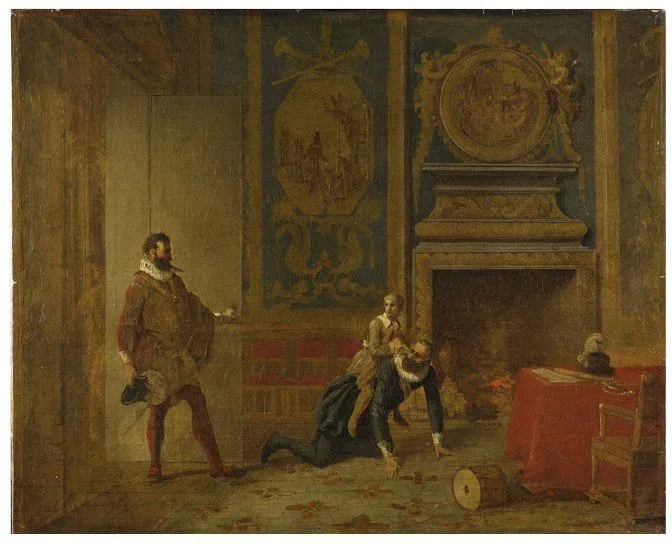
Henry IV, the Dauphin and the Spanish Ambassador is an oil painting by the Neoclassicist artist Jean Auguste Dominique Ingres. It dates from 1817 and is held in the collection of the Victoria and Albert Museum.
About this work
Overview
Jean Auguste Dominique Ingres painted Henry IV, the Dauphin and the Spanish Ambassador in 1817 using oil on canvas.
Jean Auguste Dominique Ingres painted Henry IV, the Dauphin and the Spanish Ambassador in 1817 using oil on canvas. The work, now part of the Victoria and Albert Museum’s collection, presents an interior scene with three male figures arranged around a fireplace and a richly draped table. The composition balances muted earth tones with striking highlights, creating a measured yet dramatic atmosphere.
Subject & Meaning
The central narrative shows King Henry IV, the future French monarch, accompanied by his heir, the Dauphin, and a Spanish envoy. The king stands to the left, clutching a hat, while the Dauphin lies on the floor, supported by an unseen hand. The presence of the ambassador suggests a diplomatic encounter, emphasizing the political alliances and courtly protocol of early‑17th‑century France.
Technique & Style
Ingres employs a restrained palette of browns, reds, and deep blacks, punctuated by luminous accents that model the figures. The painting relies on chiaroscuro, the contrast of light and shadow, to give volume to the bodies and depth to the room. Fine brushwork renders the textures of fabric and the ornamental fireplace, reflecting the artist’s academic training and his interest in classical composition.
History & Provenance
Completed shortly after Ingres returned from his Roman sojourn, the canvas entered the British market in the 19th century and was eventually acquired by the Victoria and Albert Museum. Its provenance traces a typical path for French academic works of the period, moving from private collections to public institutions where it serves as a representative example of Ingres’s early career.
Context
The painting belongs to a phase when Ingres was consolidating his reputation as a history painter, aligning with the Neoclassical ideals promoted by the French Academy. By depicting a moment of diplomatic exchange, the work reflects contemporary interest in historical episodes that could convey moral and political lessons, a common aim of academic art in the post‑Napoleonic era.
Artist & collection

Artist
Jean-Auguste-Dominique Ingres was a French Neoclassical painter. Ingres was profoundly influenced by past artistic traditions and aspired to become the guardian of academic orthodoxy against the ascendant Romantic…

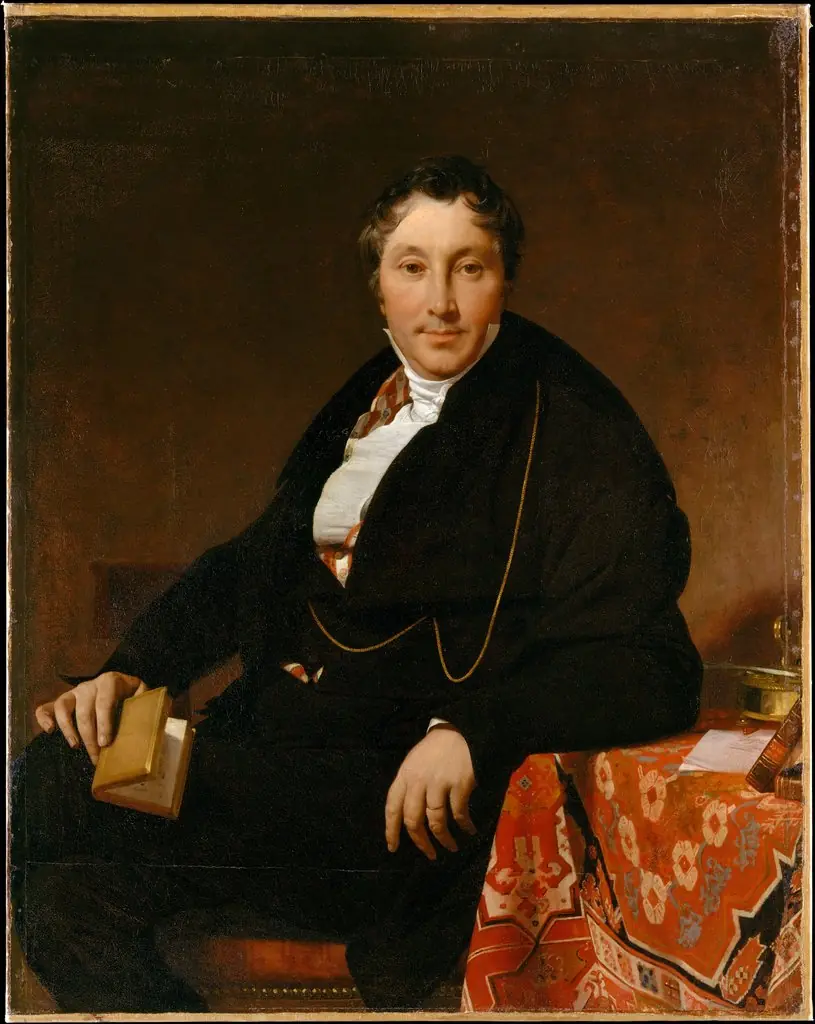
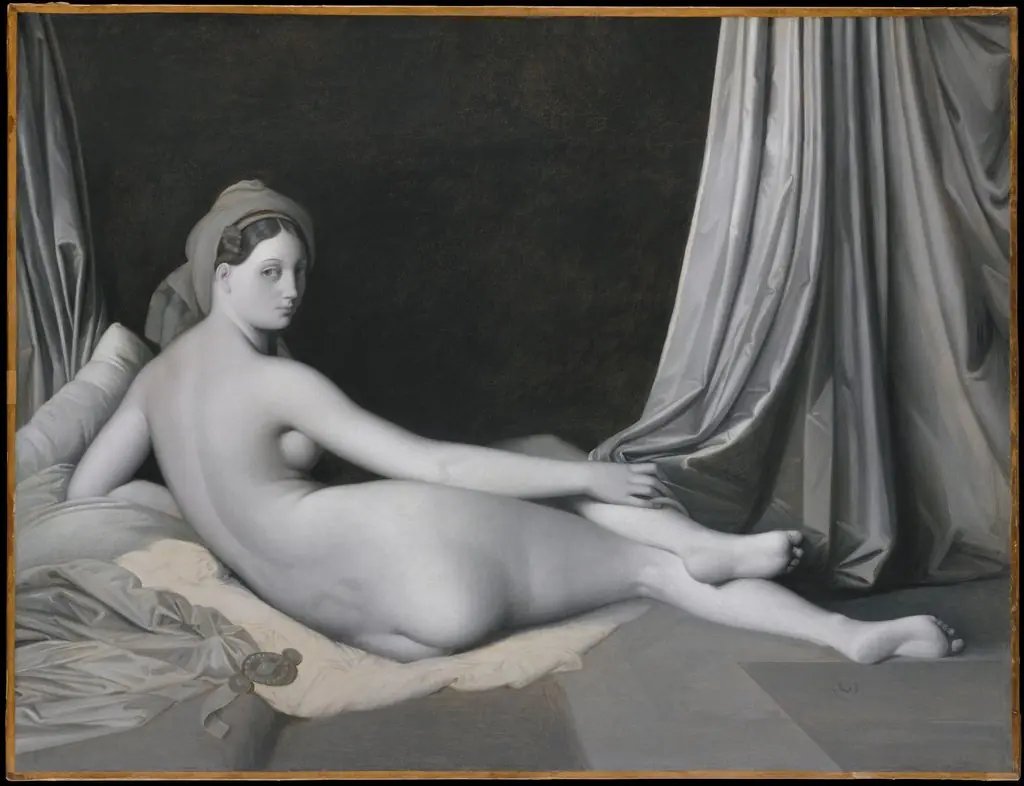
- The Connoisseurs
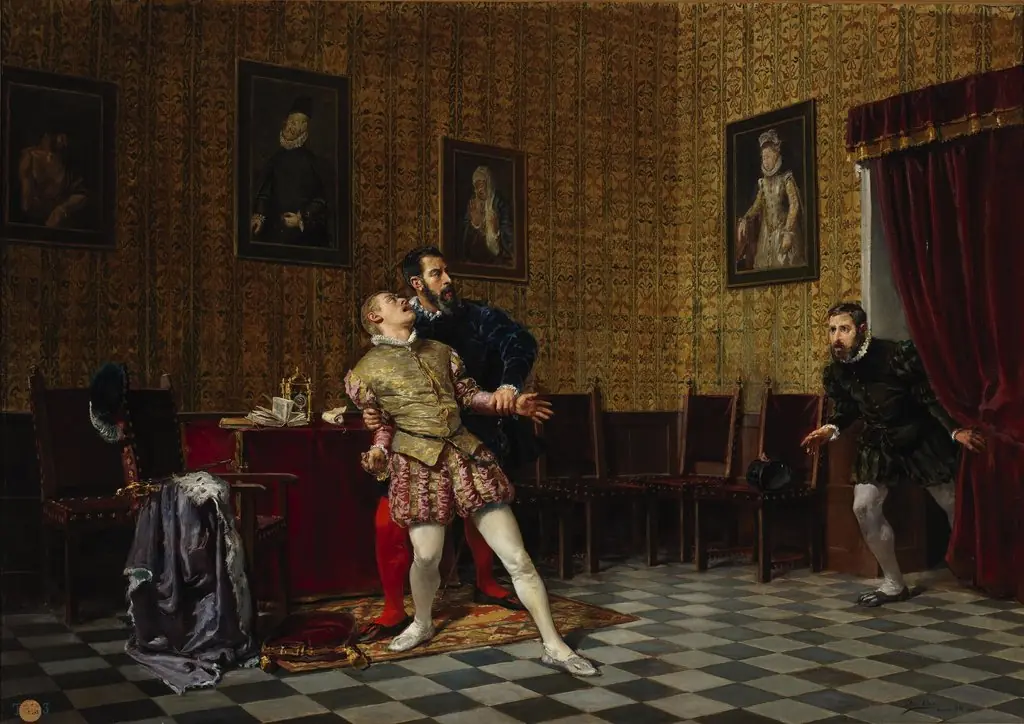 Prince Don Carlos and the Duke of Alba
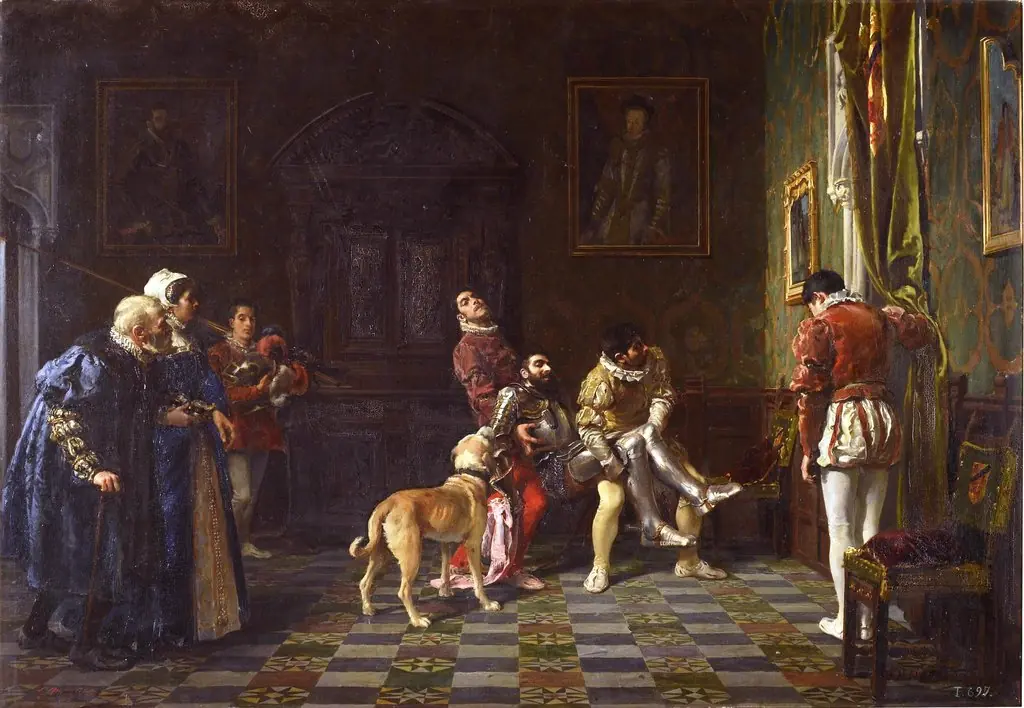 La vuelta del torneo
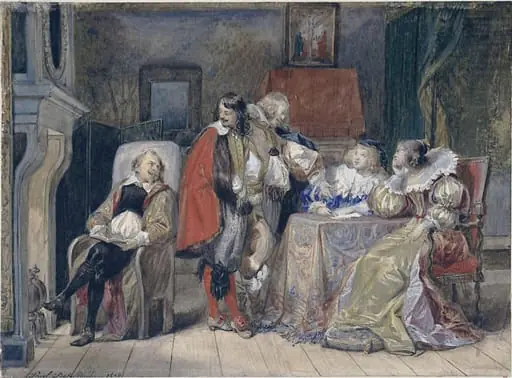 Untitled
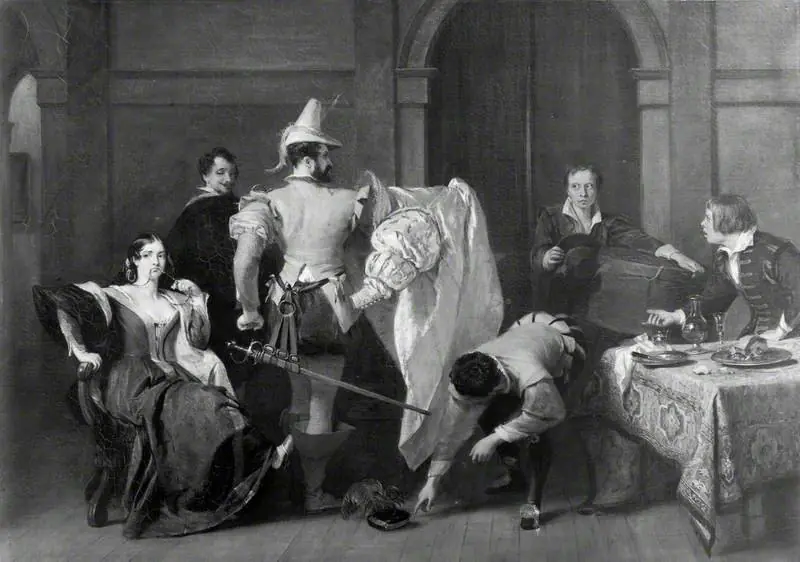 Scene from 'The Taming of the Shrew' by William Shakespeare
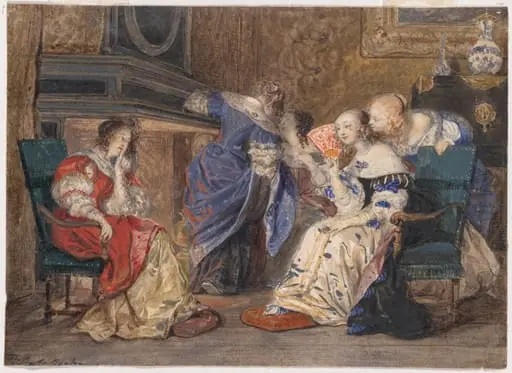 Women in an Interior
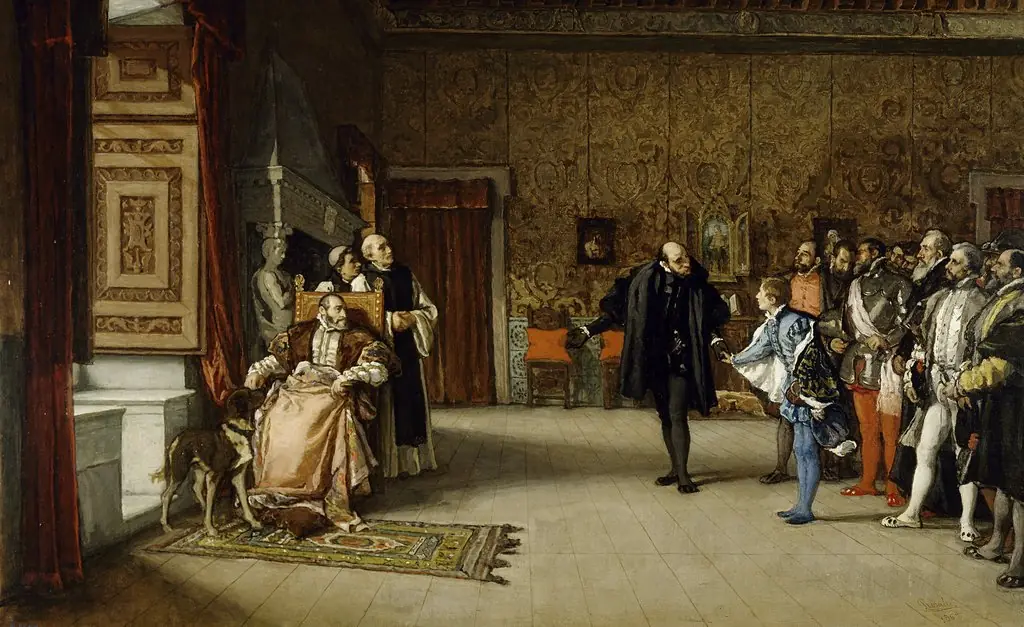 Juan de Austria's presentation to Emperor Carlos V in Yuste
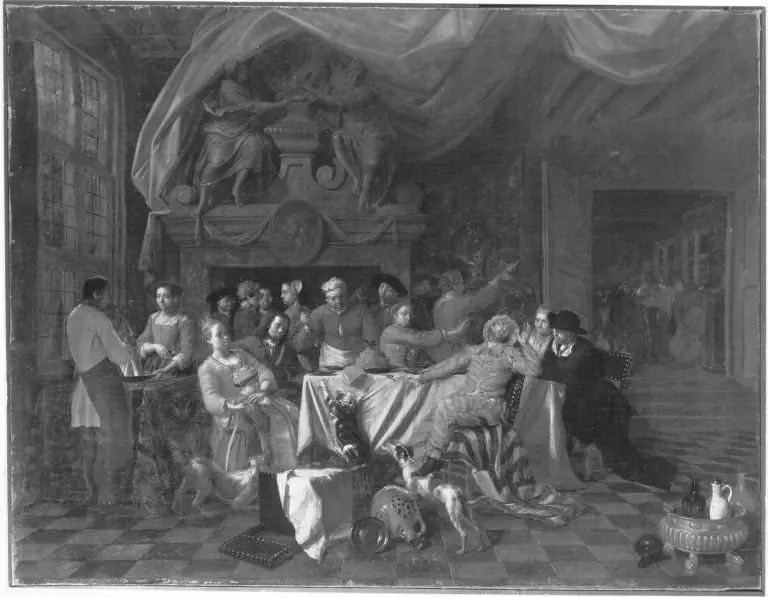 Karneval
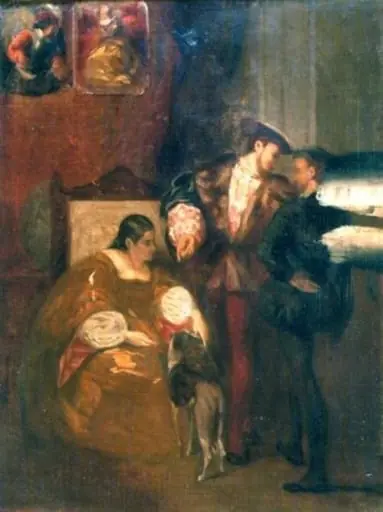 Interior cu familie aristocratică
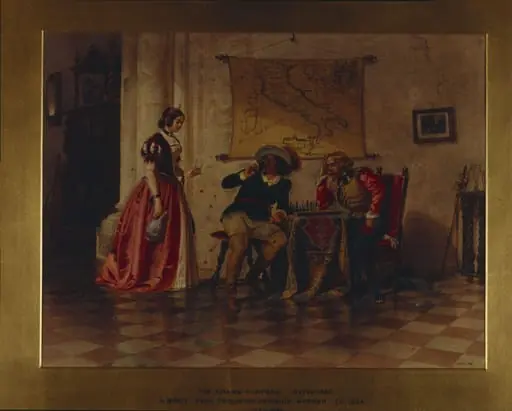 The chess players
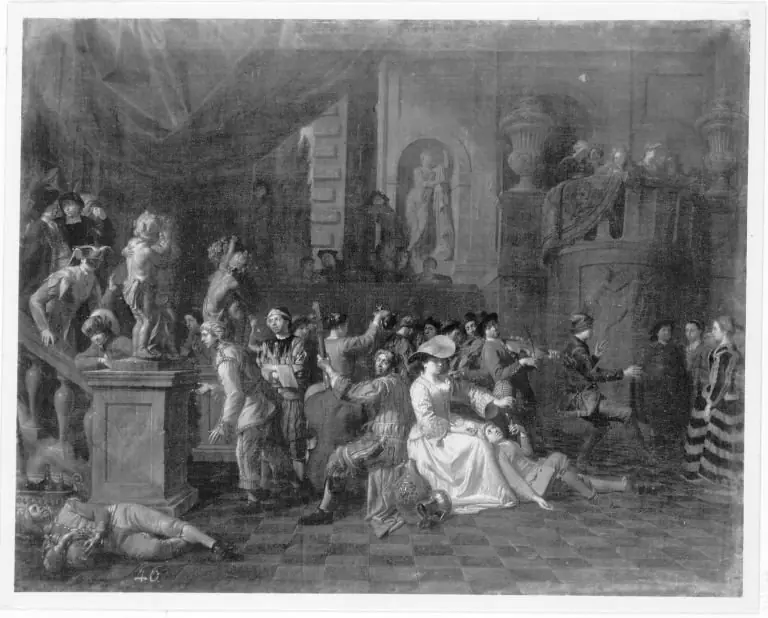 Karneval
 Le mari confesseur