Artwork
Morning. Dance of the Nymphs
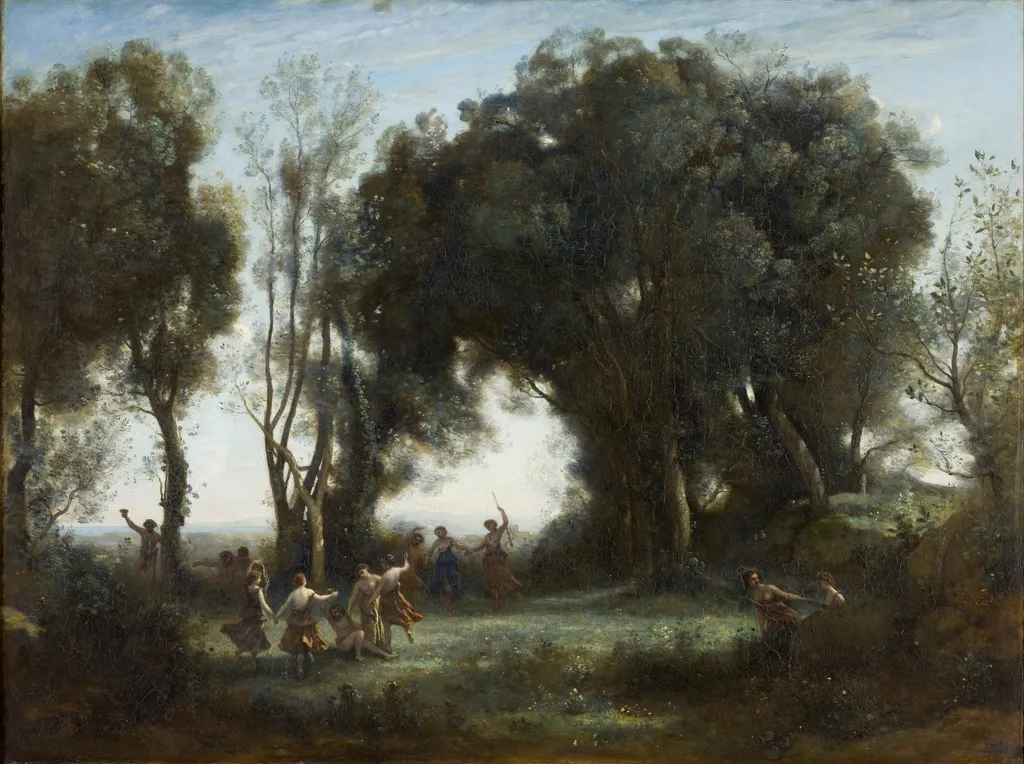
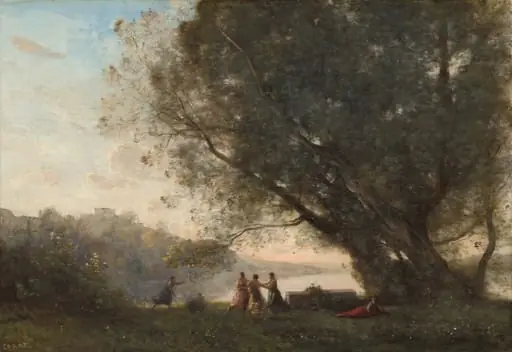
Morning. Dance of the Nymphs is an oil painting by the Barbizon school artist Jean Baptiste Camille Corot. It dates from 1850 and is held in the collection of the Musée d'Orsay. Painted around 1850 by Jean-Baptiste-Camille Corot, Morning.
About this work
Overview
It resides today in the Louvre Museum’s collection, reflecting Corot’s role in transitioning French painting toward more intimate, atmospheric scenes.
Painted around 1850 by Jean-Baptiste-Camille Corot, Morning. Dance of the Nymphs is an oil-on-canvas work that blends mythological suggestion with observed naturalism. Though rooted in the Barbizon School’s focus on rural landscapes, the piece introduces poetic figures into a forest clearing, merging the real with the imagined.
It resides today in the Louvre Museum’s collection, reflecting Corot’s role in transitioning French painting toward more intimate, atmospheric scenes.
Subject & Meaning
The painting portrays a group of figures, loosely identified as nymphs, engaged in a quiet dance amid a sun-dappled woodland. Their presence evokes classical mythology without literal narrative, suggesting an idealized moment of harmony between humans and nature. The scene conveys serenity rather than drama, inviting contemplation of fleeting beauty and the quiet rhythms of rural life, consistent with 19th-century romantic sensibilities.
Technique & Style
Corot employed soft, blended brushwork and a muted palette of greens, browns, and pale blues to create a hazy, luminous atmosphere. Light filters through the trees in diffused tones, enhancing the dreamlike quality of the scene. Unlike sharp academic rendering, his approach favors atmospheric suggestion, with forms emerging gently from the foliage, a hallmark of his evolving style that anticipated Impressionist concerns with light and mood.
History & Provenance
Created during Corot’s mature period, the painting entered the Louvre’s collection in the 19th century, likely through state acquisition or donation. Its inclusion in the national museum underscores its recognition as a significant example of Barbizon-influenced work. While little is documented about its early ownership, its presence in the Louvre confirms its status as a representative work of mid-century French landscape painting.
Context
In the mid-1800s, French artists increasingly turned away from historical and mythological grandeur toward intimate, observed nature. The Barbizon School, of which Corot was a central figure, championed painting outdoors and capturing subtle shifts in light and mood. Morning.
Dance of the Nymphs reflects this shift, embedding mythic undertones within a realist framework, aligning with broader cultural interests in nature as a spiritual refuge.
Legacy
Though not among Corot’s most widely reproduced works, Morning. Dance of the Nymphs exemplifies his unique synthesis of classical allusion and natural observation. Its quiet lyricism influenced later artists seeking emotional resonance in landscape, contributing to the development of Impressionism. The painting remains a quiet testament to Corot’s ability to infuse the ordinary with poetic stillness.
Own this work as a print
Artist & collection
Artist
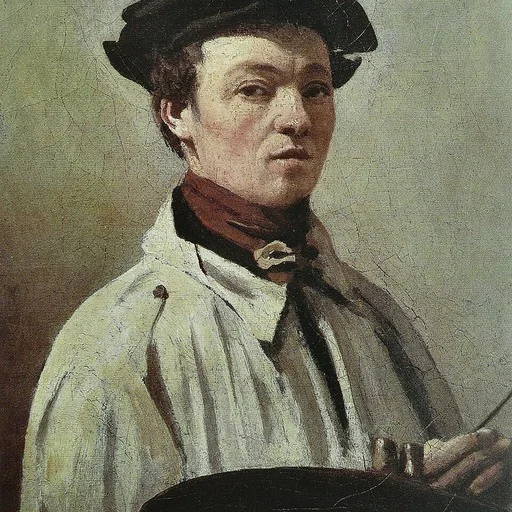
Jean-Baptiste-Camille Corot (UK: KORR-oh, US: kə-ROH, kor-OH; French:; 16 July 1796 – 22 February 1875), or simply Camille Corot, was a French landscape and portrait painter as well as a printmaker in etching.

 Dance under the Trees at the Edge of the Lake
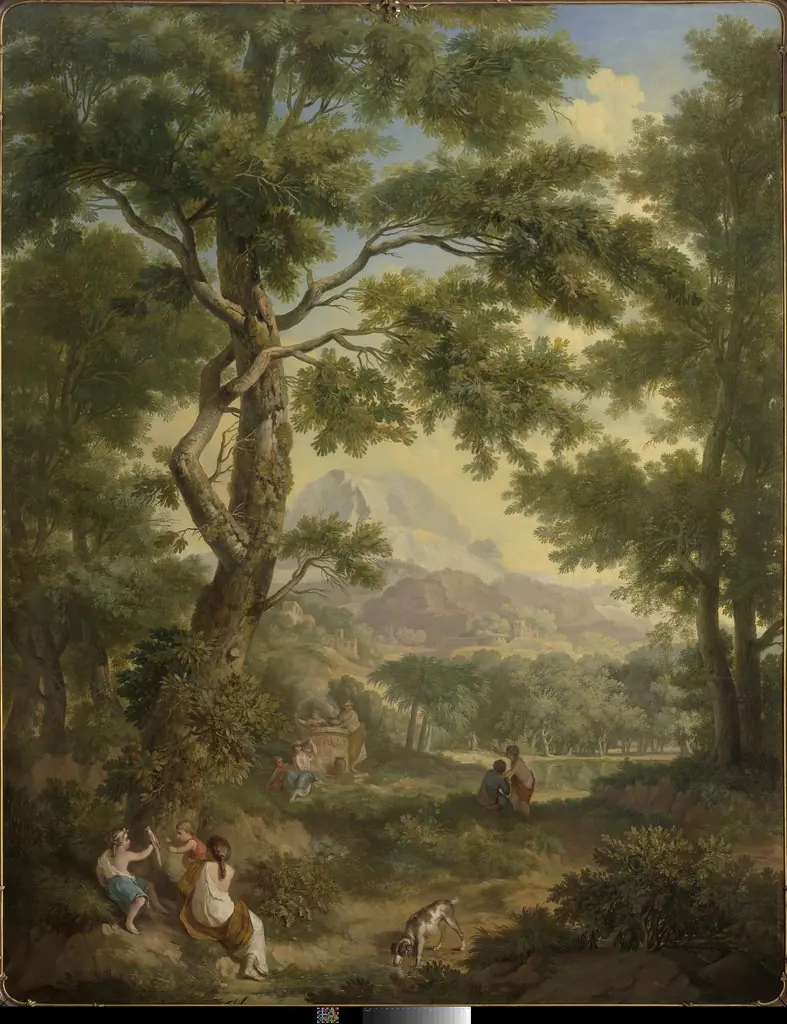 Arcadisch landschap met linksvoor kinderen met een vogel en een hond
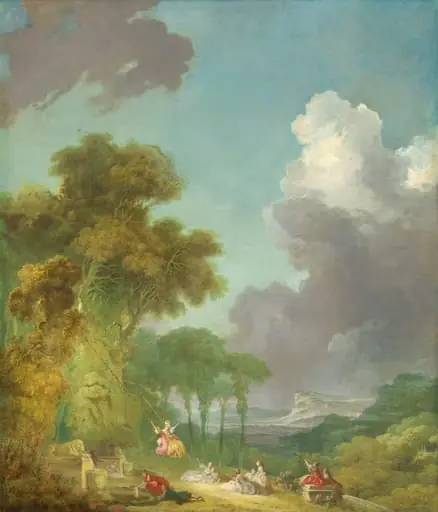 The Swing
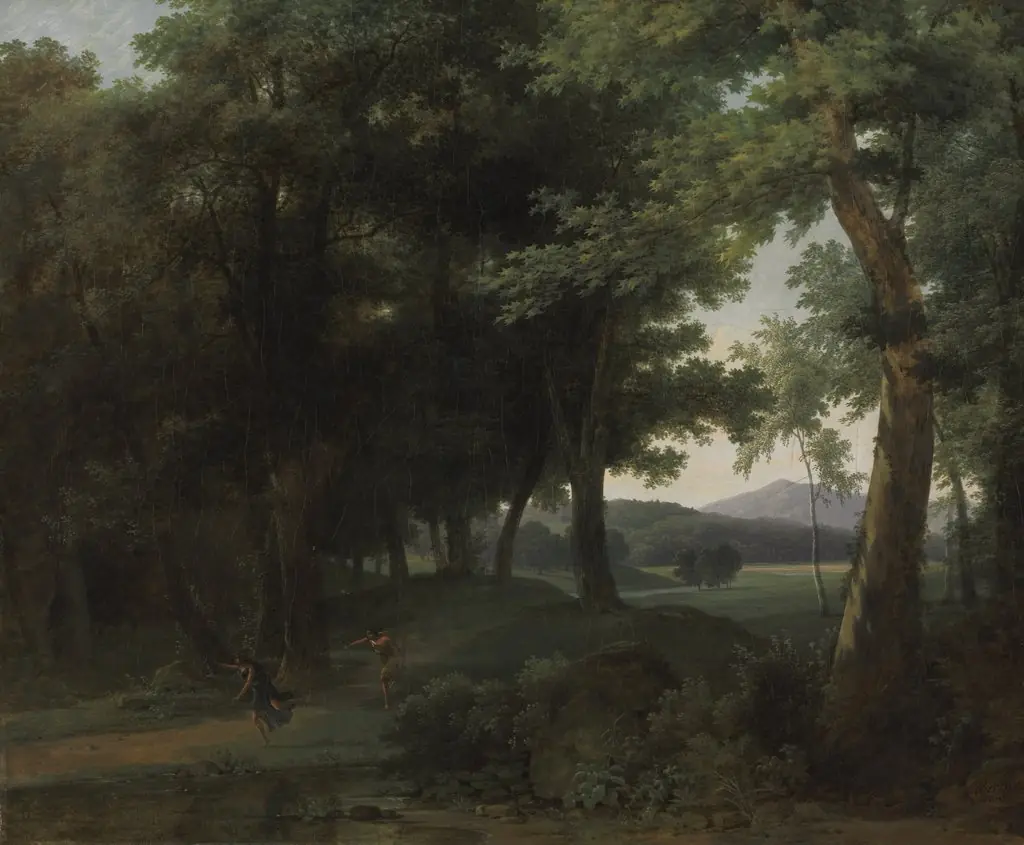 A Forest with Apollo and Daphne
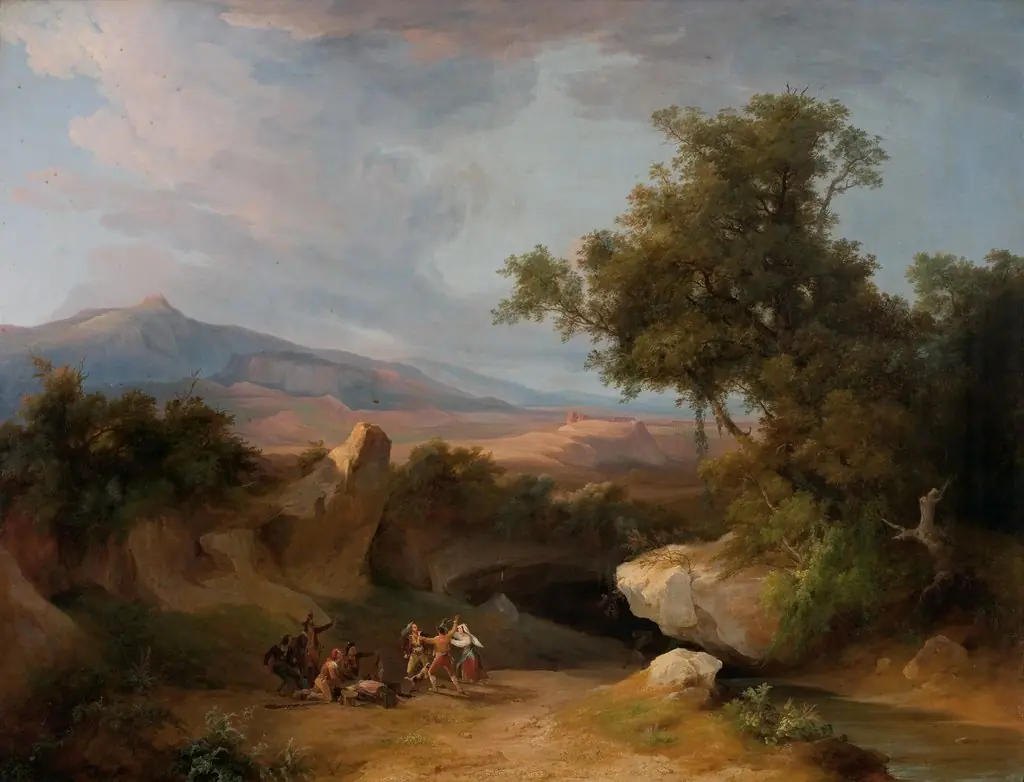 Bandits in Romagna
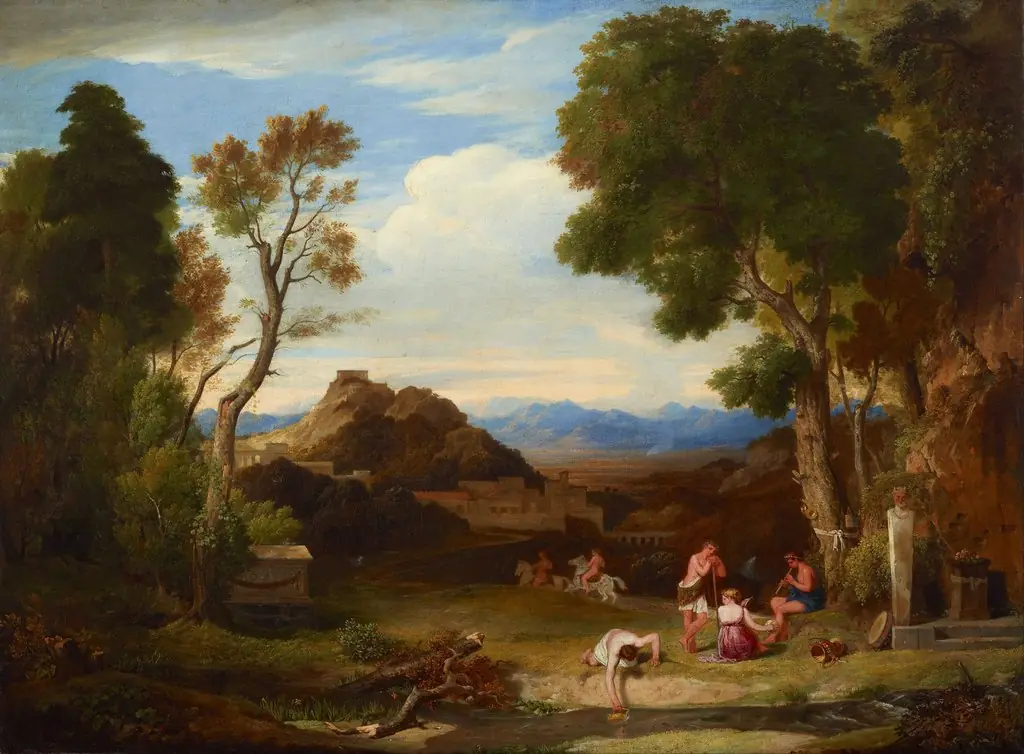 An antique rural scene
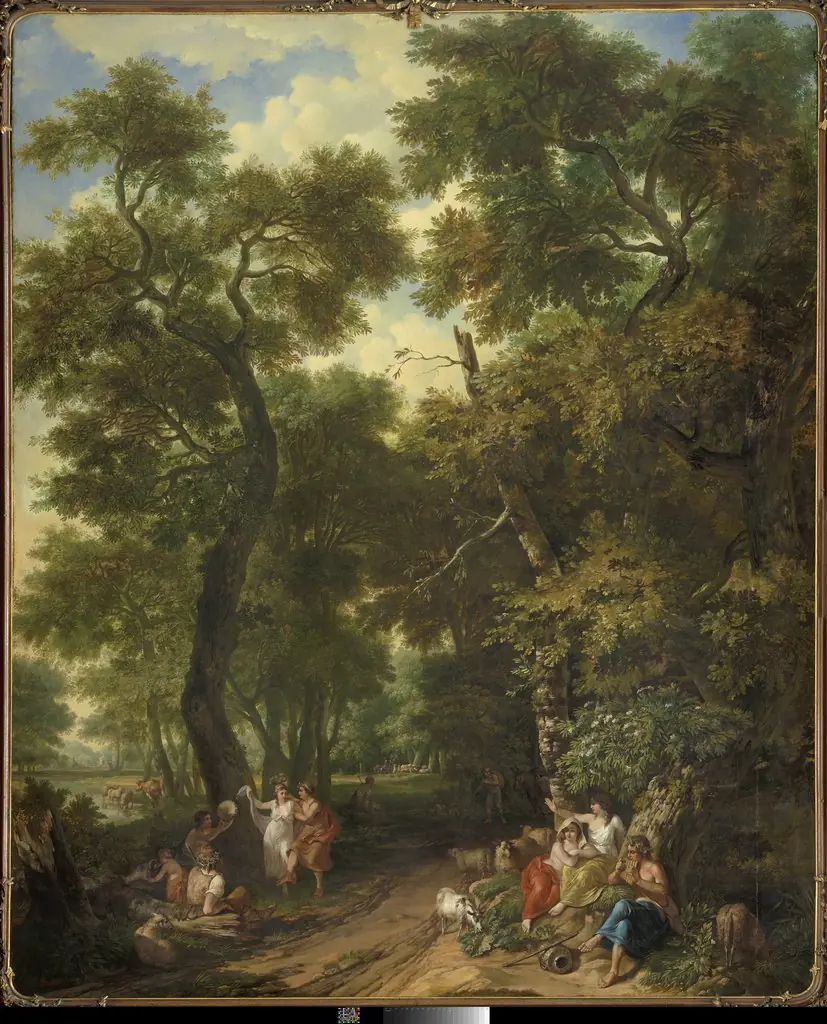 Arcadisch landschap met musicerende en dansende herders
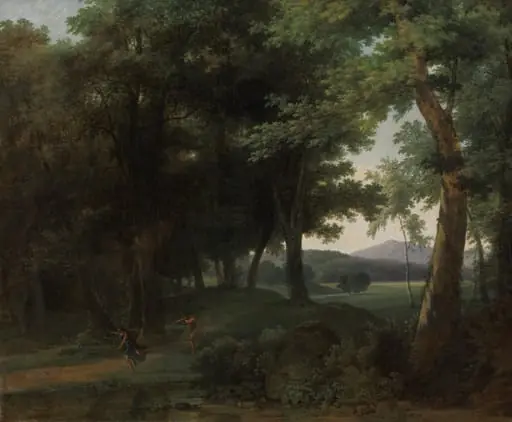 A Forest with Apollo and Daphne
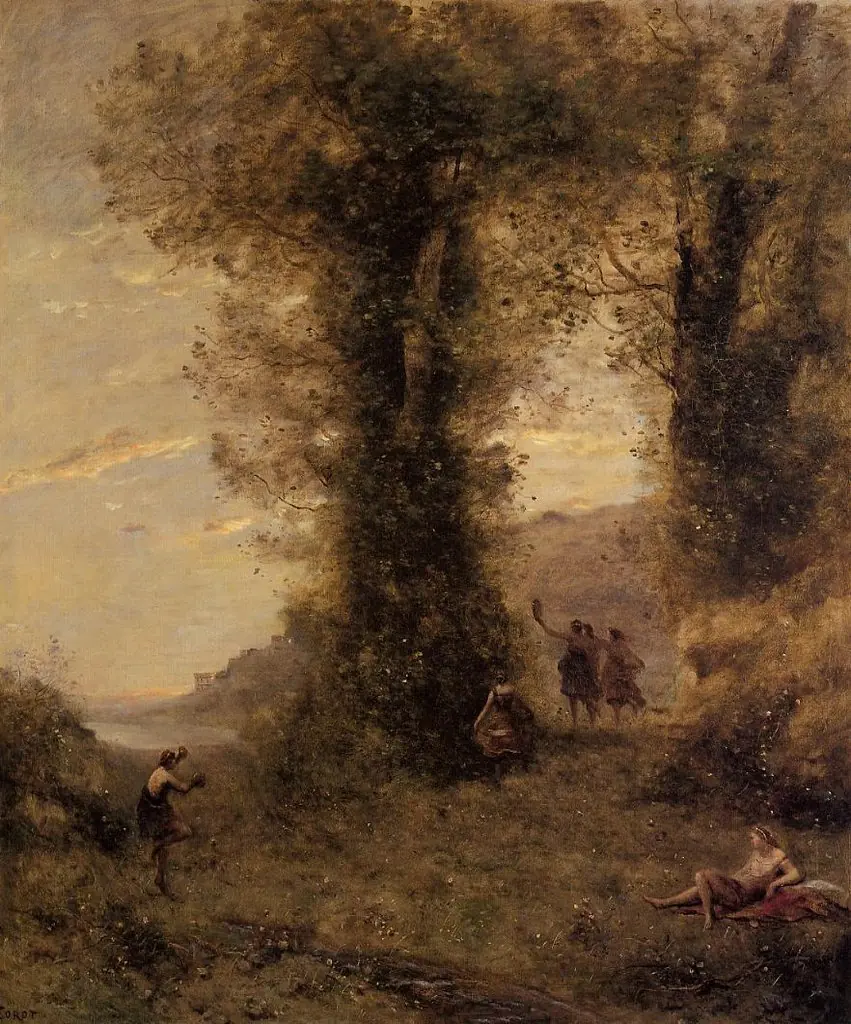 Pastorale
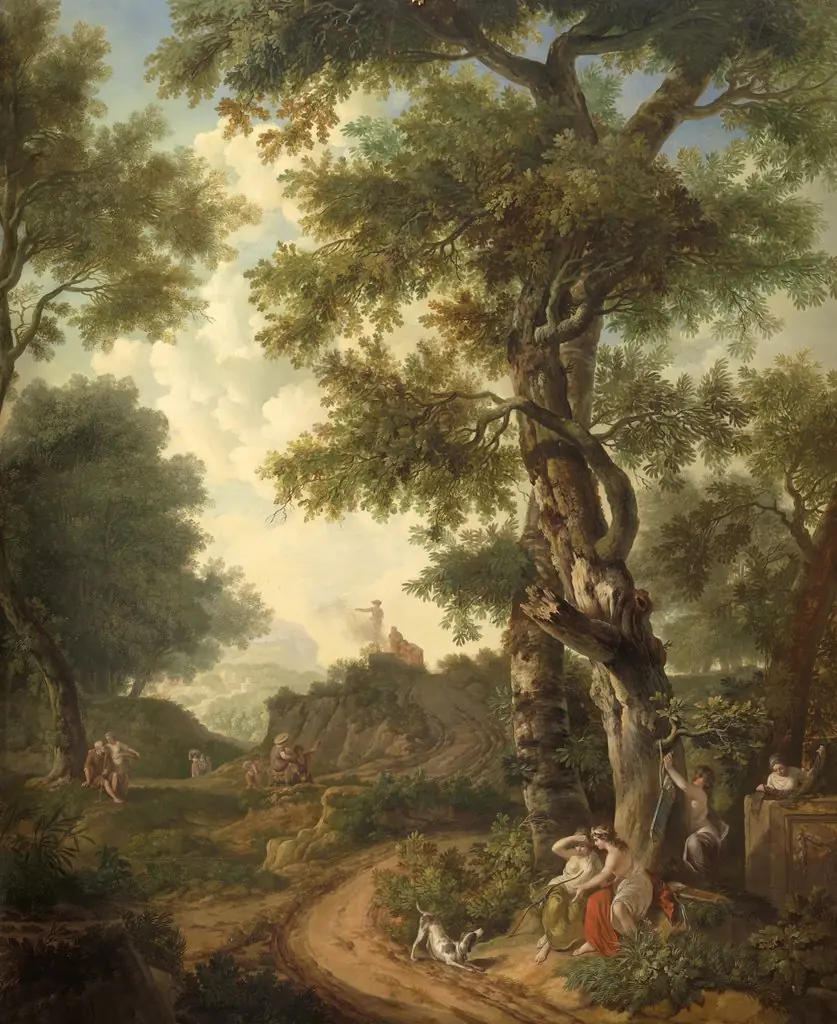 Arcadisch landschap met reizigers
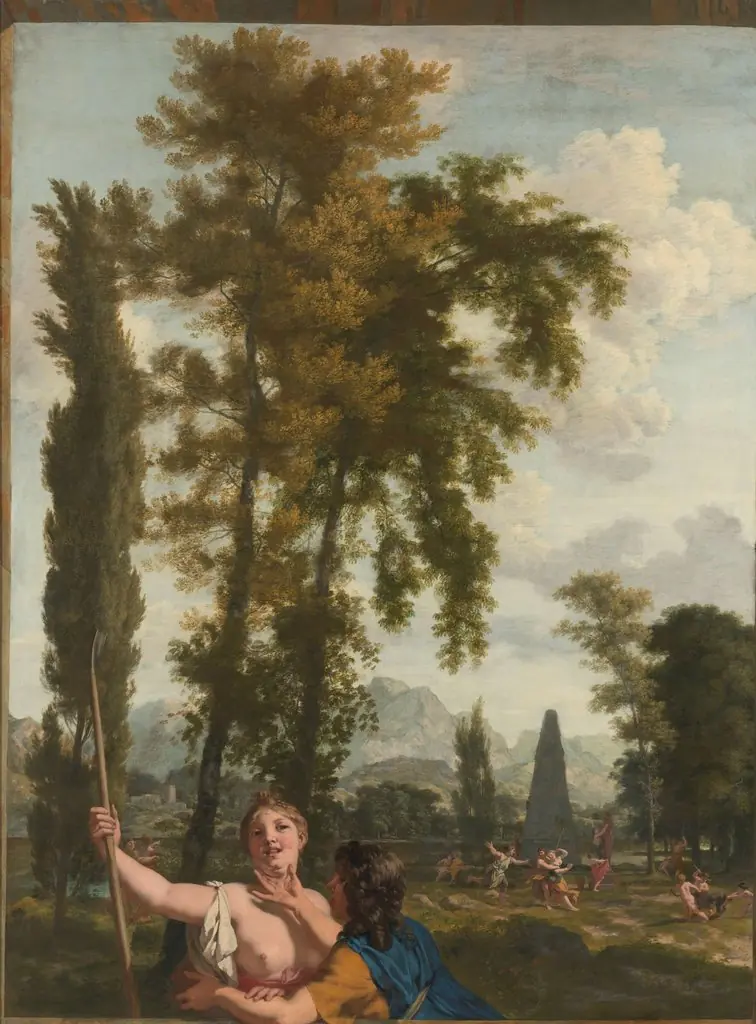 Italian landscape with shepherd and shepherdess
- Morning