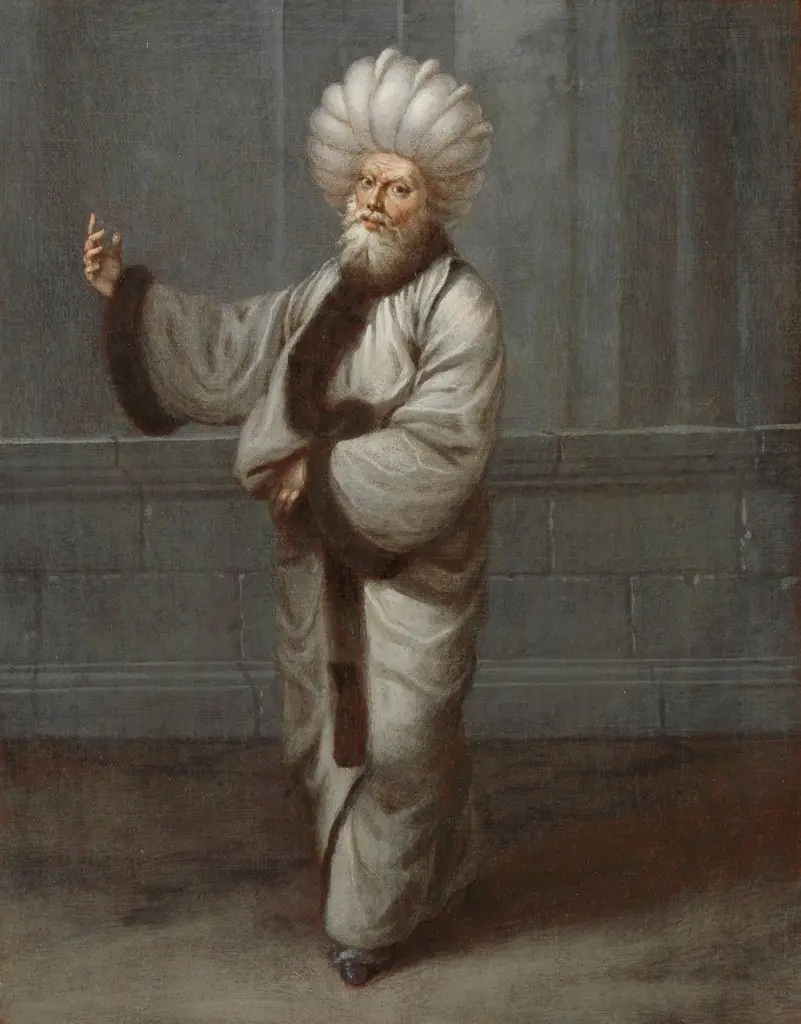
Artwork
Dervish
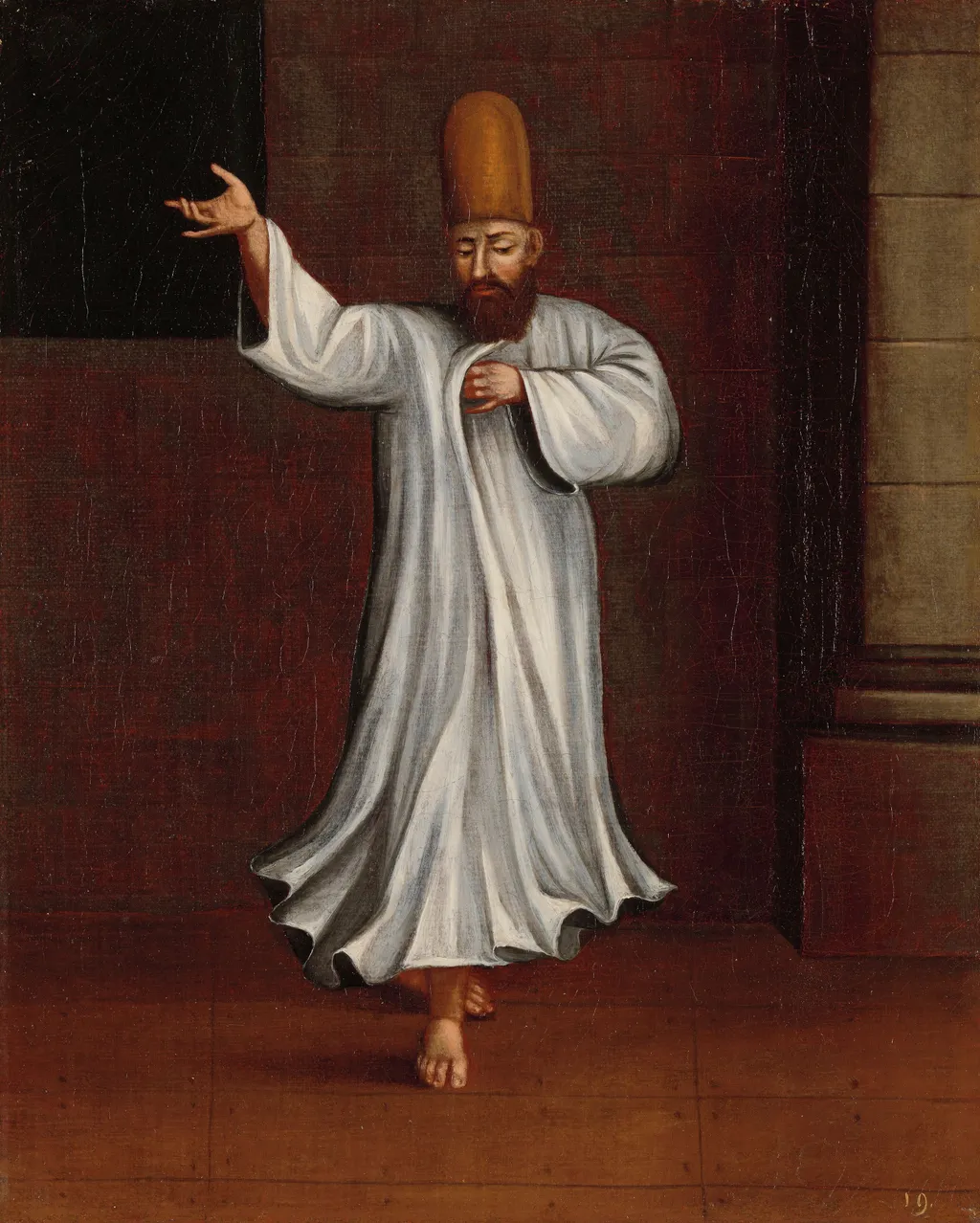
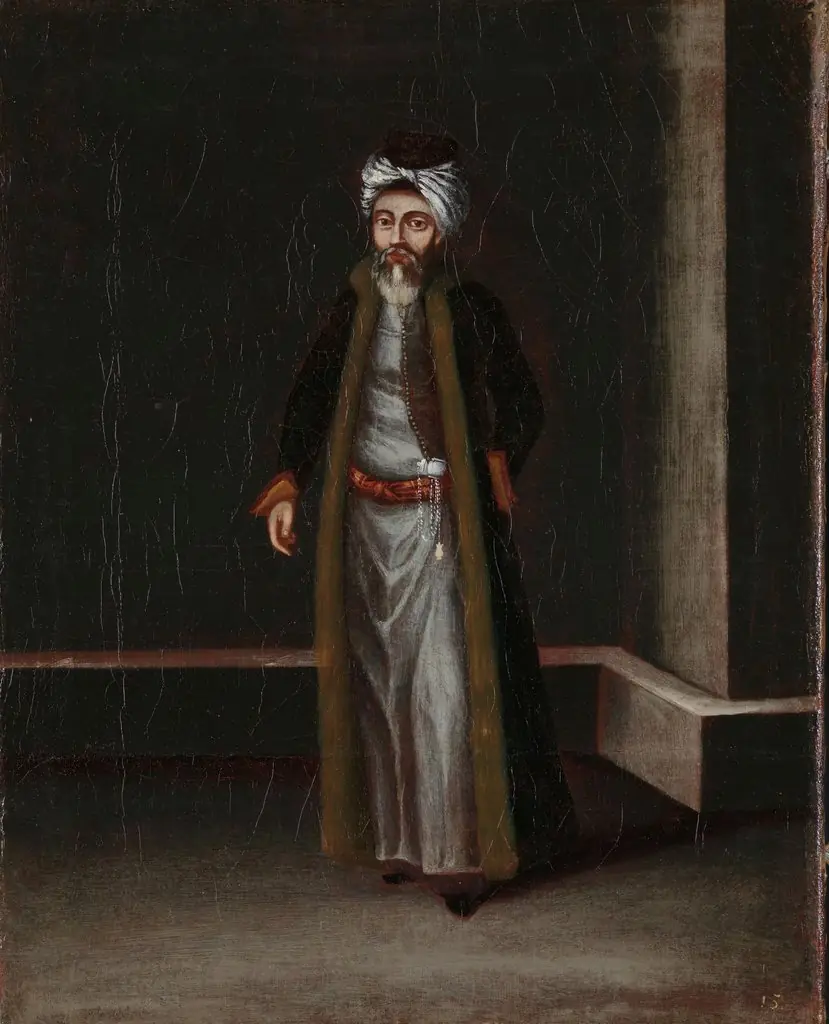
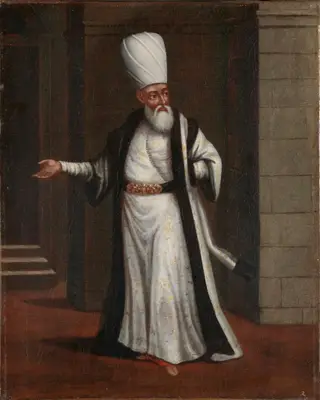
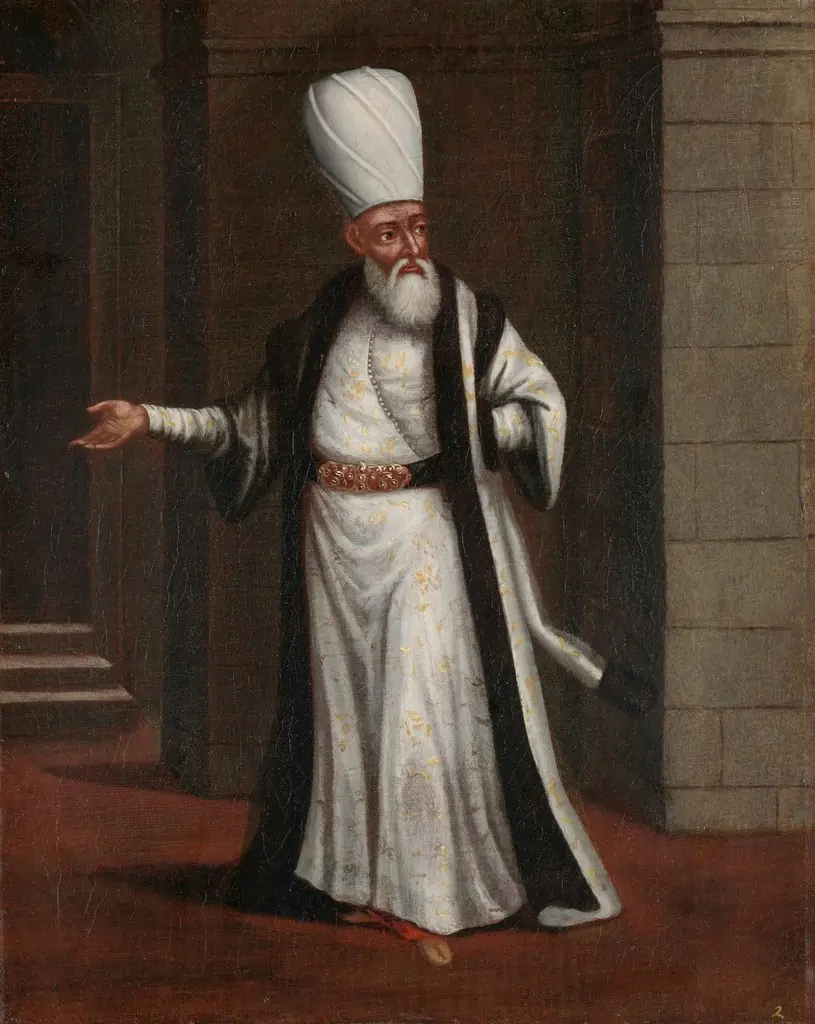
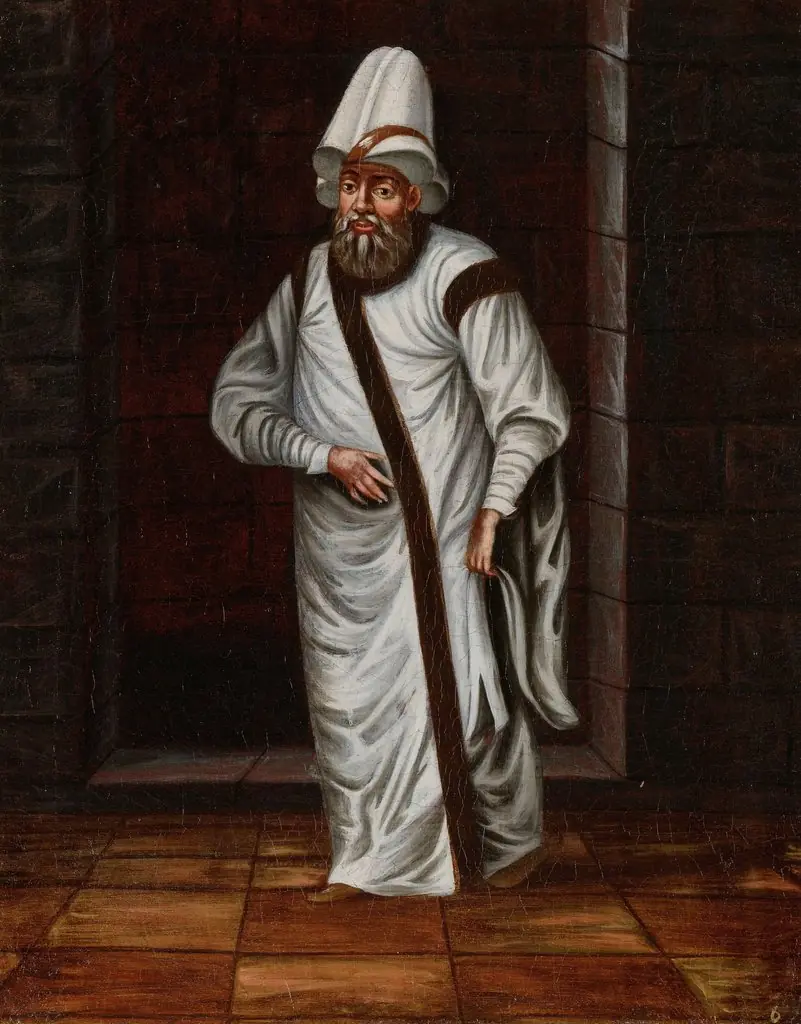
Dervish is an oil painting by the Rococo painting artist Jean Baptiste Vanmour. It dates from 1718 and is held in the collection of the Rijksmuseum.
About this work
Subject & Meaning
As a portrait of a dervish, the work serves as ethnographic documentation of Sufi religious identity within early eighteenth-century Ottoman society.
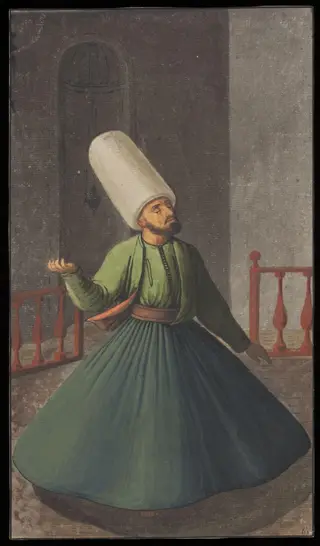
The painting portrays a dervish, a member of a Sufi Islamic religious order known for practices of mysticism, ritual dance, and devotion. Classified as a portrait, the work is dated 1718 and was produced in Istanbul, situating the subject within the Ottoman cultural milieu that Vanmour observed during his residence in the city. The canvas, measuring 39.5 by 31.5 cm, depicts the figure in oil paint and reflects Vanmour's documented interest in recording the costumes, customs, and religious life of the Ottoman Empire for his European patrons.
As a portrait of a dervish, the work serves as ethnographic documentation of Sufi religious identity within early eighteenth-century Ottoman society.
Technique & Style
The painting is executed in oil on canvas, measuring 39.5 cm in height and 31.5 cm in width. It portrays a dervish figure rendered with the characteristic brushwork of early 18th-century portraiture, reflecting Vanmour's engagement with Ottoman subjects during his time in Istanbul. The work was created in 1718 and is part of the Rijksmuseum's collection, which holds it on behalf of the Directie van de Levantse handel en de Navigatie op de Middellandse Zee, Koninklijk Kabinet van Zeldzaamheden, and the Netherlands Institute of History and Art.
History & Provenance
Dervish is an oil painting on canvas created in 1718 by Jean Baptiste Vanmour, commissioned by the Dutch consul Cornelis Calkoen during his posting in Istanbul, reflecting the European fascination with Ottoman dervishes in the early 18th century. The work entered the collection of the Dutch consul family, remaining within the Calkoen lineage before being acquired by the Rijksmuseum, where it is presently housed. Its dimensions measure 39.5 cm in height by 31.5 cm in width, and it depicts a dervish figure, a subject Vanmour rendered multiple times while documenting Ottoman court life.
The painting's provenance traces from its original patronage by Cornelis Calkoen, through successive ownership within the Calkoen family, to its formal accession by the Rijksmuseum, establishing a clear chain of ownership from private diplomatic circles to a national museum collection.
The painting is held in the collection of the Rijksmuseum in Amsterdam. According to the Wikidata record, the work passed through several institutional hands prior to its current location, including the Directie van de Levantse handel en de Navigatie op de Middellandse Zee, the Koninklijk Kabinet van Zeldzaamheden, and the Nederlandsch Museum voor Geschiedenis en Kunst. Earlier in its provenance, the canvas was owned by Cornelis Calkoen and Nicolaas Calkoen. No accession number or exhibition history is documented in the available sources.
Legacy
The painting Dervish by Jean Baptiste Vanmour, created in 1718, has been recognized as an influential portrait within the study of Ottoman-European artistic exchange. Its depiction of a dervish in Istanbul contributed to early representations of Sufi figures in Western collections, shaping scholarly and curatorial interest in cross-cultural portraiture. The work is part of the Rijksmuseum's holdings and continues to be referenced in analyses of 18th-century diplomatic art and Orientalist visual narratives.
Overview
Jean Baptiste Van Mour, a painter of Flemish origin who worked in France, completed the oil painting Dervish in 1718. The work presents a solitary figure in a simple interior, rendered with the careful observation typical of Van Mour’s depictions of Ottoman subjects during the early eighteenth‑century Tulip Era. It is currently part of the Rijksmuseum’s collection.
Own this work as a print
Artist & collection
Artist
Jean Baptiste Vanmour or Van Mour (9 January 1671 – 22 January 1737) was a Flemish-French painter, remembered for his detailed portrayal of life in the Ottoman Empire during the Tulip Era and the rule of Sultan Ahmed III.

![An Armenian[?]](https://artifactworldgallery.com/img/an-armenian--8a9ee8f2d8733d94-w320.webp)