Artwork
Venus and Cupid
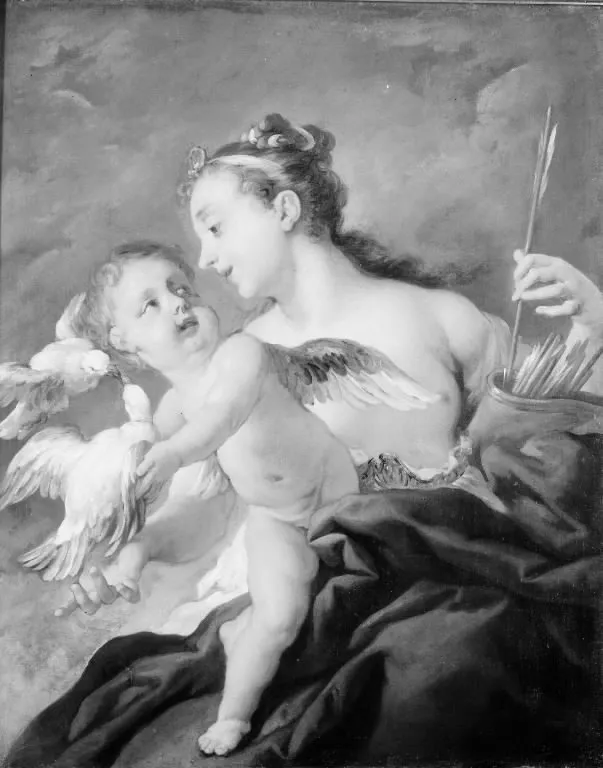
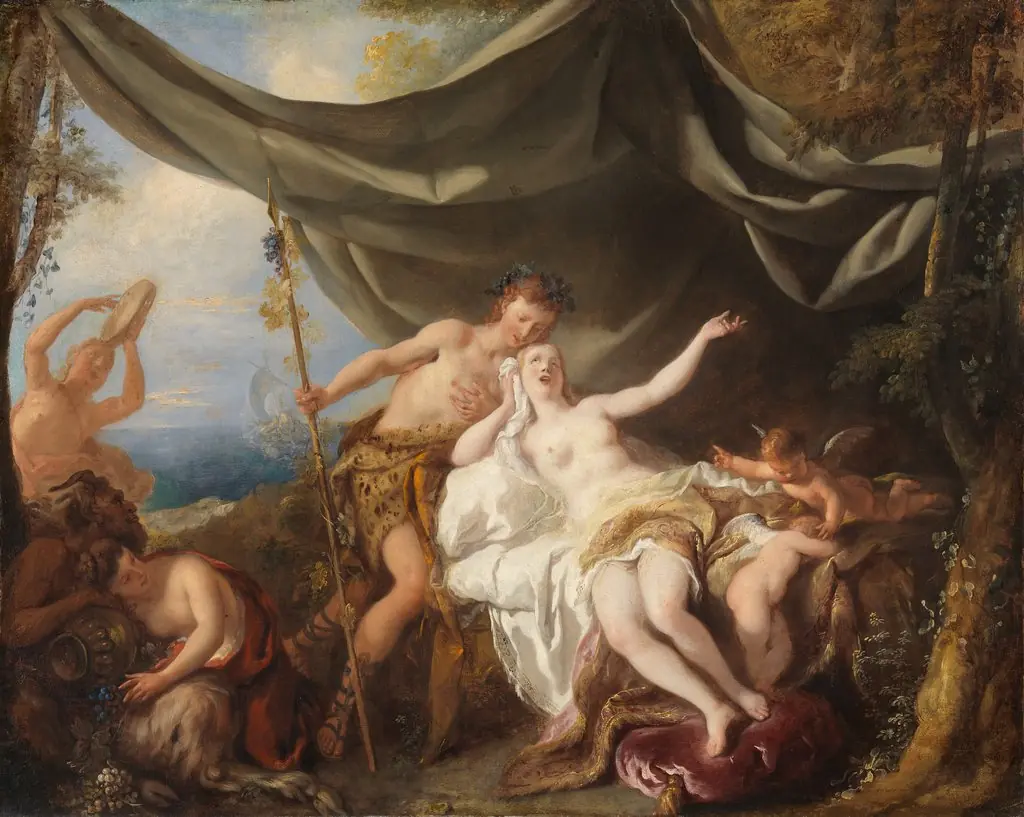
Venus and Cupid is an oil painting by the Rococo painting artist Jean-François de Troy. It dates from 1723 and is held in the collection of the Statens Museum for Kunst.
About this work
Subject & Meaning
The work serves as a visual representation of these ancient narratives, rendered in the artistic style of early eighteenth-century France.
Jean-François de Troy's 1723 oil painting depicts the Roman goddess Venus alongside her son, Cupid. As a work of mythological genre, the composition focuses on these two deities as its primary subjects. The imagery draws upon classical traditions where Venus represents love and beauty, while Cupid symbolizes desire and attraction.
The presence of both figures together typically signifies the intimate bond between mother and child within the pantheon, as well as the dual nature of love as both a nurturing and a compelling force. The work serves as a visual representation of these ancient narratives, rendered in the artistic style of early eighteenth-century France.
Technique & Style
Jean-François de Troy executed Venus and Cupid in 1723 using oil paint applied to a canvas support. The work measures 90.5 cm in height and 75.0 cm in width, presenting a mythological composition centered on the goddess Venus. As an oil-on-canvas painting from the early 18th century, the piece adheres to the formal conventions of mythological genre painting, utilizing the medium's capacity for rich color and detailed rendering typical of the artist's period.
History & Provenance
Jean-François de Troy painted Venus and Cupid in 1723, depicting the mythological scene of Venus and Cupid in oil on canvas. The work measures 905 cm in height and 750 cm in width and is part of the collection at the Statens Museum for Kunst. It is classified as a mythological painting within the broader tradition of French Rococo art. The painting's creation aligns with the early 18th-century fascination with classical mythology rendered in decorative, sensual compositions.
Venus and Cupid by Jean-François de Troy is held in the collection of the Statens Museum for Kunst in Denmark. The painting, executed in oil on canvas in 1723, is part of the museum's holdings of mythological works.
No specific inventory or accession number, nor any documented exhibition history, is provided in the available sources.
Overview
Jean-François de Troy’s oil painting Venus and Cupid dates from 1723 and is held by the Statens Museum for Kunst. Executed in the Rococo style, the work presents a mythological scene that also functions as a genre picture, focusing on an intimate interaction between the goddess and her son.
Context
While de Troy is chiefly remembered for history paintings and decorative commissions, Venus and Cupid illustrates his ability to blend mythological narrative with the lighthearted intimacy favored by Rococo patrons. The work aligns with the era’s fascination with sensuality tempered by elegance.

Artist & collection

Artist
Jean-François de Troy (27 January 1679, Paris – 26 January 1752, Rome) was a French Rococo easel and fresco painter, draughtsman and tapestry designer.


- Venus and Cupid
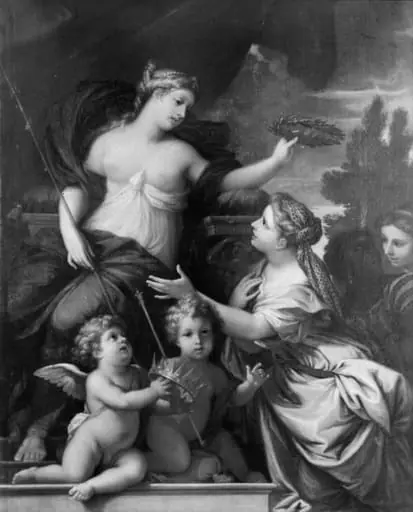 Queen Christina Crowned with Laurels by Wisdom
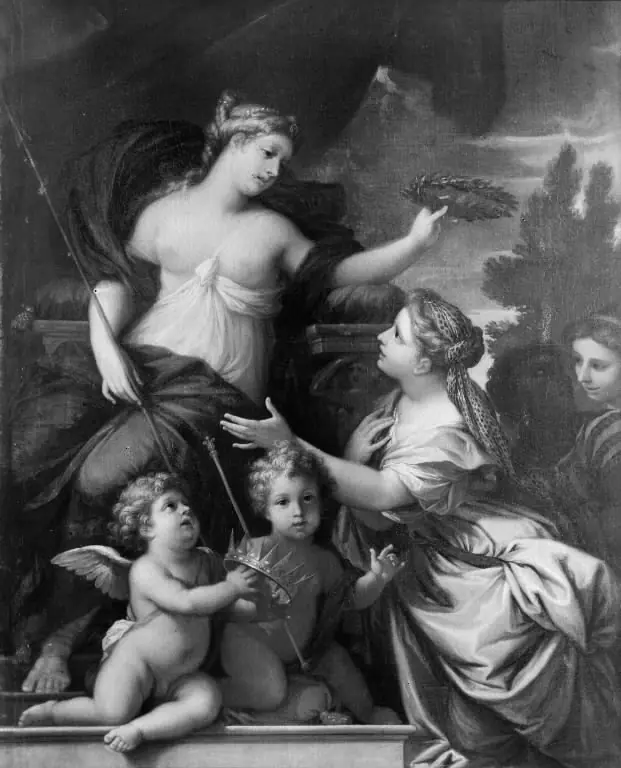 Queen Christina Crowned with Laurels by Wisdom
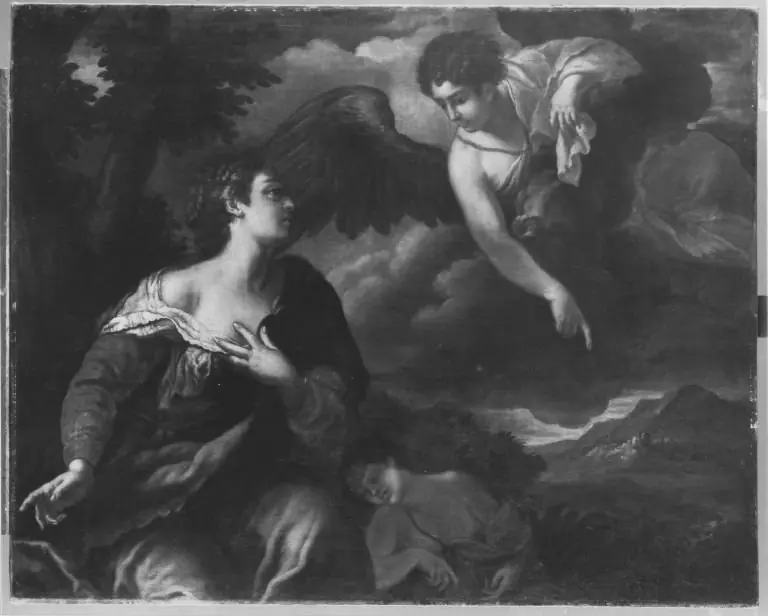 Hagar und Ismael
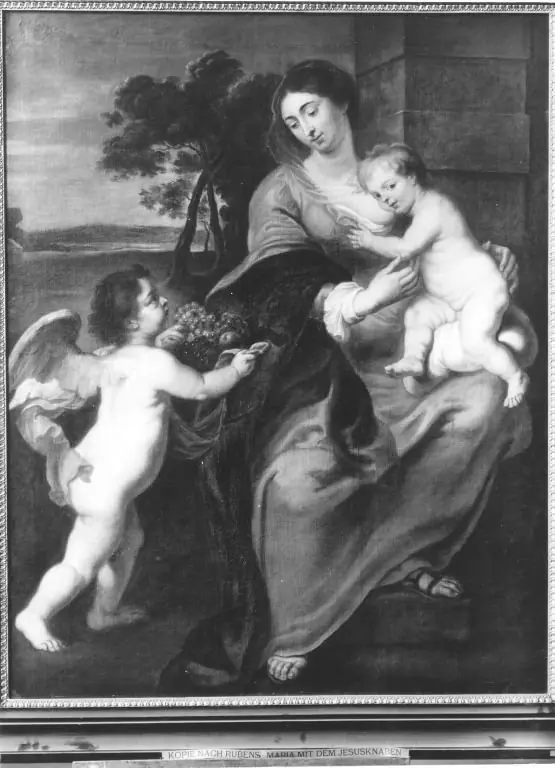 Maria mit Christuskind und einem Engel (Nachfolger)
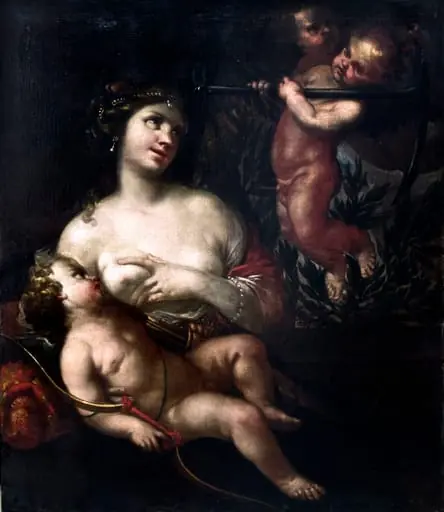 Venus Lactans
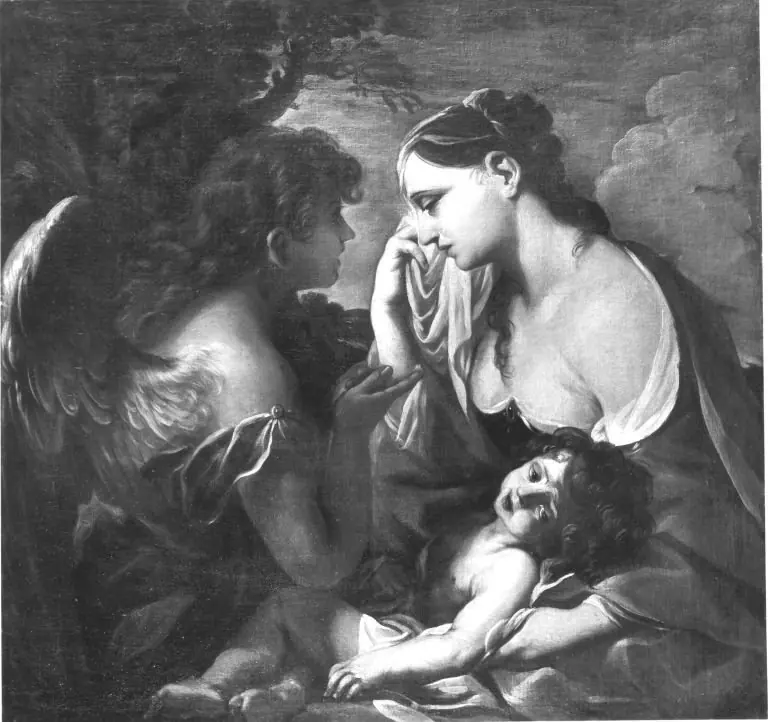 Hagar und Ismael (?)
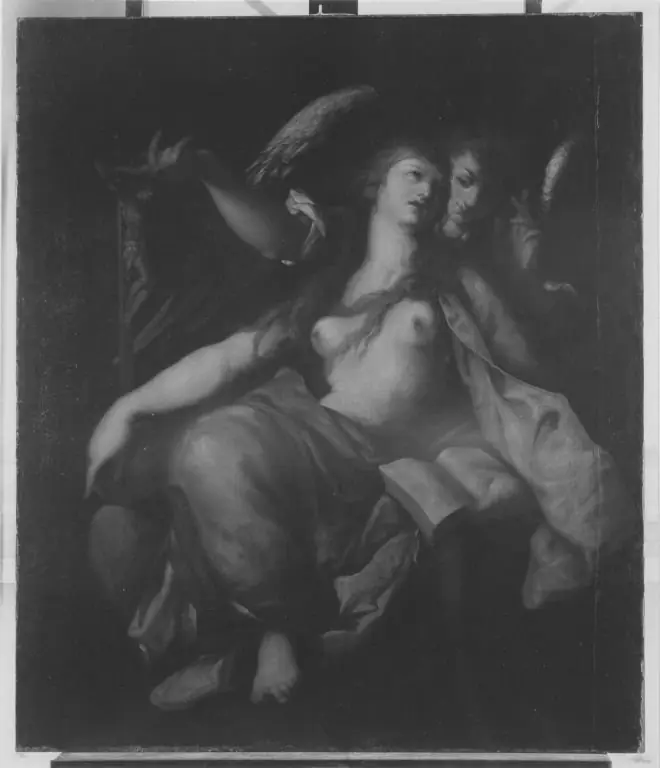 Die hl. Maria Magdalena (?)
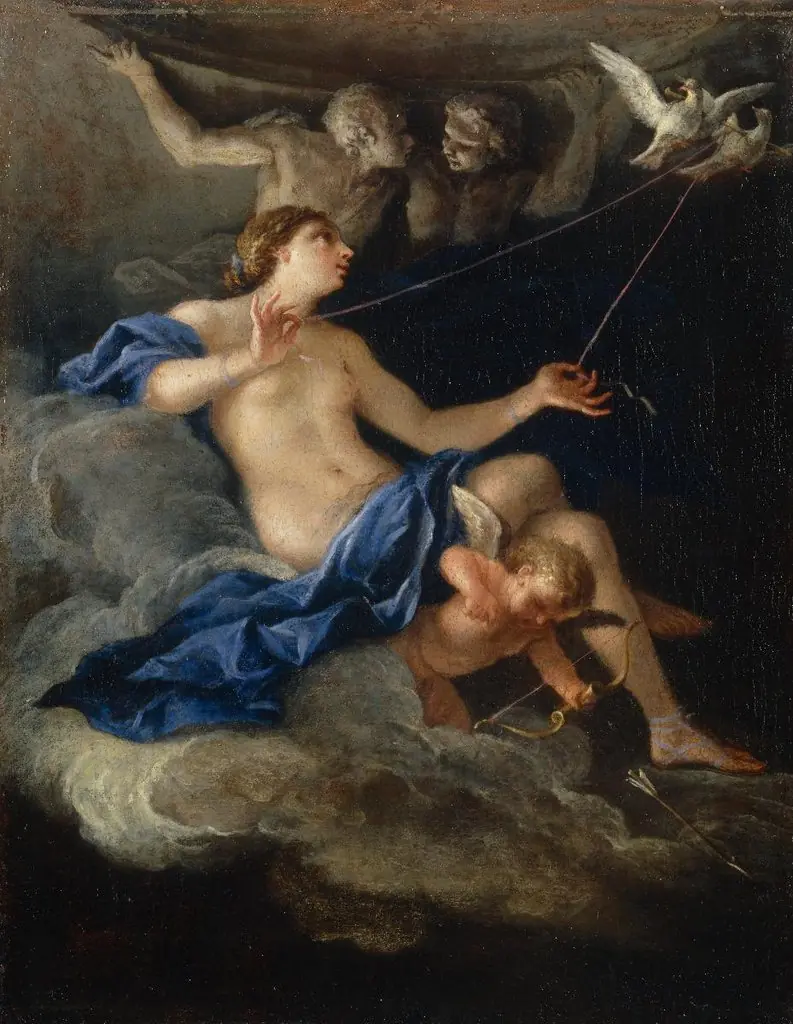 Venere e Amore nel segno dei Gemelli
 Sappho and Cupid
 allegory on the dew
 Venus and Amor