Artwork
Thomas Witter
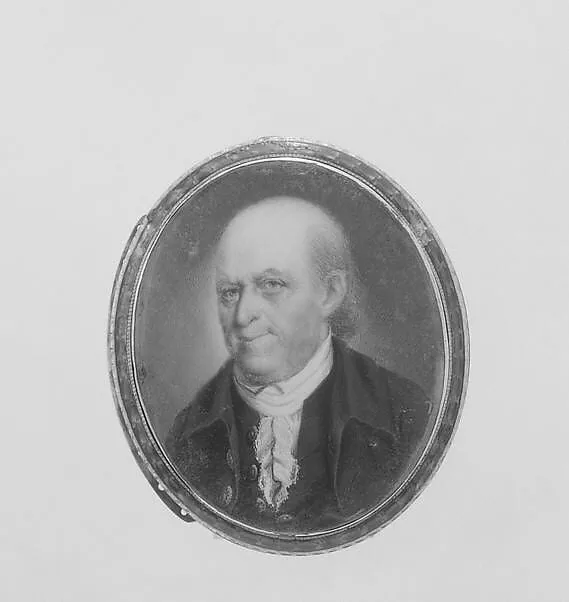
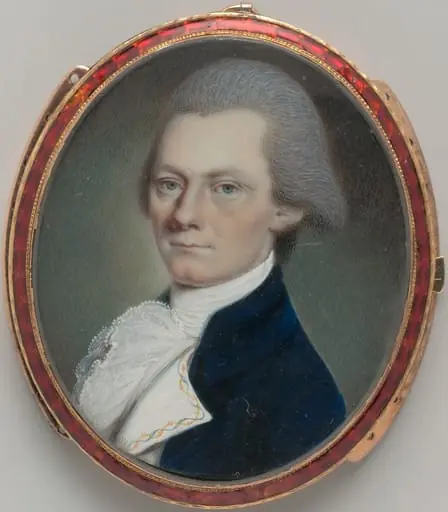
Thomas Witter is a watercolor painting by the Rococo painting artist John Ramage. It dates from 1786 and is held in the collection of the Metropolitan Museum of Art.
About this work
Technique & Style
5 cm in width, further underscores its function as a portable, intimate likeness.
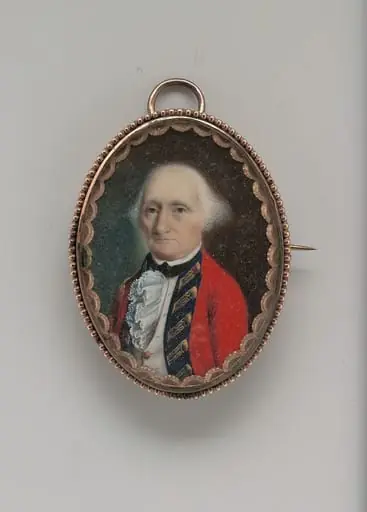
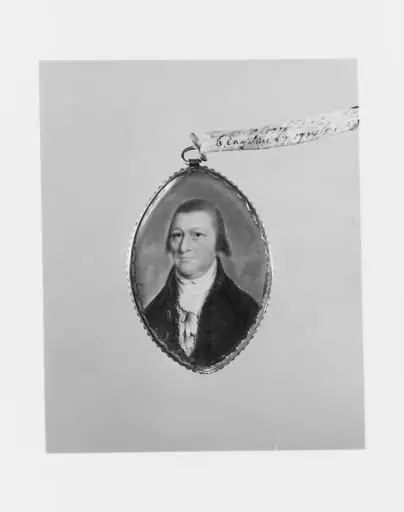
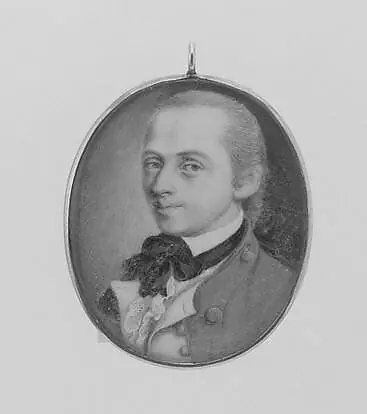
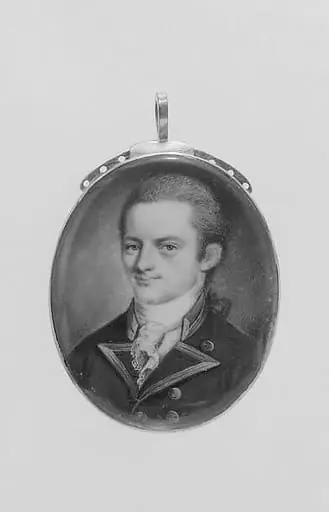
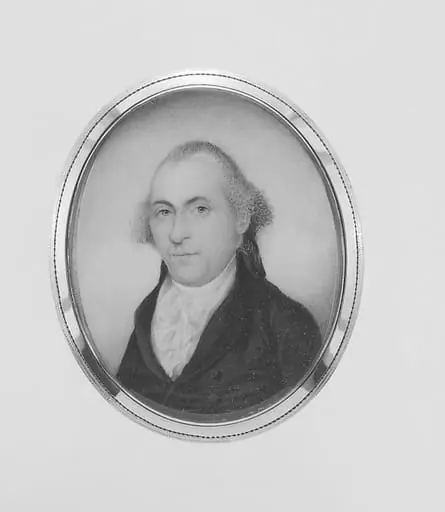
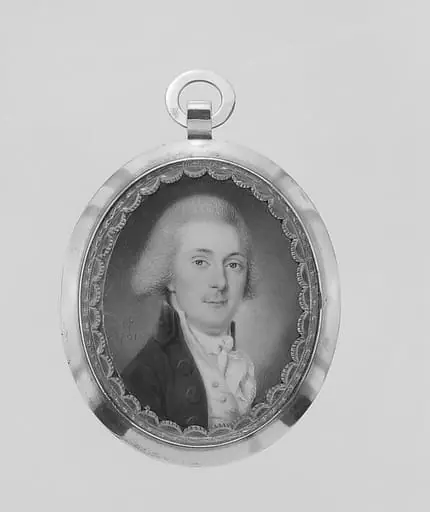
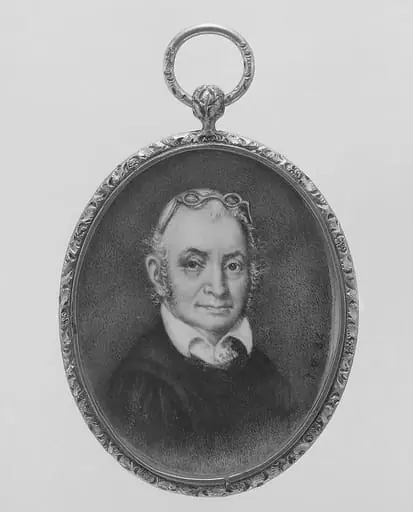
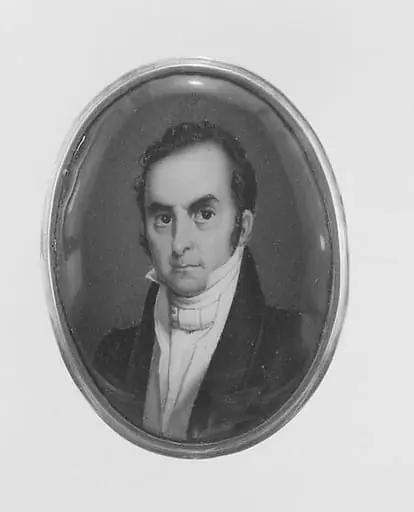
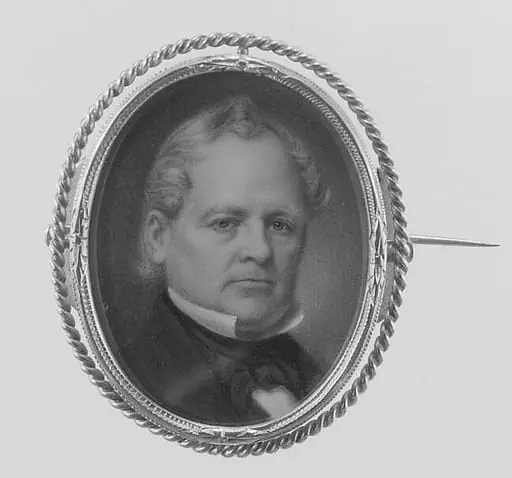
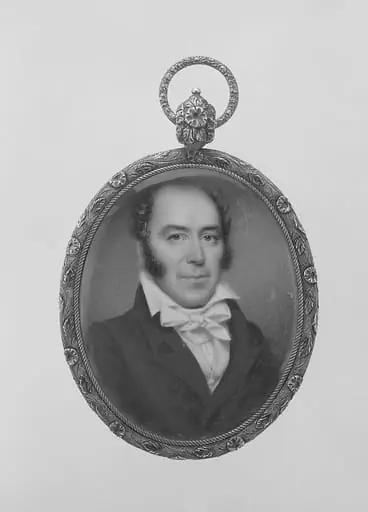
Thomas Witter is depicted in a miniature portrait executed in watercolor on ivory, a technique favored in late-eighteenth-century America for its precision and luminosity. The work, painted by John Ramage in 1786, exemplifies the formal qualities of the period, emphasizing delicate modeling and fine detail to convey the sitter's likeness. The composition is restrained, with a focus on the subject's facial features against a neutral background, reflecting the stylistic conventions of portrait miniatures of the time.
The small scale, measuring 4.3 cm in height and 3.5 cm in width, further underscores its function as a portable, intimate likeness.
History & Provenance
Thomas Witter is held by the Metropolitan Museum of Art, where it is classified under The American Wing. The watercolor on ivory is part of the museum's collection. No specific accession number is listed in the available sources, and the sources do not document any exhibition history for the portrait.
Overview
John Ramage's Thomas Witter, painted around 1786, is a watercolor portrait miniature on ivory. This small-scale work exemplifies the Rococo aesthetic, known for its delicate and refined qualities. The piece depicts a formally dressed man, whose identity is conventionally associated with the title, though specific details remain unconfirmed.
Such miniatures were popular in the late 18th century as intimate, portable objects within the American Wing's collection.
Subject & Meaning
The miniature presents a man in a dark coat, his gaze directed forward with a calm yet attentive expression. His powdered white hair frames a softly lit face, conveying a sense of composure. While titled Thomas Witter, the precise identity of the sitter is not definitively documented.
Portrait miniatures like this served as personal mementos, often exchanged or worn, offering a private connection to the subject in an era before photography.
Context
As an Irish American artist and goldsmith, John Ramage was a prominent practitioner of portrait miniatures in the nascent United States. He was particularly recognized for his ability to capture individual likenesses on a small scale, notably creating an early portrait of George Washington. Miniatures like Thomas Witter were integral to social customs, serving as cherished personal keepsakes and visual records of individuals within early American society.
Artist & collection

Artist
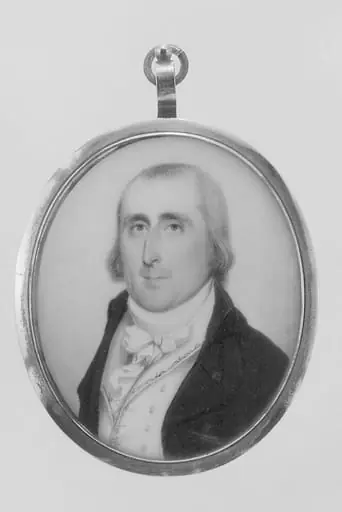
John Ramage (1748 – 24 October 1802) was an Irish American artist, goldsmith, patroller, and second lieutenant.