Artwork
Queen Mab's Cave
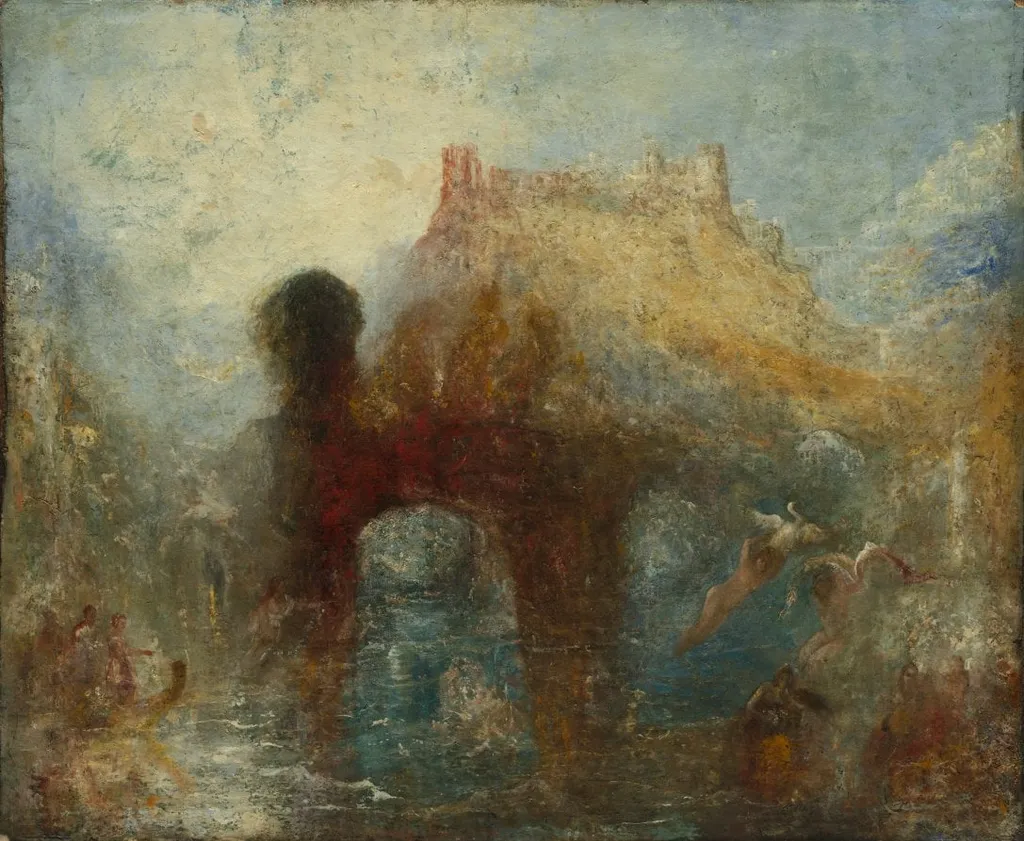
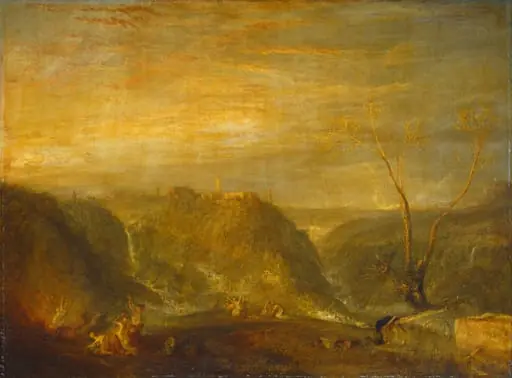
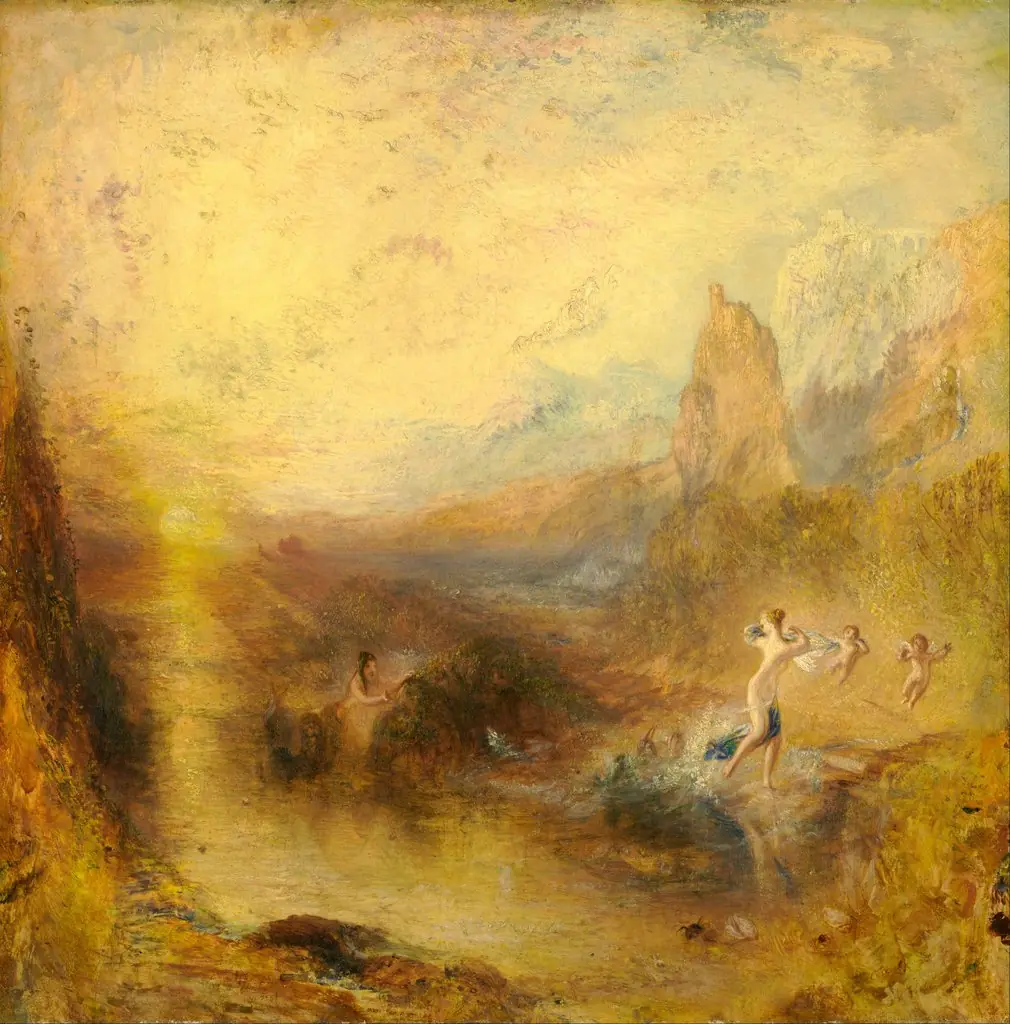
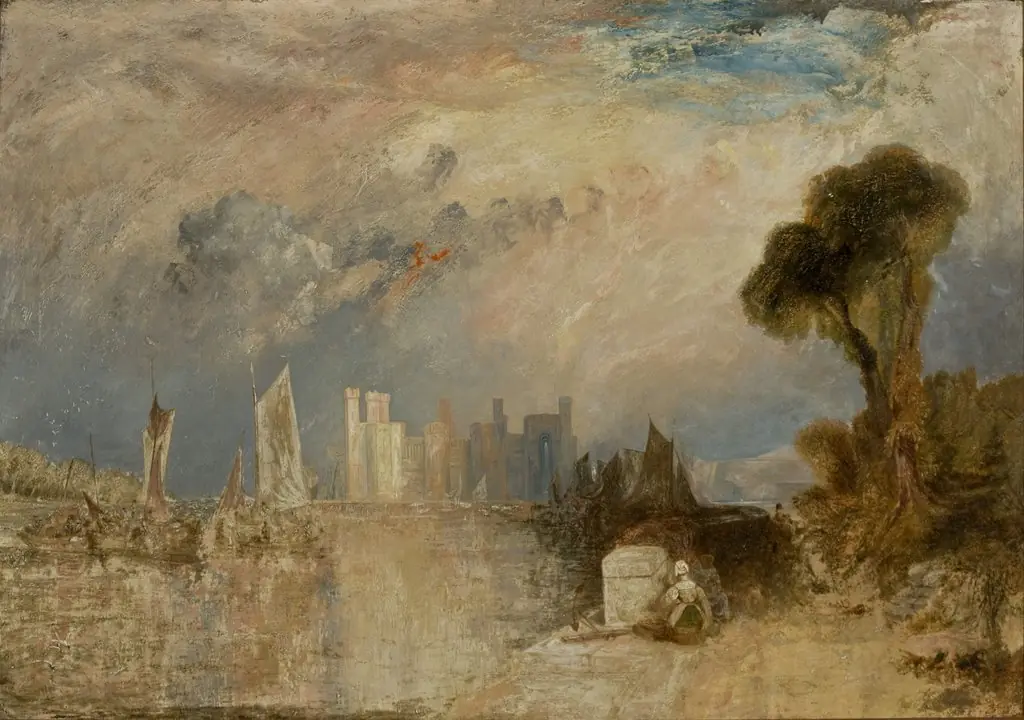
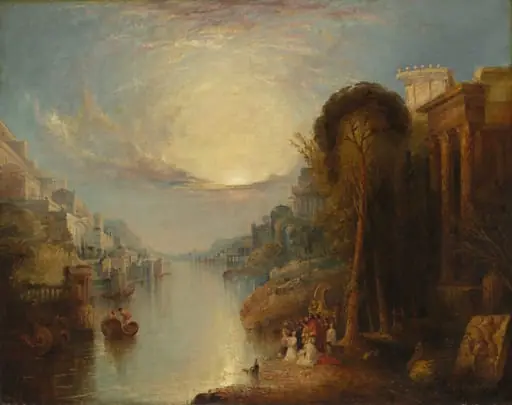
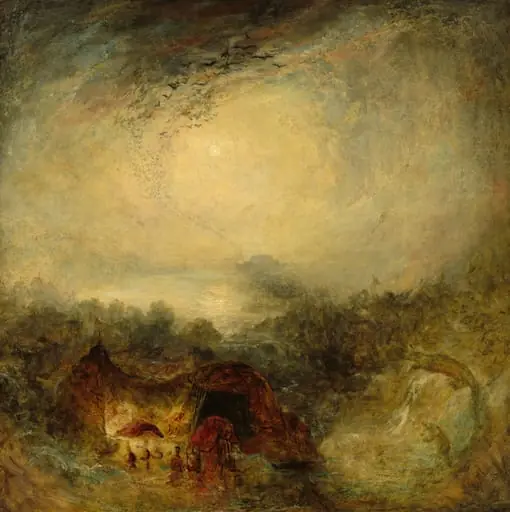
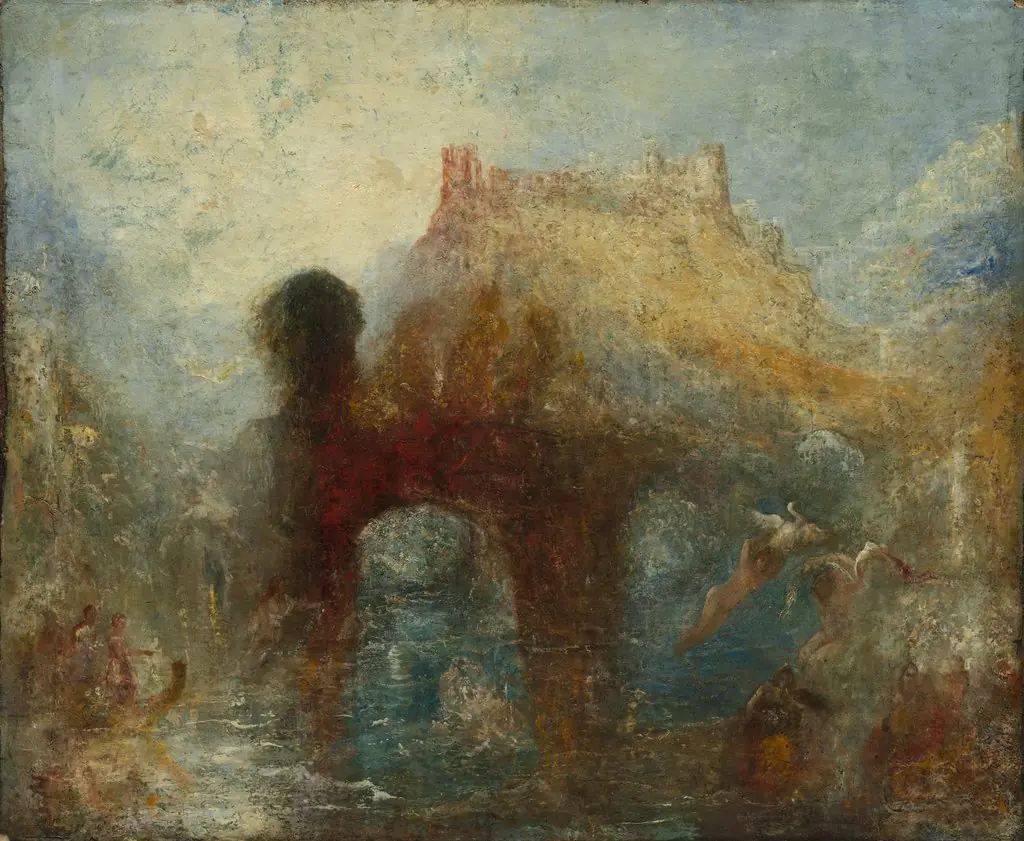
Queen Mab's Cave is an unspecified painting by the Romanticist artist Joseph Mallord William Turner. It dates from 1846 and is held in the collection of the Cleveland Museum of Art.
- Accession no.
- 1916.1036
- Credit line
- Gift of Mr. and Mrs. J. H. Wade
About this work
Overview
Unlike his large-scale exhibitions, this piece was not intended for public display but as a study in chromatic ambiguity, where form dissolves into color.
This painting is a smaller version of a work Turner first showed in 1846, created as part of his personal exploration of light and atmosphere. It entered the National Gallery through his bequest and was transferred to Tate Britain in 1954. Unlike his large-scale exhibitions, this piece was not intended for public display but as a study in chromatic ambiguity, where form dissolves into color. Its intimate scale suggests a private meditation rather than a public statement.
Subject & Meaning
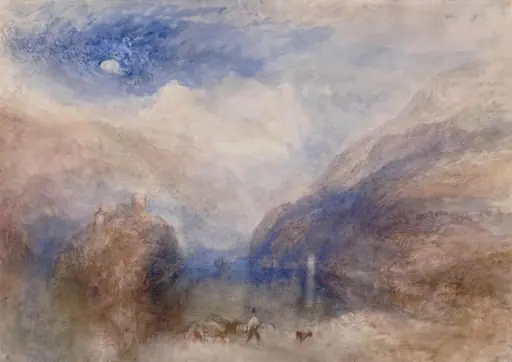
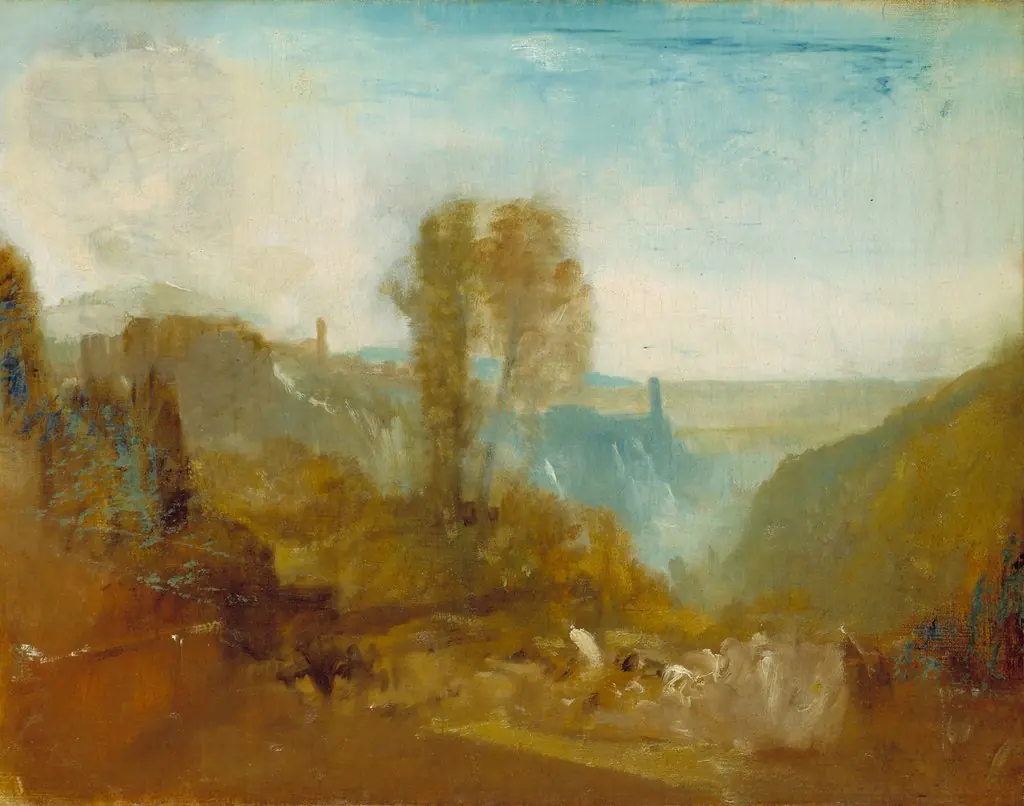
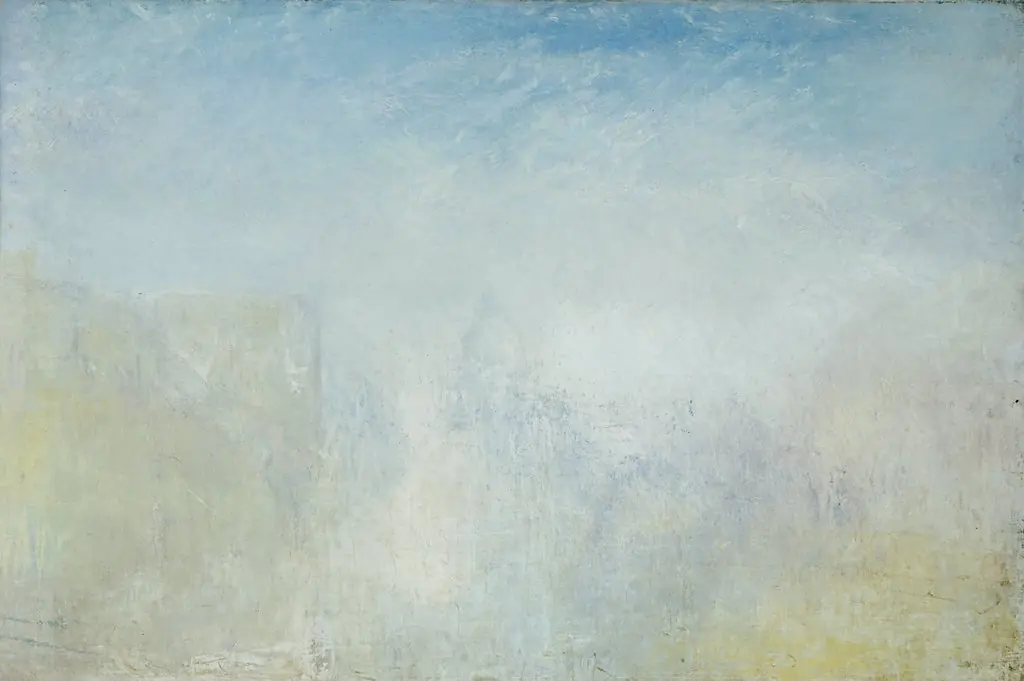
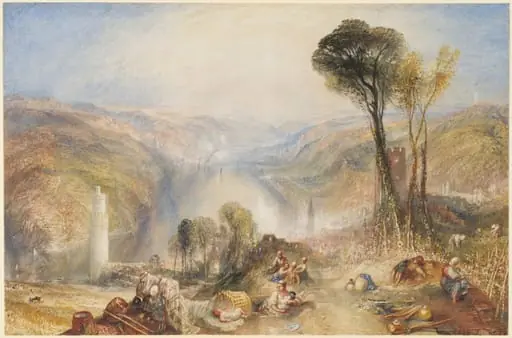
The subject draws from Shakespeare’s Queen Mab, a fairy figure associated with dreams, and Turner’s own poem 'Fallacies of Hope,' both appended to the original exhibition title. Yet the imagery resists clear narrative: swirling hues suggest a cavernous space amid misty ruins, but no definitive forms emerge. The work evokes the elusive nature of memory and imagination, prioritizing emotional resonance over literal representation.
Technique & Style
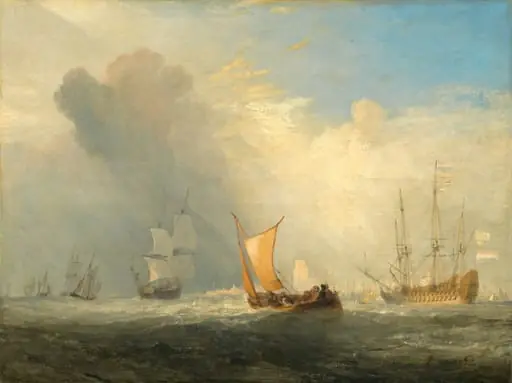
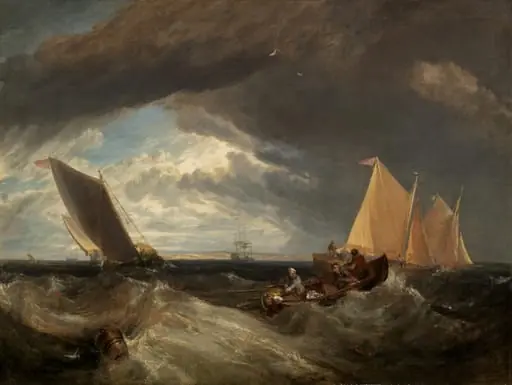
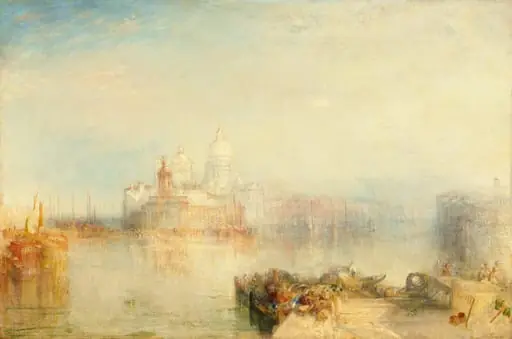
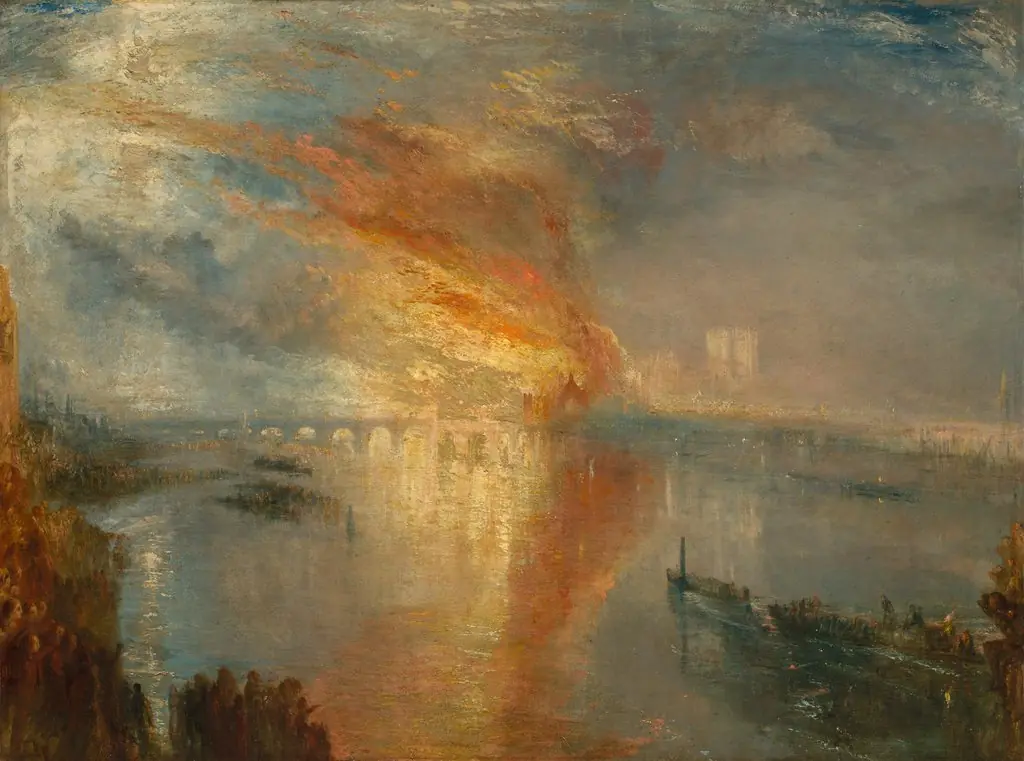
Turner employed thin, layered washes of pink, gold, and gray to dissolve boundaries between sky, rock, and air. Brushwork is fluid, edges blurred, and pigment applied with minimal definition. This technique, rooted in chiaroscuro, emphasizes atmospheric effect over structural clarity.
The result is a landscape that feels less like a place and more like a sensation, light dissolving matter into transient hues.
History & Provenance
The original 1846 version was exhibited at the British Institution and later passed to the National Gallery upon Turner’s death. This reduced copy, likely made by the artist himself, remained in his studio until his estate was settled. It entered Tate’s collection in 1954, alongside other late works that challenged conventional landscape representation. Numerous anonymous copies exist, indicating its influence despite its obscurity.
Context
Painted during Turner’s later years, this work reflects his increasing abstraction and departure from topographical accuracy. Contemporary viewers found it perplexing, as did critics who struggled to reconcile its poetic references with its visual ambiguity. It aligns with broader Romantic interests in the sublime and the ineffable, yet pushes beyond them into a realm where perception itself becomes the subject.
Legacy
Though never widely celebrated in its time, this painting exemplifies Turner’s late experiments with color and form that would later influence modern abstraction. Its refusal to clarify meaning anticipated 20th-century approaches to landscape as psychological space. Today, it stands as a quiet testament to his belief that painting could evoke the unseen, not by depicting it, but by dissolving the visible into feeling.
Artist & collection
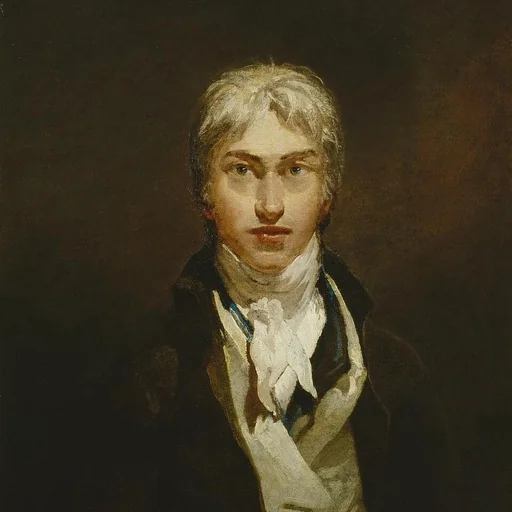
Artist
Joseph Mallord William Turner was born in 1775 at Maiden Lane, Covent Garden, where his father kept a barber and wig-making shop.