Artwork
Retrato do duque de Pastrana
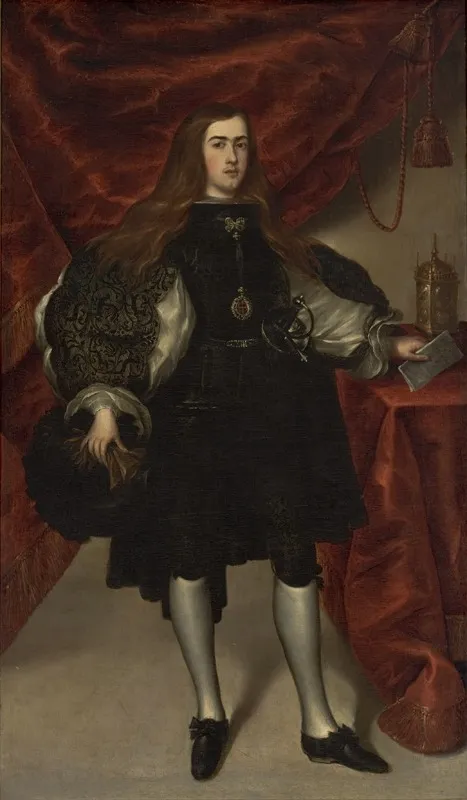
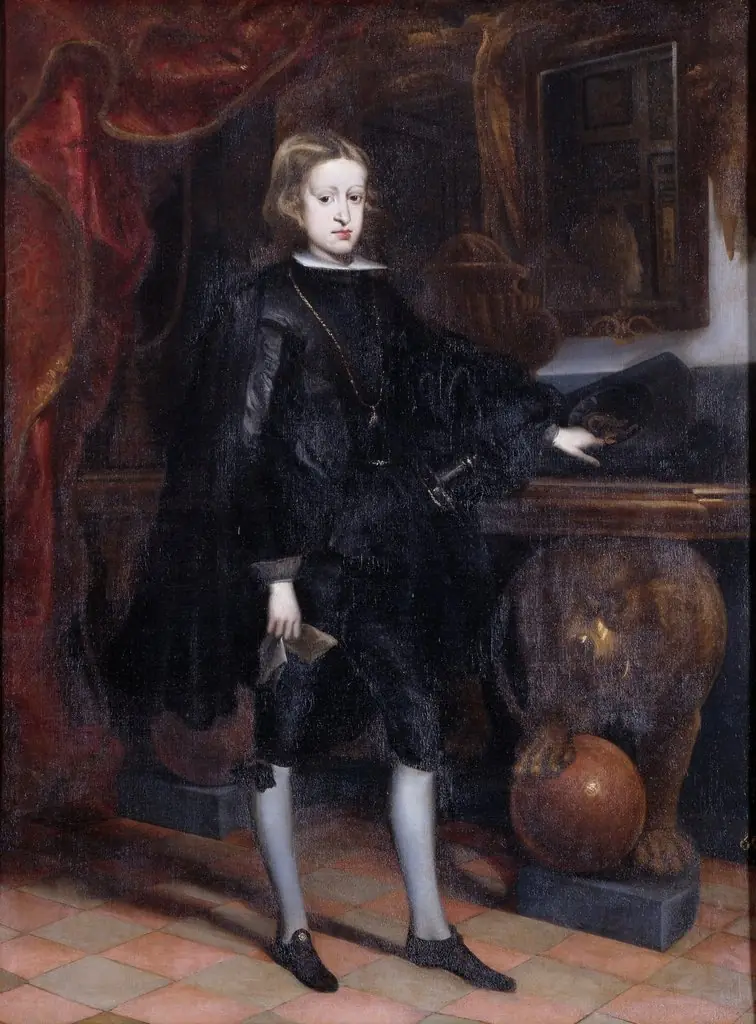
Retrato do duque de Pastrana is an oil painting by the Spanish Baroque Tenebrist artist Juan Carreño de Miranda. It dates from 1659 and is held in the collection of the São Paulo Museum of Art.
About this work
Overview
This painting remains a significant example of the artist's early mature style before his appointment as the principal painter to the king.
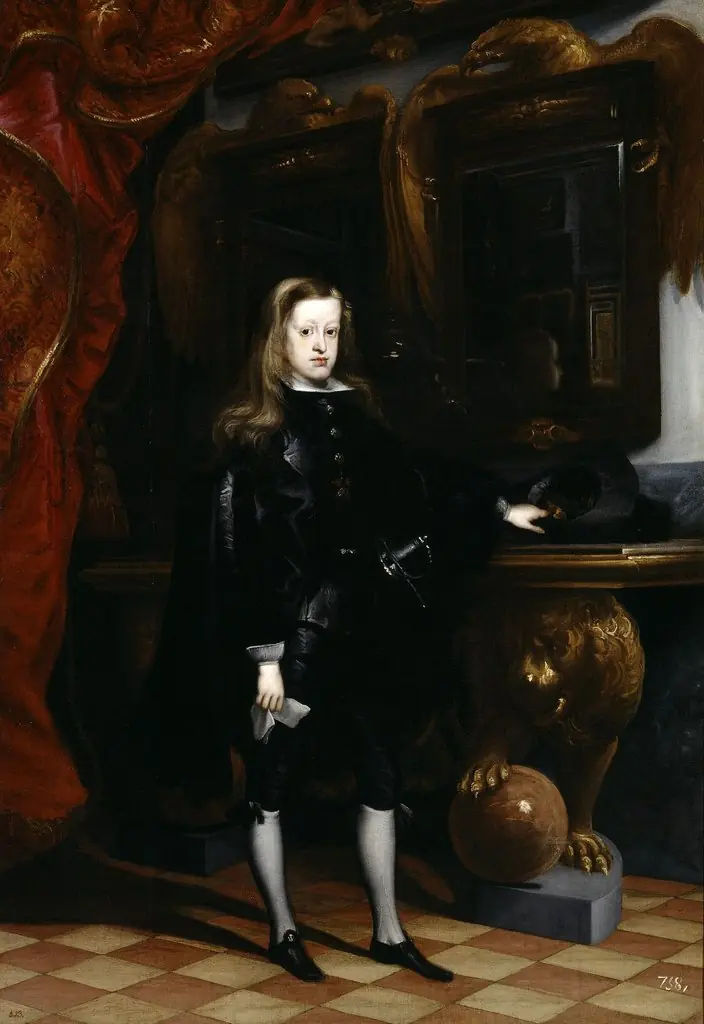
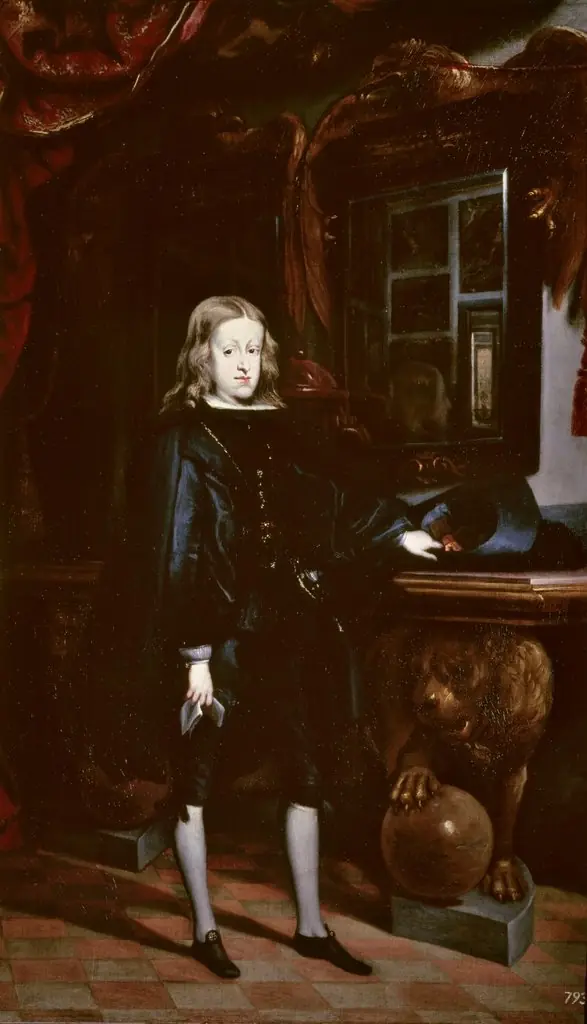
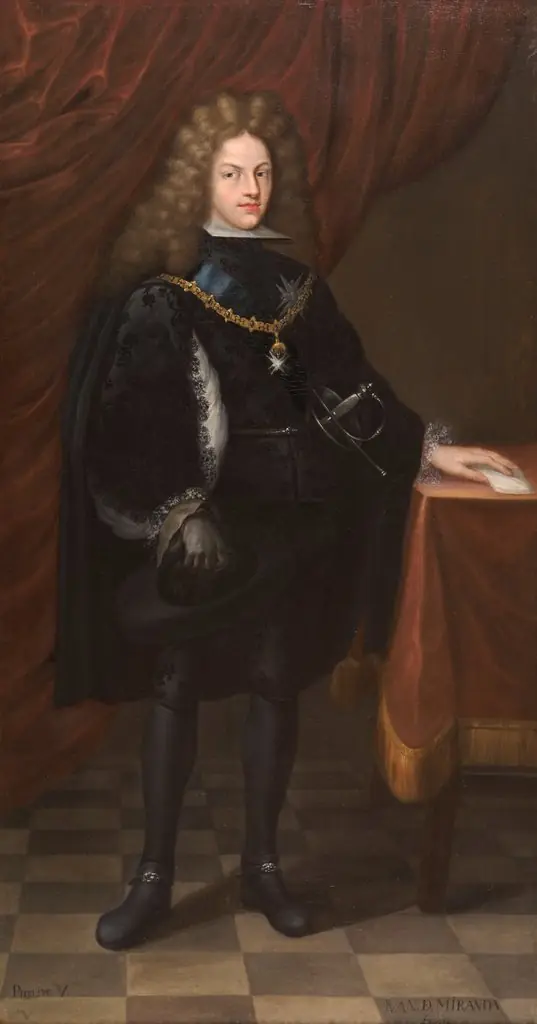
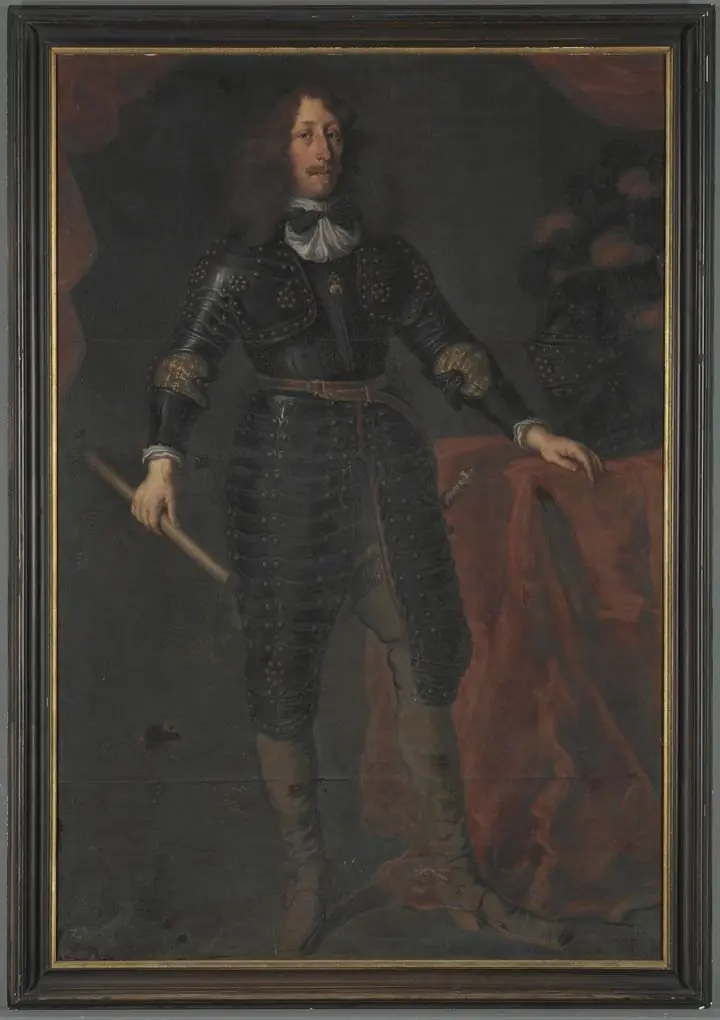
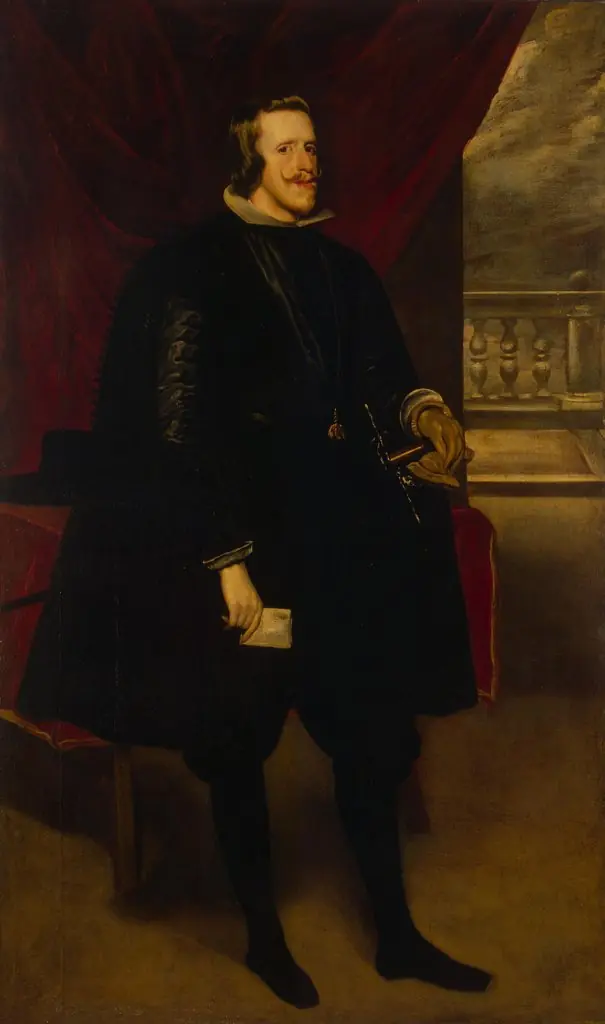
Painted in 1659 by Juan Carreño de Miranda, this oil portrait depicts the Duke of Pastrana in a formal, full-length stance characteristic of Spanish court portraiture during the reign of Philip IV. The subject stands against a draped red curtain, a device used to elevate the sitter's status and focus attention on his figure. He is dressed in the somber, elegant black attire favored by the Spanish nobility, featuring a black doublet over a white shirt with a wide collar, and black breeches.
In his right hand, he grips a sword, symbolizing his martial rank and authority, while his left hand holds a document, likely signifying his administrative duties or noble lineage. Carreño de Miranda, who would later become the leading court painter in Madrid, employs a restrained palette and precise brushwork to render the textures of the fabric and the sitter's composed expression. The work exemplifies the transition in Spanish portraiture toward a more naturalistic yet dignified representation, balancing the rigid formality of the Habsburg court with a subtle psychological presence.
This painting remains a significant example of the artist's early mature style before his appointment as the principal painter to the king.
Subject & Meaning
The sitter, identified as the Duke of Pastrana, is presented with long brown hair, a black vest over a white shirt, and a black skirt, holding a sword in his right hand and a document in his left. The composition conveys his status and martial bearing, while the inclusion of the paper hints at official duties or a written commission.
Technique & Style
Carreño employs chiaroscuro to model the figure, using strong contrasts of light and shadow that give the portrait a three‑dimensional presence. The red curtain behind the duke serves as a dramatic backdrop, enhancing the play of illumination across the fabrics and metal of the sword.
History & Provenance
Created in the late 1650s, the painting entered the São Paulo Museum of Art’s holdings through acquisition in the twentieth century, joining a broader collection of European works that the museum assembled to represent Baroque portraiture.
Context
The portrait reflects the Spanish Baroque tradition of depicting aristocracy with a blend of realism and idealized elegance. Carreño, a court painter to the Spanish monarchy, often rendered nobles with meticulous attention to costume and insignia, situating the duke within the visual language of power prevalent at the time.
Artist & collection